





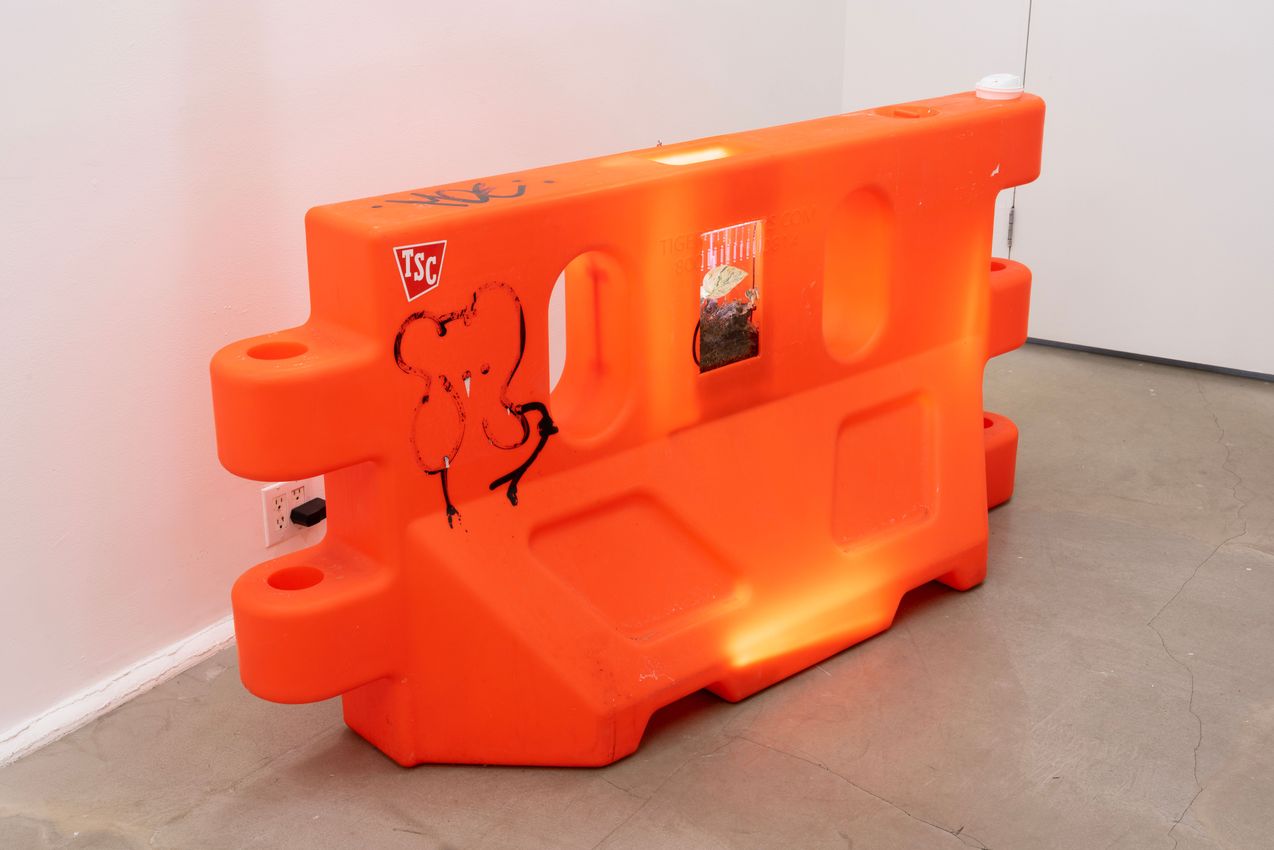
Kay Kasparhauser: ‘I Love When Dumpsters Get Really Rusty’
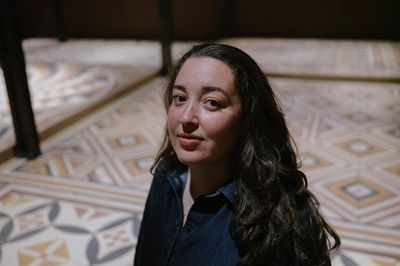
New York City is in Kay Kasparhauser’s blood. Ahead of a new group show, she discusses the sculptures she makes from the metropolis’ detritus and her community mutual aid group. Save to My OculaThe first time I met Kay Kasparhauser, she was being photographed for Paper magazine in my mother’s bedroom, dressed in peach-coloured vintage lingerie: bleached blonde, tongue pierced, eyes that exceed the description of being doe-like because they’re much bigger and less afraid. I was in awe of her the way young girls are in awe of slightly older ones who they hope to become.
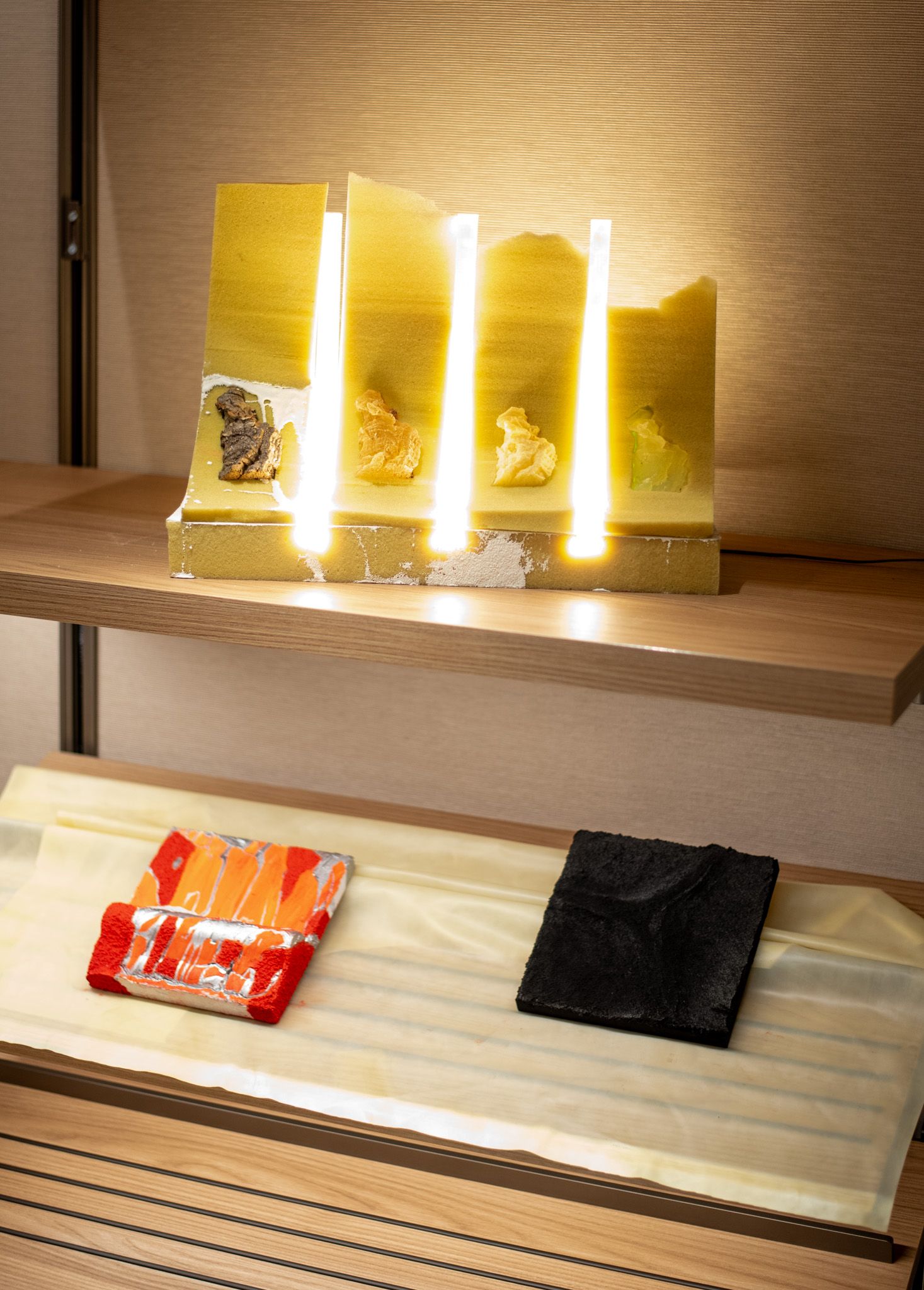
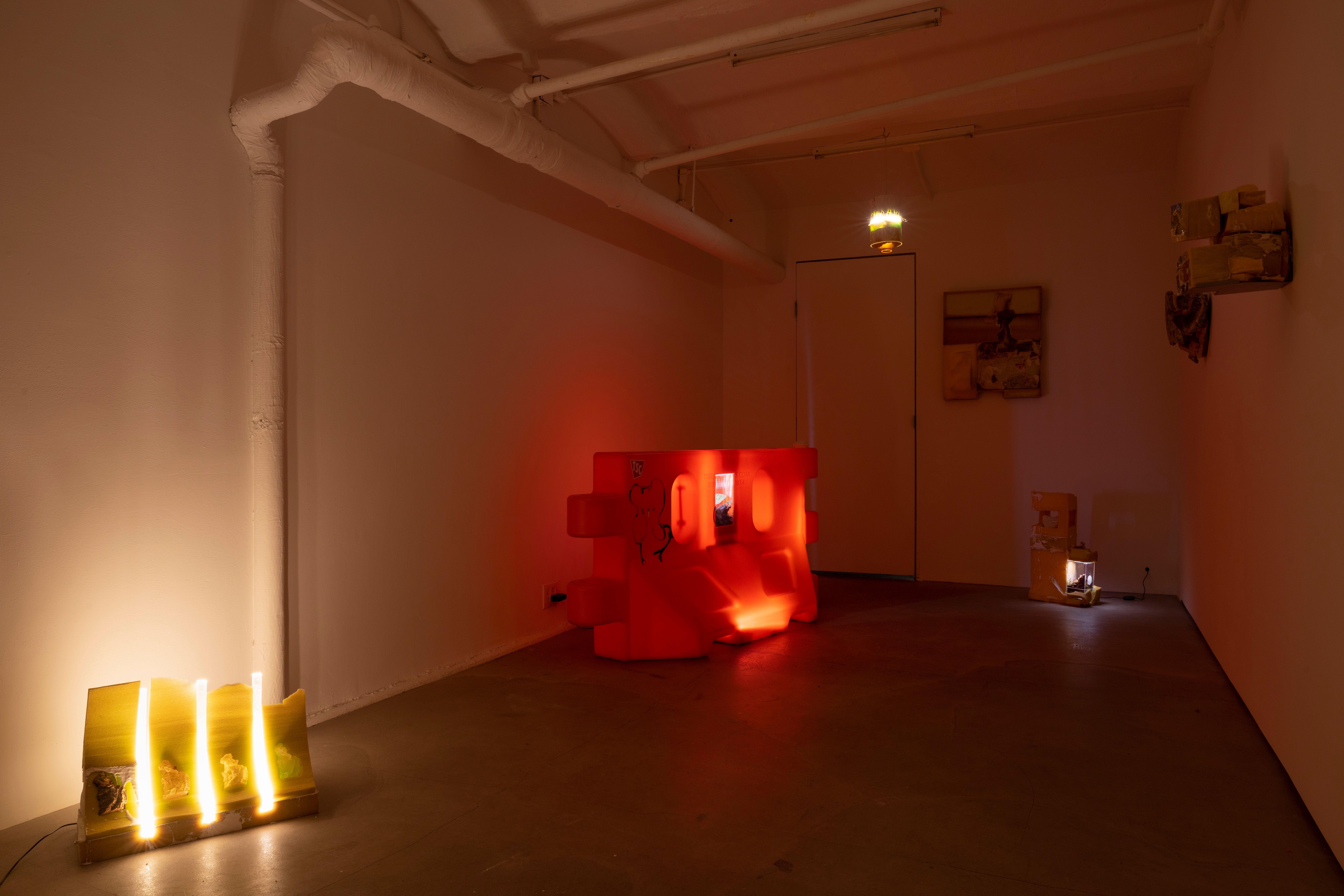
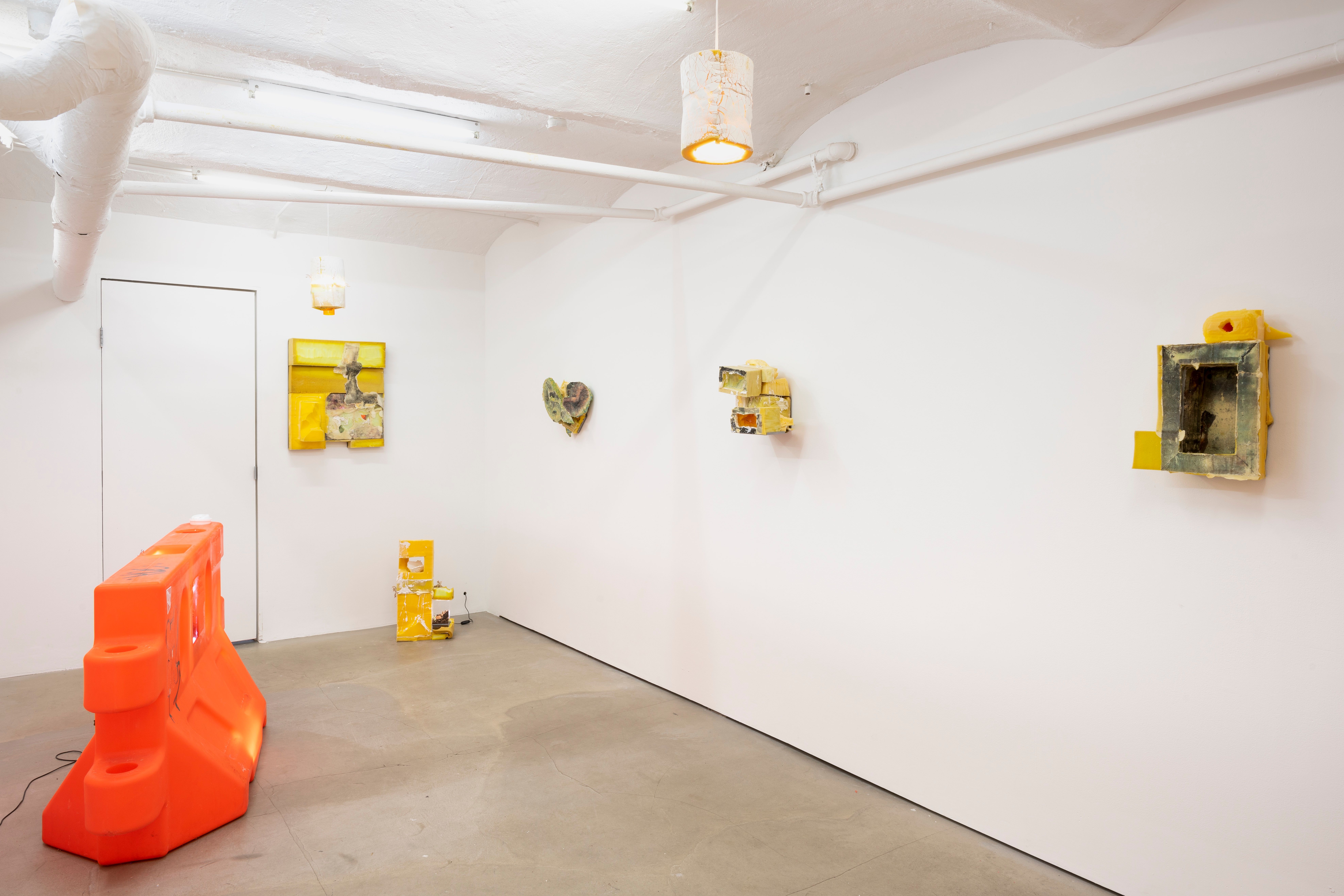
Kay was born in 1990 in New York and now works as a sculptor, writer, musician, student, costume designer and model. In 2020, she started West Village Mutual Aid (WVMA), a volunteer-run group that meets every Sunday in Washington Square Park to distribute meals, clothing and supplies to whoever needs them. Her artwork considers ecosystems generally overlooked and is rooted in the beautiful, perfect dirt of New York City. The polyurethane upholstery foam she uses in many of her sculptures, for instance, is offcuts from other people’s projects—her own work is made up of all the negative space from work she doesn’t know about.
After speaking for this interview, we found an old e-mail my mom had sent Kay on the day I first met her. In it, she says her daughter (me) was conducting mini-interviews with each of the models being photographed but had forgotten to speak to Kay. Would she please answer my question: “What lifts up your spirits?” Seventeen years later, my 12-year-old self would be happy to learn that I’ve had the chance to ask Kay all kinds of other questions over the years. Here are a few. We spoke ahead of The Wedding Show, the inaugural exhibition at Pietro Alexander Gallery, in which Kay has two new sculptural pieces.
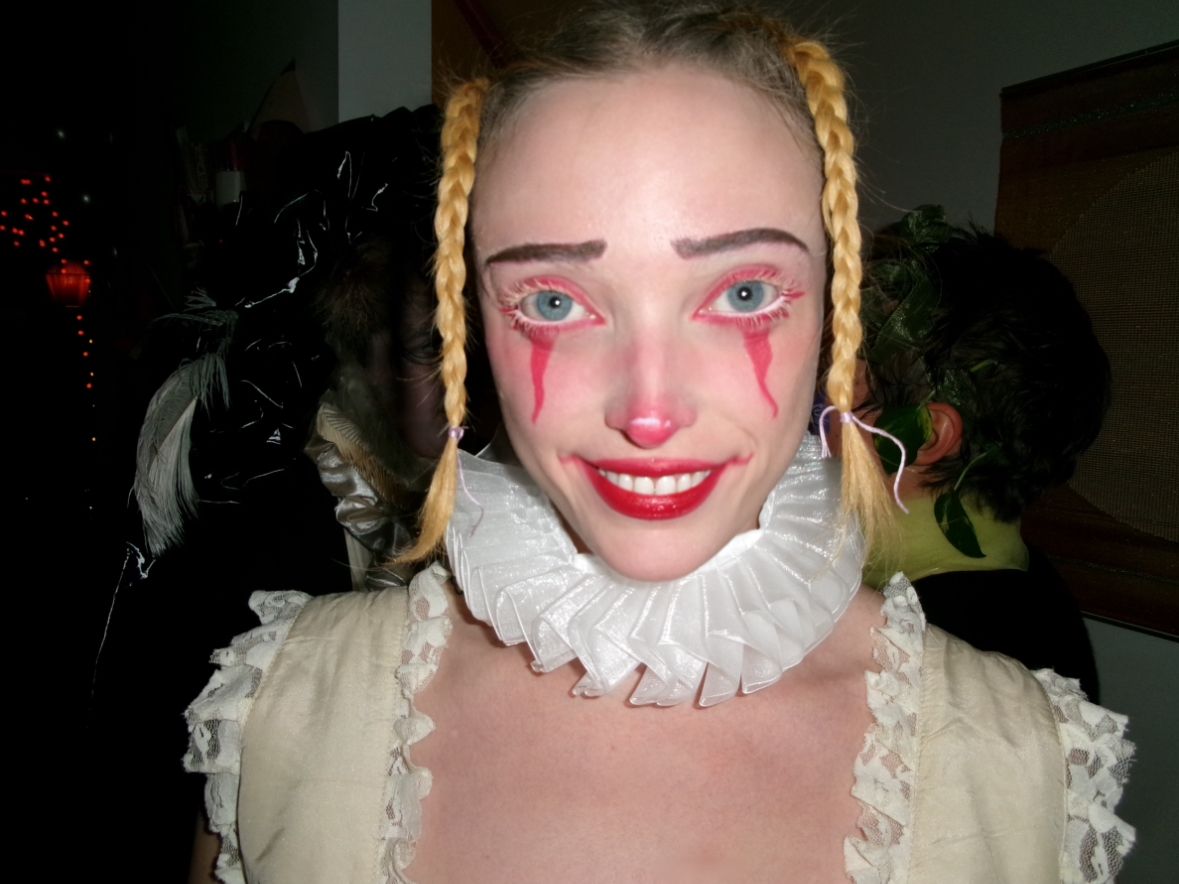
“Being from New York isn’t an identity, but it is such an intrinsic part of my work.”
NLMC: Can you tell me about The Wedding Show and the works you’re exhibiting there this month?
KK: I have two works in the show: one is my own MRI images transferred on to wax and wool: it’s from a series I did as a final for my Embodied Borderlands class (a seminar in Columbia University’s Narrative Medicine programme) and it’s an exploration of the right to opacity. The other is the first and smallest in a series of big chains I am carving out of single pieces of polyurethane foam. That series, I think, is about systems of self-restraint.
NLMC: Can you talk a bit more about the Narrative Medicine degree?
KK: The field of study is basically looking at methods and practices that are rooted in literary analysis and applying those principles to the clinical dynamic, asking: “How can giving and receiving accounts from patients be applied to the doctor-patient dynamic and to medicine as a whole to improve the ways we treat patients?” The logline is: better readers make better doctors.
I’m a huge outlier in the programme. The majority of students are 23 years old and are going to med school next year. Then there’s a few people who are… clinicians with 20-year practices. And then there are a few wildcards. There’s an attorney, a playwright, and there’s me. I come to it as a person with patient experience; I have a lot of ongoing health stuff. And you need to have patients. It’s not a dynamic if it’s just clinicians.
NLMC: How do your writing and visual art practices intertwine? I feel like they’re both rooted in the city, disgust and romance in similar ways.
KK: I think the city thing is interesting because I’ll die on the hill that being from New York isn’t an identity, but it is such an intrinsic part of my work. Daniel [photographer Daniel Arnold, Kay’s boyfriend] said this line the other day: “It’s so cool how you reverse-engineer the inexplicable detritus that you love in the world.” The inexplicable detritus I love is when dumpsters get really rusty or when the layers of paint on a building accumulate.
So maybe the commonality of my writing and visual art is that both are about the evidence of being out in the world. They are both about vulnerability and disgust and romance and hugely about me being a pervert, not necessarily sexually, but in my wanting to take a thing apart with a magnifying glass and an X-Acto blade so I can love every tiny part of it.
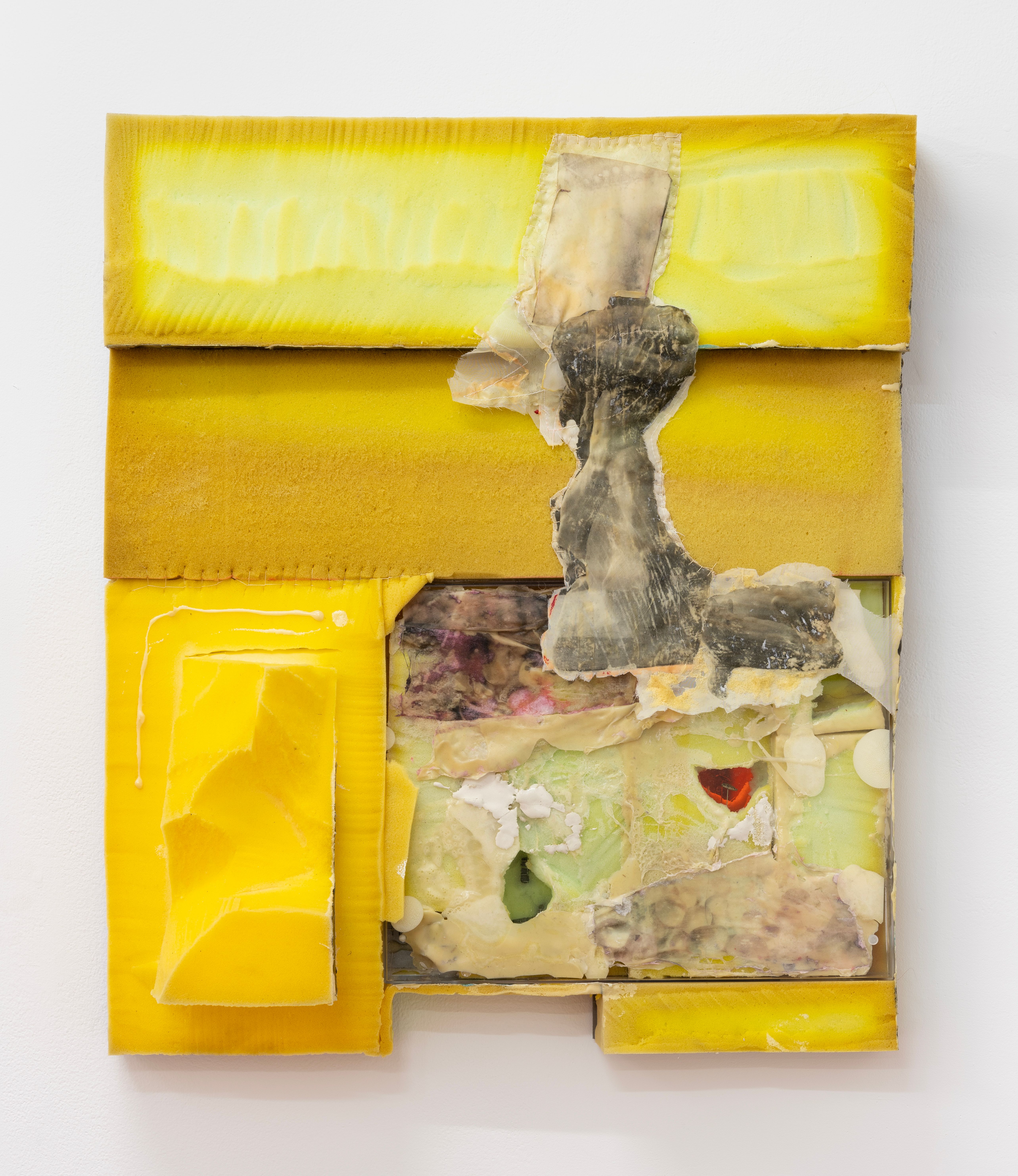
“The inexplicable detritus I love is when dumpsters get really rusty or when the layers of paint on a building accumulate.”
NLMC: What is your favourite book?
KK: My annoying answer (that is also true) is that, as a sober person, my favourite book is The Big Book of Alcoholics Anonymous. That aside, my favourite book is Cryptonomicon (1999) by Neal Stephenson, which is this brutal 2,000-page book with three storylines all in different centuries. Also Pattern Recognition (2003) by William Gibson. And I really, really love Lincoln in the Bardo (2017) by George Saunders.
NLMC: Who would you most like to be exhibited alongside?
KK: My dream is Werner Herzog. Or in a complete dream world, where setting and linear time is not an object, my answer is Buster Keaton. That’s my king of corporeality: using the body as a means to an end, to make people laugh.
NLMC: Can you speak a little bit about West Village Mutual Aid?
KK: I’m obviously interested in systemic change. It would be amazing if we lived in a different society that didn’t treat most people horribly. But I don’t have access to making those changes. What I do have access to is small-community-level care, every weekend for the last five years and, theoretically, for the rest of my life.
“I just thought: ‘What if we just showed up at the same place every Sunday and saw if we could just make one person’s day better by hanging out with them, being neighbours with them”
I just thought: “What if we just showed up at the same place every Sunday and saw if we could just make one person’s day better by hanging out with them, being neighbours with them.” That does feel like the most accessible form of community care. There is no barrier for entry to doing that type of thing.—[O]
The Wedding Show (22 May–18 July) at Pietro Alexander Gallery, New York City
Palette Cleanser is a weekly interview series with the artists you need to watch, as selected by our editors.
Main image: Installation view: New Decay (9 February–15 March 2025) at Entrance Gallery, New York City.





A respected voice in contemporary art discourse.
Focusing on ambitious storytelling and insightful art-world commentary. Ocula Magazine publishes in-depth interviews, critical essays and timely analysis on the artists, exhibitions and ideas driving the global art world.
Learn more about Ocula Magazine
Showcasing the best of the art world.
Ocula partners with galleries from around the world to highlight their artists, artworks and exhibitions. Gallery membership is by application and invitation, with each member vetted by an independent panel.
Learn more about Ocula Membership
Specialises in the sale of major artworks.
Led by a team with deep ties to the world’s leading auction houses, galleries and collectors. Ocula’s advisory team offers bespoke services to high-net-worth clients from around the world who are looking to acquire the best of contemporary and modern art.
Learn more about our team and services