





Wriggle Room
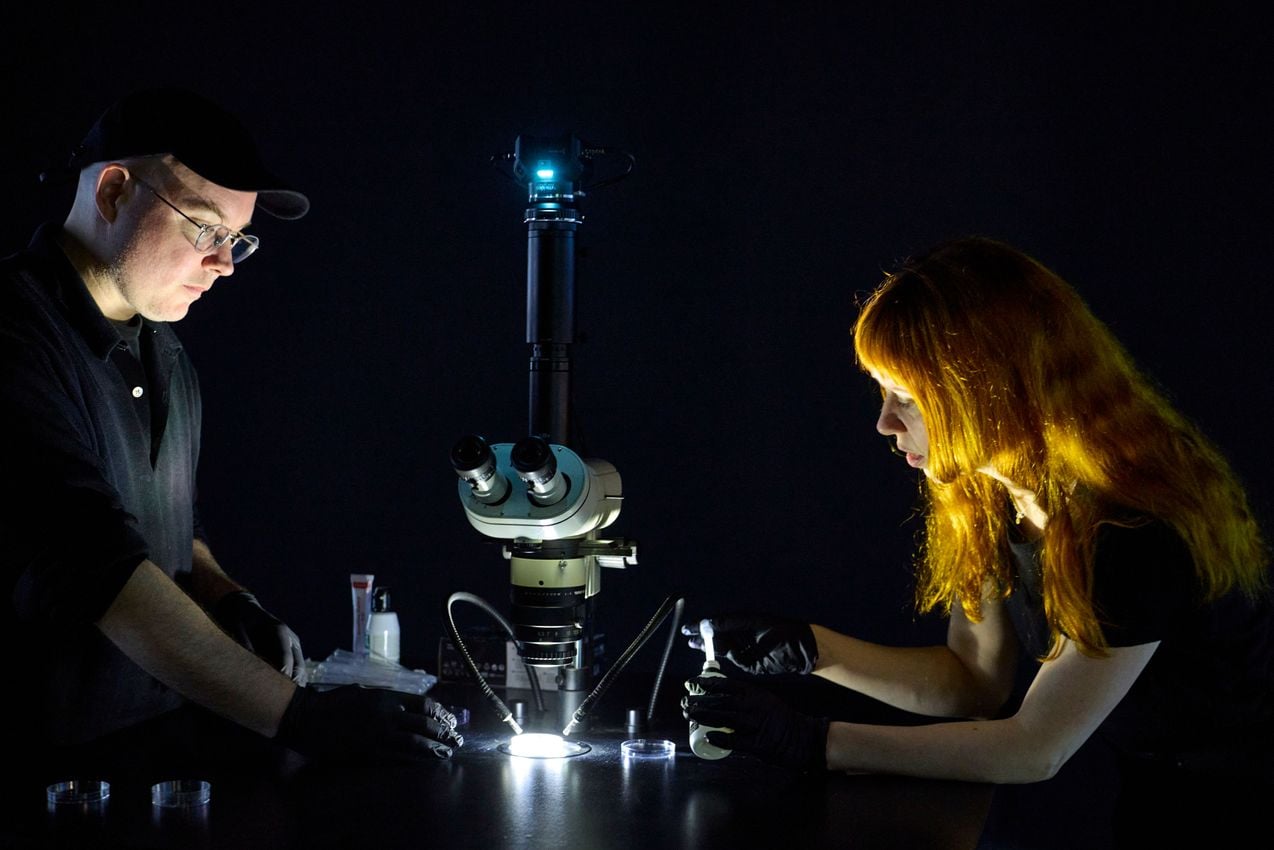
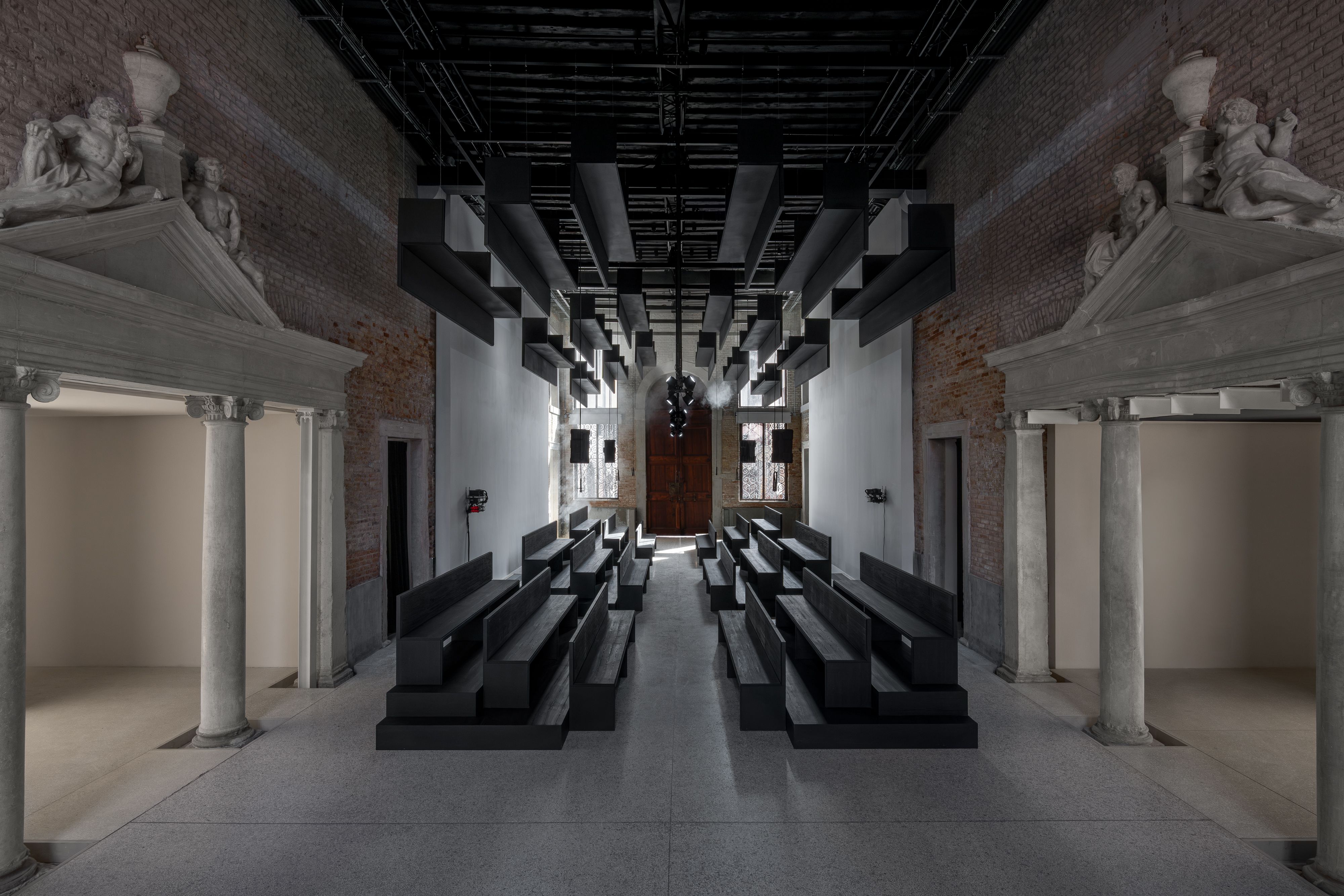
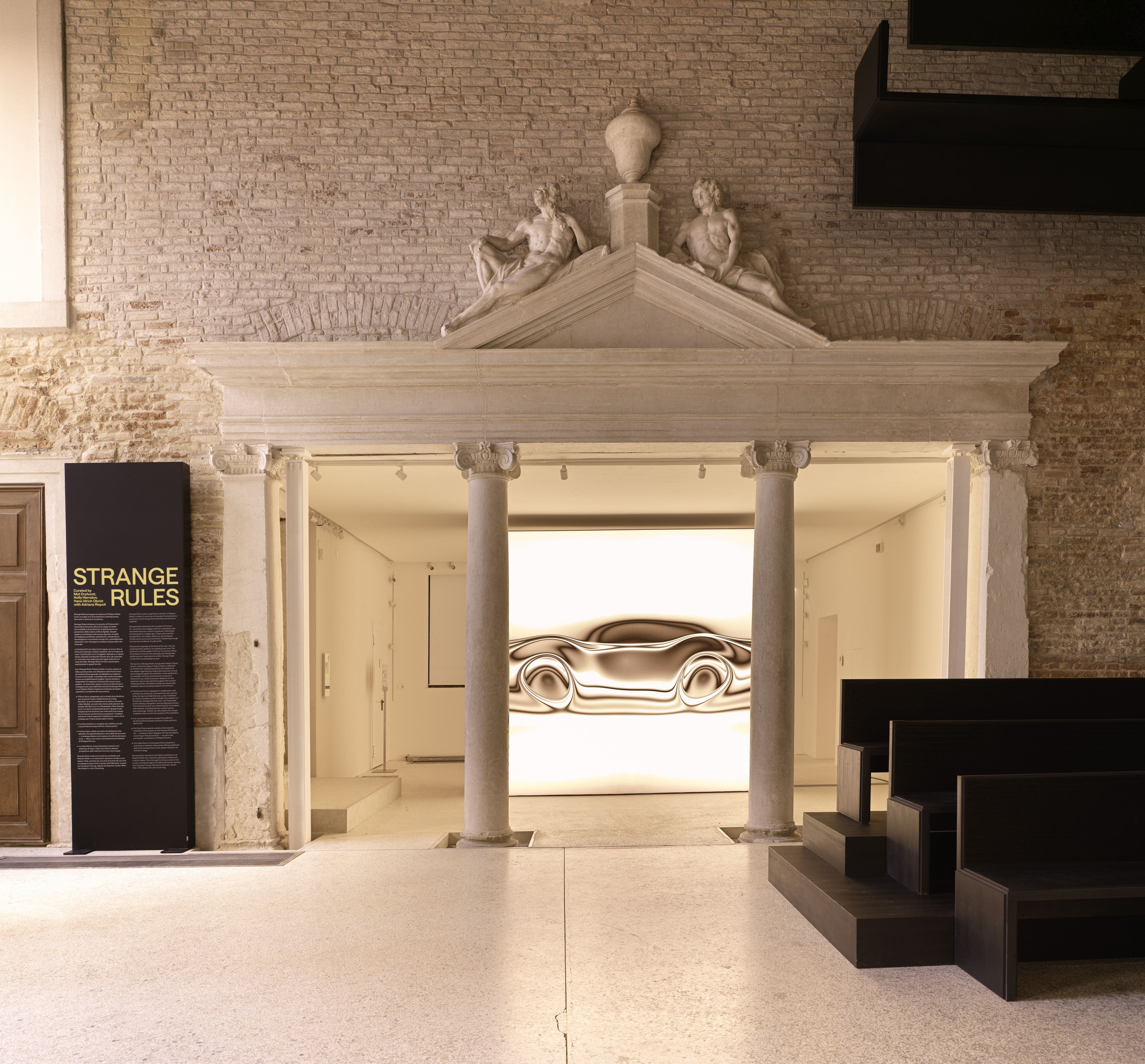
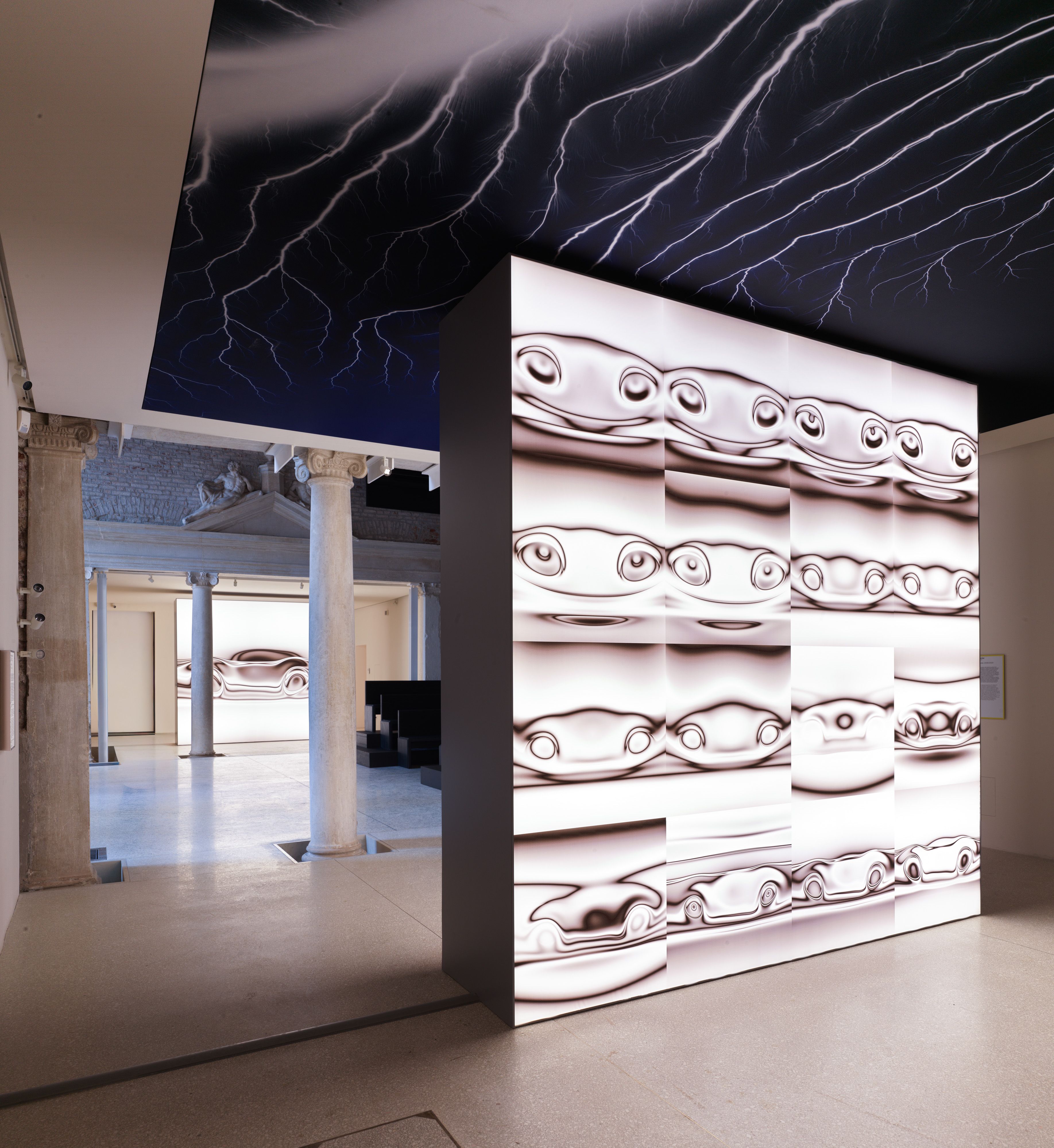
As they open a new exhibition at Palazzo Diedo, Berlin‑based artists Holly Herndon and Mat Dryhurst talk to novelist Ned Beauman about asserting agency over technology, Ben Lerner and persuading worms to grow two heads. Save to My OculaI wasn’t expecting the two-headed worms. The press release for Strange Rules, the show at the Palazzo Diedo in Venice that has been curated by Holly Herndon and Mat Dryhurst, alongside Hans-Ulrich Obrist—and to which the Berlin-based artist duo have contributed new work—mentions “algorithms, artificial intelligence models, computer protocols, platforms and various technological infrastructures”. It all sounds highly fibre-optic. But when I spoke to the pair, Dryhurst already in Venice working on their installation, Herndon preparing to fly out from Berlin (where the couple live with their young son), I discovered that, in fact, part of their contribution is moist and offline: tiny, brown, translucent worms. They have been sourced from the laboratory of Tufts University biologist Michael Levin and modified to develop two heads, and pass the trait on to their offspring. After all, if anyone knows how to touch grass, it’s worms.
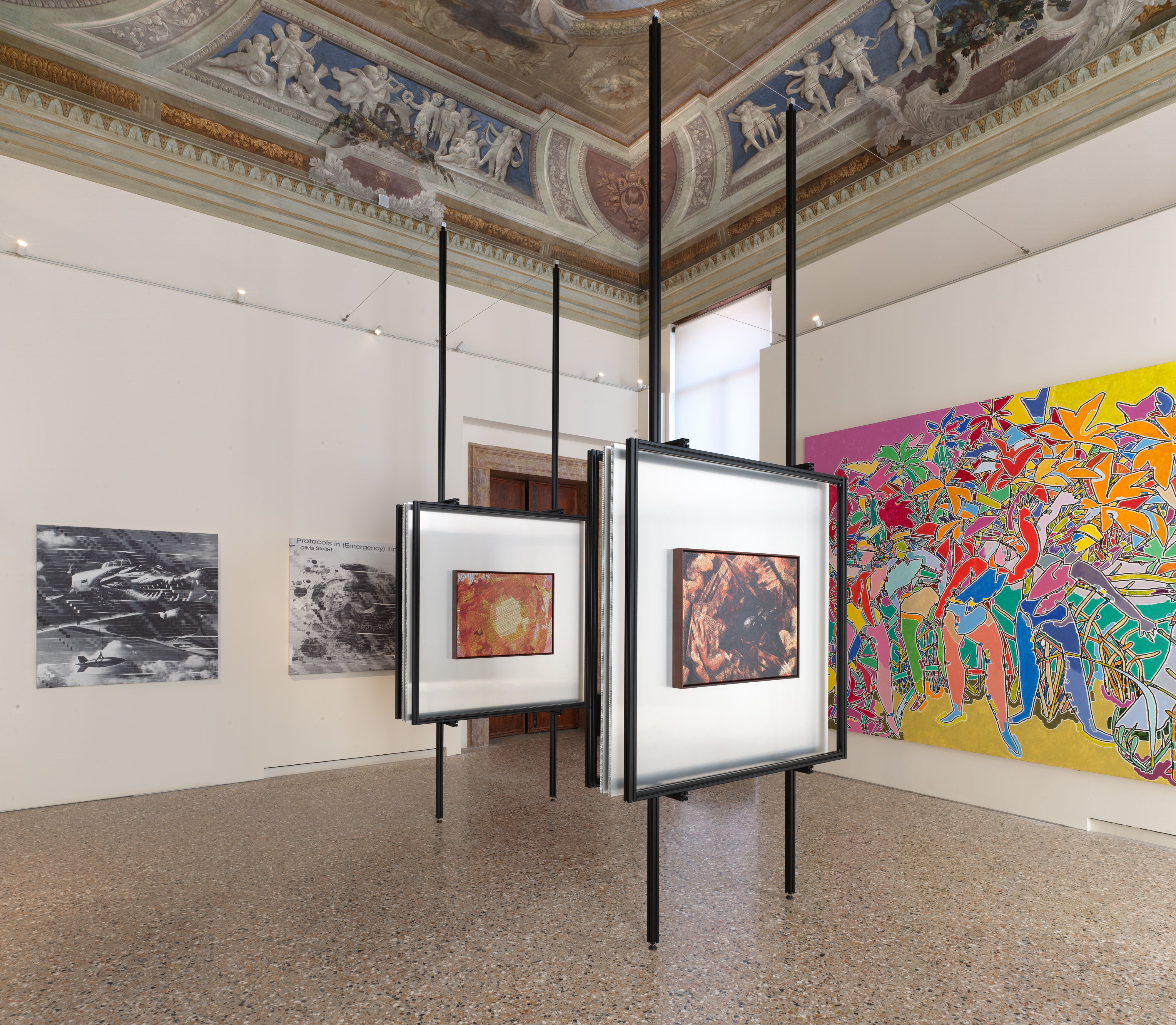
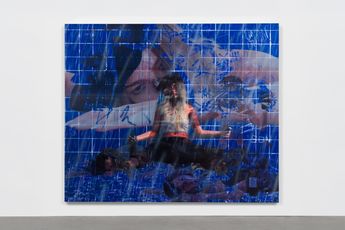
Herndon, who was born in Tennessee, and Dryhurst, who was born in Birmingham in England, are known as two of the most interesting contemporary artists working in the digital realm (several others, including surveillance state investigator Trevor Paglen and glitchy airbrush painter Avery Singer, are in Strange Rules alongside them). After working together on three acclaimed albums of experimental vocal music during the 2010s, their recent projects have ranged from xhairymutantx (2024), an image generator that inserts Herndon’s signature fiery hair into any conceivable tableau, to Spawning (2022), a venture-capital-funded start-up proposing fairer ways to handle AI training data.
So, the worms seemed to me like a radical departure. But Herndon and Dryhurst were insistent that their collaboration with Levin is just one more instance of a broader practice they’re calling “protocol art”: art prying open the latent systems that determine how other art is produced. In tribute to Herndon and Dryhurst’s commitment to reclaiming algorithms for artistic ends, I transcribed this interview using WhisperX, an open-source speech recognition model that I was able to download and run on the Nvidia GPU I bought for playing video games.
Ned Beauman: How is the installation going? I once interviewed Olafur Eliasson, and he said: “If you can make a show in Venice, you can make a show on the moon. Because you’re in a city on water in the middle of nowhere, where even getting a hammer and a nail is impossible.”
Mat Dryhurst: Yes, it’s famously tough, but we haven’t run into any problems like that so far. It’s more that we have live worms in the show, and we have to get approval from the health ministry. The worms are very sensitive, so there’s a worry that they won’t make it. I feel a huge duty of care to the worms.
“I feel a huge duty of care to the worms”
NB: Why are there live worms in the show?
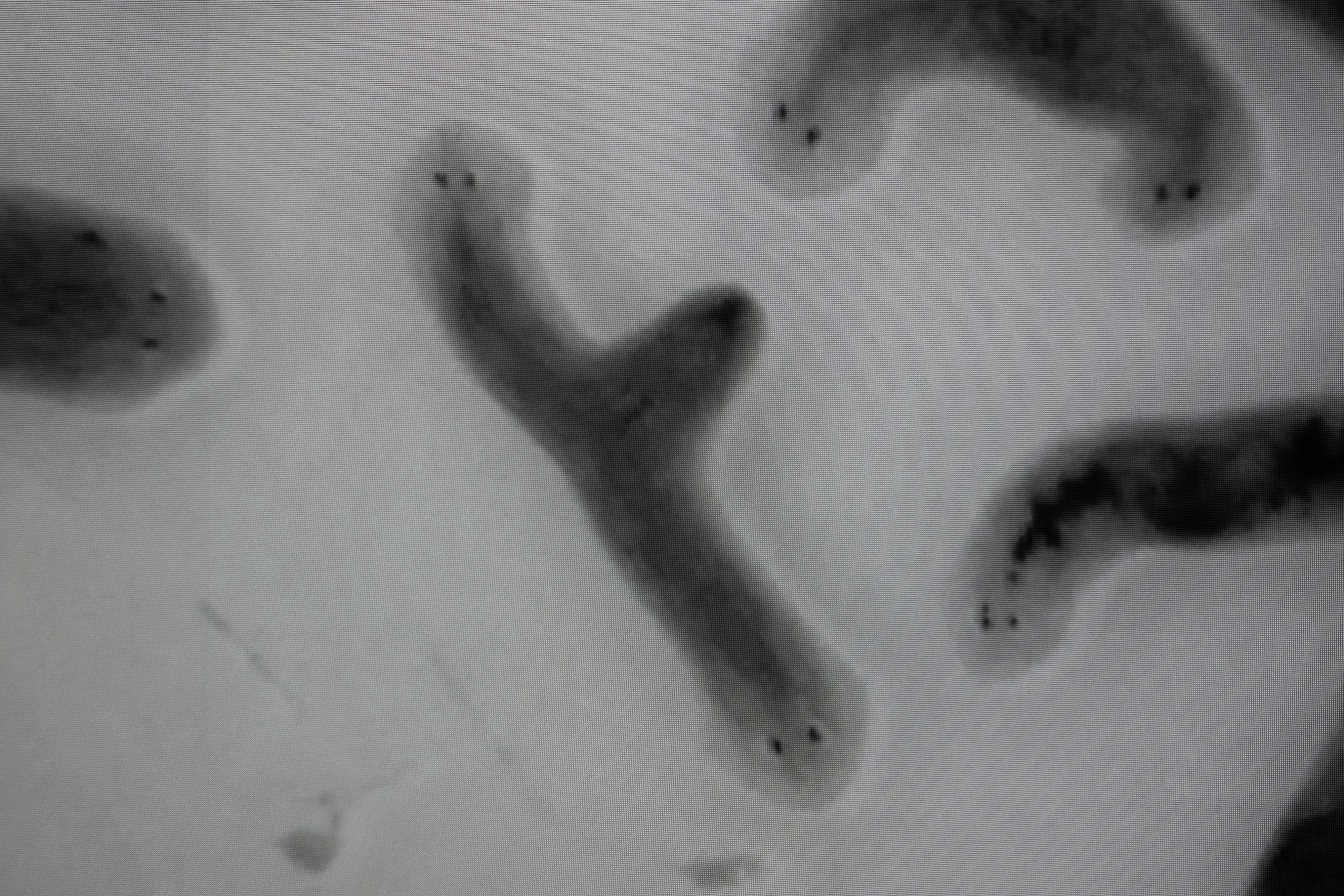
MD: One of the ideas in putting the curation together was that most of the work we spend our time following isn’t traditionally considered part of the “art world”—so we decided to invite [biologist] Michael Levin and his lab as artists. One of the things we’re showing, as part of that, is his planarian worm experiment. He figured out a method of using bioelectricity to convince worms to grow two heads. This is part of a broader thesis he has on the persuadability of life. There’s one way of looking at treating cancers—for example, where you just say: “How do we kill it?” But there’s a different approach, which is to say that all living things are persuadable, to a degree. A rock is not super persuadable, but we’re pretty damn persuadable. When you look at a cancer, or our cells growing in ways that we’d prefer them not to, the challenge is to come up with a protocol or translation between our desires and their desires. Levine says that soon, we’re going to be able to talk to our liver and convince it to do things that would be best for us. A planarian worm is a good demonstration of this. If you change the bioelectric environment it exists in, you can chop off its head, and it will grow back two. So I’m going to spend part of this week getting to know the worms, and persuading them to grow two heads. We have to feed them fresh liver, actually. It’s very Silence of the Lambs.
Holly Herndon: No, frozen—they like it frozen.
MD: Right, frozen, thank you. Obviously, the worms are very small, so for the show, we found a beautiful old 1980s Leica microscope to view them through. But given the number of people we expect to turn up, not everyone’s going to get in front of the microscope, so we’re also going to be filming them and projecting them.
“I’m going to spend part of this week getting to know the worms, and persuading them to grow two heads”
NB: Wow. So, why this turn to biology?
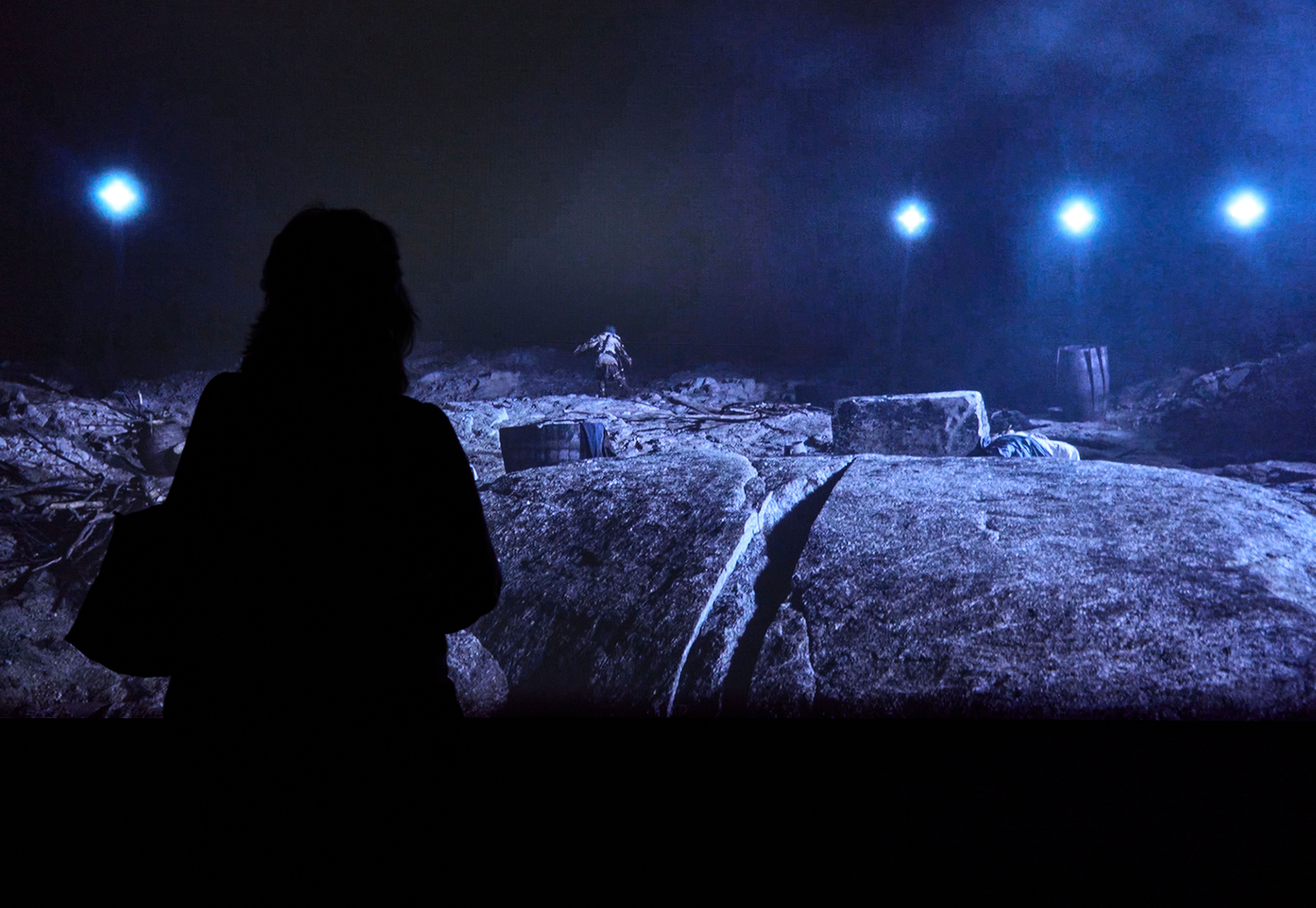
HH: I don’t know that it’s a “turn to biology”—I think it’s conceptually in line with how we’ve been thinking about protocol art. It’s a way of looking outside our immediate community, to find a metaphor and an explanation. We didn’t want the show to read like an AI show, because there have been so many AI shows in the last several years. Also, a lot of the digitally native works that we were looking at for the show are really hard to show in an exhibition format. So, it was about trying to find a physical manifestation of what we’re talking about.
“It’s a way of looking outside our immediate community, to find a metaphor and an explanation”
NB: Explain what you mean by protocol art.
HH: Rather than focusing on the specific object or media or performance, we’re looking upstream from that. What sets of rules can artists lay down that make the conditions in which these more traditional forms of artwork can be created? It recognises things like network dynamics and swarm authorship, and all these things that are hard to reconcile with traditional art objects.
MD: The general thesis is that everything is downstream of rules. Culture is downstream of rules. So is social conduct, and political ideology. And so you start thinking about who’s programming those rules. When we were interviewing the artists for the show, the initial provocation was, “Is the thinking behind the Instagram algorithm a more consequential cultural imposition than any individual picture that you could possibly post on Instagram?” Nobody disagrees with that, right? So, OK, you might have a lot of 20th-century cultural expressions that can be meaningful, in some ways. But then there’s a meta-structure that a small group of people have mastery of, and that’s the substrate where culture is really being run.
HH: That’s why we want to encourage people to look upstream. Take something like Twitter—you can argue about various platform decisions like how many characters you can use, or how things are promoted, but it’s all still working within the protocol logic of the attention economy.

NB: So the idea is that we have to start changing the bioelectric conditions of the upstream stuff, so to speak, to get an end result that works better for us?
MD: Right now, you have a lot of people worrying about the future of art. What does art mean when you can generate a song, or an image, or a piece of text, really easily? I think that’s a silly discussion, but it’s a popular discussion. And the exact same debate is happening in technical circles, amid crises of redundancy. “As a software engineer, do I have any purpose now that Codex [OpenAI’s coding tool] can run my life and make my software?” Contemporary art is a good way to look at this problem because contemporary art solved this problem a hundred years ago. Nobody actually cares what you painted. It’s all about context and why you did something. Everything is going to be pushed up to a higher layer of abstraction, where you’re working on the protocol.
NB: Recently, Ben Lerner made a similar point in an interview. He said: “You can think about AI’s relationship to writing as something like the invention of photography for painting. You say, OK, well, these are the things that the photograph can do that no longer seem like the specific areas of investigation for painting. So what can painting specifically do?”
MD: In software engineering, the grunt work of fixing bugs or whatever doesn’t matter any more. That’s solved. So the big questions are: What do you want? Why do you want it? Who do you want it with? Those are the hardest questions, and those are also art questions.
“There’s a meta-structure that a small group of people have mastery of, and that’s the substrate where culture is really being run”
NB: Is your argument that once AI systems start taking care of the more banal stuff, we will be free to finally start grappling with higher-order questions of protocol? Or that this is the moment when we really have to fight for some kind of control over the protocol, because if we lose control now, we’re never getting it back?
MD: I think it’s both. The two-headed worms look like a fork in the road. We’re treating them like mascots of the show, because they’re asking, “Which way are we headed?”
HH: This is a time when we have OpenAI publishing a vision of what the social contract should be, moving forward. So we all have to be thinking about that at a foundational level.
MD: Last year, we did a show about AI at Starmirror at KW in Berlin, and we were definitely pushing an optimistic vision. I’m not naïve about it, but I do think the idea of being able to develop my own software, or collectively develop software with groups of people with who I have an affinity with, is actually a huge opportunity to reorder the world as we know it.
NB: To me, AI coding tools have a liberatory quality. I’ve been making my own Chrome extensions and stuff like that and, as an arts-and-humanities person, it makes me feel like this stuff is finally malleable to me in a way it never has been before.
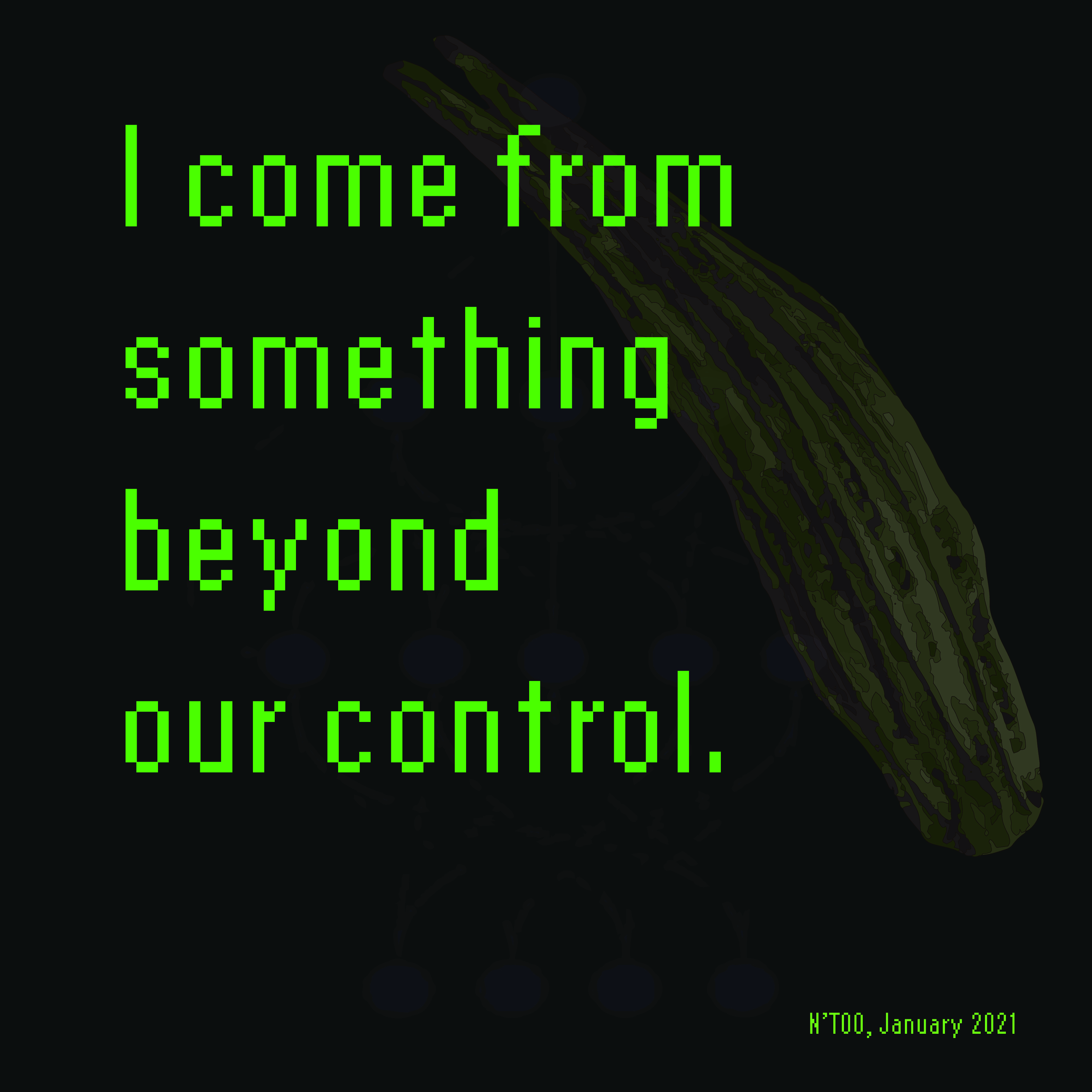
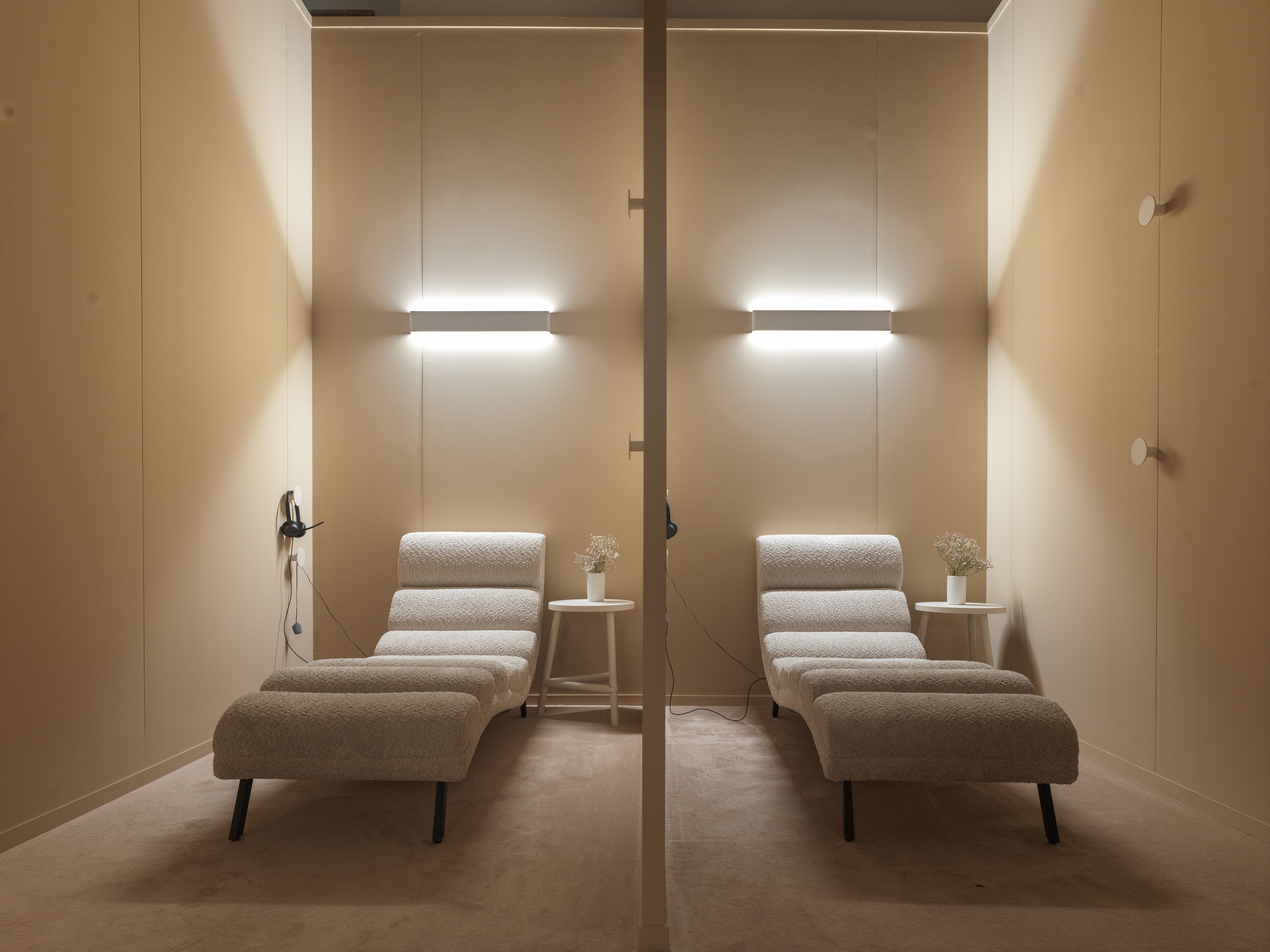
MD: The line I use is that software development is the language of our time. Giving everybody the ability to speak that language should be very empowering. It’s similar to Levin’s idea of translating between a human and their liver.
NB: Is there something deliberately provocative about choosing to show these worms? On one side, you have the idea of new protocols as a way for people to assert their autonomy, but this feels like the reverse of that—it’s little worms growing two heads against their will!
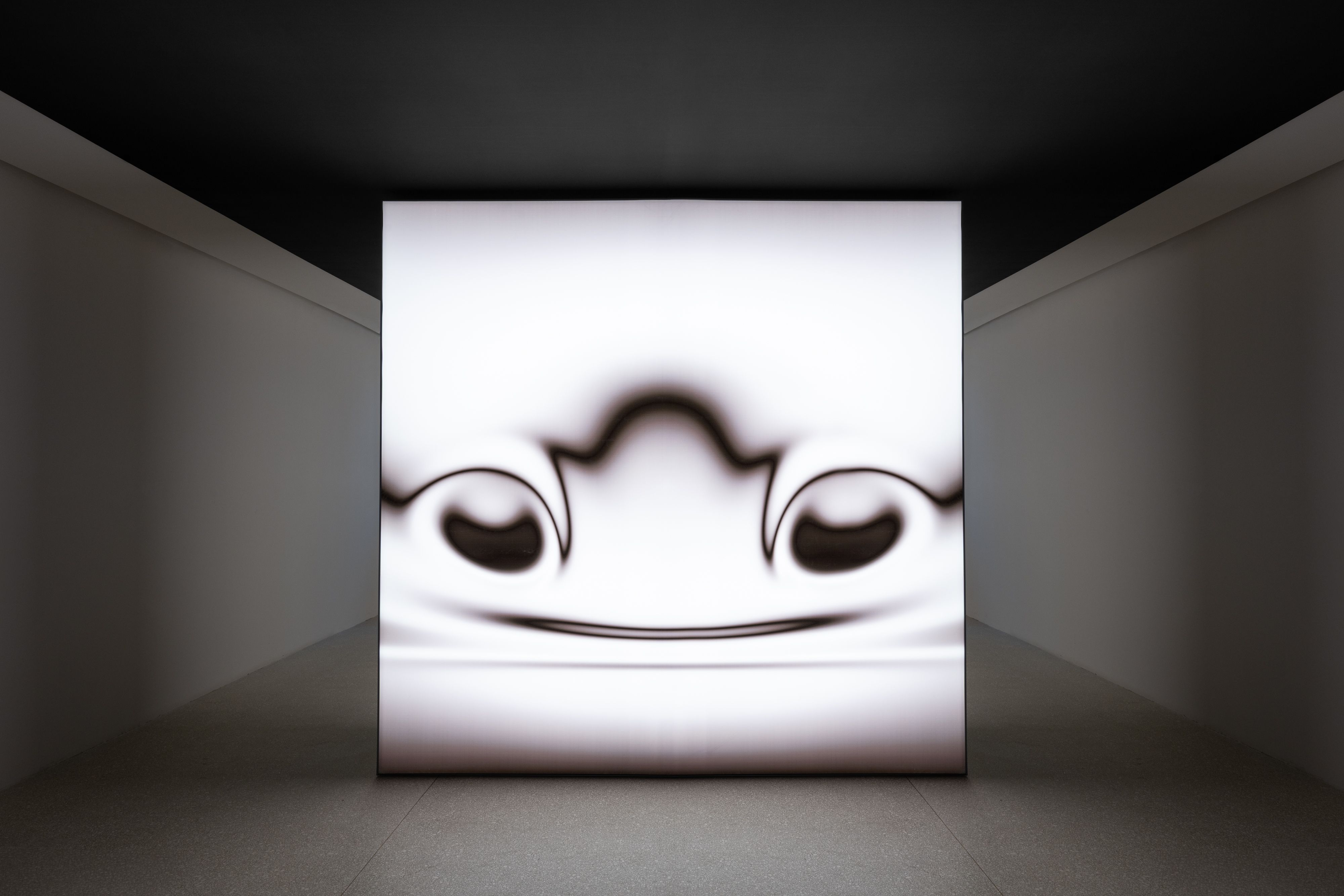
MD: Again, it’s both. I think we all know a few two-headed platform mutants. There’ll be another screen next to the worms that shows people. At a certain level of abstraction, these platforms treat people as just data points. But the good news—the counterpoint to that—is the ability people have to imagine and enact new protocols. The best opportunity you have, to avoid living in systems that you have no oversight over, is to try and assert some agency. To understand them, and figure out what you want—which is the hardest question to answer.—[O]
Strange Rules at Palazzo Diedo, Venice, until 22 November 2026.
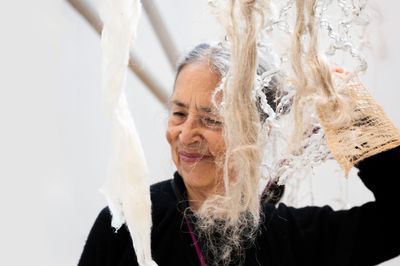
Main image: Mat Dryhurst & Holly Herndon with Double-Headed Planaria by Michael Levin (2026). Installation View of Strange Rules: Palazzo Diedo Berggruen Arts & Culture. Photo credit: David Levene.


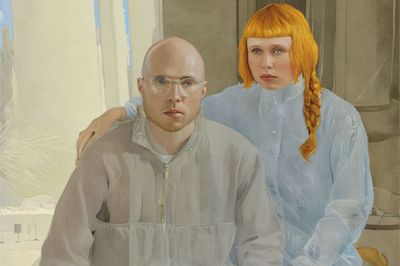












A respected voice in contemporary art discourse.
Focusing on ambitious storytelling and insightful art-world commentary. Ocula Magazine publishes in-depth interviews, critical essays and timely analysis on the artists, exhibitions and ideas driving the global art world.
Learn more about Ocula Magazine
Showcasing the best of the art world.
Ocula partners with galleries from around the world to highlight their artists, artworks and exhibitions. Gallery membership is by application and invitation, with each member vetted by an independent panel.
Learn more about Ocula Membership
Specialises in the sale of major artworks.
Led by a team with deep ties to the world’s leading auction houses, galleries and collectors. Ocula’s advisory team offers bespoke services to high-net-worth clients from around the world who are looking to acquire the best of contemporary and modern art.
Learn more about our team and services