





Taína H Cruz: ‘There Are Many Ways to Challenge a Viewer with a Portrait’
Taína H Cruz grew up with internet imagery, but now her projects incorporate much more of the personal, including the giant billboard of a grinning girl outside this year’s Whitney Biennial. Save to My Ocula
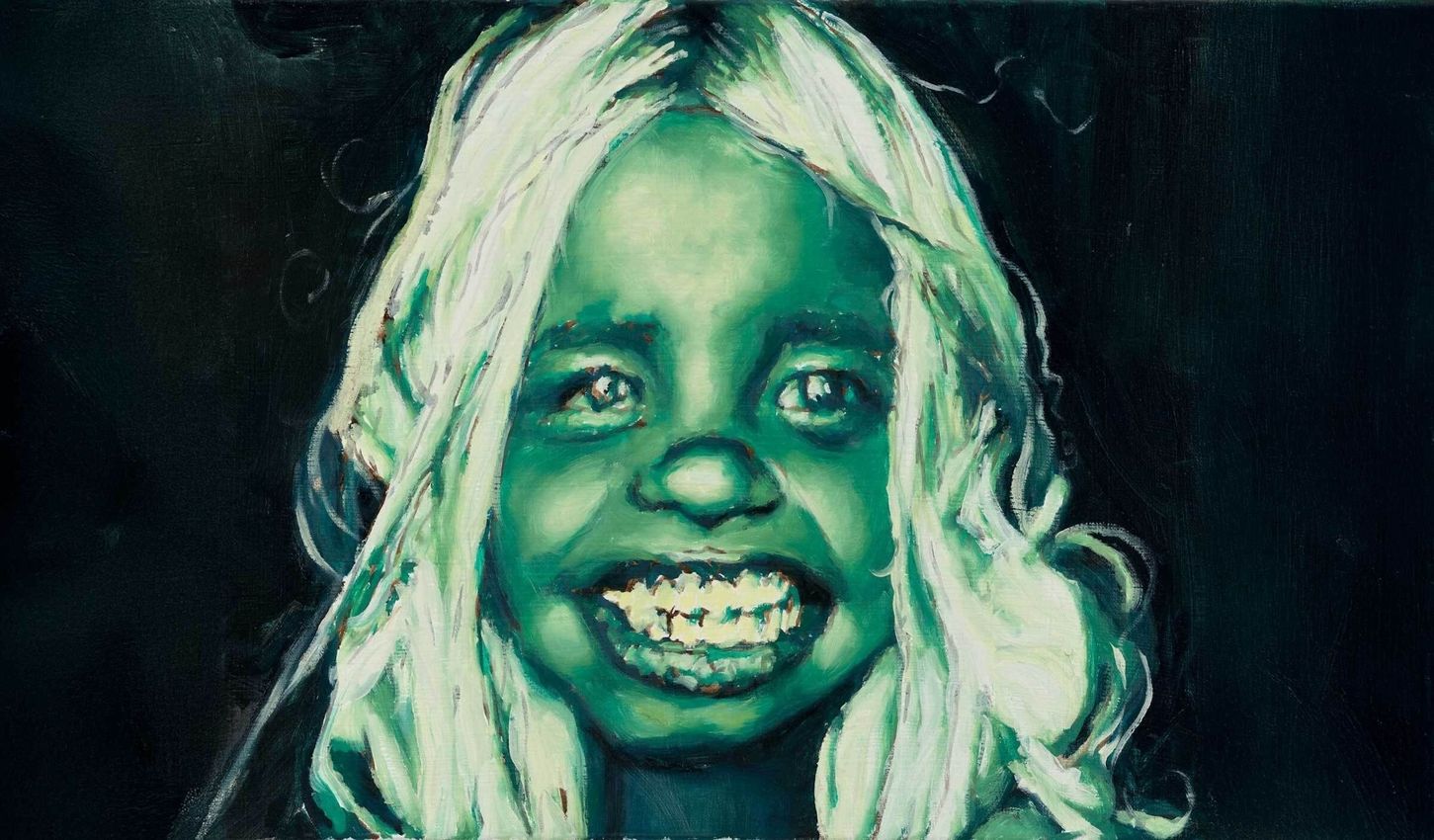
A giant painting of a green face leers out from a billboard on the façade of the Whitney Museum in New York City. The face, belonging to a young girl, exhibits a gleeful, joyful mania; her grin is almost a grimace. It brings to mind Mercutio’s evocation of the fairy queen when she appears in Romeo’s dream in Romeo and Juliet: “I see Queen Mab hath been with you. She is the fairies’ midwife.”
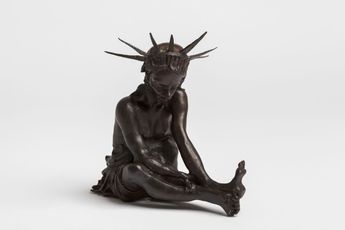
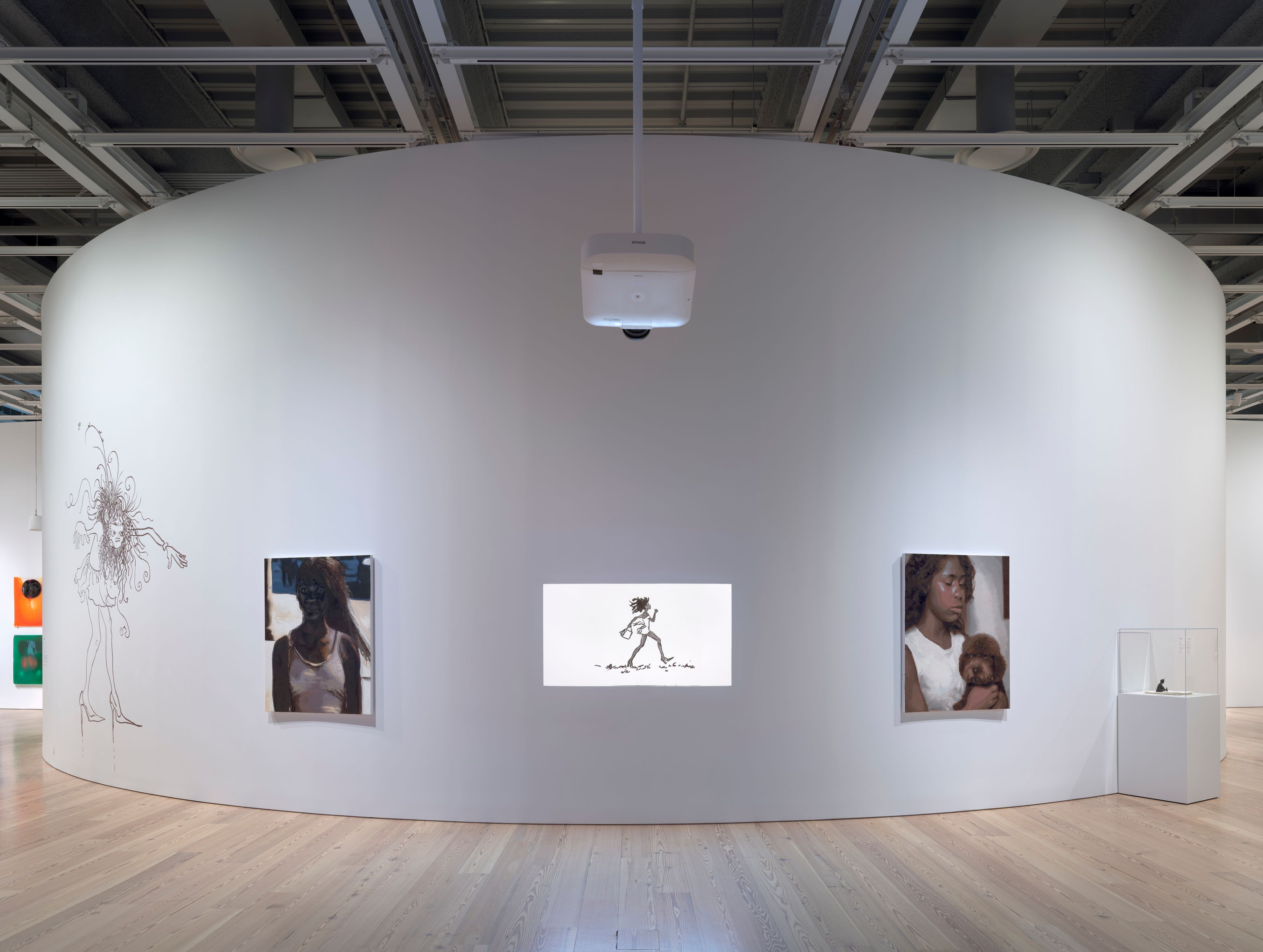
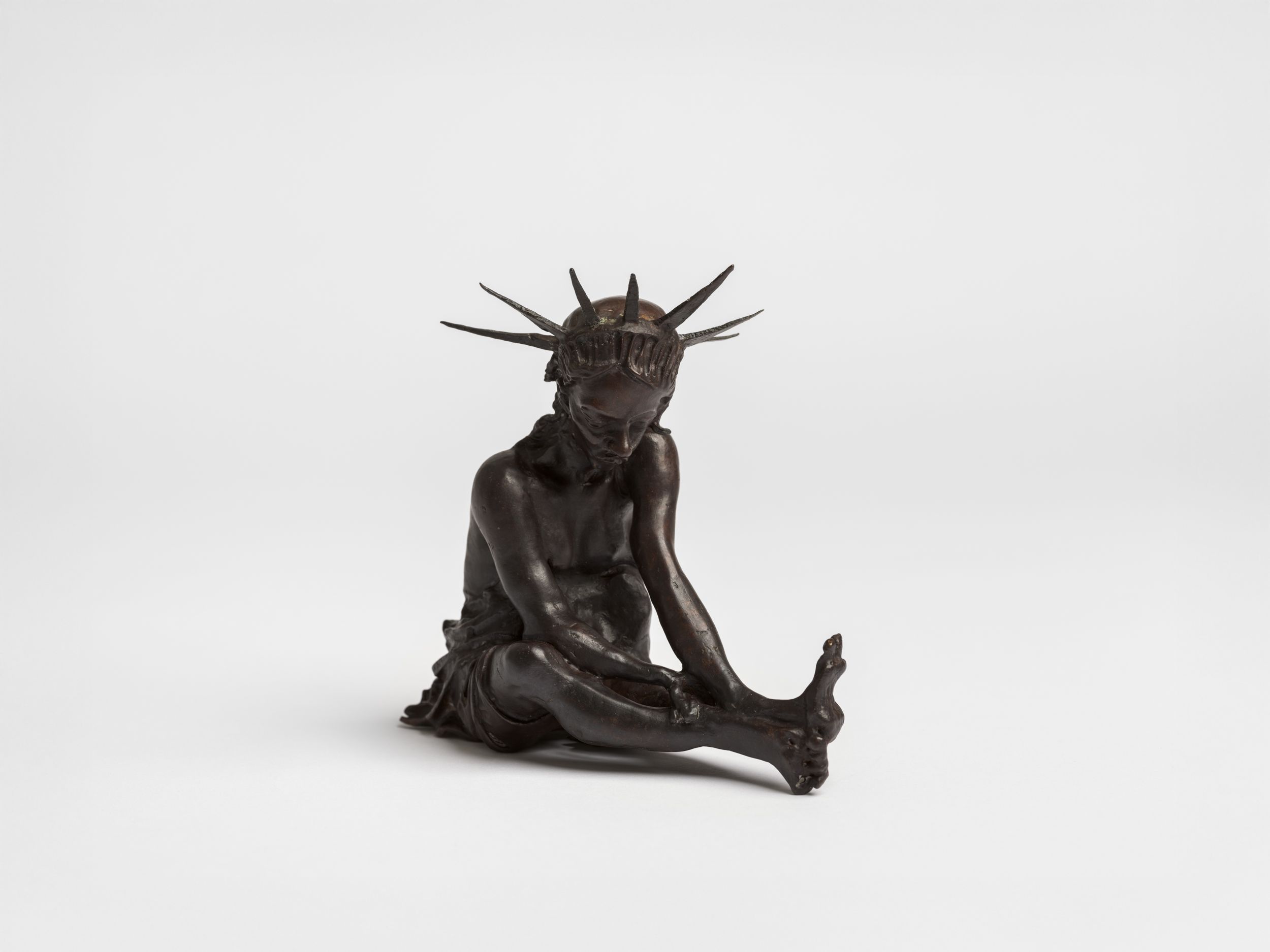
The billboard is part of New Haven-based artist Taína H Cruz’s presentation at the Whitney Biennial, which is on show until 23 August. As well as the mural, she is showing a wall drawing, two oil paintings, a projected animation and a sculpture, each of which draw on Caribbean folklore, digital culture and the aesthetic of graffiti. The result is something resembling both the Black paintings by 19th-century Spanish painter Francisco Goya and Paula Rego’s depictions of pain.
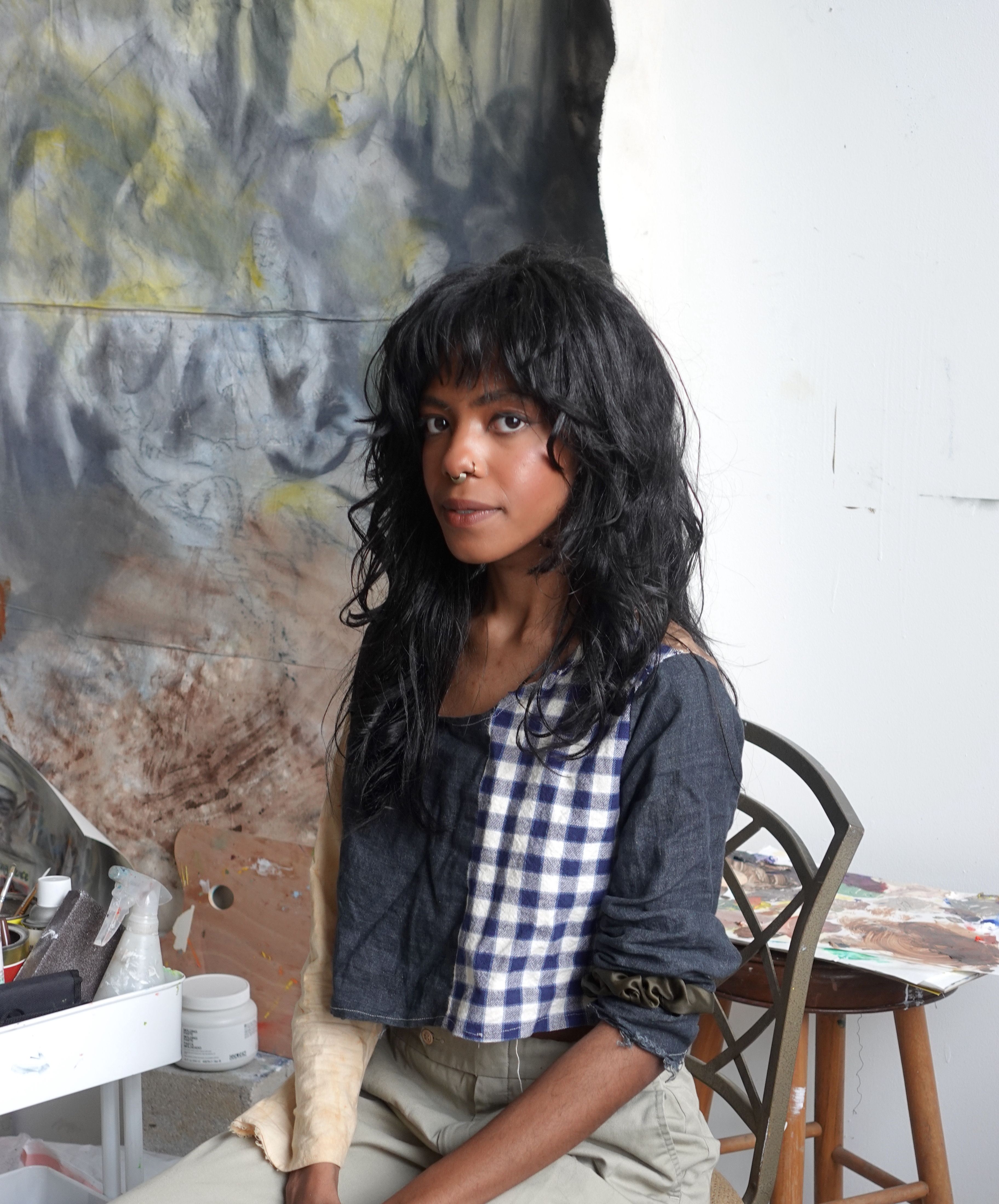
Cruz grew up in New York City, the daughter of an African American mother from the deep south and an American-Puerto Rican father. They spent summers in South Carolina. “Down there, there is actual nature that is wild,” says Cruz. “I’m fortunate to have spent summers with my grandparents in the woods, experiencing the spirituality of nature.” In her work, she draws influence from both the wisdom of her ancestors and New York’s punk-goth underground scene.
LET: Who is the subject, the girl, depicted on your billboard painting outside the Whitney Biennial?
THC: There are many ways to challenge a viewer with a portrait. For the billboard, I wanted the girl’s eyes, her teeth, this grinning expression leering out at the passer-by to be intentional. A grin can convey a lot of things: sincerity, malice, humour and even uneasiness. I wanted to stick an expression on the side of a building, not abject or horrid, I just wanted the passer-by to have to grapple with it.
There is secrecy in my work that comes back to the spiritual passage of knowledge—you need to listen to those who know more.
“There are many ways to challenge a viewer with a portrait”
LET: Do you have any specific sources you look to when conceptualising a project?
THC: My process has gone through so many stages. When I first started thinking about painting in relation to sculpture (I did my BA in sculpture) I was using references from the digital realm; I grew up with the internet and I would peer into those internet images. I already use the computer to edit and mask my videos, and these same aesthetic references appear within my paintings.
Our starting point for graphics has totally changed since the time I was most online. I’m attracted to that foggy phase of unattractiveness and authenticity. I was always attracted to virtual worlds where you can dress up an avatar. Those virtual worlds where you could be anything kind of foreshadowed an inner internet kid who has always been inside me.
“I’m attracted to that foggy phase of unattractiveness and authenticity”
But right now, that’s not how I would start a painting. My computer has run out of storage, and 3D animation needs so much of it. The paintings I have recently made touch upon things the internet cannot. Even if I haven’t been able to metabolise what those works mean yet, I know they mostly come from just sitting, usually in silence.
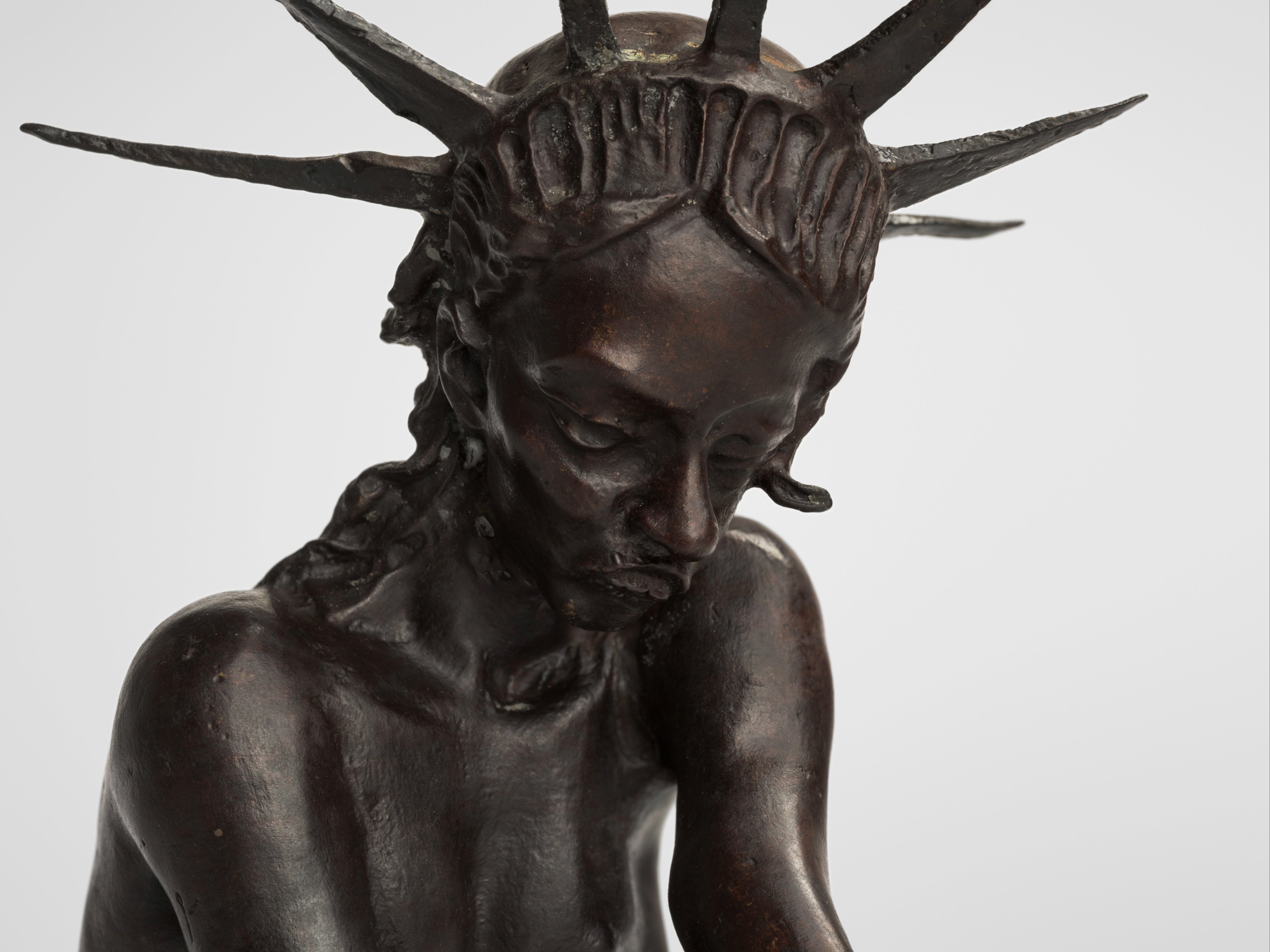
LET: What is your relationship towards the folkloric in your work?
THC: Anything I incorporate is personal. Folklore is something that you carry. It feels right to utilise the symbols, the motifs, within lore that I perceive to exist in me internally.
LET: What is your favourite fiction book, and what rare art book do you wish you owned?
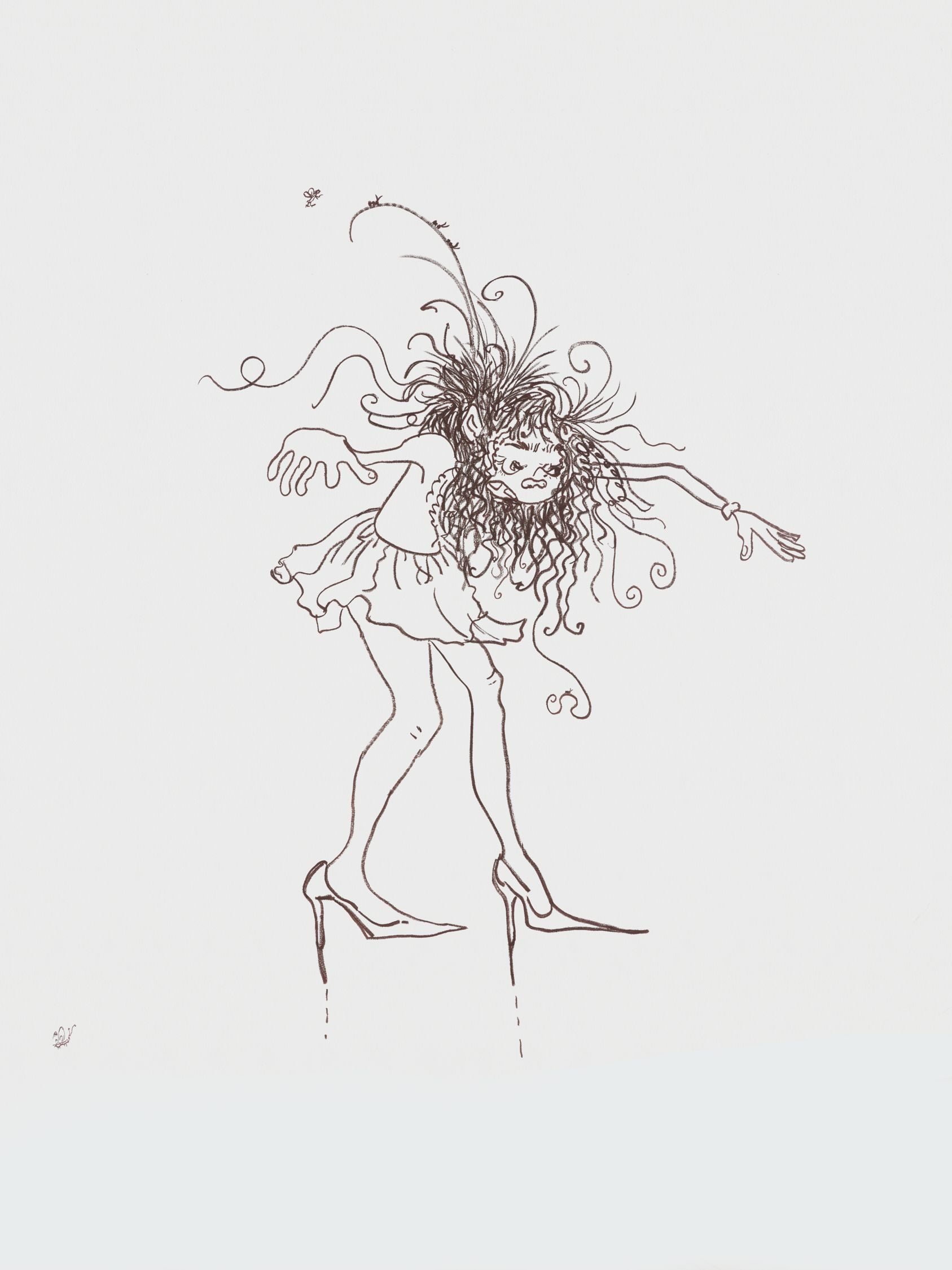
THC: Beloved by Toni Morrison. It’s a book that haunts. There was this illustrator called William Steig who made cartoon books for children. I would want to own an early work of his.
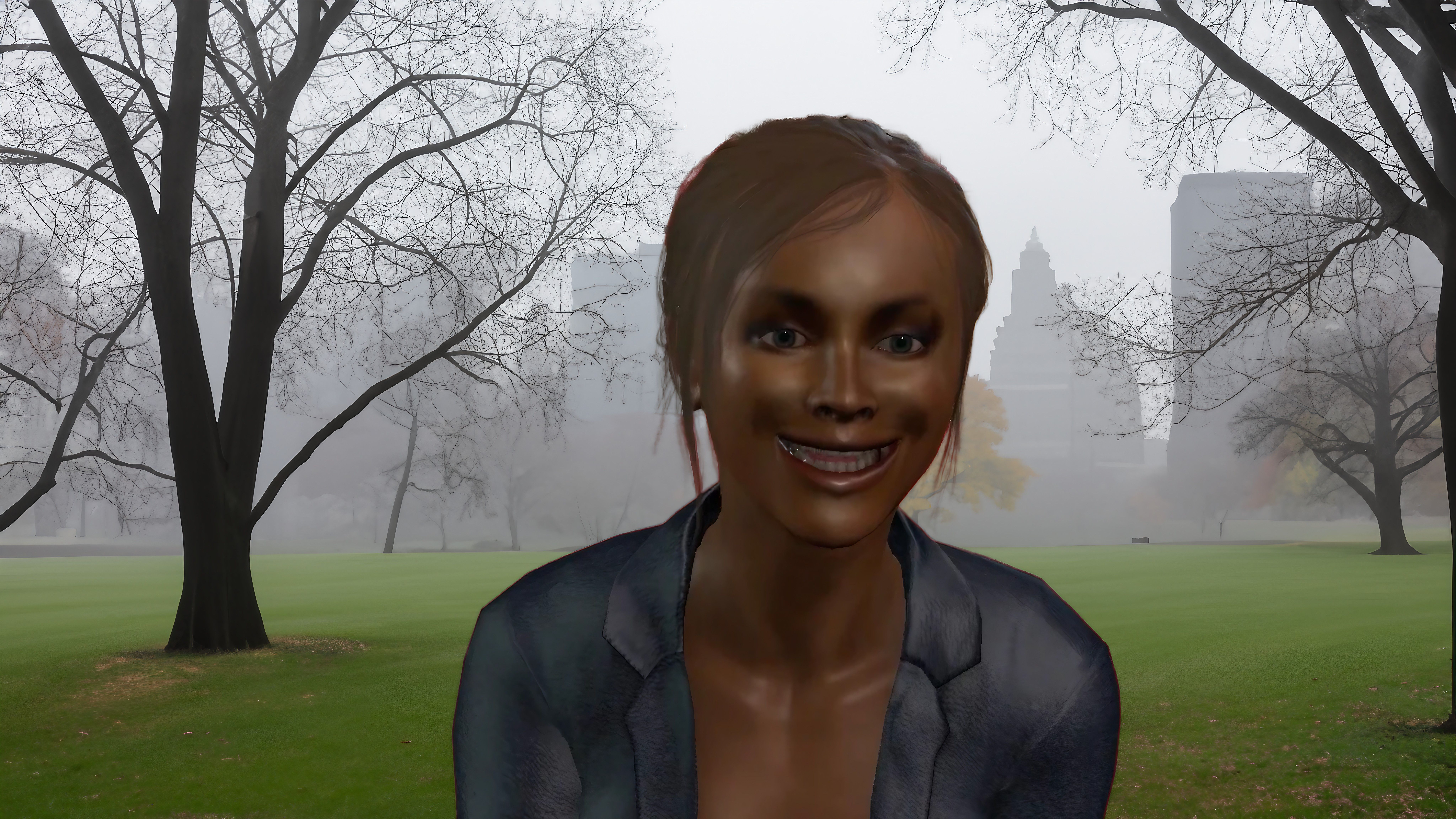
LET: Your video Hound (2023) is a ghost story set in Central Park. What is it about Central Park that draws you in?
THC: As a child I encountered a ghost there, and I held on to that experience. Now, Central Park is this flashy rich place, but it was built upon a flourishing Black neighbourhood that was completely disregarded, even before it was taken from the native occupants of that land. It’s a park built upon earth that carries stories. Late at night, I saw eyes glowing at me through the darkness. It’s a memory I have kept within me.
“The paintings I have recently made touch upon things the internet cannot”
LET: Were you to curate your dream exhibition, what would it look like?
THC: Hieronymus Bosch alongside Beverly Buchanan. She made these amazing sculptures. I’d also like to have work by the fashion designer Betsey Johnson. Both my parents went to FIT [The Fashion Institute of Technology in New York City], so I have always been surrounded by the garment industry. Labelling myself as a sculptor or a painter has never resonated with me, because at a young age I saw the fluidity which being an artist contains.—[O]
Palette Cleanser is a weekly interview series with the artists you need to watch, as selected by our editors.
Main image: Taína H. Cruz, I Saw the Future and It Smiled Back, (2025). Courtesy the artist. An original artwork installed by the Whitney Museum of American Art. © 2025 Taína Cruz.








A respected voice in contemporary art discourse.
Focusing on ambitious storytelling and insightful art-world commentary. Ocula Magazine publishes in-depth interviews, critical essays and timely analysis on the artists, exhibitions and ideas driving the global art world.
Learn more about Ocula Magazine
Showcasing the best of the art world.
Ocula partners with galleries from around the world to highlight their artists, artworks and exhibitions. Gallery membership is by application and invitation, with each member vetted by an independent panel.
Learn more about Ocula Membership
Specialises in the sale of major artworks.
Led by a team with deep ties to the world’s leading auction houses, galleries and collectors. Ocula’s advisory team offers bespoke services to high-net-worth clients from around the world who are looking to acquire the best of contemporary and modern art.
Learn more about our team and services