






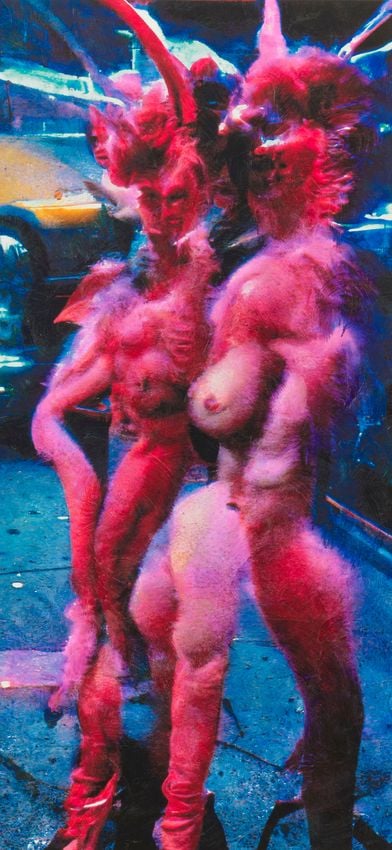
AI Imagery Isn’t What It Used to Be
Are we already nostalgic for the lopsided AI‑generated images of only a few years ago? Eddy Frankel asks whether early, imperfect AI art was actually almost beautiful. Save to My OculaTwisted faces, distended limbs, headless dogs, melting bodies. Not lyrics from a death metal song, but a Christmas banner over a restaurant in outer London that went viral in late 2025 for its use of shoddy AI-generated imagery, described by one commenter as a ‘Lovecraftian horror’. A depressingly familiar tale of corporate use of artificial intelligence models to avoid having to pay a photographer or a graphic designer.
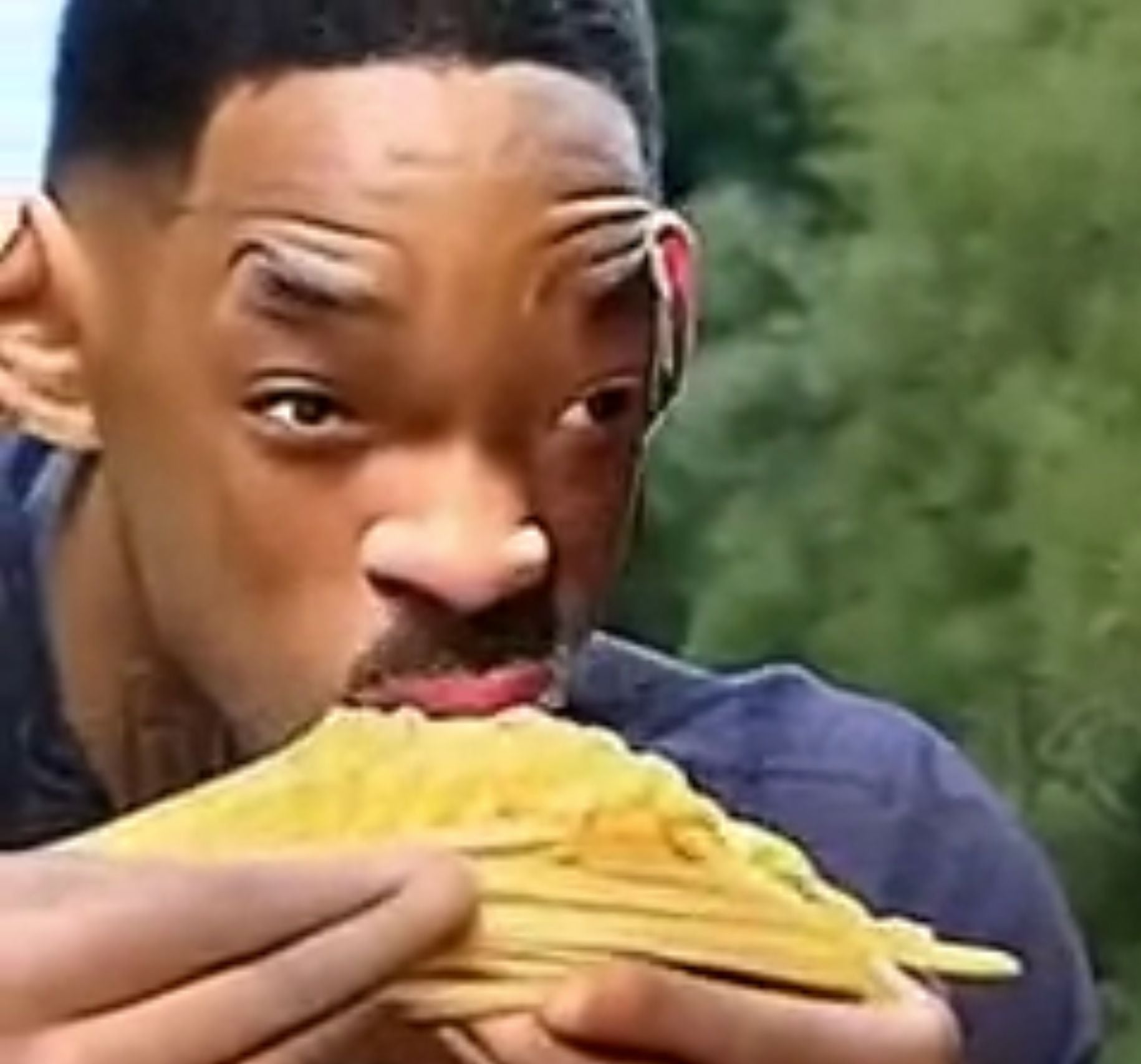
But there was something odd about this viral billboard: it wasn’t that bad, certainly compared with the peak days of early AI-virality back in 2023, when something almost resembling Will Smith tried and failed repeatedly to eat spaghetti like a human (the scene has since become an informal benchmark within the artificial intelligence community to assess the capabilities of generative video models in rendering realistic human actions and facial expressions). Does that make this latest billboard, with its distorted figures and warped faces, one of the last gasps of a dying aesthetic phenomenon?
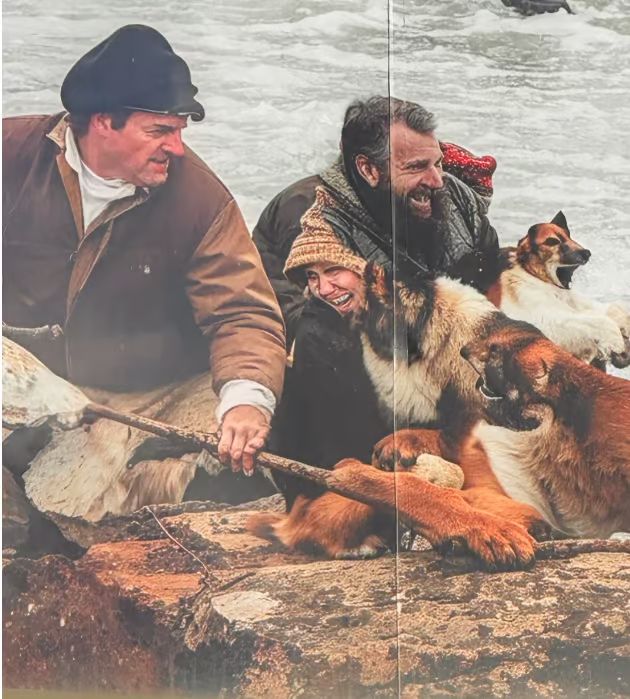
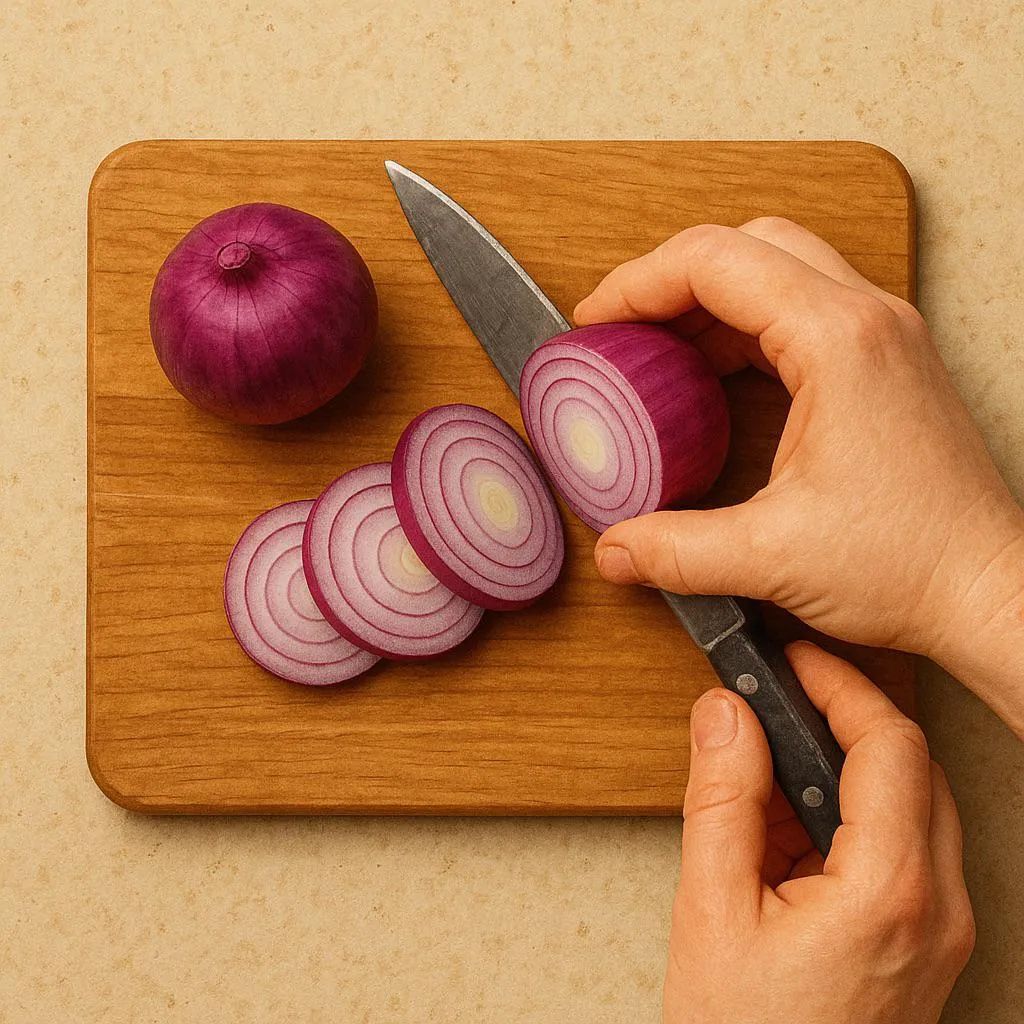
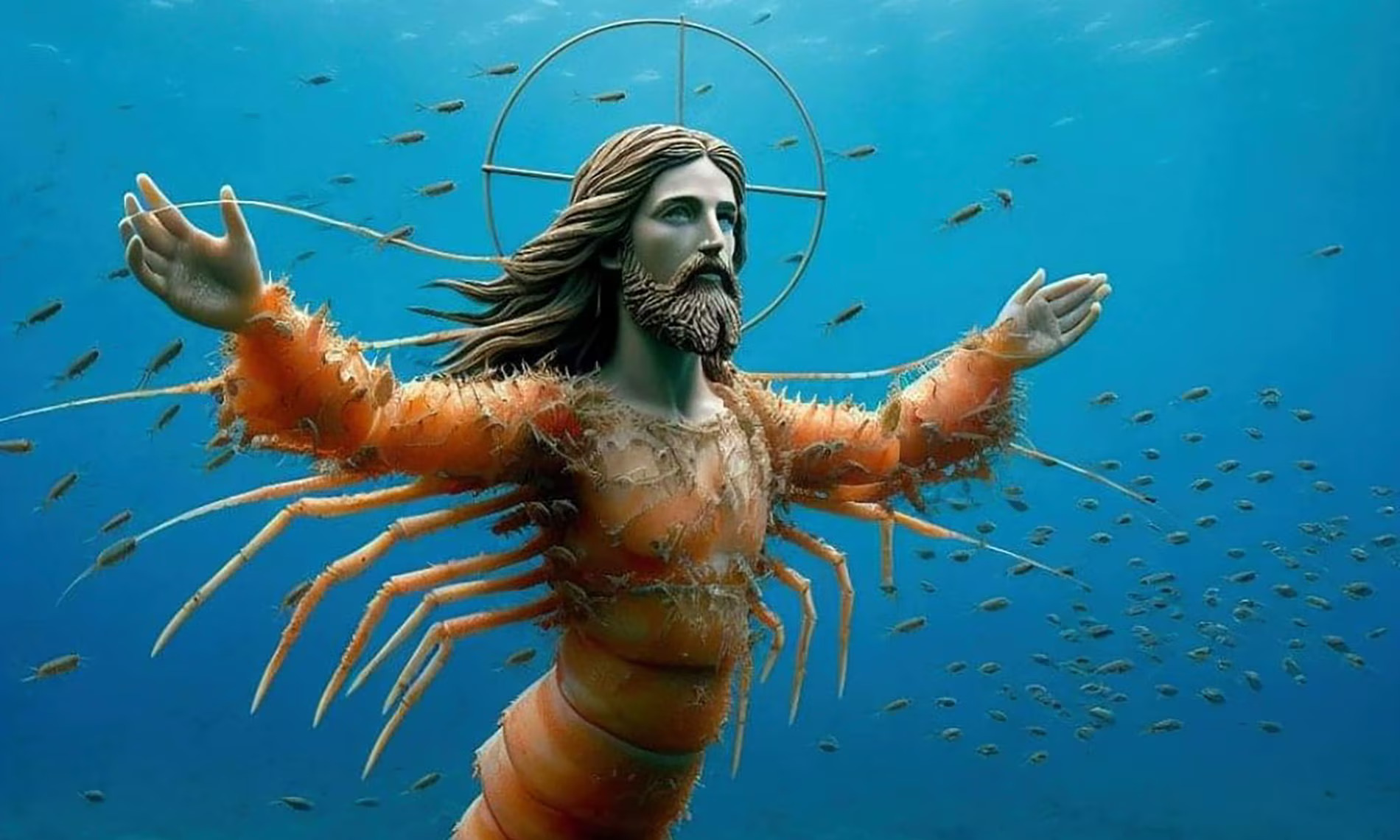

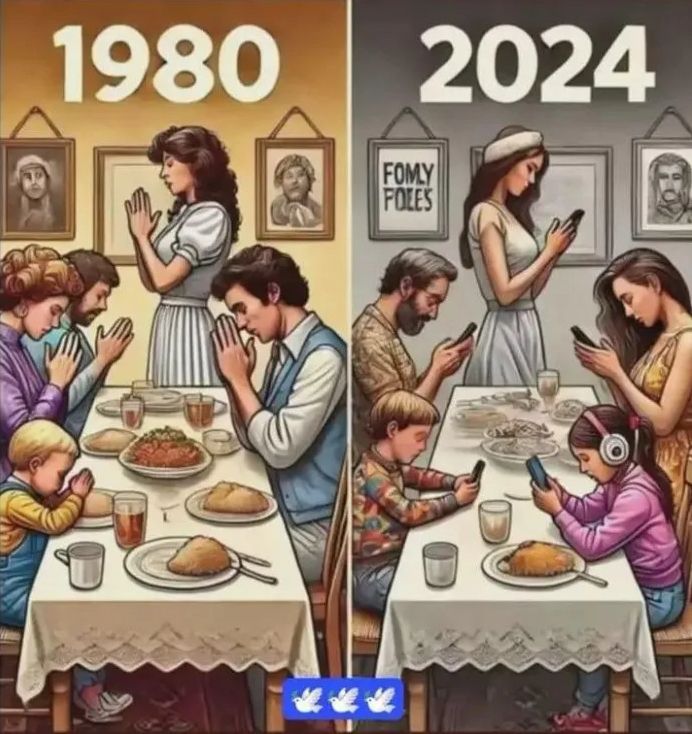
A few days later, an X user called @aeonbaudrillard tweeted that ‘Image generation was better when it was worse’ (the late French philosopher and author of 1981 treatise Simulacra and Simulation may or may not have approved). I realised that, just as we approach the point where AI-imagery is becoming indistinguishable from real imagery, we’re already nostalgic for its past.
When the first batch of Generative Artificial Network image models hit mainstream attention—DALL-E, Midjourney, Stable Diffusion, etc.—they were greeted by the public with fear and distrust. But what they were outputting in the late 2010s and early 2020s was a genuinely new aesthetic. Grainy, pixelated, stroboscopic images filled with slippery, many-fingered, mutant forms. Dream-like, nightmarish, figurative images close enough to reality to feel uncanny, but distant enough from reality to feel uncomfortable. There was the ‘Will Smith eats spaghetti’ meme, the contorted Shreks, the images that morphed and moved and melted and twisted unnaturally. Early versions of AI art created an immediately recognisable, utterly unique aesthetic.
DALL-E, in other words, looked like DALL-E. We think everything’s been done, that our cultural present is doomed to be nothing but post-post-post-post-modern rehashings of the infinite variety of pre-existing cultural forms, like we’re stuck in a constant aesthetic loop. And then DALL-E comes along and looks like nothing else, before or, crucially, since. This isn’t about the ‘intention’ of AI or its programmers; it isn’t about whether or not this is ‘art’. It’s about aesthetic results, and it’s about the images as visual products that we consume.
“Will Smith eating spaghetti will always look like the early 2020s.”
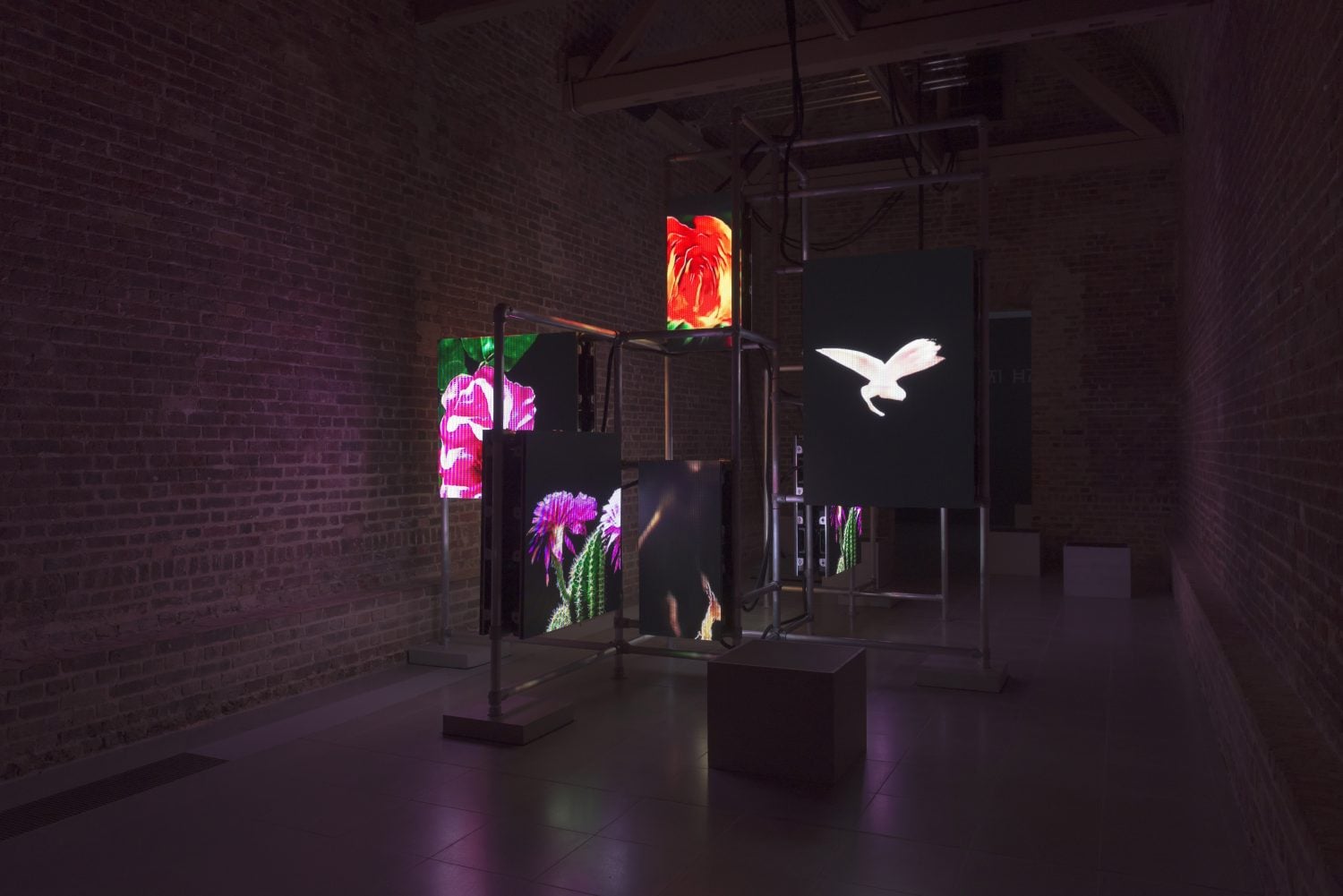
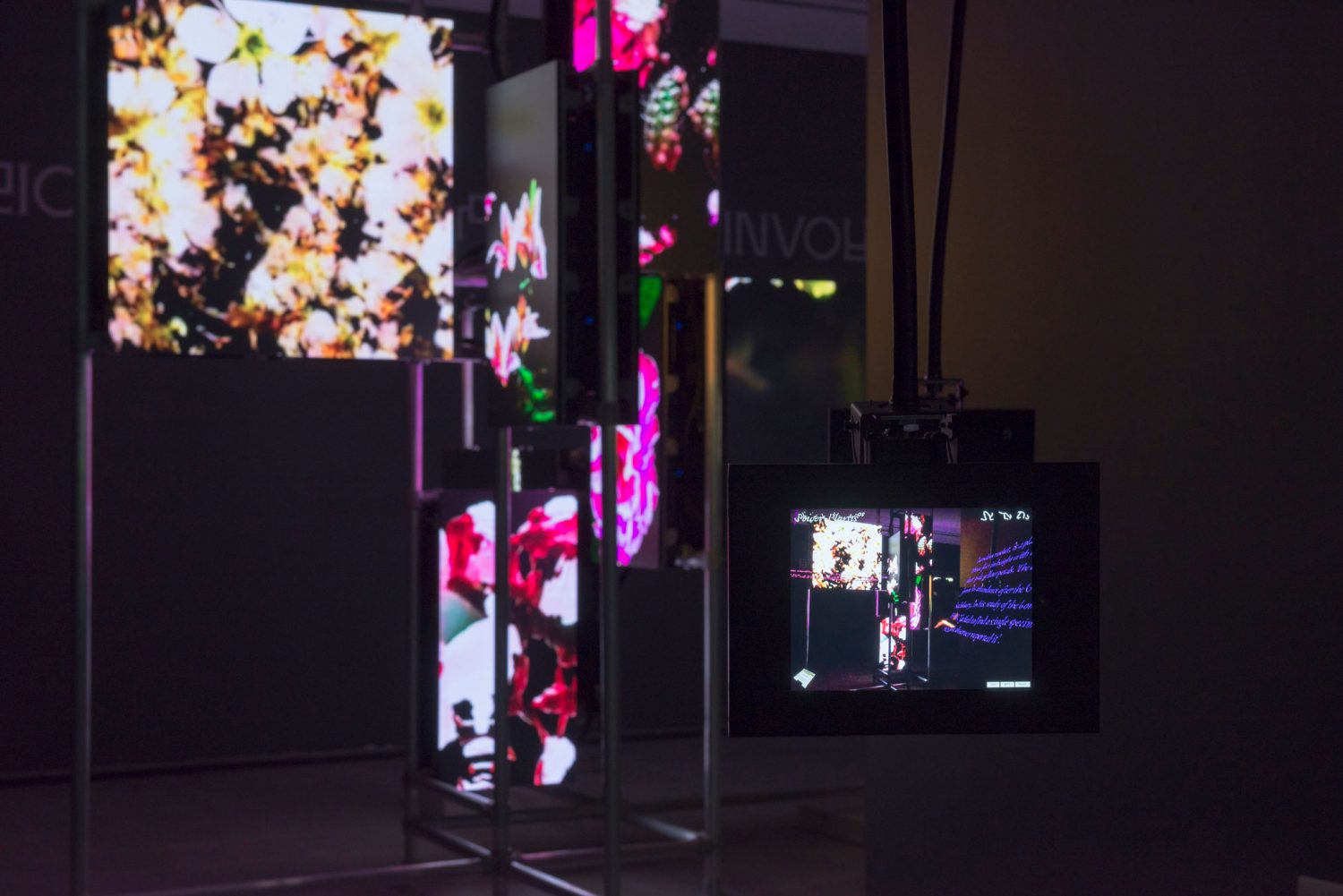
And early AI images look like early AI images; they are aesthetically anchored to their era and, as a result, already look incredibly dated. Will Smith eating spaghetti will always look like the early 2020s. Similarly, contemporary art that directly focuses on AI as an aesthetic and means of production, like Hito Steyerl’s ‘Power Plants’ series of constantly shifting and morphing AI-generated images of flowers, seen at the Serpentine in 2019, or Jon Rafman’s grotesque, deformed paintings based on text-to-image AI prompts in his exhibition Ebrah K’dabri at Sprüth Magers in London in early 2023, will forever be dated to the very narrow historic window when AI imagery looked like that. The time when the pieces appeared futuristic and prescient was the blink of an eye, and Steyerl’s and Rafman’s work moved from forward-looking to anachronistic and retro almost as soon as it was made. The decision to anchor their works so explicitly in the fast-moving present was almost certainly intentional on the part of each artist.
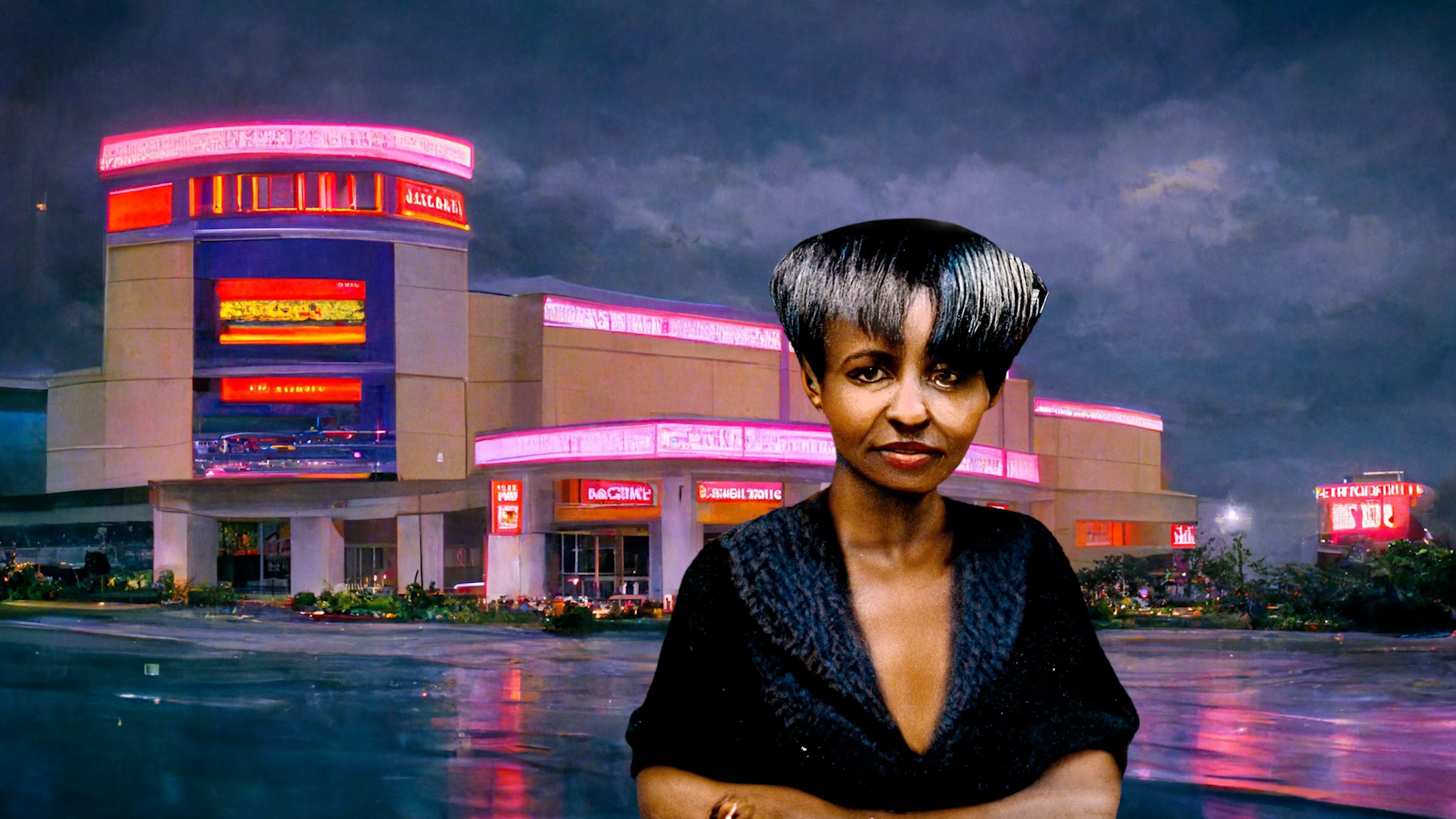
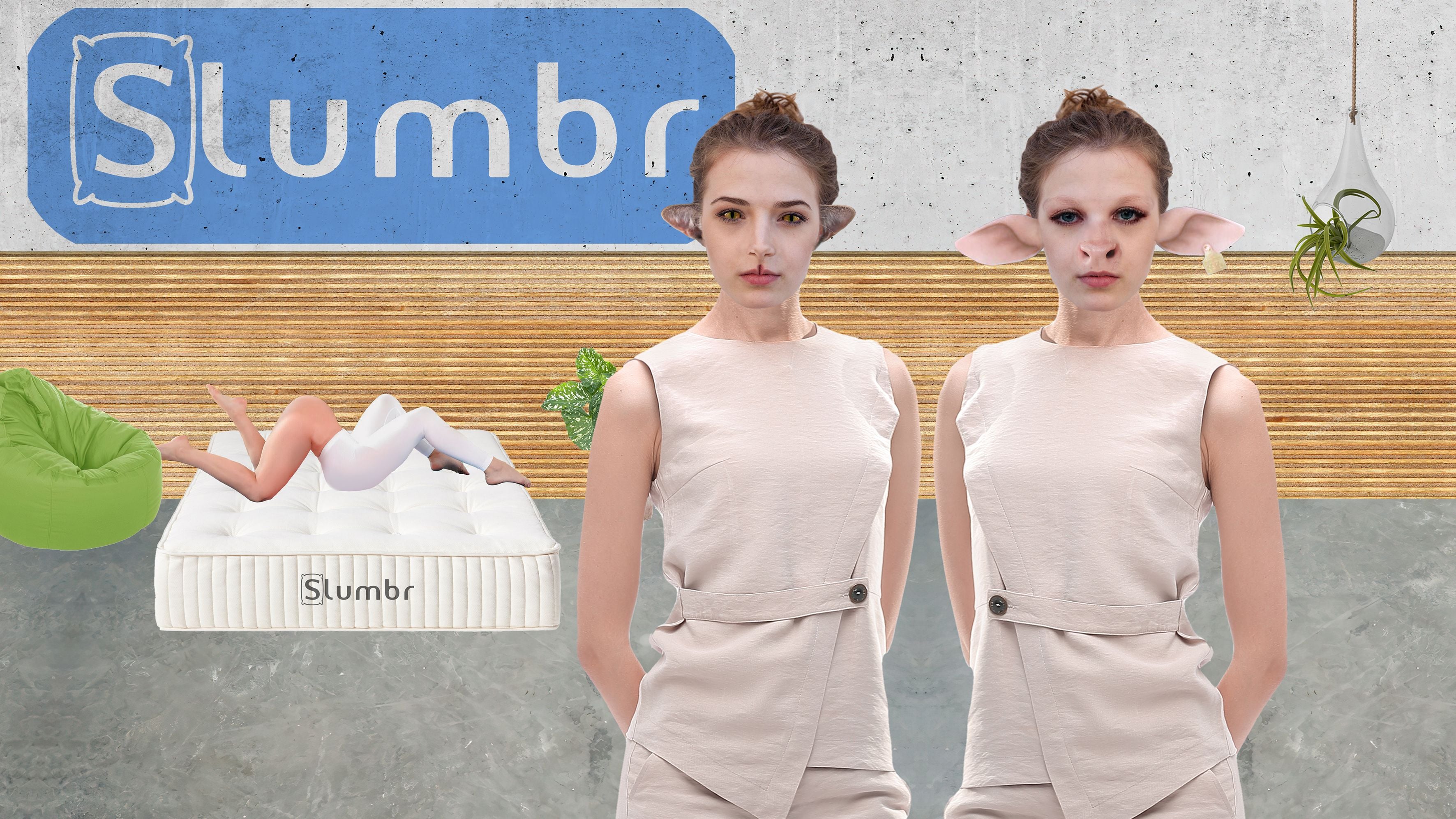
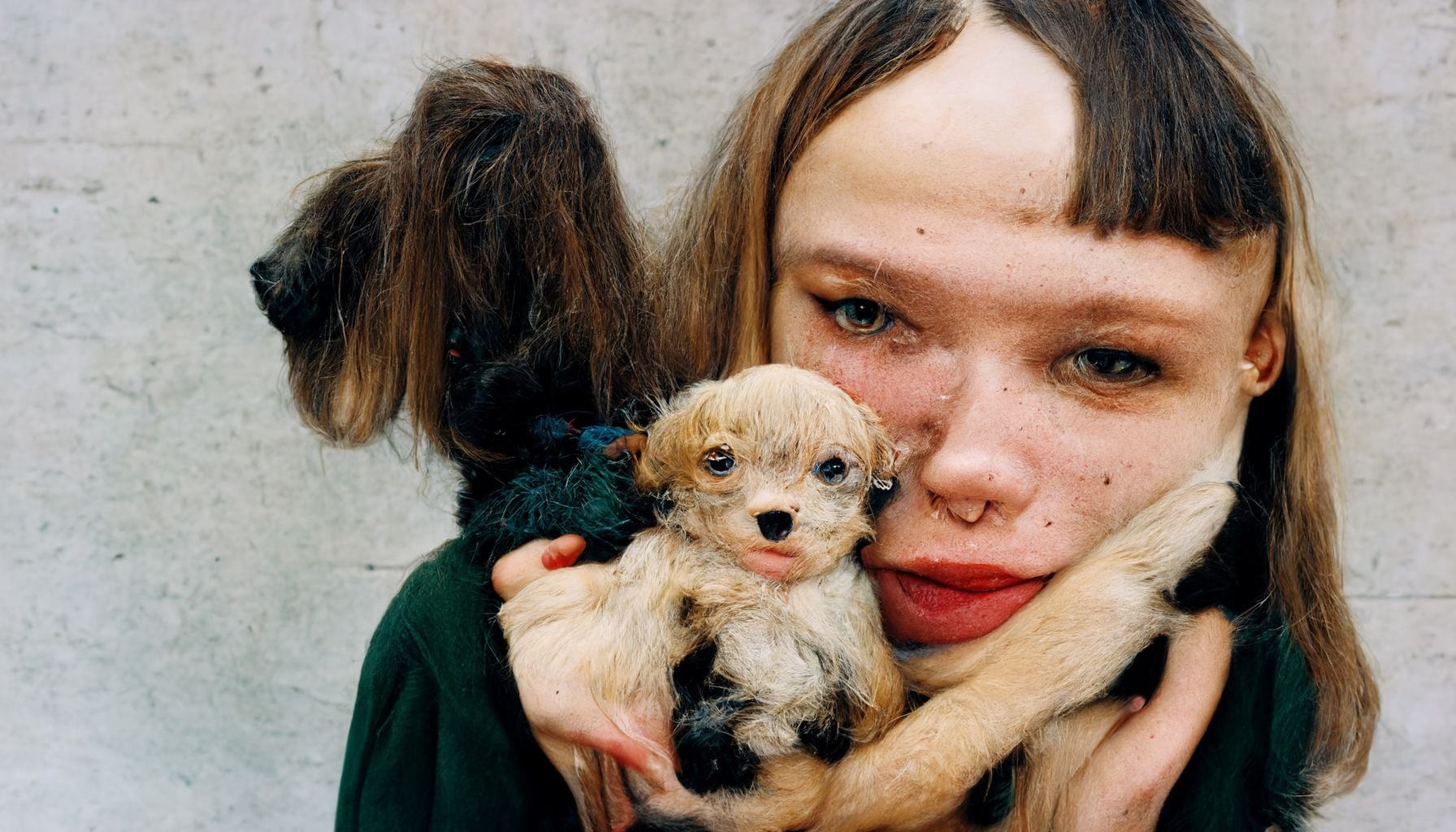
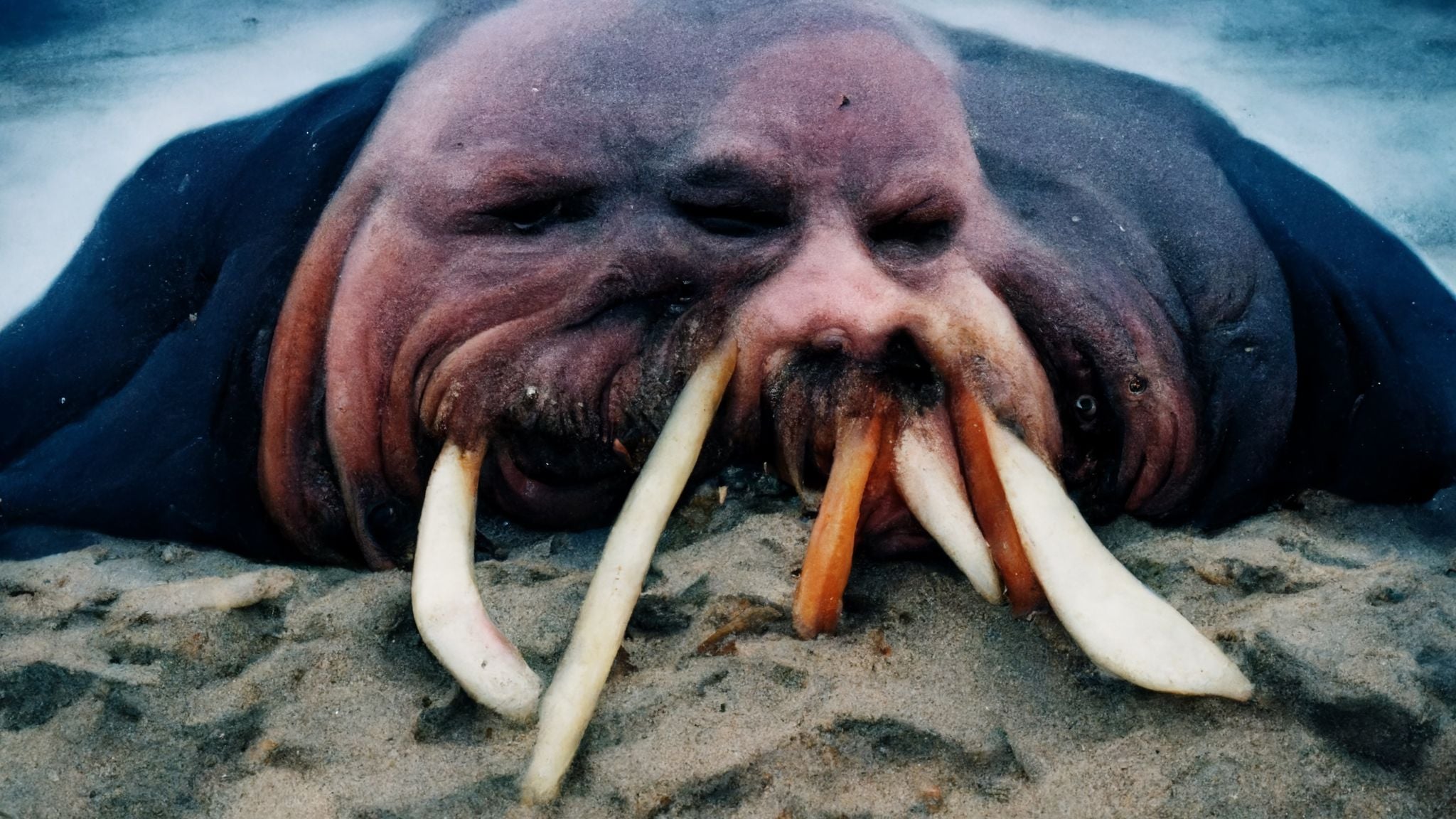
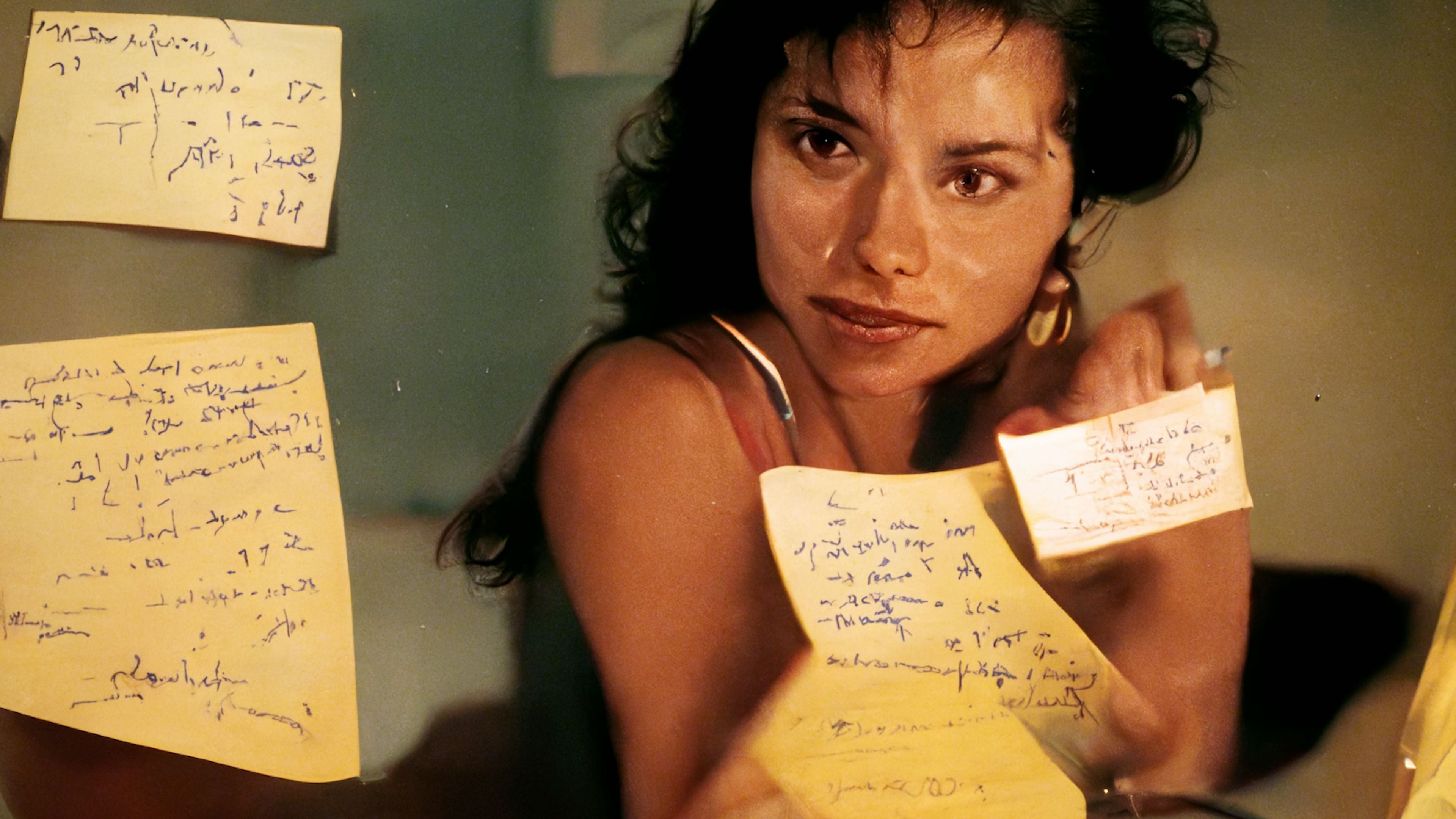
New York Magazine asked in 2022: ‘Will DALL-E the AI Artist Take My Job?’ In the long term, probably, yeah. But looking back it seems like such a parochial question. Who actually saw the images that DALL-E was creating in 2022 and genuinely thought ‘Well, that’s me done’? The first iterations of DALL-E weren’t going to take your job as a graphic designer, or even as an artist, because DALL-E sucked—it made ‘bad’ images, filled with errors and flubs and weirdness. But in the sucking, it managed something that AI is going to struggle to do the better it gets: it approached, in some way, beauty. A beauty which we are now on the verge of losing.
“We don’t look to art for a facsimile of reality.”
The grainy texture has already gone from most AI-imagery, and soon the mutated forms will follow. Recent AI-imagery (like the images of the AI ‘band’ that got to a million streams on Spotify) is all warm-toned and pleasant, the features of its figures only slightly exaggerated, its overall aesthetic now more palatable, friendlier, more approachable. But as AI is pushed to approximate reality more effectively, scouring ever larger data sets, effectively copying and stealing from every artist in history, it’s actually falling further away from it. The new images produced are smoother, more idealised, less error-filled, and less interesting as result. It’s in the awkward interstices between machine perfection and absolute failure that older AI models actually felt the most human. It’s almost like in failing, we could relate to AI better.
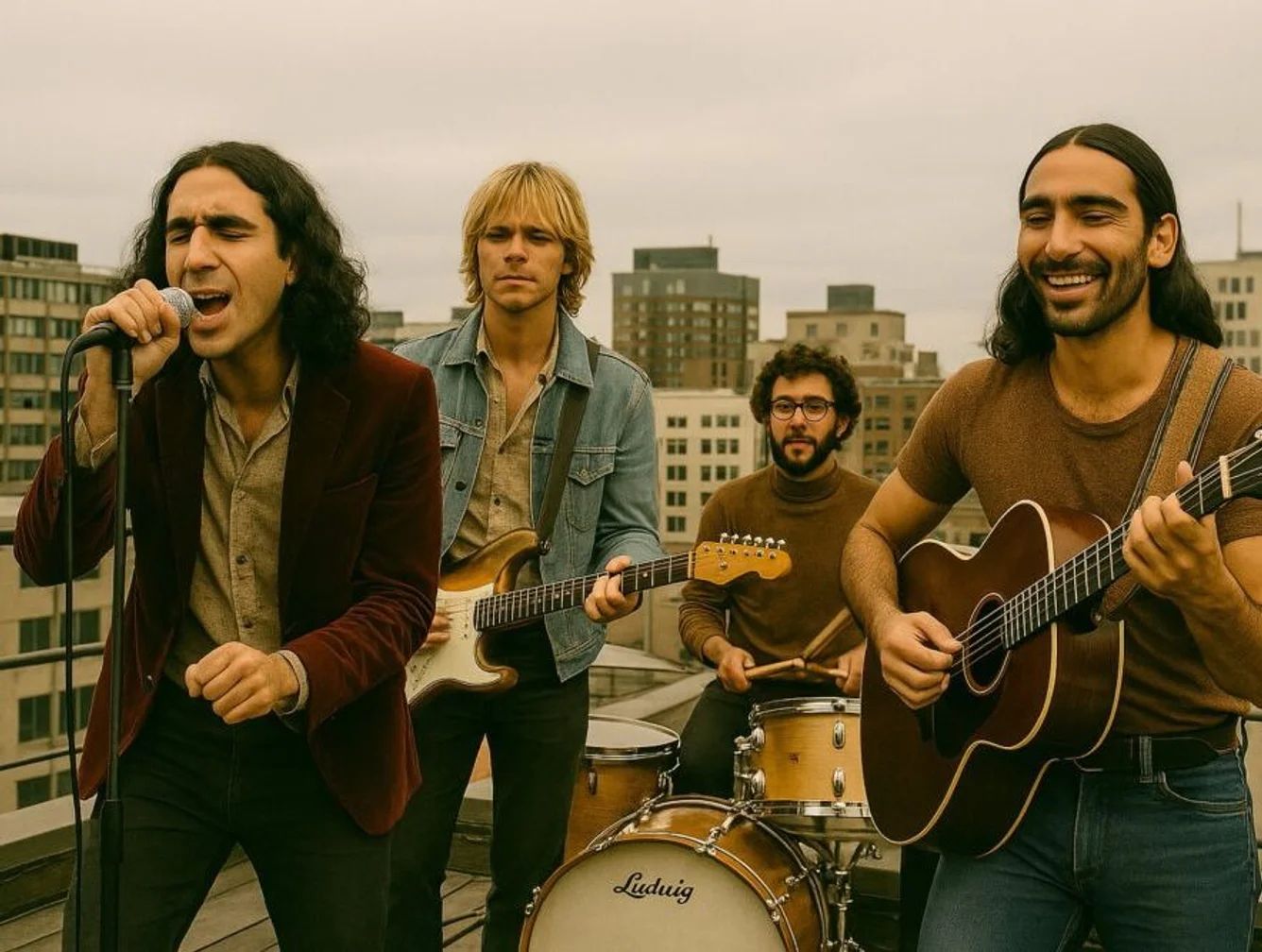
Old AI-imagery was good for the same reason that photorealist painting is bad (as proven by countless submissions to every portrait prize where the artist is more interested in showing skill than expressing any ideas). We don’t look to art for a facsimile of reality. We already have reality: it’s everywhere, and pretty damn hard to equal, let alone surpass. Whatever you think art’s job is, it’s definitely not just to recreate reality. The same goes for AI-generated images.
But longing for a technological past that was imperfect is nothing new. Nostalgia for brick phones, real books and a world without the constant interconnectedness of the internet is everywhere. The difference here is that we’re nostalgic for a past that is still the present: we are in the early days of AI imagery, and already looking back fondly at its past. It turns out that accelerated culture means accelerated nostalgia, too. —[O]
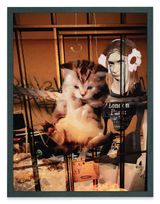
Main image: Jon Rafman, Counterfeit Poast (2023) (video still). 4K stereo video, 28 min, 20 sec. © Jon Rafman. Courtesy the artist and Sprüth Magers.










A respected voice in contemporary art discourse.
Focusing on ambitious storytelling and insightful art-world commentary. Ocula Magazine publishes in-depth interviews, critical essays and timely analysis on the artists, exhibitions and ideas driving the global art world.
Learn more about Ocula Magazine
Showcasing the best of the art world.
Ocula partners with galleries from around the world to highlight their artists, artworks and exhibitions. Gallery membership is by application and invitation, with each member vetted by an independent panel.
Learn more about Ocula Membership
Specialises in the sale of major artworks.
Led by a team with deep ties to the world’s leading auction houses, galleries and collectors. Ocula’s advisory team offers bespoke services to high-net-worth clients from around the world who are looking to acquire the best of contemporary and modern art.
Learn more about our team and services