






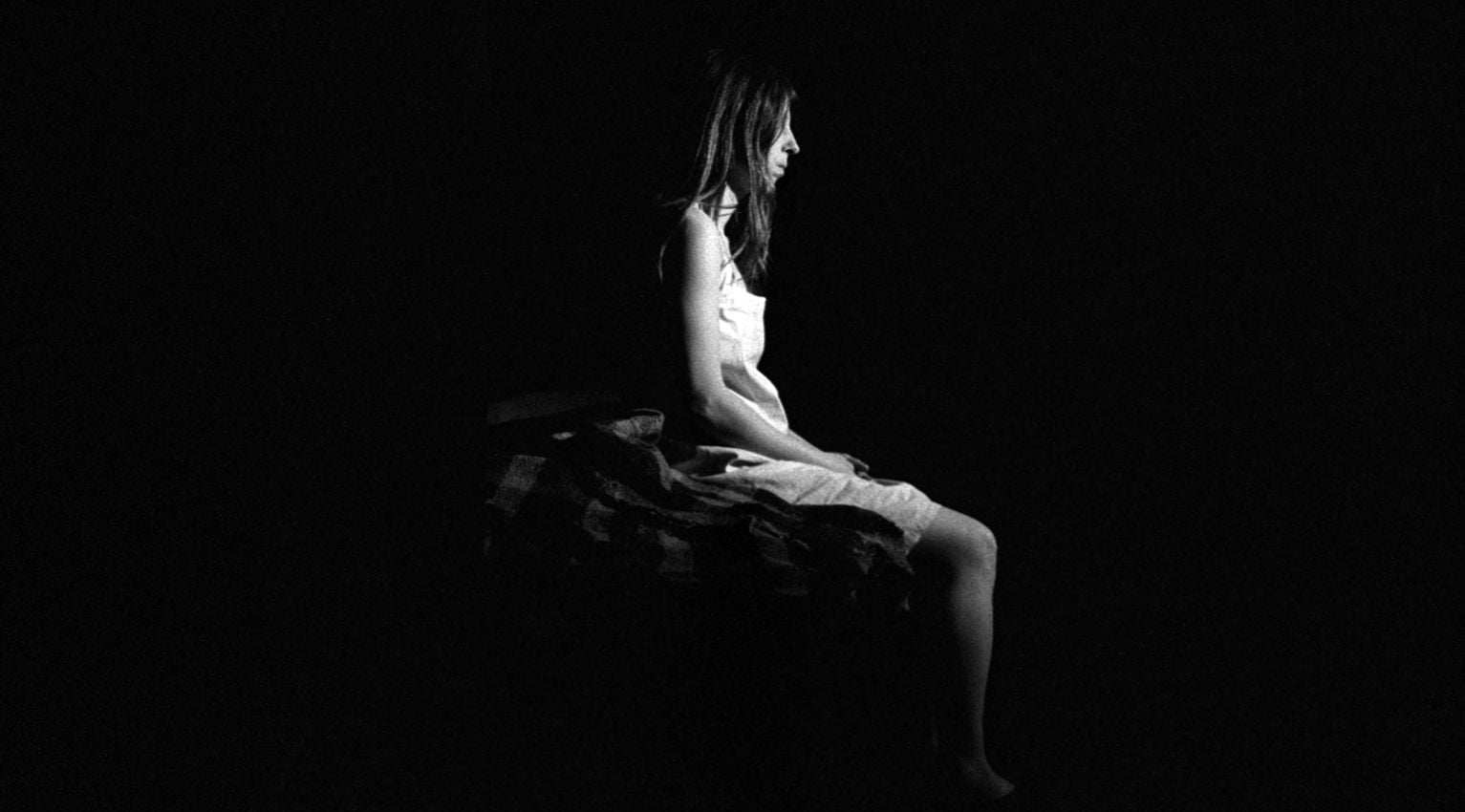
What Hungarian Filmmaker Béla Tarr Leaves Behind
When he chose to retire at the height of his artistic powers, the master of ‘slow cinema’ instead set up a film school to nurture a new generation of talent. It is the greatest gift he could have given us. Save to My Ocula
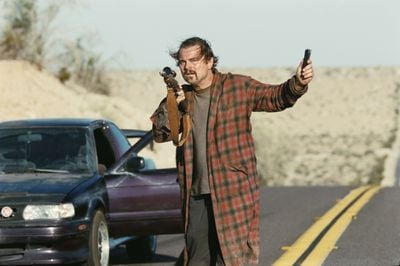
At what seemed like the height of his artistic power, Hungarian director Béla Tarr chose a symbolic death. Just as his distinctive style of ‘slow cinema’, shot in black and white with long takes, sparse plots and minimal dialogue, had become internationally renowned, Tarr, then aged 55, announced that The Turin Horse (2011) would be his final film. A self-described lifelong anarchist who began his career in the final years of the communist regime, the following year Tarr left Viktor Orbán’s increasingly fascistic Hungary for Sarajevo. Here he set up a film school to educate a new generation of filmmakers as he stepped back from the camera. His style was not easy to imitate, but directors who admired him—such as Pedro Costa, Carlos Reygadas and Apichatpong Weerasethakul—taught there, and students came from all over the world in the hope of refining their own memorable and uncompromising approaches to cinema.
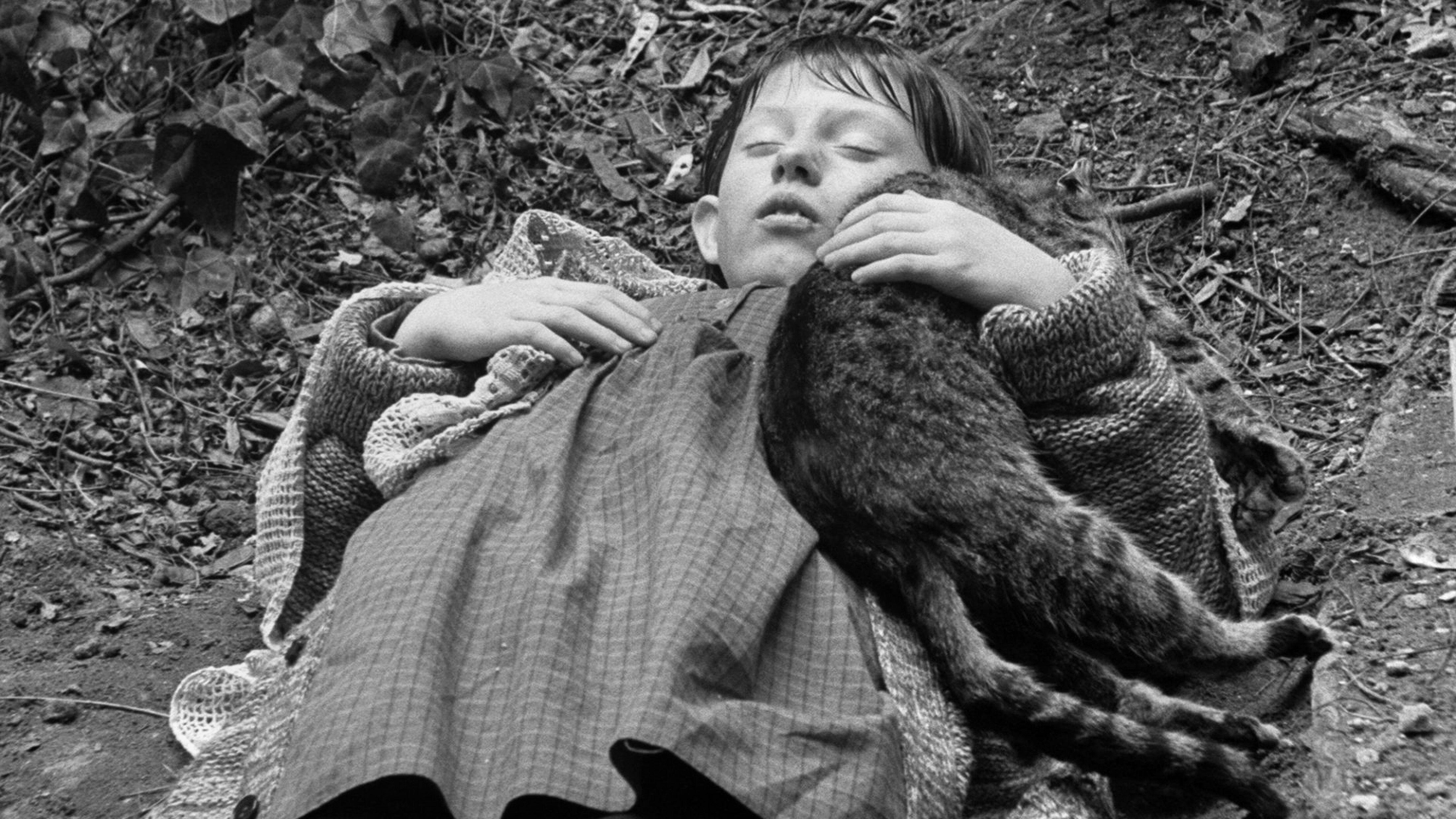
“When Tarr’s films had a sense of humour, it was darker than their colour palette.”
Following his death at the age of 70 this week, I am sorry that we will not get another masterpiece to follow Tarr’s three greatest works—the seven-hour epic Sátántangó (1994), an allegory for the fall of communism, and Werckmeister Harmonies (2000), an oblique tale about the nefarious influences of religion and politics, as well as The Turin Horse—but still I do not feel he should have come out of retirement in the last years of his life. Like most great auteurs, Tarr had a coterie of collaborators, without whom his films would not have been so successful: Nobel Prize-winning author László Krasznahorkai, whose works formed the basis for several films, and with whom Tarr wrote his screenplays; Mihály Víg, whose brooding, minimalist compositions gave such haunting power to cinematographer Fred Kelemen’s monochrome shots; actress Erika Bók, who only appeared in Tarr’s films; and Tarr’s wife Ágnes Hranitzky, his editor on The Outsider (1981) and every film thereafter, and co-director of his final three works.
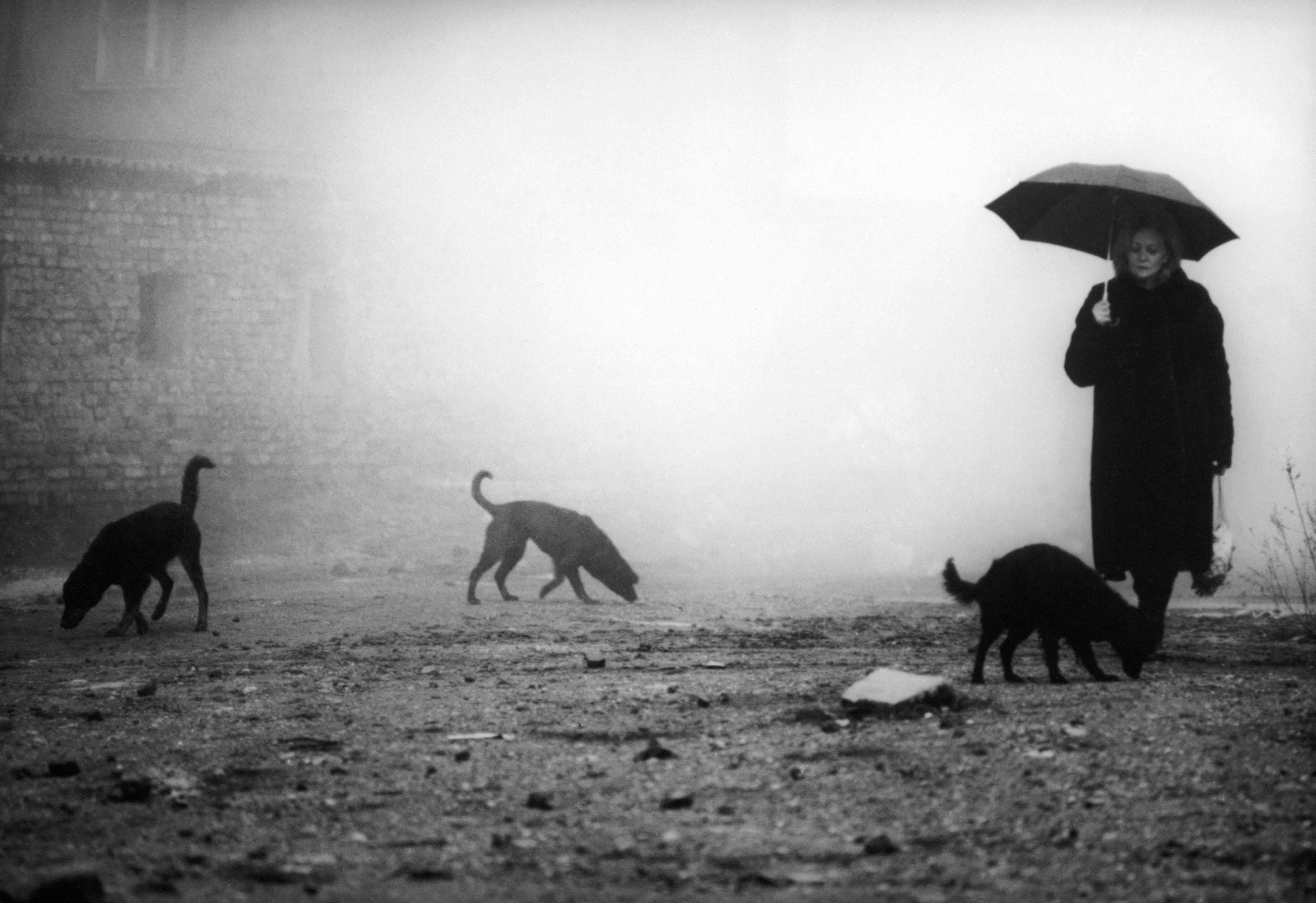
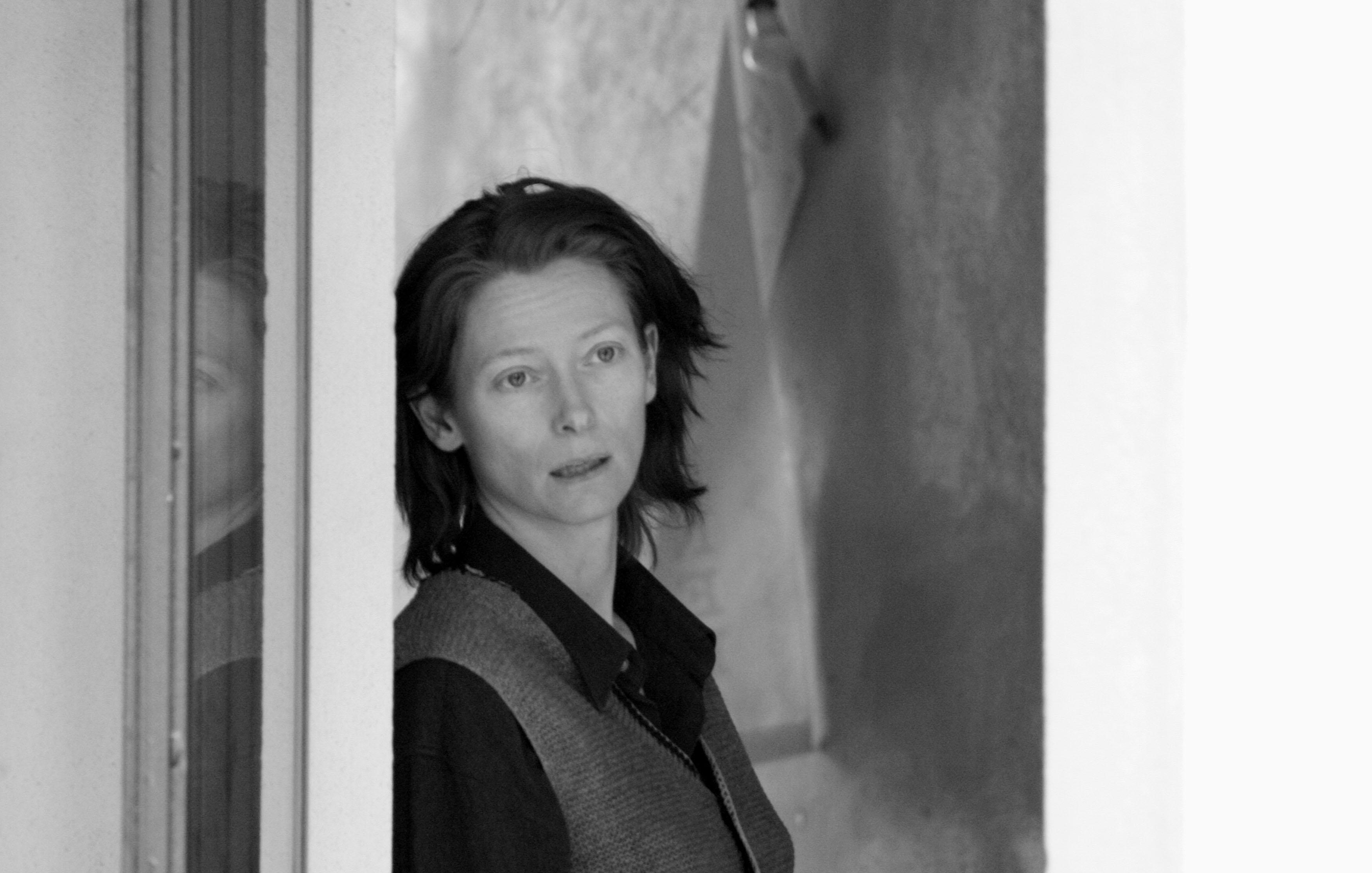
Such a magnificent team could not last forever, and on the only one of his later films where the formula changed—The Man from London (2007), adapted from a Georges Simenon novel with Tilda Swinton taking her ubiquitous place in an arthouse director’s first ‘international’ film—the results were disappointing, with reviewers noting the lack of a strong central theme, or the layered symbolism of his previous films. Tarr’s style had evolved slowly: his earlier films, including his debut Family Nest (1979), were more straightforwardly political, with his bleak depictions of everyday Hungarian lives having far shorter runtimes without the long takes, and eschewing the poetry of his late work for sober social realism. The transitional film, Damnation (1988), Tarr’s first with Krasznahorkai, and came out just before the collapse of communism in eastern Europe. A stark, simple story of a depressed man’s doomed obsession with a married singer who performs in a bar, it brought comparisons to Michelangelo Antonioni and Andrei Tarkovsky, announcing Tarr as a promising voice in what would hopefully become a golden age of artistic freedom.
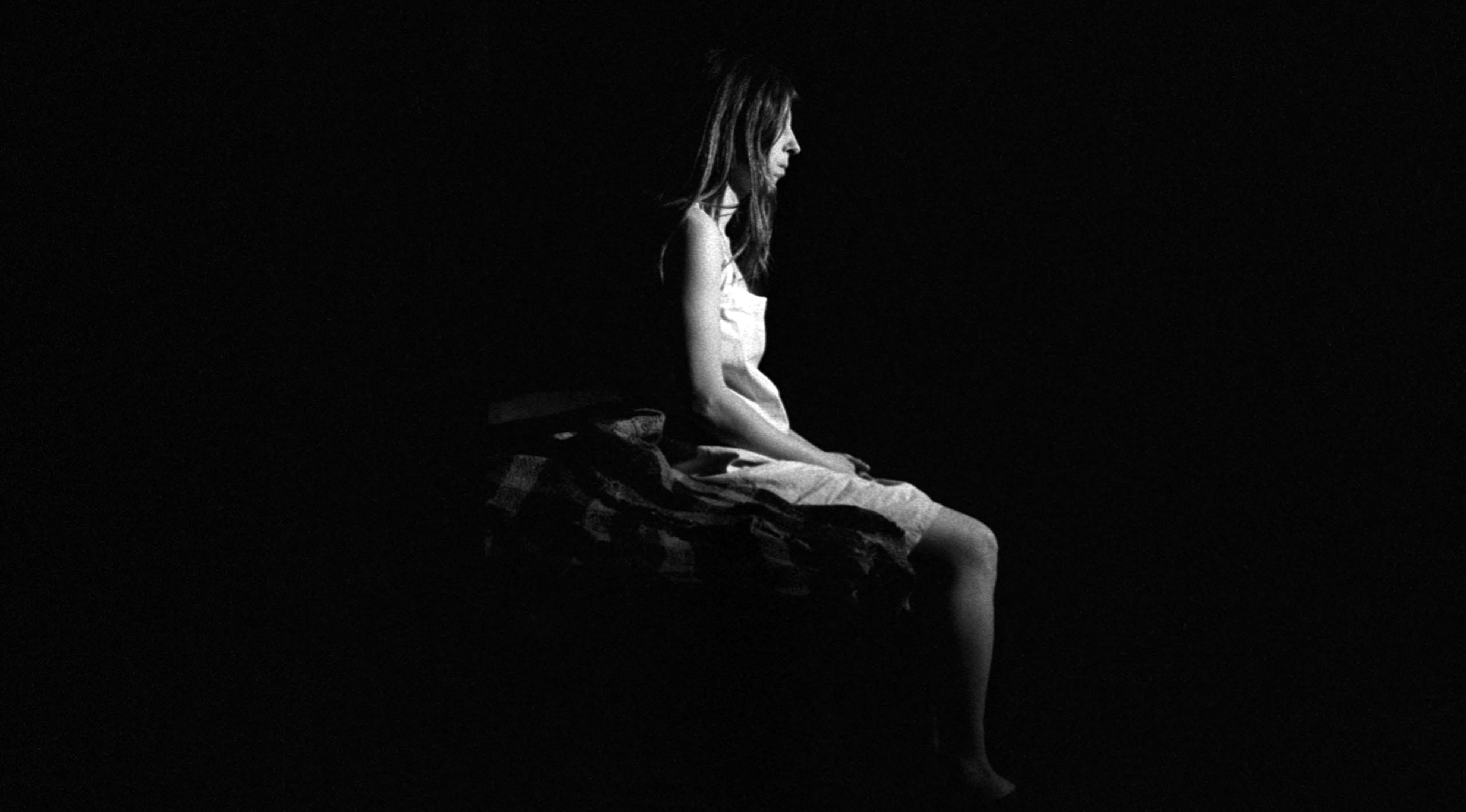
Tarr was hardly prolific, however, as his new approach required far more money while being far less commercial. It took seven years to make Sátántangó, and its critical success meant he could complete Werckmeister Harmonies in just five, although cinematographer Rob Treganza later claimed Tarr ‘lied to everybody’ about securing funds. The Man from London was beset with financial problems, and The Turin Horse was stripped down to a far smaller cast and setting. By the time it came out, everyone knew Tarr planned it to be his last work. Uncharacteristically, it opened with a joke, describing the breakdown that led to Friedrich Nietzsche spending his final years, mute, in institutions and saying, ‘Nobody ever asks about the horse’, in reference to one the philosopher supposedly hugged as it was being whiped in Turin. Thereafter, though, Tarr gave his audience exactly what they expected: two relentlessly bleak hours split into just 30 takes, as a father and daughter whose economy is entirely reliant on the horse despair as the long-suffering animal becomes increasingly inert.
“I find Tarr’s retirement more admirable than Werner Herzog’s cartoon voiceovers or Jean-Luc Godard’s lengthy, lacklustre coda.”
As he reached a wider audience Tarr’s style threatened to become a meme, or descend into self-parody, while contrasting it with mass entertainment provided a rich vein of comedy: Tarr Wars, a black-and-white short with glacial shots of people in a bar fighting with lightsabres, was released a decade ago on YouTube. Tarr was referenced frequently by the awestruck protagonists of British writer and philosopher Lars Iyer’s darkly comic Spurious trilogy (2011–2013), in which the two academics lament that being English means they cannot make anything that takes itself as seriously as Tarr’s work because they would be mocked to the hilt, and therefore will never produce anything on parr with the great modern European artists. The wry premise of Turin Horse aside, when Tarr’s films had a sense of humour it was darker than their colour palette, and by 2011, he had reached a creative terminus: the long takes and atmospheric music had finally collided with the unremitting pessimism of his communist-era output, and it was better to bow out than to compromise his approach, or continue to repeat it with diminishing returns.
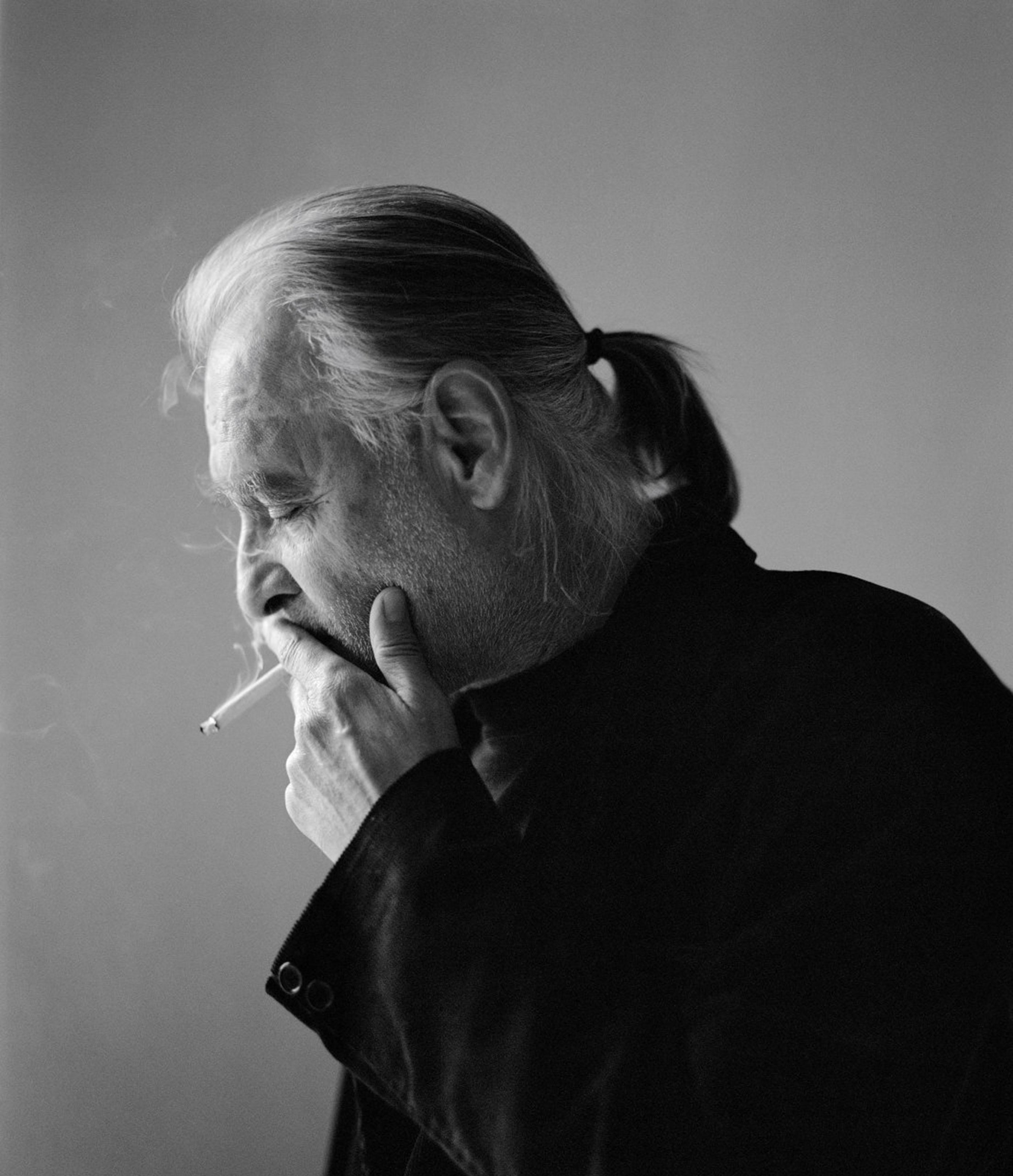
I find Tarr’s retirement more admirable than fellow arthouse filmmaker Werner Herzog’s Hollywood blockbusters, cartoon voiceovers or collaborations with American Express, or Jean-Luc Godard’s lengthy, lacklustre coda to his groundbreaking works of the 1960s. Tarr was an artist who maintained control over his vision in a notoriously difficult industry, until he had said everything he had to say in his chosen medium. He devoted the last 15 years of his life to his film school, hoping to raise a new generation of cineastes and auteurs in a time when much was written about them dying out, and it’s sad to realise that with his death, Tarr will not see many of the seeds he planted there spring to the surface. We will, though, and that—far more than any more of his own works—is the greatest gift Tarr could have given us. —[O]
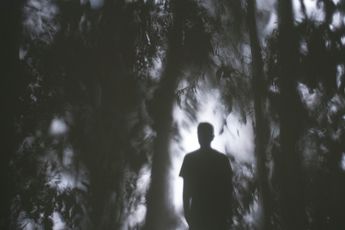
Main image: Lars Rudolph in Werckmeister Harmonies, 2000 (still). Hungary / Italy / Germany. Director: Béla Tarr and Ágnes Hranitzky © Photo12/Magyar Mozgókép Alapítvány via Alamy









A respected voice in contemporary art discourse.
Focusing on ambitious storytelling and insightful art-world commentary. Ocula Magazine publishes in-depth interviews, critical essays and timely analysis on the artists, exhibitions and ideas driving the global art world.
Learn more about Ocula Magazine
Showcasing the best of the art world.
Ocula partners with galleries from around the world to highlight their artists, artworks and exhibitions. Gallery membership is by application and invitation, with each member vetted by an independent panel.
Learn more about Ocula Membership
Specialises in the sale of major artworks.
Led by a team with deep ties to the world’s leading auction houses, galleries and collectors. Ocula’s advisory team offers bespoke services to high-net-worth clients from around the world who are looking to acquire the best of contemporary and modern art.
Learn more about our team and services