






Art Can Break AI’s Stranglehold on Sex and Relationships
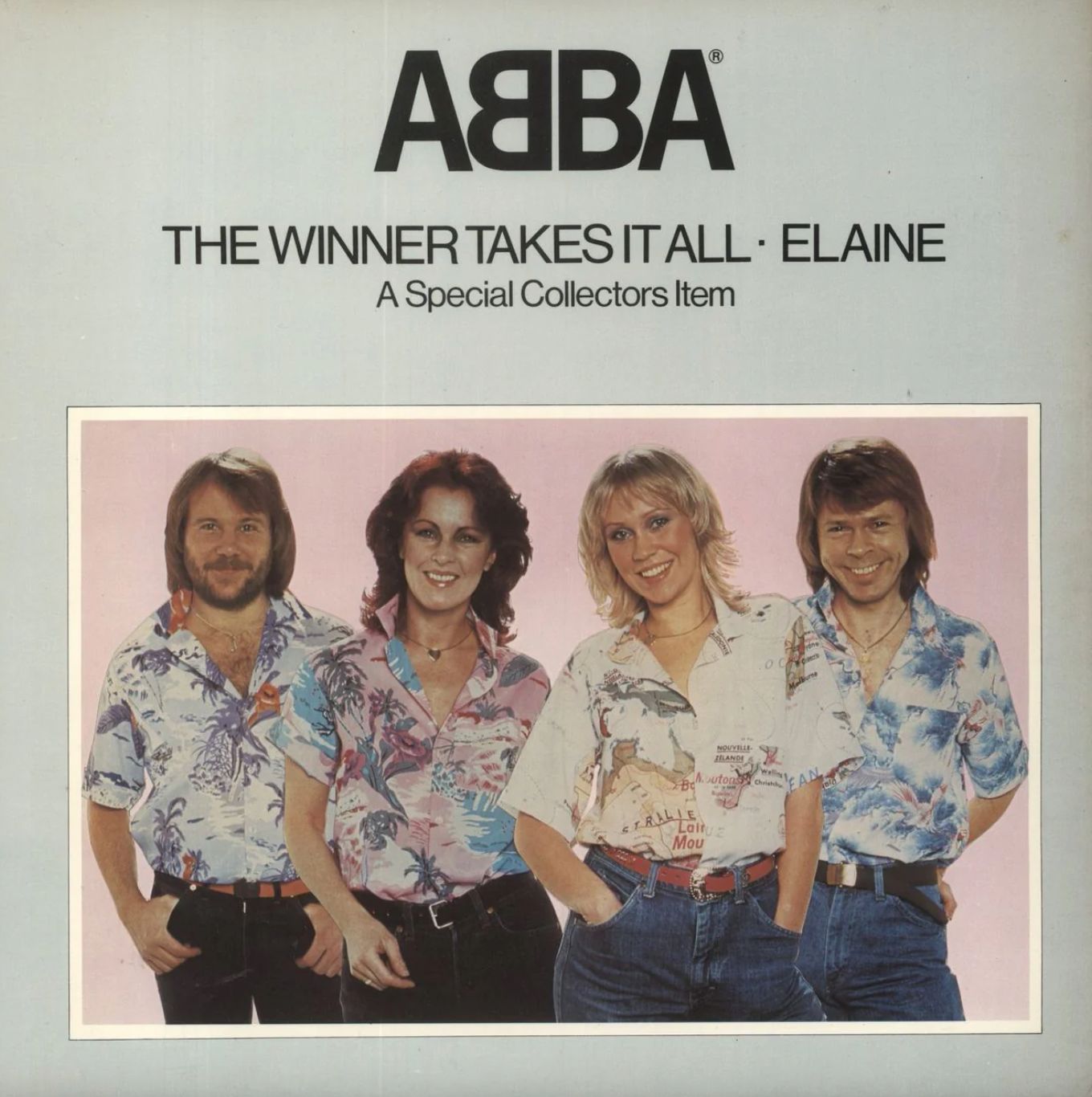
The year in sex: We’ve normalised apps and AI in relationships, but now it’s time to listen to the conversations about whether technology is actually benefiting us. Save to My OculaIt’s late November 2025, and ABBA’s 1980 hit ‘The Winner Takes It All’ is gaining popularity on TikTok. I’m watching a video of someone who asks doubtfully if it makes sense to use the trending audio while feeling poorly about themselves. It’s clear they have only listened to the 15-second fragment of the song suggested by the app. ‘Oh honey,’ one commenter says, ‘no one who listens to that song is a winner.’ In truth, ‘The Winner Takes It All’ is a loser’s anthem. Originally written about the experience of divorce, it’s the desperate cry of a cast-off, a forgotten wretch in the dirt, pleading for a scrap of recognition. It’s a human pleading to the Gods, begging them not to leave them behind. And after a year of ChatGPT ‘girlfriends’ and ‘boyfriends’ slurping up the clean water supply; horny AI-generated slop featuring everyone from politicians to Twitch streamers; billionaire weddings; and the largest credential dump on record (totaling 16 billion exposed passwords), I’m not struggling to understand why the song is seeing renewed interest.
2025 saw the increasing phase-out of the human. We will all soon enter ‘the gentle singularity’, at least according to OpenAI CEO Sam Altman—a reference to American computer scientist and futurist Ray Kurzweil’s 2005 book The Singularity is Near, in which he predicted the acceleration of artificial intelligence towards a point in time when it would surpass human intelligence. Companies are eager to bring the singularity into your sex life, too, marketing it as everything from a relationship improver to a relationship replacer.
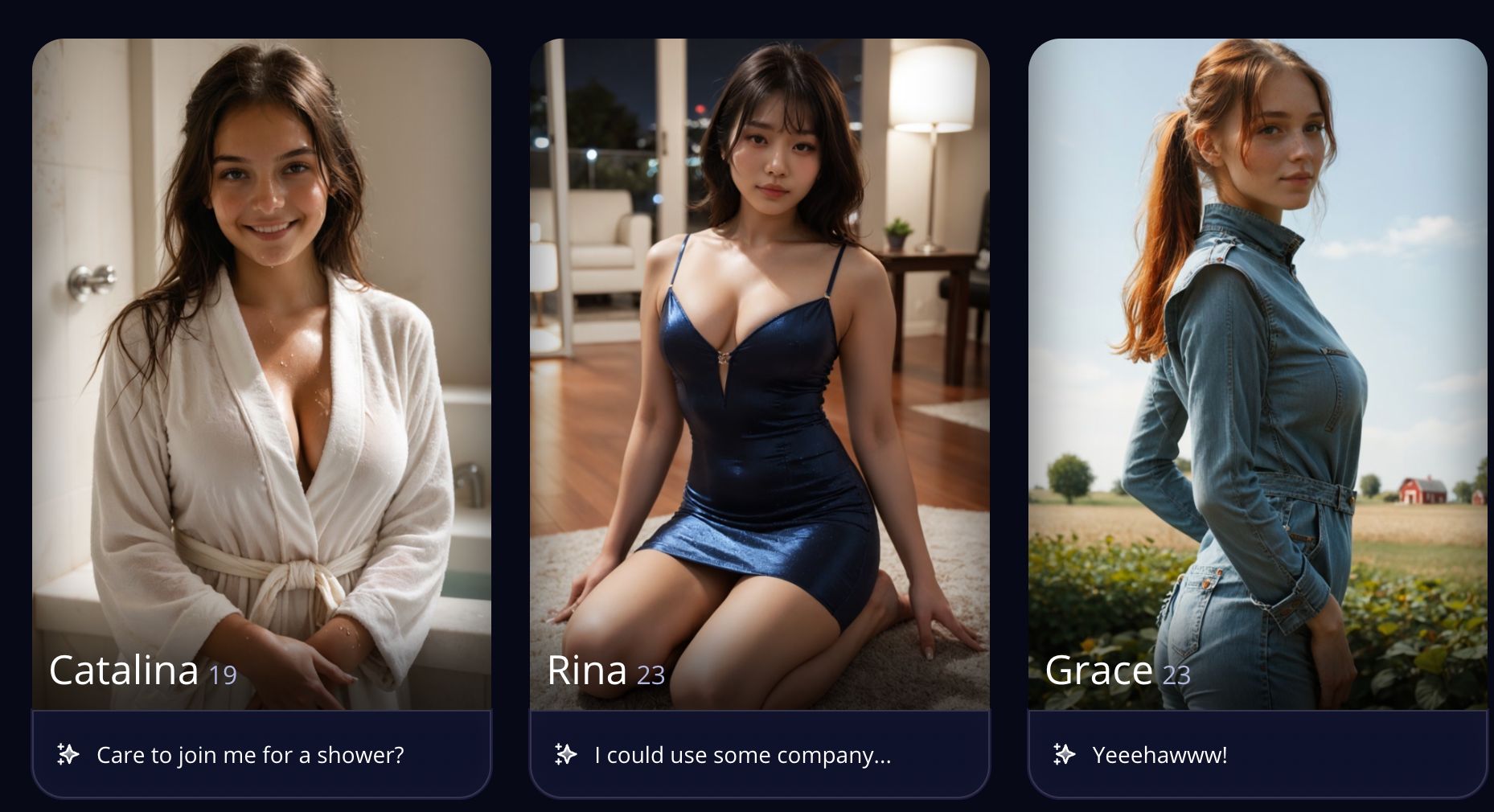
AI partnership apps are booming, with old faithfuls such as Replika being joined by newcomers including HeraHaven and AI Girlfriend Simulator. AI has hit the less romance-driven market of hardcore pornography, too, with companies like Eva AI offering IRL pornstars the opportunity to license their image to generate content. Even sex toys are getting in on the trend, with LELO introducing the F1S V3 male masturbator, ‘powered by AI’. Someone should tell these companies that men have fucked rotisserie chickens and latex gloves.


Technology has seeped into our bedrooms in 2025, yes, but more interesting are the louder and more urgent conversations about whether or not these new technologies are benefiting us at all. The internet optimism of the 1990s (marked by high-profile tech theorists such as Nicholas Negroponte, who claimed the internet would create a borderless utopia) has given way to what I would define as a kind of innovation optimism from the mid-2000s to now. Marked by the mythical figure of Apple co-founder Steve Jobs and his stage-play product announcements, innovation optimism suggested that all progress is forward progress, and encouraged the rapid progression of technological development at all costs.
A two-thousand-and-twenty-fifth-year marked (plagued, even) by AI is the result of this attitude, and in many instances the direct product of the companies (from Meta to Amazon to Google) developed in the innovation optimism period. But after blinking away the sleep from our eyes and seeing where this ‘progression’ has got us, many people are starting to scan for an emergency exit (or at least, a different way to interact with the tools that we’ve been given).
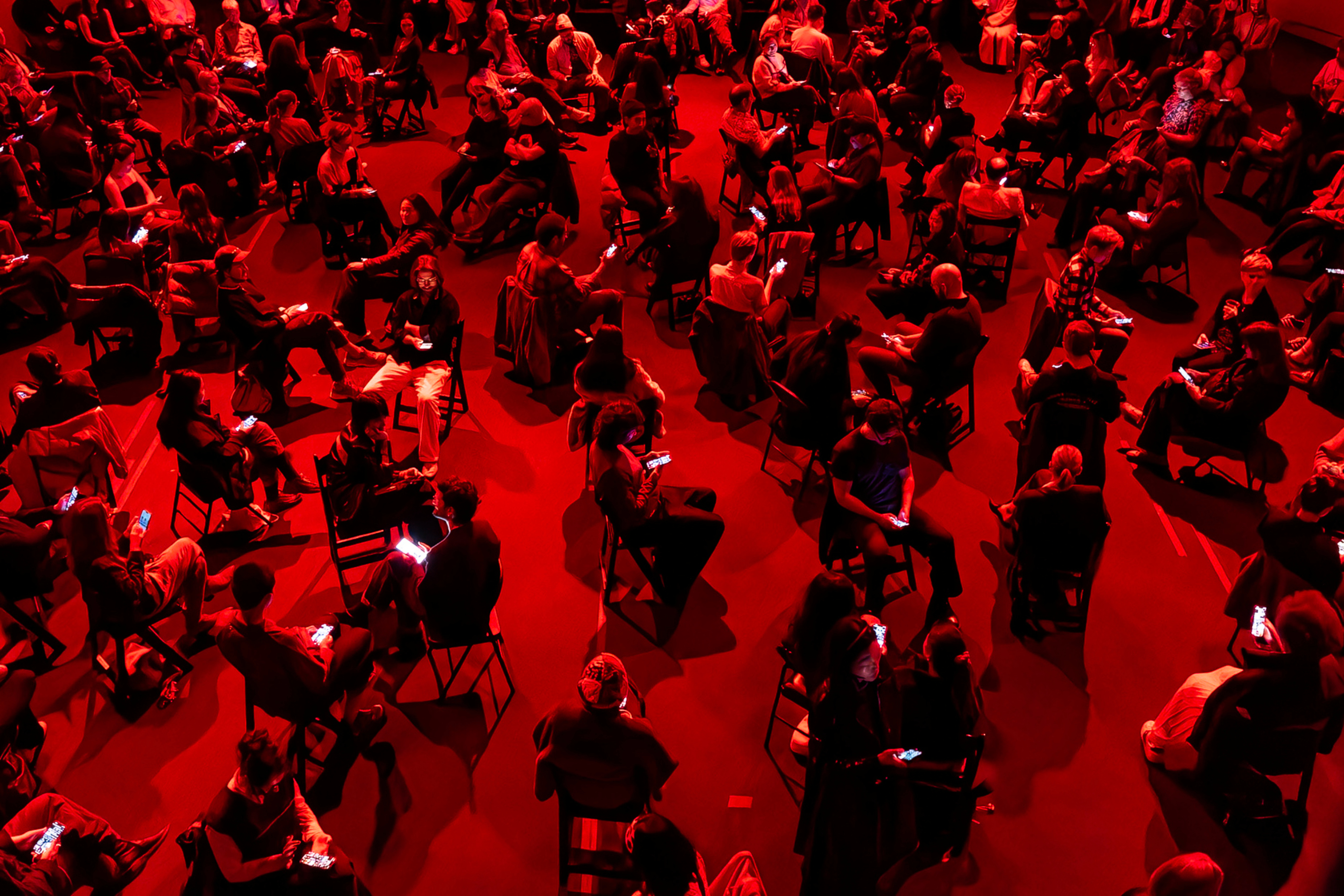
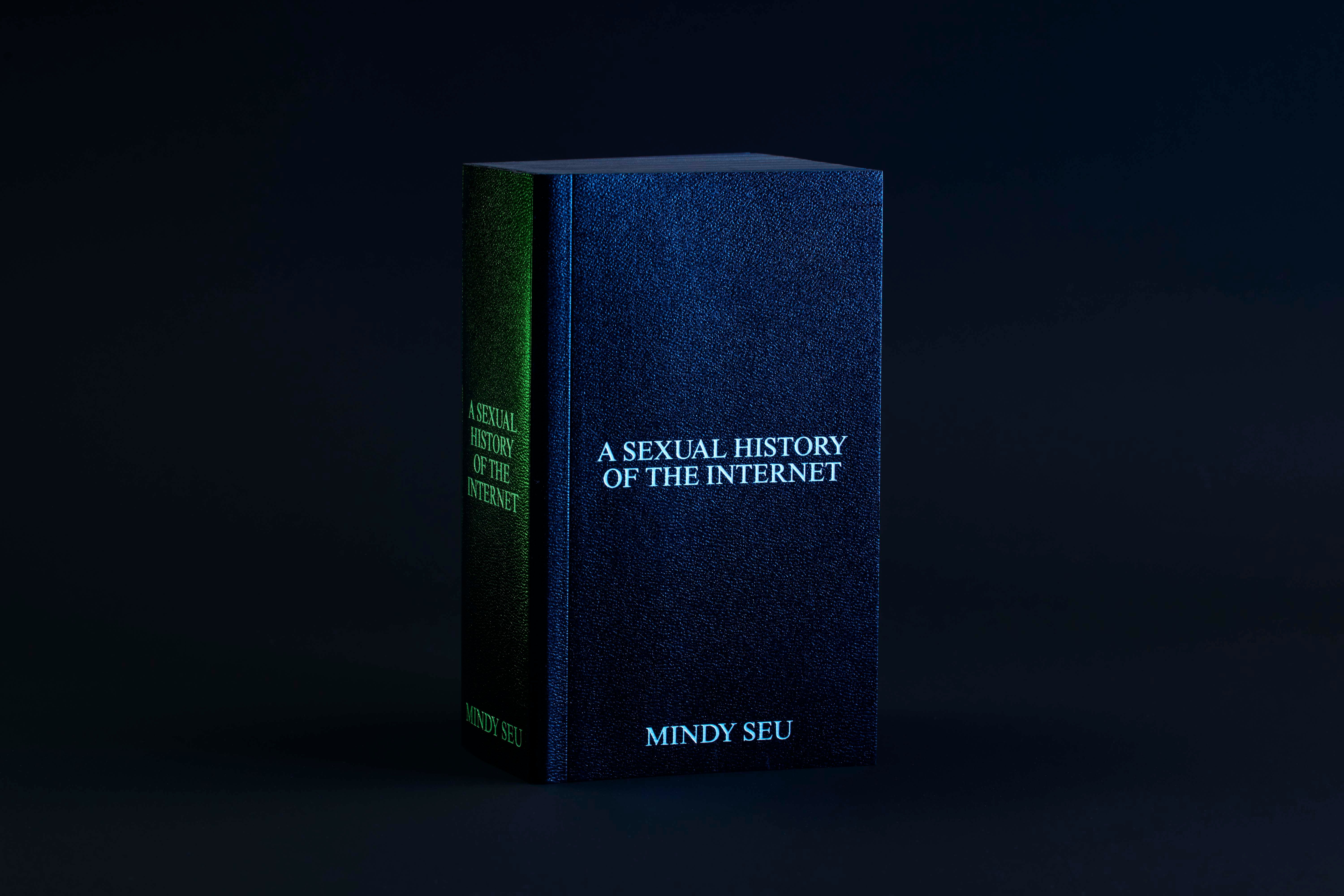
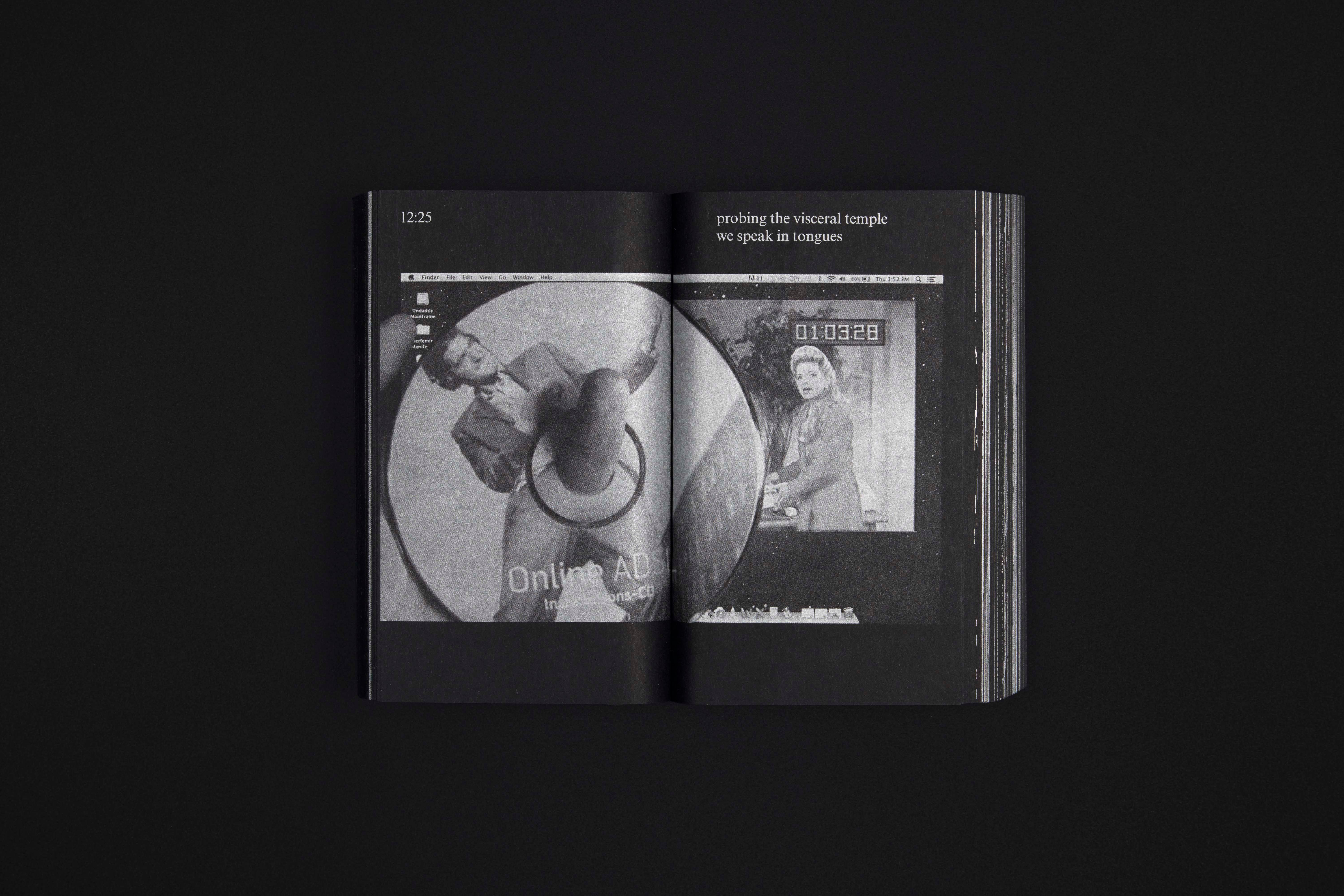
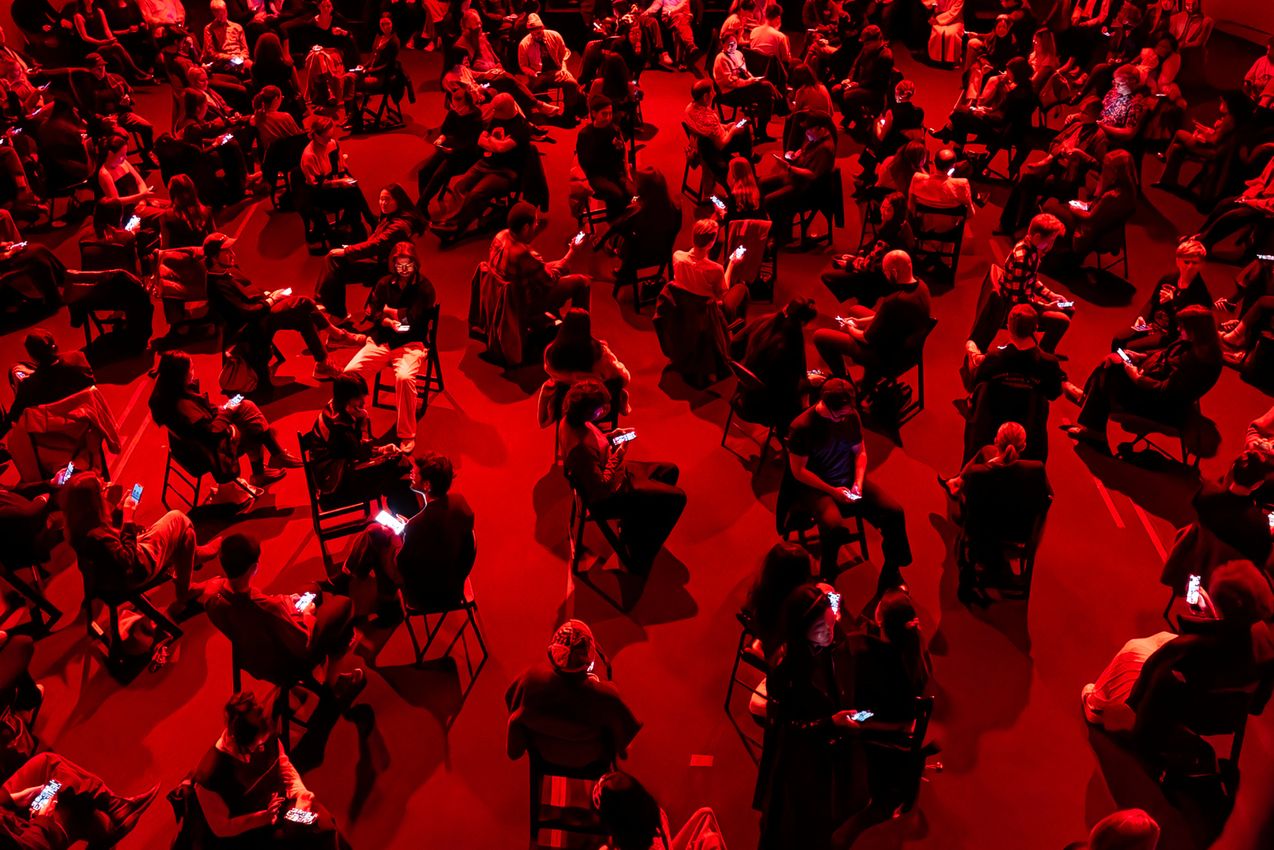
Take American designer and technologist Mindy Seu’s A Sexual History of the Internet, published this September. The artist spent much of 2025 touring a performance in conjunction with the release of her book, walking the reader through key moments in technology’s relationship to big tech. Dozens of people at a time were ushered into venues and encouraged to check their phone’s network and make sure the volume was turned up loud. During the performance, Seu led her audience to a series of Instagram stories, designed to play over the course of the show without interference from the phone’s hot-handed owners. At times, audience members were instructed to read from their own screens in unison. The live show took the experience of Instagram—notorious for its alienation—and used it as a tool to facilitate an in-person, collective experience.
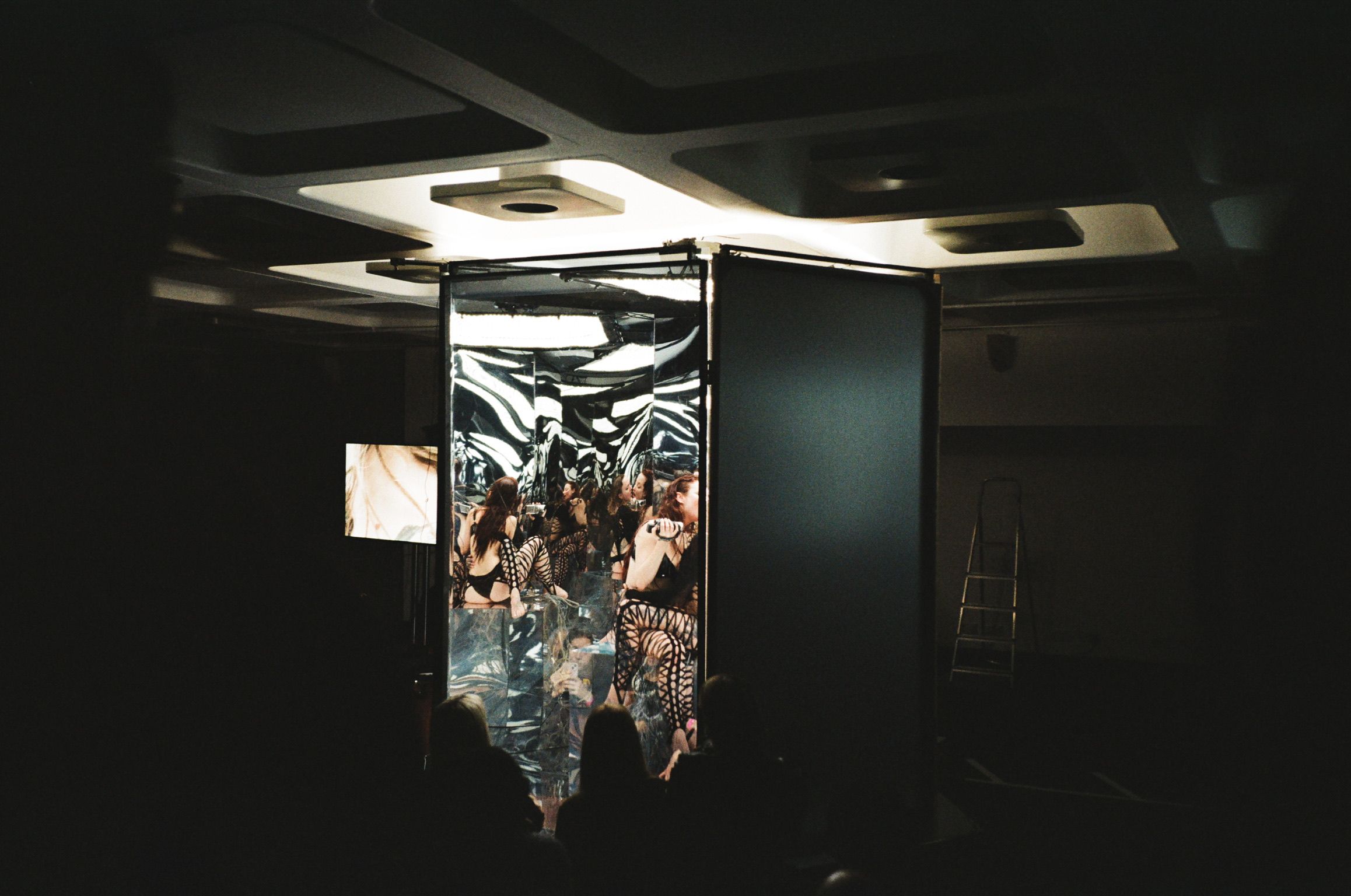
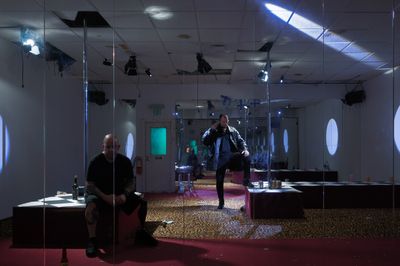
The question of voyeurism in a social media age, an era defined by some as an inescapable panopticon, is explored by pornographer Vex Ashley (aka Four Chambers) in her exhibition The Story of The Eye (2025), which was presented at London’s Barbican Centre as part of a wider range of programming this November titled Dirty Weekend. Panel discussions and performances were held within a many-mirrored set piece/installation, refracting the performers and audience into dozens of split and divided shards. Artist Ozziline Mercedes used the space to present CYBORG MANIFESTO_2, a half-digital, half in-person performance that drew from theorist Donna Haraway’s 1985 socio-feminist text A Cyborg Manifesto, in which she argued that the boundaries between humans and machines are breaking down.


Elsewhere, sex industry professionals carved out their own corners of the internet, tired of the censorship and discriminatory treatment of mainstream platforms. Stella Barey launched H1dden, an OnlyFans alternative led by sex workers that stands by adult work. Barey has stressed that the platform prioritises transparency and creativity, with fewer content restrictions than other adult sites and community-led initiatives for creators. The platform hosted its first ‘Goon-A-Thon’ in December 2025 (gooning in this context describing extended periods of masturbation), complete with prizes for particularly prolific gooners. Pornography access was on the mind of every government, as countries in Europe and North America enacted age restriction laws, such as the U.K.’s Online Safety Act, forcing adult sites to collect ID and biodata information from customers. Presenting to the U.S. Supreme Court, adult industry trade organisation Free Speech Coalition argued these new bills were unconstitutional in Free Speech Coalition vs Paxton.
The Winner Takes It All’s reemergence in the zeitgeist doesn’t inspire confidence. It’s hard to look at the events of this year and feel comfortable with the direction we’re moving in. But there’s a relief in seeing how, in the attempt to de-bug humans out of humanity, our response is often to reach out to one another. To connect, to create intimacy and partnership, whether that looks like in-person performance or an online goon-a-thon. Sex is, of course, animalistic by nature. It opposes the sleek rationality of the machine, instead lunging for the jugular in its attempts to get us to embarrass ourselves, to reveal our soft white underbelly in the hope that someone might rub it. Personally, after a year of HTML and blue light, I hope we find the strength to end the year sticky, disgusting, and human. —[O]
Main image: Mindy Seu, Gray Area Performance of A Sexual History Of The Internet (2025). Courtesy Gray Area. Photo: Naveed Ahmad.













A respected voice in contemporary art discourse.
Focusing on ambitious storytelling and insightful art-world commentary. Ocula Magazine publishes in-depth interviews, critical essays and timely analysis on the artists, exhibitions and ideas driving the global art world.
Learn more about Ocula Magazine
Showcasing the best of the art world.
Ocula partners with galleries from around the world to highlight their artists, artworks and exhibitions. Gallery membership is by application and invitation, with each member vetted by an independent panel.
Learn more about Ocula Membership
Specialises in the sale of major artworks.
Led by a team with deep ties to the world’s leading auction houses, galleries and collectors. Ocula’s advisory team offers bespoke services to high-net-worth clients from around the world who are looking to acquire the best of contemporary and modern art.
Learn more about our team and services