The art world in focus
Subscribe to our newsletter for news and insights on artists, galleries and exhibitions.


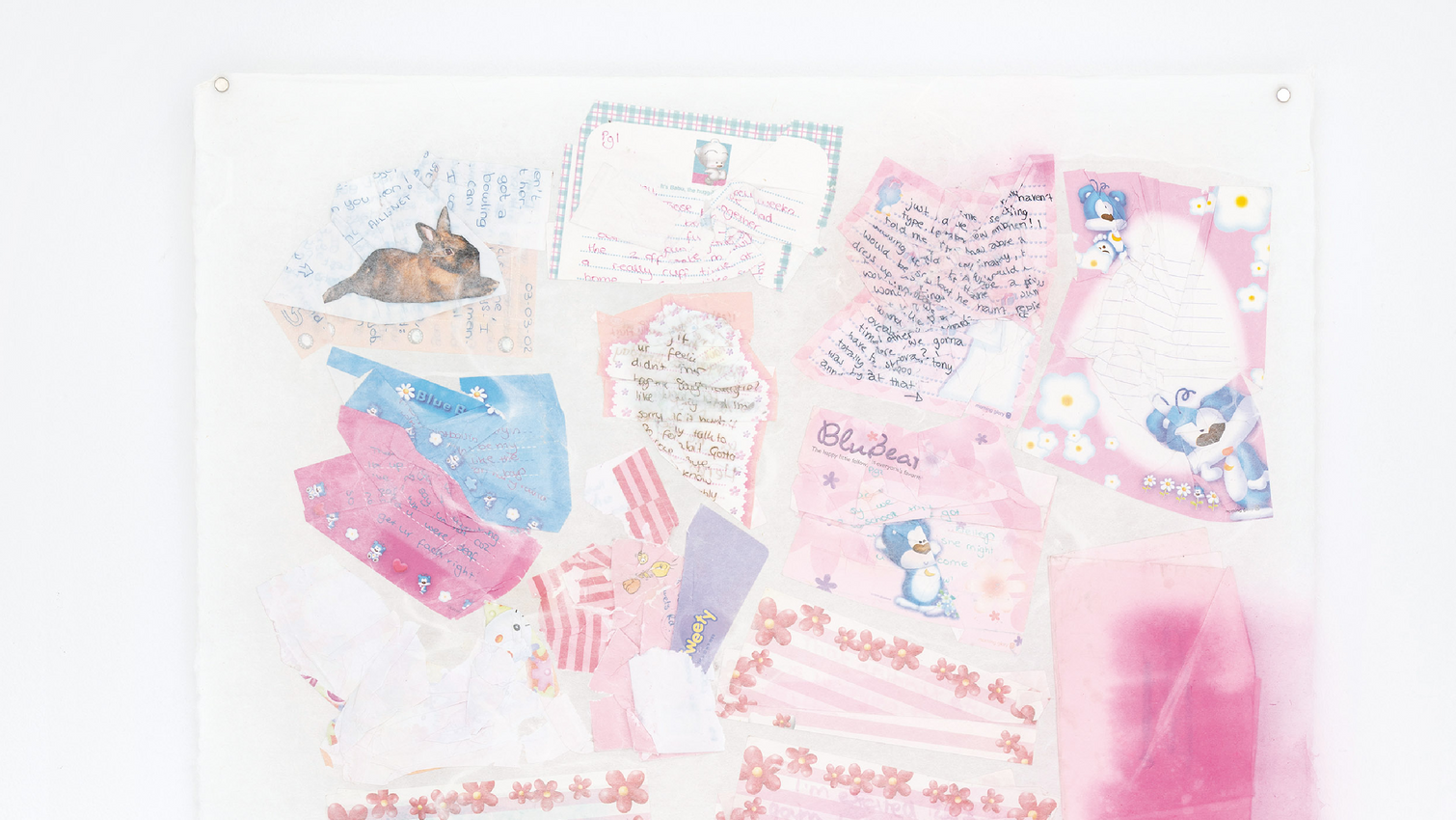
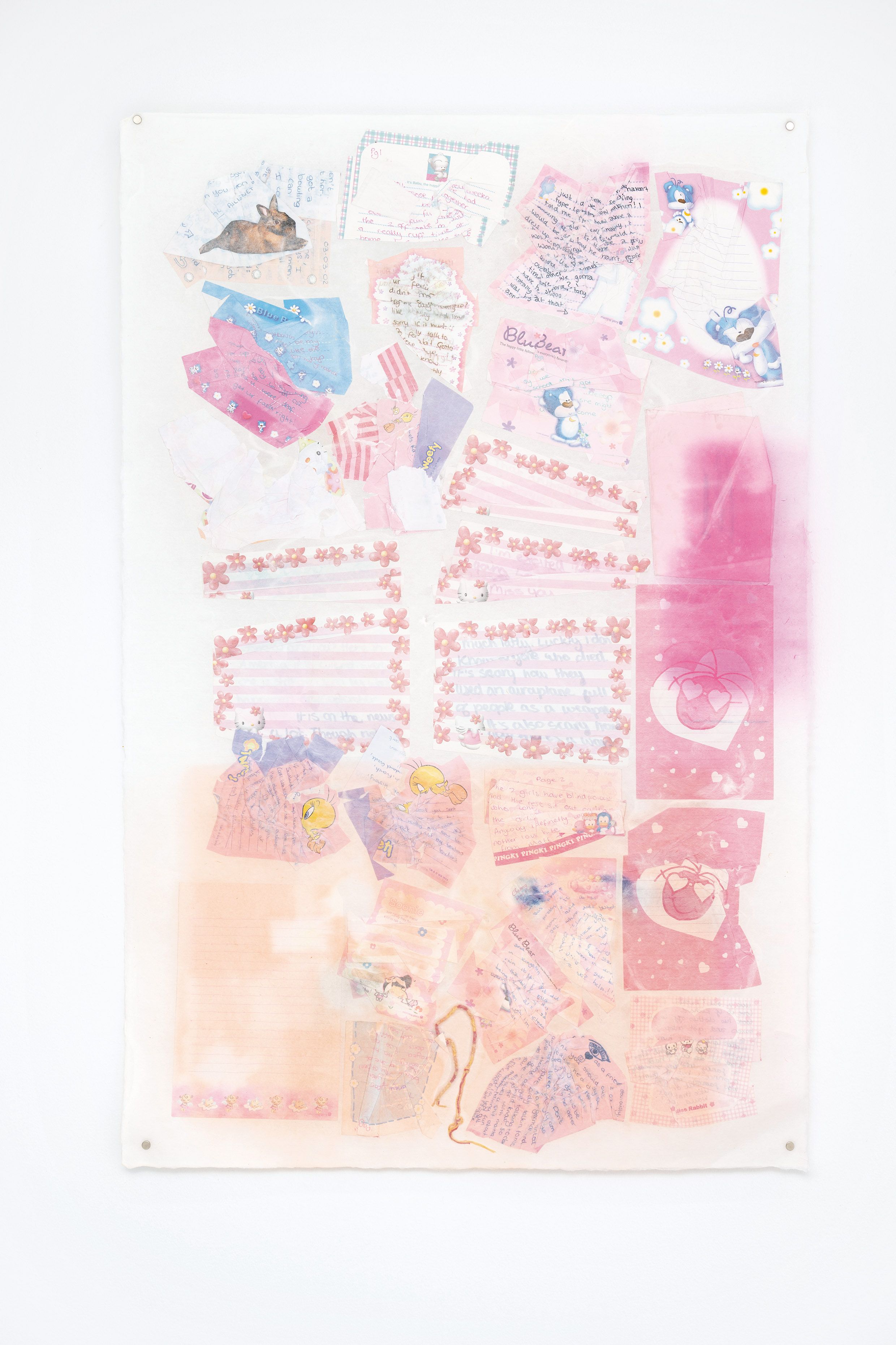
The height of my literary embarrassment can be found in the defunct forums where my online friends and I first exercised our creative talent as pre-adolescent girls. During the 2008 financial crisis, while my parents dodged phone calls from Bank of America, I stole away to my computer to unbind myself from the laws of reality. Logging on to FanFiction.net, my friends and I took turns writing paragraphs that unfolded like Surrealist ‘exquisite corpses’, detailing the exploits of thinly-veiled Harry Potter alter egos, Pokémon-universe Greek tragedies, and set-piece medieval battles between the young English Princes William and Harry.
For us, fan fictions were an infinite terrain of escape, an outlet for converting helplessness into creative action. Largely (though not entirely) the terrain of young girls, fan fiction was not actually invented during the noughties. In 2023, the New York Times reported that during the 1970s, fans of Star Trek were publishing fan magazines with romantic hookups between Kirk and Spock. Twilight (2008–2012) has long been rumoured to be a Harry Potter fan spin-off (though it is not), while Fifty Shades of Grey (2011) itself did in fact spawn as a Twilight fan fiction. For me and my friends, as everlasting lovers of fantasy romance, no departure from reality was ever too far, no out-of-character matchup truly unbelievable, all as long as it read deliciously. In the world of fan fiction, real-life rules such as cause and effect did not exist. Instead, plot events happened solely in service of drama.

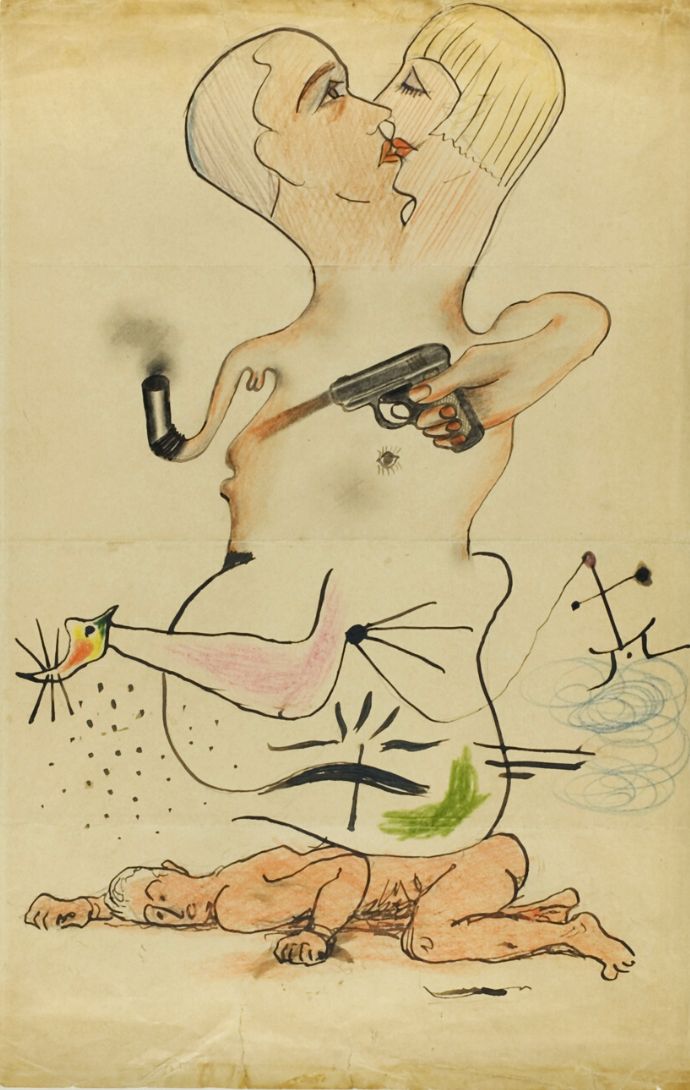
If only my younger self could have known that 2025 would be the year that this literary logic, such as it is, would become indistinguishable from the year’s headlines. While the events of the year topically speak of a boys’ club for power politics and tough negotiations, the tenor often reads more like a meet-cute dreamed up by an especially imaginative teen girl. In November, Trump flew his self-declared arch-nemesis, ‘communist’ politician Zohran Mamdani for a showdown at the White House, only to spend their first real date flitting his eyelashes at New York’s dashing mayor-elect. Former Canadian prime minister Justin Trudeau continues the fan fiction tradition of unlikely crossovers in his post-premiership fling with pop star Katy Perry. Their counterparts in France, the Macron presidential family, are fighting a messy libel suit against American far-right mega-streamer Candace Owens, who has claimed that the French president’s wife Brigitte Macron was born as a man named Jean-Michel Trogneux. Meanwhile, France has repeatedly failed to form a functioning parliamentary majority—I guess everyone is just too busy dealing with Owens, AKA social media high school’s nastiest (and most popular) mean girl gossip queen.
In his own work as chief gossip girl and interior decorator, Trump assumes both principal gender roles in the executive branch. Like a twofer combo of fan fiction’s Mary Sue and Gary Stu archetypes (self-inserted, perfect-in-every-way main characters embedded into plotlines to aggrandise the author) Trump sees himself as all things to all people. The American president celebrated the coup d’état of his successful re-election by getting everyone in his administration lost in his own timebending fantasy fiction about a second Gilded Age, but no one knows how to get there without repeating the mistakes of former presidents McKinley (tariffs), Eisenhower (deportations), and Reagan (deregulation). Trump’s monument to this vision is a new State Ballroom decked out in tacky Baroque plastic moulding that the bedazzler-in-chief insists is real, although corners of the internet highlight its similarities to items that can be purchased from Home Depot.
Following his Real Housewives-style instincts into a White House remodel, Trump continues his power grab in razing the White House’s East Wing, erstwhile the domain of the First Lady and the symbol of mature womanhood and soft power in the United States. In Trump’s romance, there is no need for Mrs Trump, who might otherwise compete with her husband for attention. She has been written out of the story and, like so many spurned love interests, allegedly cast out of D.C. to the climes of New York City.
When the conservative coalition has finished robbing the country of its dignity, American girls may have the great luck to come of age in the midst of an all-too-predictable economic collapse. Their current version of the internet comes with a permanent digital record—the same consequences as any adult. Creative rebels now compete with the news media for internet eyeballs. Obsessed with becoming influential, kids prepare themselves for adult lives by gaming the social platforms in order to get ahead. In the aughts, my mom warned me to ignore the rail-thin models on the Boot Barn highway billboard. Now, young girls may be compelled to use A.I. filters to feel secure in their girlhood, if theorist Alex Quicho is right about the allure of attaining prey-like ‘doe’-shaped eyes.


Even more tragically, our younger generation has stopped writing altogether. It’s estimated that nearly 25 percent of Americans are functionally illiterate. Those shameful stats coincide with brainrot memes like the Italian-gibberish ‘Tralalero Tralala’ characters who, among other meaningless slang, tend to disturb and disorient adults. Kids’ compulsive repetition of these verbal tics doesn’t bode well for the next Great American Author, but it may be that building another language via the internet is the only thing kids have against the grown-ups. Young people can find safety from hegemony if not in anonymity, then in total linguistic incomprehensibility. Spoken language itself, yet to be captured and controlled by tech platforms, may be the last line against the horror of interpretation.
Artists and the young share an opposition to everything mainstream, and ensure their survival by making impenetrable fictions out of the mundane. The opacity of youth makes it desirable to possess and destroy, and art operates on the same principle. Its cult value lies in what cannot be explained, which means it’s always at war with those who would dissect it. Pulling at her threads denudes her of her charms, warns anon pamphleteer Tiqqun’s Preliminary Materials For a Theory of the Young-Girl (2012), a quasi-biblical source text. Like the holy book, it’s birthed a posse of zealots who take it literally, compressing all the obvious hyperbole into one career-saving Hail Mary. Tiqqun sadly predicted the ‘landscape of a devastated eros’ we now enjoy at their hands. Their wannabe acolytes ought to keep reading, for in practice ‘the question is not of the emancipation of the Young-Girl, but of emancipation in relation to the Young-Girl’. Duh!
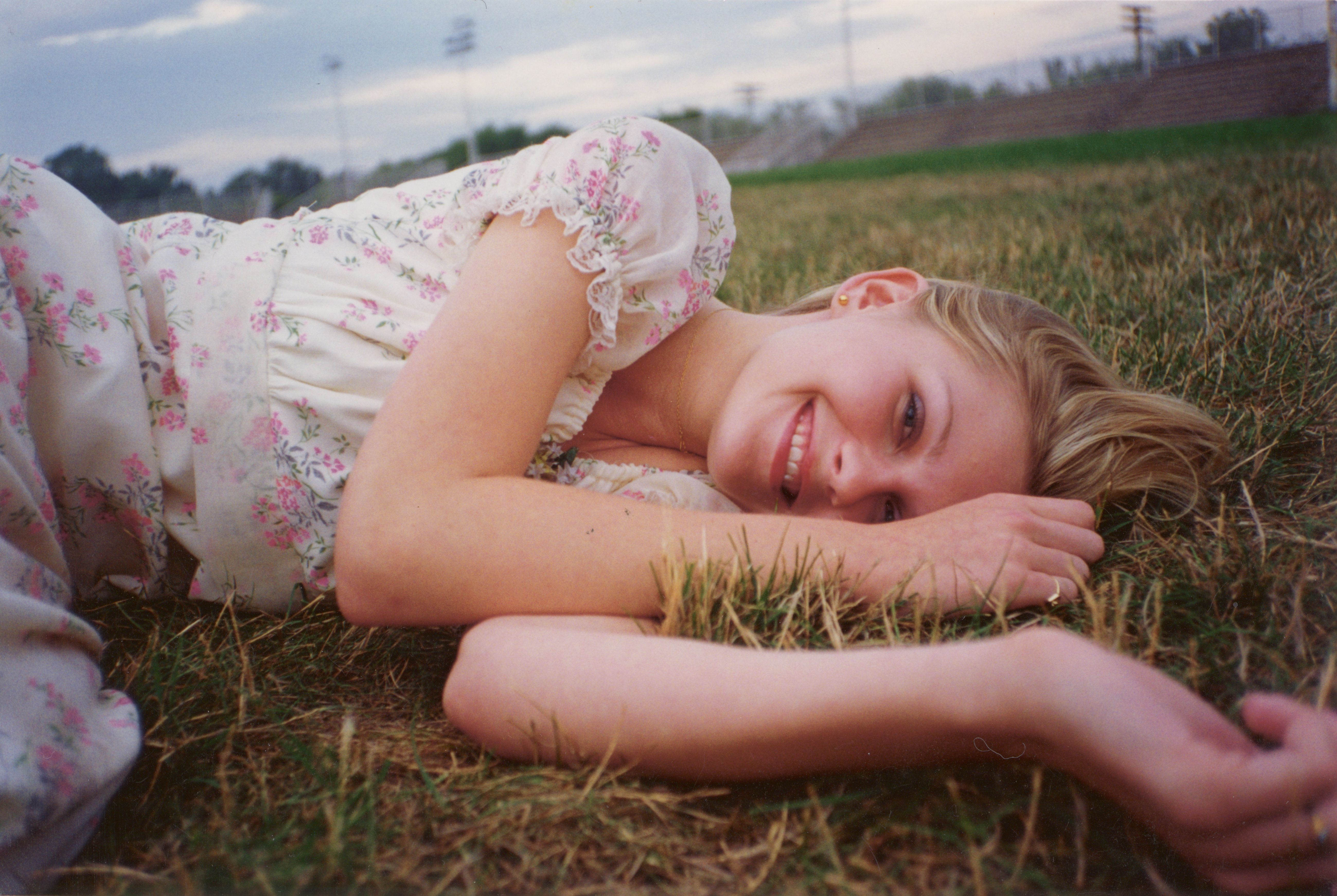

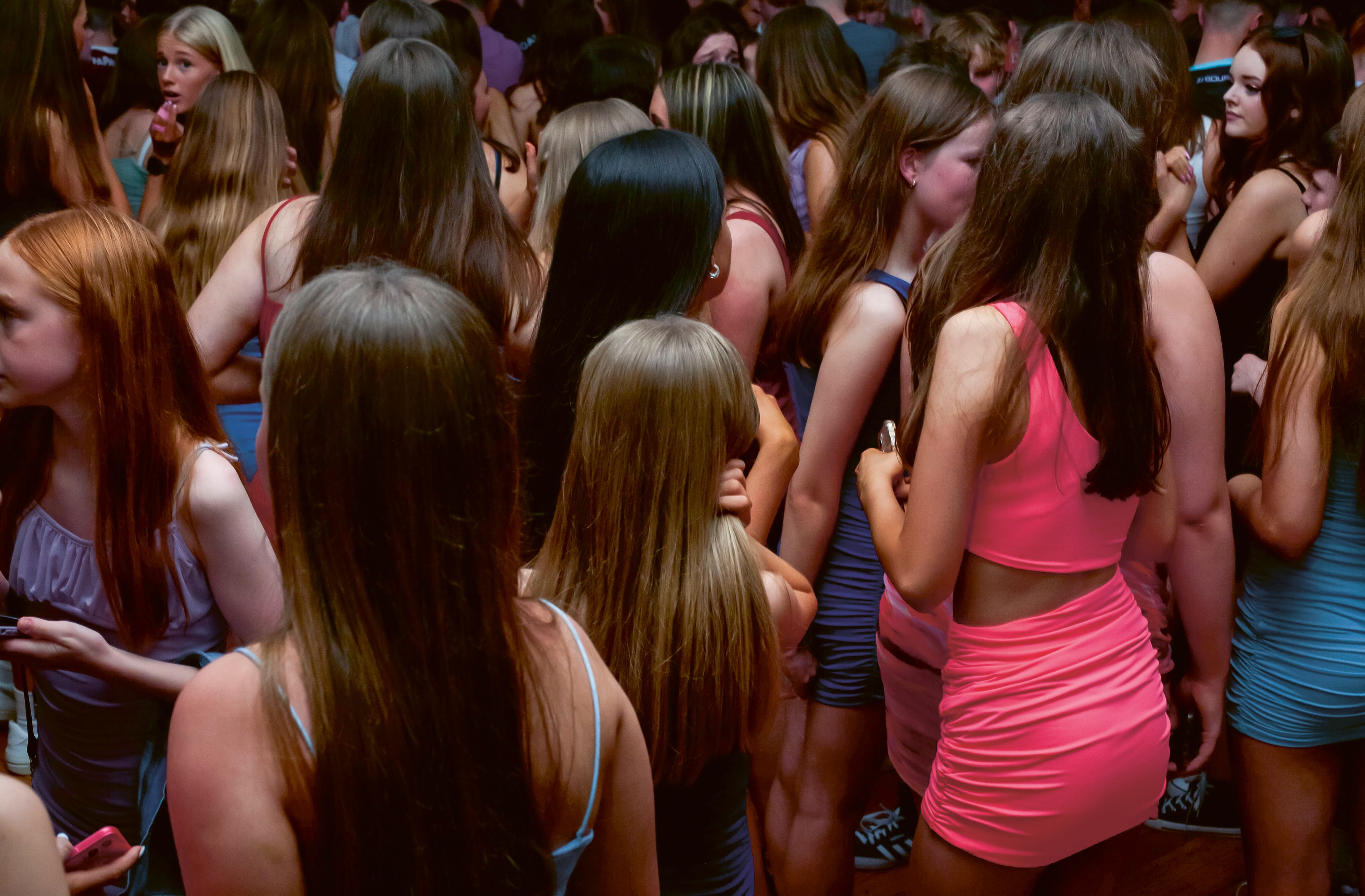


But heeding those words undermines any girlhood-spectacle—an intolerable inconvenience. This year, Fashion Museum Antwerp presented Girls, an exhibition that classifies the objects of girlhood—Maryjane loafers, Sofia Coppola’s The Virgin Suicides (2000), Edgar Degas’ Little Dancer Aged Fourteen (1880–1881)—into a series of well-ordered halls. That’s boring. Moreover, like 2024’s group exhibition Cute at Somerset House (which sought to unravel the emotive charge of ‘cuteness’ through contemporary artworks, music, fashion, toys, video games and social media), it fails to grasp its own faux pas. The titular ‘girl’ would never consent to sort herself under the flat banner of ‘cute’ or, God forbid, ‘girl’. I suggest they close the museum altogether, or show one work at a time, through a thin veil, and only for a few seconds. The much more girlish Munchmuseet, on the other hand, tortures selfie-obsessed tourists with delight by revealing just one of four The Scream (1893) prints on a 15-minute rotation. Like Munch, who was hung up on his sister Sophie’s death at 13 years old, they practise girlhood versus preaching it. The best just know how to tease and antagonise the external world, all while protecting an interior one that is, in all likelihood, screaming. —[O]
A respected voice in contemporary art discourse.
Focusing on ambitious storytelling and insightful art-world commentary. Ocula Magazine publishes in-depth interviews, critical essays and timely analysis on the artists, exhibitions and ideas driving the global art world.
Learn more about Ocula Magazine
Showcasing the best of the art world.
Ocula partners with galleries from around the world to highlight their artists, artworks and exhibitions. Gallery membership is by application and invitation, with each member vetted by an independent panel.
Learn more about Ocula Membership
Specialises in the sale of major artworks.
Led by a team with deep ties to the world’s leading auction houses, galleries and collectors. Ocula’s advisory team offers bespoke services to high-net-worth clients from around the world who are looking to acquire the best of contemporary and modern art.
Learn more about our team and services