





Love It or Leave It
As President Trump continues to slash cultural funding, art feels less like a public forum for dynamic conversations and more like another cowed industry. Might there be another way forward? Save to My OculaWhen the National Endowment for the Arts was established in 1965, President Lyndon Johnson declared: “We fully recognise that no government can call artistic excellence into existence… Nor should any government seek to restrict the freedom of the artist to pursue his own goals in his own way.” Conservatives have undermined these ideals ever since. By 1980, when Ronald Reagan took office, opposition to the so-called permissive attitude of the NEA was growing on the political right, and Reagan attempted (unsuccessfully) to abolish the agency entirely.
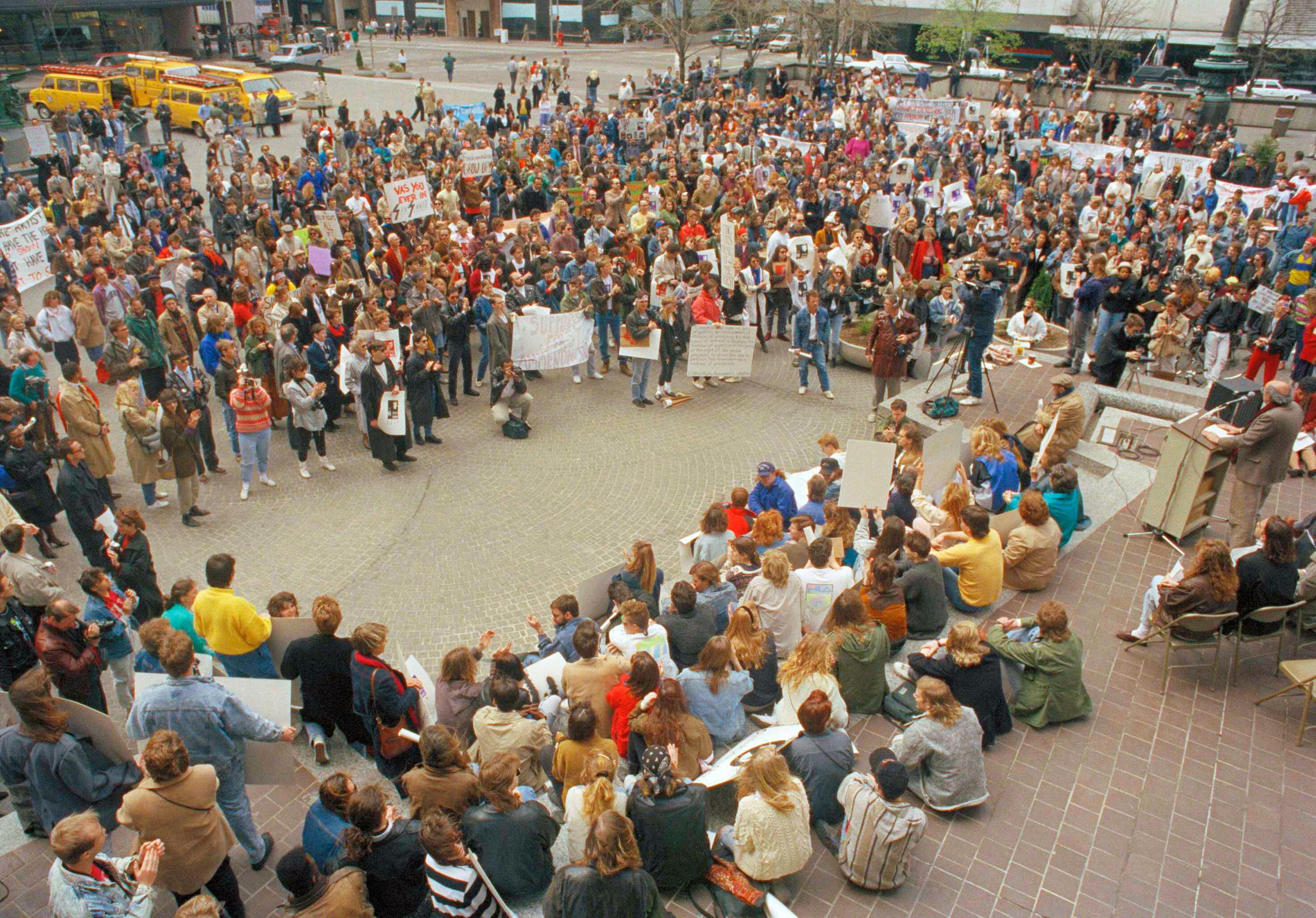
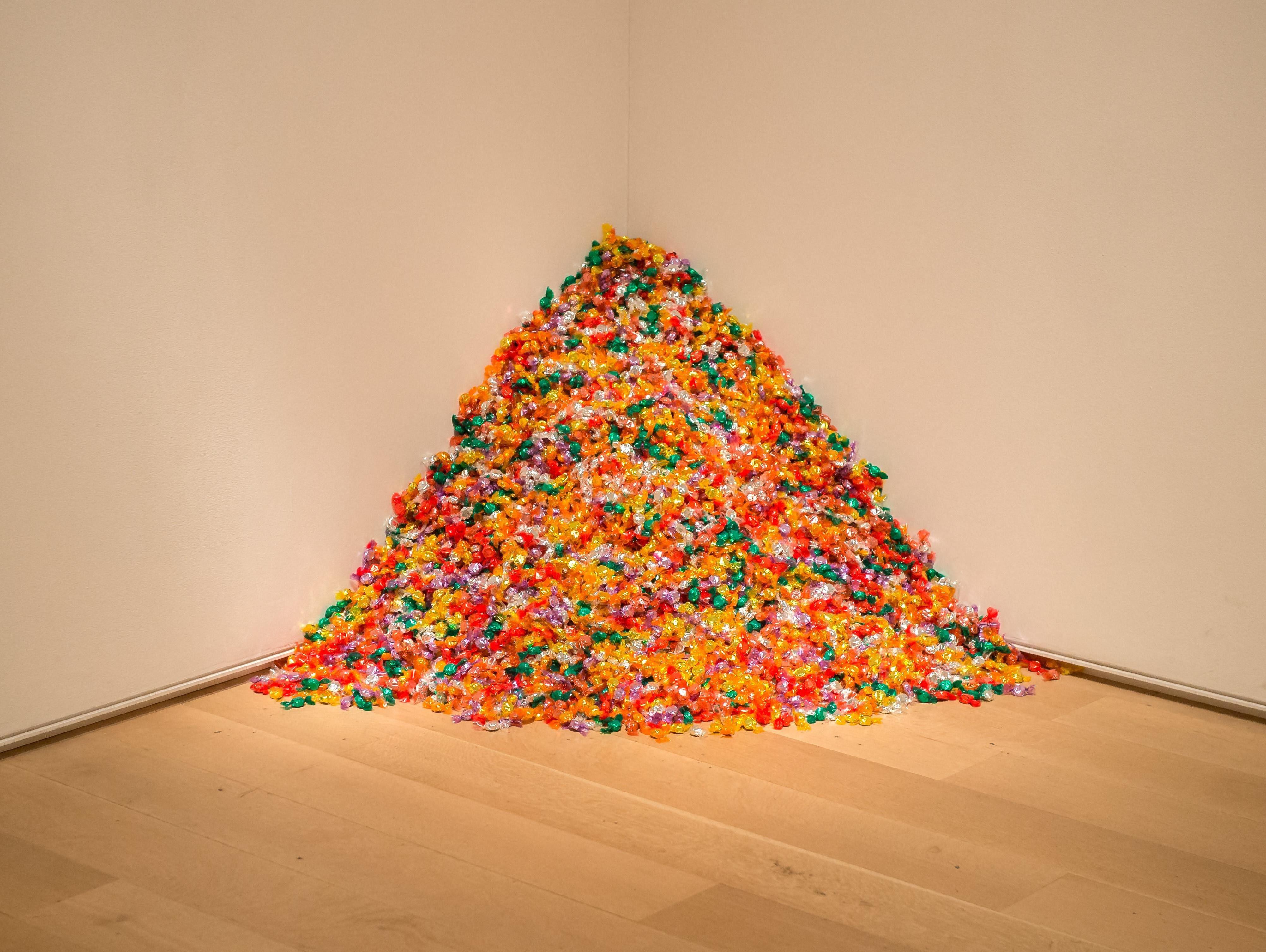
As America entered the 1990s, an exhibition of photographs by Robert Mapplethorpe that featured male nudes and sadomasochistic acts was deemed “morally reprehensible trash” by right-wing commentators and subsequently cancelled. A show by Felix Gonzales-Torres at the Hirshhorn Museum in Washington DC was accused of obscenity by a Republican senator but avoided closure, likely because the artist concealed his sexual and political content in conceptual, minimalist forms.
President Trump’s proposed 2027 budget, floated this April, allocated just enough money to the NEA, the National Endowment for the Humanities (NEH), and the Institute of Museum and Library Services (IMLS) to permanently sunset each one: $29 million USD for the NEA (down from $207 million USD; $38 million USD for the NEH (down from $207 million USD; and $6 million USD for the IMLS (down from $291.8 million USD. The president’s executive orders targeting “divisive ideology” in national institutions have had more success: in 2025, the administration unleased tech bros with ChatGPT to weed out DEI (Diversity, Equity and Inclusion initiatives) from the NEA and forced Smithsonian staff to justify or remove any exhibition or display seen as remotely partisan.
Under these circumstances, art feels less like a public forum for dynamic conversations and more like another cowed industry. No one wants to be the next scapegoat, nobody is having any fun. Is it time for the art world to leave its abusive relationship with the state? Is it time for the US art world to secede? It’s a worthwhile thought experiment. At the very least, abandoning the US government would offer the clarity that comes with releasing false hope: artists on their own, free to express themselves, done yearning for the support that never comes.
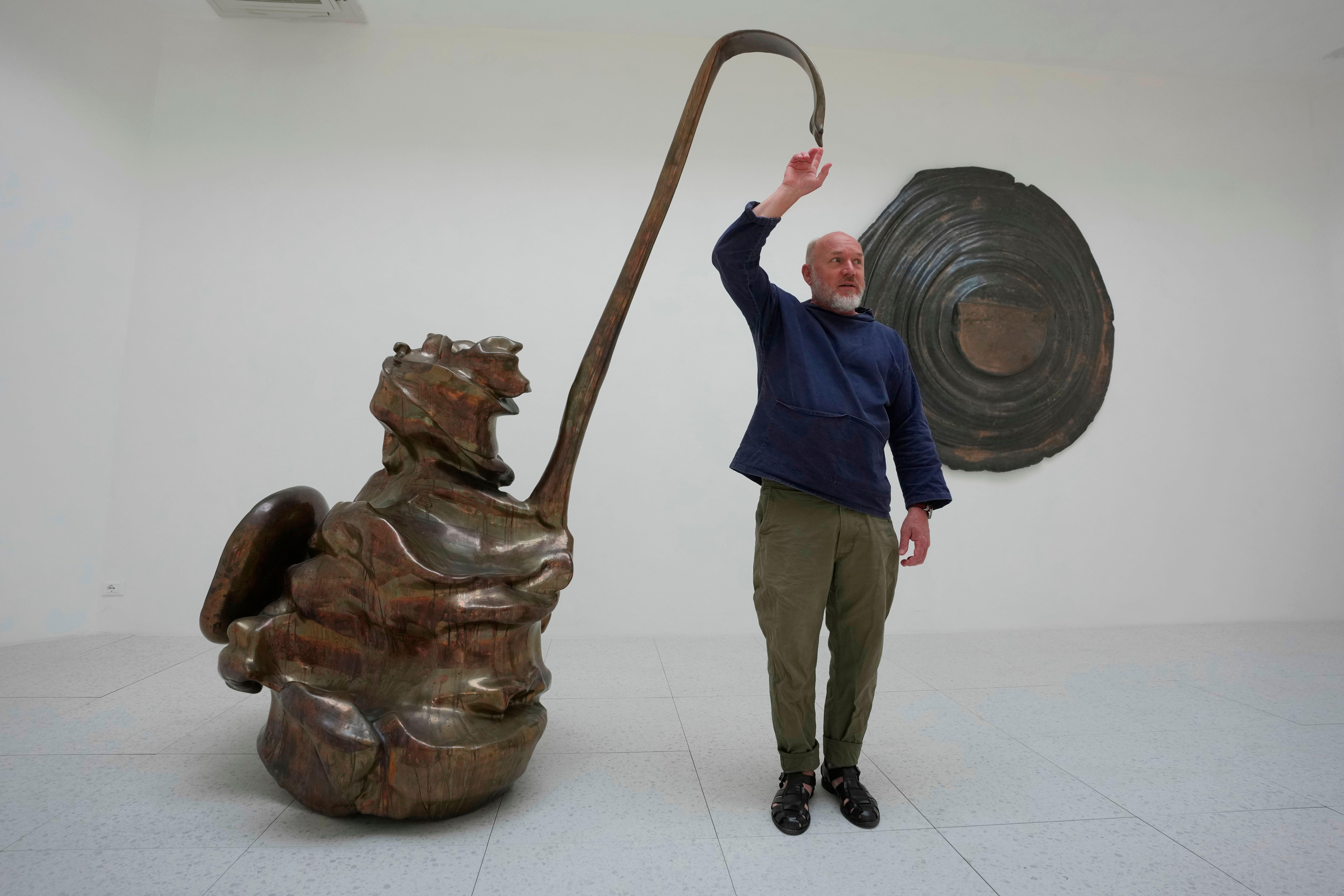
The shock might be pretty mild. In concrete ways, the US art world is already a supranational place. People and ideas jet across an archipelago of special districts and free-zones we call galleries, art schools, museums and studios—as long as customs agents allow it. After Alma Allen accepted Trump’s State Department’s invitation to represent the US in Venice (he wasn’t their first choice), his two galleries dropped him, but French mega-gallery Perrotin quickly swooped him up.
It’s not a coincidence that this attitude resembles the structure of global finance. The Canadian historian Quinn Slobodian, for one, argues that modern right-wing businessmen like Elon Musk don’t actually want the state to wither away; they want to sap its energy while avoiding its laws. In other words, the state is useful, but only insofar as it allows (certain) people to do whatever they want—a setup that resembles the benevolent neglect of yesteryear’s lofts and squats as much as biennial junkets. Most art world denizens aren’t exactly plundering the government’s treasure. But the benefits of this quasi-independent arrangement, from public commissions to teaching gigs, can be subtler than grants.
“The US art world is already a supranational place”
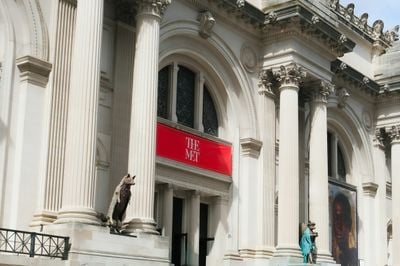
The greatest state mechanism for arts funding in the United States is the non-profit sector. Ostensibly like the government, and unlike private corporations, non-profits operate explicitly in the public trust. In exchange, as it does with religious groups, the government gives them latitude in their programming and allows them certain tax benefits. Publications, museums, foundations of all sizes—from the Metropolitan Museum of Art to October magazine—are registered as non-profits, which means that patrons can subtract donations from their taxable income. Most of these orgs also don’t pay federal income tax.
There’s some debate over how directly the government subsidises the non-profit sector—whether tax breaks reflect how much orgs voluntarily donate to the public, or if they constitute a grant, in which case the government could place limits on ideological content, the way Trump has threatened to do with the Ford Foundation. Either way, US cultural institutions as we know them are propped up by federal law. Direct public funding from federal, state, and local sources comprises only about seven-to-10 percent of total revenue for non-profit arts organisations; the rest is incentivised philanthropy and earned income.
Seceding from the government would mean the end of these incentives (though presumably also the end of taxes). A large majority of donors would probably tighten their purse strings, and art world institutions would scramble for new governance and financial structures. But philanthropy would continue. I’ve been to at least one benefit where the host declared the night’s donations were not tax-deductible, to wild applause: paying full price is proof you believe in volunteerism, which former Smithsonian legal advisor Marie C Malaro defines as virtue in action. Malaro points out that the non-profit sector exists in part to represent the plurality of US opinions, while the government is meant to take one side at a time.
If nobody’s depending on the government, the administration’s threats to cut grants or revoke non-profit status are hollow. Ostensibly, freer expression would result. The art world’s finances might even become more transparent. People would donate to projects they believe in; donors would have no illusions about the kind of art they fund, and institutions would be even more closely associated with the businesses and morals of their supporters. No ulterior motives—or, at least, fewer—and, in the spirit of frictionless neoliberal fantasy, its players could all shop around for the best fit as rational actors in a free market, pick up and leave if they don’t love it.
“The state doesn’t just pad budgets. Public arts funding, thin as it is, represents the public trust”
In practice, for 99 percent of us, such mobility is nonsense. The obvious downside of the art world leaving the US government, and by extension voiding the non-profit sector, would be an even greater indebtedness to private money. Without the buffer of even a mild concept of public (or state) culture, artists would depend on patronage. This gets at the bigger problem with art seceding from the USA. The state doesn’t just pad budgets. Public arts funding, thin as it is, represents the public trust, and sustains the belief that the art world’s non-commercial, niche projects are important enough to support for their own sake. White men with high prices are already over-represented in the art world. Without the sort of incentives currently offered through state-backed institutions, it’s easy to imagine the most commercial, most charismatic work would flourish while less saleable practices would shrivel. This would be an art world for bankable artists and their patrons, and nobody else—a dictatorship of taste.
It seems idealistic, to say the least, while the current administration launches jingoistic wars and insists on uniformly white, Christian values, but the US public sector and the non-profit sector it supports are meant to be scaffolds for pluralism. It doesn’t have to be the government; it shouldn’t be the market; but a healthy art world needs a philosophical commitment to non-commercial, non-productive ideas; to variety and otherness; to ambivalence, obscurity and dissent. In America, we have a saying: Love it or leave it. The art world should do neither. —[O]
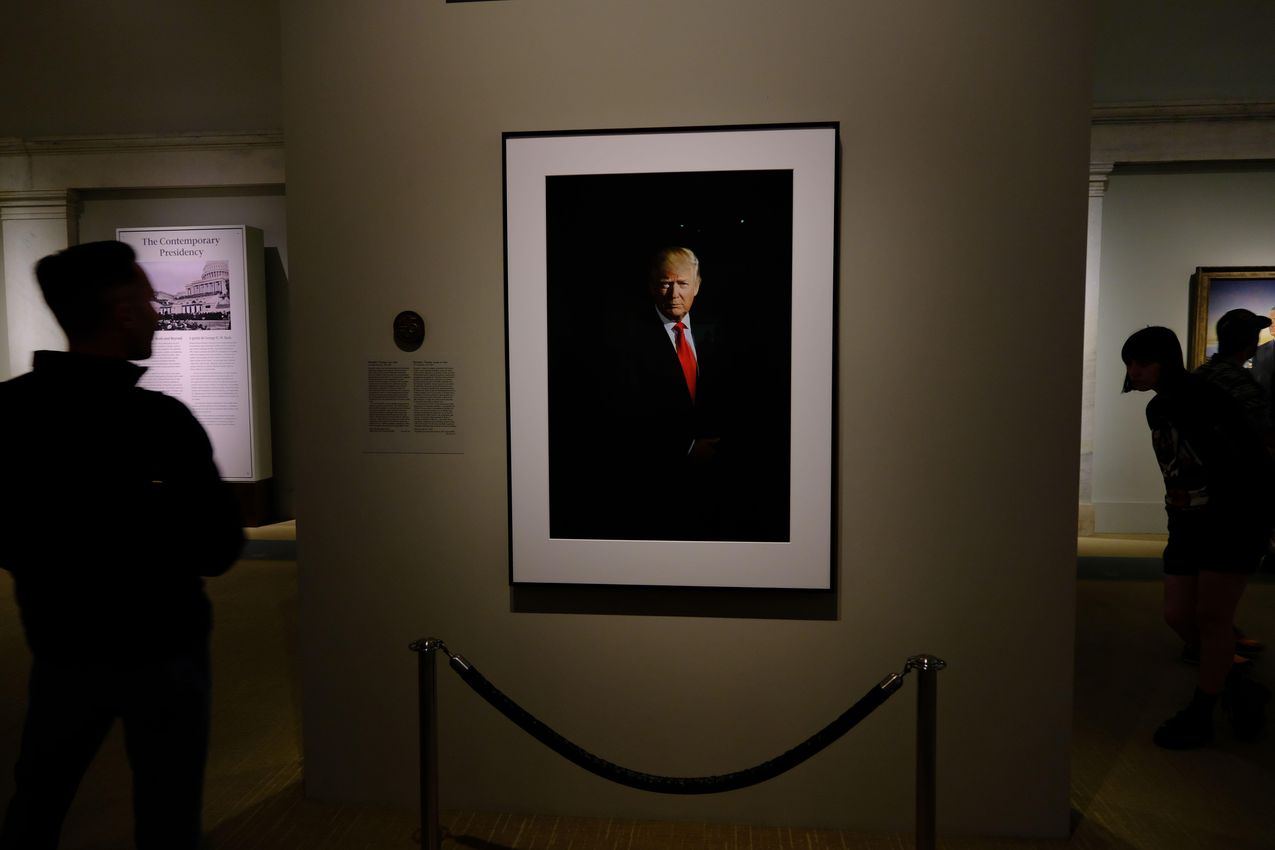
Main image: Donald J. Trump's portrait display in the America's Presidents exhibition in the National Portrait Gallery, Washington DC (2023). Courtesy CNMages/Alamy.












A respected voice in contemporary art discourse.
Focusing on ambitious storytelling and insightful art-world commentary. Ocula Magazine publishes in-depth interviews, critical essays and timely analysis on the artists, exhibitions and ideas driving the global art world.
Learn more about Ocula Magazine
Showcasing the best of the art world.
Ocula partners with galleries from around the world to highlight their artists, artworks and exhibitions. Gallery membership is by application and invitation, with each member vetted by an independent panel.
Learn more about Ocula Membership
Specialises in the sale of major artworks.
Led by a team with deep ties to the world’s leading auction houses, galleries and collectors. Ocula’s advisory team offers bespoke services to high-net-worth clients from around the world who are looking to acquire the best of contemporary and modern art.
Learn more about our team and services