




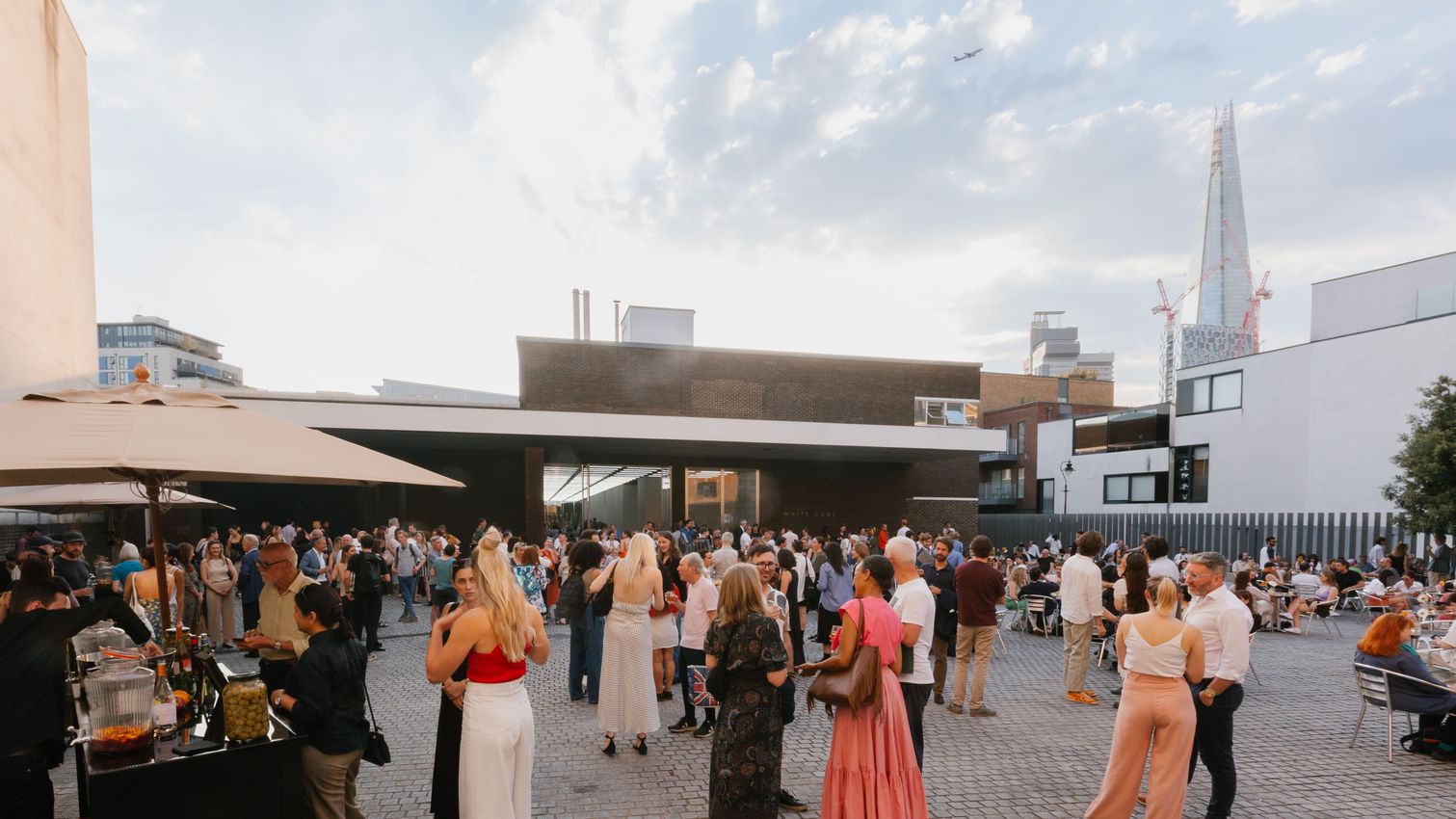
What Makes the Perfect Private View?
The opening, private view, or vernissage: whatever you call it, the art world calendar is brimming with them. Ocula asked industry insiders for their opinion on what makes these events outlive the free wine. Save to My OculaAfter a busy workday, art world insiders are more likely to be found on a gallery crawl, hopping between private views, than at their local pub or happy hour. A British misnomer, private views are the opening night of an exhibition, but tend to be open to the public, touting free booze, a busy atmosphere, and, of course, the first opportunity to observe an artist’s latest oeuvre. New Yorkers will be more familiar with the straightforward term ‘opening’, whilst Parisians will be accustomed to the ‘vernissage’.
Whatever you may call it, conjuring the perfect private view is an alchemy all of its own. So where to start? For Cecily Bates, senior director of events at White Cube, ‘The artist always comes first.’
‘It’s the first moment that you’re unveiling that exhibition to the public and it’s also the first time that the artist is finally able to breathe and let go,’ Bates tells Ocula. ‘So there’s this huge amount of emotion that goes into it. It’s just about capturing that, or finding a way to celebrate that moment in the way that is most apt for that particular artwork or for that particular artist.’
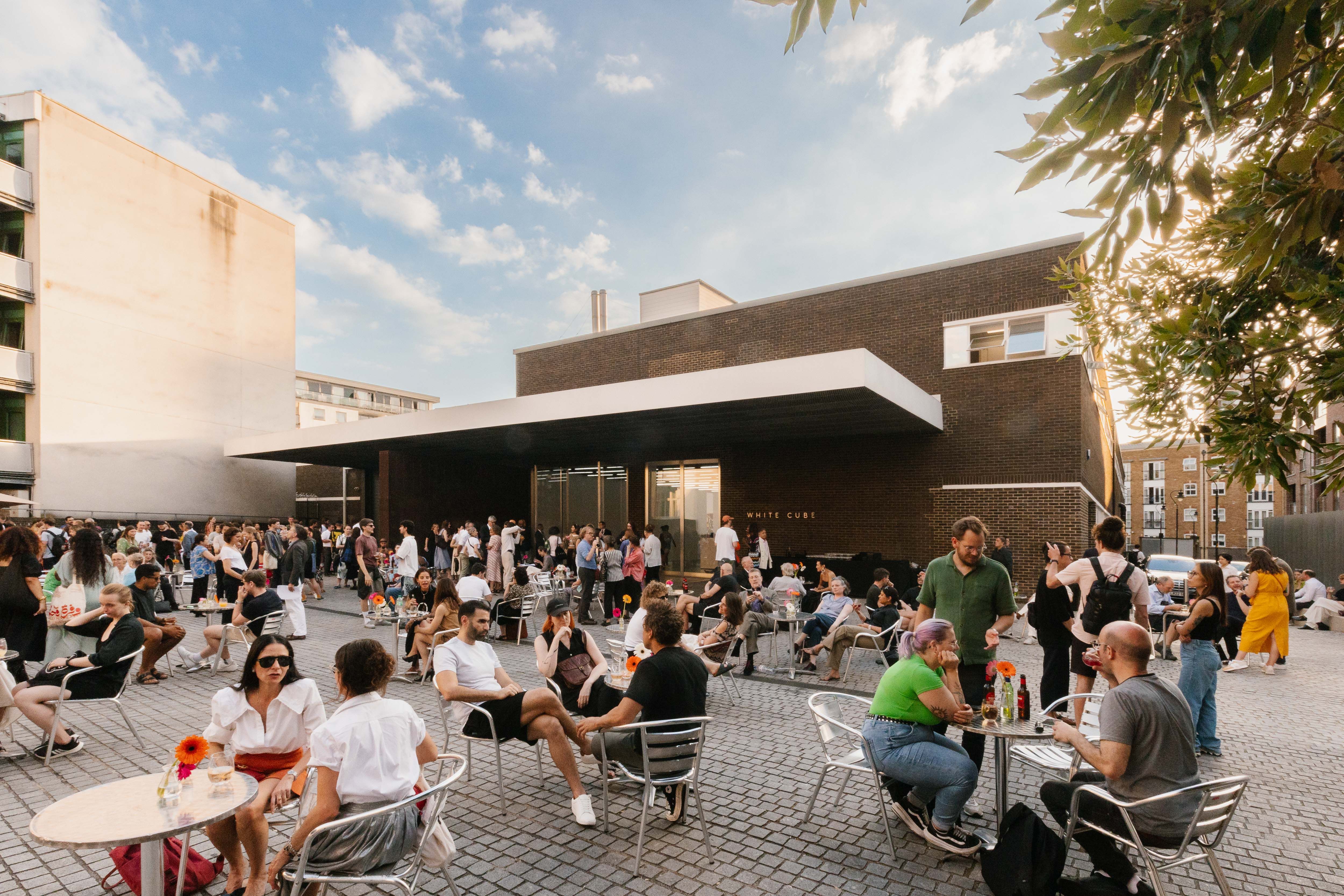
Whether a prominent blue-chip like White Cube or a small space just starting to grow, making sure to engage the gallery’s and the artist’s community is a common thread.
Sarah Stengel, director of marketing and communications at James Cohan Gallery in New York, describes ‘successful openings’ as ‘a representation of the overlapping communities that the exhibiting artist(s) and the gallery showing their work have cultivated.’
‘They generate a momentum that facilitates the creation of new and potentially important relationships for the artist.’ Stengel emphasises the public-facing quality of this mid-sized gallery, so their openings ‘need to reflect that “all are welcome here” energy’.
Looking to the local gallery community is also key. ‘The ever-growing gallery ecosystem in Tribeca works well in advance to coordinate our exhibition openings whenever possible, allowing each individual gallery to capitalise on the energy of their neighbours’ openings and vice versa,’ explains Stengel.

This strategy is certainly not unique to New York. Hector Campbell, who co-founded South London gallery SOUP in 2023, has observed ‘quite a few times’ in recent years when ‘galleries in areas of London that aren’t Mayfair collaborating on private views and scheduling openings at the same time … You buddy up with other galleries and then all merge audiences together.’
Campbell highlights networks of fellow emerging galleries in London neighbourhoods Bloomsbury and Deptford as particularly successful in these collaborative endeavours, utilising the ‘home-grown kind of community PR’ that smaller galleries may need to build their audiences.
Meanwhile, Emma Gilhooly of Pelham Communications U.S. recommends tailoring invites to key institutions and new contacts as well as promoting the event on socials, but also to not forget your established network.
‘It’s great to be featured on PV listicles and TikToks,’ Gilhooly says. ‘But the real, meaningful conversations you’ll have at a PV are the ones with people who want to be there to celebrate that artist, gallery, or show—they’re the people that keep the community going.’
Some galleries have turned to the burgeoning art tech industry to assist with private view logistics, especially invites and attendance. Guest management platform ARTSVP, for example, which was founded by Max Mallows in 2020, is now used by over 3,000 galleries.
Regarding the guest list, Mallows highlights the importance of ‘keep[ing] track of who does attend as it allows galleries to send follow-ups to those that did make it and get feedback or easily continue the conversations that might well lead to sales’.
Mallows also notes how guests walking away with ‘an extra delight factor’ can make a big difference, whether that be from serving cold beverages and nibbles, or seeing that extra effort from the gallery team to welcome guests and even make introductions. For many, that factor might be as small as providing non-alcoholic drinks, as Campbell points out. Or perhaps it’s kicking off the night with an artist talk—a regular feature at James Cohan openings.
White Cube has been especially successful in channelling this ‘delight’ for the artist and guests alike, particularly at recent openings of Theaster Gates and Georg Baselitz solo shows. For the February opening of 1965: Malcolm in Winter: A Translation Exercise, Gates invited friend and DJ Acyde to activate one of the installations through a live set. At the opening of A Confession of My Sins last spring, the gallery made sure to accommodate Baselitz’s request to serve Steiner Bier and bratwurst, bringing some of the artist’s native Bavaria to over 1,000 attendees at the Bermondsey space.
But no matter the budget, a successful private view can still lead to more than just press and sales—it can lay the groundwork for subsequent openings. Leighanne Murray, founder of Barcelona-based Atelier PR, recommends ‘[making] sure you capture plenty of photos and short videos on the night, and post them either the same evening or the following day. It’s an easy way to keep the show visible and build interest for future events.’
Ultimately, a private view is an opportunity to make a great first impression, whether it be the first time a visitor encounters an artist’s practice, views a new body of work, or even walks through the doors of the gallery.
‘If it’s the only night a lot of people will visit you,’ Gilhooly says, ‘how do you want them to feel about you when they leave? How can you make sure they feel welcome to return again?’ —[O]
Main image: White Cube private view, London. Courtesy White Cube. Photo: © Alex Merz.

A respected voice in contemporary art discourse.
Focusing on ambitious storytelling and insightful art-world commentary. Ocula Magazine publishes in-depth interviews, critical essays and timely analysis on the artists, exhibitions and ideas driving the global art world.
Learn more about Ocula Magazine
Showcasing the best of the art world.
Ocula partners with galleries from around the world to highlight their artists, artworks and exhibitions. Gallery membership is by application and invitation, with each member vetted by an independent panel.
Learn more about Ocula Membership
Specialises in the sale of major artworks.
Led by a team with deep ties to the world’s leading auction houses, galleries and collectors. Ocula’s advisory team offers bespoke services to high-net-worth clients from around the world who are looking to acquire the best of contemporary and modern art.
Learn more about our team and services