The art world in focus
Subscribe to our newsletter for news and insights on artists, galleries and exhibitions.

At a time when the international art market feels increasingly volatile, Tina Keng Gallery (TKG) continues to pursue a slow, deliberate vision, one shaped by intergenerational commitment, regional depth, and a deep investment in cultural continuity. With its participation in Art Basel in Basel 2025 and an upcoming debut in London, the gallery renews its efforts to foreground the voices that have long been underrepresented in global narratives.
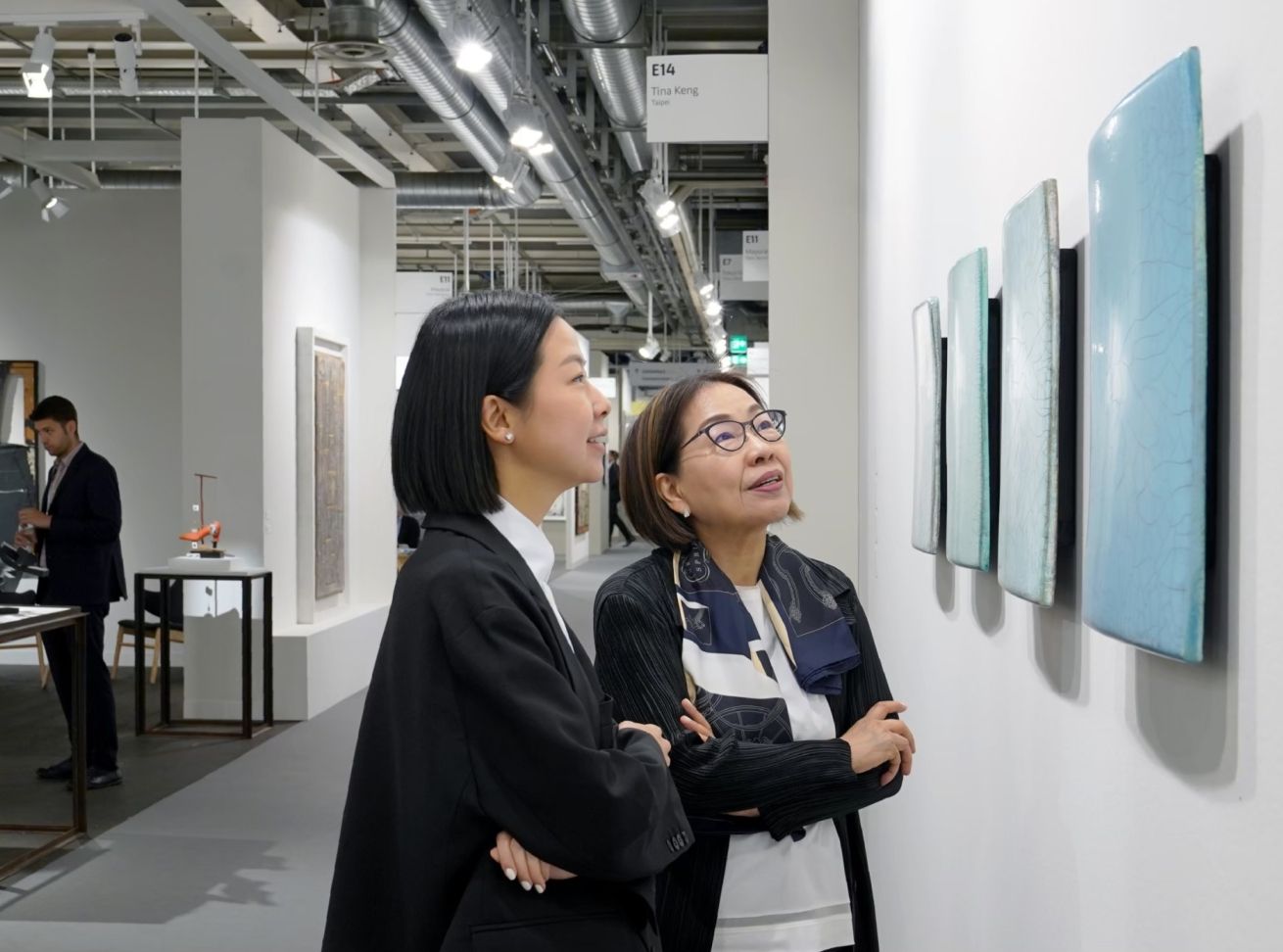
Ahead of Art Basel, I had the opportunity to speak in depth with founder Tina Keng and executive director Shelly Wu—who also leads the gallery’s experimental platform, TKG+—about the gallery’s evolving curatorial strategies, its commitment to overlooked narratives from Asia, and how it continues to balance market engagement with cultural dialogue on the global stage.
Founded over three decades ago, TKG built its early reputation for showing works by first-generation overseas Chinese oil painters, among them Zao Wou-ki, Sanyu, and Wu Dayu—figures who absorbed European modernism and brought it back to Asia with a sense of mission. ‘At the time, Chinese art was often equated with ink painting,’ says Tina Keng. ‘But I was drawn to those artists who translated modernist thinking into something new and deeply rooted in Chinese cultural experience.’
This historical grounding continues to shape the gallery’s focus on artists of Chinese descent, while expanding its reach to include voices from Southeast Asia to build a more inclusive and connective understanding of regional art histories. ‘Art doesn’t follow trends,’ Keng adds. ‘It reflects the times, but it must transcend them.’
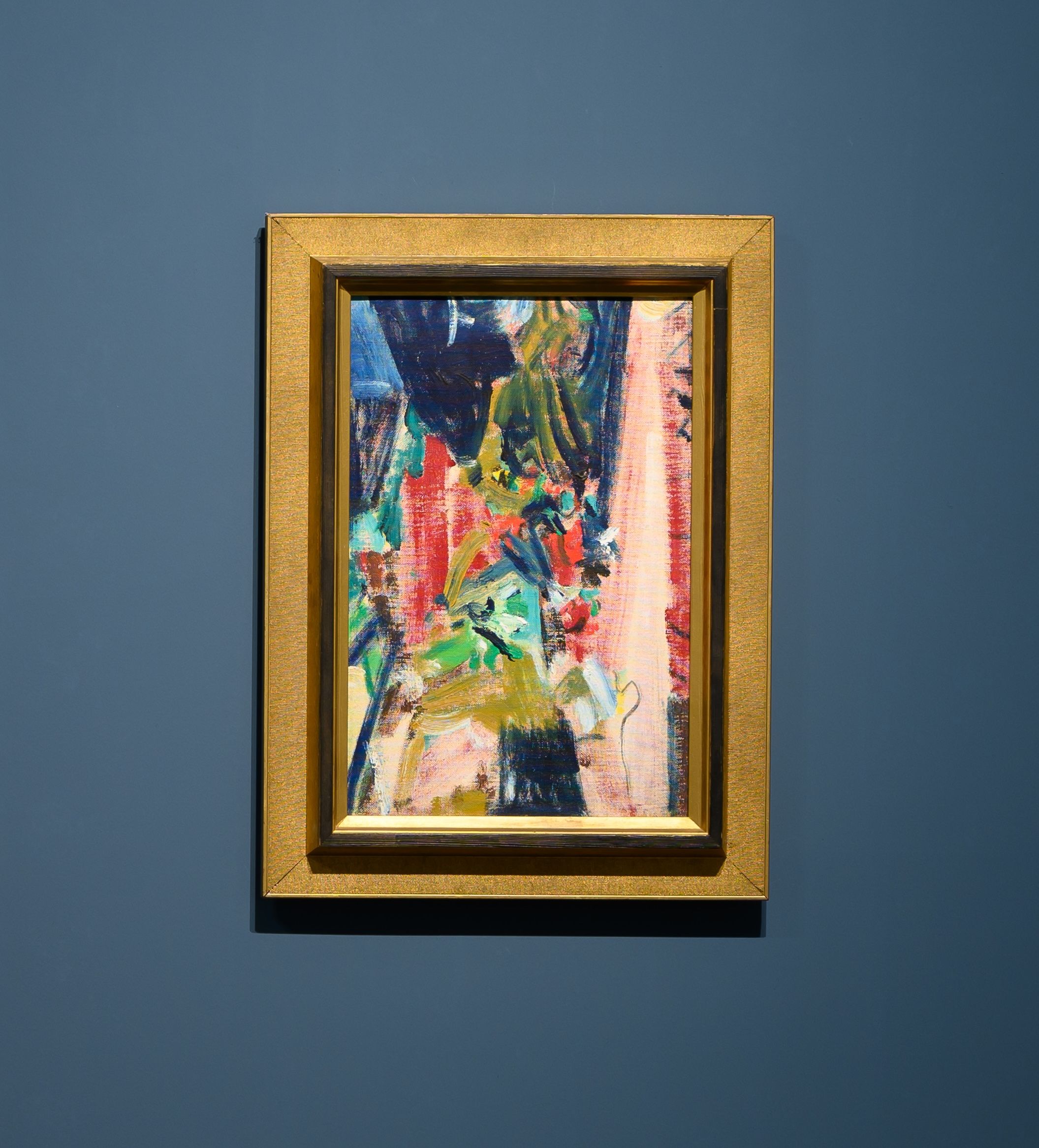
At Art Basel’s main Galleries sector this year, TKG will present a curated presentation titled Abstraction Contextualized: The Essence of Eastern Abstract Art, featuring Wu Dayu, George Chann, Su Xiaobai, and Sopheap Pich. The selection of artists with diverse backgrounds reflects both the gallery’s dedication to aesthetic abstraction and bringing lesser-known modern legacies into public view.
‘Wu Dayu (吳大羽) is a relatively mysterious figure,’ Keng explains. ‘He studied in France like many of his contemporaries, and though he influenced Zao Wou-Ki and Chu Teh-Chun, his own works haven’t been widely seen.’
George Chann (陳蔭羆), who lived in the U.S. from the 1940s to his death in 1995, created an idiosyncratic body of work drawing from Chinese epigraphy and calligraphy, carving ‘a distinct path during a time when being Chinese in America meant facing real obstacles.’
Distinct from the painting practices of Wu and Chann is Cambodian-born artist Sopheap Pich’s use of rattan and bamboo to weave large-scale sculptures. ‘What deeply moves me is his living, breathing visual language, as well as the powerful way he interprets his own culture, and a sensitivity towards materiality,’ explains Keng.
Keng also highlights the minimalist lacquer works of China-and-Germany-based artist Su Xiaobai (蘇笑柏), who ‘transforms the timeless, Eastern aesthetics into something distinctly his own, capturing the essence and spirit of Song ceramics, blue-and-white ceramics, ink painting, and ancient tomb artifacts.’
Presenting these voices together, the gallery positions Asian abstraction not as a derivative of its Western counterpart, but as a rich, autonomous field deserving international recognition.
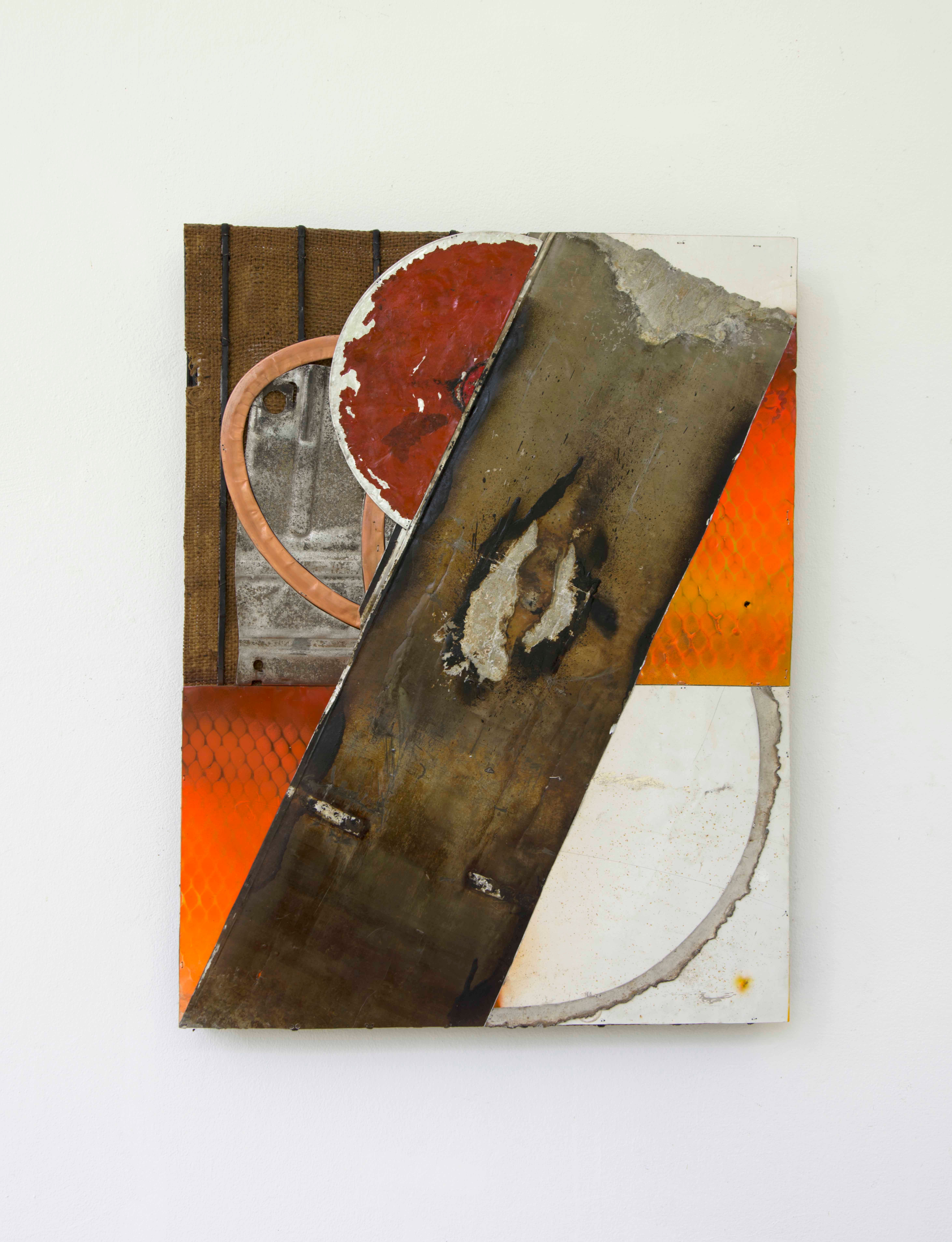
For the Kabinett sector at Art Basel, dedicated to curatorial experiments, TKG will show a selection of works by artists including Yao Jui-Chung (姚瑞中), Peng Wei (彭薇), and Ava Hsueh (薛保瑕). Notably, the booth employs the structure of the Duobaoge or the Chinese curio cabinet—not just as a display but as a conceptual framework.
‘This format reflects a distinctly Asian way of collecting and seeing,’ Keng notes. ‘It encourages layered, nonlinear viewing—like a treasure hunt.’
‘On the surface, these works may seem unrelated. But each of them, in different ways, revisits traditional aesthetics—ink painting, calligraphy, lacquer—through the language of contemporary art,’ she adds.
In the Unlimited sector, TKG showcases Su Meng-Hung (蘇孟鴻)’s folding screens as a garden of visual thought. Echoing the compartmentalised structure of the Duobaoge, each panel becomes a window into layered cultural memory, inviting viewers to navigate a dispersed narrative assembled from the aesthetics of dislocation.
Supporting artists across generations remains central to TKG’s approach. ‘Art transcends age,’ Keng says. ‘What matters is whether the artist’s spirit, their language, moves me.’
This long-term ethos informs the gallery’s international plans. In October, TKG will launch a group exhibition of Taiwanese artists at No.9 Cork Street in London’s Mayfair, and organise forums with European academic institutions to foster exchange beyond the commercial sphere. ‘Taiwanese contemporary art hasn’t yet found collective visibility in Europe the way it has in the U.S.,’ says Keng. ‘This show is our way of beginning that conversation.’
Despite shifting trends and economic uncertainty, TKG’s direction remains steady. ‘Although new waves emerge every five or ten years, what we’re focused on building is the classic. That’s what lasts.’ says Wu. —[O]




A respected voice in contemporary art discourse.
Focusing on ambitious storytelling and insightful art-world commentary. Ocula Magazine publishes in-depth interviews, critical essays and timely analysis on the artists, exhibitions and ideas driving the global art world.
Learn more about Ocula Magazine
Showcasing the best of the art world.
Ocula partners with galleries from around the world to highlight their artists, artworks and exhibitions. Gallery membership is by application and invitation, with each member vetted by an independent panel.
Learn more about Ocula Membership
Specialises in the sale of major artworks.
Led by a team with deep ties to the world’s leading auction houses, galleries and collectors. Ocula’s advisory team offers bespoke services to high-net-worth clients from around the world who are looking to acquire the best of contemporary and modern art.
Learn more about our team and services