





Born in the 1980s, Breaking New Ground at the 15th Shanghai Biennale
In a setting where quieter gestures are at risk of being overshadowed, four standout artists from Asia and its diaspora bring together history, heritage, nature and post‑internet art with new poignancy. Save to My OculaIt’s the busiest season for Shanghai’s art scene, and also the moment when the sweet scent of osmanthus lingers in the air and the crackling of fallen plane-tree leaves accompanies every step. This sensory cadence resonates with the theme of the 15th Shanghai Biennale, Does the Flower Hear the Bee? Chief curator Kitty Scott asks how we might recognise the emotions and intelligence of the world around us, reaching beyond the human as its primary subject.
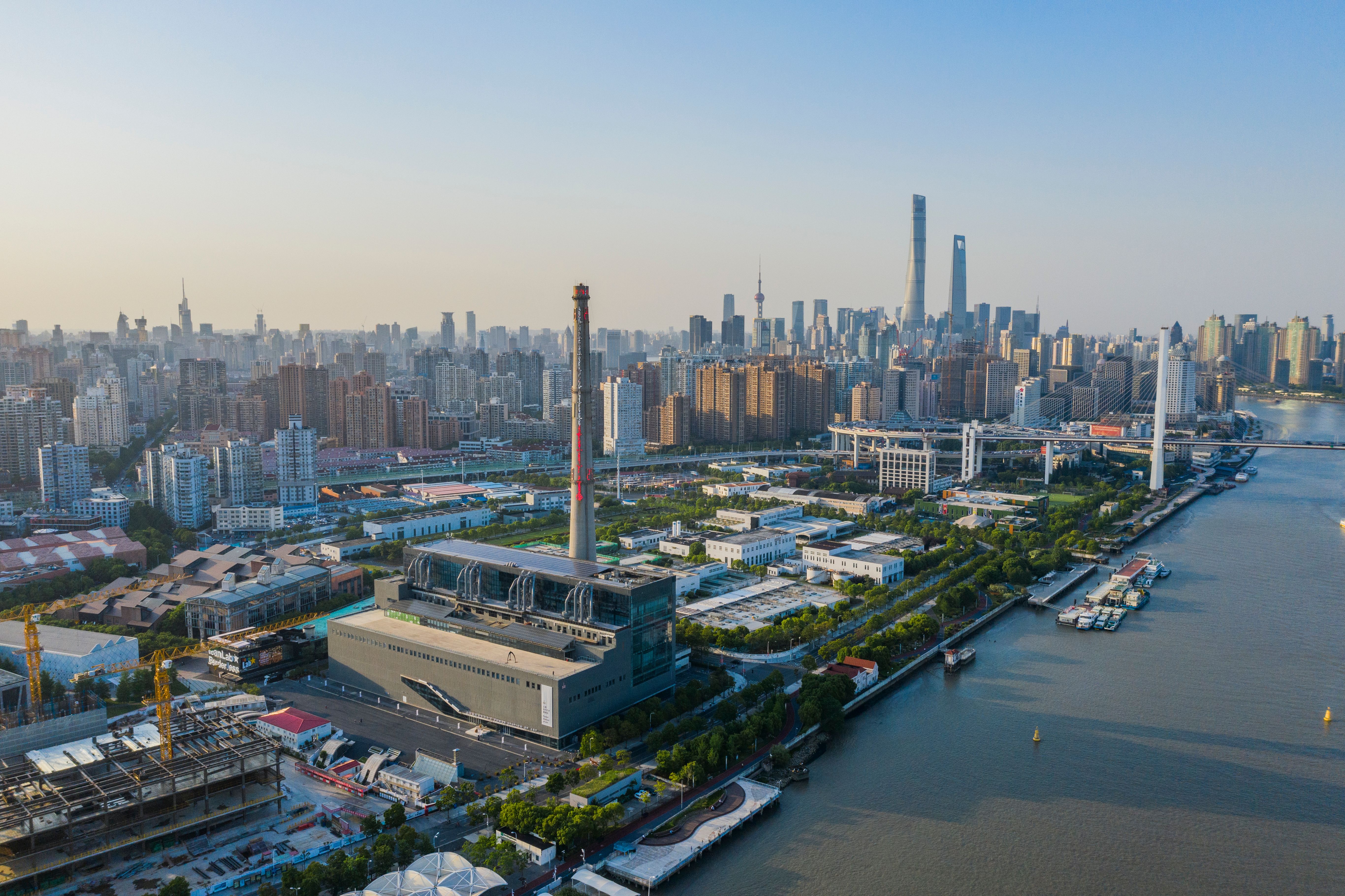
The biennale explores the circulation of image and sound, the presence of ghosts and memory, and the porous boundaries between species and systems, marked by polyphonic orchestrations across the Power Station of Art. Highlights include a three-room display dedicated to Francis Alÿs’ ‘Children’s Games’ and collage works; Ho Tzu Nyen’s multichannel installation T for Time, which investigates the heterogeneity of temporal experience; and The Speech (2024) by Golden Lion-winning artist Lina Lapelytė, who transforms a cardboard room into a collective fantasy, where children intuitively imitate animal sounds across multiple screens.

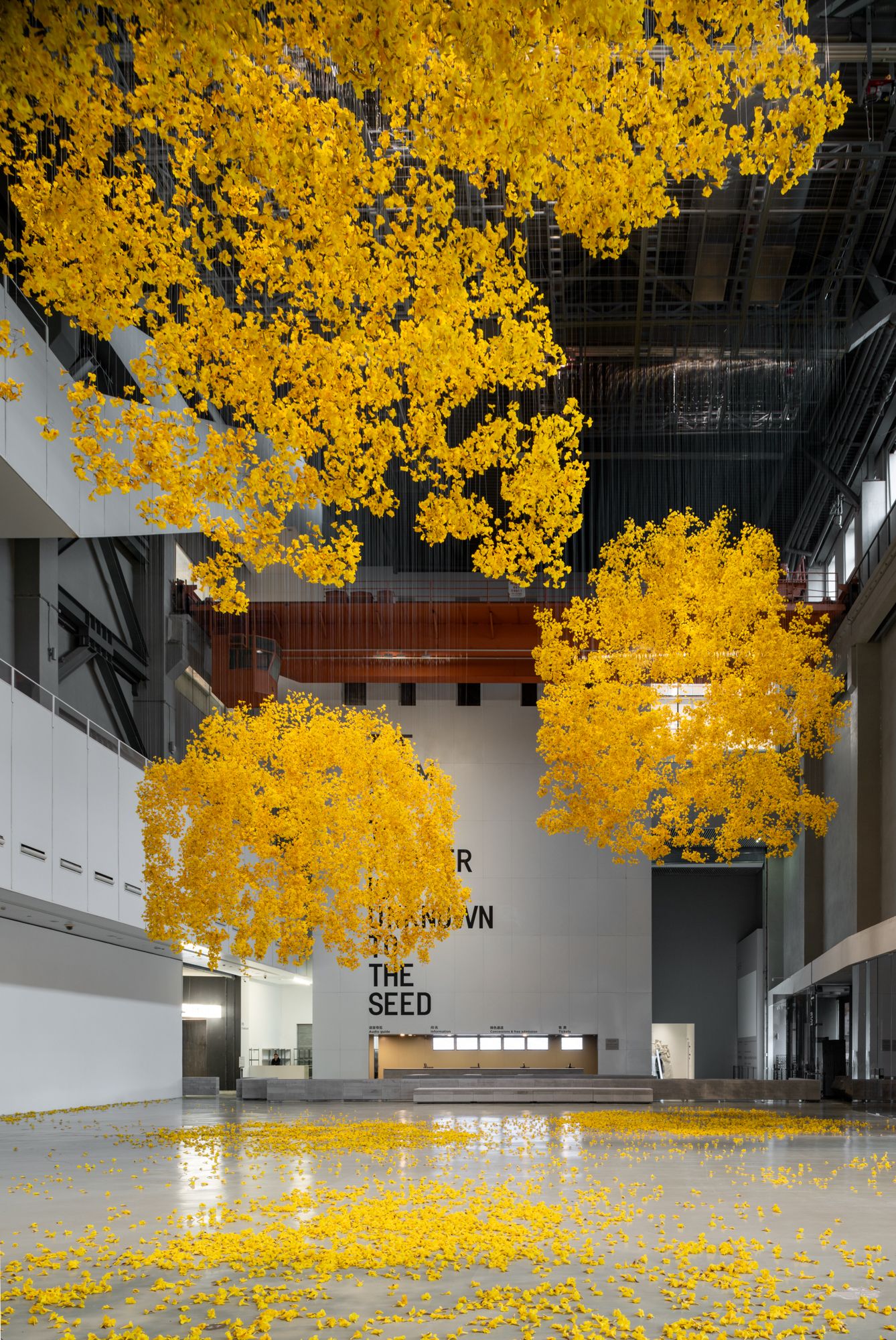
Yet some quieter gestures risk being overshadowed. As I left the Power Station at dusk, a faint shadow caught my eye: it was Penumbra (2020) by Allora & Calzadilla, imperceptibly projected on to the central hall and eclipsed by the duo’s monumental hanging installation of thousands of yellow artificial flowers. The work constructs a shifting CGI landscape of Martinique’s Absalon Valley in 1941, when exiled Surrealists crossed it. The animation syncs with Shanghai’s real-time solar trajectory, and the ruptures are evident, with temporality and geography refusing to align—but aren’t biennials the space for such heteroglossia to be held and new choruses composed?
With that in mind, we turn to four standout artists from Asia and its diaspora, all born in the 1980s.
Lotus L. Kang Is Always Considering Uncertainty
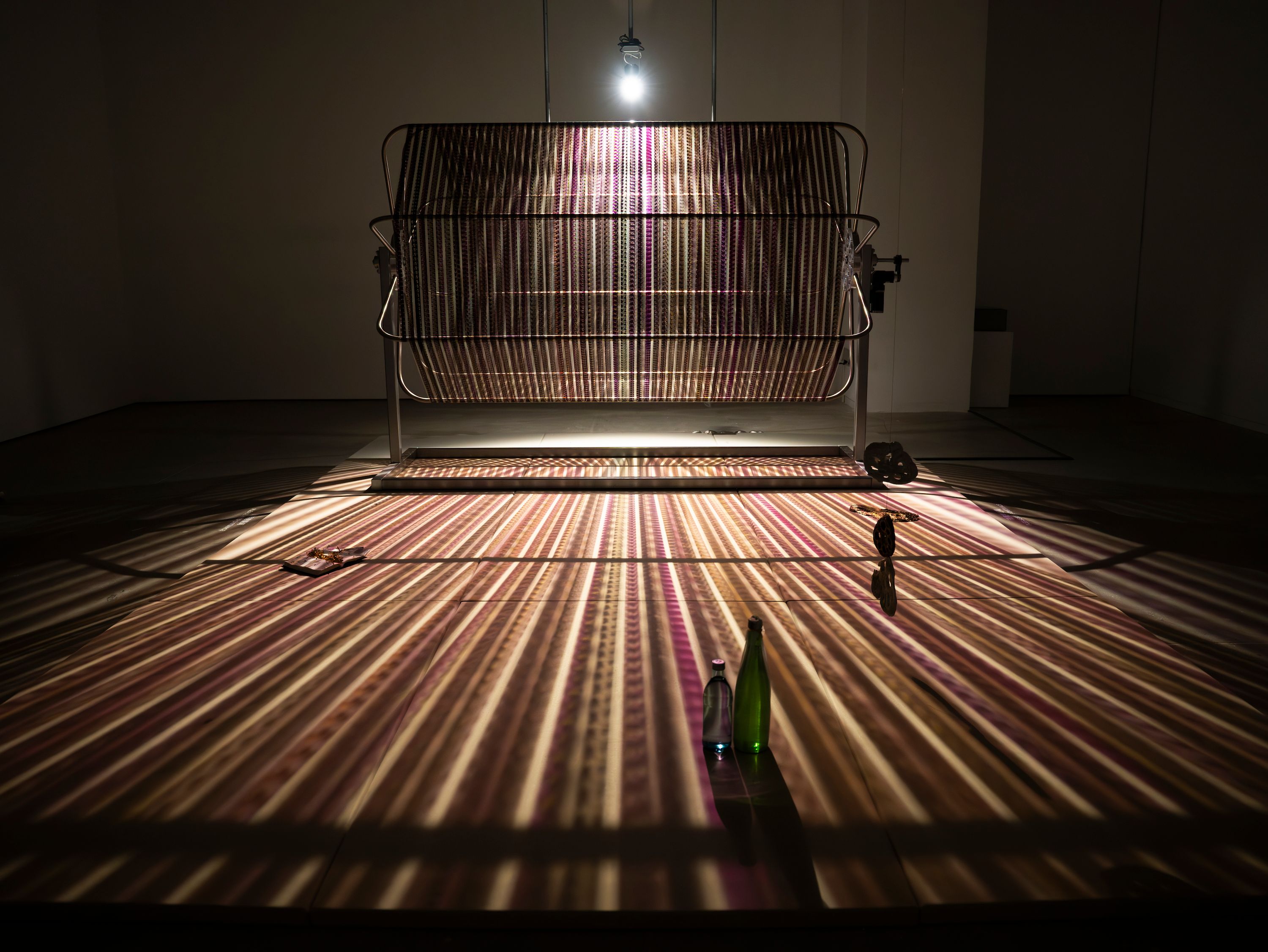
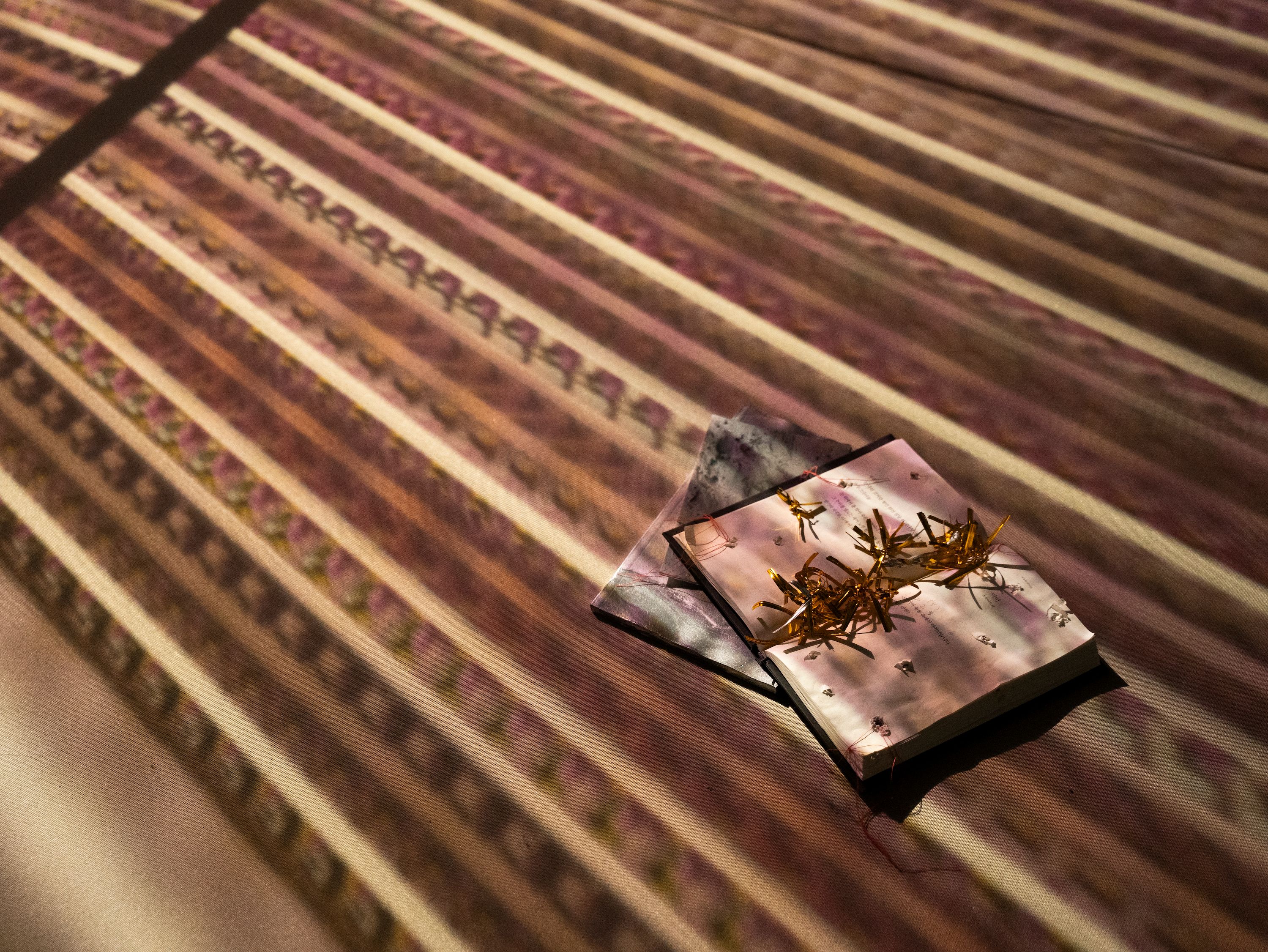
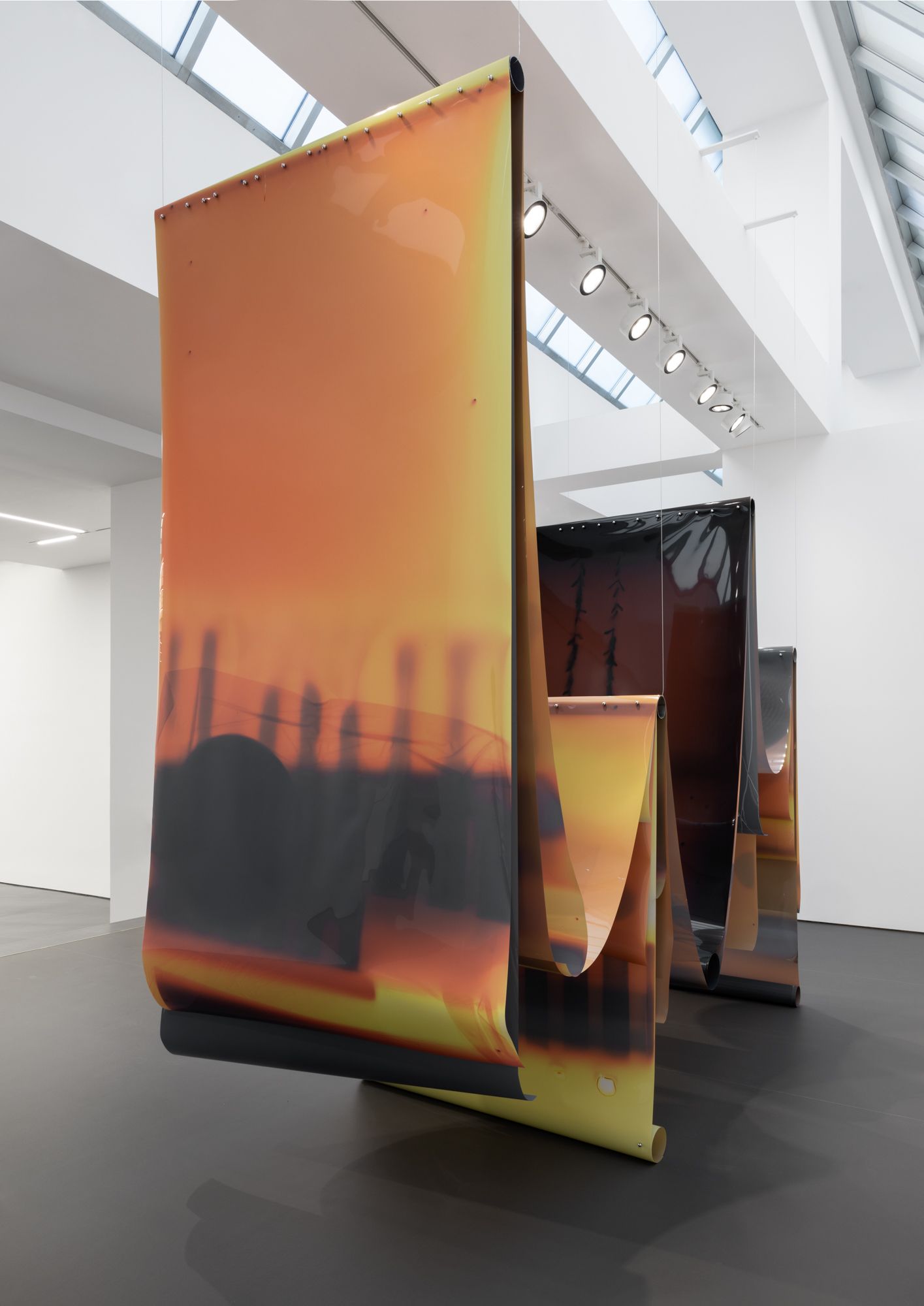
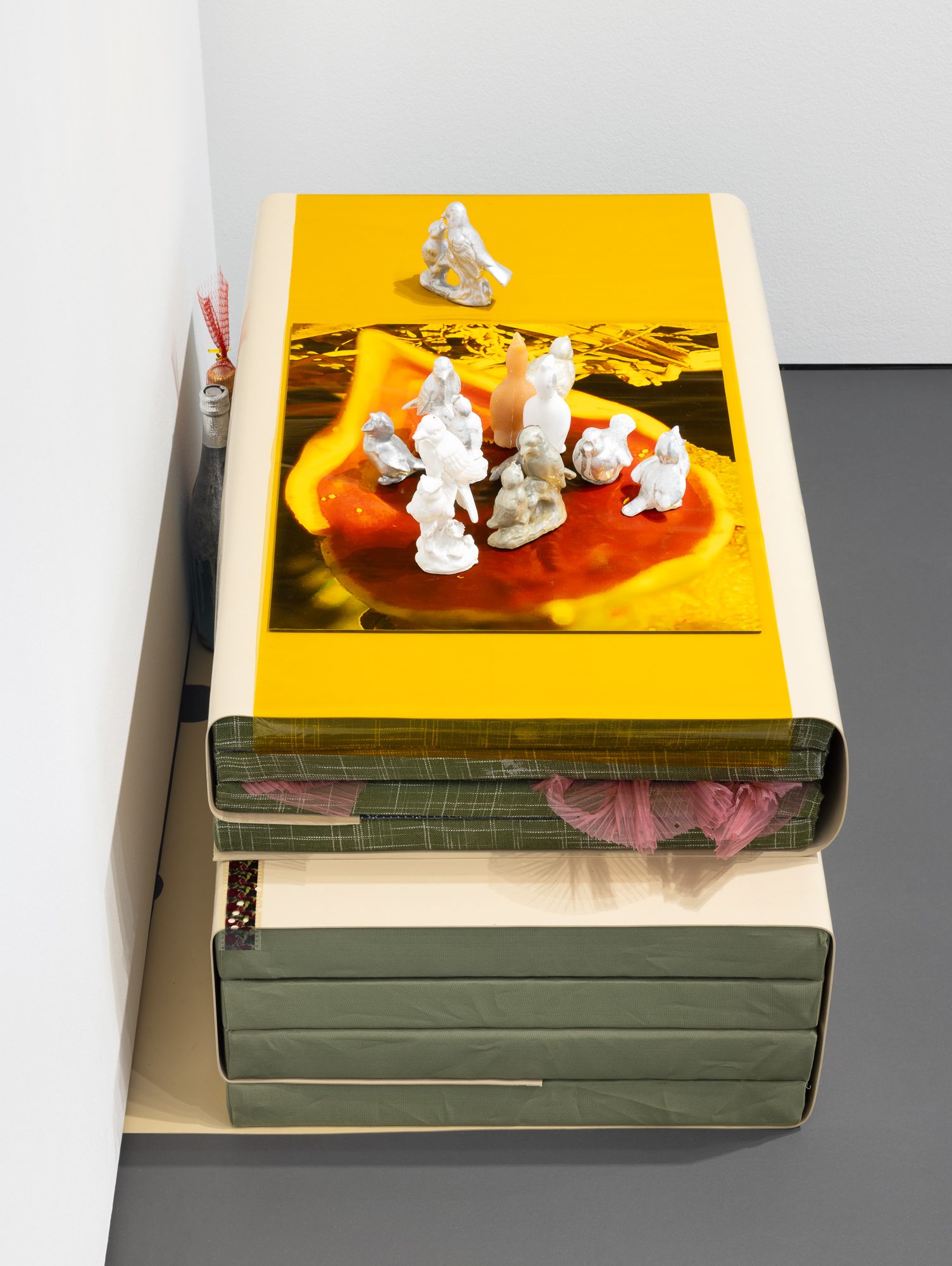
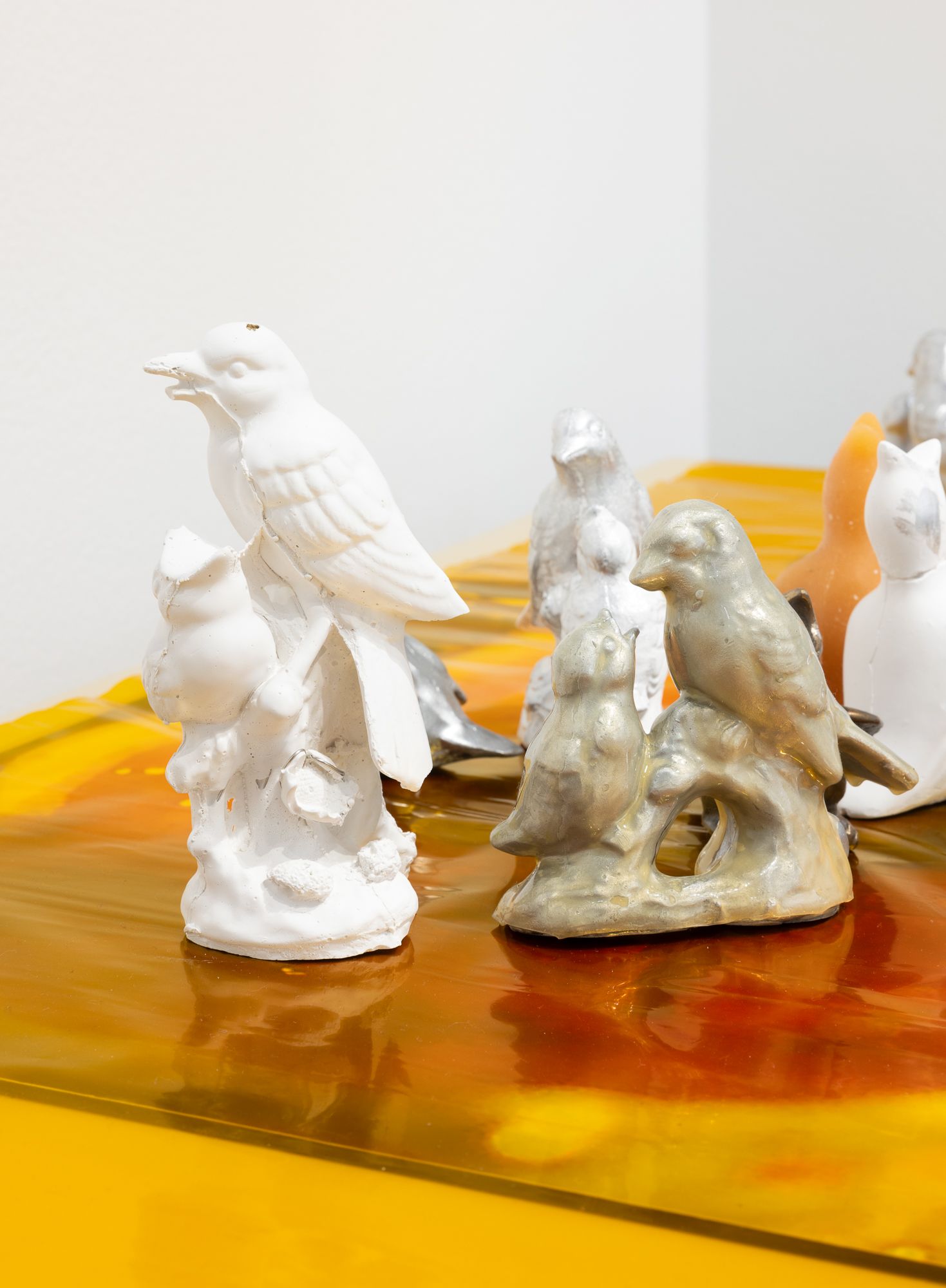
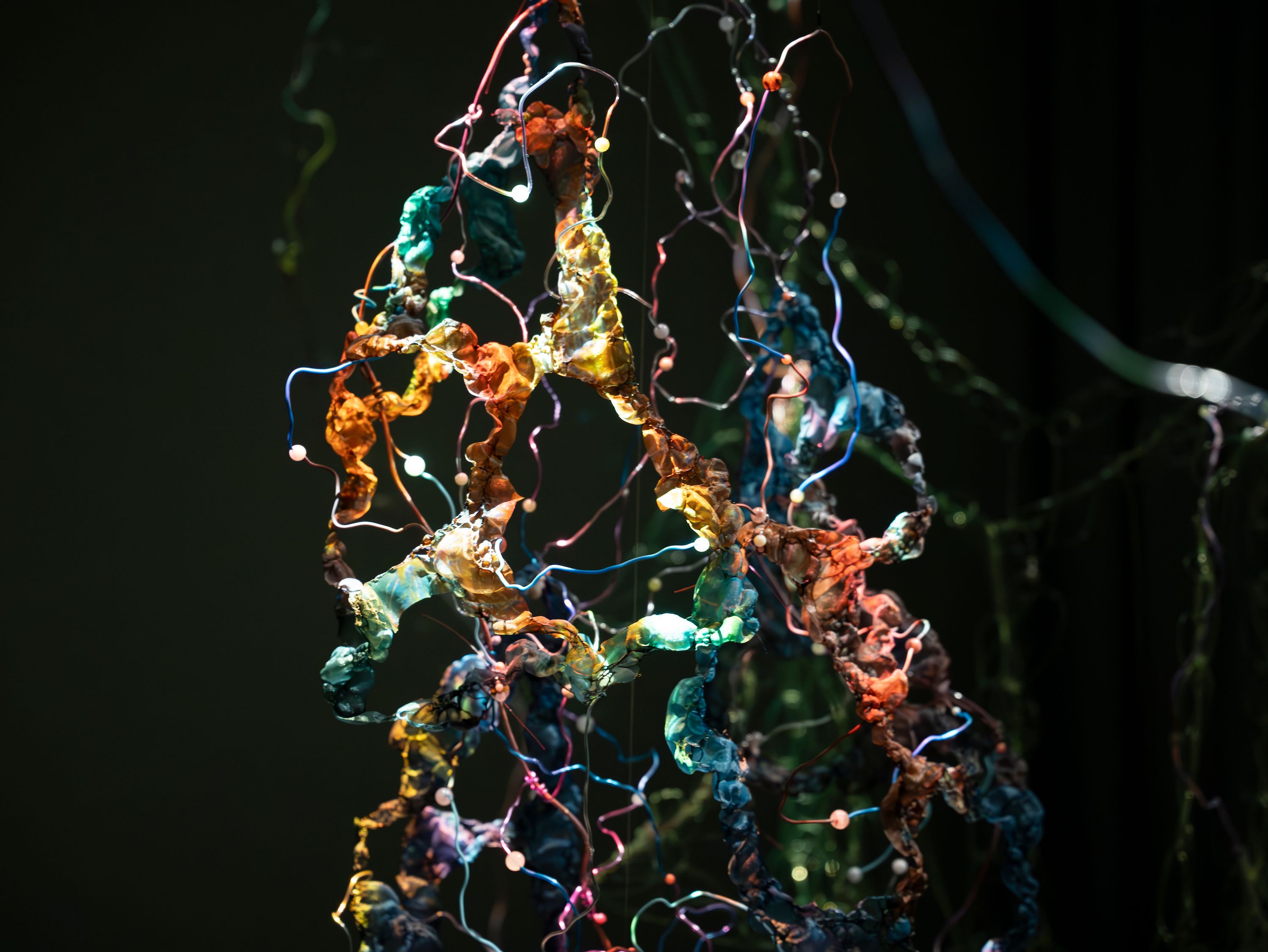
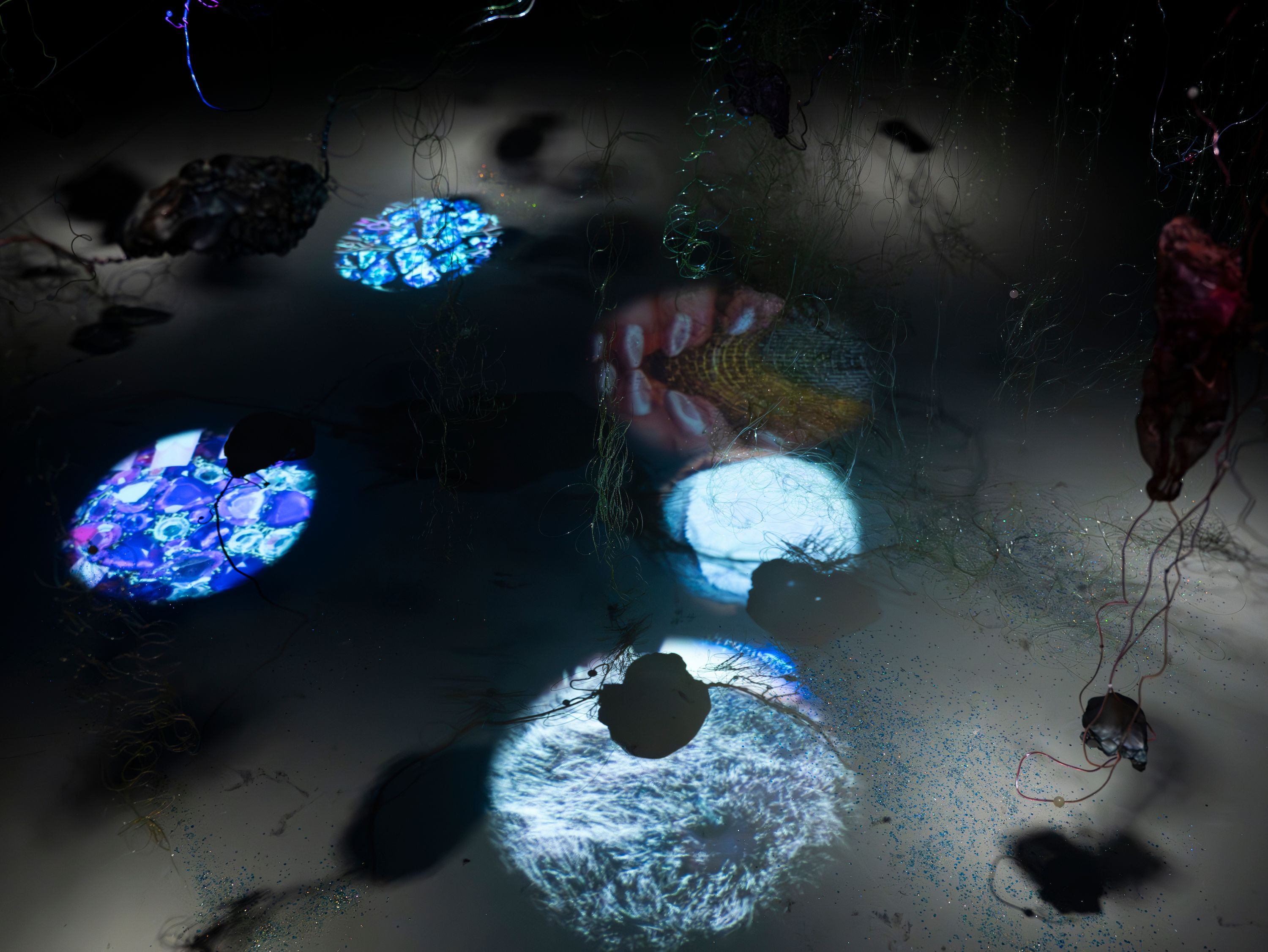
Brooklyn-based artist Lotus L. Kang (b. 1985) has said: ‘I’ve never felt fully Korean, and I’ve never felt fully Canadian. I feel hybrid, without a sense of belonging to either.’ This feeling of in-betweenness runs through Kang’s installation Azaleas II (2025): a wall-to-floor projection of a cascade of pinkish strips, moving at a slow but ever-shifting pace. The light brushes past everyday objects arranged on a tatami surface, catching them between material presence and memory: an anchovy, lotus roots and tubers cast in aluminium; Korean spirit bottles wrapped in tissue paper, golden twist ties scattered on a copy of Kim Hyesoon’s Autobiography of Death.
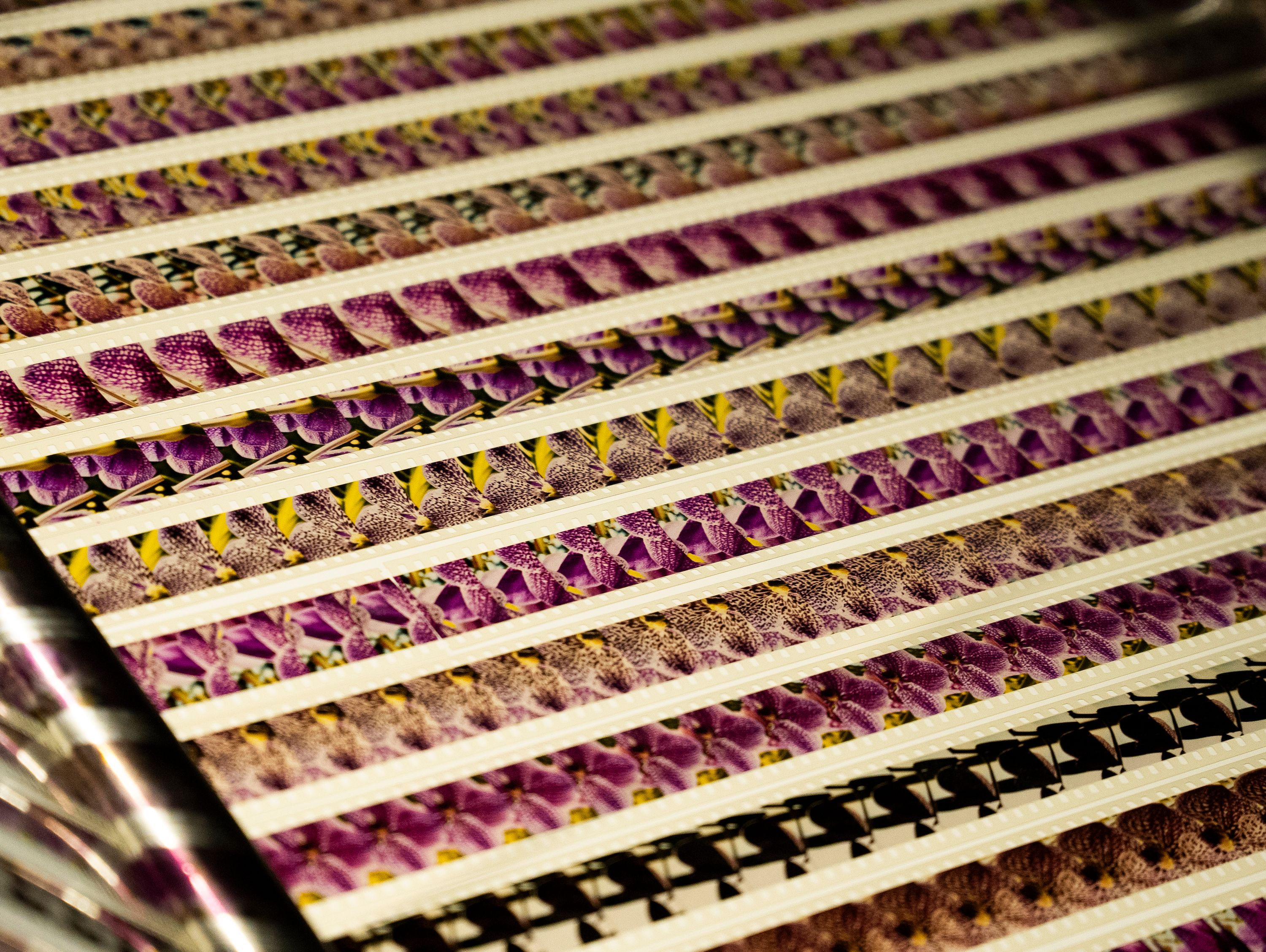
The ethereal environment is generated by a large, octagonal spinning mechanism at the centre of the space. Wrapped around it are 35mm film rolls showing orchids and roses. The kinetic sculpture turns according to a score composed by the artist, who mapped the syllabic metre of Kim Sowol’s poetry collection Azaleas (written in the 1920s under Japanese occupation) together with Hyesoon’s Already—two poems separated by a century form a temporal bridge. The actual imagery of azaleas is pointedly absent, a crucial omission seemingly embodying the distance of reaching toward her Korean heritage. In previous works, Kang incorporated the traditional quilt-making technique bojagi and Korean kitchenware. Here, poetry is translated into the tempo of a musical score, then into the rhythm of film rolling, and finally into an ambiguous imagery. The ordinary objects, reproduced in industrial materials, gradually slip into a quiet, unspeakable register.
One of her most significant bodies of work, In Cascades—shown at the Whitney Museum and Chisenhale Gallery—also pairs slick, hanging film rolls with textured aluminium forms. When exposed to sunlight, the translucent film develops auburn striations, gaining a tactile, seductive quality. This state of becoming reflects the artist’s persistent negotiation with uncertainty—neither rooted nor unmoored, but in continuous formation.
Shao Chun Conjures a Cyber Spirit
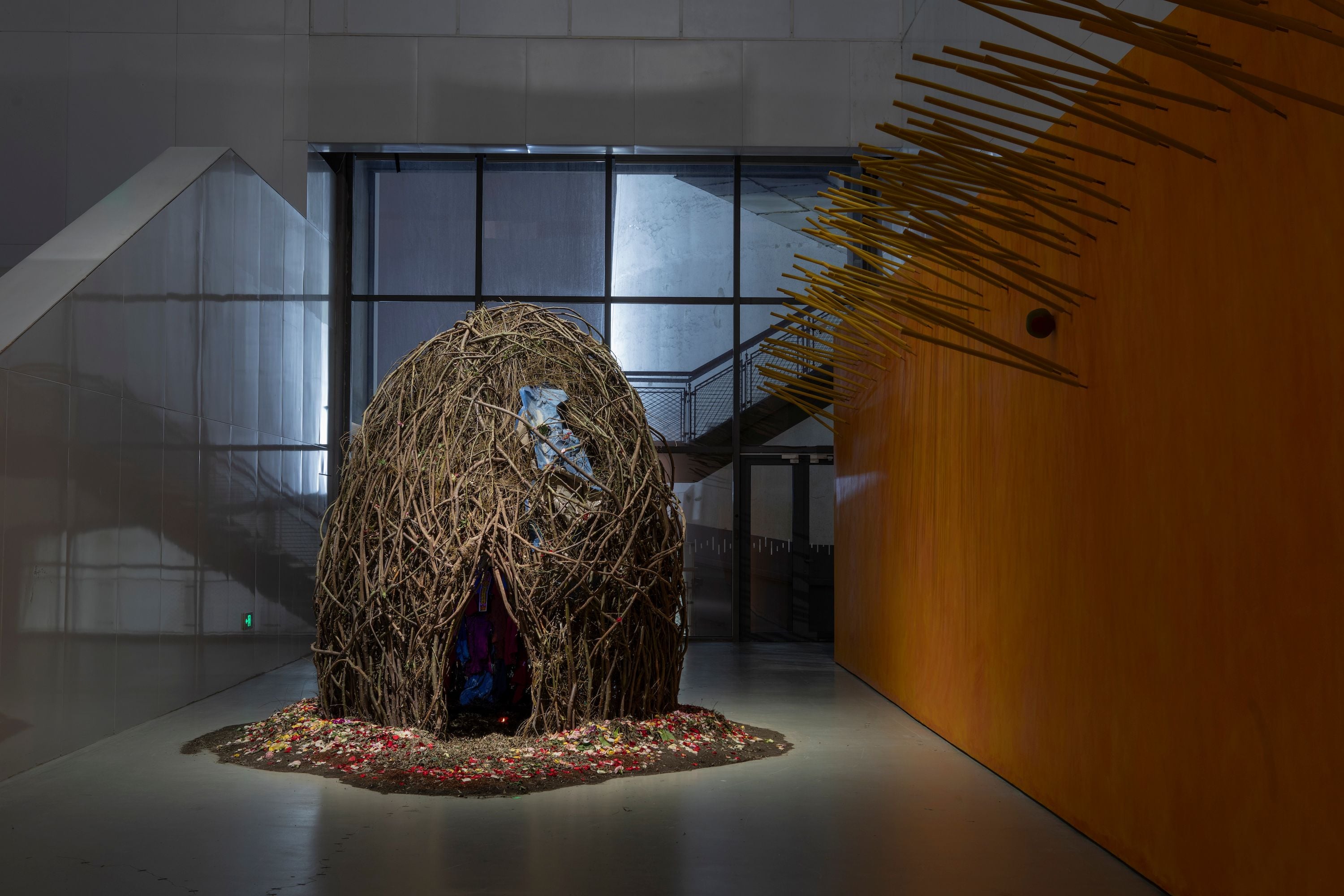
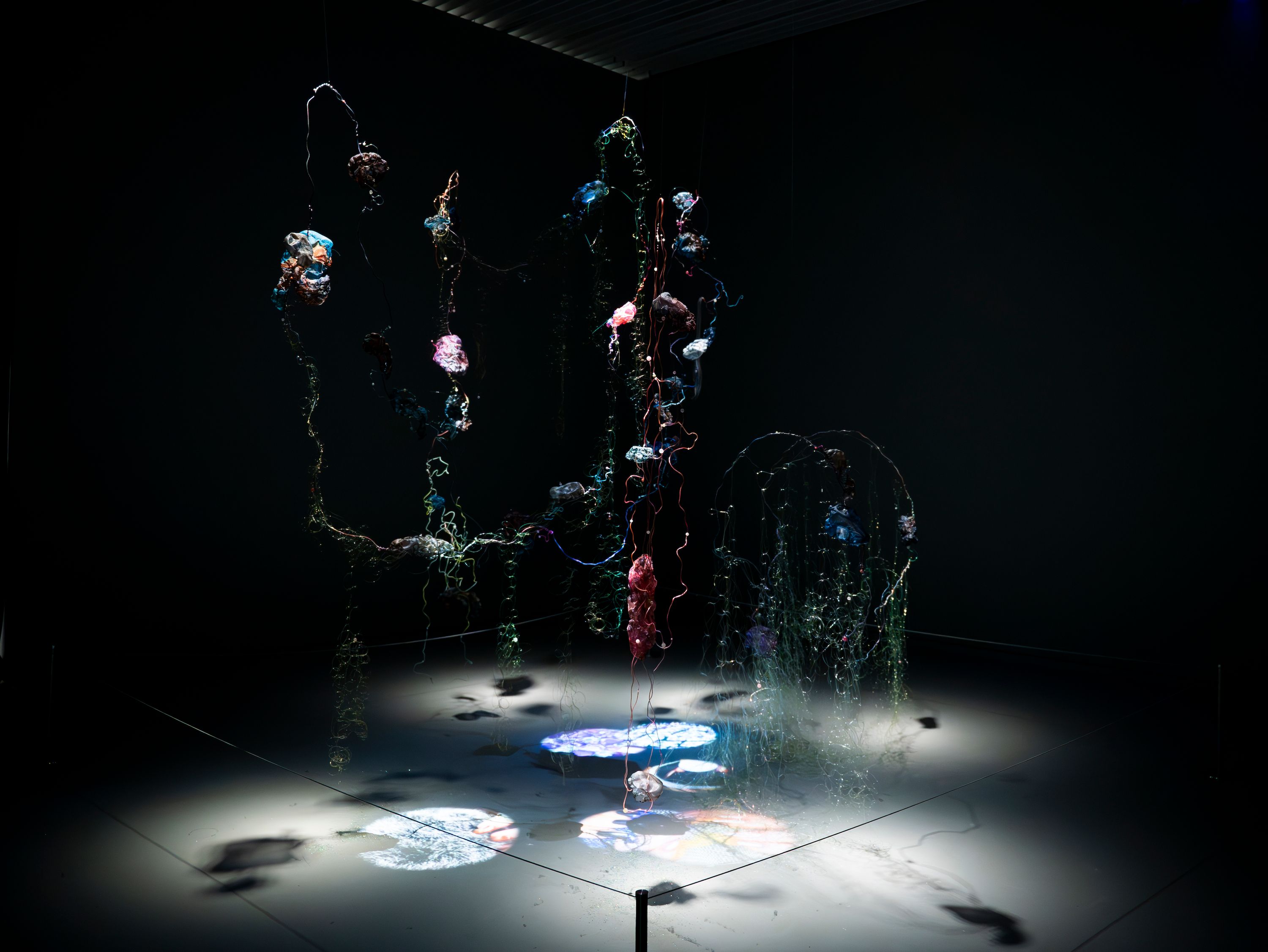
While many works in the biennial turn to the agency of plants, animals and mythical creatures, Shao Chun (b. 1987) gives life to two machines with Twinland (2025), in a dimly lit room—whispering, moving, and proposing a different kind of organic being, one that exists between human and mechanical interfaces.
The Hangzhou-based artist has long produced soft sculptural forms, built on handmade fabric structures wrapped around wires and incorporating found elements such as seashells and feathers. In the Shanghai Biennale, Shao’s twin creatures emit ambiguous murmurs derived from online ASMR recordings. On the floor, circular projections trace repetitive motions of activities such as scratching, crinkling and tapping, evoking both solace and unease. They soothe our insomnia, lure us into companionship, and quietly manipulate us.
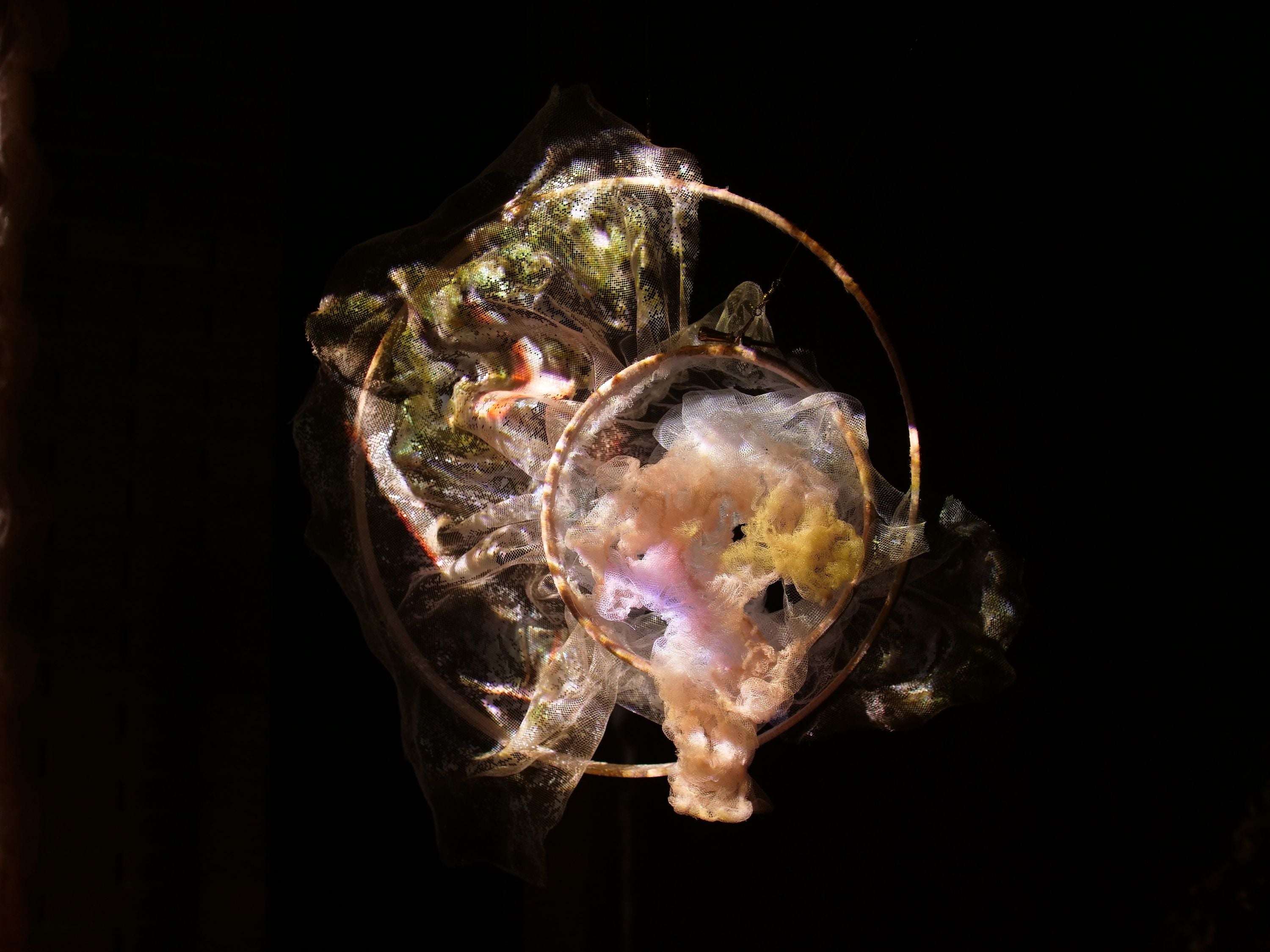
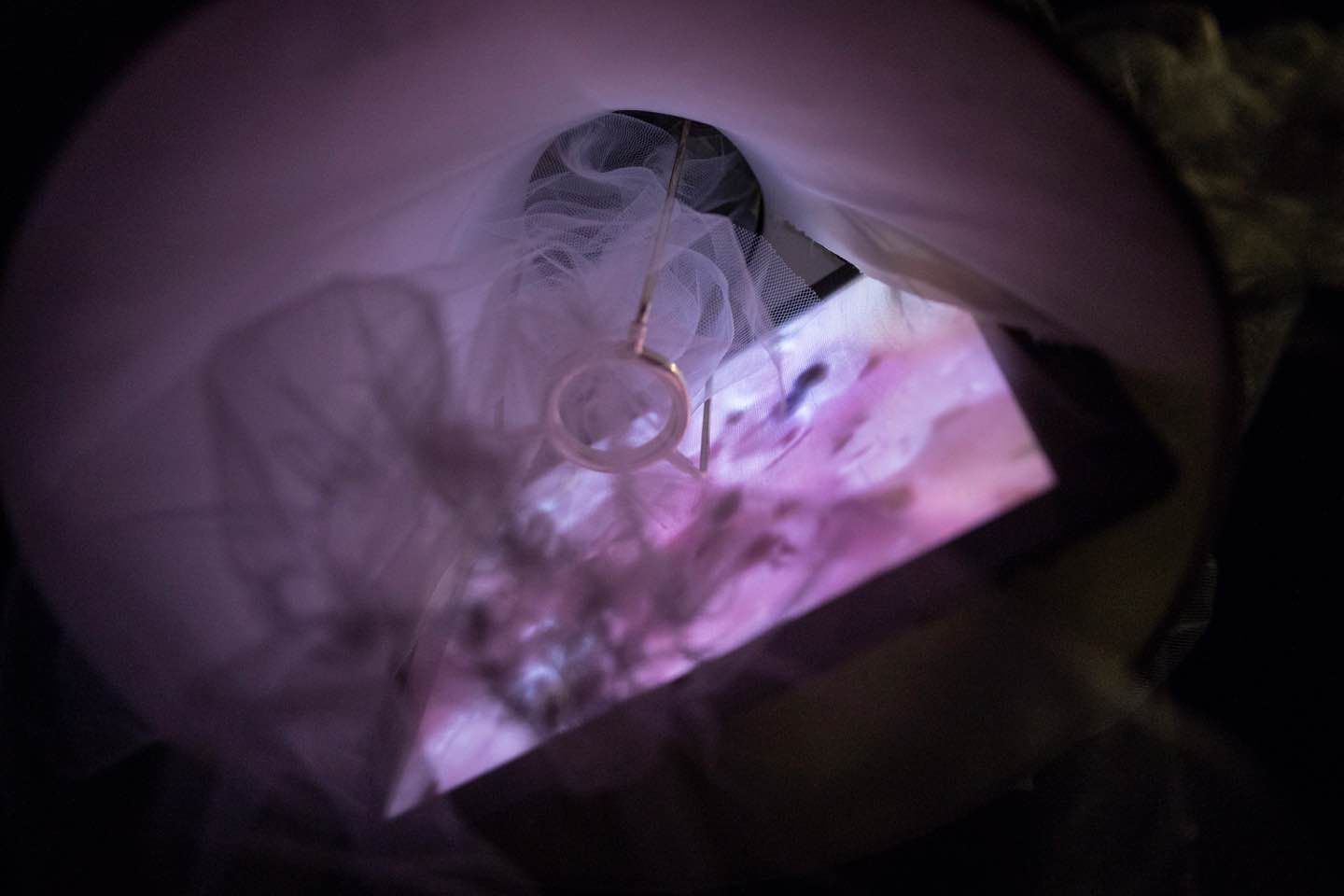
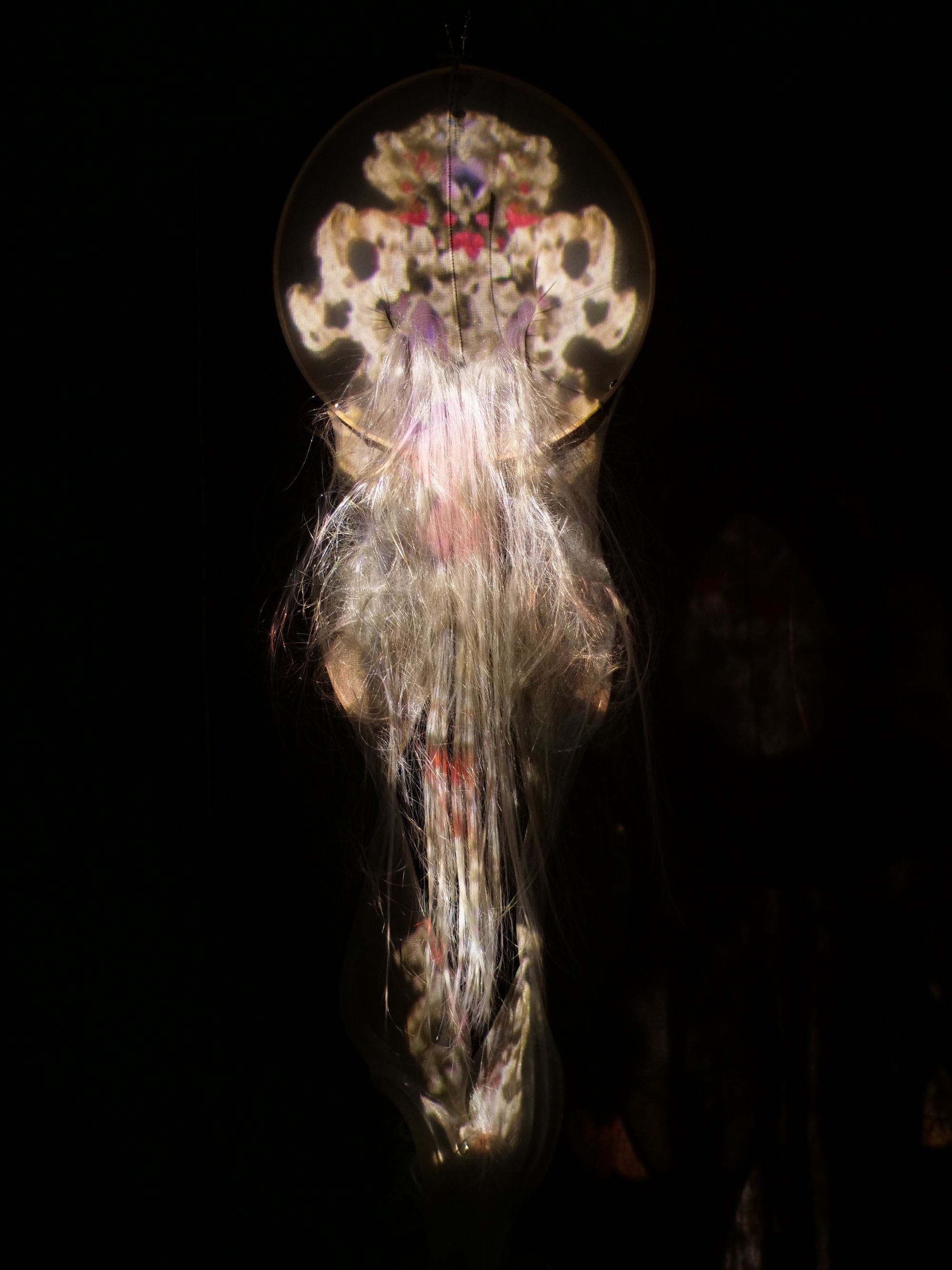
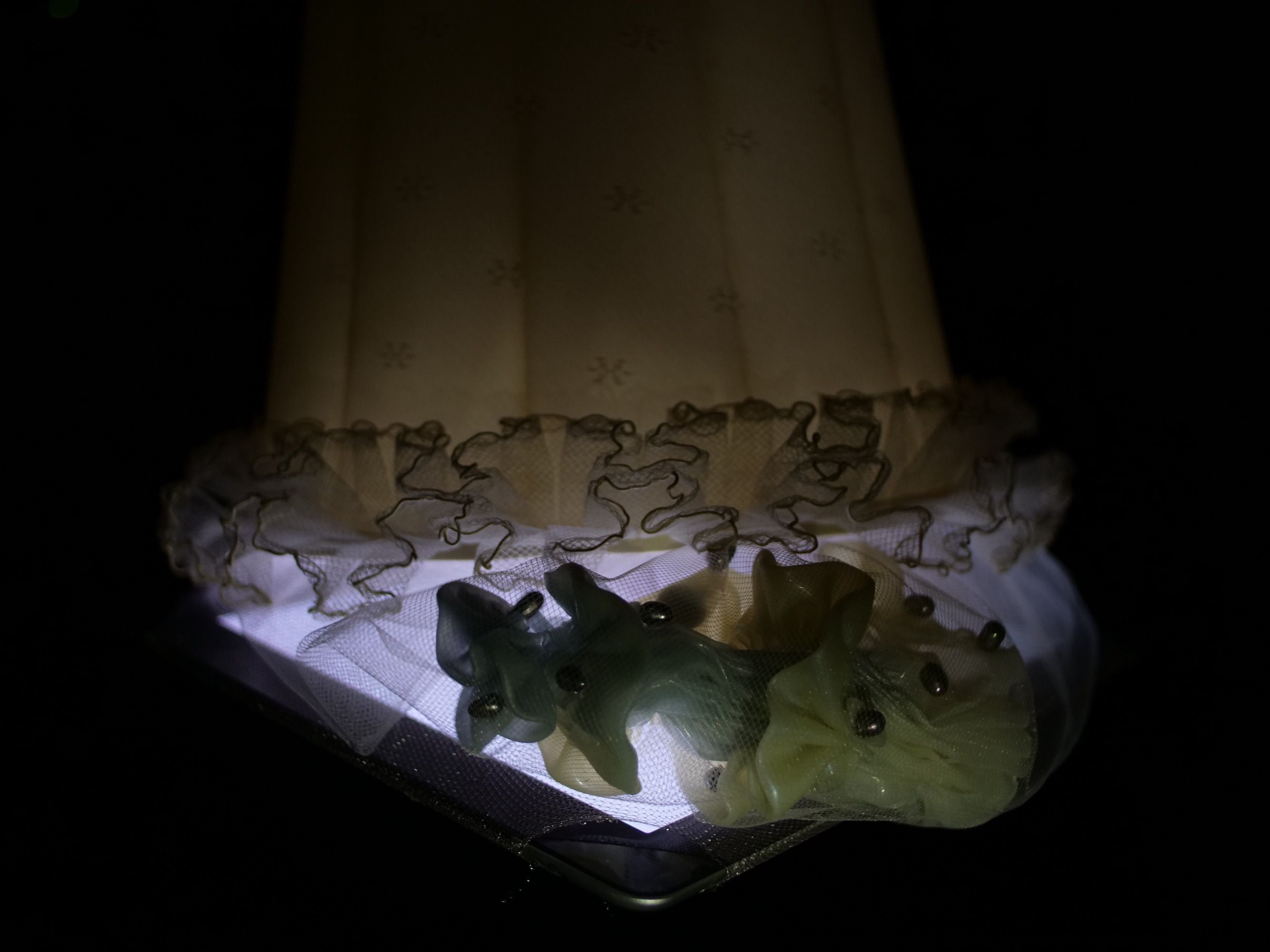
Since her ‘Silicone Love’ series (2017), Shao has imagined a cyber spirit born from social media networks, conjuring grotesque, even pornographic textile bodies that recall internal organs and blood vessels, yet also a vulnerable corporeality permeated by the digital logic. Instagram images shimmer as projections on their surfaces—or perhaps more precisely, the fabric appears soaked in their glow, as if the screen is already absorbed into the flesh. With circuits, sensors and motors woven into soft, material components, the structures respond to pre-programmed commands as well as to the audience’s movements, forming an elusive, interactive shadow.
A decade ago, post-internet art was ubiquitous in the emerging Chinese art scene—Guan Xiao and Chen Zhou were among the artists who gained international recognition for their work in the genre. Though in 2025 the term feels almost outdated, it may befit Shao Chun’s whispering machines that reflect on the psychological residues the internet leaves behind: our desire for connection, the aching need to be seen, and the habits of perception shaped by the digital sphere.
Aki Inomata Can’t Be Ig-Gnawed
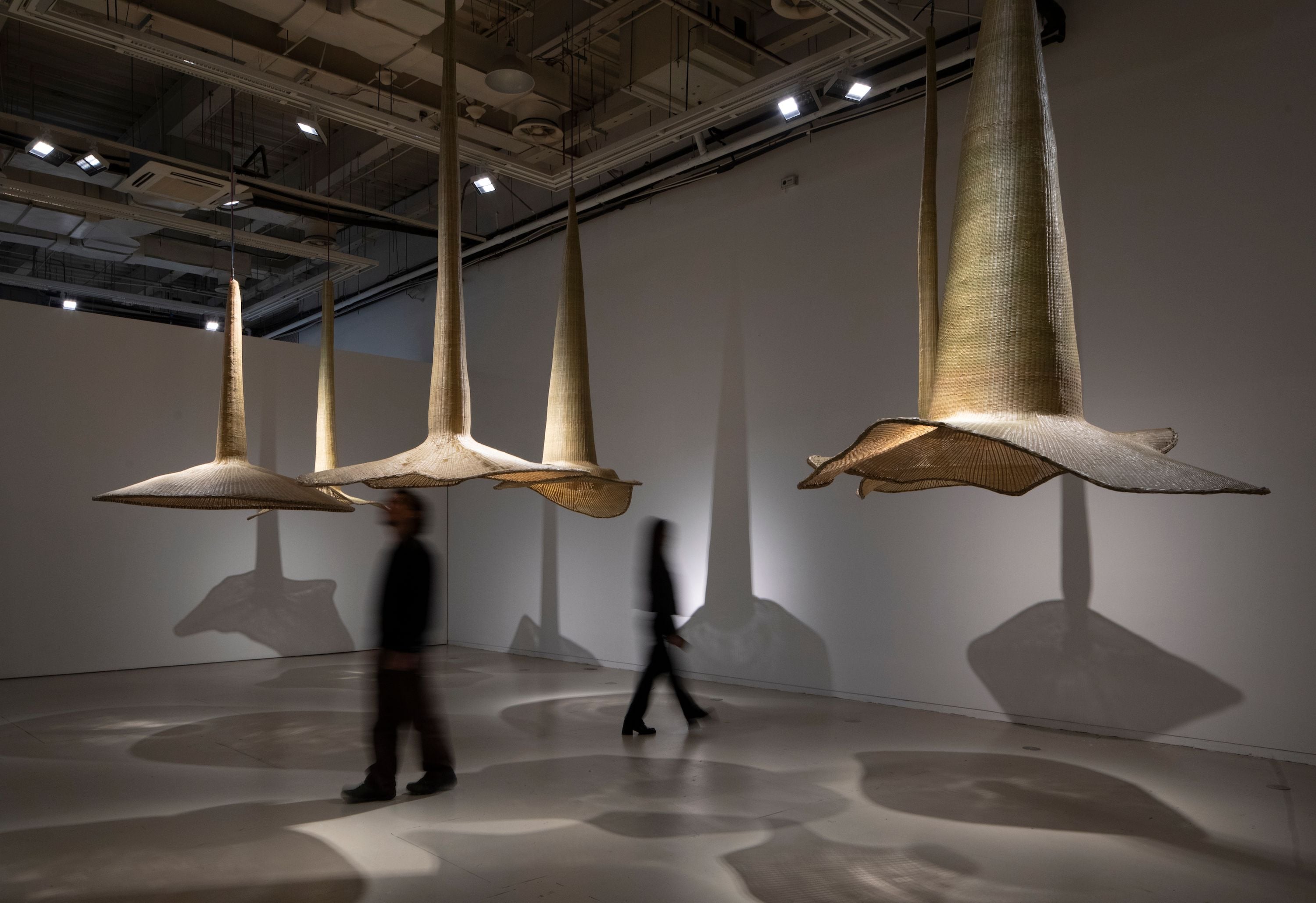
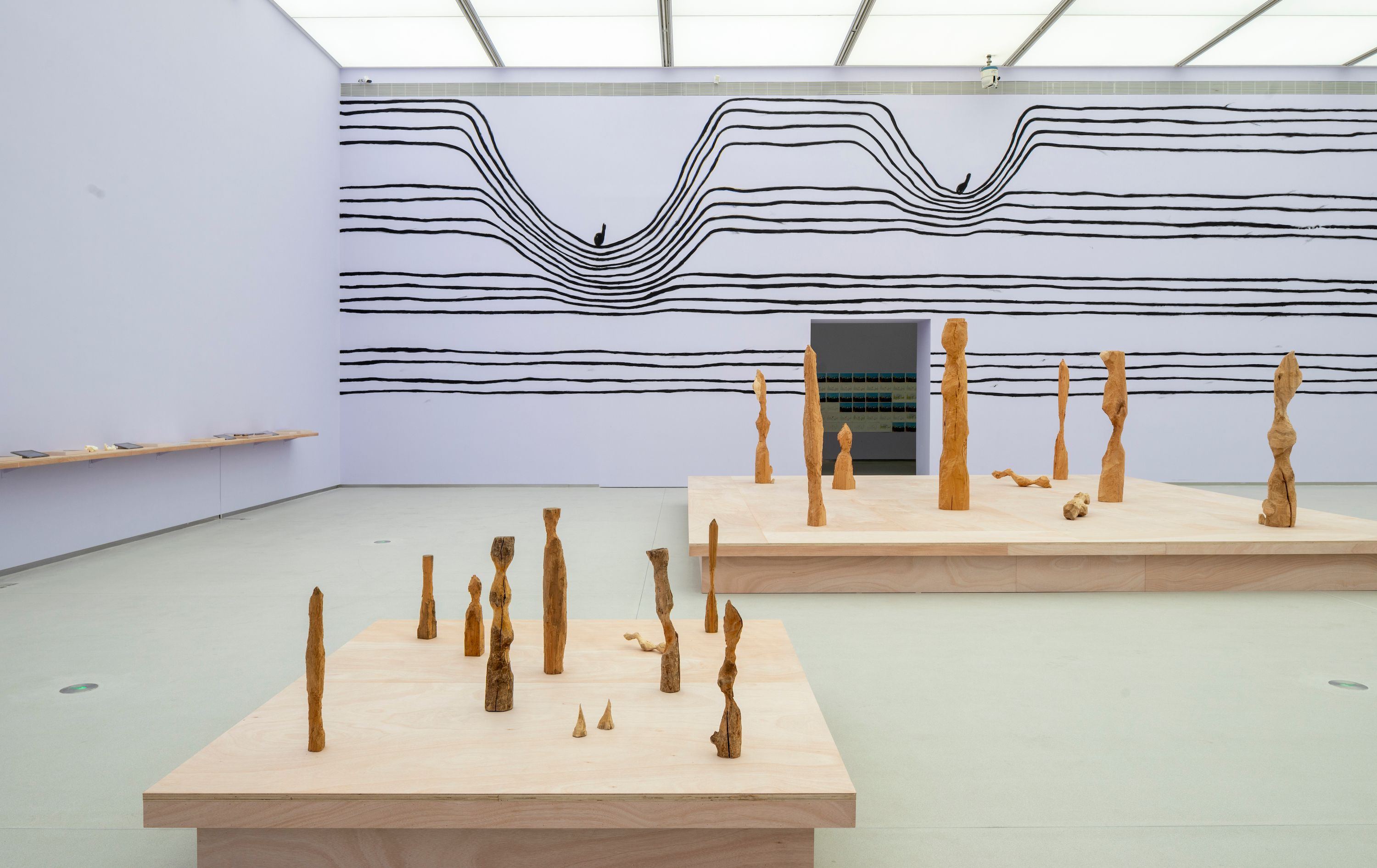
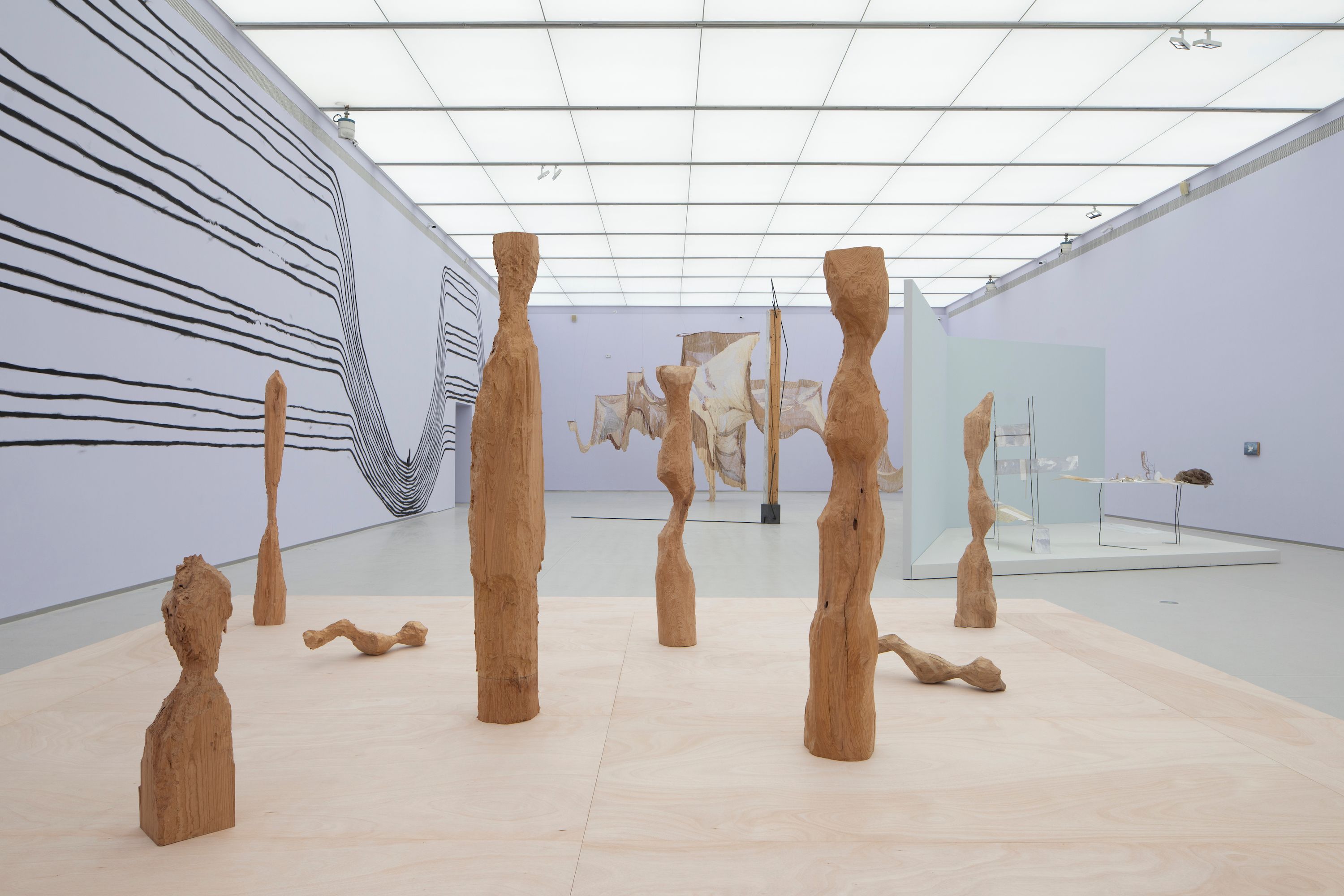
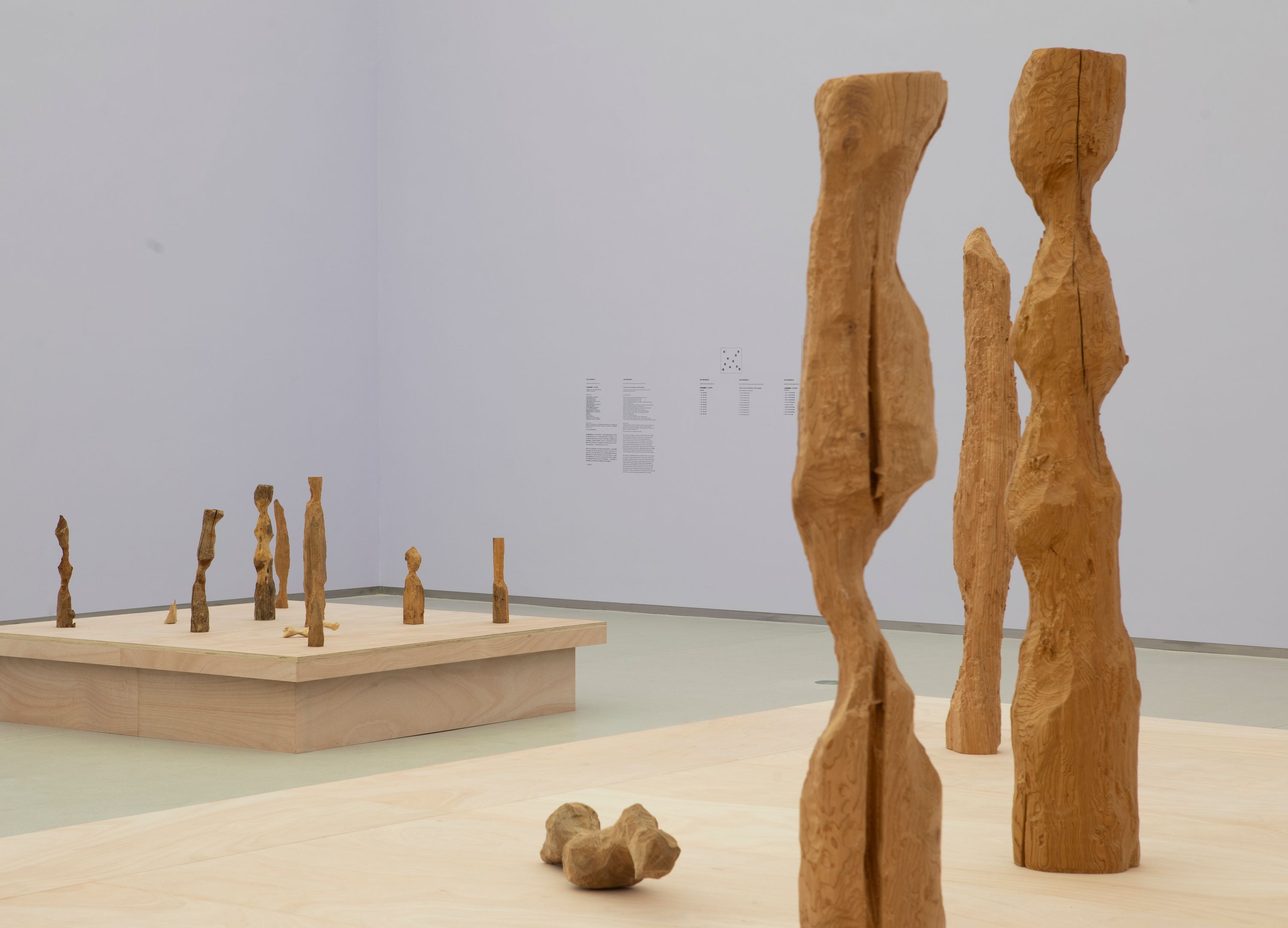
Aki Inomata’s series of wooden Brancusi-style sculptures, How to Carve a Sculpture (2018–ongoing), sit in a bright, almost uplifting space where the biennale leans into the idea of forces in relation. This is instantiated by Christine Sun Kim’s American Sign Language visualisation of ‘relevance’, whose material trace surveys the entire space and casts a sly nod towards Inomata’s works.

Follow the video documentation of their production, and it becomes clear these are at once accidental and intentional: Inomata’s collaborators are Taiyo, Genie, Yuzu and Komeko—beavers from zoos across Japan, born between 2006 and 2015, who gnaw wood to sharpen their ever-growing teeth, leaving behind traces that are simply by-products of daily life. Inomata (b. 1983) collected these remnants much like harvesting outputs from an AI prompt: she had a sculptor scale one up to human-size, and produced a CNC reproduction. Each layer adds another author, another reading: the beaver, the wood, the craftsperson, the machine.
Just as Inomata’s sculptures ask us to consider the layers of agency within a single object, so too the exhibition invites a different way of seeing. If Inomata’s work leaves you disarmed, it may be because the curators are teaching us to see art in a truly relational sense. When we visit shows, we do more than look at objects: we attend to traces of connection, currents of attention, unintended gestures, and the subtle echoes between artworks, non-works, and the quiet collaborations between them all.
Cheng Xinhao Plays Opera to a Rhododendron
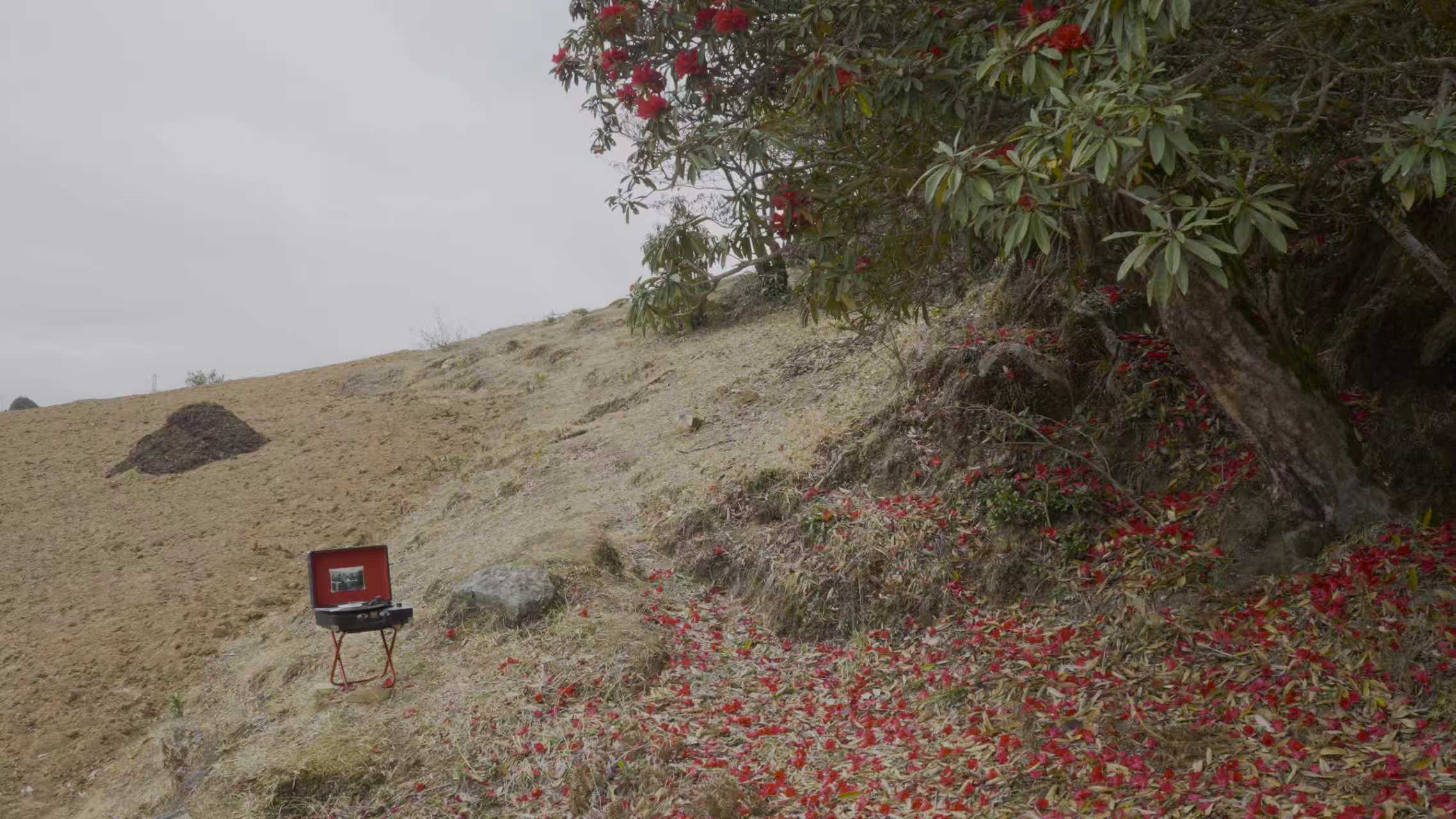
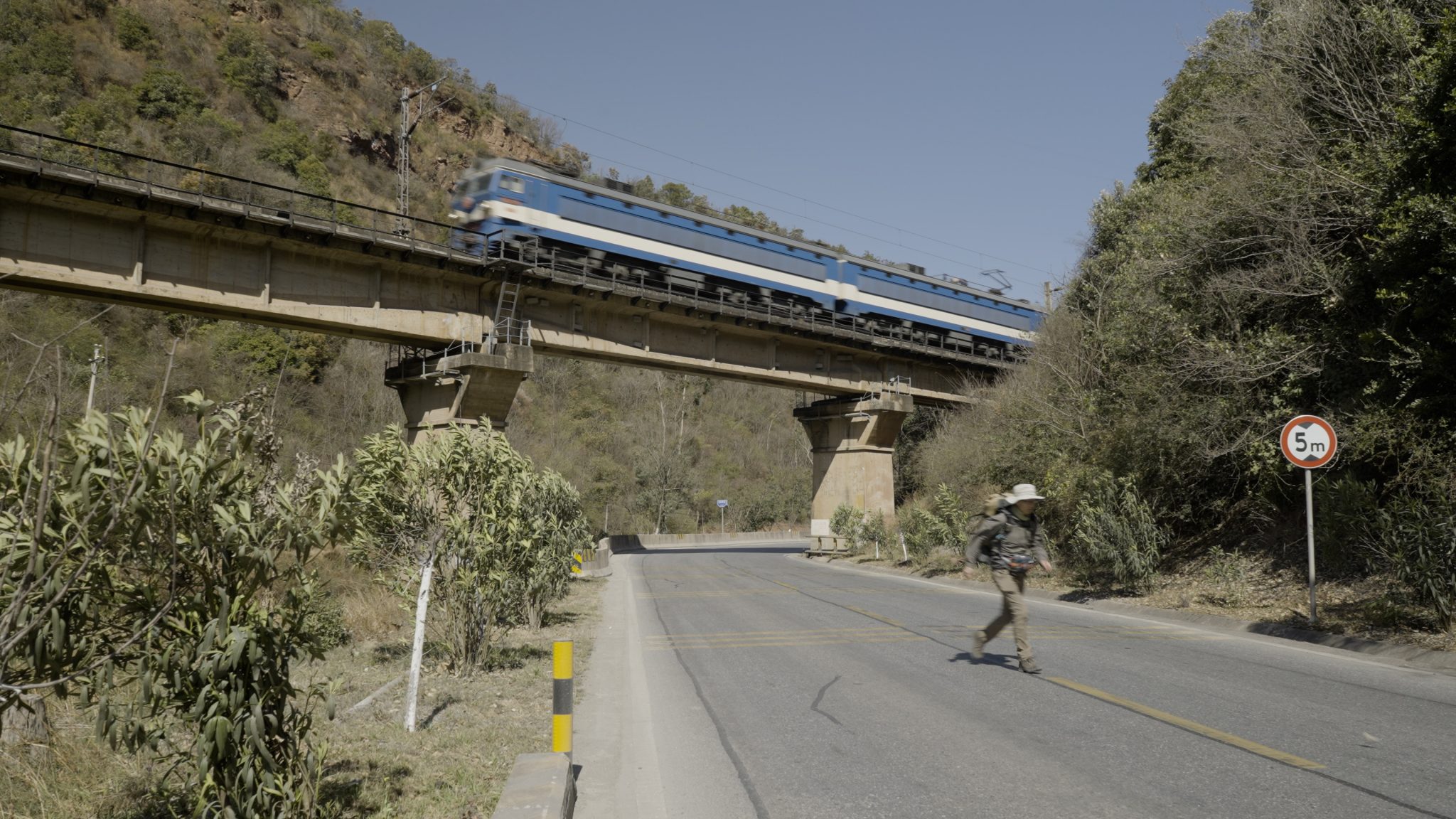
Amid a broader trend of Chinese artists relating work to their hometowns, Cheng Xinhao (b. 1985) has distinguished himself through durational methods. His video works, which at times recall early performances by Francis Alÿs, embed him in landscape as a medium to reckon with geopolitical histories. This is not Cheng’s first biennale—one of the works on view in Shanghai appeared in last year’s Gwangju Biennale: Stratums and Erratics (2023–2024) is a series of conceptually precise landscape actions, including one where Cheng kicks a stone along a historical road linking his hometown, Kunming, to the Myanmar border, once a vital route for wartime resistance logistics.
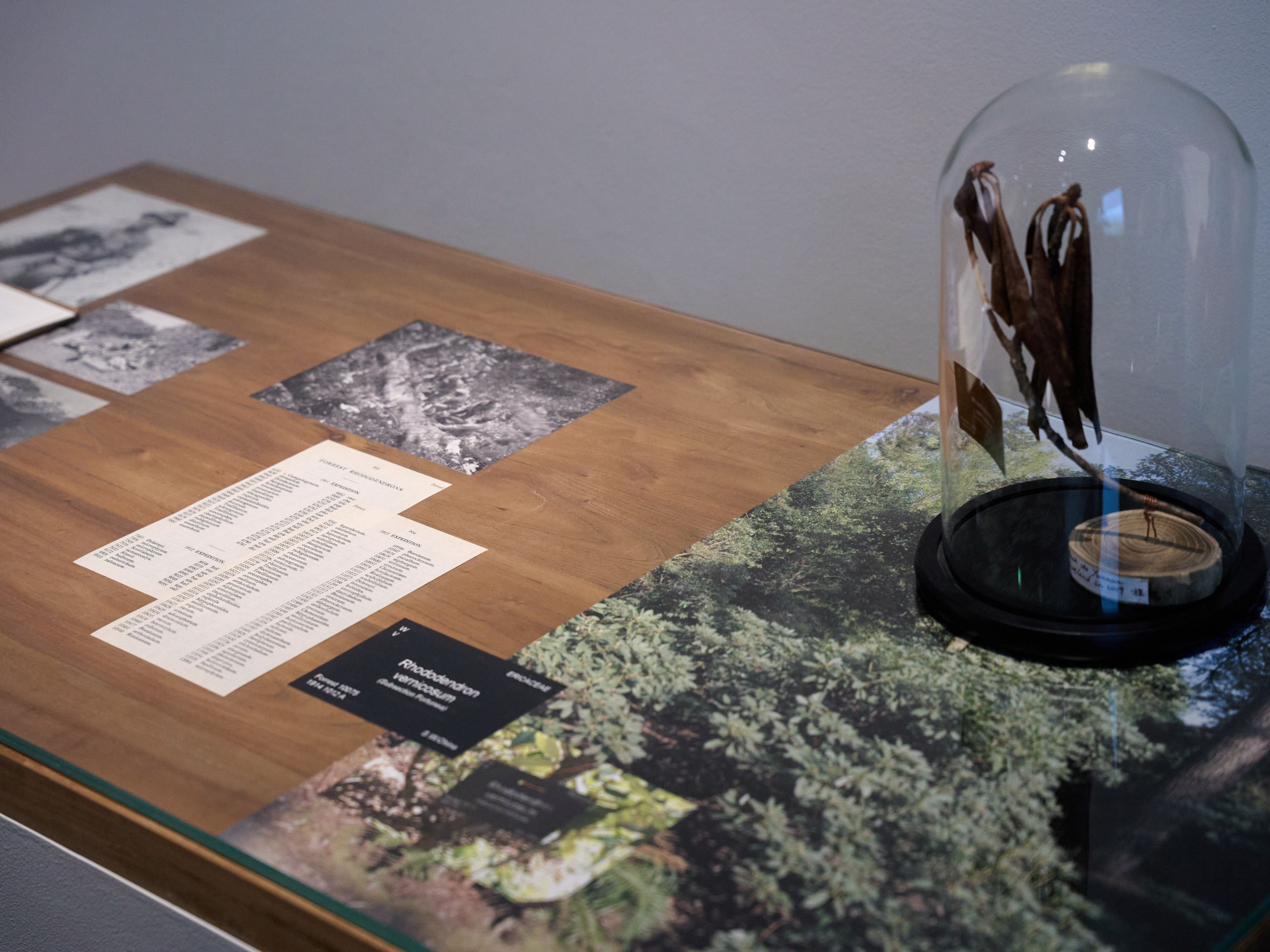
Understated as he is, Cheng is a rare presence in the show, attuning multispecies perception to China’s colonial histories even as his critique remains firmly anchored in the past. Positioned at a crucial juncture in the exhibition’s early sequence, Cheng’s video Musica Proibita (2024) particularly signals this character, introducing a subtle shift in the pace of the show. With disarming simplicity, he plays a Caruso recording to a Rhododendron delavayi on a Yunnan mountaintop—a gesture that knots together overlapping histories: plant hunter Joseph Rock, who used a gramophone to coax camera-shy locals in the 1920s, and Herzog’s Fitzcarraldo, where Caruso becomes a hopeful (if misguided) bridge between worlds. It may feel like fiction, yet Cheng’s practice consistently reframes Yunnan’s historical anecdotes and their modern colonial entanglements. He draws on these precedents not to repeat them, but to refract the ties between landscape, nature and coloniality. Against the biennial’s seemingly innocent theme—Does the Flower Hear the Bee?—Cheng’s sudden twist unsettles the calm. —[O]
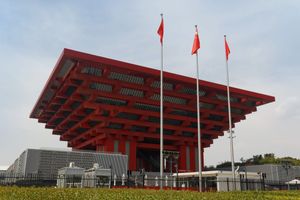
The 15th Shanghai Biennale, Does the Flower Hear the Bee?, is on view at Shanghai’s Power Station of Art until 31 March 2026.
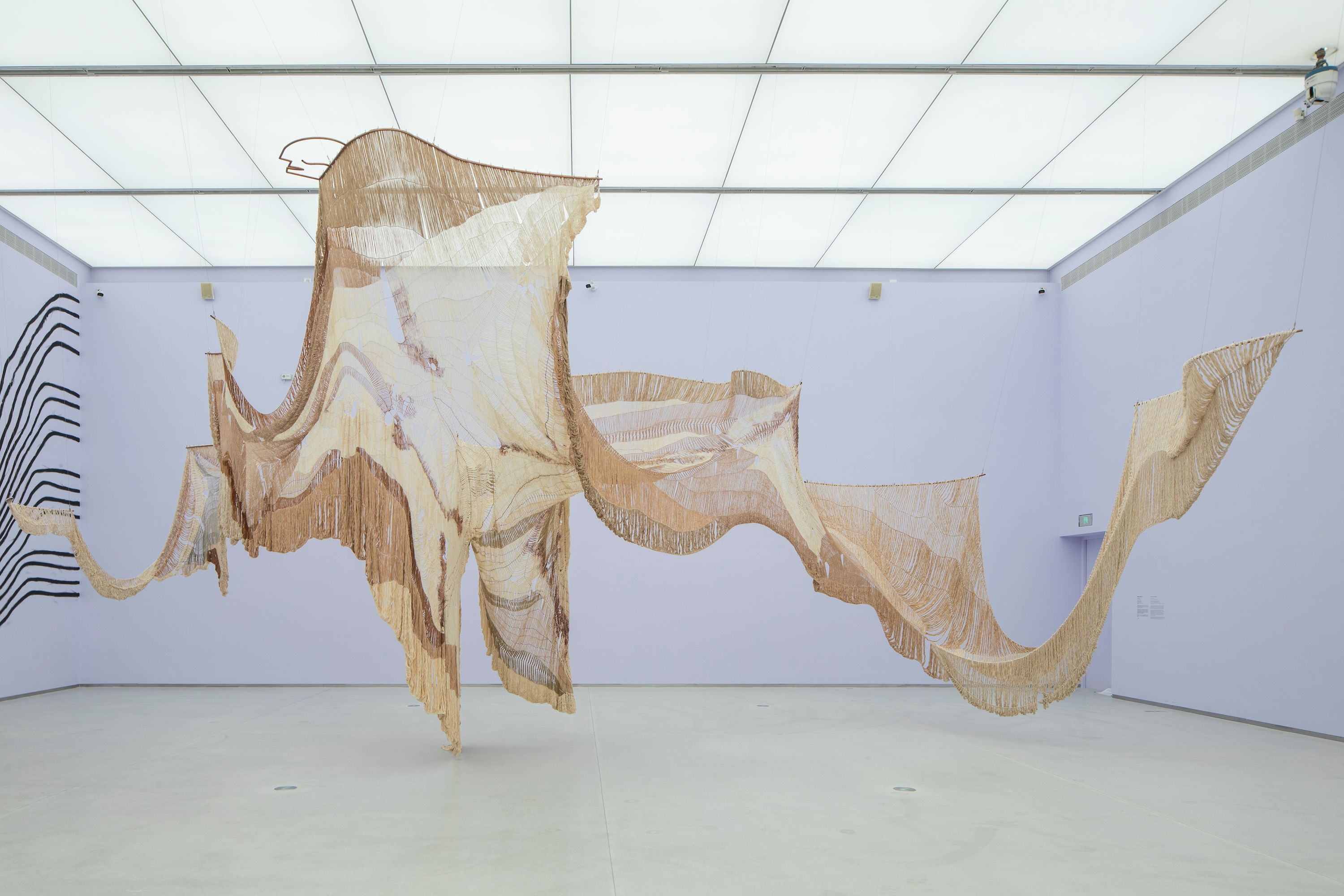
Main image: Shao Chun. Exhibition view: 15th Shanghai Biennale: Does the flower hear the bee?, Power Station of Art (8 November 2025–31 March 2026). Photo: Ocula.




A respected voice in contemporary art discourse.
Focusing on ambitious storytelling and insightful art-world commentary. Ocula Magazine publishes in-depth interviews, critical essays and timely analysis on the artists, exhibitions and ideas driving the global art world.
Learn more about Ocula Magazine
Showcasing the best of the art world.
Ocula partners with galleries from around the world to highlight their artists, artworks and exhibitions. Gallery membership is by application and invitation, with each member vetted by an independent panel.
Learn more about Ocula Membership
Specialises in the sale of major artworks.
Led by a team with deep ties to the world’s leading auction houses, galleries and collectors. Ocula’s advisory team offers bespoke services to high-net-worth clients from around the world who are looking to acquire the best of contemporary and modern art.
Learn more about our team and services