






How Will Hungarian Artists Navigate the Post-Orbán Era?
As Péter Magyar’s Tisza party assumes power in Hungary, how will the art world recover from the previous regime’s system of silence? Save to My OculaWhen architect and designer Marton Pintér organised the Hungarian pavilion at Venice Architecture Biennale 2025, titled There is Nothing to See Here, it was the culmination of 16 years of frustration—a protest against the state capture of art, design and architecture under Prime Minister Viktor Orbán. It was also the moment he knew his career was over.
Pintér claims that, two months before the opening, the Hungarian state repeatedly tried to cancel the pavilion, calling him late at night and pressuring institutions to boycott his work. Later, his opening speech, in which he criticised Orbán’s Neo-Classical building projects, also proved controversial.
“After the Biennale I was not offered any new jobs,” he tells Ocula. “I organised a funeral for my professional self by speaking out.” That sacrifice now looks worthwhile.
A landslide victory
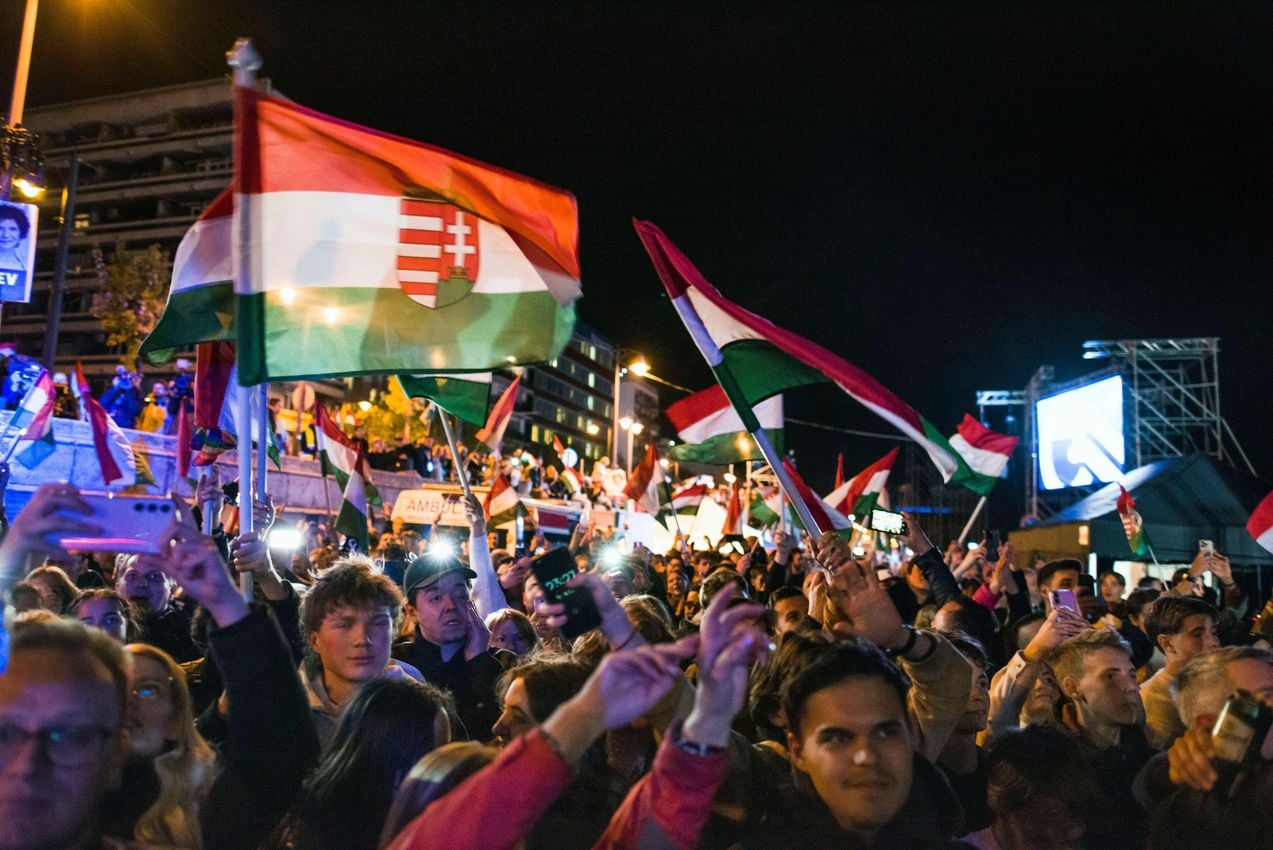
When Péter Magyar’s Tisza party swept Orbán from power in a landslide on 12 April, the crowds flooding the banks of the Danube river included painters, filmmakers, curators and gallerists, people who had spent more than a decade watching their institutions captured, their grants redirected and their work suppressed.
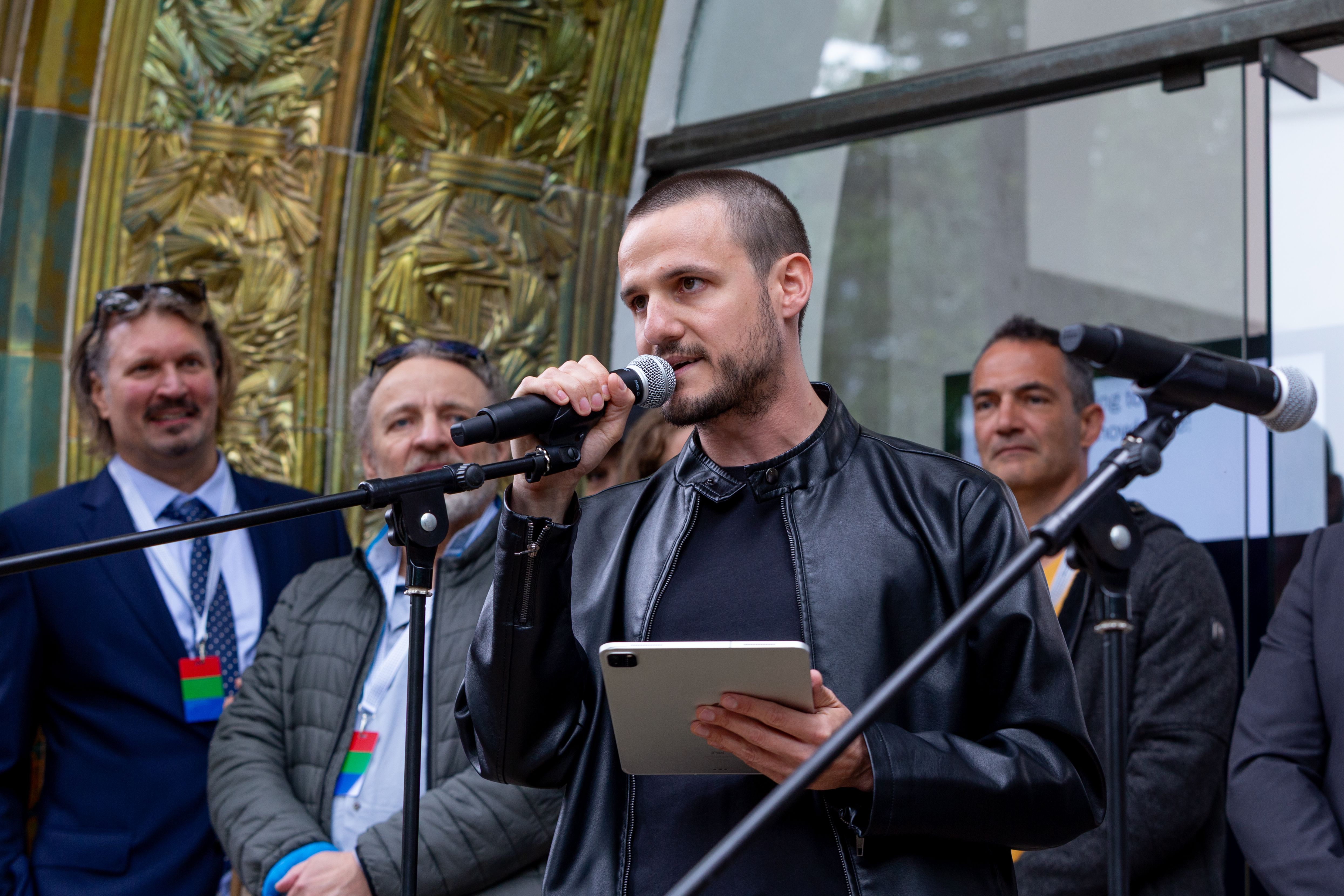
Pintér was in Budapest on election night, fresh from a radical theatre production in one of the few venues not overhauled by the state. “So we were already in a radical mood,” he says. “When we went into the streets it was euphoric.”
For years under Orbán’s regime, independent artists faced reduced access to grants and saw their work supressed, particularly when working in conceptual or experimental modes. Major institutions such as the Ludwig Museum of Contemporary Art and the Hungarian National Museum were headed by political appointees.
In 2018, the State Opera cancelled 15 performances of Billy Elliot after pro-government media attacked it as “gay propaganda”. That same year, a Frida Kahlo exhibition at the Hungarian National Gallery was denounced by a right-wing newspaper as “promoting Communism”.
“For a very long time we had to give up our professional beliefs”
Censorship and Neo-Classicism
Pintér is withering about Orbán’s aesthetic legacy, particularly of the Hungarian Academy of Arts, an institution to which Orbán’s Christian nationalist Fidesz party gave significant funding powers, and which came to function as the main driver of nationwide decisions about arts and culture—a move that was highly criticised.
“For a very long time we had to give up our professional beliefs and take the right choice according to the state,” Pintér explains. “It was all about Neo-Classicism, fake vernacularism, pastiche. These were the only commissions we could get. The glass roof reached artists and designers very quickly.”
This censorship created a culture of self-suppression. In a 2022 report titled Systematic Suppression: Hungary’s Arts and Culture in Crisis, one anonymous source said: “This is… an existential question for artists… there is no private market and there are no private institutions, so there is no independent scene, everyone is depending on public funding.”
For Pintér, the creative response to this was to go underground. “Culture is inherently free, but Fidesz tried so hard to overtake that. The more they tried, the more pushback they created,” he says. “For 16 years we had to self-organise in small places—organic, underground studios—in order to stay fresh. Our ideas could never be on a city level.”

What comes next?
Now, the central question is what the new government will actually do with the arts. Magyar has moved quickly on adjacent policy, announcing plans to suspend Hungary’s state-controlled media, which he called a “factory of lies”, signalling that the information architecture of the Orbán era will be rapidly dismantled. A wave of leadership changes is also widely expected across major museums and cultural bodies, which could lead to the return of curators and scholars who were previously sidelined.
There is, however, reason for caution. Magyar is himself a former Fidesz party member and a conservative politician, and some analysts warn against expecting rapid transformation. The depth of the restructuring of the Orbán era, embedded in the constitution, means that even with a supermajority, unwinding it will take years.
In the meantime, Anna Pakosz, a Hungarian artist based between Budapest and London, says that following Fidesz’s ousting, she can finally feel proud of where she’s from. “For years, Hungary had a bad reputation internationally, and that creates a complicated feeling for artists living abroad,” she explains.
“Many artists left because they felt there was no future”
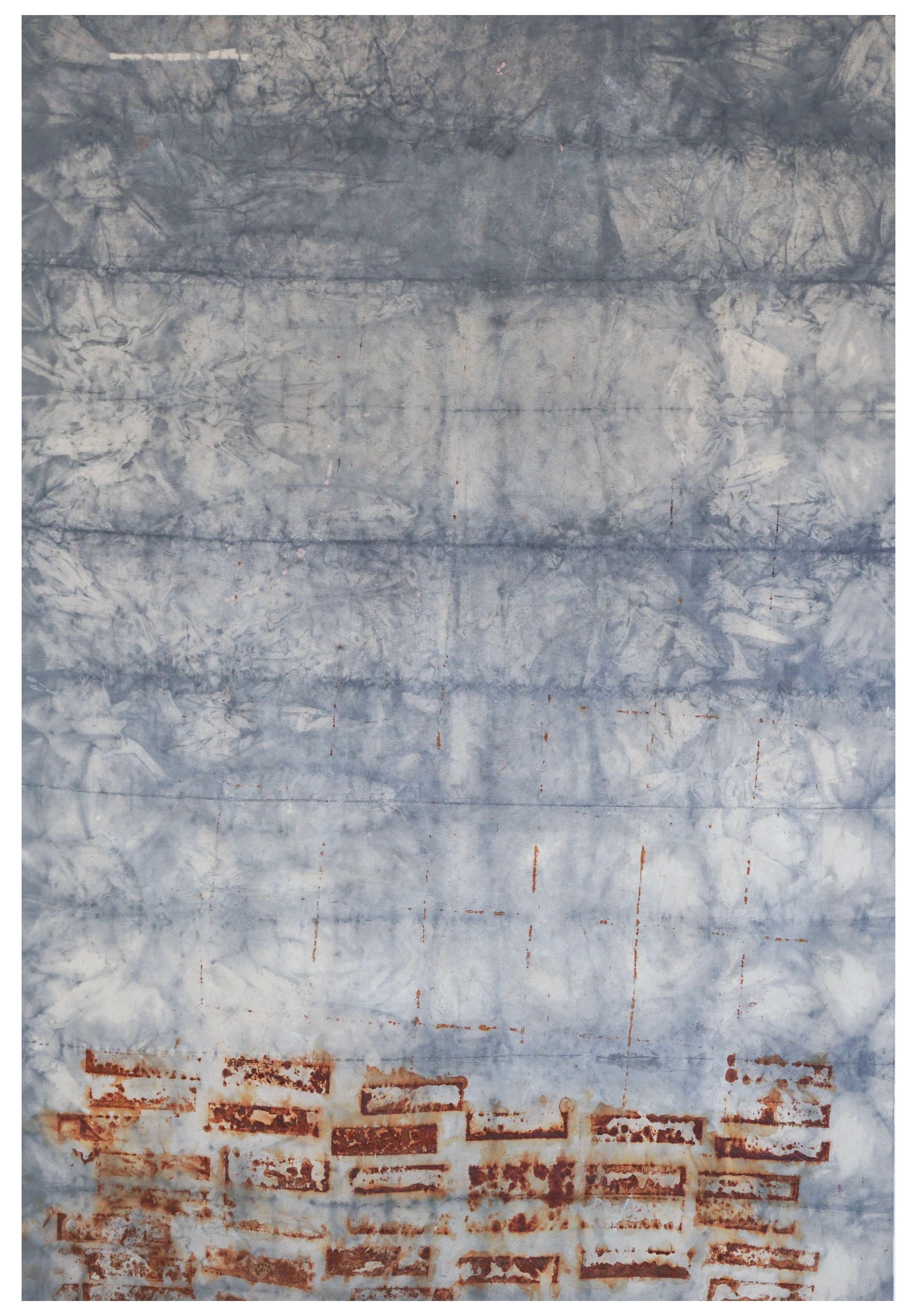
The Hungarian element in Pakosz’s art never came from the kitsch folk themes championed under Orbán. Rather, as she describes: “In a material sensibility shaped by a post-Communist context that comes through in the rawness of my materials, through processes like staining or rust, and a resistance to fixed or polished surfaces.”
She hopes the regime shift will help artists to reconnect with Hungarian identity in a more open way, though she plans to remain in London for now. “Many artists left because they felt there was no future for them,” she says. “Some will not come back. But this moment may reopen that relationship.”
Hope for the future
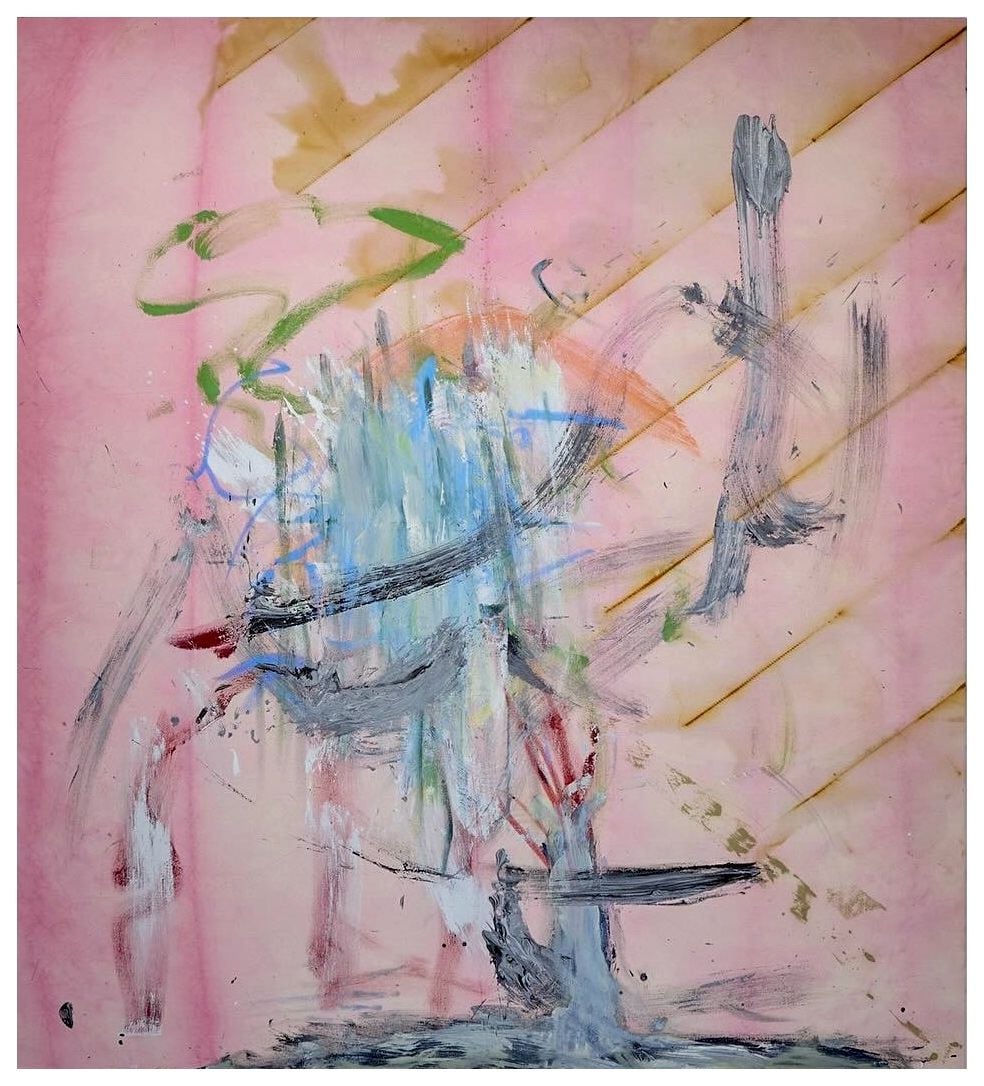
József Csató, a painter from Budapest, believes it is too early to know what the new government will do regarding the arts, but he is glad to see an end to the “toxic political atmosphere” of the previous administration, which “gave an invisible constant stress level”.
He says it is still hard to believe the change has happened. “We almost forgot how to be proud of our country,” he explains. “Now it’s like in a movie where the abuser disappears and the hostages can go outside for the first time in years. We still squint our eyes a bit, getting used to the light.”
For Pinter, there are hopes of fewer grand Neo-Classical vanity projects, and more investment in smaller public work: galleries, squares, research and development. “Ending pretentious ego projects. This is what is expected,” he says.
“It feels like this is the first time we will be asked what we want as artists, instead of having the narrative imposed from above.” —[O]
Main image: A crowd in Budapest wave flags and celebrates the announcement of Hungary’s landslide election result. © Attila Husejnow/SOPA Images via ZUMA Press Wire




A respected voice in contemporary art discourse.
Focusing on ambitious storytelling and insightful art-world commentary. Ocula Magazine publishes in-depth interviews, critical essays and timely analysis on the artists, exhibitions and ideas driving the global art world.
Learn more about Ocula Magazine
Showcasing the best of the art world.
Ocula partners with galleries from around the world to highlight their artists, artworks and exhibitions. Gallery membership is by application and invitation, with each member vetted by an independent panel.
Learn more about Ocula Membership
Specialises in the sale of major artworks.
Led by a team with deep ties to the world’s leading auction houses, galleries and collectors. Ocula’s advisory team offers bespoke services to high-net-worth clients from around the world who are looking to acquire the best of contemporary and modern art.
Learn more about our team and services