






Boundless Bodies and Kinetic Contraptions
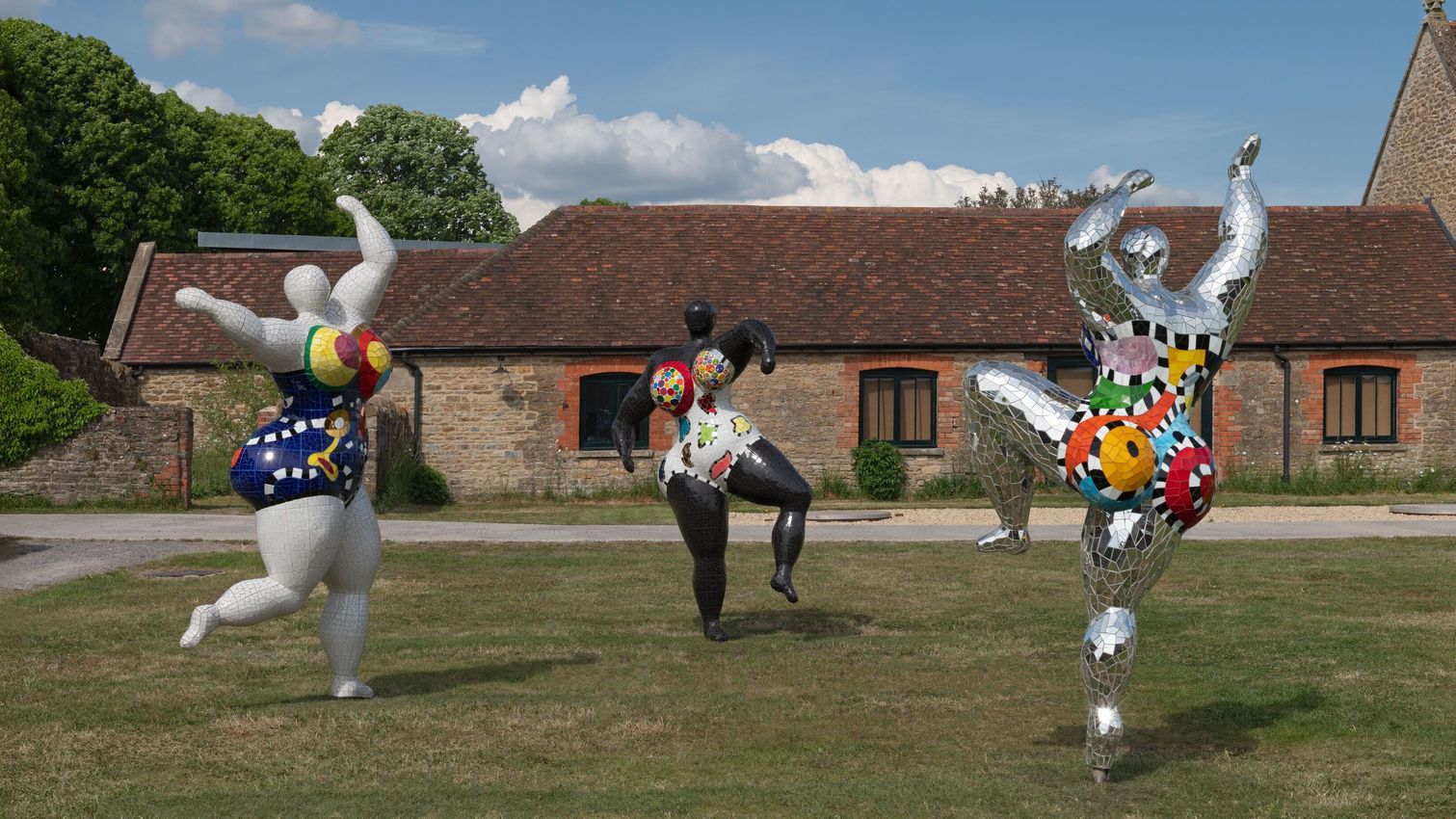
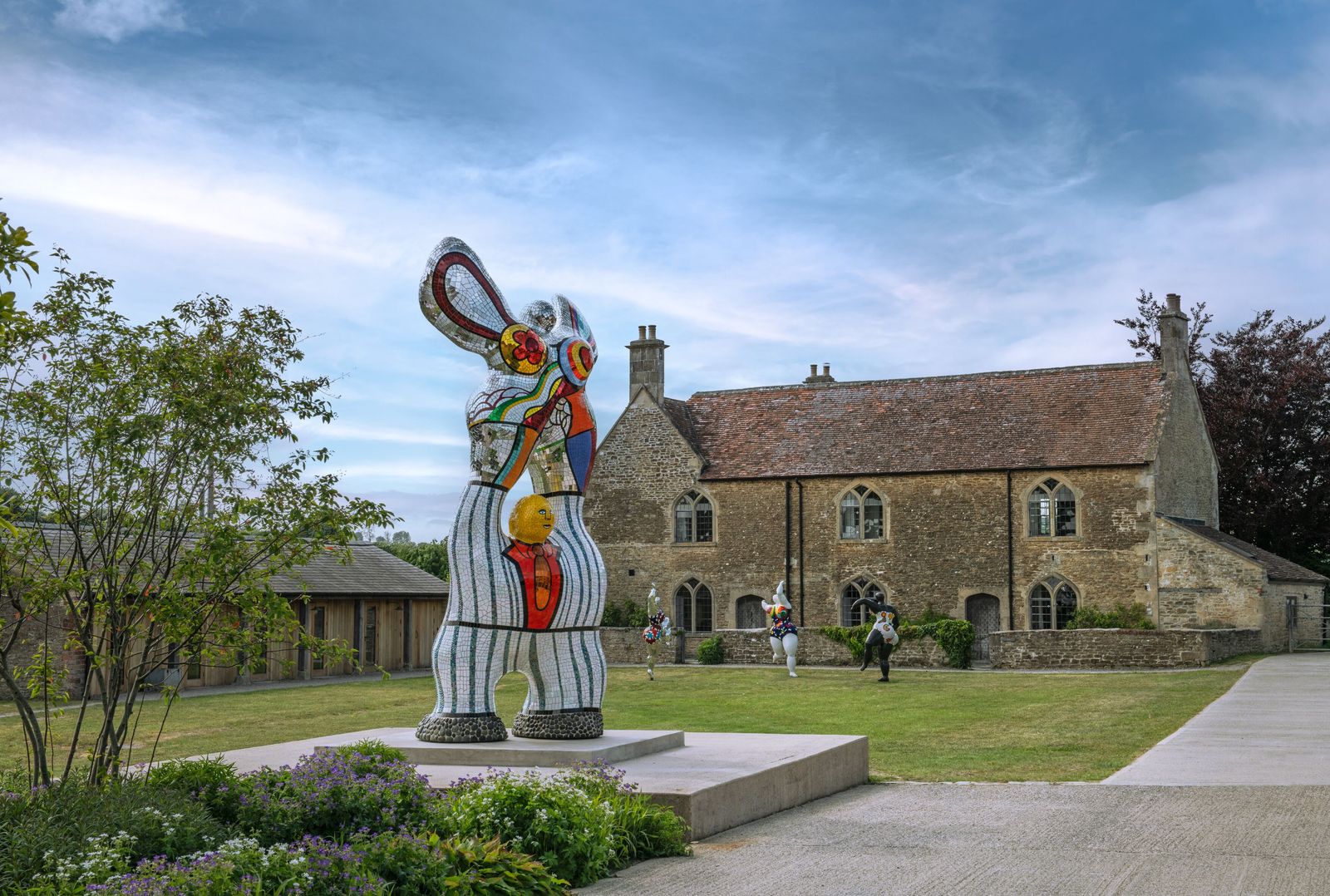
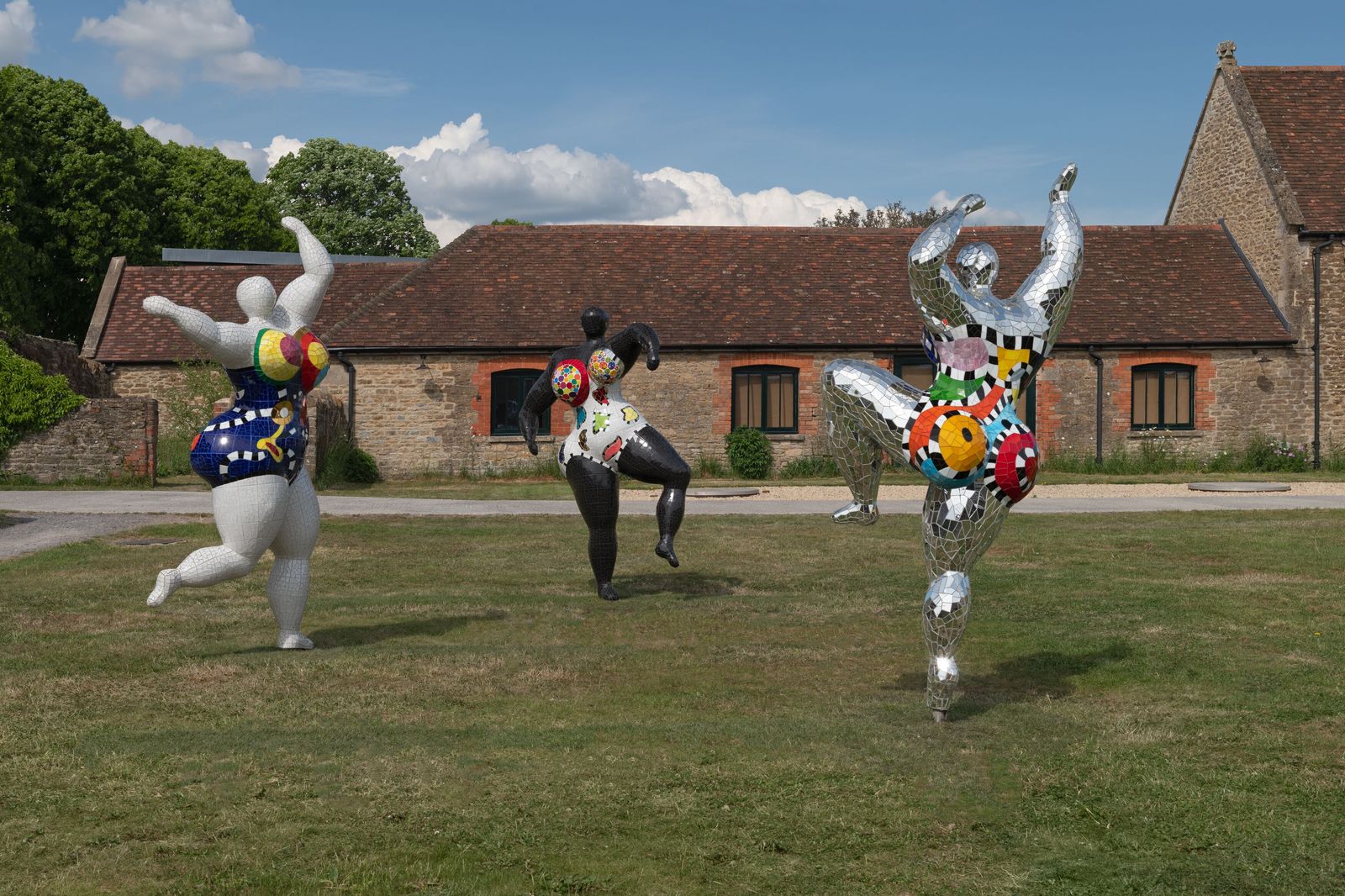
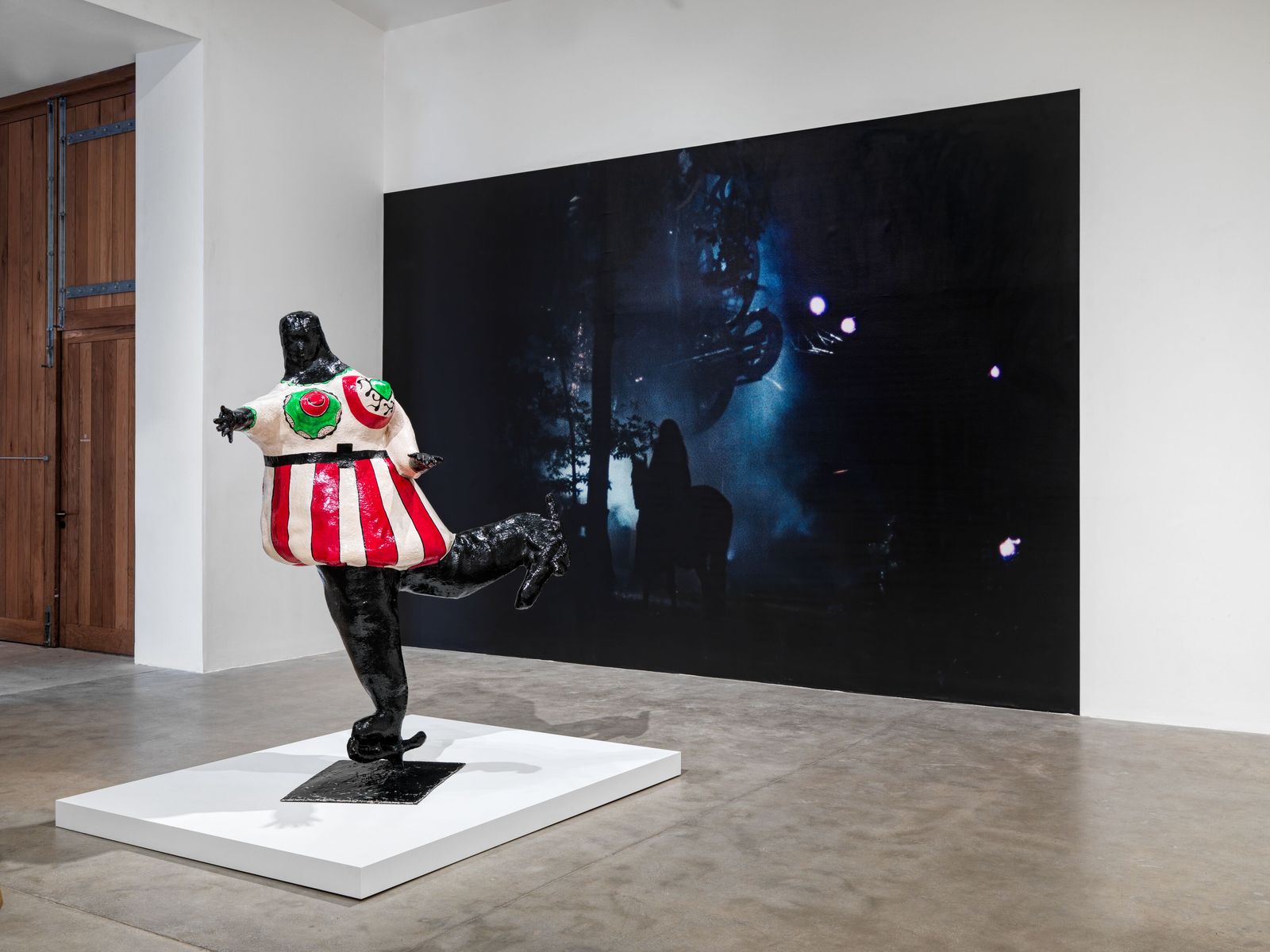
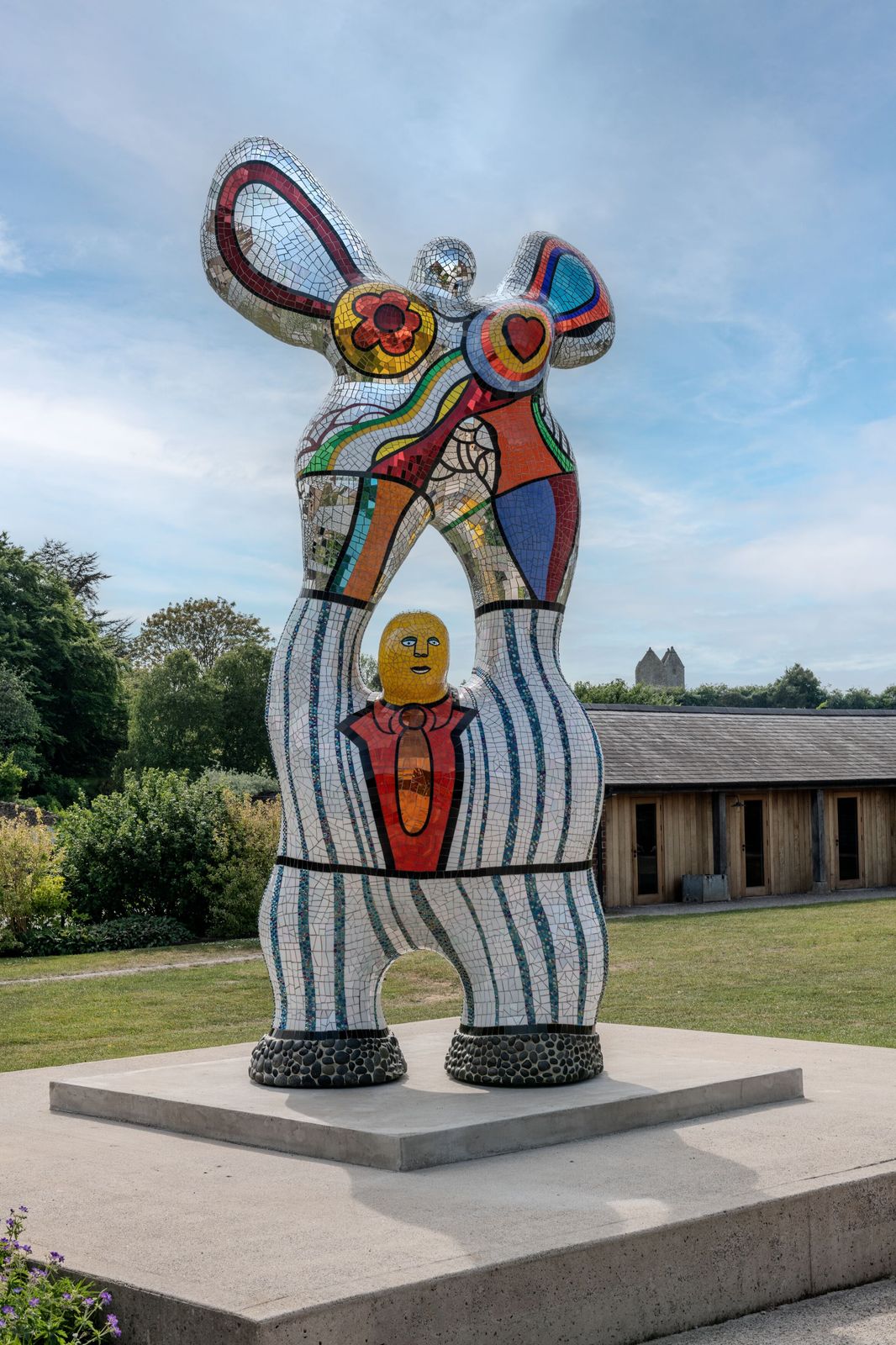
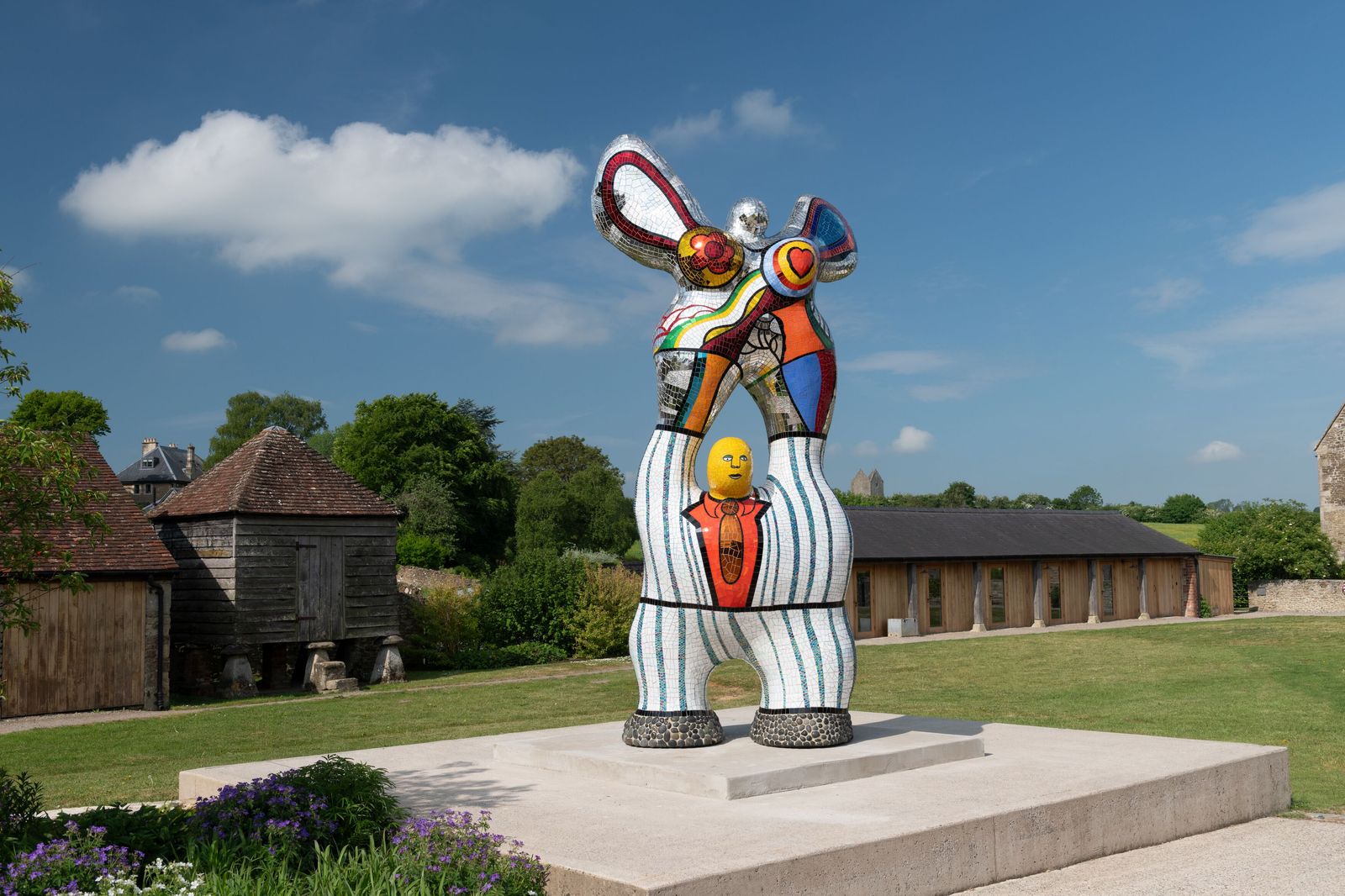
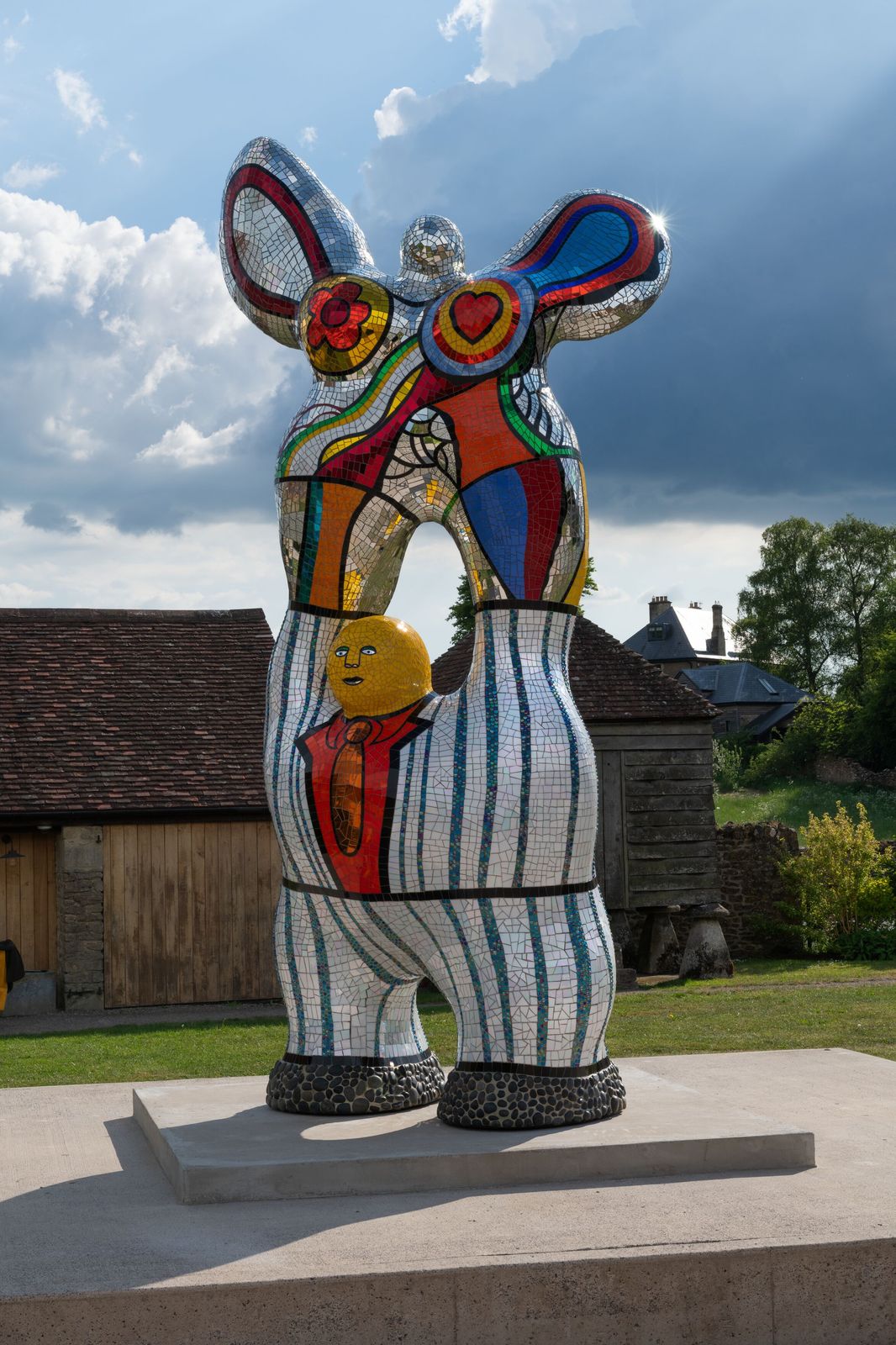
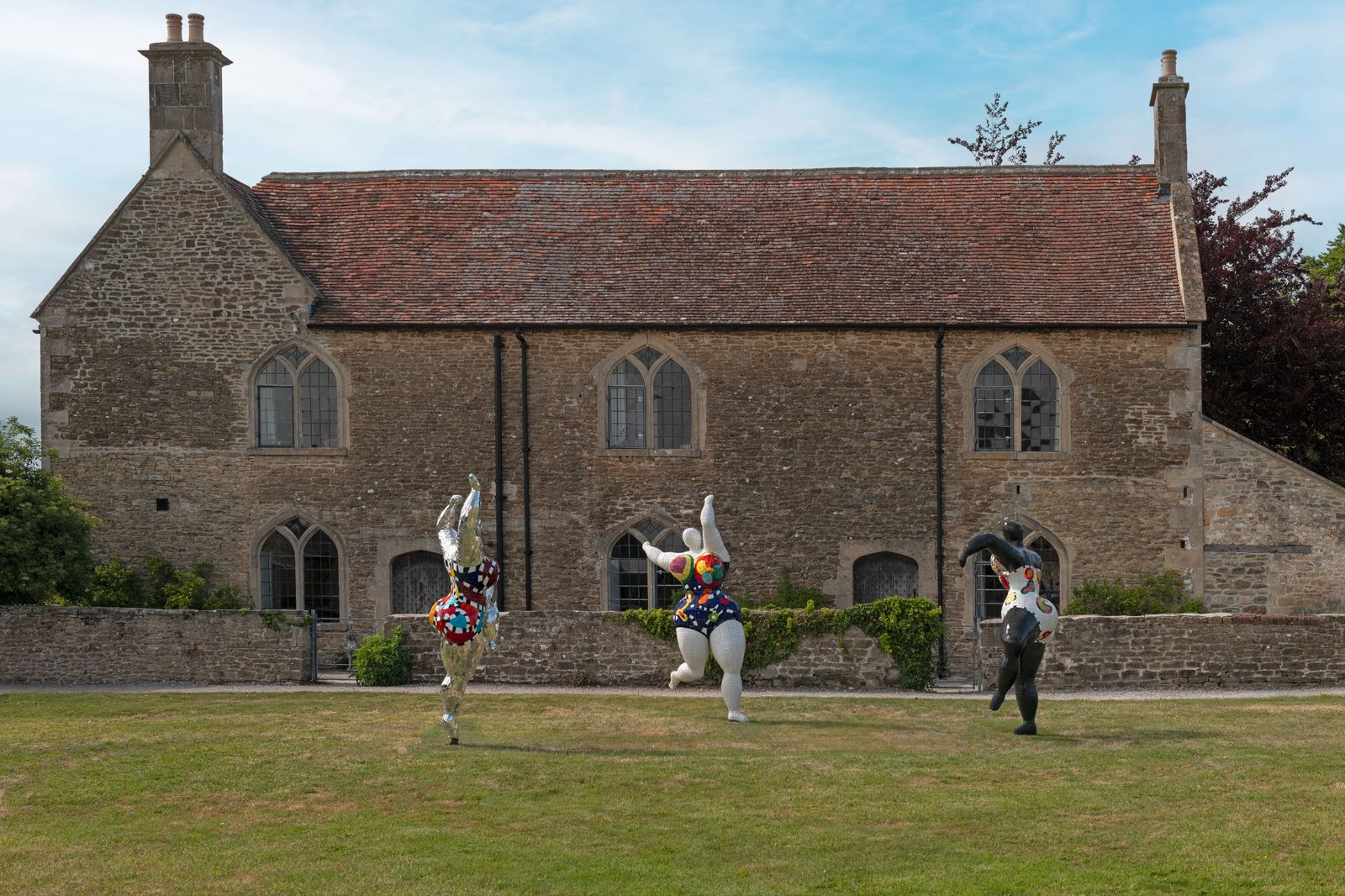
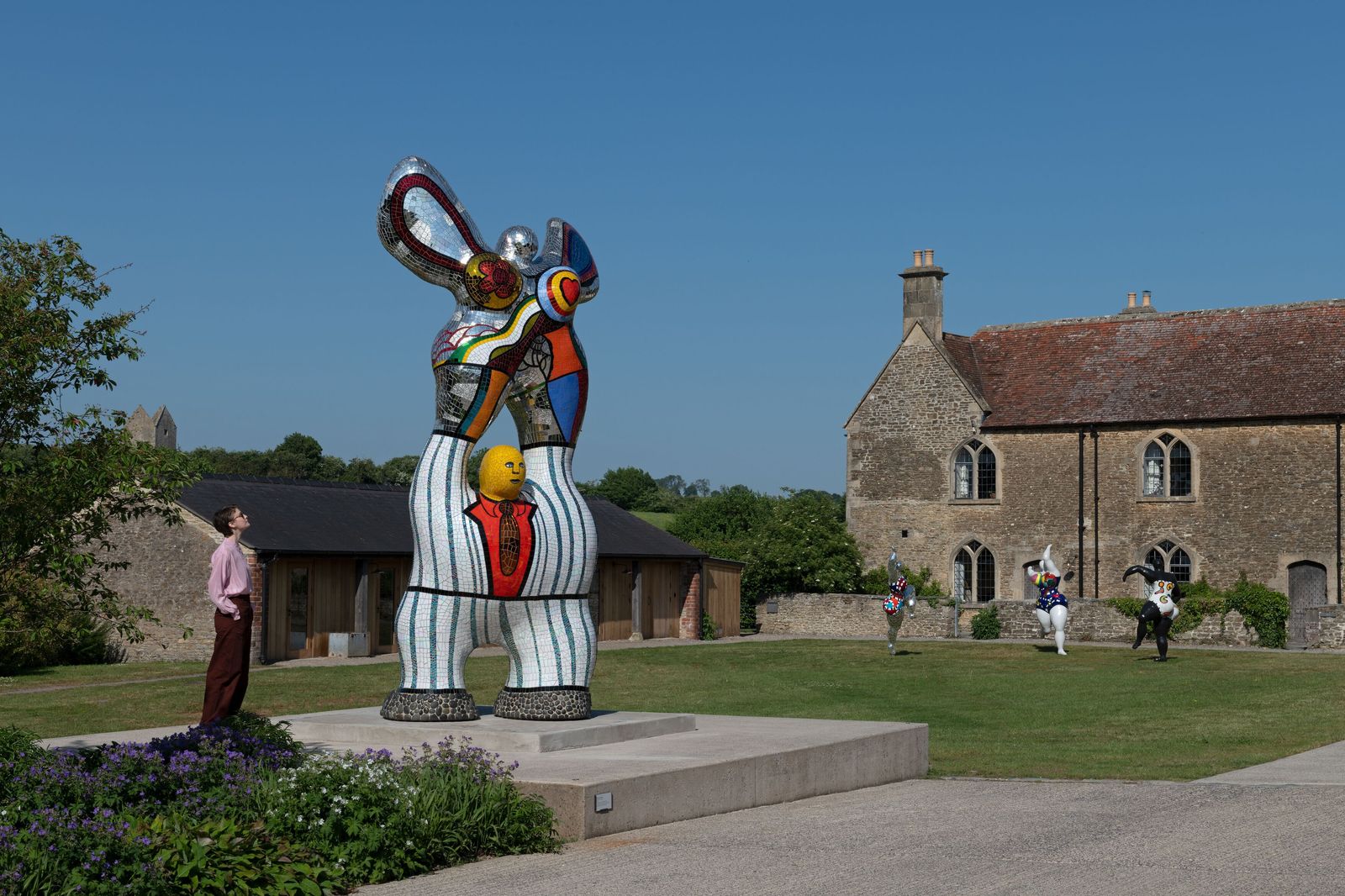
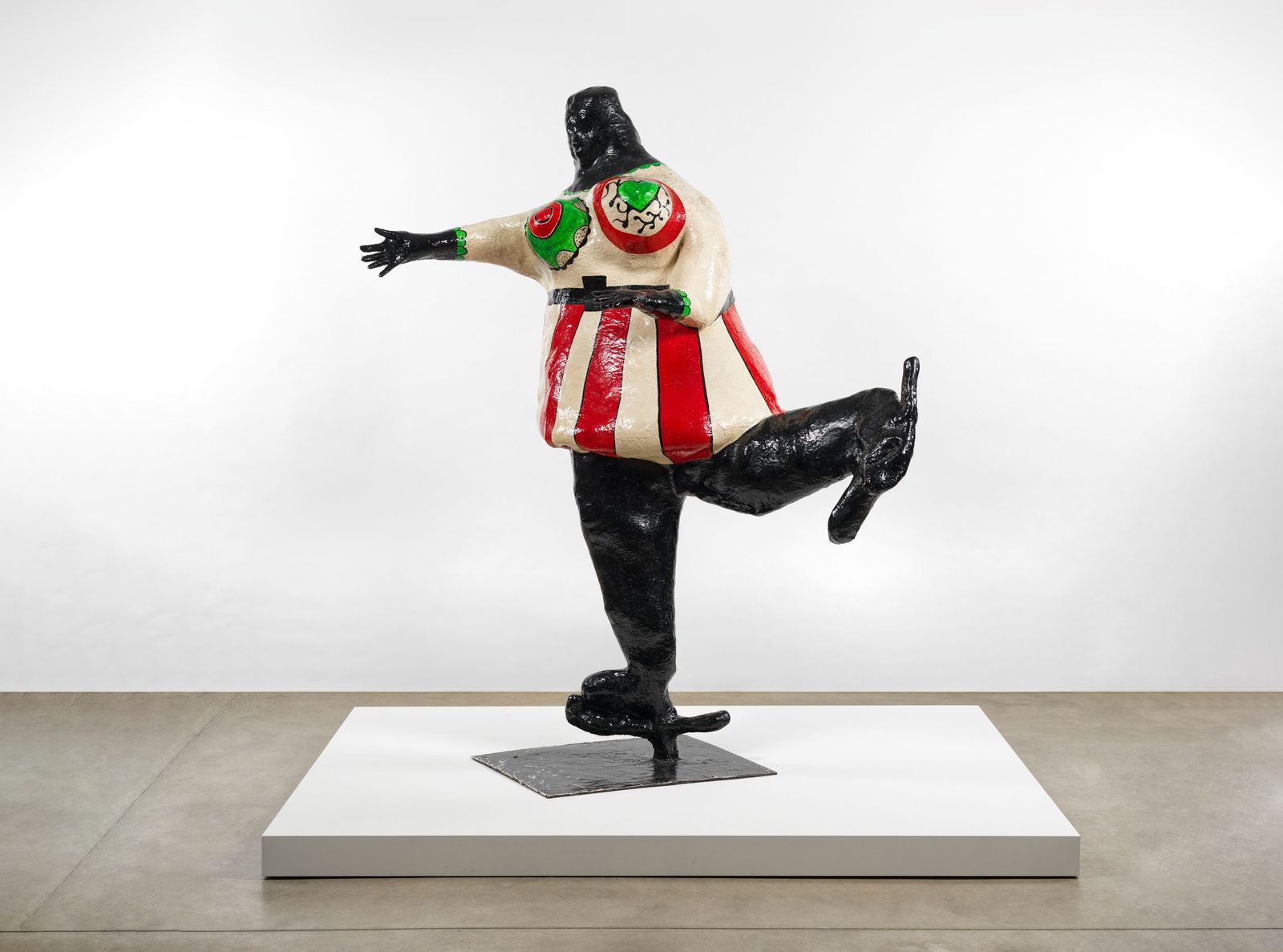
17 May 2025–1 February 2026 Ocula tours the spirited, rebellious collaborations of Niki de Saint Phalle and Jean Tinguely at Hauser & Wirth Somerset. Save to My OculaBeneath darting swifts and a cloud-crowned sky, on a serene lawn outside Hauser & Wirth Somerset, dance Les Trois Grâces (The Three Graces, 1995–2003), Niki de Saint Phalle’s monumental group sculpture of ‘Nanas’—her joyful and saucy female figures made from mirror shards, mosaic, and polyester resin. Their busty, swimsuited forms sparkle in the sun as laughing women imitate their poses for a selfie moment.
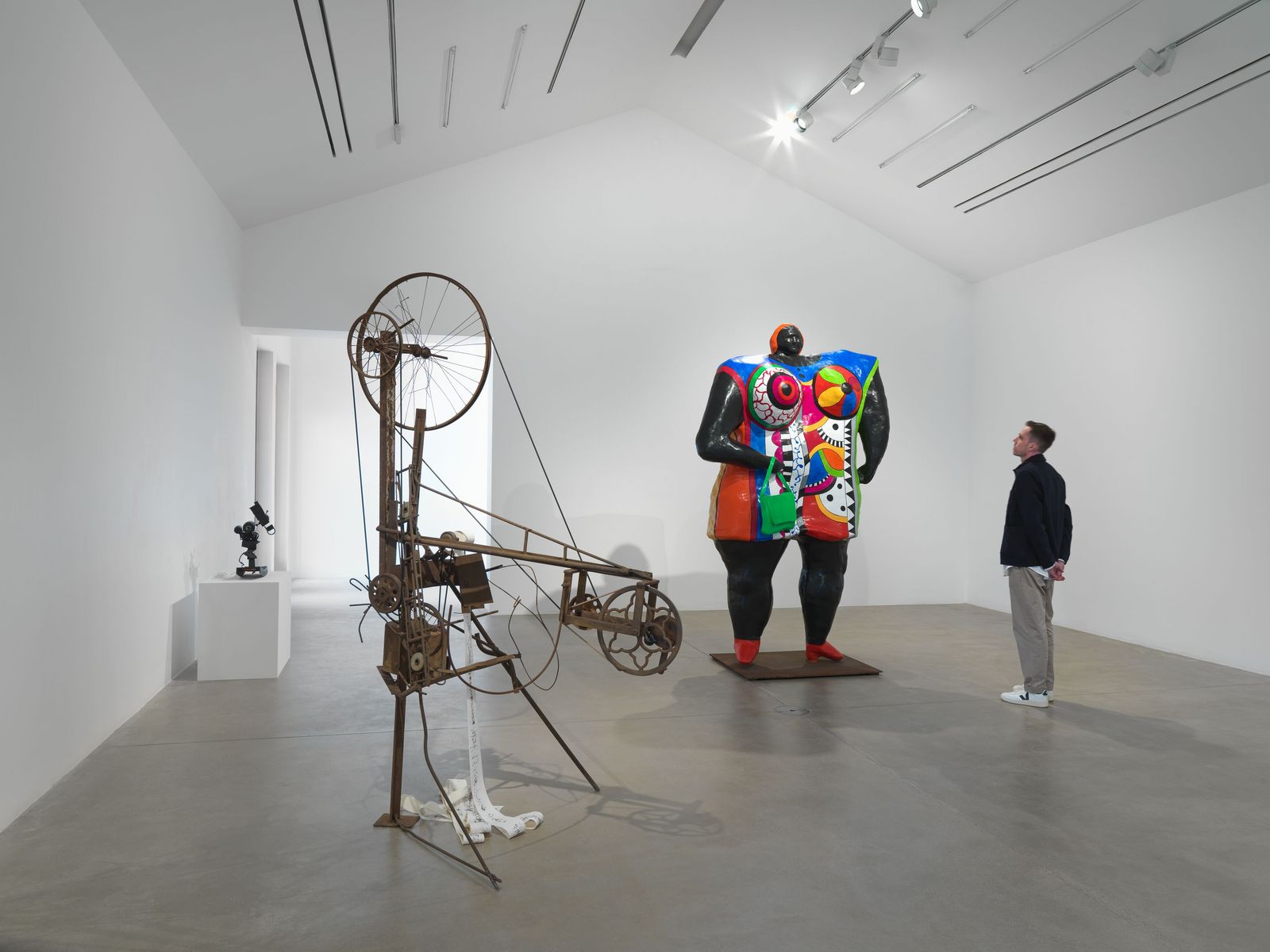
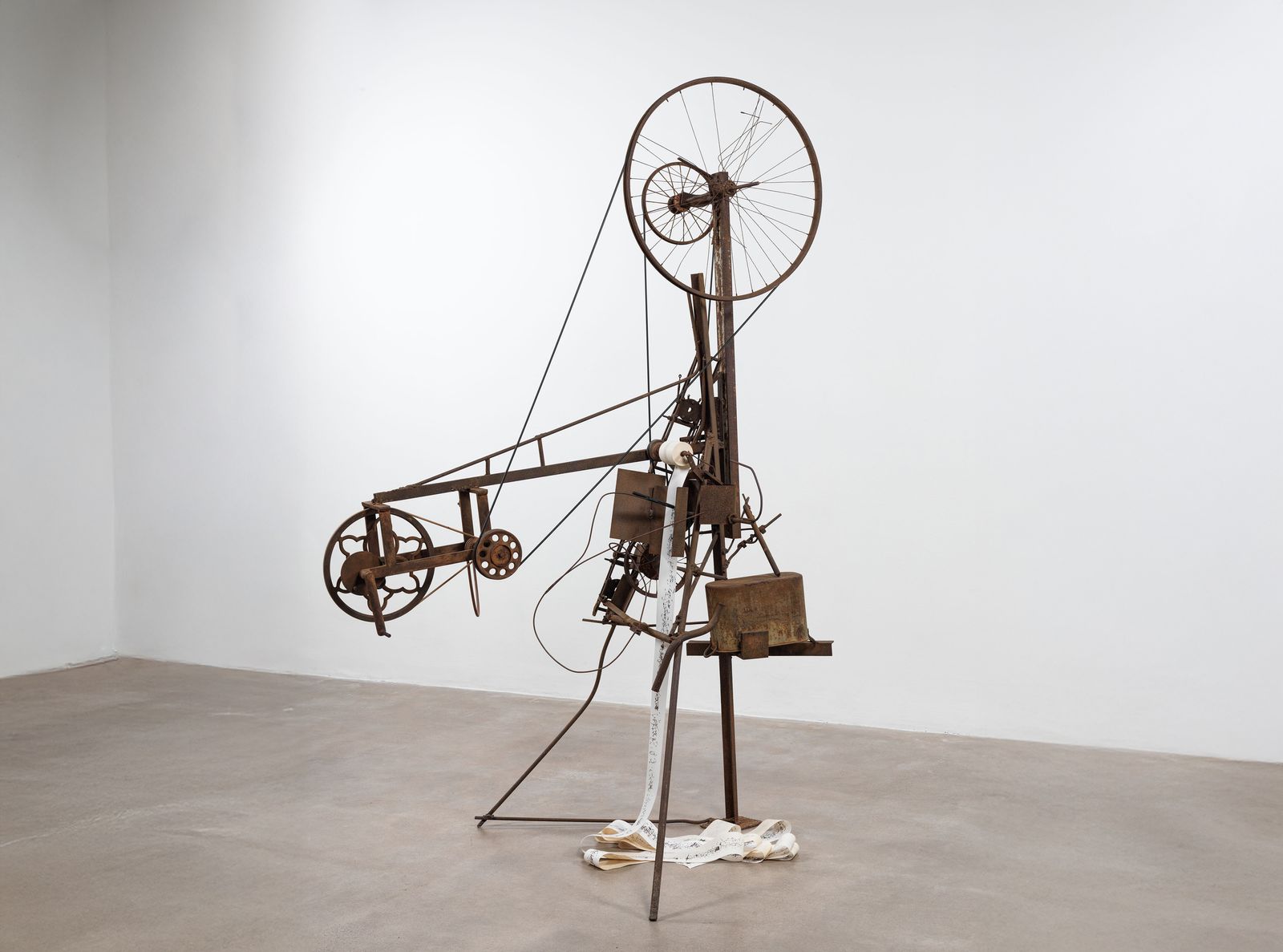
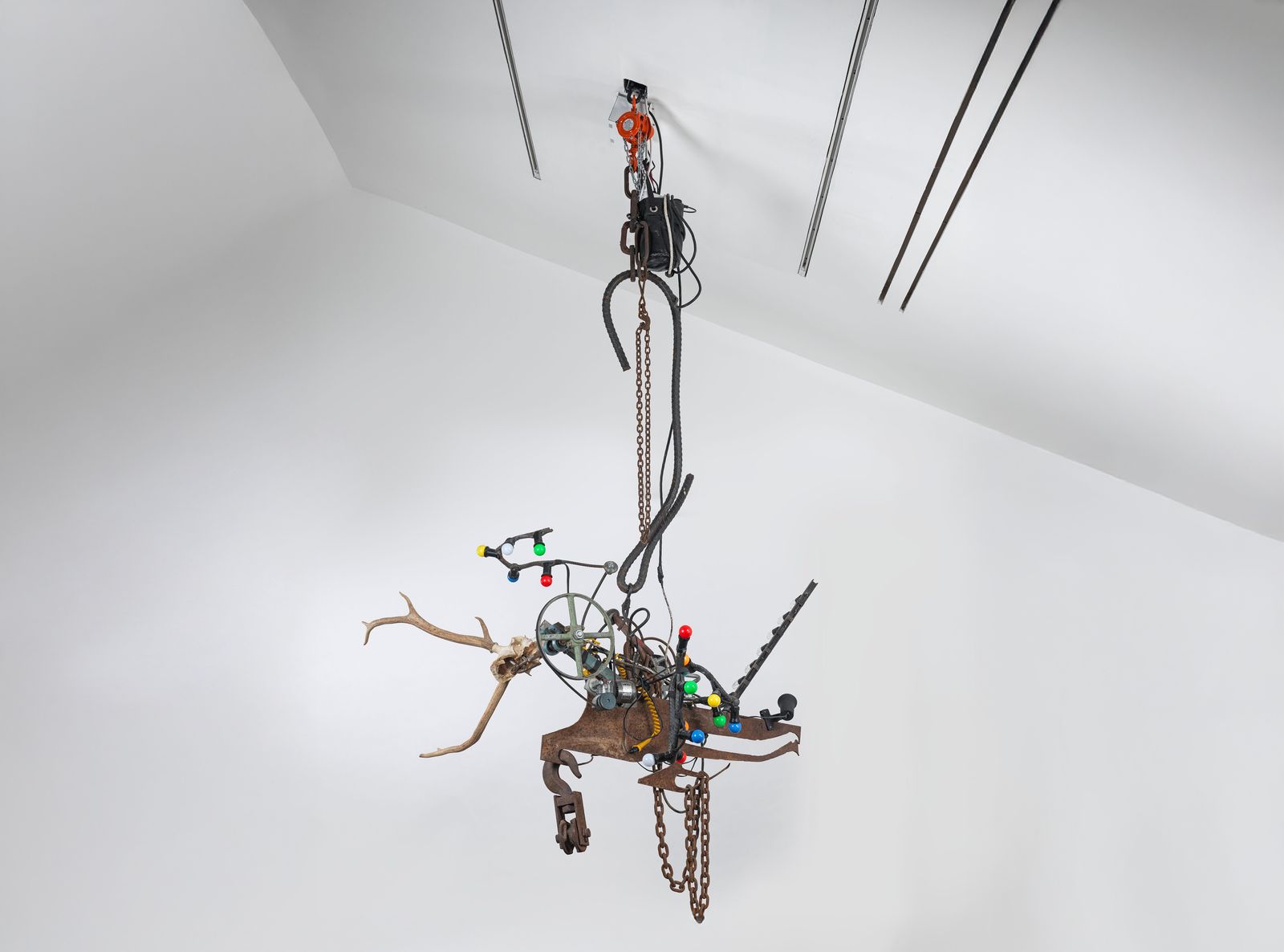
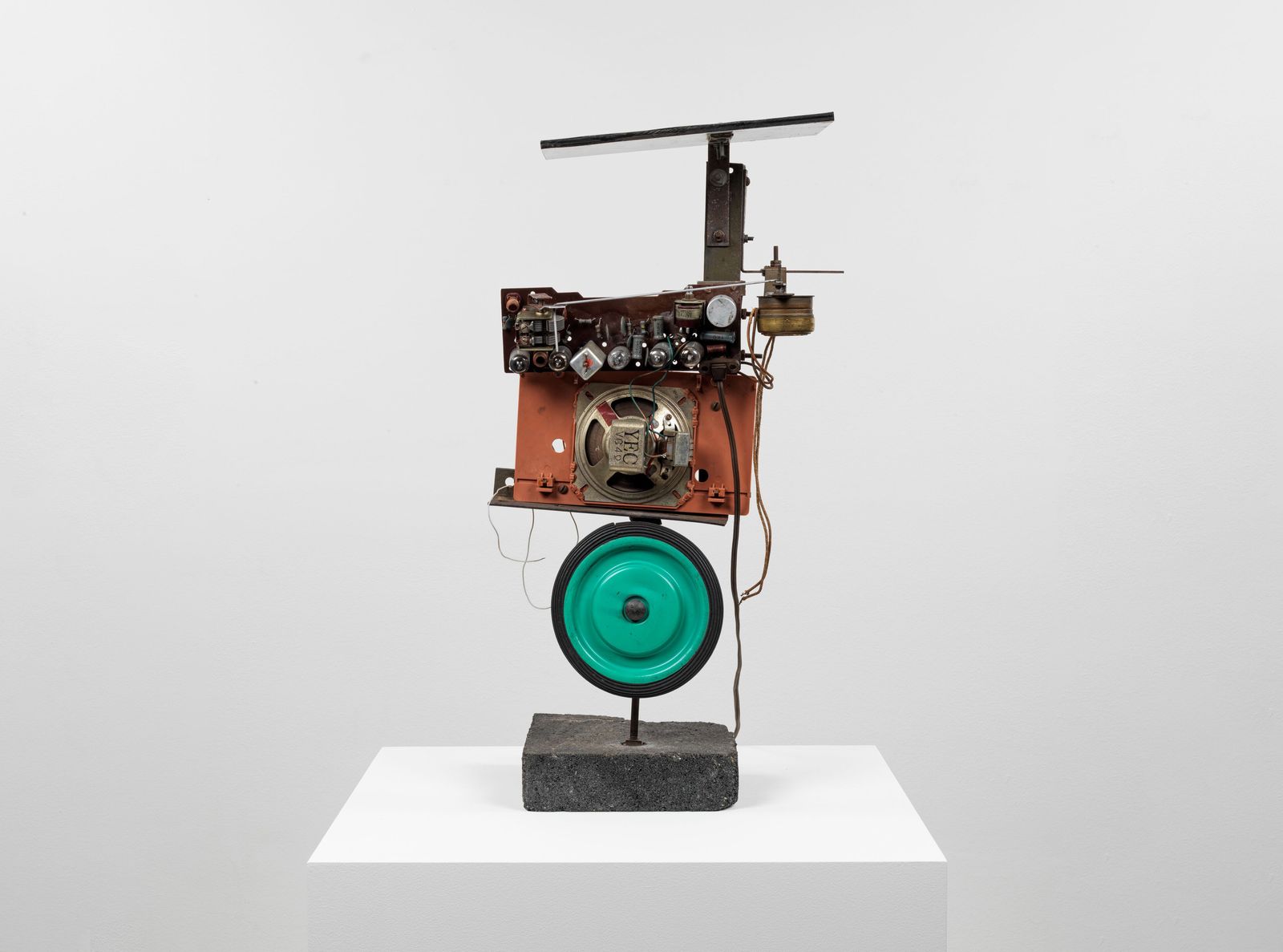
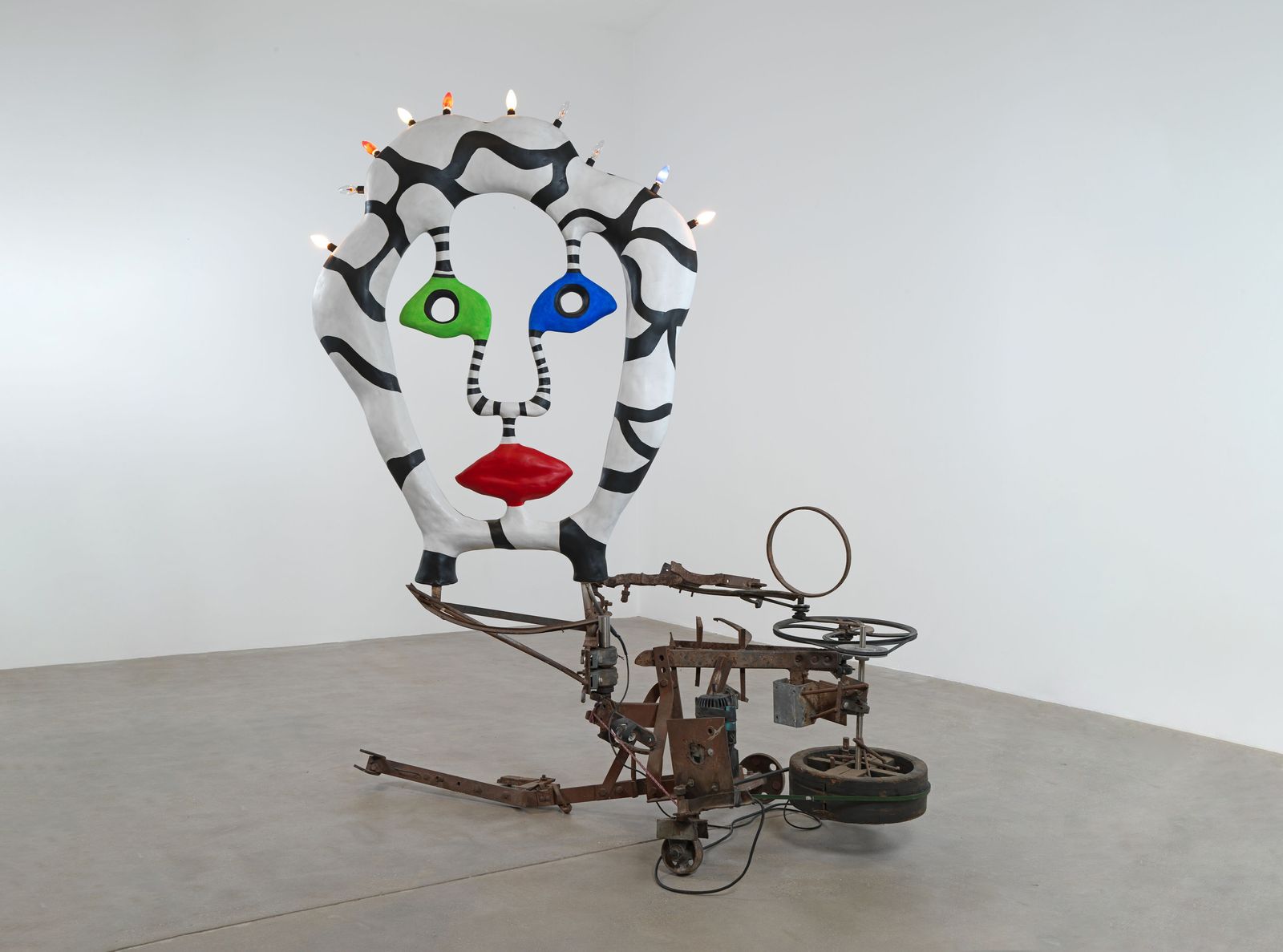
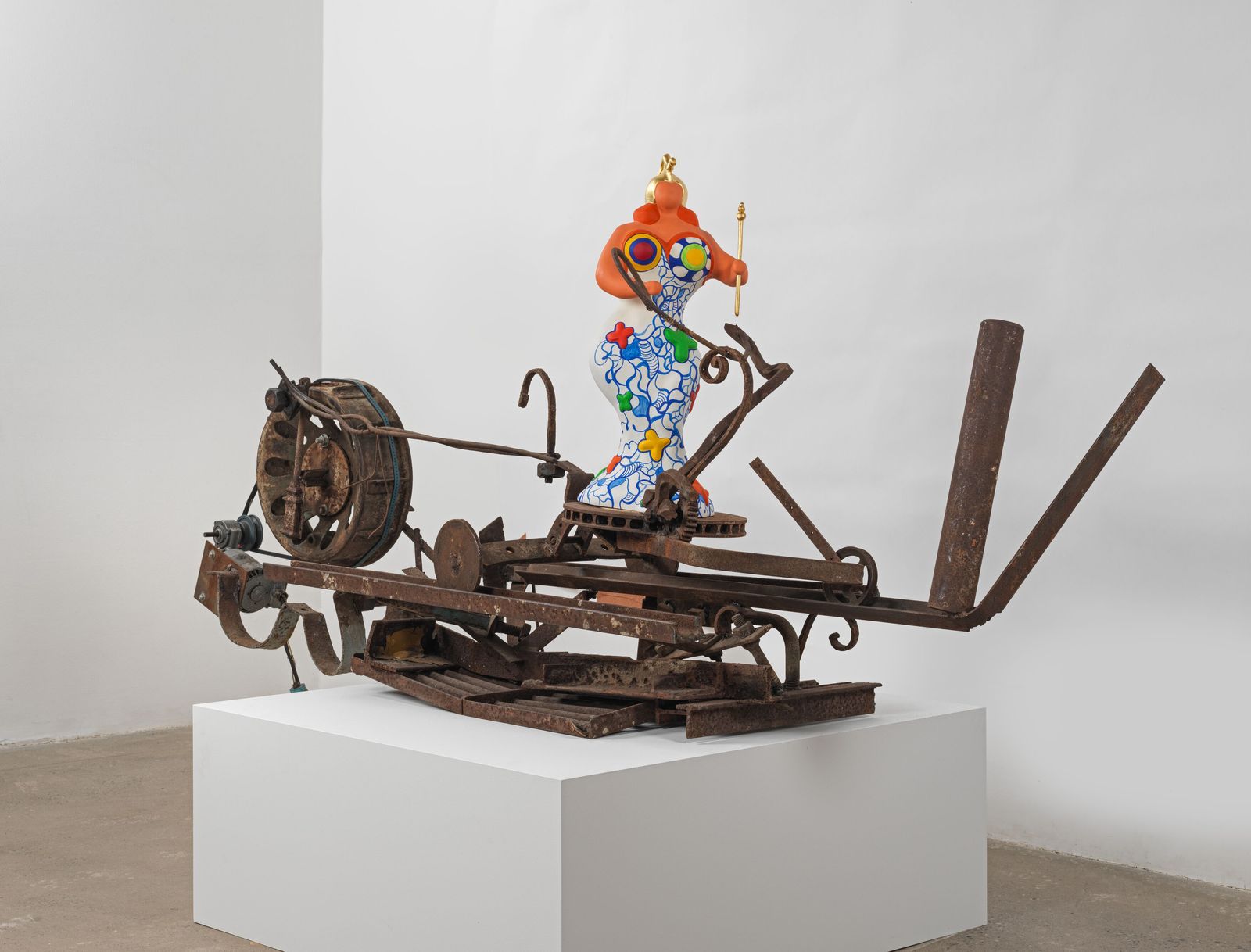
French artist Saint Phalle (1930–2002) is paired with her collaborator and husband, Swiss sculptor Jean Tinguely (1925–1991), in the U.K.’s first exhibition dedicated to the couple’s work, Myths & Machines, which celebrates the centenary of Tinguely’s birth. Playfulness and spirited rebellion unite their distinctly different visual languages and partnership.
Saint Phalle’s early life was shaped by a strict Catholic upbringing and an abusive father, and, while brought up mainly in New York, she regularly visited relatives in France. She had no formal art education, was married at 18, and, by the time she met Tinguely in Paris in 1956, was mother to two children. Tinguely was also married to fellow artist Eva Aeppli, with whom he had a daughter. Saint Phalle and Tinguely soon began a creative partnership that lasted more than three decades, eventually marrying in 1971, although they separated just two years later.
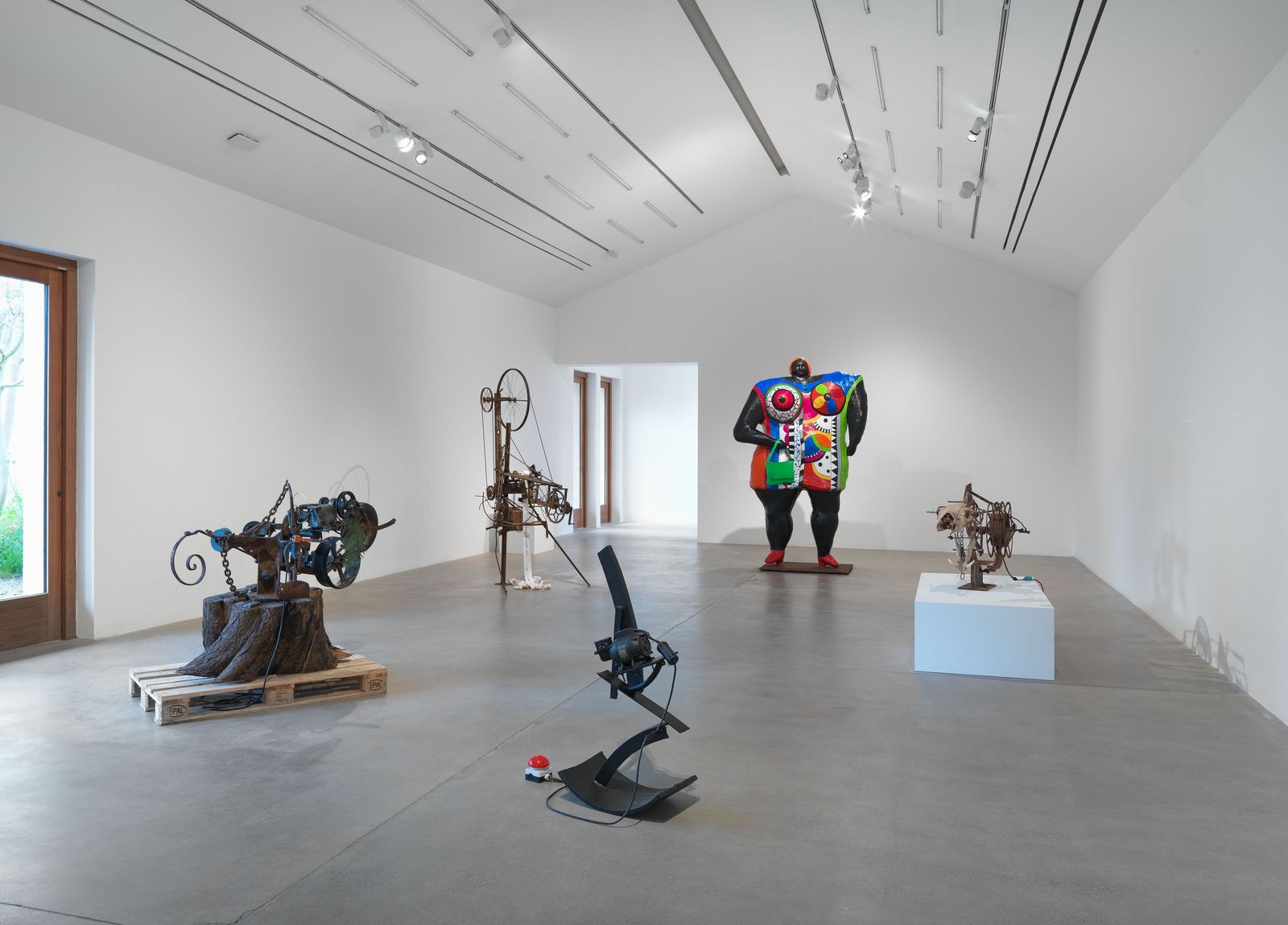
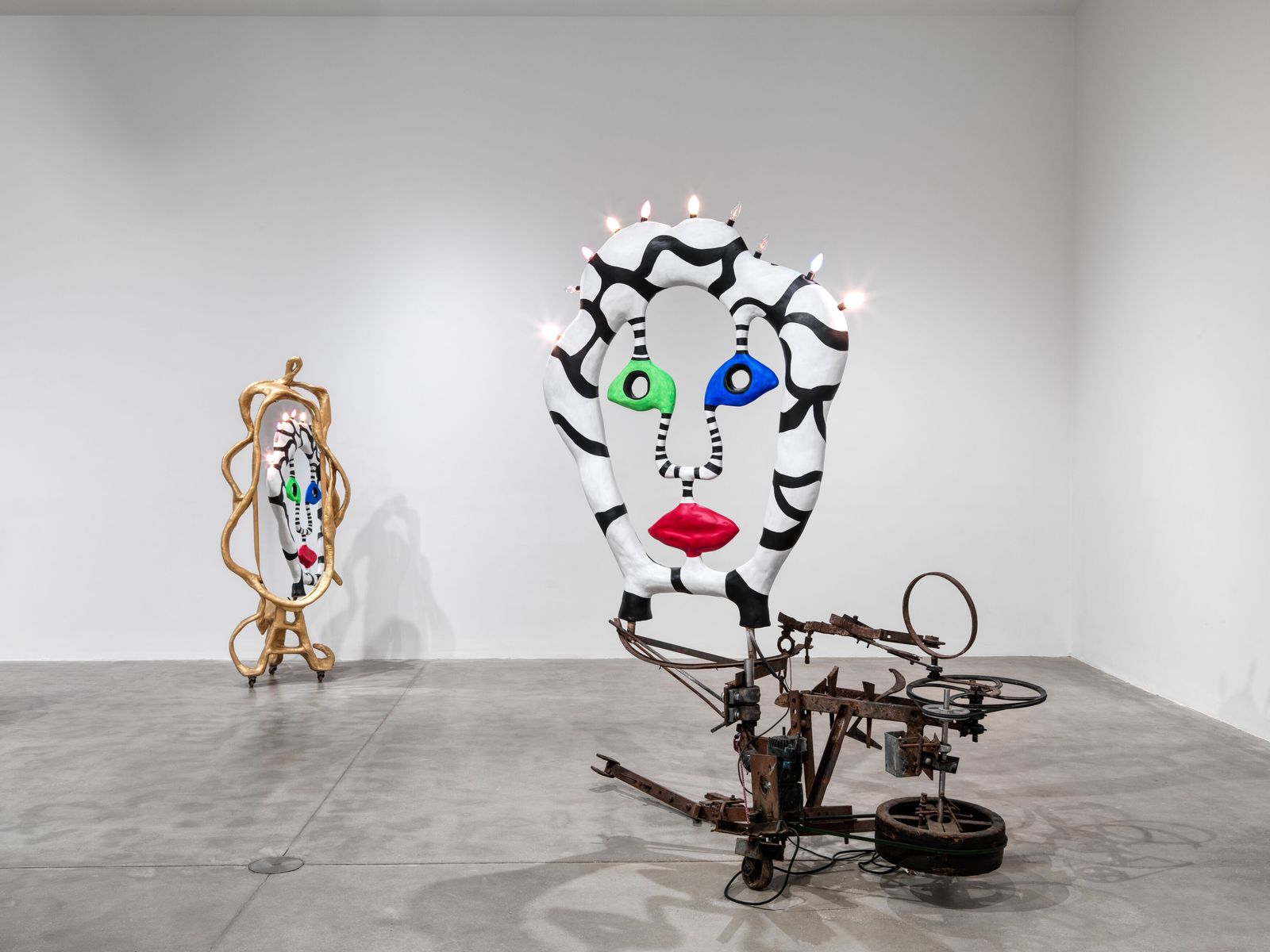
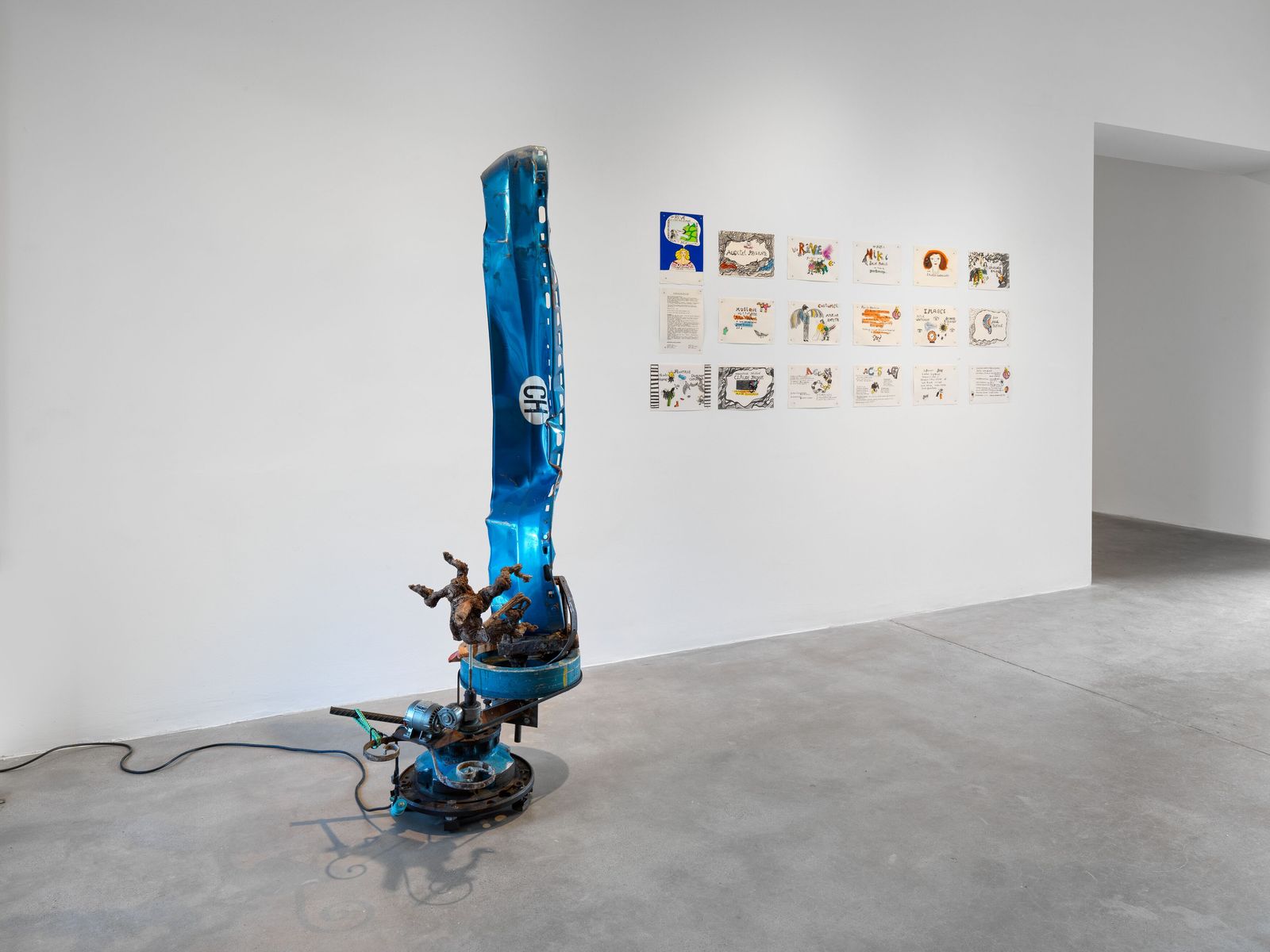
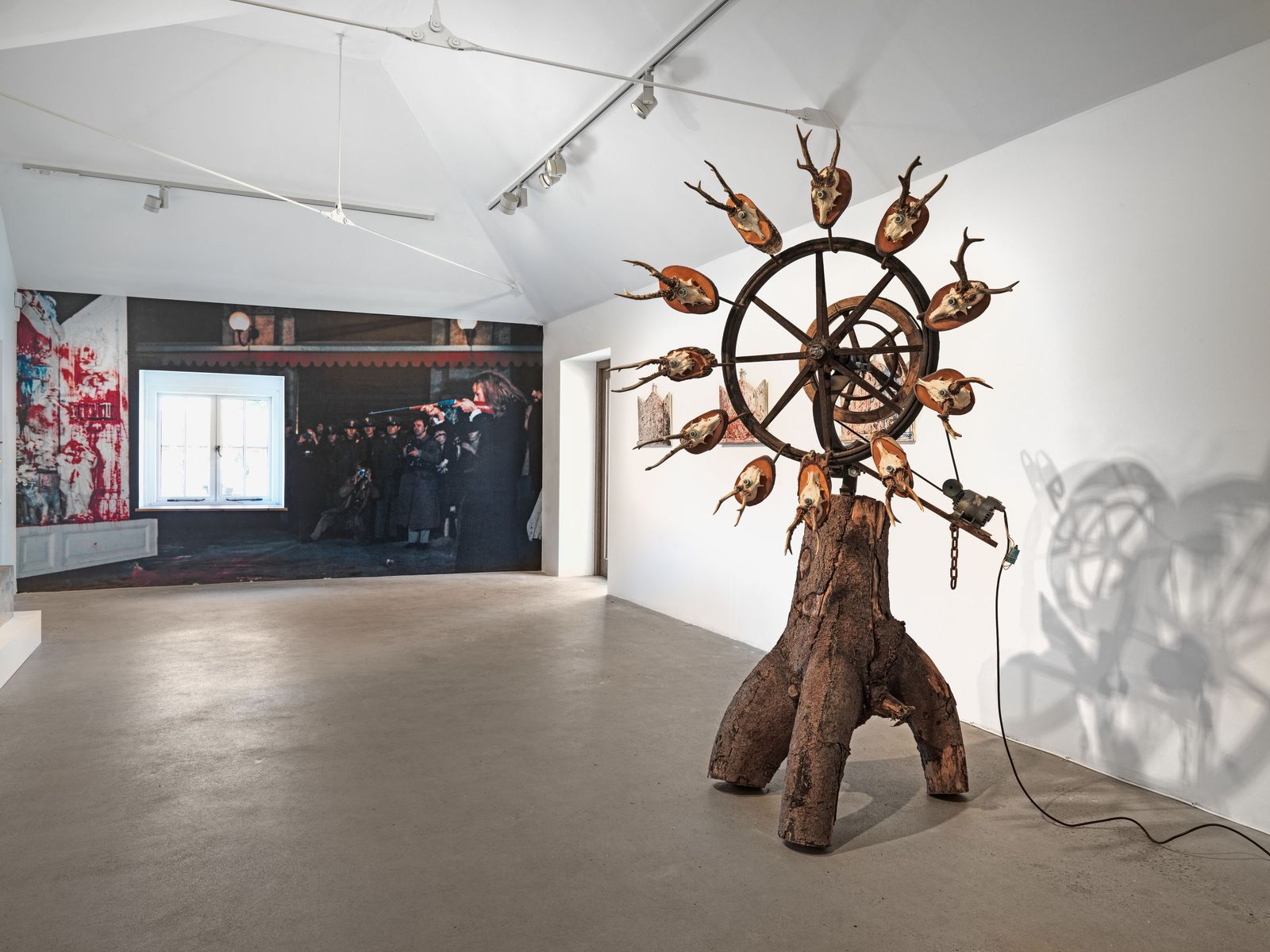
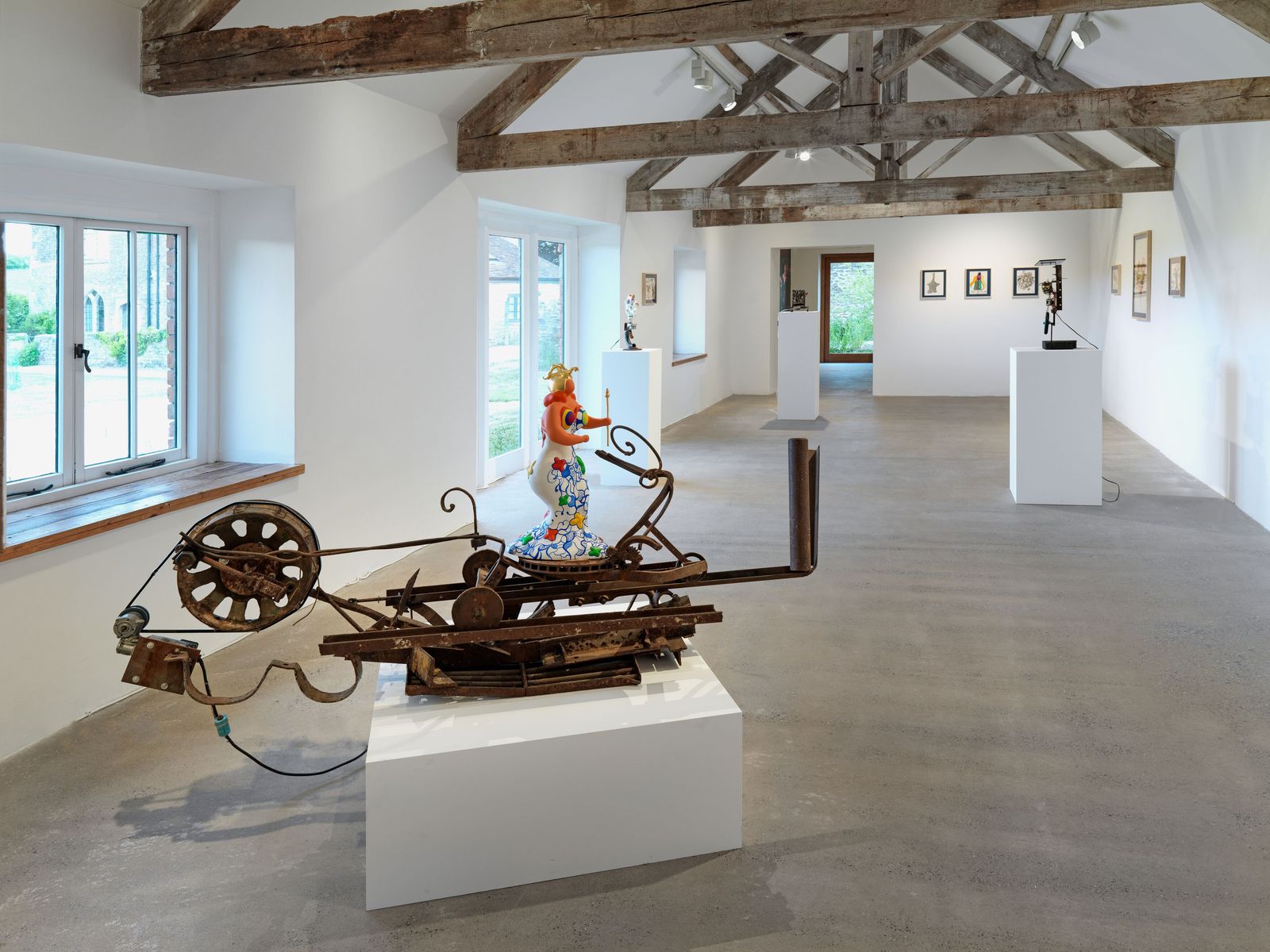
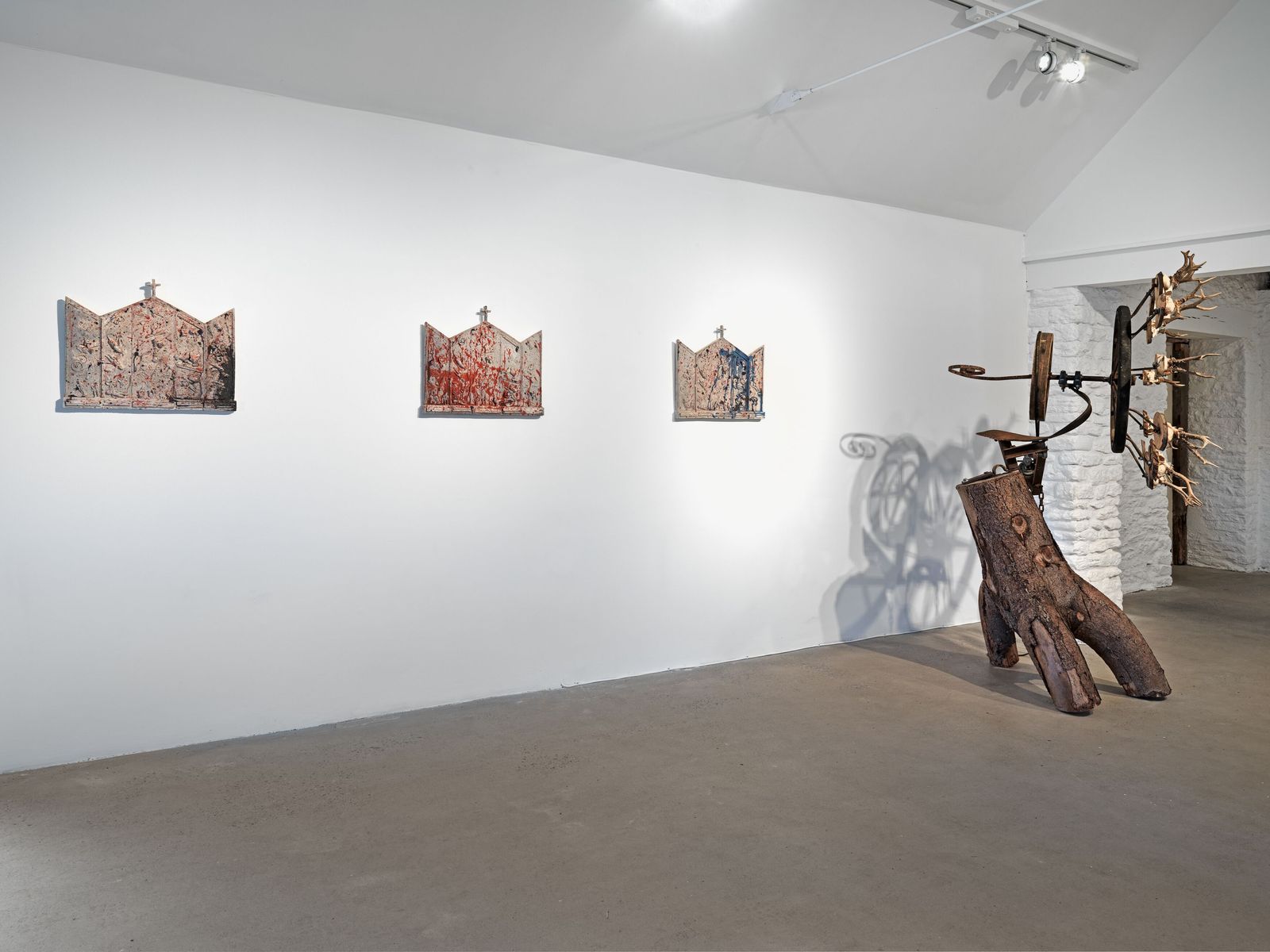
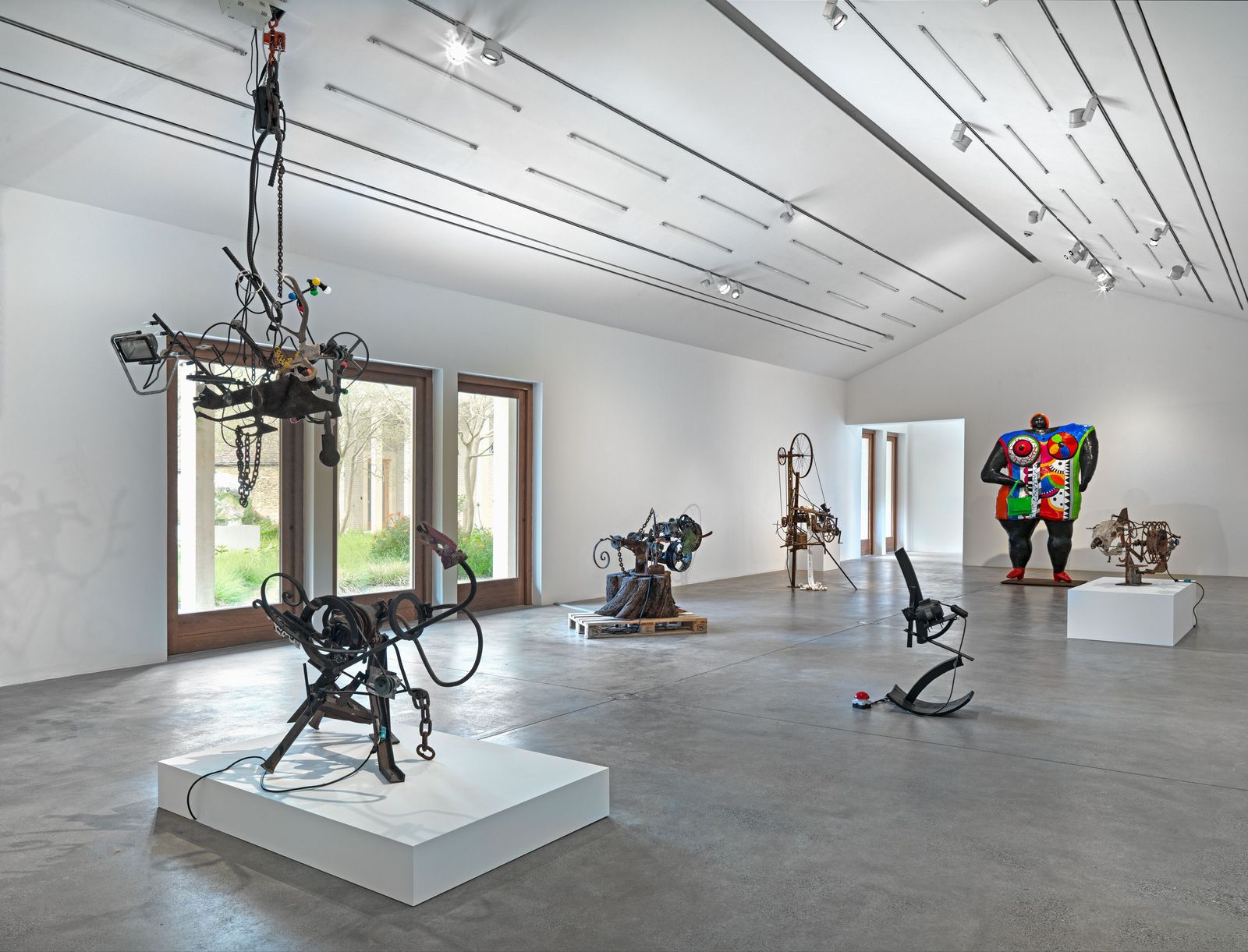
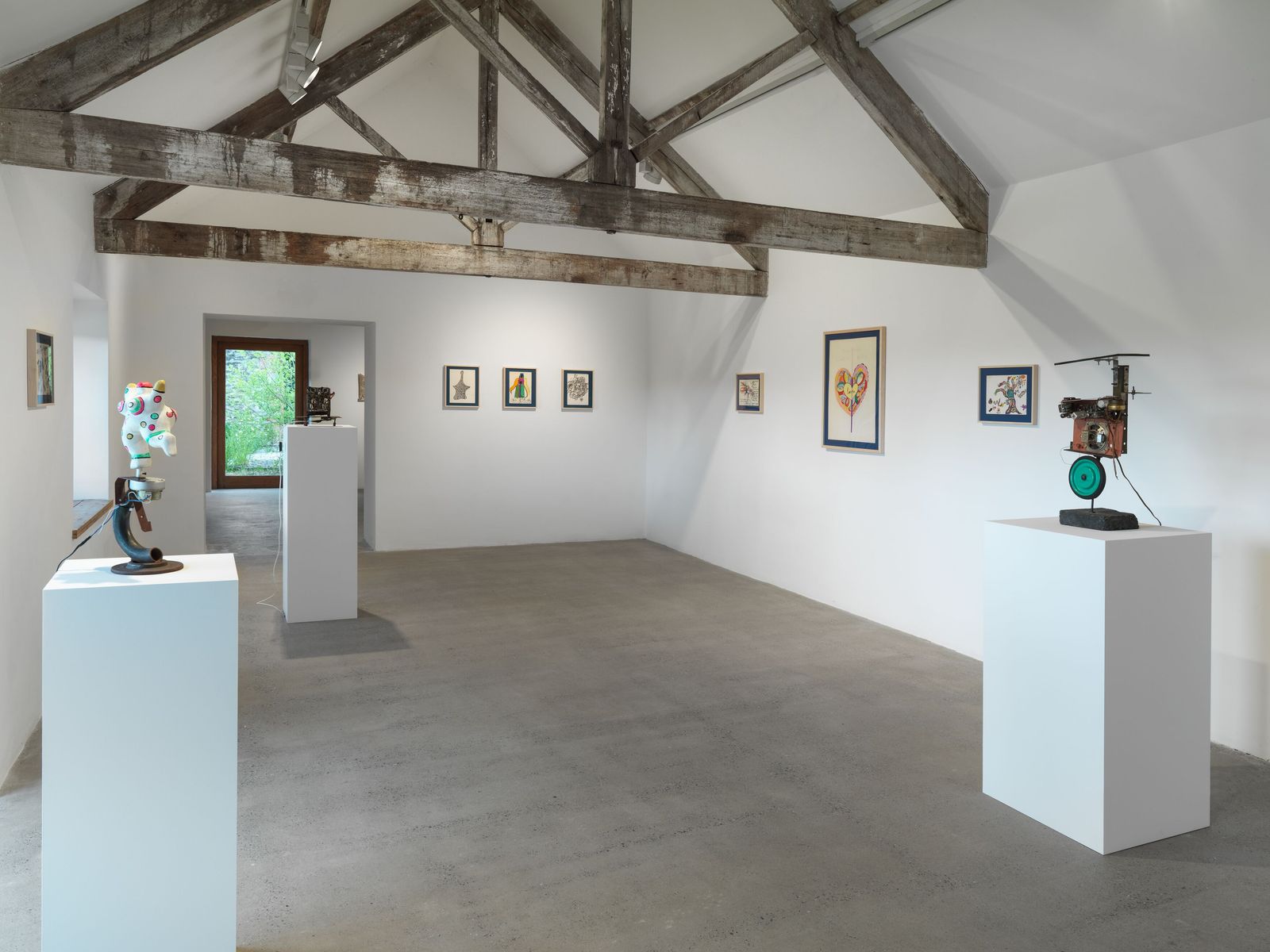
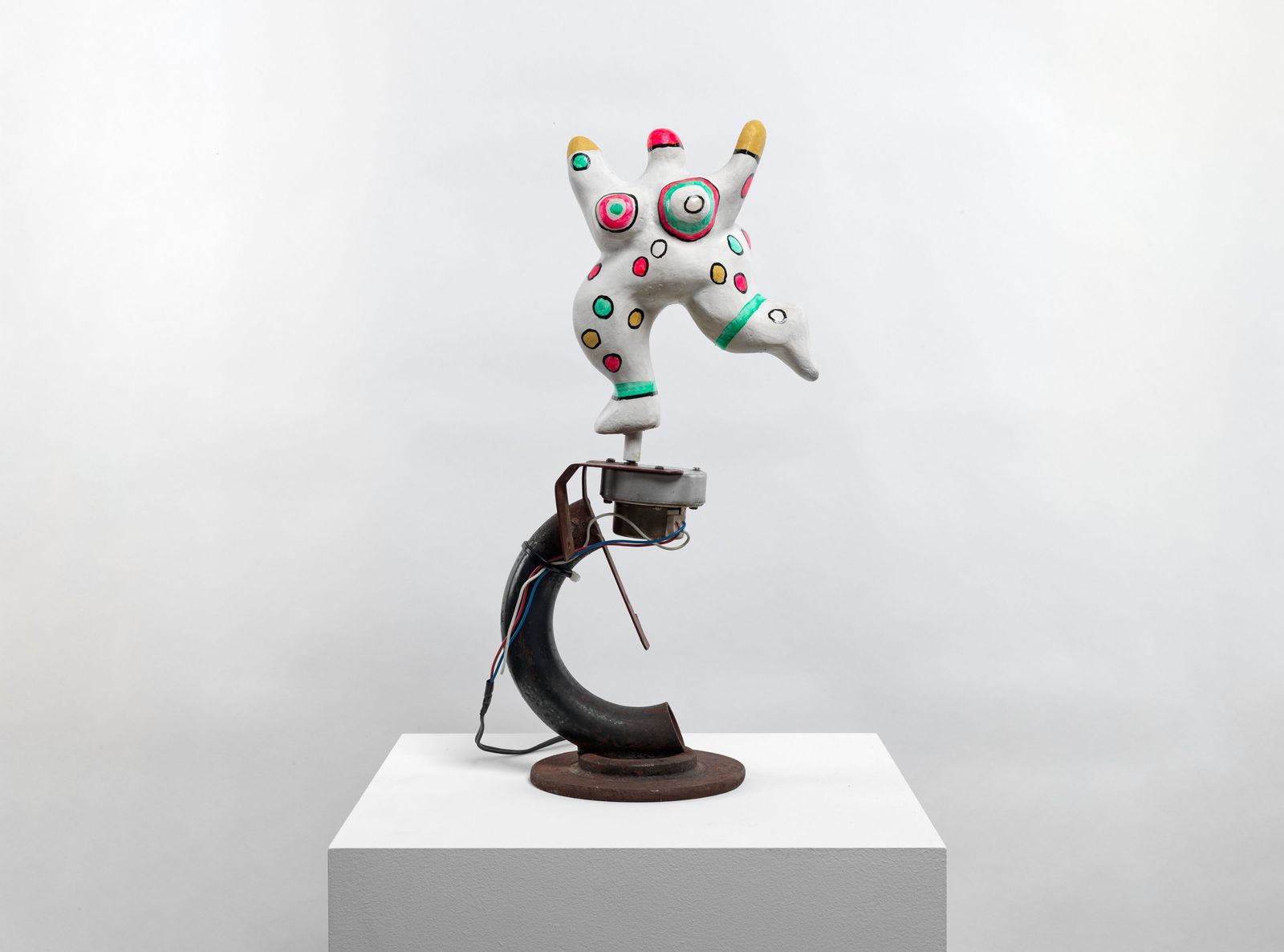
Tinguely is known for his kinetic, scrap-metal sculptures and drawing machines, which are displayed across the gallery floors; periodically, half a dozen of them motor into life. Their smaller scale (in comparison to Saint Phalle’s works, although Tinguely created huge contraptions, too) and the materials from which they are made—rusted metal cogs and wheels, chains and bars, shovels and horse shoes, combined with assorted animal skulls—suit the gallery’s rural setting, recalling abandoned farm machinery and makeshift scarecrows. For Tinguely, the circular movement of the wheel held the promise of continuous renewal. In Le Cercle Infernal de la Mort (The Infernal Circle of Death, 1990), a wheel of roebuck skulls slowly rotates on its tree-trunk plinth, casting twisting phantasmagorical shadows on whitewashed walls.
%20color%20web%20hires_1600_1268.jpg)
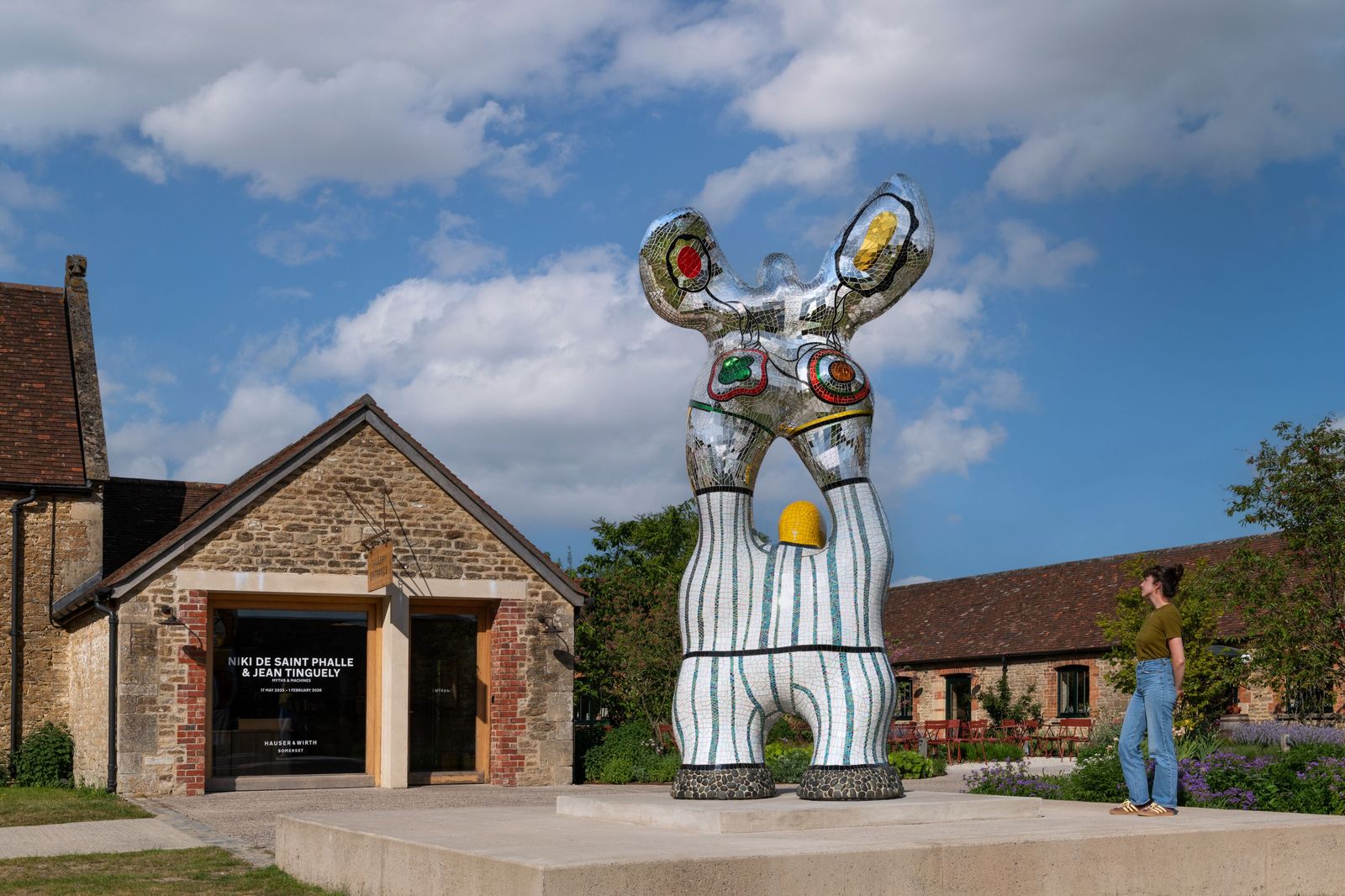
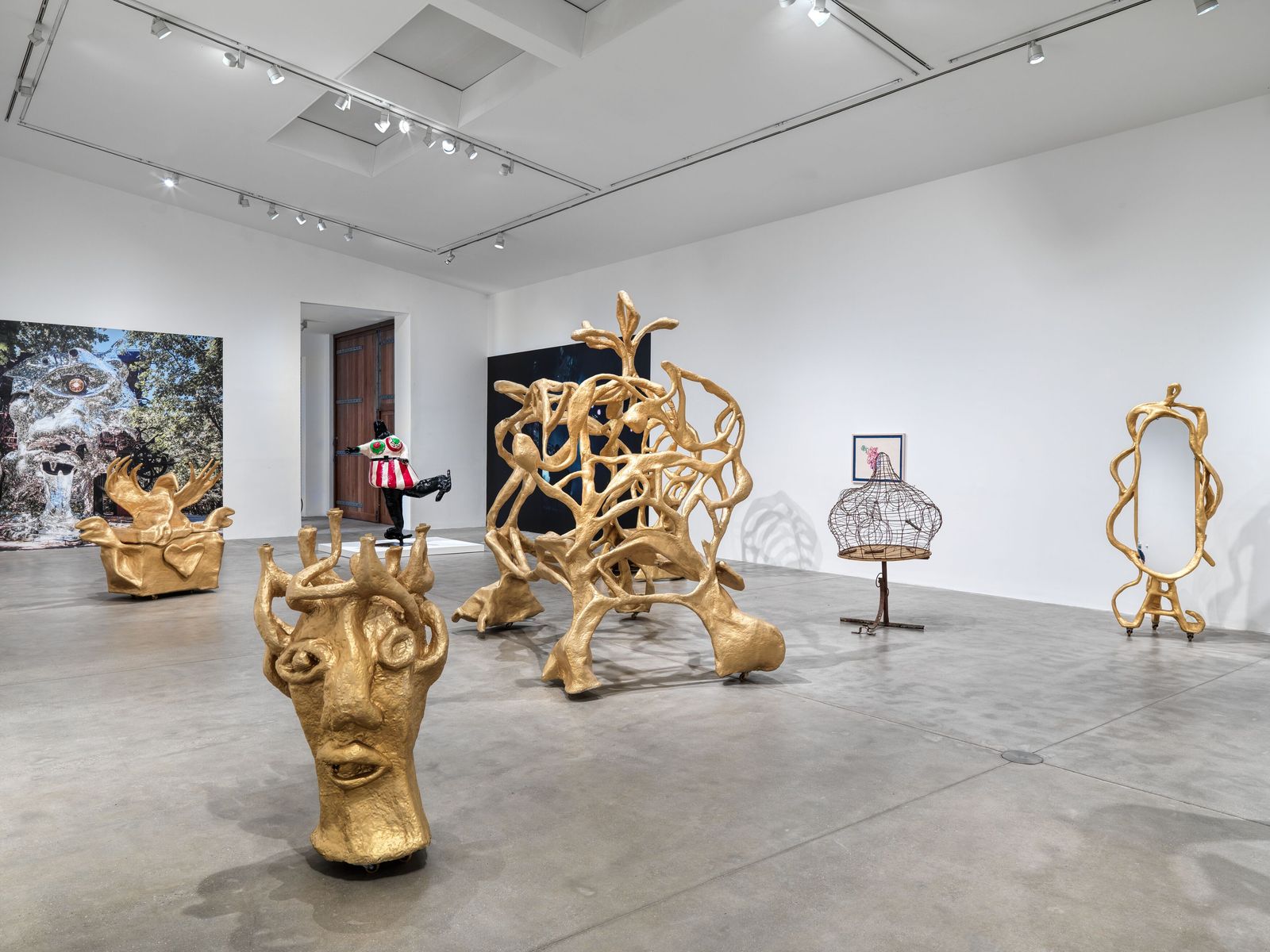
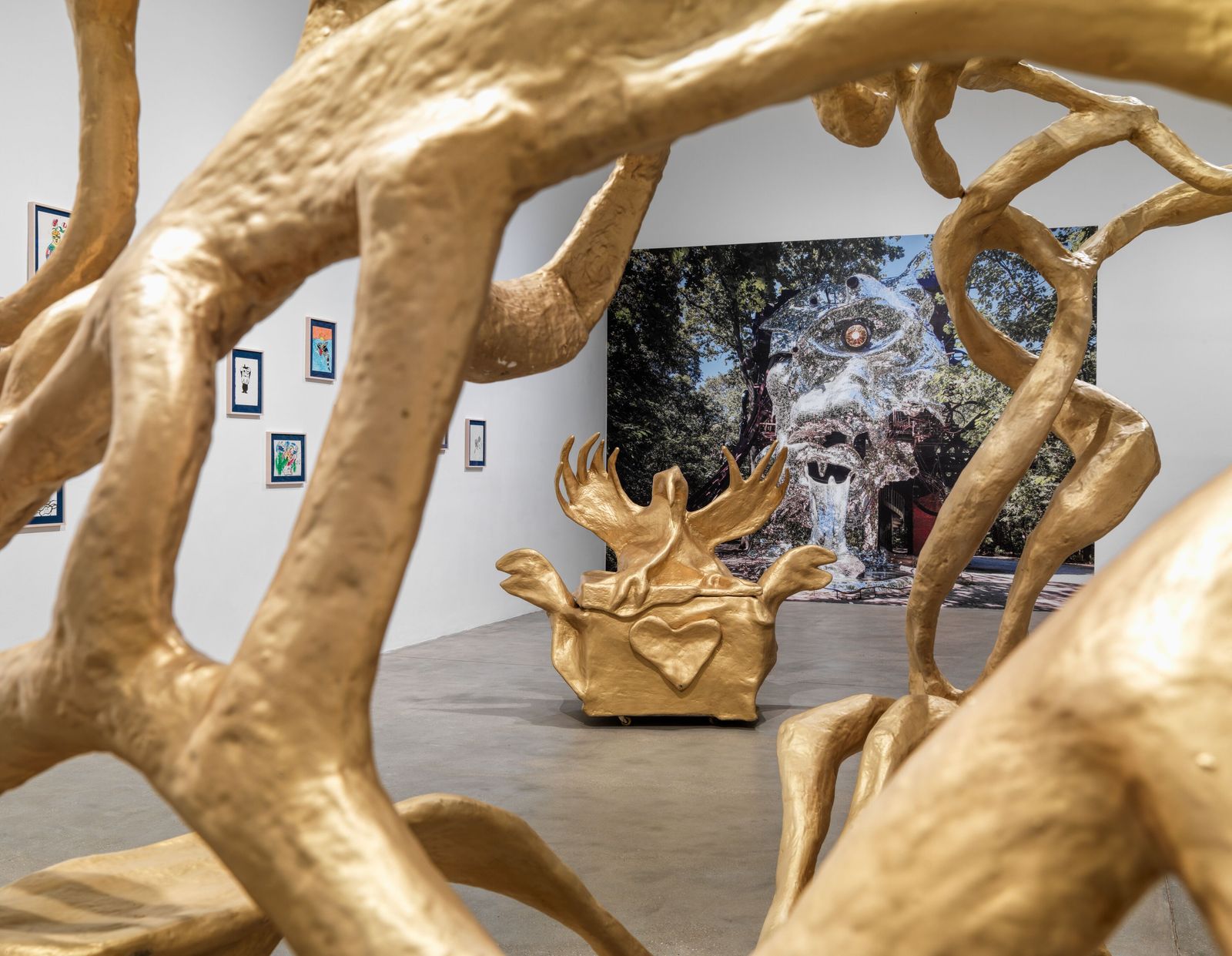
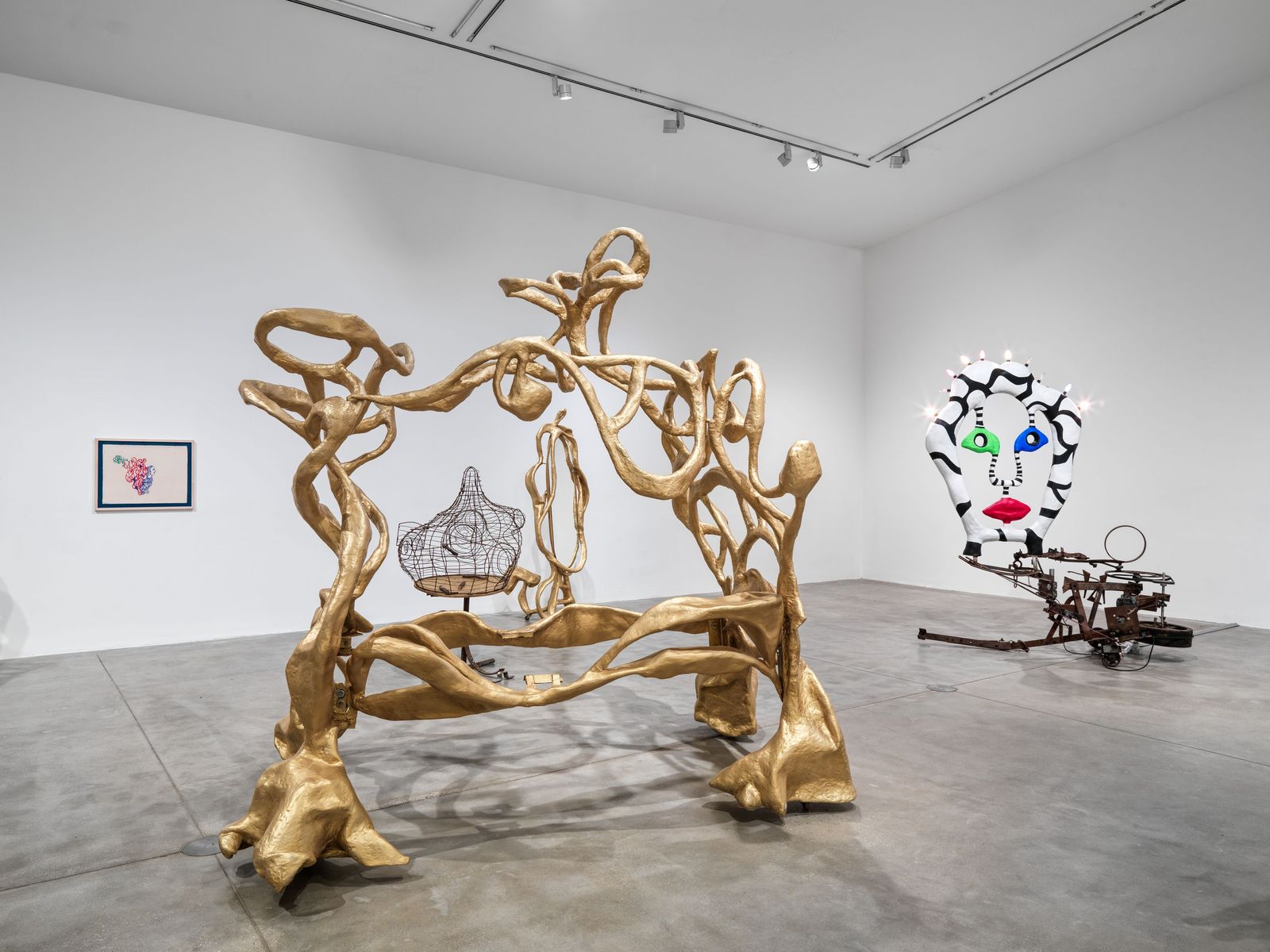
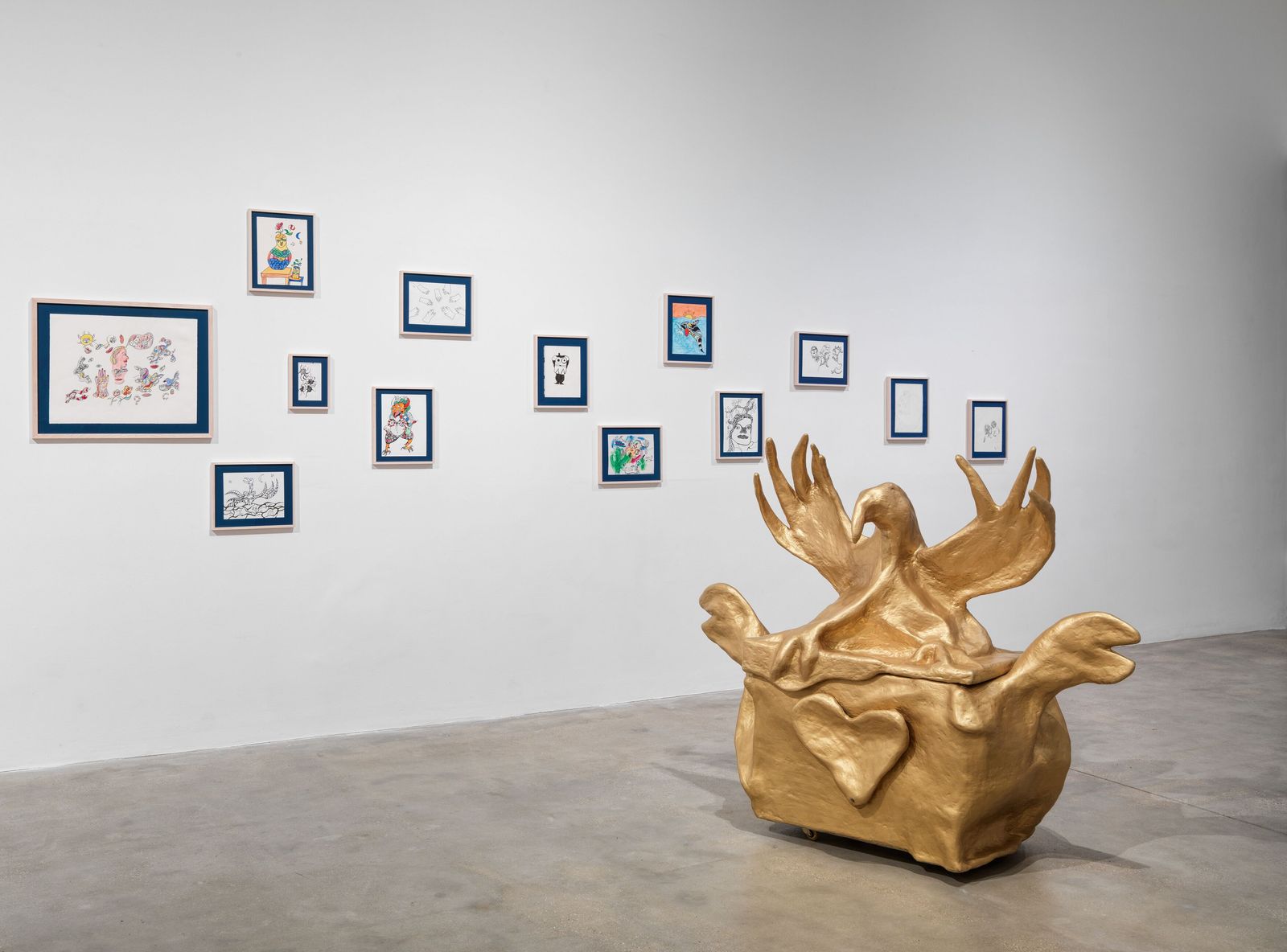
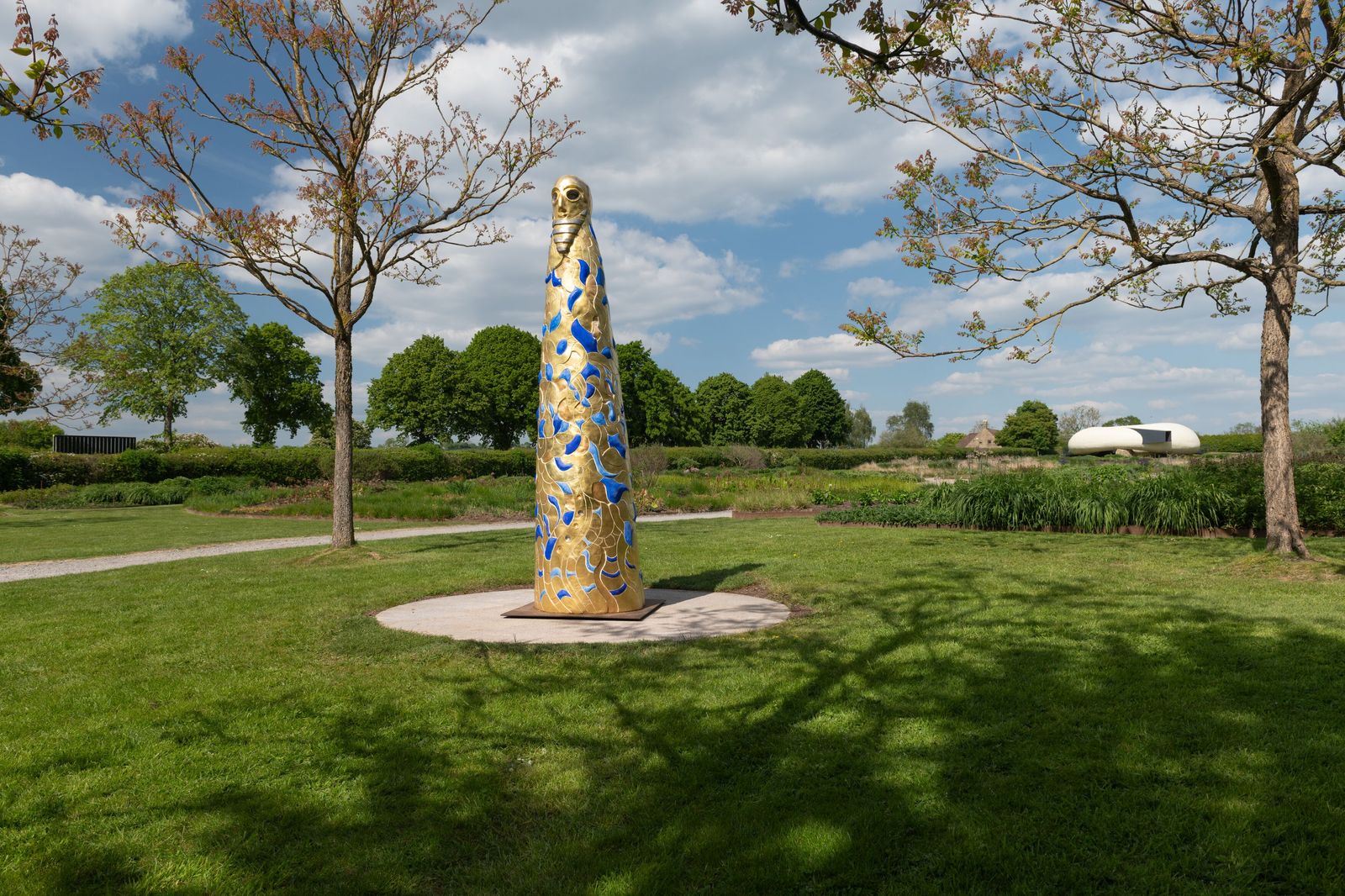
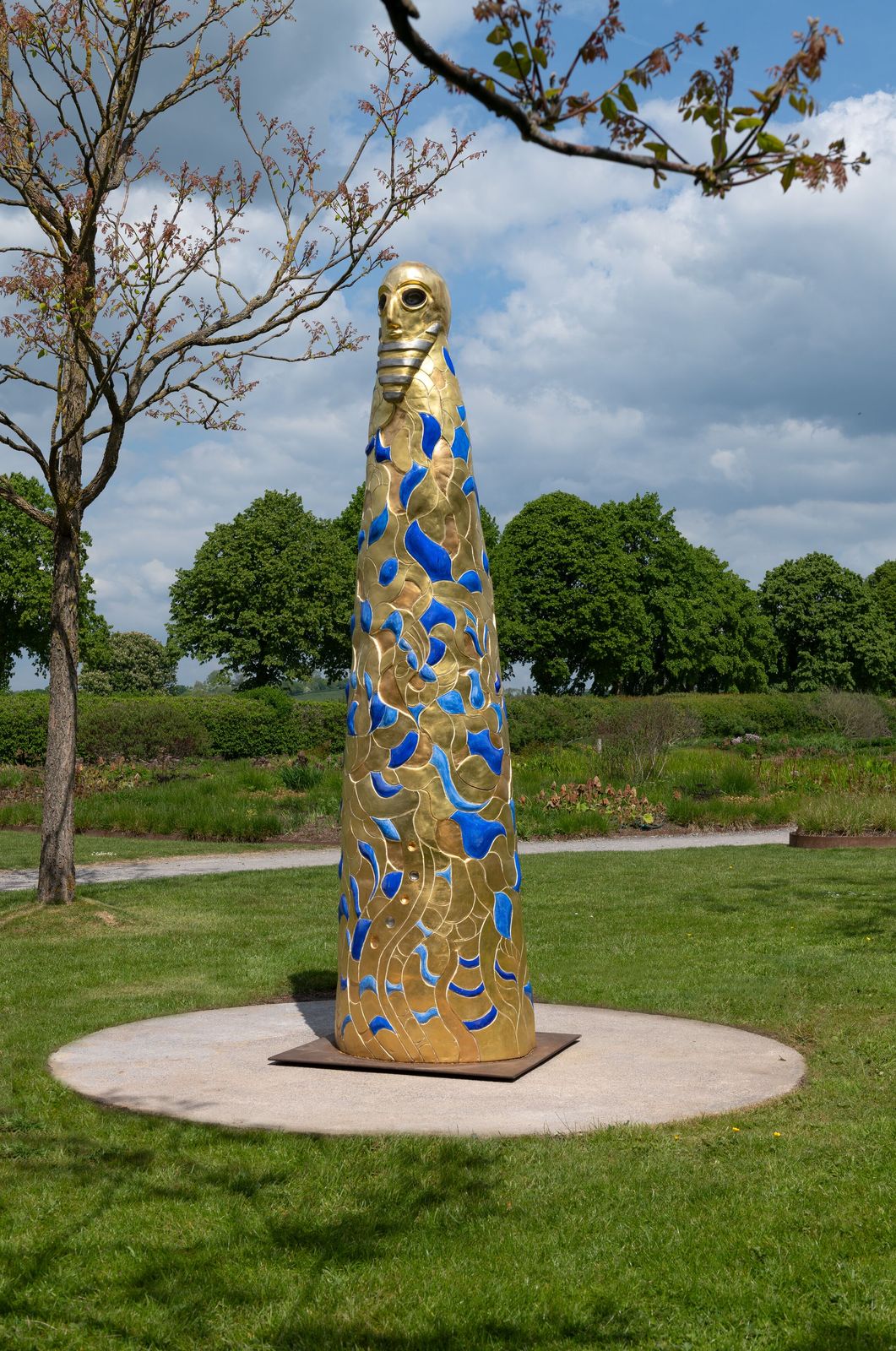
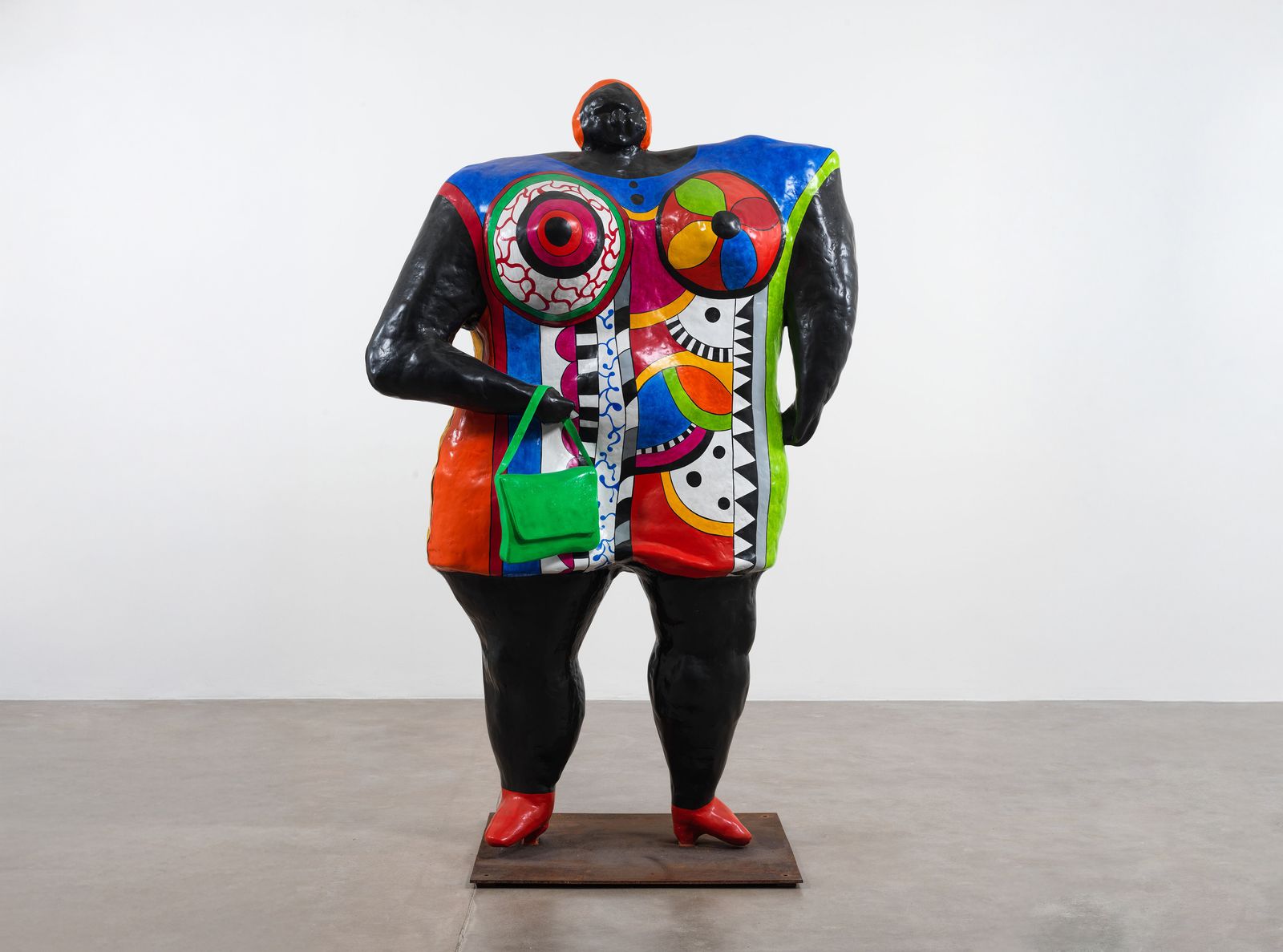
Dominant and full of life are Saint Phalle’s large, brightly coloured women with their stripes and circle circus patterns. In one room, they give way to buttery-gold furniture props that the artist made for her fairytale film Un Rêve Plus Long que La Nuit (A Dream Longer than the Night, 1976). The sinuous, writhing forms of Bougeoir (Candlestick, 1974), Miroir (Mirror, 1974), Trône (Throne, 1974), and Lit (Bed, 1974) delighted her granddaughter, Bloum Cardenas, who remembers sleeping in the bed as a child.
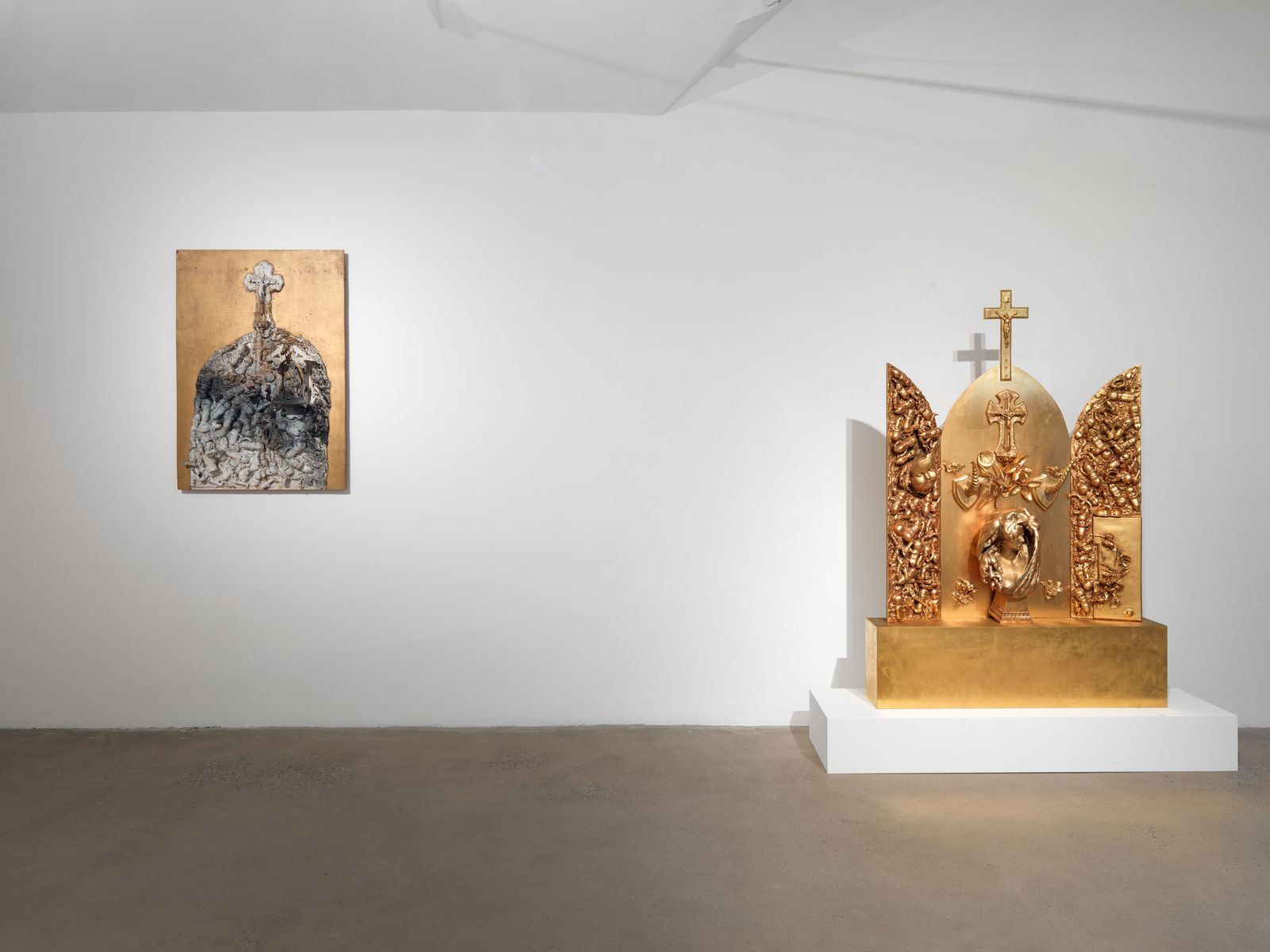
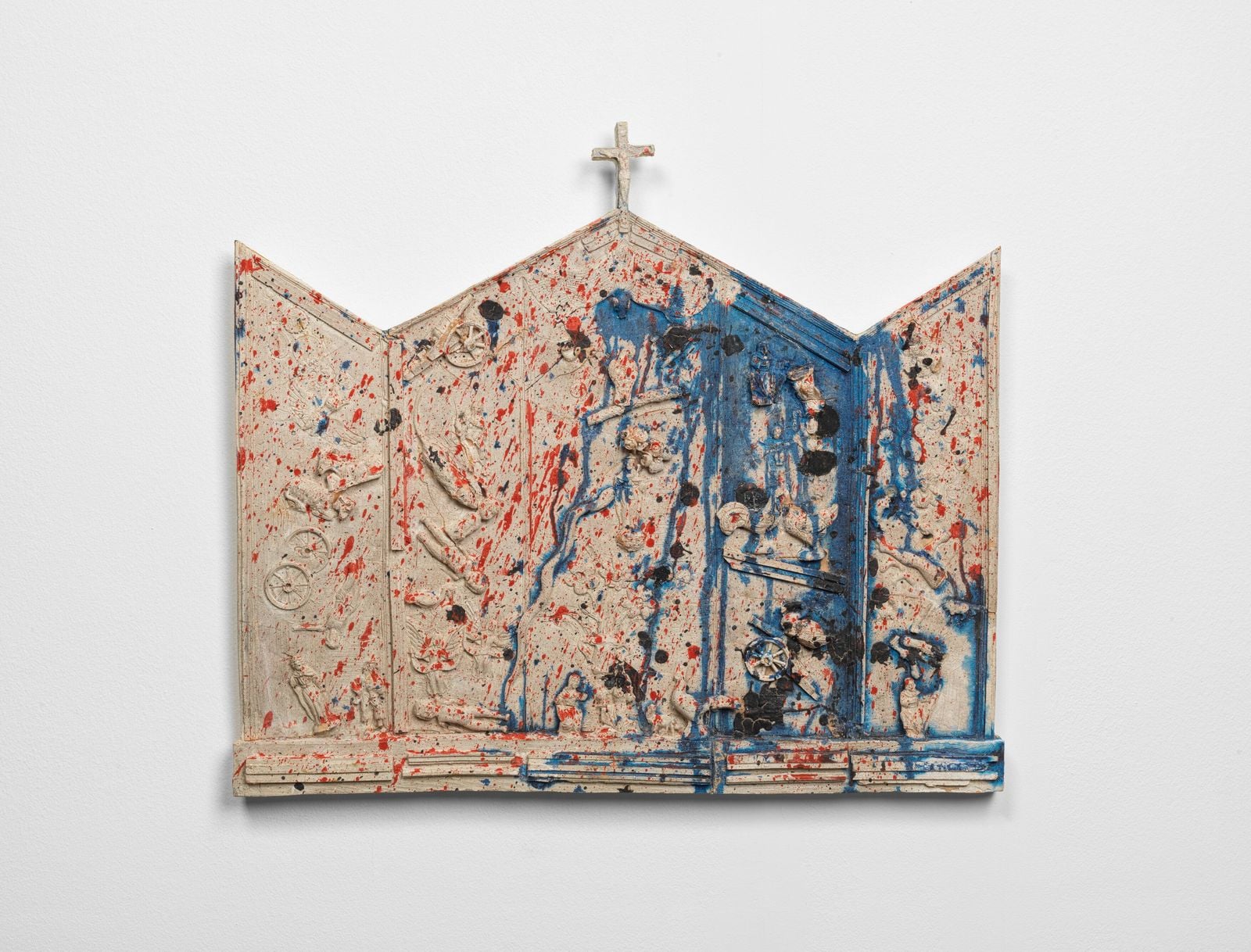
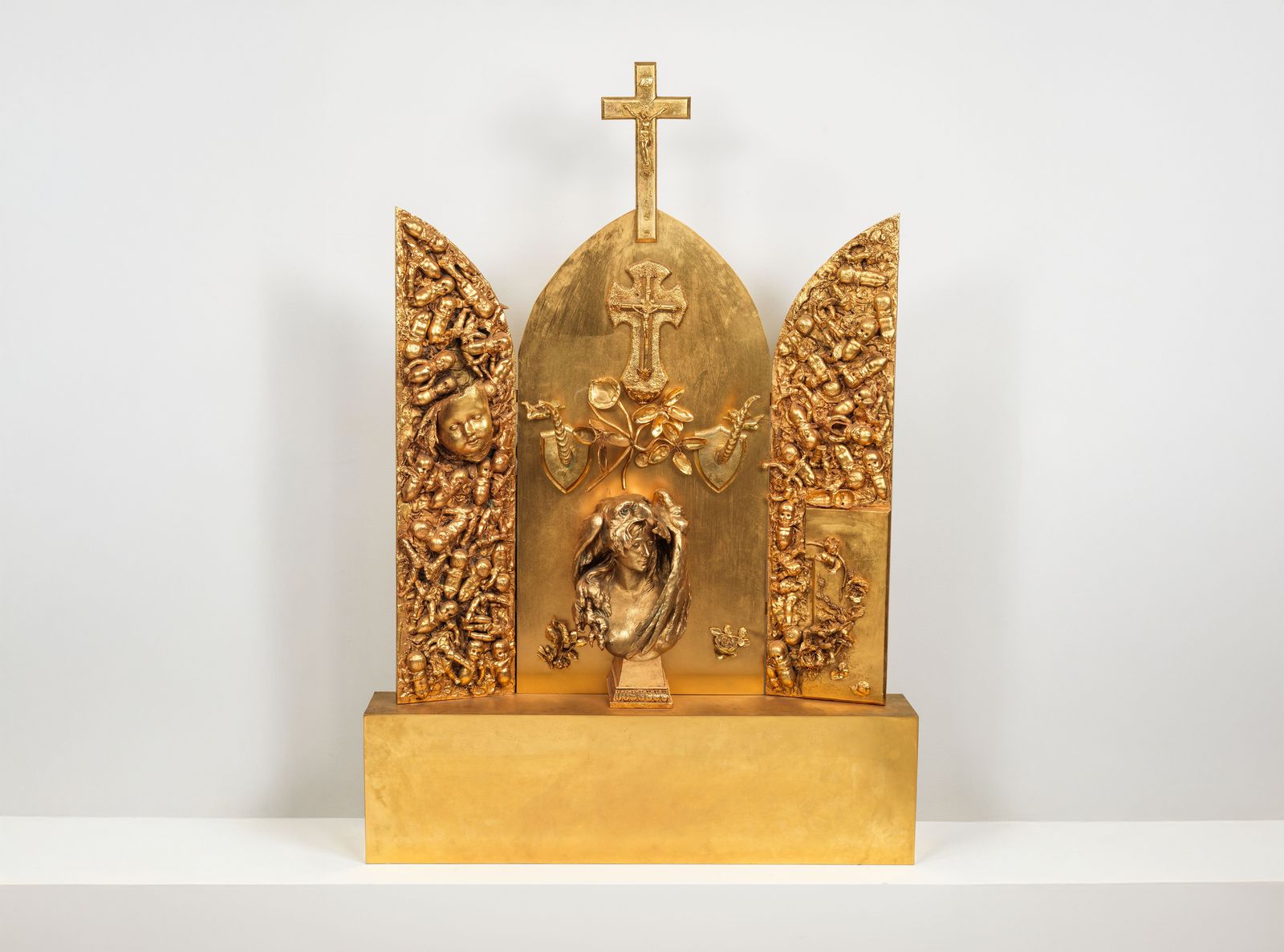
In complete contrast are the ‘Shooting Paintings’, a series begun in 1961, in which Saint Phalle cocked a rifle at bags of paint embedded in the canvas, sometimes inviting the audience or artists such as Robert Rauschenberg and Jasper Johns to take aim. The resultant puncturing of the bags sent splatters of pigment streaming across the artwork’s surface. At Hauser & Wirth, the resin wall reliefs are shaped like small altars; their defilement both a cathartic reaction to the political violence of the age and the personal violence of the artist’s upbringing.
Both Tinguely and Saint Phalle used destructive processes to celebrate individual freedom and to convey a sense of anarchy. My visit to the exhibition was curtailed by the shriek of a fire alarm sounding through the galleries, followed by the rush of everyone outside to the carpark. Saint Phalle and Tinguely would surely have approved. —[O]
Niki de Saint Phalle and Jean Tinguely: Myths & Machines is on view at Hauser & Wirth Somerset from 17 May 2025 through 1 February 2026.
Main image: Exhibition view: Niki de Saint Phalle and Jean Tinguely, Myths & Machines, Hauser & Wirth, Somerset (17 May 2025–1 February 2026). © Niki Charitable Art Foundation. All rights reserved, DACS 2025. © Jean Tinguely, DACS 2025. Courtesy the artists and Hauser & Wirth. Photo: Ken Adlard.
%20hires_1141_1600.jpg)



A respected voice in contemporary art discourse.
Focusing on ambitious storytelling and insightful art-world commentary. Ocula Magazine publishes in-depth interviews, critical essays and timely analysis on the artists, exhibitions and ideas driving the global art world.
Learn more about Ocula Magazine
Showcasing the best of the art world.
Ocula partners with galleries from around the world to highlight their artists, artworks and exhibitions. Gallery membership is by application and invitation, with each member vetted by an independent panel.
Learn more about Ocula Membership
Specialises in the sale of major artworks.
Led by a team with deep ties to the world’s leading auction houses, galleries and collectors. Ocula’s advisory team offers bespoke services to high-net-worth clients from around the world who are looking to acquire the best of contemporary and modern art.
Learn more about our team and services