






Blurred Vision
David Armstrong’s wilfully out‑of‑focus still life images and formal portraits were his way of connecting with the world, spanning his lifelong friendship with Nan Goldin and a later foray into fashion editorial. Save to My OculaWhen the photographer David Armstrong died in 2014, aged just 60, there was not yet a collective understanding of the contours and legacies of his practice. Some would only have known his work through Vogue fashion editorials and early-2000s brand campaigns for the likes of Burberry. But more than a decade after his death, a wave of projects is revisiting and re-evaluating his life and work. In 2024, Matte Editions published David Armstrong: Fashion, bringing new attention to his commissions for magazines and brands, and Kunsthalle Zürich created a major travelling exhibition that coincided with Mack Book’s catalogue of his previously unpublished contact sheets.
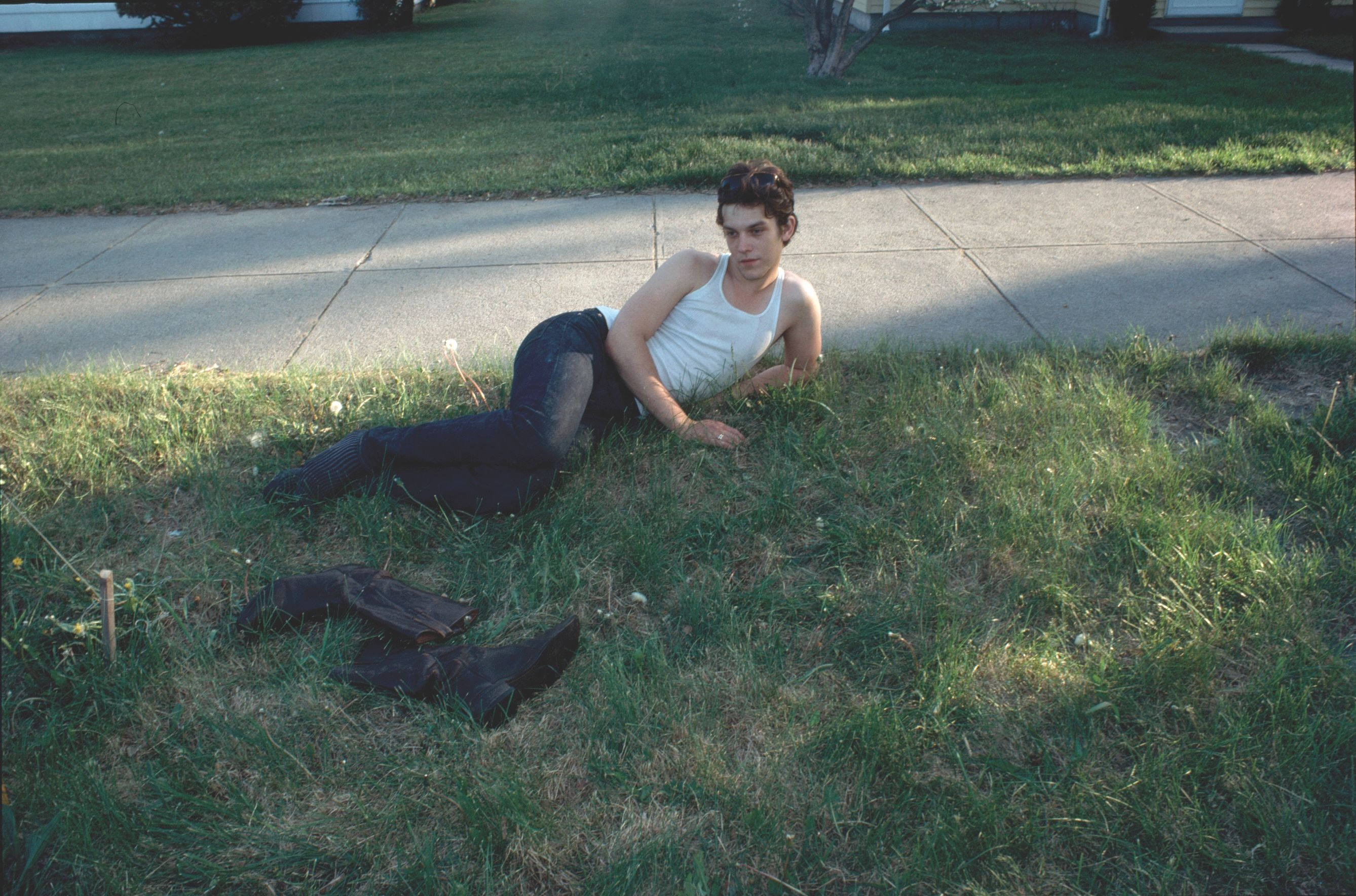
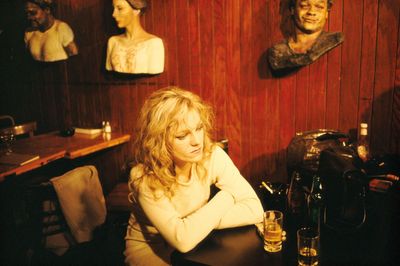
Now, Artists Space is staging Portraits, Armstrong’s first survey in the United States. Yet Portraits is not the late photographer’s first time showing at Artists Space. In 1989, when the gallery was located on West Broadway, photographer Nan Goldin, Armstrong’s lifelong friend—they met when they were both 14—highlighted his work in Witnesses: Against Our Vanishing, her epochal group exhibition about HIV/AIDS that became a flashpoint in the culture war of the time. “A prime motive for my photographs has always been to record the faces of the gay community,” Armstrong, then living in the Boston area, expressed in the exhibition catalogue. “My own recovery from alcoholism and drug addiction occurring simultaneously with the AIDS-related illness and deaths of many friends has only served to strengthen that resolve.”
A Massachusetts native, Armstrong befriended Nan Goldin at a hippie free school, later living with her and studying photography alongside her at the School of the Museum of Fine Arts, Boston, during the mid-1970s. They moved to New York with ambitious artistic visions in 1977. His early photographs tended to be classically composed, sharply focused, black-and-white studies of lovers and friends, like Nan, Provincetown (1977), a frontal portrait of his friend and muse smiling in a hammock and swimsuit. Armstrong and Goldin were part of a vibrant, creative community—including photographers Allen Frame, Shellburne Thurber, Mark Morrisroe and Gail Thacker, artist and future member of the AIDS art collective Gran Fury Avram Finkelstein, and artist Jack Pierson—many of whom made work about queerness and their relationships with each other, and would become labelled as members of the now-legendary “Boston School”.
Portraits offers a study in the formal and conceptual contrasts animating Armstrong’s work between the early 1990s and the late 2000s, a transformative period in his practice. During the 1990s, HIV/AIDS continued to structure both his world and his work—the latter shifted into a softer focus and aesthetically expanded into the depopulated realms of landscape and still life. His blurry pictures of urns, bushes and empty chairs were elegiac ruminations on mortality.
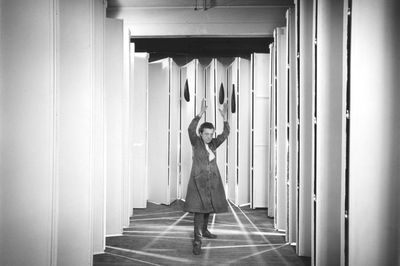
The exhibition is well-paced, its design manicured and reminiscent of the geometric structure of a French garden—Versailles, perhaps, where Armstrong photographed a lunging statue’s derrière in Statue, Versailles (1993). Vitrines enclose precious workbooks as well as large unframed horizontal prints that help visitors make a fuller set of visual connections by tracing the movement of models, shrubs, places and images across the gallery. But this exacting exhibition design is balanced out by the variable conditions of his vintage prints; here, smudges, dents, tears, trim lines and tape marks (which curators typically seek to cover up) are in plain view.
“The exhibition is well-paced, its design manicured and reminiscent of the geometric structure of a French garden”
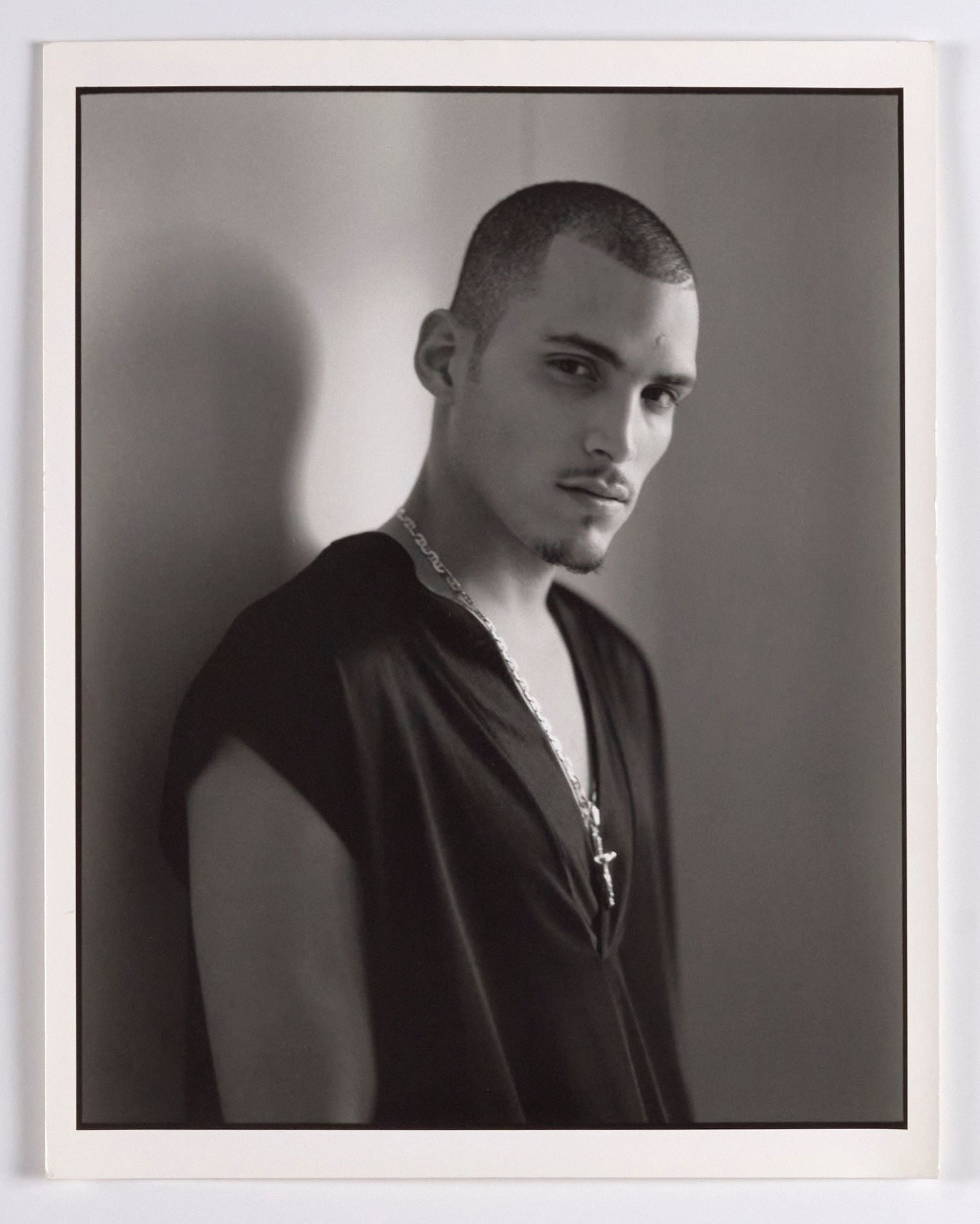
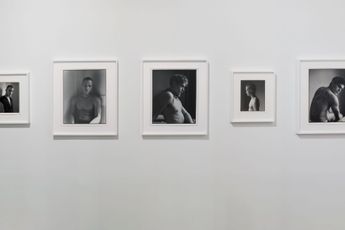
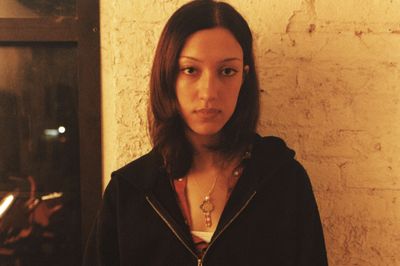
Armstrong’s perfect images of his muses contrast in an exciting way with each print’s occasional imperfections, as in Eddie, Jefferson Avenue, Brooklyn (2001), a portrait of a goateed young man with a crucifix, bathed in natural light. A small scar on his forehead stands out a little bit more when one notices a tear at the top of the print that even extends into the image itself. Such aesthetic blemishes disrupt the illusion of timelessness, while giving the exhibition a sense of rawness.
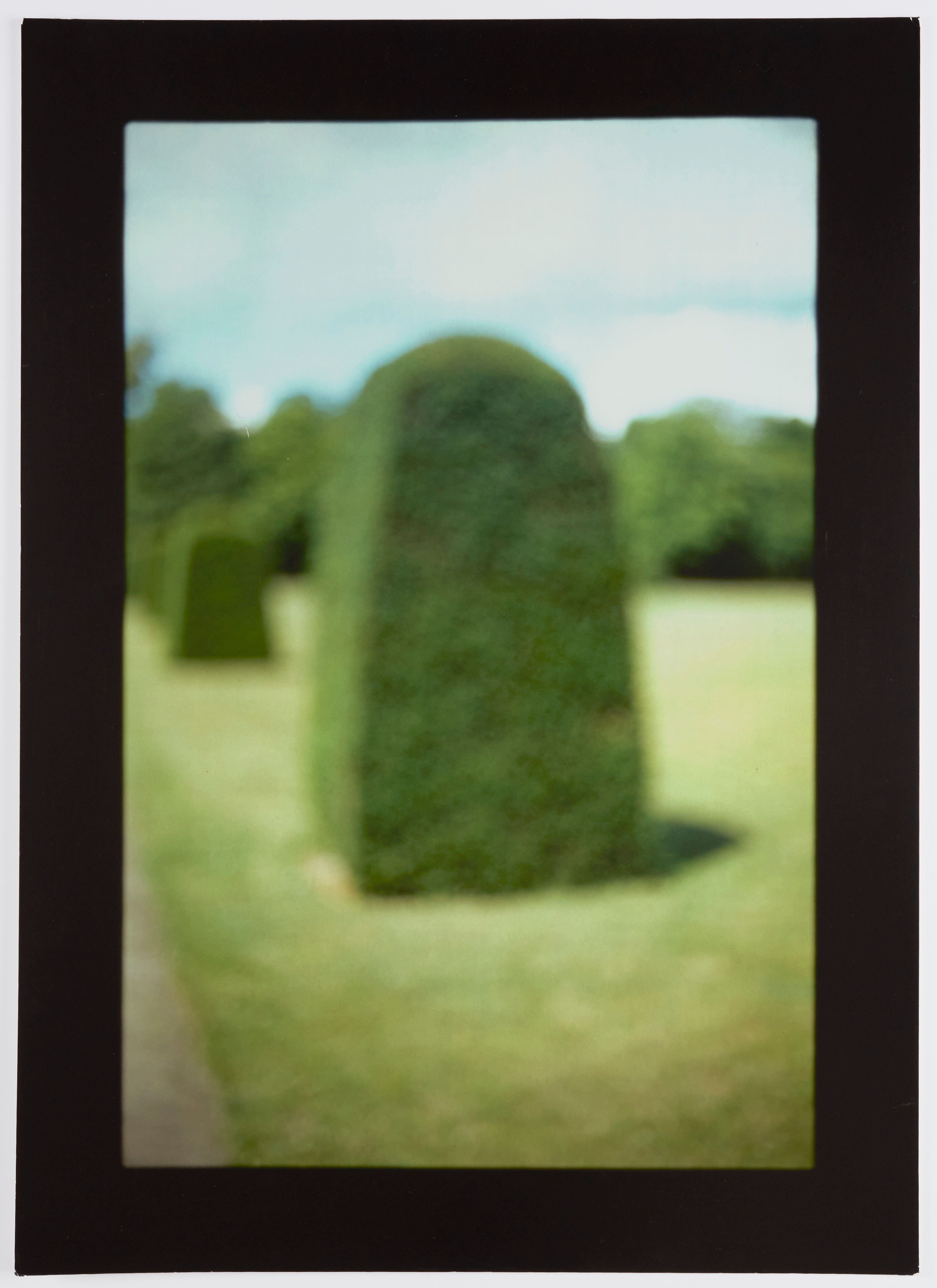
But Portraits doesn’t only feature formally posed studio portraits of conventionally attractive young men—the images Armstrong is most known for, and which garnered him his career shooting fashion campaigns and editorials—but also such subjects as out-of-focus landscapes and still lifes. In this way, the exhibition title suggests that portraiture is more than a genre; it is a way of working and engaging with the world. “It’s always very much a self-portrait,” Armstrong once described his practice to photographer Ryan McGinley in a 2008 video interview, recycling a not-uncommon claim that every photograph, ultimately, reflects its maker rather than its subject.
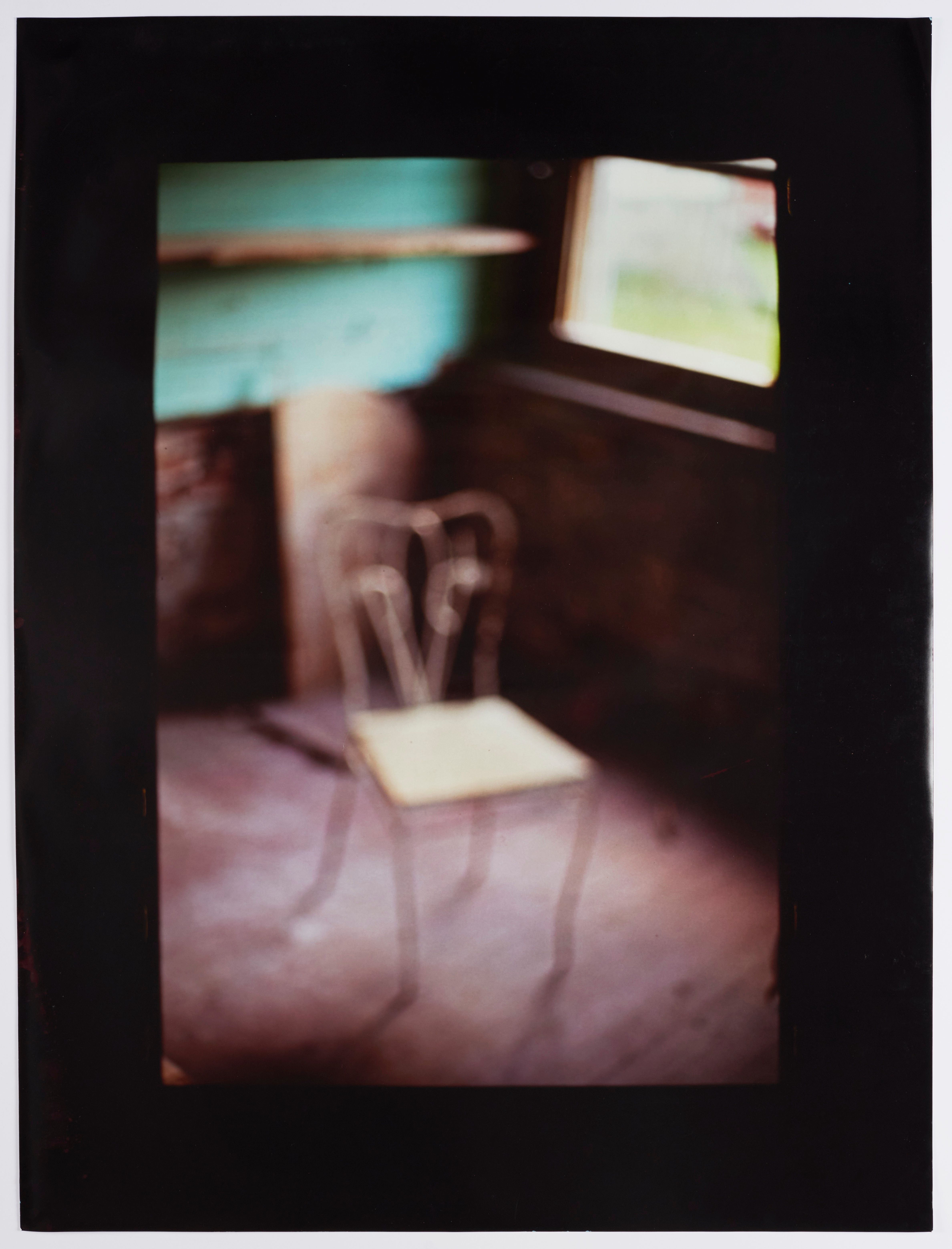
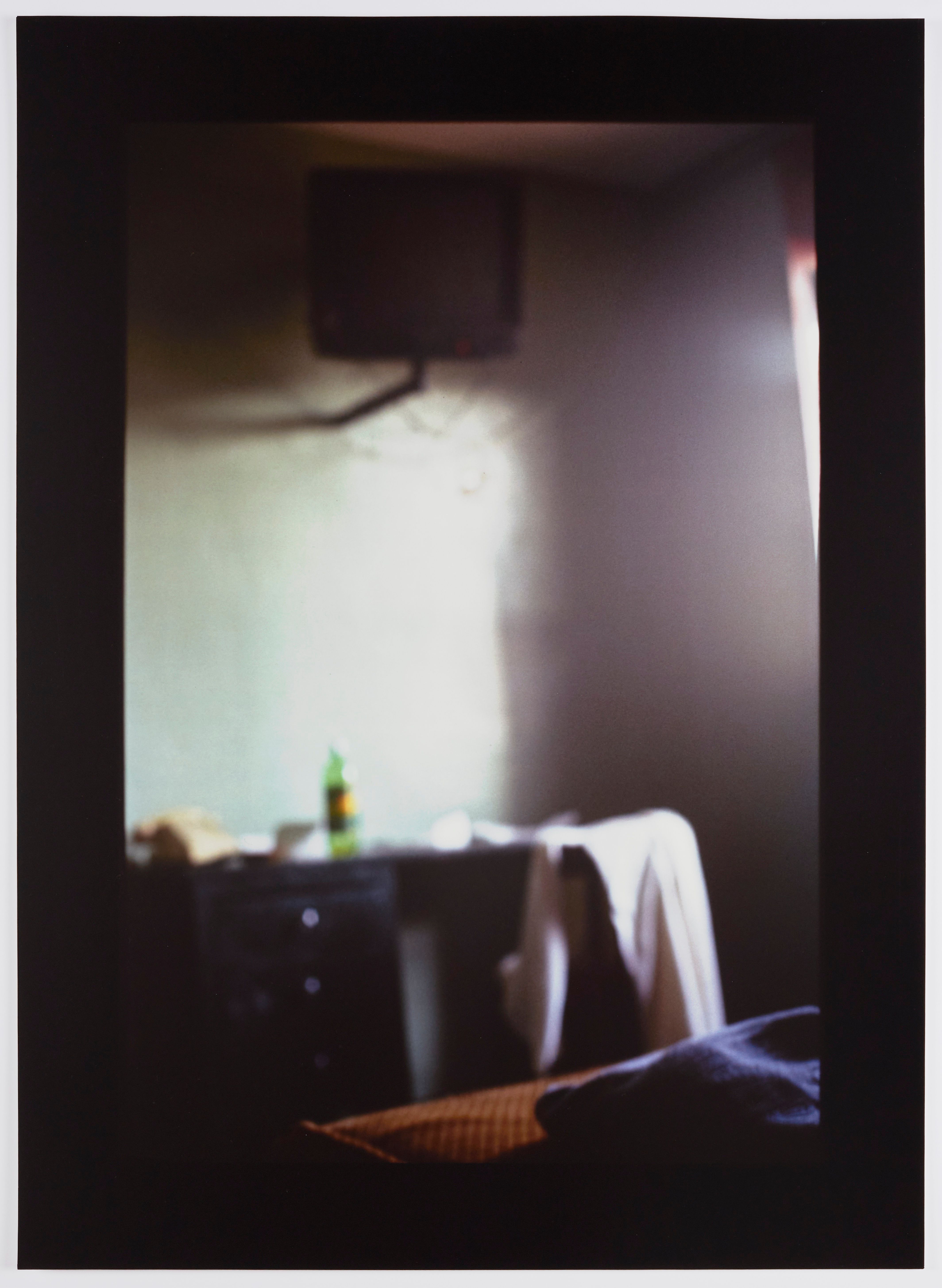
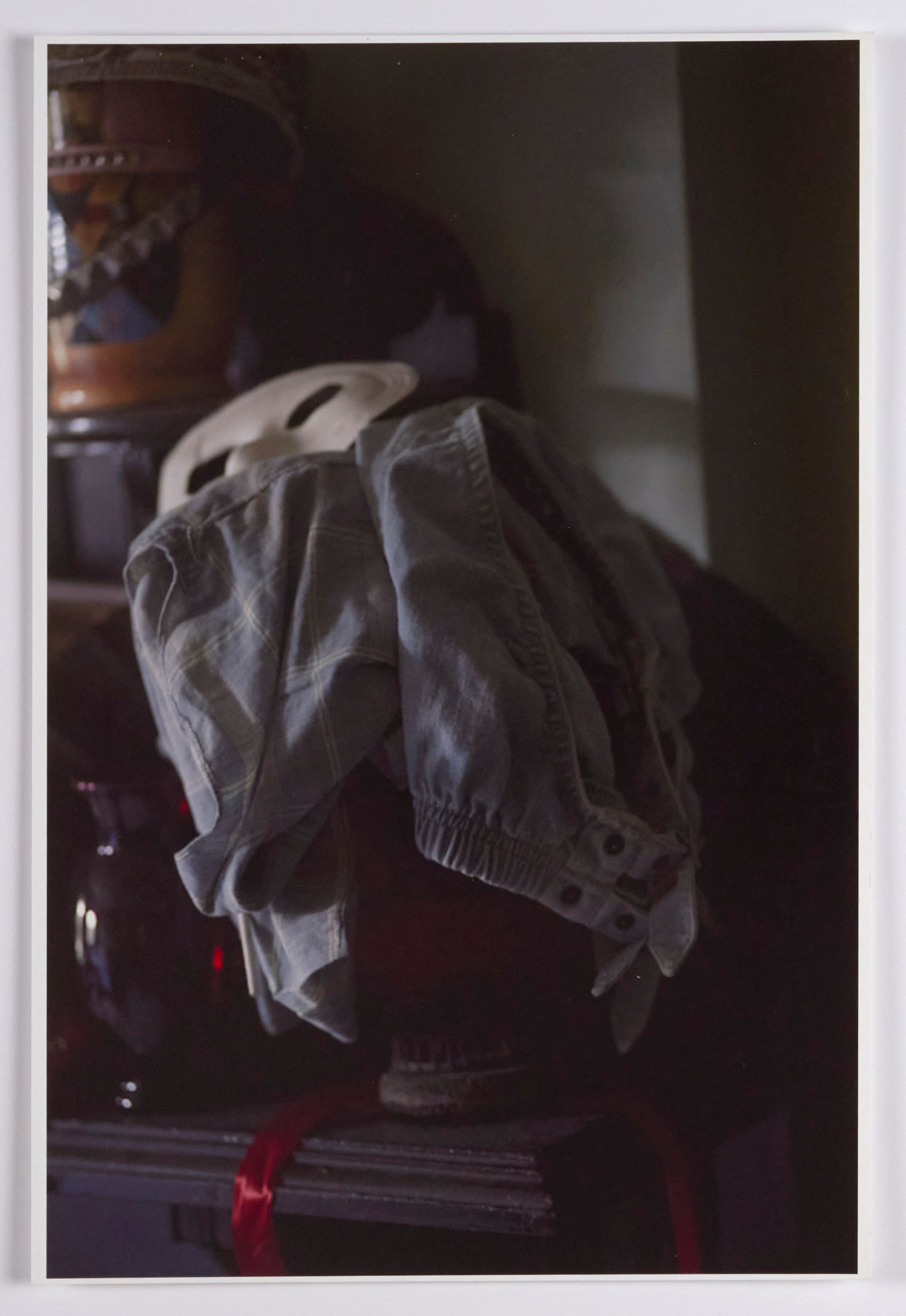
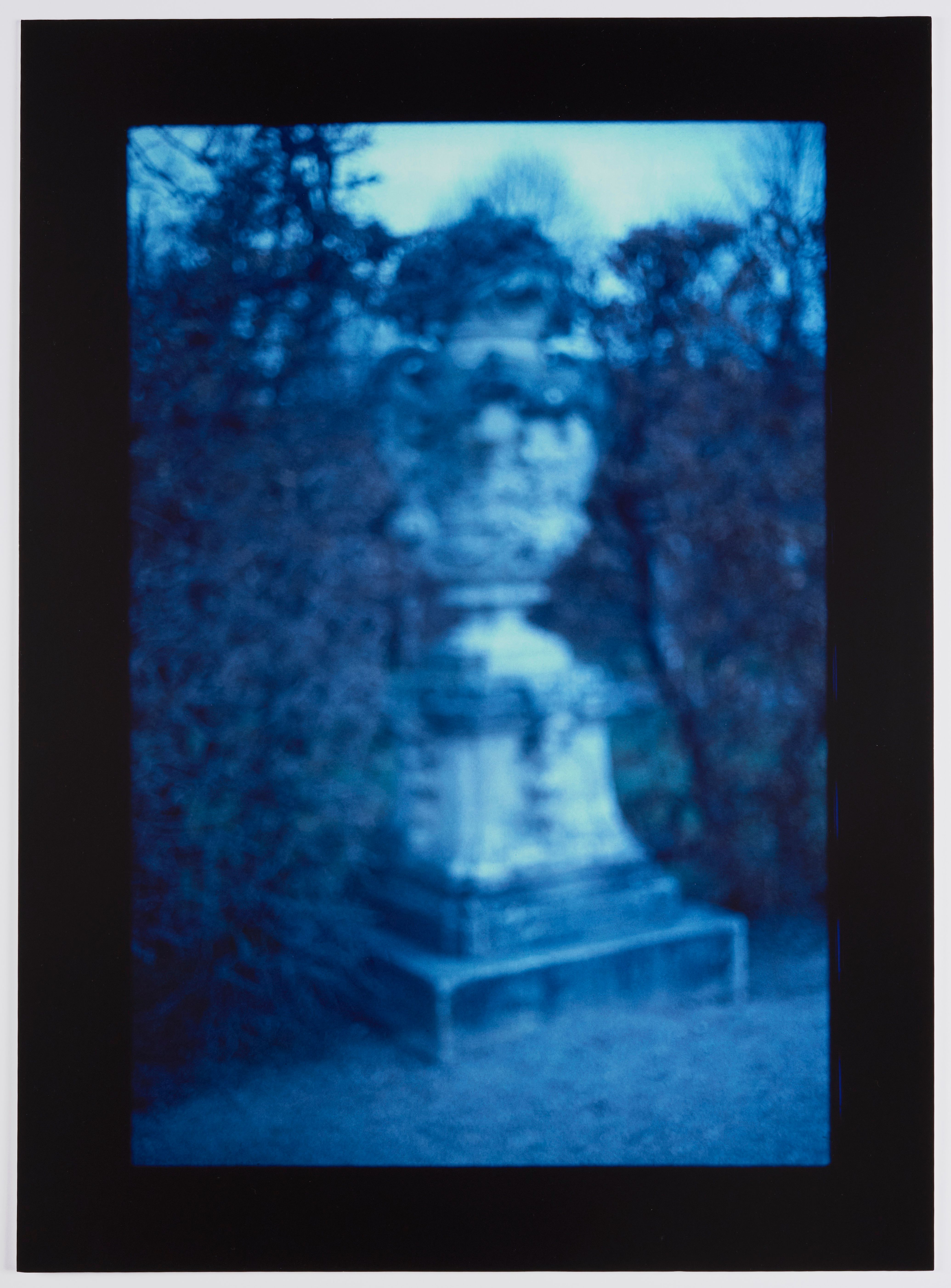
“Portraiture is more than a genre; it is a way of working and engaging with the world”
And, indeed, despite the lack of literal self-portraits on view, Armstrong reveals himself time and again across this exhibition. A searching, peripatetic sensibility coupled with a moody feeling of restraint suffuses the gallery, felt most palpably in the atmospheric out-of-focus pictures that resist clarity of vision. From White Vine, Sag Harbor (1998), a picture of a white fence overtaken by a flowery plant next to an overgrown sidewalk, to Hotel Grand Tozi, Marrakesh (2001), a dreary bedroom shot with a glowing green bottle on a desk, this exhibition takes viewers across the globe. One suspects that both fashion commissions and personal interest brought Armstrong to such destinations. Yet despite the different locations identified in the titles, it almost seems that his softly focused photographs, whether of a landscape or an interior, lack geographic specificity, that they could be taken anywhere.
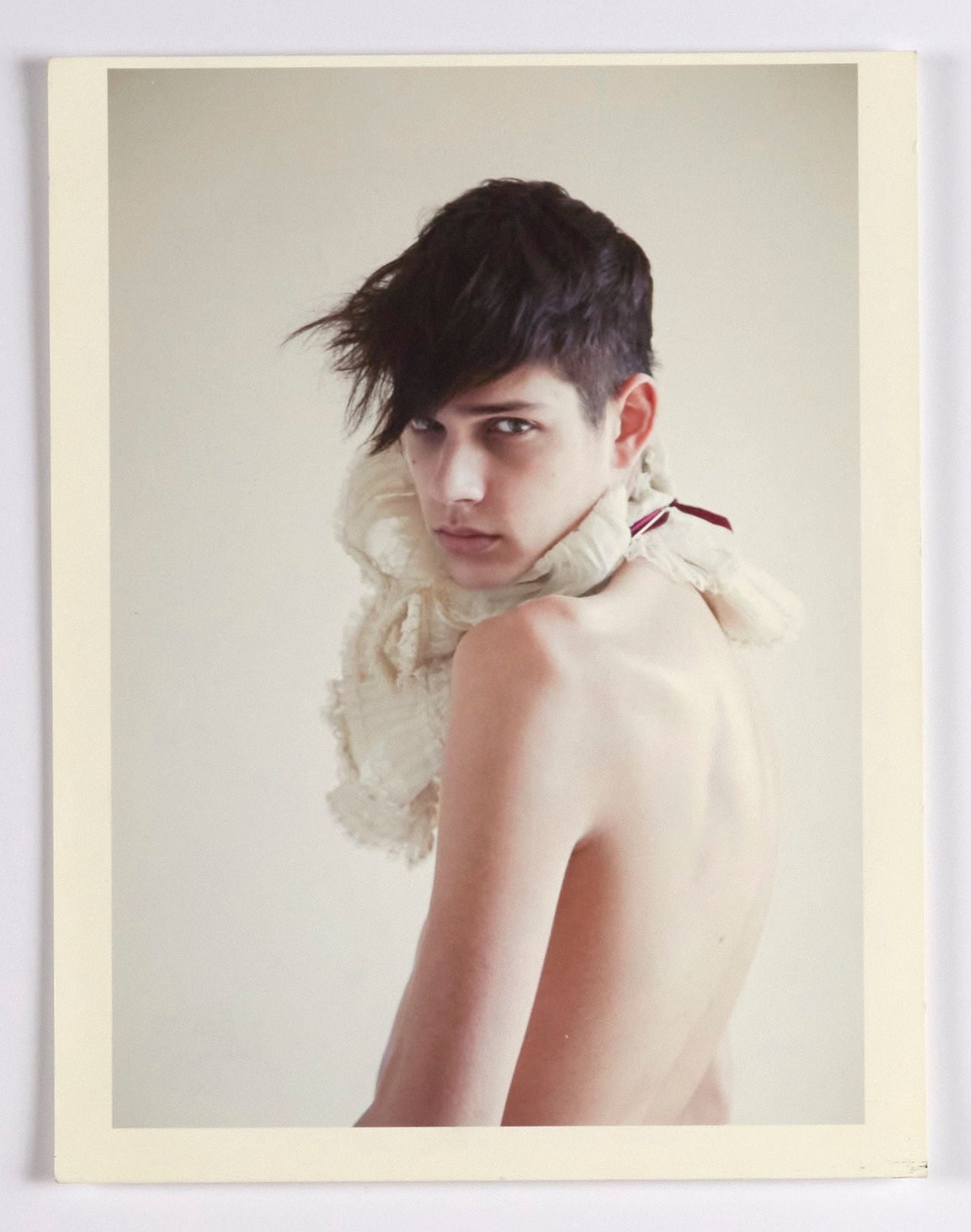
A sense of placelessness and timelessness is similarly present in a body of work that Armstrong took at 615 Jefferson Avenue—his brownstone in Bed-Stuy, Brooklyn that served as both home and studio—wherein the unremarkable interiors are upstaged by the boyish allure of the models, some of whom Armstrong got to know through his magazine work. In Enrique, Jefferson Avenue, Brooklyn (2003), for example, the model, shirtless yet sporting a millstone collar, teasingly opens his mouth, as if to shout something at the photographer. The seduction of this encounter transcends time and space.
“A searching, peripatetic sensibility coupled with a moody feeling of restraint suffuses the gallery”
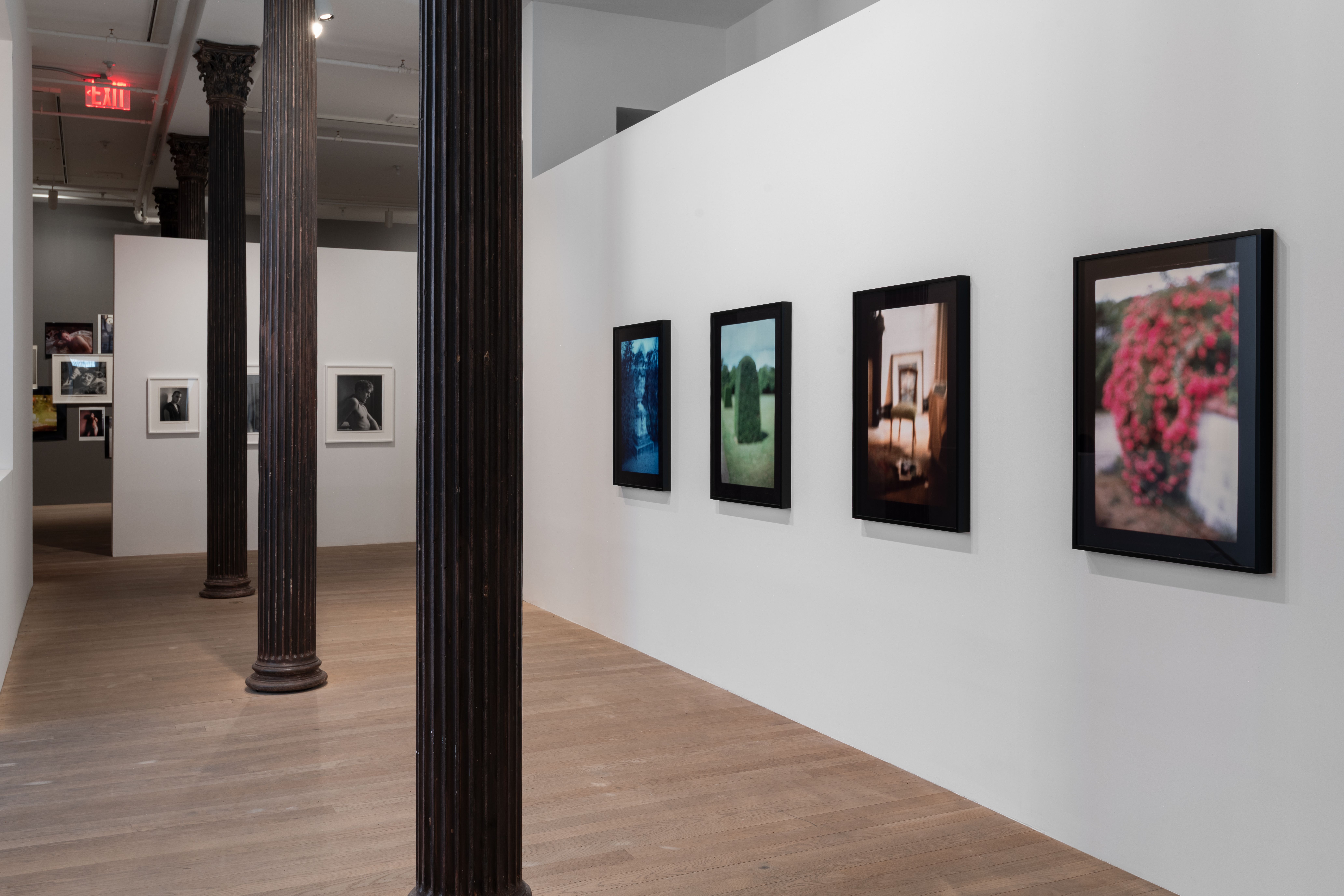
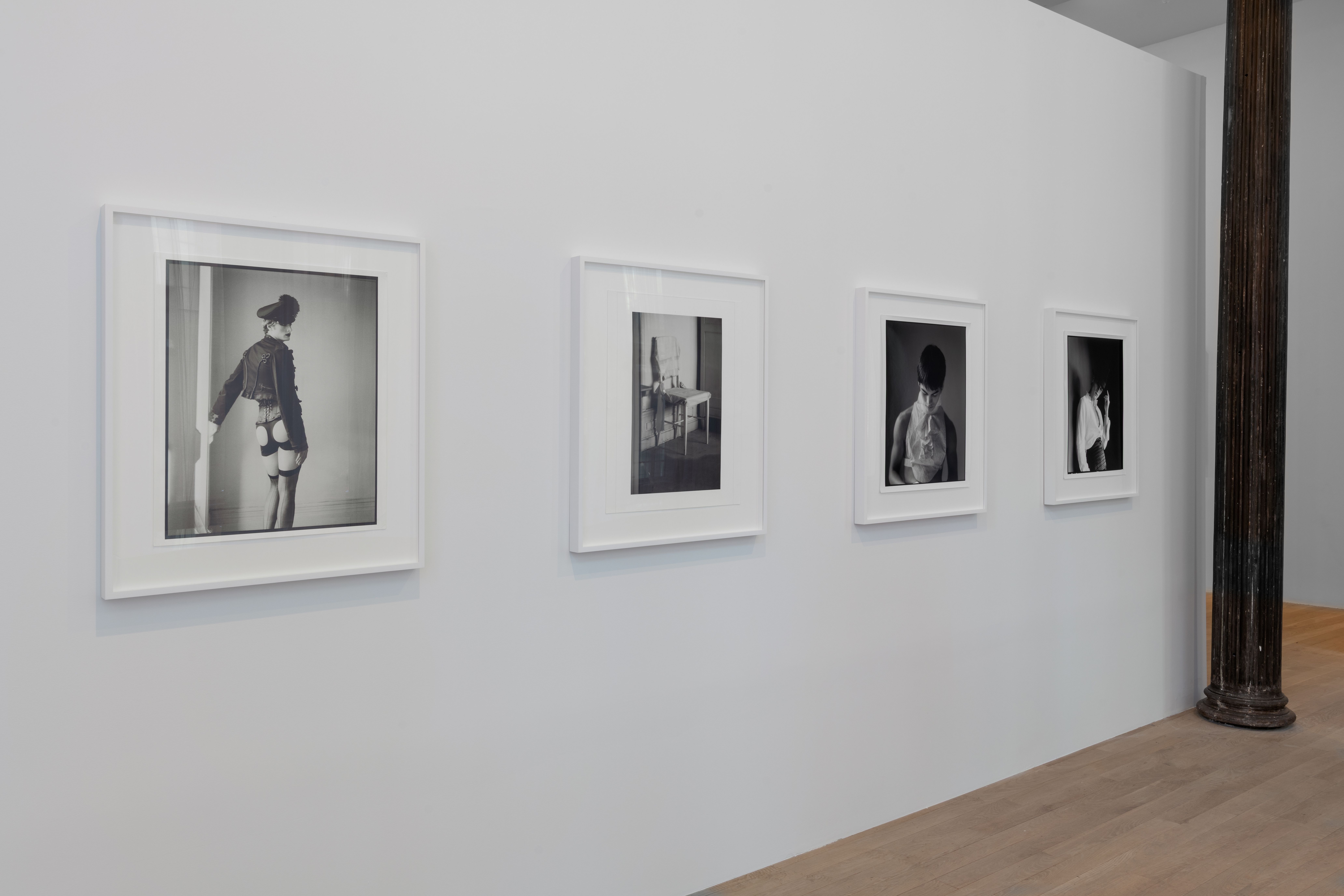
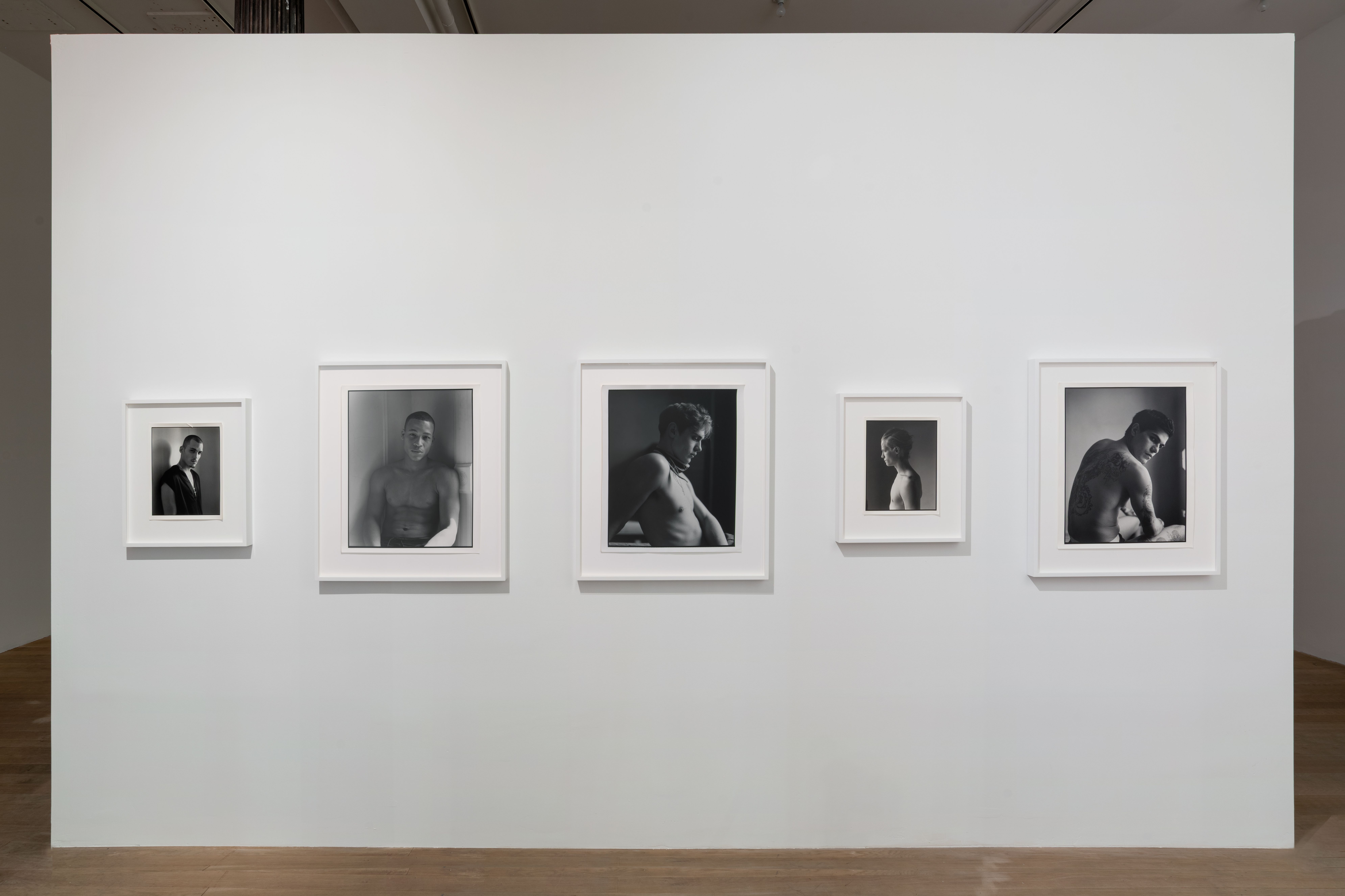

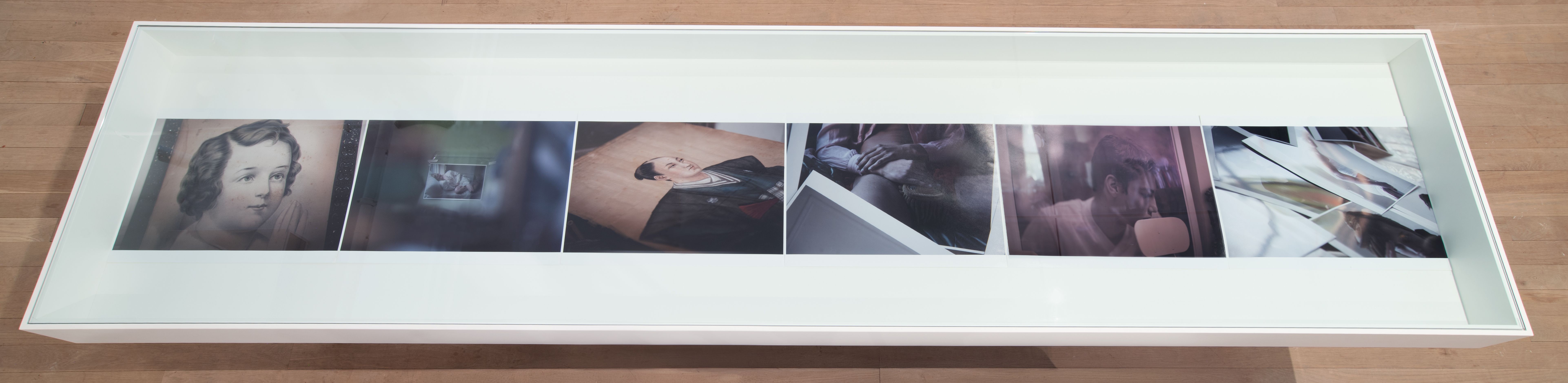
Armstrong’s full trajectory through art comes alive in the exhibition’s grand finale, Your Picture on My Wall (2004). Magnificently displayed across an entire wall, this work is a recreation of a busy installation of overlapping framed and unframed portraits dating from 1977–2003. Here, portraiture is, indeed, broadly understood; some images of tombstones and sunstruck windows are mixed together with work from Jefferson Avenue and elsewhere. The installation’s measured chaos both encapsulates and honours that collision of people, places and moments that make up a life’s work.
David Armstrong, Portraits (until 23 May 2026) at Artists Space, New York City.
Main image: Courtesy of the Estate of David Armstrong.




A respected voice in contemporary art discourse.
Focusing on ambitious storytelling and insightful art-world commentary. Ocula Magazine publishes in-depth interviews, critical essays and timely analysis on the artists, exhibitions and ideas driving the global art world.
Learn more about Ocula Magazine
Showcasing the best of the art world.
Ocula partners with galleries from around the world to highlight their artists, artworks and exhibitions. Gallery membership is by application and invitation, with each member vetted by an independent panel.
Learn more about Ocula Membership
Specialises in the sale of major artworks.
Led by a team with deep ties to the world’s leading auction houses, galleries and collectors. Ocula’s advisory team offers bespoke services to high-net-worth clients from around the world who are looking to acquire the best of contemporary and modern art.
Learn more about our team and services