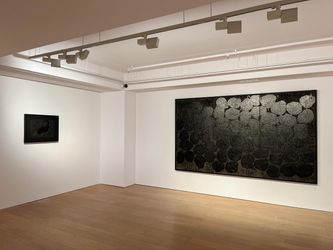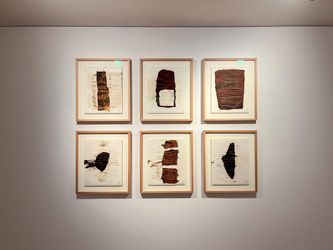




Alisan Fine Arts is pleased to present the fifth solo exhibition featuring the renowned French-Chinese artist Yang Jiechang as an associated exhibition of Le French May Arts Festival in 2024. The exhibition will feature Yang Jiechang’s “Flower and Bird Paintings” created between 1988 and 2023. It will also include the premiere of his “Soy Sauce Drawing” series in Hong Kong, along with previously unseen works from “Tale of the 11th Day” series and Yang’s renowned series “Hundred Layers of Ink: For Bada”. Yang Jiechang is one of the most groundbreaking contemporary artists to emerge from China after the Cultural Revolution (1966-1976). This exhibition follows the significant Carte Blanche à Yang Jiechang held by Guimet Museum in Paris in 2022, documenting the artist’s personal and artistic reflections over a span of forty-five years.
Soy Sauce Drawing:
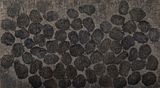
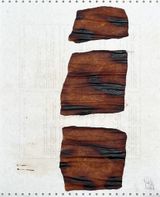
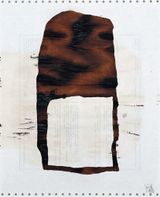
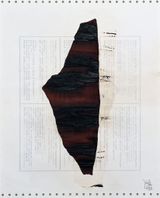
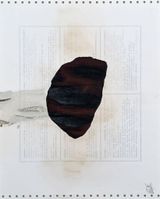
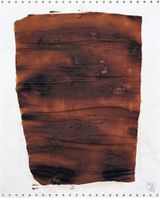
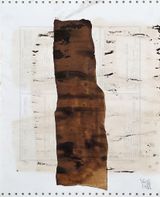
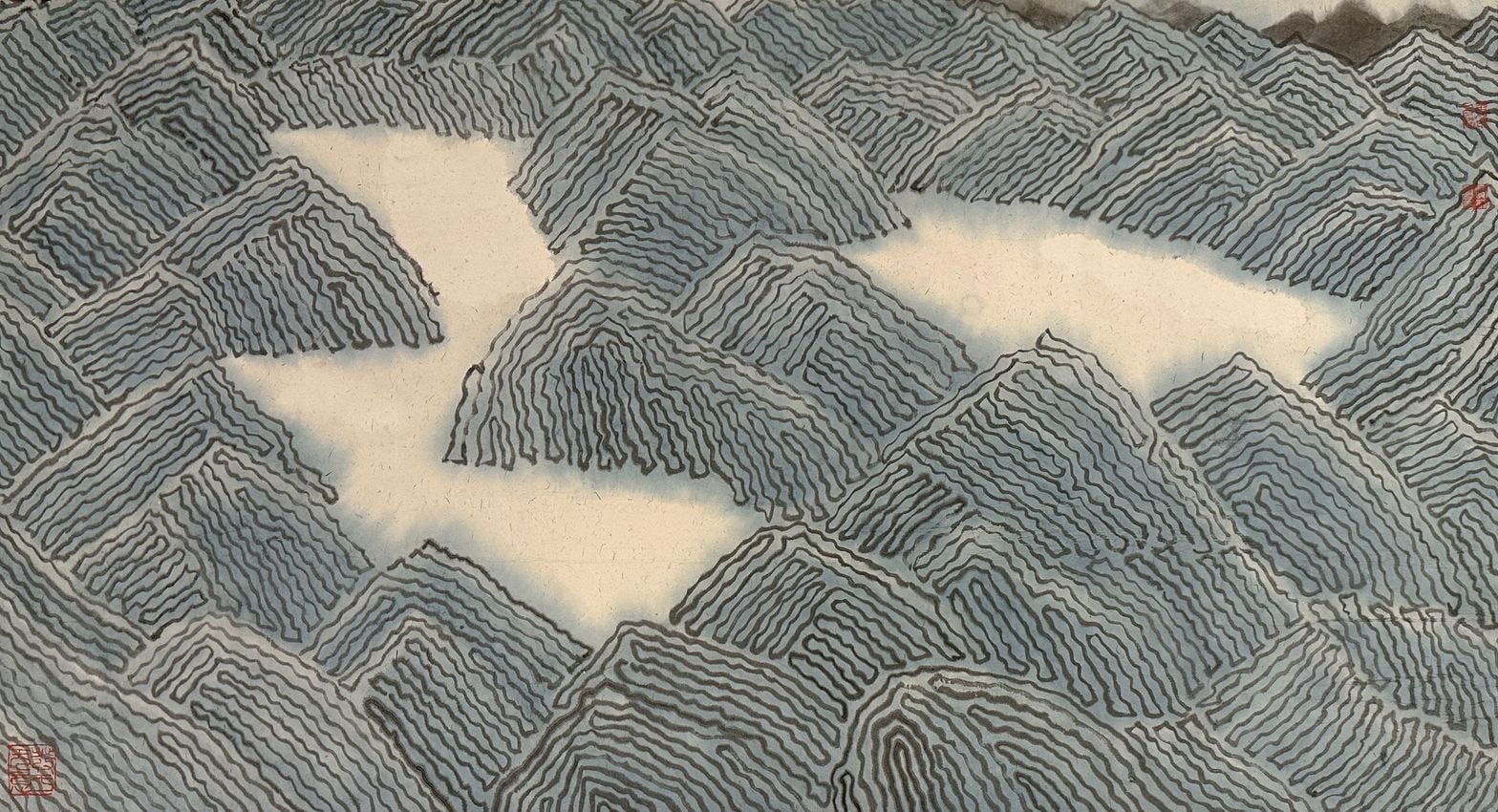
In 1988, Yang Jiechang created his “Soy Sauce Drawings” on computer paper, and this show marks their debut exhibition in Hong Kong. The geometric patterns in these artworks were derived from archaeological materials found at the East Asian Art Library of Heidelberg University in Germany. In December 1988, Yang left Guangdong for Heidelberg, where tragically, all the artworks he had prepared for an upcoming exhibition at the Pompidou Museum were detained by the Shenzhen Customs. Upon arriving in Heidelberg, he spent the months leading up to the the exhibition in Paris visiting the East Asian Art Library of Heidelberg University in search of creative inspiration. At the time, Yang lacked resources , and the soy sauce in his kitchen became the most affordable material for his artwork. Meanwhile, Martina Köppel-Yang, renowned curator and Yang Jiechang’s wife, was working as an assistant to Prof. Lothar Ledderose, a distinguished German art historian and sinologist. Every day, Yang witnessed boxes of computer paper being discarded. With the professor’s permission, he used those discarded papers as his creative material. This series of artworks laid the foundation for Yang’s internationally acclaimed series, “Hundred Layers of Ink”.
Hundred Layers of Ink:
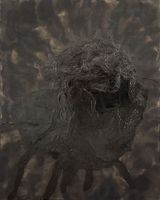
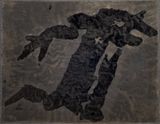
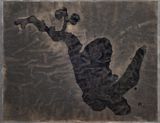
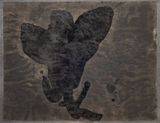
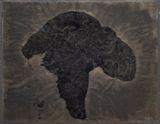
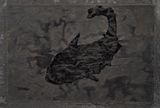
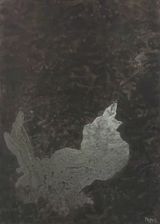
Yang Jiechang’s iconic series “Hundred Layers of Ink” debuted at the Centre Pompidou in Paris in 1989 as part of the groundbreaking exhibition Les Magiciens de la Terre. This series brought international recognition to Yang Jiechang. For Yang, “Hundred Layers of Ink” represents a form of self-cultivation. Throughout the 1990s, he meticulously applied layers of ink on rice paper daily, gradually turning it intensely black until a white light emerged. This concept of “revealing white through the application of ink, and making white turn black” expresses the yin-yang relationship found in Chinese philosophical Daoist thought. The series “Hundred Layers of Ink: For Bada”, features ink sillhouettes of fish, orchids, plum blossom trees, and bamboo. These depictions of flora and fauna draw inspiration from the animal and plant motifs found in the works of the eminent master of the late Ming and early Qing dynasties, Bada Shanren (1626-1705). Yang Jiechang believes that both the life and artworks of Bada Shanren embody the concept of “Aesthetics of Disaster.” These paintings were previously exhibited at the Berlin Humboldt Forum during the Ethnographic Collections and Asian Art exhibition held from 2021 to 2022.
Tale of the 11th Day:
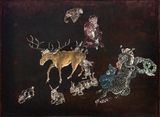
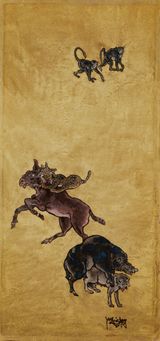
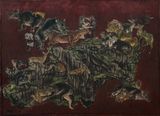
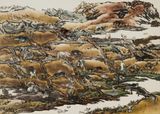
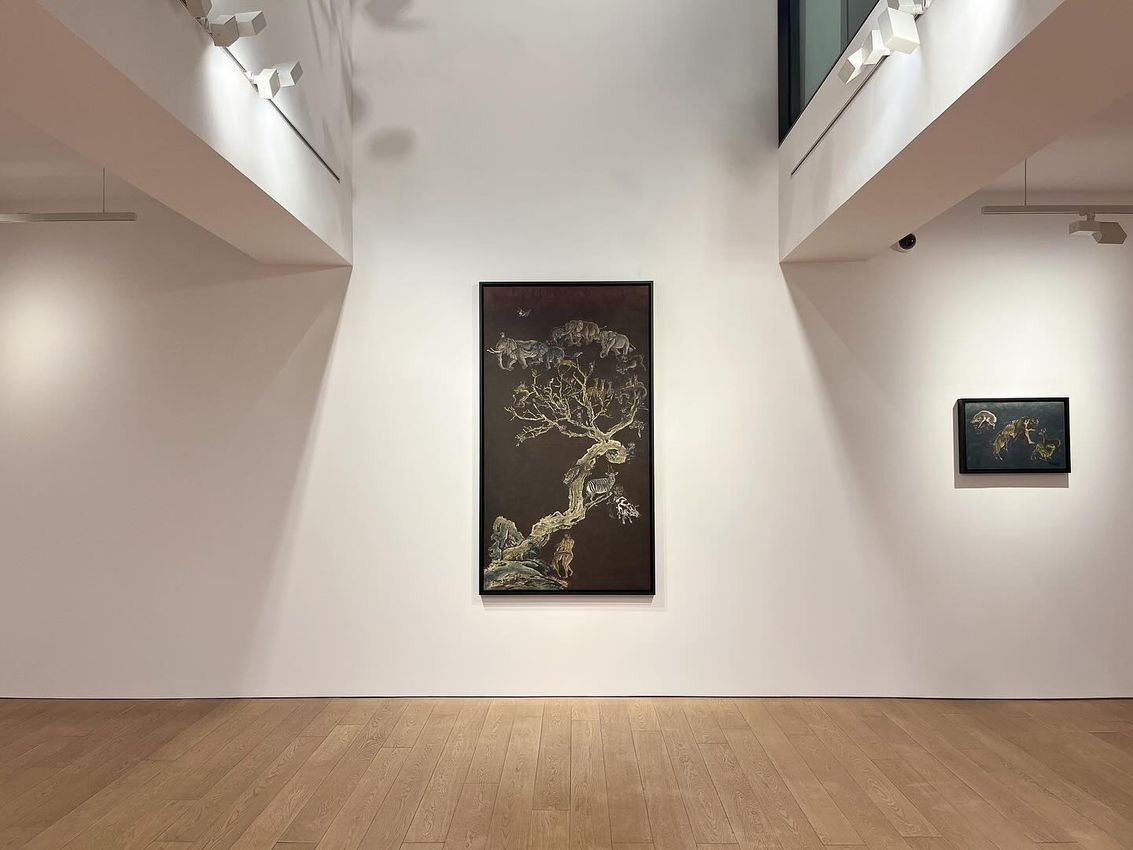
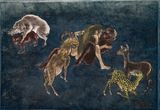
The “Tale of the 11th Day” series is distinguished by its latest creation, “The Last Tree,” which draws inspiration from Su Shi’s (1037-1101) painting “Wood and Rock” from the Northern Song dynasty (960-1127) of China. Through this artwork, the artist enables the audience to relive Su Shi’s journey of rebirth amidst adversity. The entire “Tale of the 11th Day” series takes inspiration from the famous novel collection “The Decameron” by Italian Renaissance writer Giovanni Boccaccio (1313-1375). Yang Jiechang integrates the allegorical themes from Boccaccio’s novels – which cover 10 days - to craft his own “Tale of the 11th Day”. Yang depicts scenes on silk portraying various species of animals, as well as interactions and mating rituals between humans and animals, presenting a utopia built on principles of equality, respect, love, and empathy, utilizing the “Sanfan Jiuran” technique - a laying down of layers of colour repetitively to achieve a unique aesthetic - that the artist learned during his early years of studying in Guangzhou Art Academy. Currently, his large-scale Black & White “Tale of the 11th Day: Mustard Seed Garden” is being exhibited at the group exhibition Shanshui: Echoes and Signals in Hong Kong’s M+ Museum.


For many artists the founding of the People’s Republic of China, and the subsequent purges signaled the end of inquiry into and exchange with the West. However, Yang Jiechang was fortunate enough to spend his time learning classical Chinese from reading prohibited materials as a member of the Red Guard. Born in 1956 in Foshan, Guangdong, he began studying Chinese ink painting and calligraphy at the People’s Art Institute in Foshan. During the late 1970s and early 1980s, he attended the Guangzhou Art Academy where he was exposed to Western art through a lecture series given by Joan Lebold Cohen (the noted Chinese art historian and curator) and Taiwanese art magazines. In 1989, he was chosen to participate in Magiciens de la Terre, at the Centre Georges Pompidou, Paris, and his series “Hundred Layers of Ink” caused quite the stir at the exhibition and in the international art scene. The paintings from this series are the result of focused repetition, and Yang applied ink to the same piece each day, every day until the paper became completely saturated. Since then, Yang has lived and worked in Paris, producing an oeuvre that varies in style, medium and inspirations. He has had numerous major exhibitions across China, Europe and the North America.


Co-founded in the 1980s by Alice King, Alisan Fine Arts is Hong Kong’s longest-standing contemporary gallery, celebrated for its trailblazing promotion of Chinese contemporary art and New Ink art. The gallery has consistently championed artists from the Greater China region and Chinese diaspora, making an impact on cross-cultural dialogues and global appreciation of diverse artistic expressions.

A respected voice in contemporary art discourse.
Focusing on ambitious storytelling and insightful art-world commentary. Ocula Magazine publishes in-depth interviews, critical essays and timely analysis on the artists, exhibitions and ideas driving the global art world.
Learn more about Ocula Magazine
Showcasing the best of the art world.
Ocula partners with galleries from around the world to highlight their artists, artworks and exhibitions. Gallery membership is by application and invitation, with each member vetted by an independent panel.
Learn more about Ocula Membership

Specialises in the sale of major artworks.
Led by a team with deep ties to the world’s leading auction houses, galleries and collectors. Ocula’s advisory team offers bespoke services to high-net-worth clients from around the world who are looking to acquire the best of contemporary and modern art.
Learn more about our team and services