Press Release

Almine Rech Shanghai is pleased to present Li Qing’s second solo show at the gallery on view from November 4 to December 3, 2022.

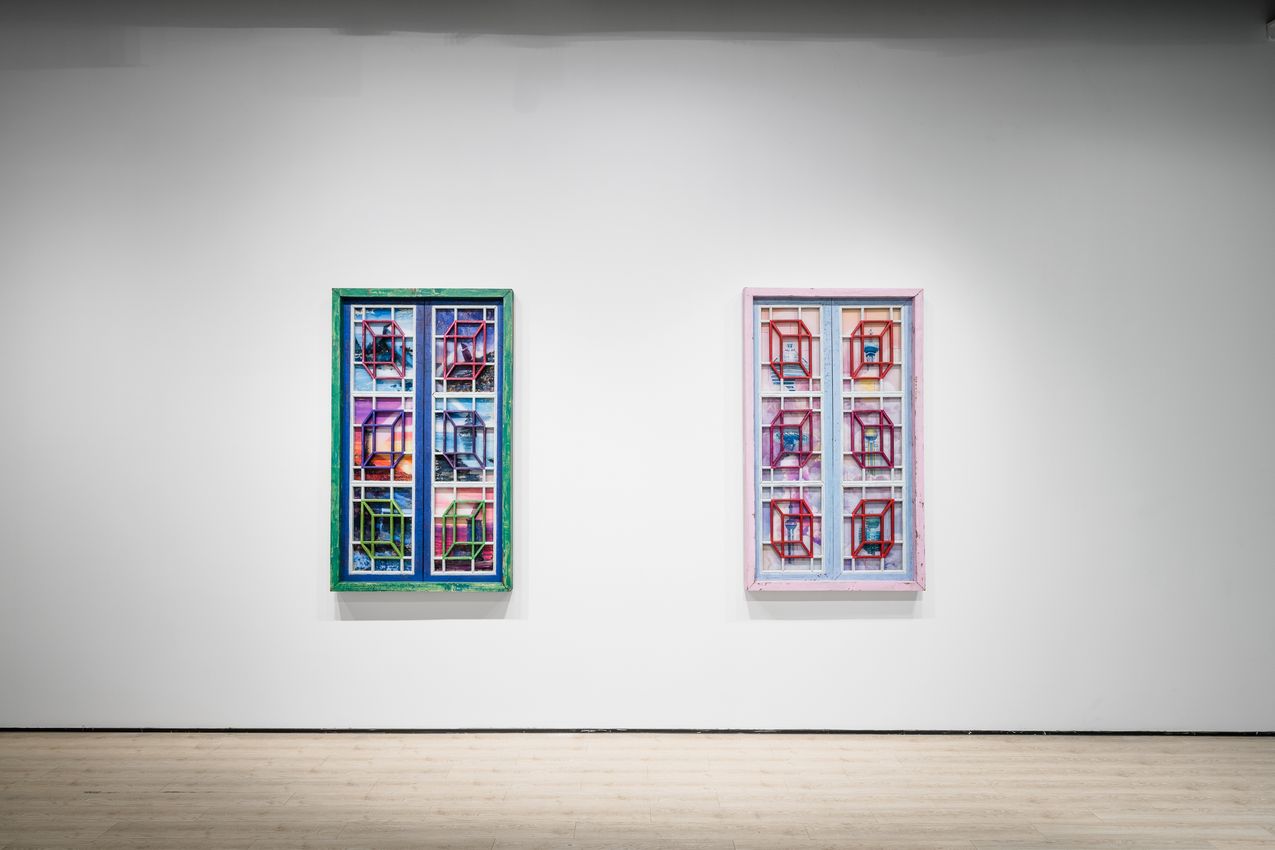
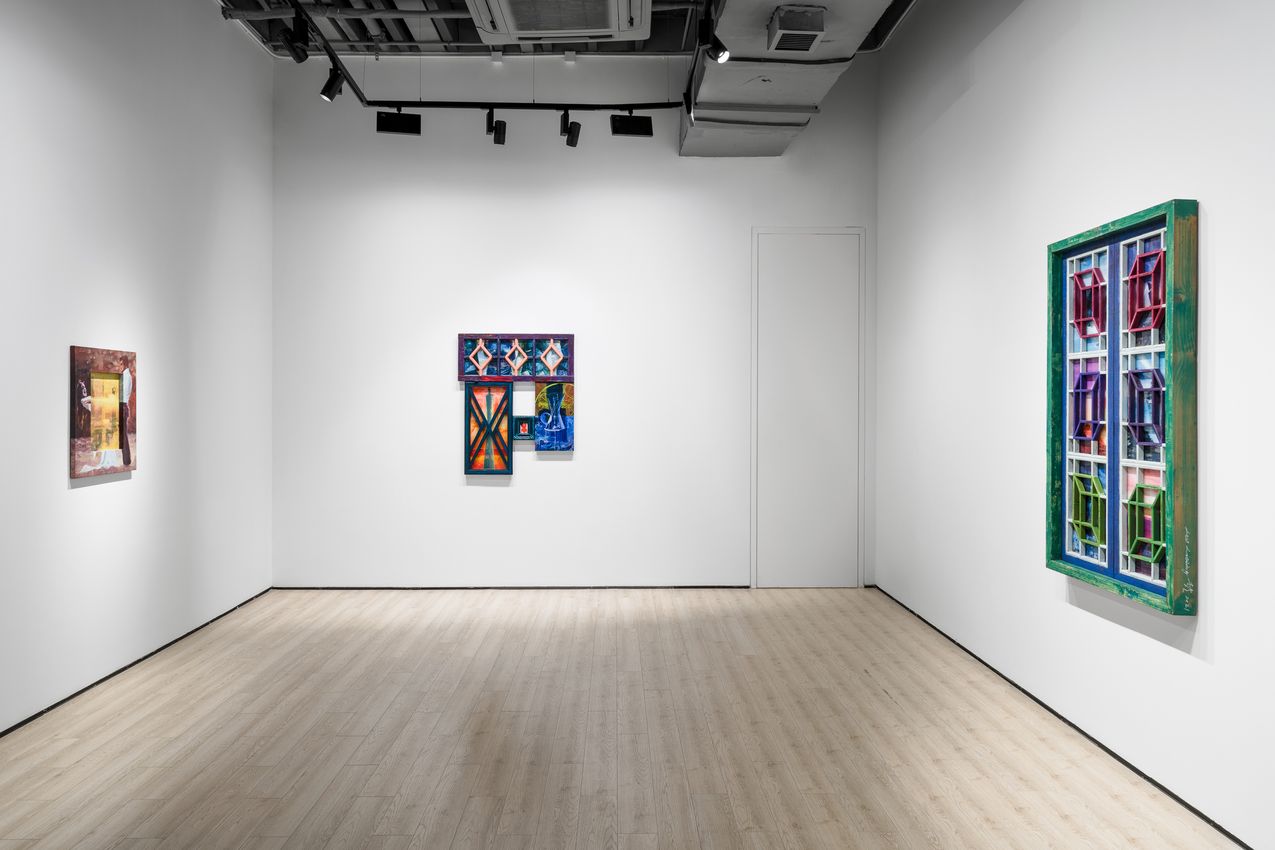
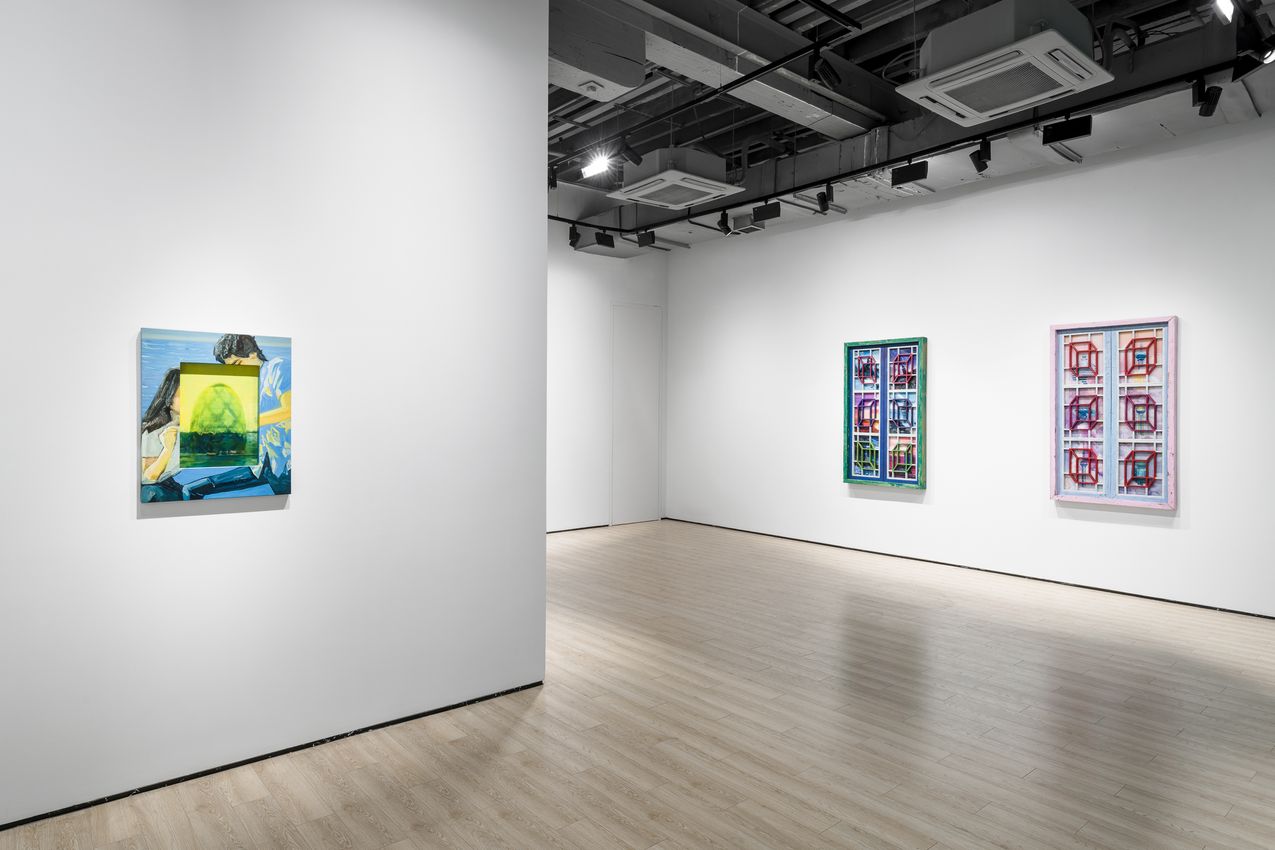
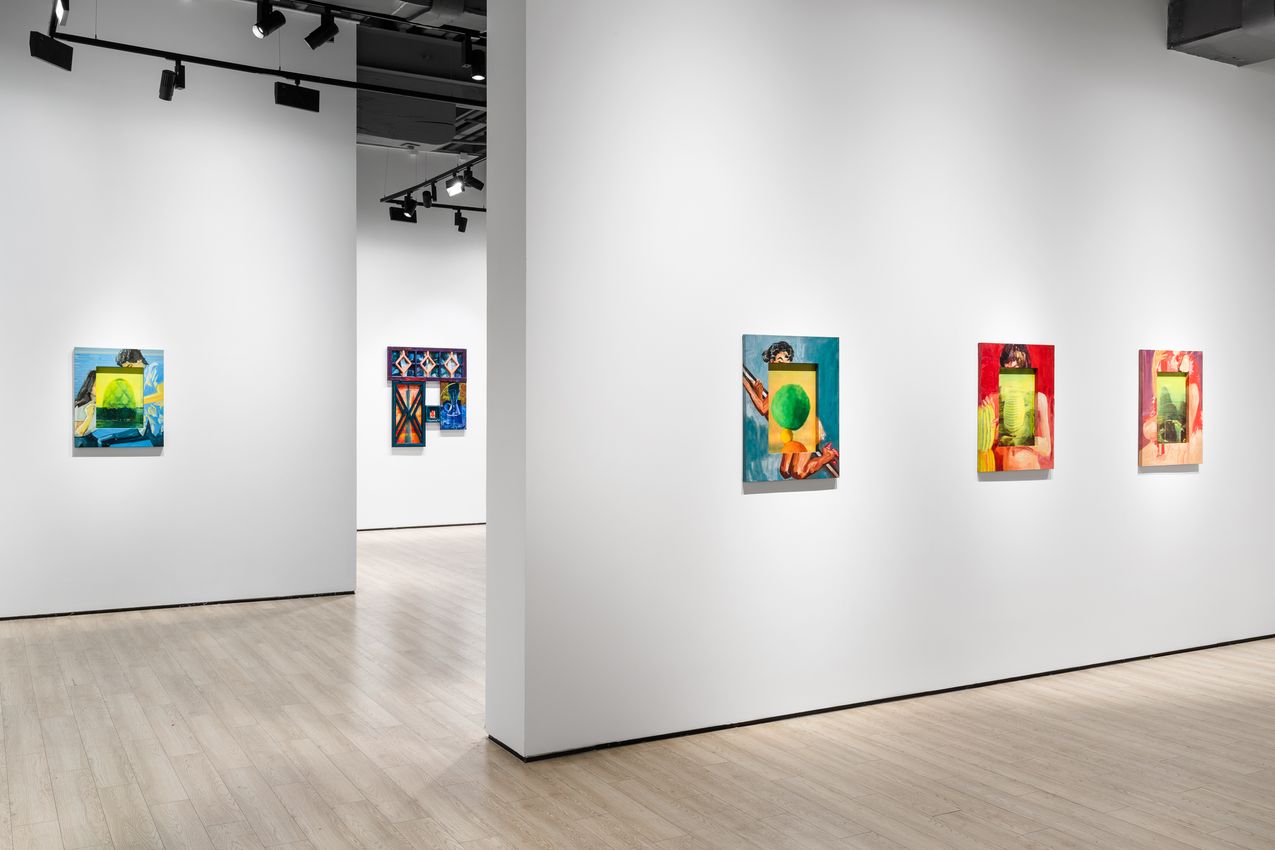
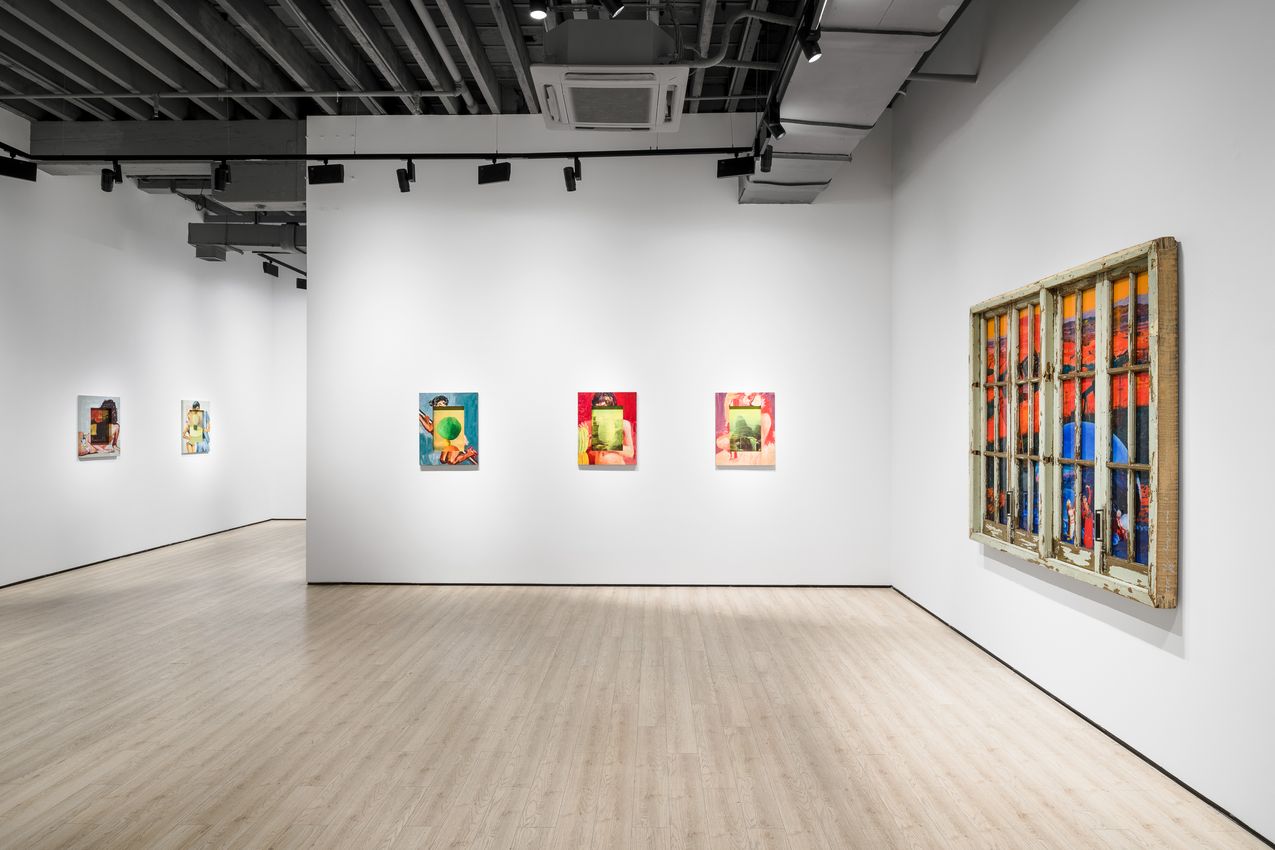
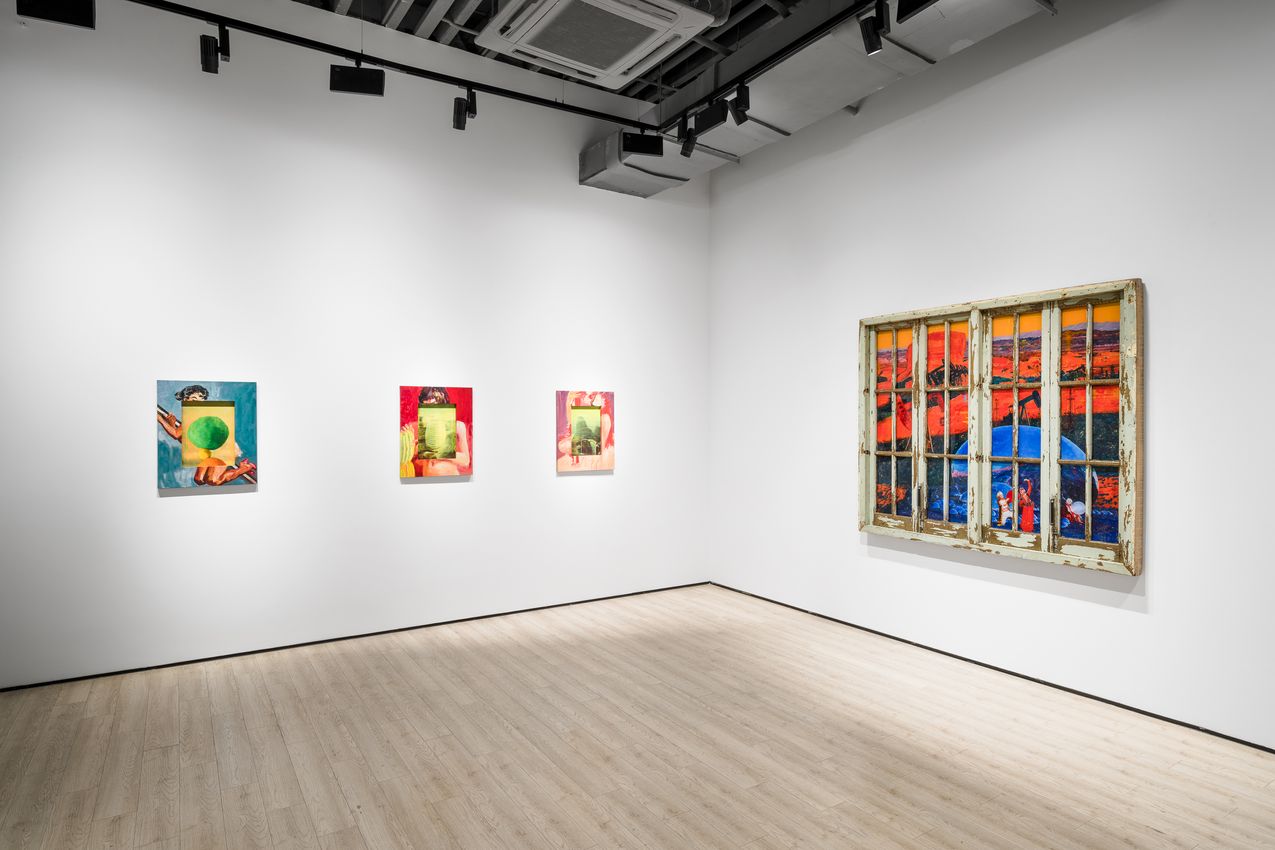
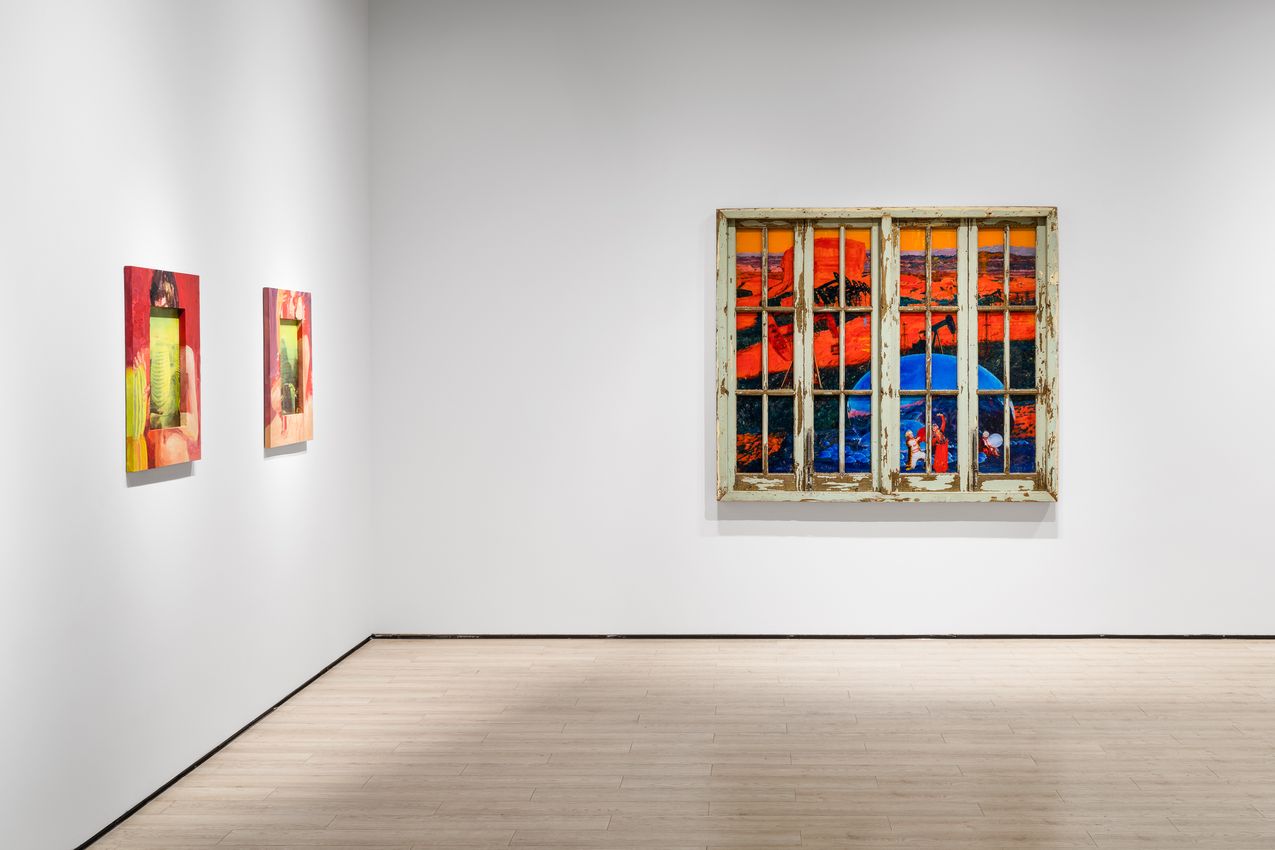
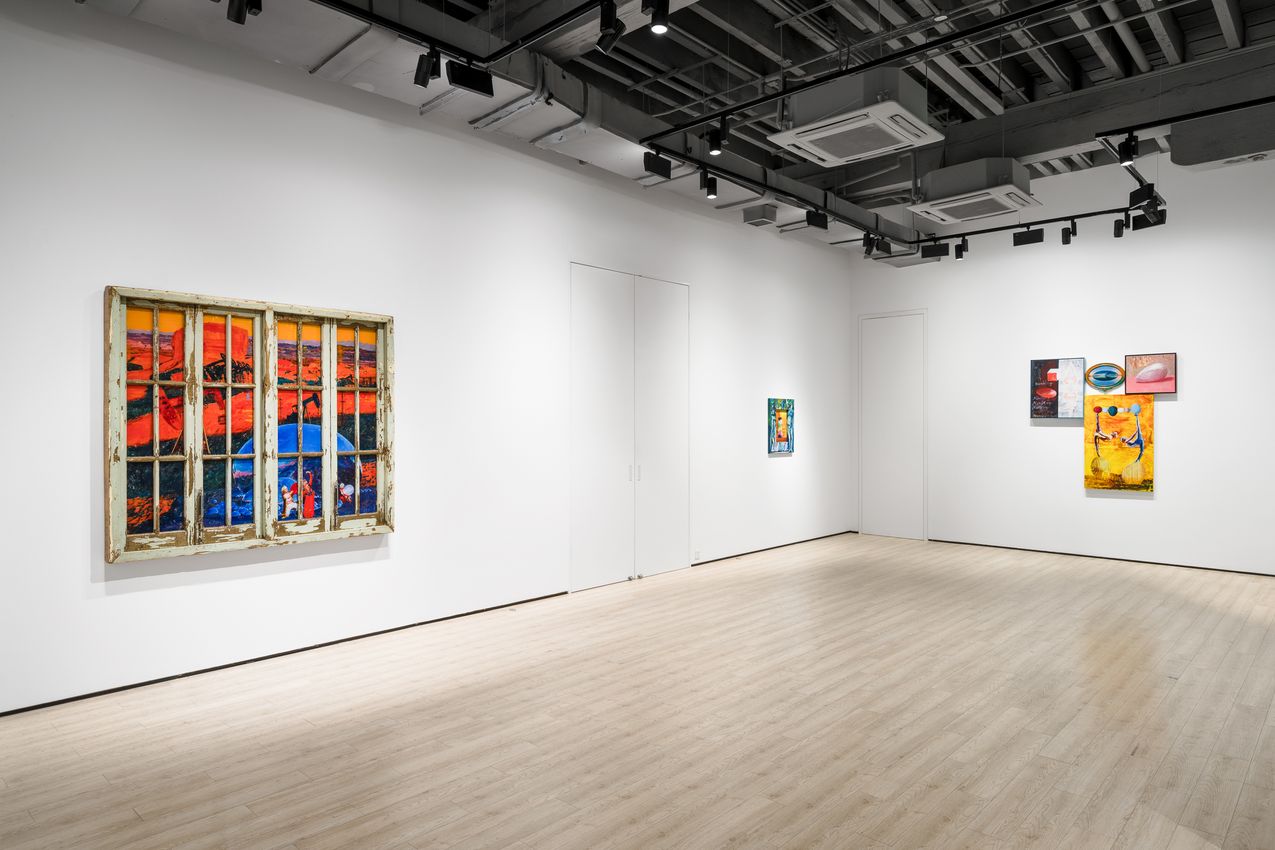
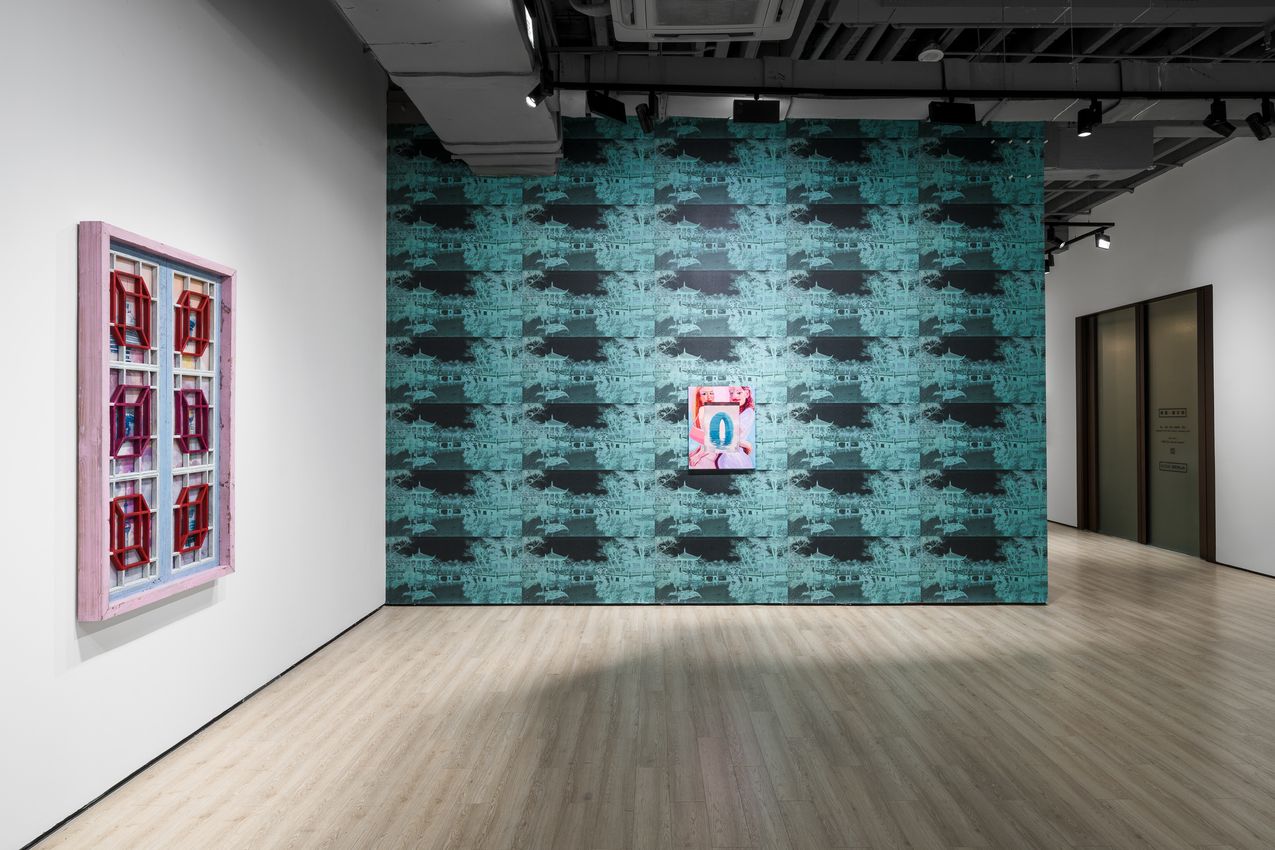
The view-finding function of the window frame is affirmed not only by occidental painting theories, but also by oriental architecture. The view from a window has been a typical model of the Western gaze ever since Alberti introduced linear perspective1 to the world in the 15th century. Moving along in art history, painting scenery reproduced and restricted by the window shows its contrast with the fluid landscape in Shan Shui (Chinese landscape painting). Li Qing’s painting on windows certainly refers to this part of history, but it also embodies ideas within garden and landscape design. Instead of comparing paintings to windows, classical garden designers used windows as viewfinders for spatial composition, as threads to interweave the scenery of four seasons to create an ever-changing field. Painting on window frames triggered an encounter of these two worlds, questioning a relation of power that has dominated viewers for a long time, thus privileging the other landscape.

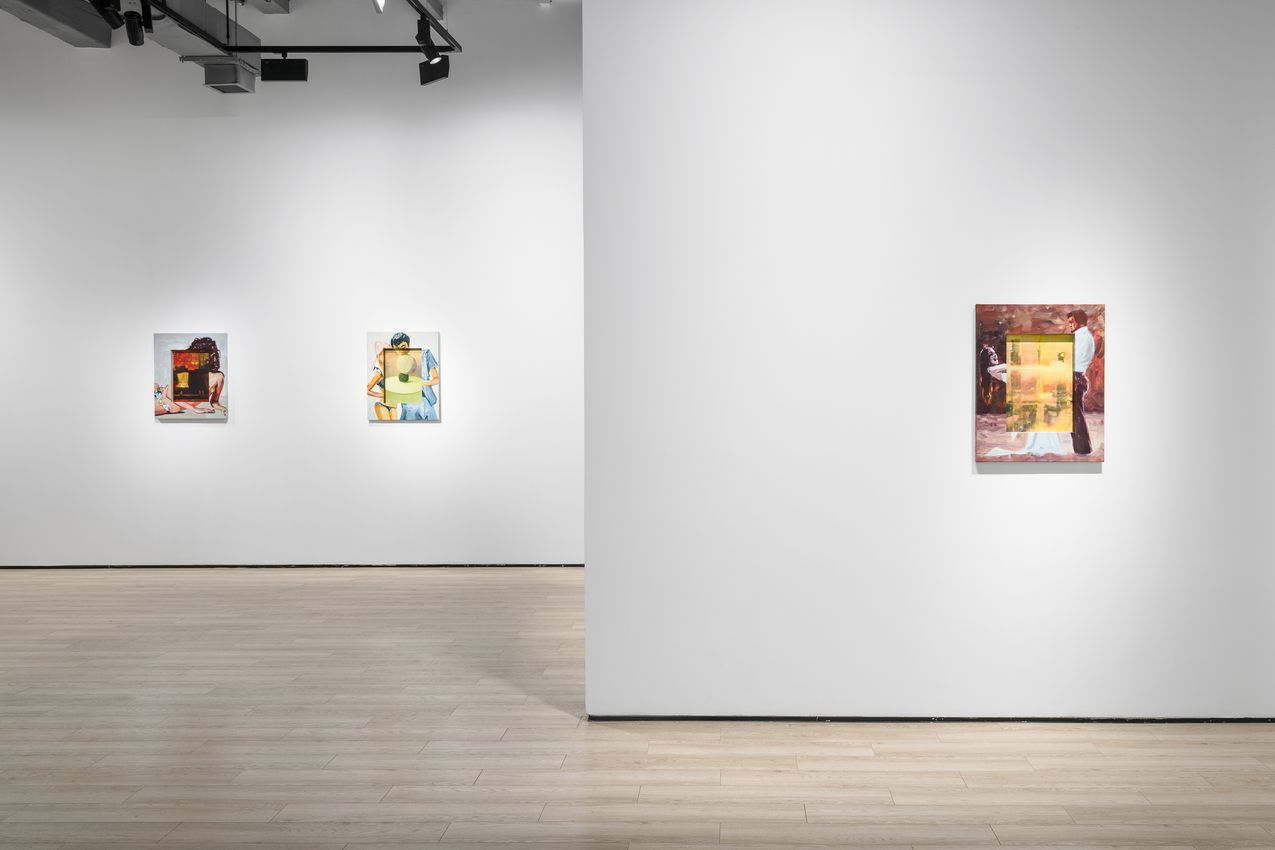
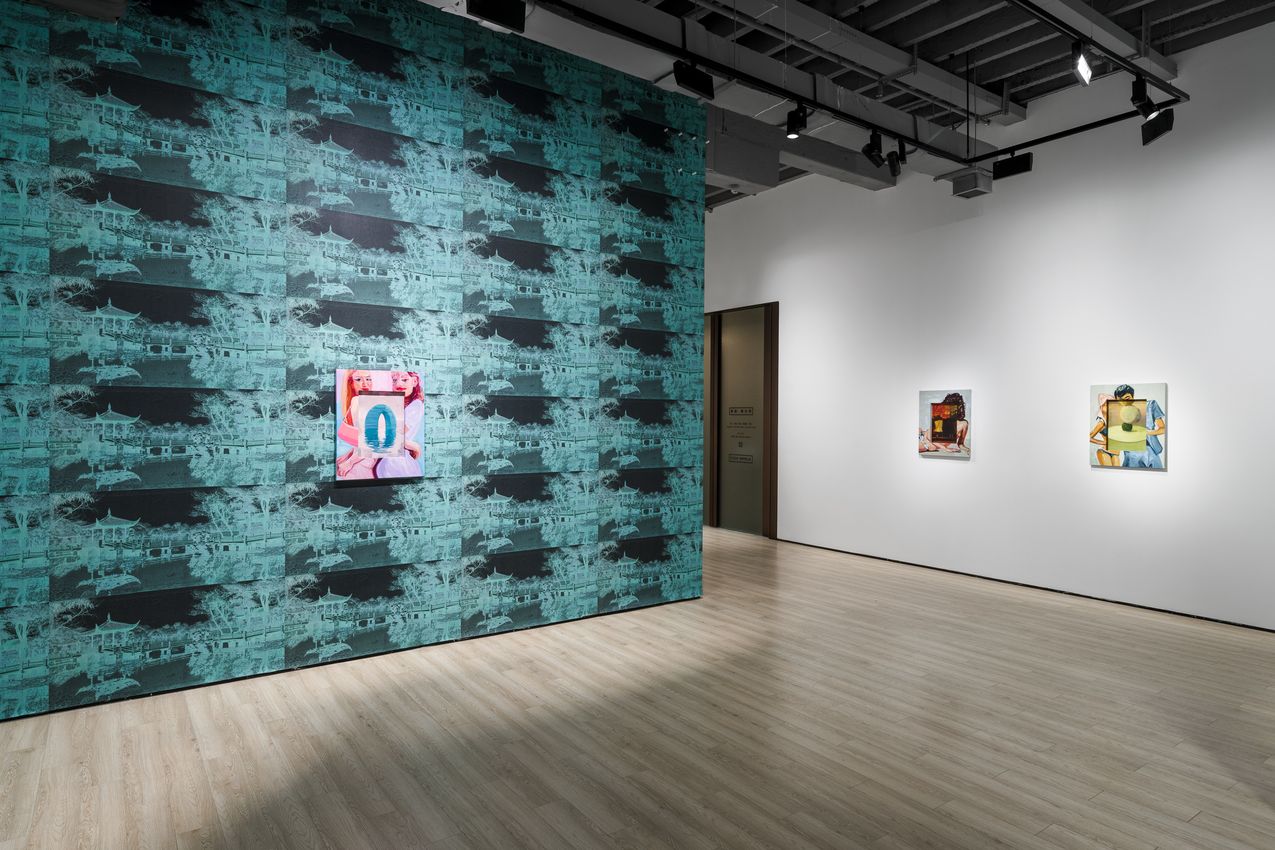
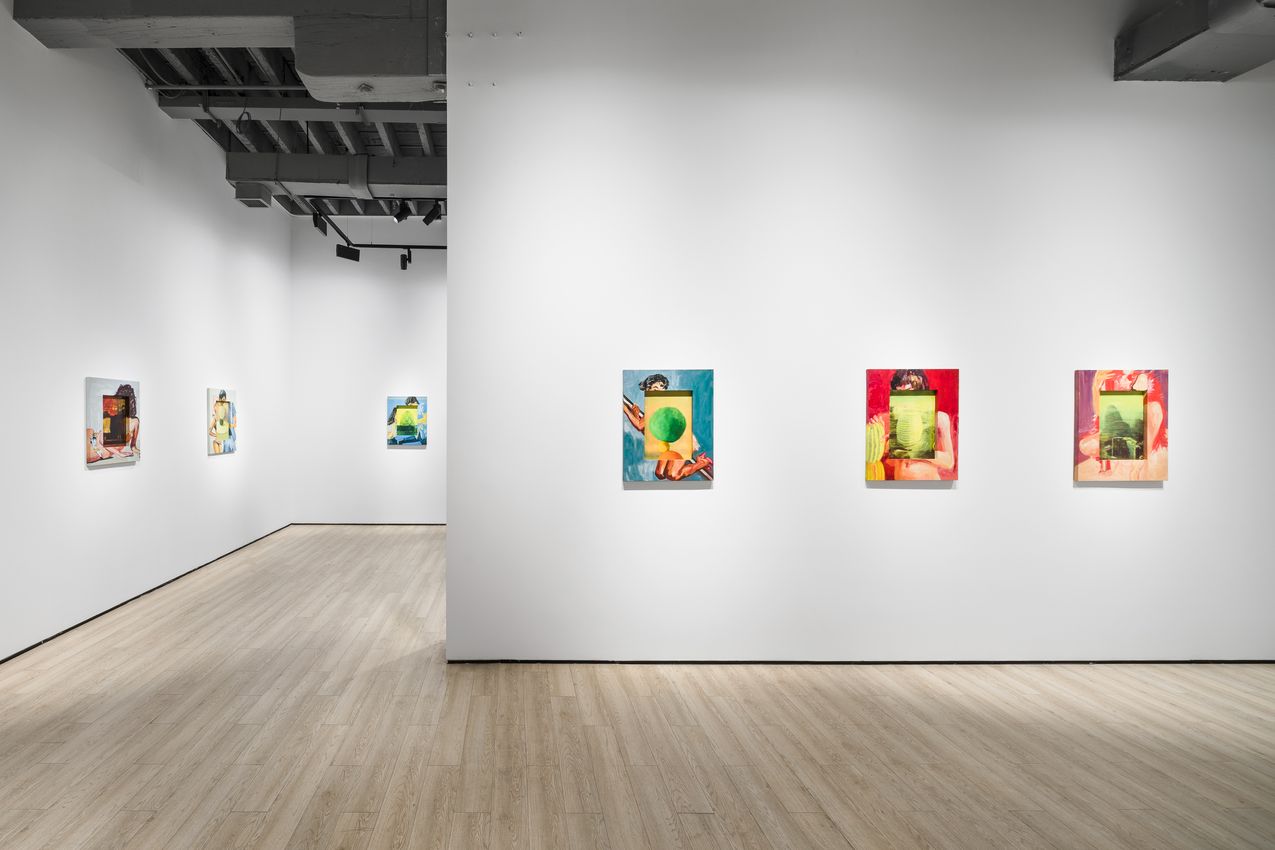
At the same time, painting on window frames creates an absent presence. The boundary issue that was initially concealed returns as a more prominent being, which further develops Li Qing’s practice. The artist’s latest series of ‘Frame-shaped Paintings’ continues to address the issue of inter-painting. In the series ‘Spot the Difference’, Li Qing invites the audience to look for the differences between two paintings; while in ‘Images of Mutual Undoing and Unity’, the artist lets two undried paintings overlap, penetrate and damage each other. The frame-shaped paintings not only allow one to ‘enframe’ (Gestell) another, but also reproduce the history of analogy between architecture and the human body. In this case, Li Qing’s frames of paintings move from backstage to the front–like Giacometti’s plinth–engaging in the scenery of the artwork. The synesthesia and topology between the human body and architecture have infused the scene with dynamics. While the body’s shape appears to be divided, it invokes an image layer in the void, thanks to our perception’s integrity. This image layer coheres the compositions of the two paintings with body image, and the two also render each other like they do in the ‘Mutual Undoing’ series. While eighteenth-century architecture is about pursuing a sublime beauty realised by the reflection of human bodies2, Li Qing’s pop architectures point to very different aesthetics and spiritual pursuit. The geometric architecture is echoed by the staged body postures revealing the modern myth of the middle class. However, numerous depictions of architecture point to its negation, for these buildings not only symbolise the uncanny myth of modernity but also reflect the unhomely nature of those attracted to it.

The vast practice with frames liberates the object’s metaphysical significance. The artist references Heidegger to ponder the essence of painting as a techne, while attempting to raise questions about the frames of perception. To what extent has perspective, a crucial model of modernity3, long coerced our manner of viewing? Is the abstracted geometry of buildings a hegemonic symbol of aesthetics? Considering the geometrical domination in our vision, from the immense to the minuscule, has the distribution of the sensible already reached an impasse? The inquiries into the frames of perception project an uncanny aesthetic unique to this land, a groundless aesthetic experience that reflects the lifestyle and identification of particular groups. Li Qing’s wooden windows, faded over time, have thus become objects as a witness of history. While they record, they do not forget to inquire.

1 Leon Battista Alberti, Della pittura (On Painting) (1435-6).

2 Anthony Vidler, The Architecual Uncanny, 71.

3 Karsten Harries, Infinity and Perspective, 16.

Press release courtesy Almine Rech. Text: Jenny Chen Jiaying.

Read More

Installation Views

Shanghai Lowdown: Best Exhibitions to See 2022 Spotlight Shanghai Lowdown: Best Exhibitions to See 2022 Ocula Magazine selects some notable exhibitions across Shanghai’s galleries and museum spaces this November. Read the story
About the Artist

Li Qing was born in Huzhou, Zhejiang Province in 1981. He lives and works in Hangzhou and Shanghai. His paintings, installations and video works seek rational rifts in similarity and contradiction, acting on the perception and acknowledgment of a viewer through circuitous and overlapped structures. In recent years, his works track the historical fragmentation and ideological conflicts that have occurred widely in the dissemination of information, collective memory, and knowledge experience. Simultaneously, his works are testing the tension and contradiction between image, language, symbol and social space, connecting the multi-level elements of experience in series to construct a conflict structure. The capture of micro-politics in everyday spaces and images, the questioning of political identity in aesthetic tradition, and the observation on the identity of Chinese Art in the context of Global Art, all reflect his historical consciousness among the younger generation of Chinese artists.

View Artist Profile

Also Exhibiting at Almine Rech

About the Gallery

Almine Rech opened its doors on April 1st, 1997 in the 13th arrondissement in Paris. The gallery was founded on an axis of California Minimal, Perceptual art and Conceptual art, representing artists such as James Turrell, John McCracken and Joseph Kosuth.

View Gallery Profile
Address
27 Huqiu Road, 2nd Floor
Shanghai
China
Opening Hours
Tuesday – Saturday
11am – 7pm
(1)
Shanghai 27 Huqiu Road, 2nd Floor
Almine Rech
27 Huqiu Road, 2nd Floor, Shanghai, China
+86 216 312 0260
http://www.alminerech.com

Opening hours
Tuesday – Saturday
11am – 7pm
The art world in focus