






Has Poland’s Art Scene Become ‘Too Comfortable’?

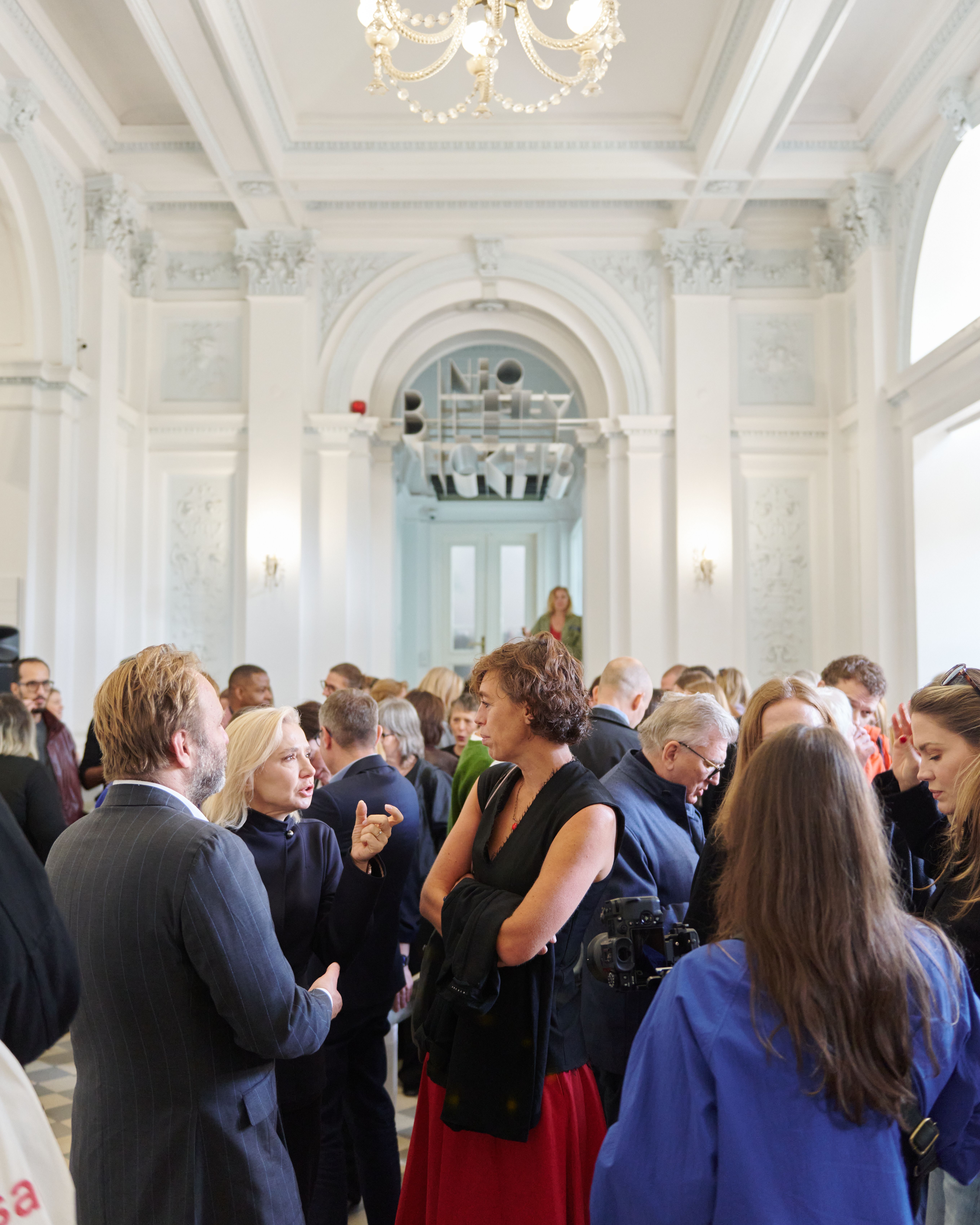
Earlier this week, Warsaw Gallery Weekend took over Poland’s capital, bringing together more than 60 exhibitions and 130 artists. Courtesy Warsaw Gallery Weekend. Photo: Bartosz Górka.
At Gunia Nowik Gallery in Warsaw, Sana Shahmuradova Tanska’s dreamlike, expressionistic paintings draw on Ukrainian folklore as a way of confronting the violence in her home country.
The artist stretches her own canvases now, after the Belarussian supplier she preferred became unreachable, and buys paint from a single Ukrainian manufacturer, which she also expects to lose one day. Art supplies are hardly the worst deprivations to take hold since Russia’s full-scale invasion of Ukraine, but they add to the pressure. “These are all resources that are being taken away from us one by one,” she said.
Five hundred miles west of Tanska’s Kyiv studio, where her works were recently on show as part of the Warsaw’s Gallery Weekend, the opposite problem is at play. Between 18–20 September, the event took over Poland’s capital, bringing together more than 60 exhibitions and 130 artists across both commercial galleries and independent spaces. The free, annual festival took place against a backdrop of growing GDP of 3.6 percent—significantly above the European Union average of 1.5 percent—and an expanding art market driven by an increase in ultra-high-net-worth individuals.
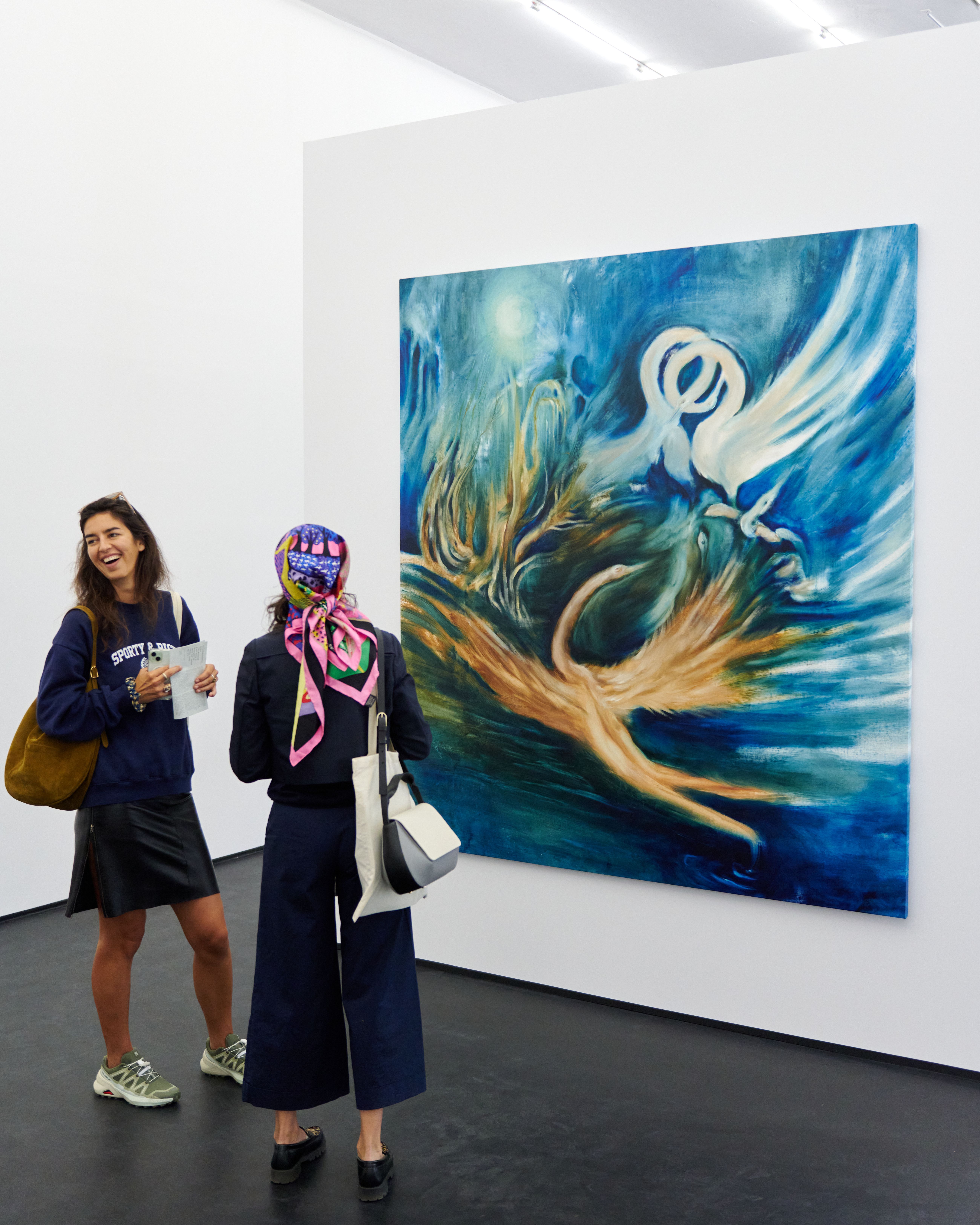
These changes have prompted some to ask whether Poland’s art scene, long known for its experimental spirit, has become “too comfortable”, as second-generation collector Mikołaj Beczek put it. Iwona Wojnarowicz, who looks after the private collection of real estate developer Jakub Mrówka, as well as a handful of other clients, contrasted the current status quo with the avant-garde energy of the 1970s. “Today, the market demands something more pleasurable,” she said.
Collecting is fashionable
Part of this change in identity is a consequence of Poland’s ongoing internationalisation since it joined the European Union in 2004, accelerated by the influx of Ukrainians since 2022. Warsaw is today an affluent metropolis and art collecting has become fashionable among the ultra-wealthy, who are increasingly opening their collections to the public. An array of art-market activity unfolds across the year at a growing landscape of galleries, auction houses and commercial events, including the gallery weekend, gallery-share programme Constellations, and fairs including Art Warsaw and Hotel Warszawa.
Polish collectors have also been entering the global art market as language barriers have dissolved, particularly among millennials, while international galleries have been testing the waters locally through initiatives like NADA Villa Warsaw, which held editions in 2024 and 2025. “Polish collectors and galleries feel part of the art market finally and you can see this,” Wojnarowicz explained.
Increased awareness—and therefore competition—from abroad could push Polish galleries harder to differentiate their offerings. However, Warsaw Gallery Weekend often saw them make safer choices, offering familiar, sellable work as they vied for the attention of the same narrow pool of collectors.
Are galleries missing a trick?
For now, the local market remains strong enough to reward this behaviour. However, some believe galleries are missing a trick by ignoring collectors’ broadening palettes, and by failing to cater to the new prospects created by Poland’s recently affluent population.
“A lot of design galleries have opened, which means that there is a buying class that has expensive taste,” said millennial dealer Sonia Jakimczyk, co-founder of gallery Import Export, which was showing new films and images experimenting with AI by New York Pictures Generation artist Laurie Simmons. “People have money to spend but I think we still need to work on translating this into sales at galleries.”
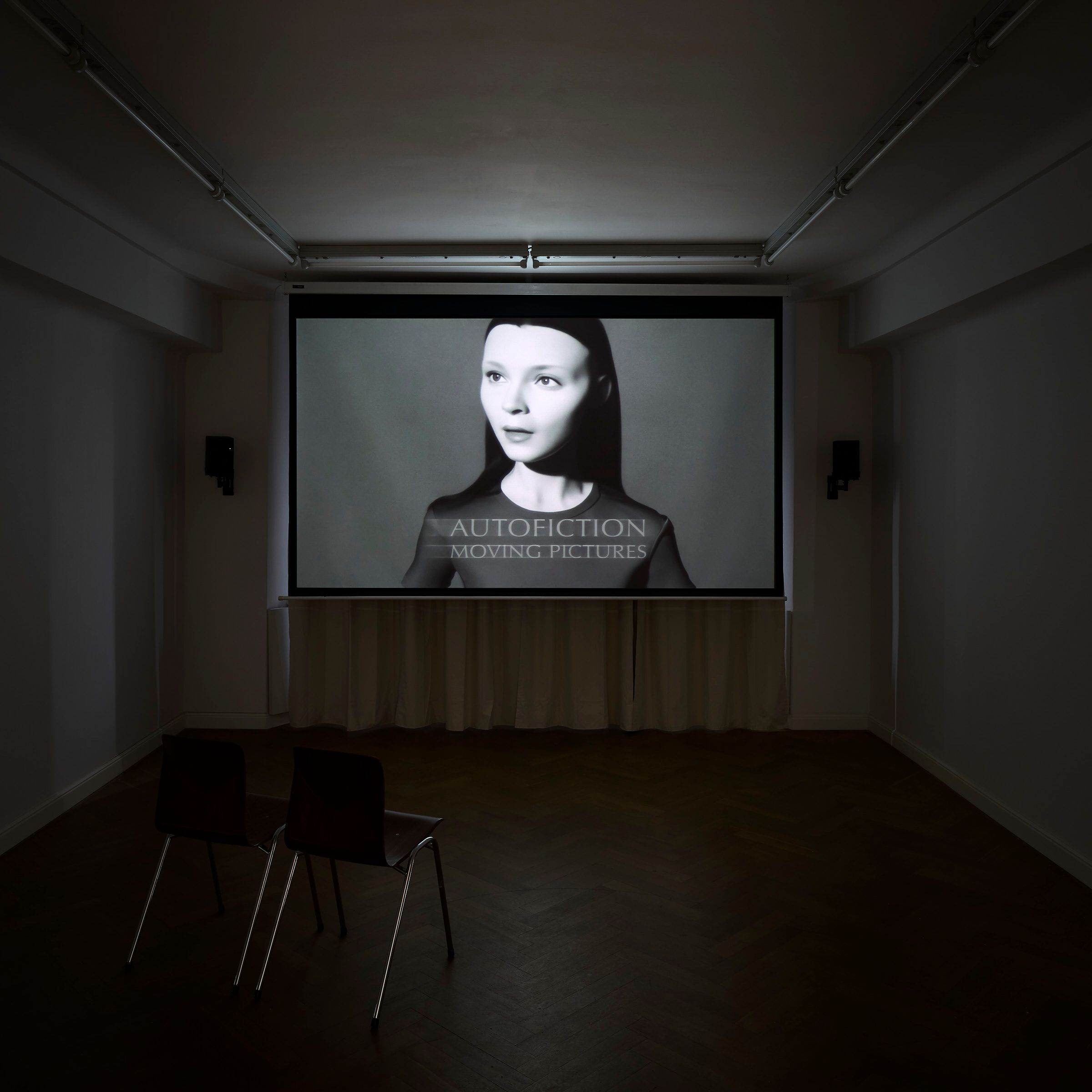
But what could such a rush to cater to more expensive tastes mean for an art scene so rooted in the subversive? According to Jakimczyk, many of Warsaw’s galleries, often hidden away on upper floors, must embrace accessibility and increased price transparency if they also want to reach younger and less affluent clients and to support the emerging end of the market.
“You don’t have to be a millionaire to buy an artwork. It’s about understanding how to work with people who have budgets, or need an installment plan,” she said. Her co-founder, Piotr Bazylko, added that social media is becoming increasingly crucial for the discovery of younger artists, whose work has traditionally driven such sales.
However, even when galleries do make space for insurgent voices, there are other barriers for these artists to overcome. For Janek Simon, who was showing 3D-printed sculpture at a pop-up exhibition in a partially ruined historic palace during Warsaw’s Gallery Weekend, the Covid-19 pandemic “ruptured” a continuity between successive generations of Warsovian art students.
The social media echo chamber
According to the 49-year-old, younger artists are now more influenced by the echo chamber of social media, and are producing more homogeneous, risk-averse work. There may also be a hangover from eight years under the national-conservative Law and Justice party, which until the end of 2023 created an unfriendly environment for any art that did not align with its conservative, Catholic values. Rising rents, too, have played a role in who gets a window into the emerging art scene.
Overall, for Helena Czernecka, an independent publisher who serves on board of the Friends of Warsaw’s Museum of Modern Art, there is a sense that, as Polish society becomes more globalized, “everything is heading in the same direction”. The city’s art scene, she explained, “jumped very fast from being quite alternative to being quite established”, and now, “things are becoming more similar everywhere you go”.
There are, however, initiatives that are bucking this trend. Czernecka highlighted the artist-run project space Rififi, and Fringe, a non-commercial exhibiting event, as examples of outlier, grassroots organisations. She also praised philanthropists such as collector Artur Dela, who is investing in transforming vacant or industrial buildings into affordable artist studio hubs and creative spaces.
In a heavily state-dependent cultural funding system where private giving is not strongly incentivised, such private support remains rare. Yet, ahead of next year’s national elections, a coalition of business and cultural organisations is lobbying Poland’s centrist government to pass reforms that would introduce tax incentives for cultural sponsorship.
Should they be successful, this timing would see changes approved before the possible return to power of a more right-wing government—the threat of which became more complex following the recent split of the Law and Justice party, a move likely to create a shift further right among some factions. The war in Ukraine is also a looming spectre, as more of Poland’s public money is spent on defense.
As Olga Brezezińska, deputy director of the state-run Instytut Adama Mickiewicz, which supports Polish culture abroad, put it: when you run out of resources, “the first to get cut is culture”. A sobering warning for an art scene that was just getting comfortable.





A respected voice in contemporary art discourse.
Focusing on ambitious storytelling and insightful art-world commentary. Ocula Magazine publishes in-depth interviews, critical essays and timely analysis on the artists, exhibitions and ideas driving the global art world.
Learn more about Ocula Magazine
Showcasing the best of the art world.
Ocula partners with galleries from around the world to highlight their artists, artworks and exhibitions. Gallery membership is by application and invitation, with each member vetted by an independent panel.
Learn more about Ocula Membership
Specialises in the sale of major artworks.
Led by a team with deep ties to the world’s leading auction houses, galleries and collectors. Ocula’s advisory team offers bespoke services to high-net-worth clients from around the world who are looking to acquire the best of contemporary and modern art.
Learn more about our team and services