




SUSAN ROTHENBERG
1945-2020, United StatesSusan Rothenberg, a pioneering American artist, gained renown for her iconic horse paintings, which began in the 1970s. These works redefined the contemporary art of her generation, and art critic Peter Schjeldahl credited her with reviving figurative painting.
Early Years
Born in Buffalo, New York, in 1945, Susan Rothenberg received her BFA from Cornell University in 1967. After a formative period of travel in Europe, she moved to New York City in 1969, immersing herself in the city’s experimental art and performance scene. Her early exposure to avant-garde dance and performance would later influence her approach to movement and gesture in painting. In 1990, Rothenberg moved to a ranch in Galisteo, New Mexico, with her husband, artist Bruce Nauman, where the dramatic landscape and daily life became central to her later work.
Susan Rothenberg Artworks
Rothenberg’s art is celebrated for its physicality, psychological depth, and innovative synthesis of abstraction and figuration, with a practice that spans painting, drawing, printmaking, and sculpture. Her works are recognised for their dynamic brushwork, expressive use of colour, and exploration of the body, animals, and the landscape.
The Horse Paintings (1970s)
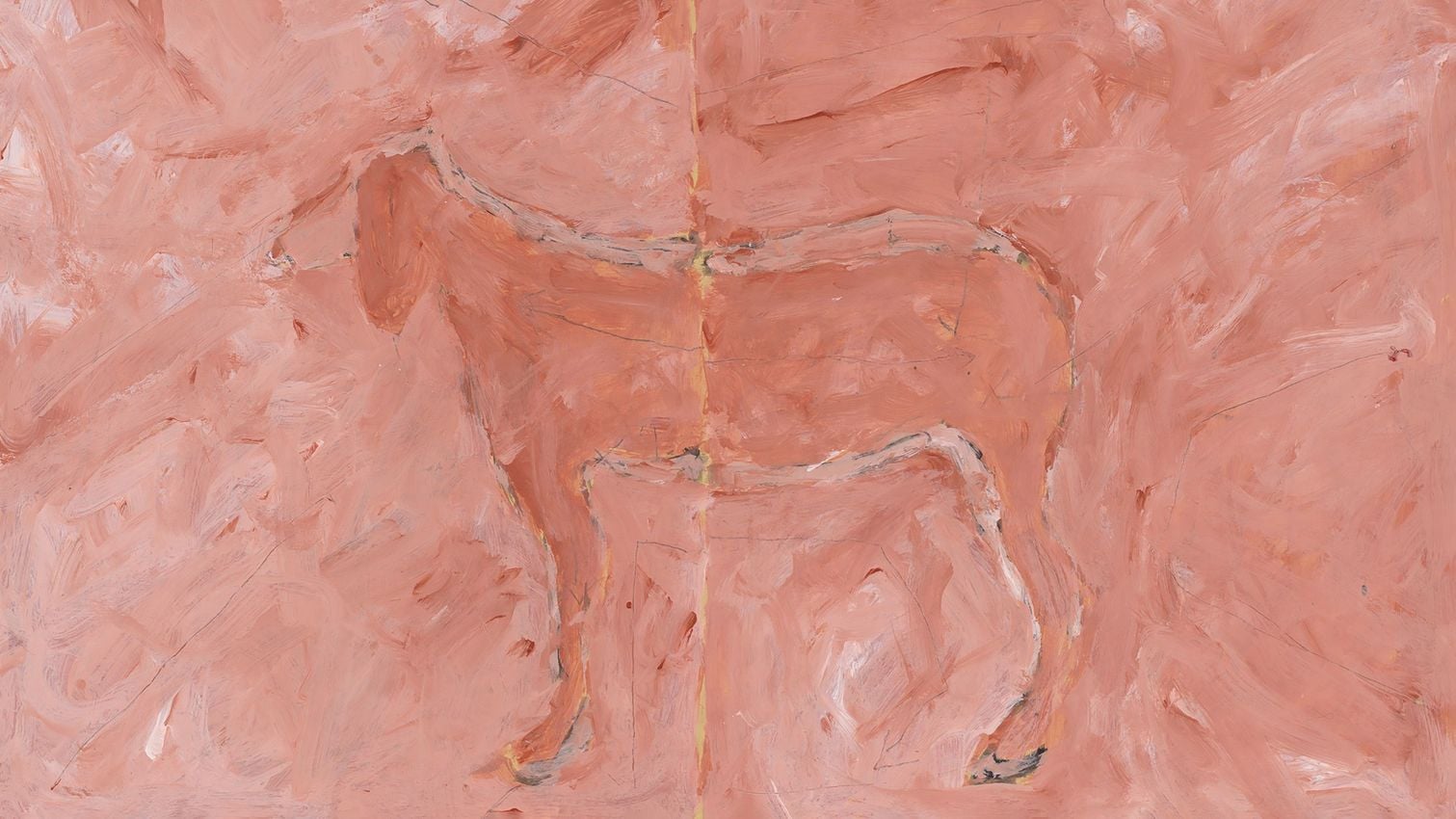
Rothenberg’s breakthrough came with her first solo exhibition at 112 Greene Street, New York, in 1975, where she presented three large-scale paintings of horses. These works, rendered in a pared-down, glyph-like style and often bisected by bold lines, marked a radical departure from the prevailing Minimalism and Conceptualism of the era. Critic Peter Schjeldahl described the show as ‘a eureka’, noting that ‘the mere reference to something really existing was astonishing’. The horse motif became a signature element, enabling Rothenberg to explore the tension between abstraction and representation, and to introduce psychological complexity into contemporary painting.
Expanding Imagery and Neo-Expressionism (1980s)
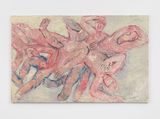
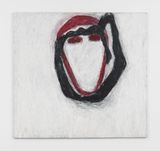
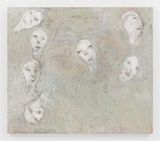
In the early 1980s, Rothenberg’s focus shifted from horses to fragmented human forms, including heads, hands, and bodies in motion. Her work became more personal and emotionally charged, exploring themes of identity, memory, and transformation. The transition from acrylic to oil paint enriched her palette and surface textures, while her involvement with dance inspired a series of monumental paintings of dancers, capturing movement and vitality. Rothenberg’s inclusion in the Whitney Museum‘s New Image Painting exhibition in 1978 and the Berlin exhibition Zeitgeist in 1982 cemented her status as a pioneer of Neo-Expressionism and a key figure in the resurgence of figurative art.
New Mexico and Late Work (1990s—2020)
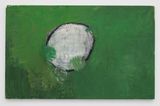
After moving to New Mexico in 1990, Rothenberg’s art reflected the vastness and colour of the Southwestern landscape. Her paintings incorporated animals, domestic scenes, and the natural world, often from a high or tilted vantage point, and were marked by energetic brushwork and vibrant colour. Later works explored puppets, marionettes, and fragmented bodies, further developing her interest in psychological and physical states. Rothenberg continued to experiment with composition and perspective, producing artworks that are both intimate and monumental.
Awards and Accolades
Awards and accolades include:
- Guggenheim Fellowship for Fine Arts, 1980
- Rolf Schock Prize, Stockholm, 2003
- Skowhegan Medal for Painting, 1998
Exhibitions
Susan Rothenberg has been the subject of both solo and group exhibitions at major institutions and galleries. Below is a selection of important exhibitions.
Solo Exhibitions
- 1975: 112 Greene Street, New York (first solo show)
- 1981—82: Kunsthalle Basel, Switzerland
- 1982: Stedelijk Museum, Amsterdam
- 1983—85: Retrospective organised by Los Angeles County Museum of Art, travelled to San Francisco Museum of Art, Carnegie Institute, and others
- 1992—94: Retrospective, Albright-Knox Art Gallery, Buffalo, travelled to Hirshhorn Museum, Saint Louis Art Museum, Museum of Contemporary Art Chicago, Seattle Art Museum, Dallas Museum of Art
- 1999: Museum of Fine Arts, Boston
- 2009—11: Moving in Place, Modern Art Museum of Fort Worth, travelled to Georgia O’Keeffe Museum, Santa Fe, and Miami Art Museum
- 2021—22: Survey, Kunstmuseum Schloss Derneburg, Germany; Hall Art Foundation, Reading, Vermont
Group Exhibitions
- 1978: New Image Painting, Whitney Museum of American Art, New York
- 1980: Venice Biennale, American Pavilion
- 1982: Zeitgeist, Berlin
- 1992: Documenta 9, Kassel
- 2007: Venice Biennale, American Pavilion
Susan Rothenberg FAQs
What inspired Susan Rothenberg’s signature horse paintings?
Rothenberg’s horse paintings emerged in the 1970s contrasting with the dominance of Minimalism and Conceptualism, using the horse as a motif to reintroduce figuration and emotion into contemporary art
How did moving to New Mexico influence Rothenberg’s art?
The New Mexico landscape inspired a shift in Rothenberg’s palette, composition, and subject matter, leading to paintings that incorporated animals, domestic scenes, and vivid colours, often from unique perspectives.
What is Susan Rothenberg’s legacy in contemporary art?
Rothenberg is recognised for her pivotal role in the revival of painting and figuration in the late 20th century, her influence on Neo-Expressionism, and her ability to bridge abstraction and representation.
Which institutions hold major works by Susan Rothenberg?
Her works are included in the collections of The Museum of Modern Art, New York; The Metropolitan Museum of Art, New York; Whitney Museum of American Art, New York; Los Angeles County Museum of Art; Tate, London; Stedelijk Museum, Amsterdam; Walker Art Center, Minneapolis; and the National Gallery of Art, Washington, D.C.
Did Susan Rothenberg work in media other than painting?
Yes, Rothenberg was also an accomplished printmaker, draughtswoman, and sculptor, although she is best known for her paintings.
How do I pronounce her name correctly?
Susan Rothenberg is pronounced ‘SOO-zuhn ROTH-en-burg’.
Ocula | 2025








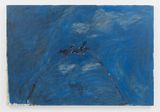
Explore Susan Rothenberg's Exhibitions

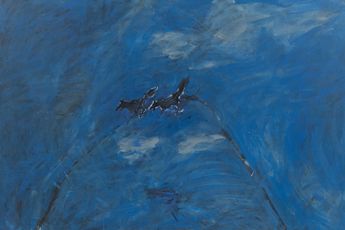



Explore and Follow Artists Shaping Contemporary Art
A respected voice in contemporary art discourse.
Focusing on ambitious storytelling and insightful art-world commentary. Ocula Magazine publishes in-depth interviews, critical essays and timely analysis on the artists, exhibitions and ideas driving the global art world.
Learn more about Ocula Magazine
Showcasing the best of the art world.
Ocula partners with galleries from around the world to highlight their artists, artworks and exhibitions. Gallery membership is by application and invitation, with each member vetted by an independent panel.
Learn more about Ocula Membership
Specialises in the sale of major artworks.
Led by a team with deep ties to the world’s leading auction houses, galleries and collectors. Ocula’s advisory team offers bespoke services to high-net-worth clients from around the world who are looking to acquire the best of contemporary and modern art.
Learn more about our team and services