Press Release

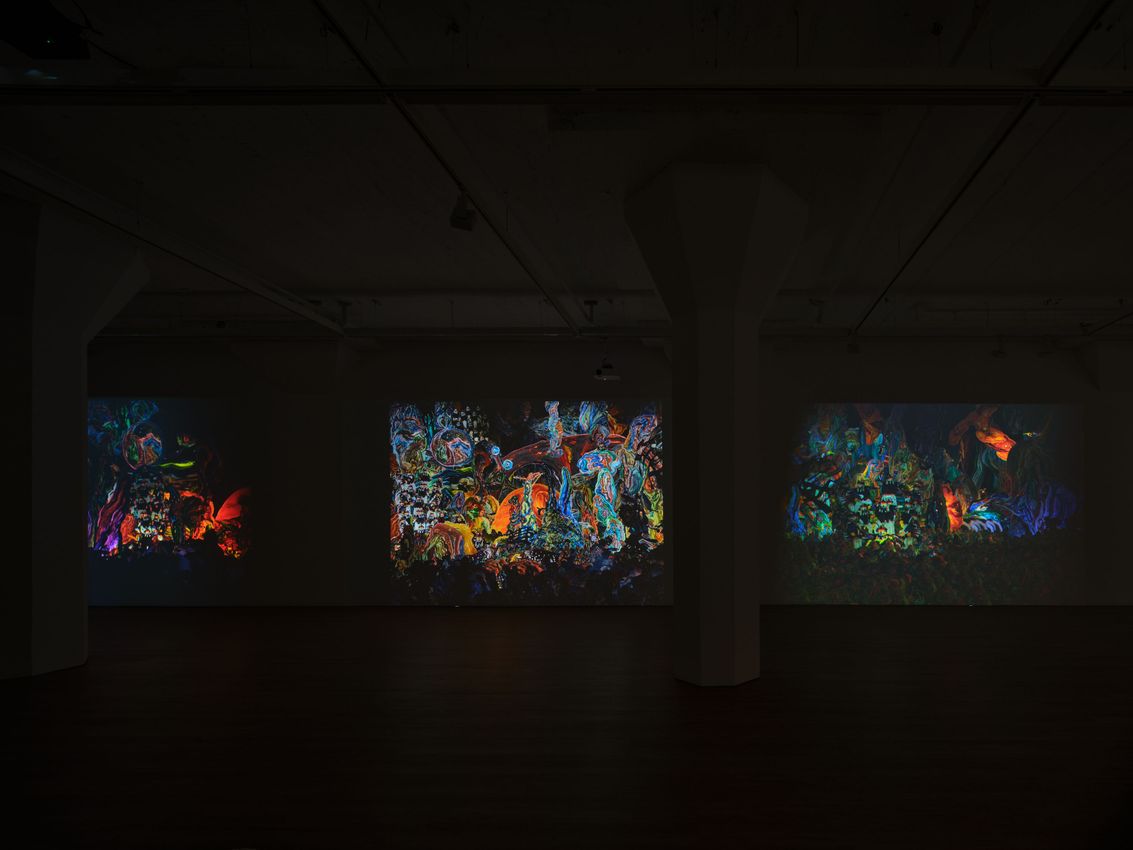
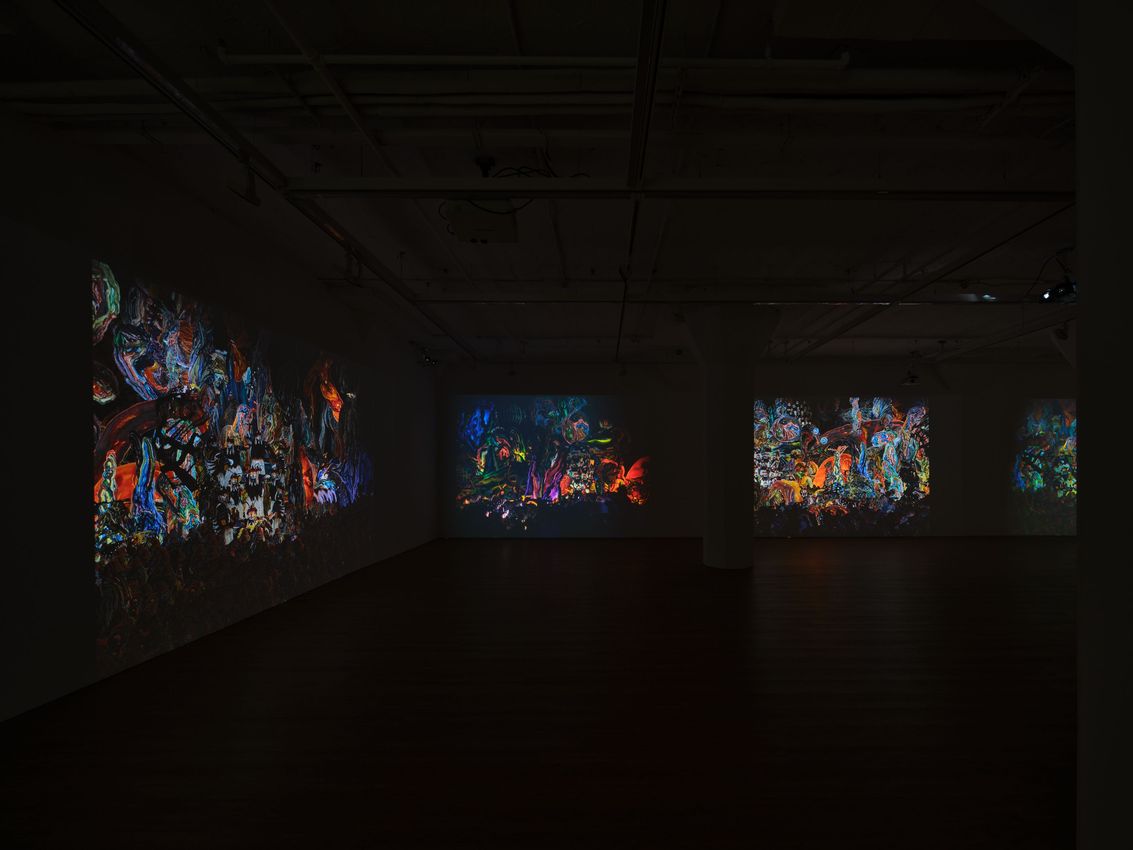
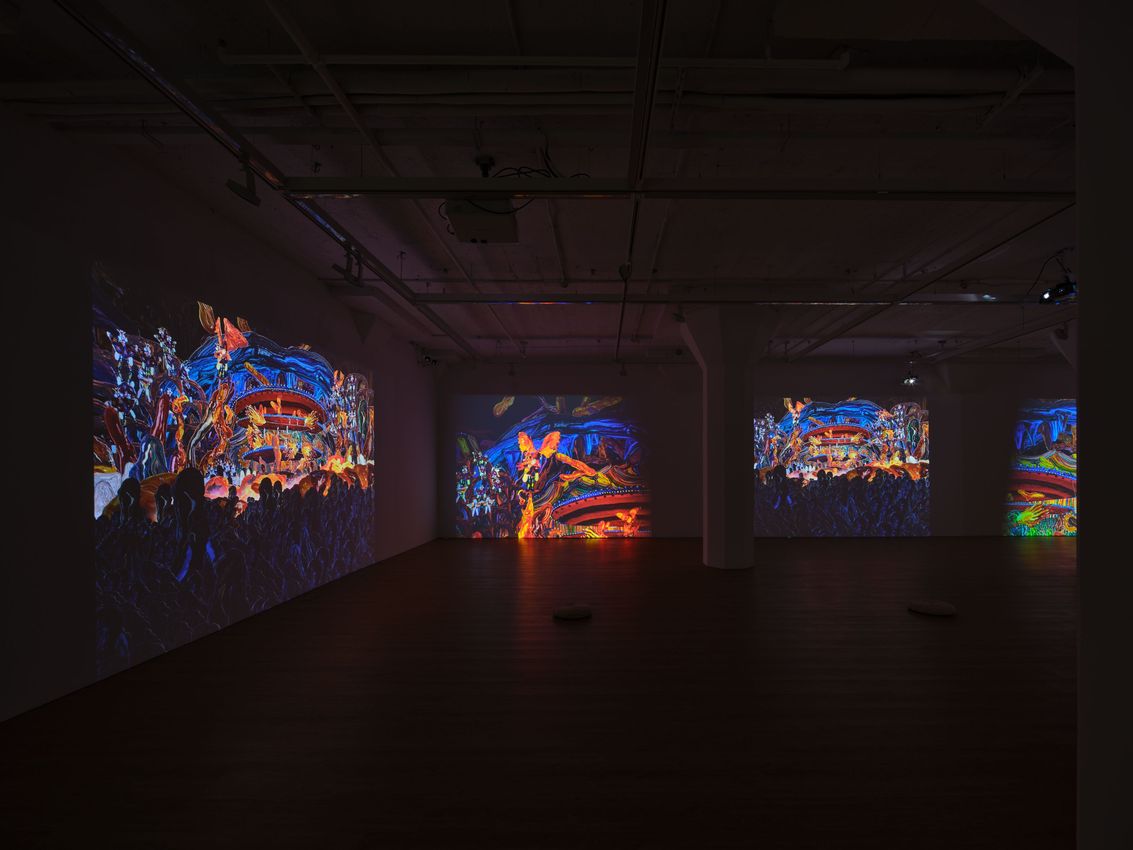
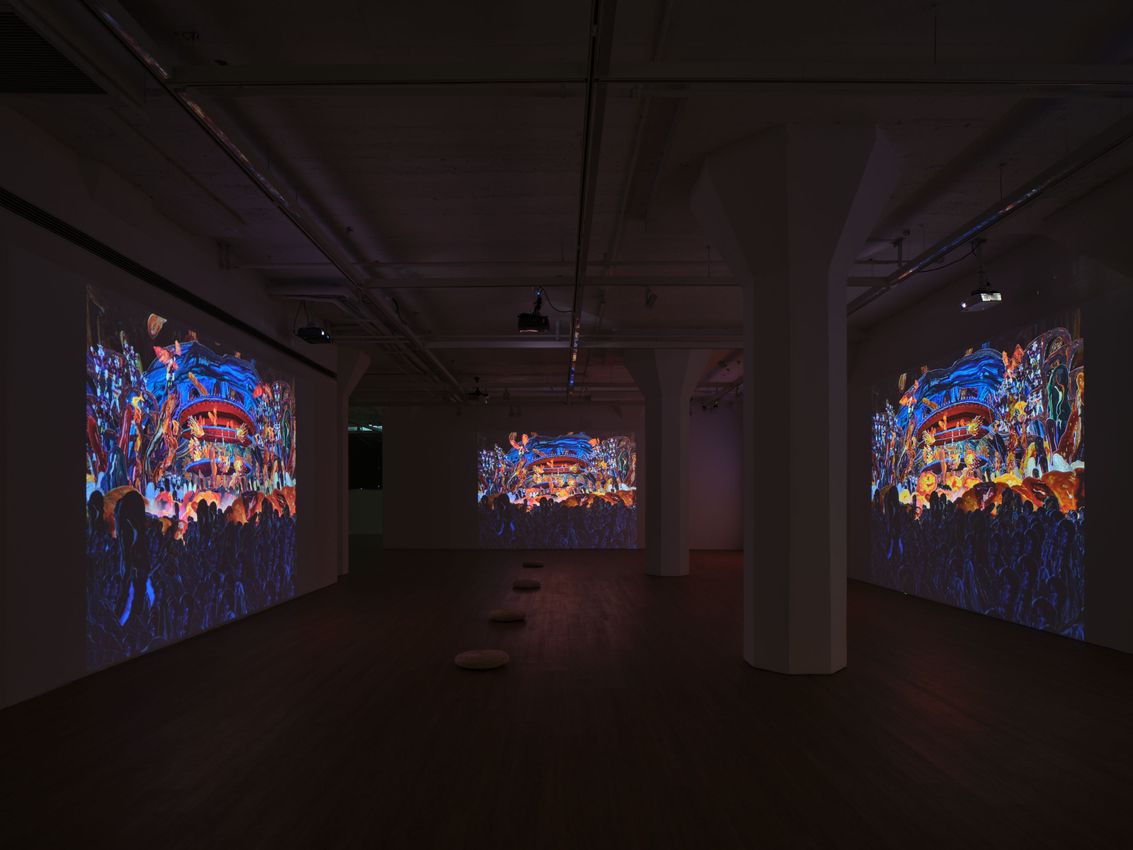
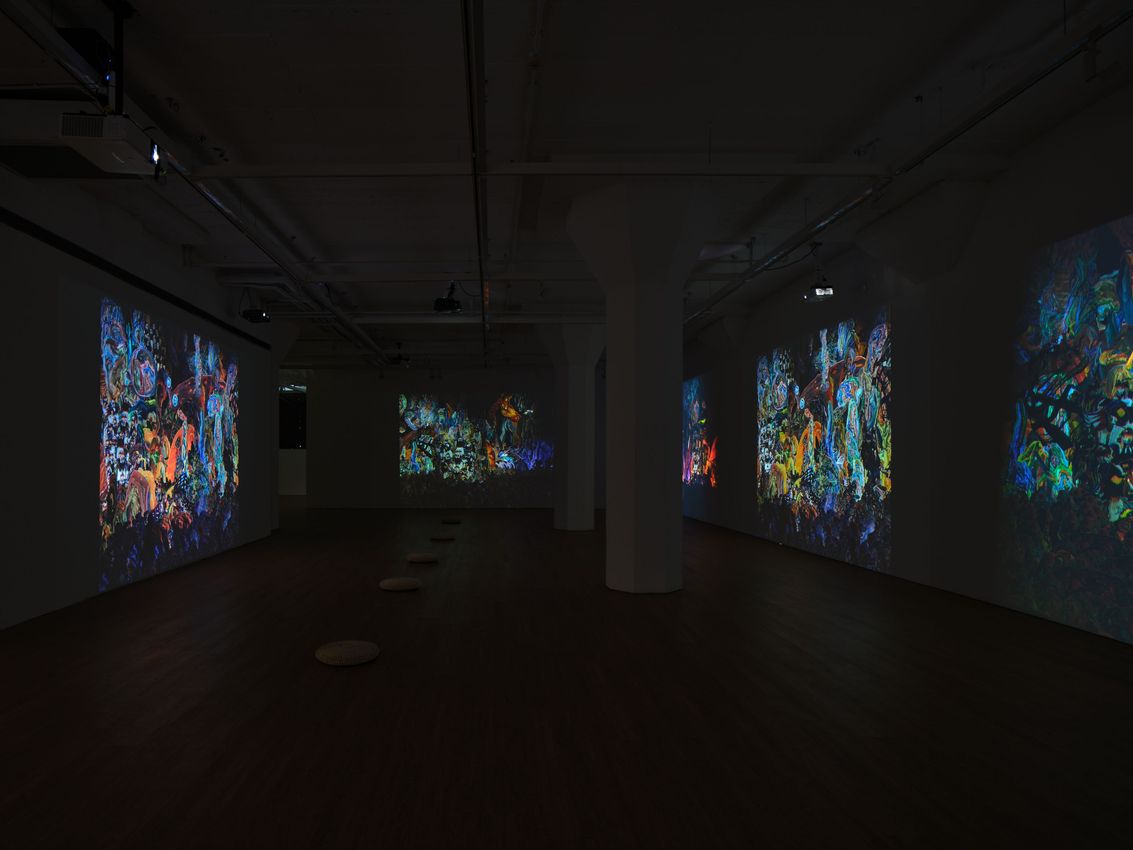
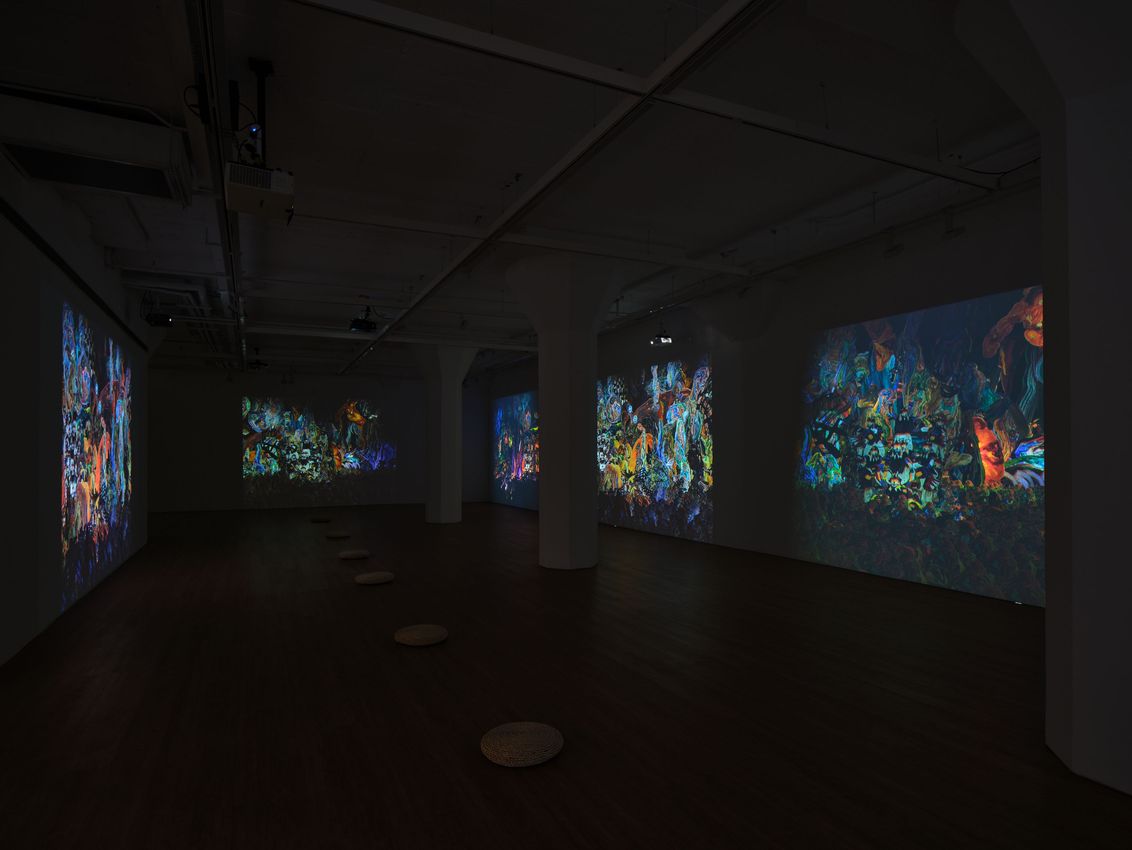
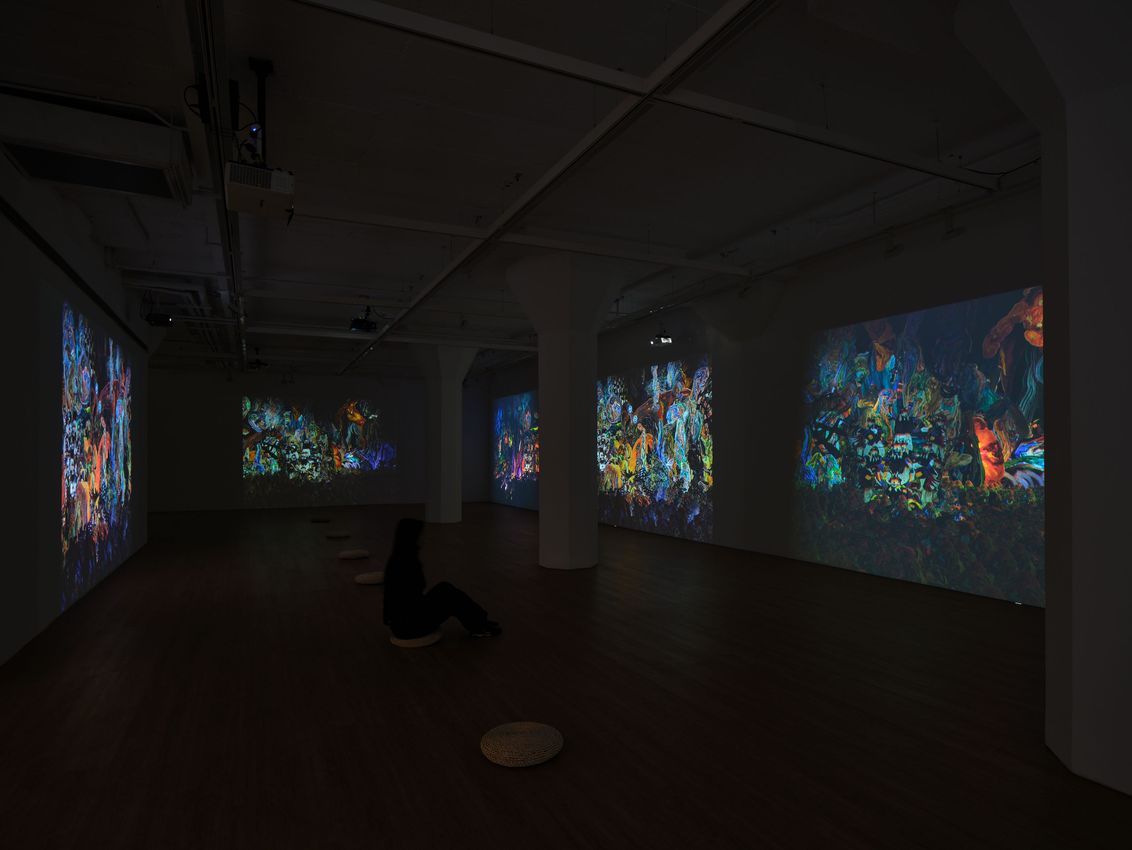
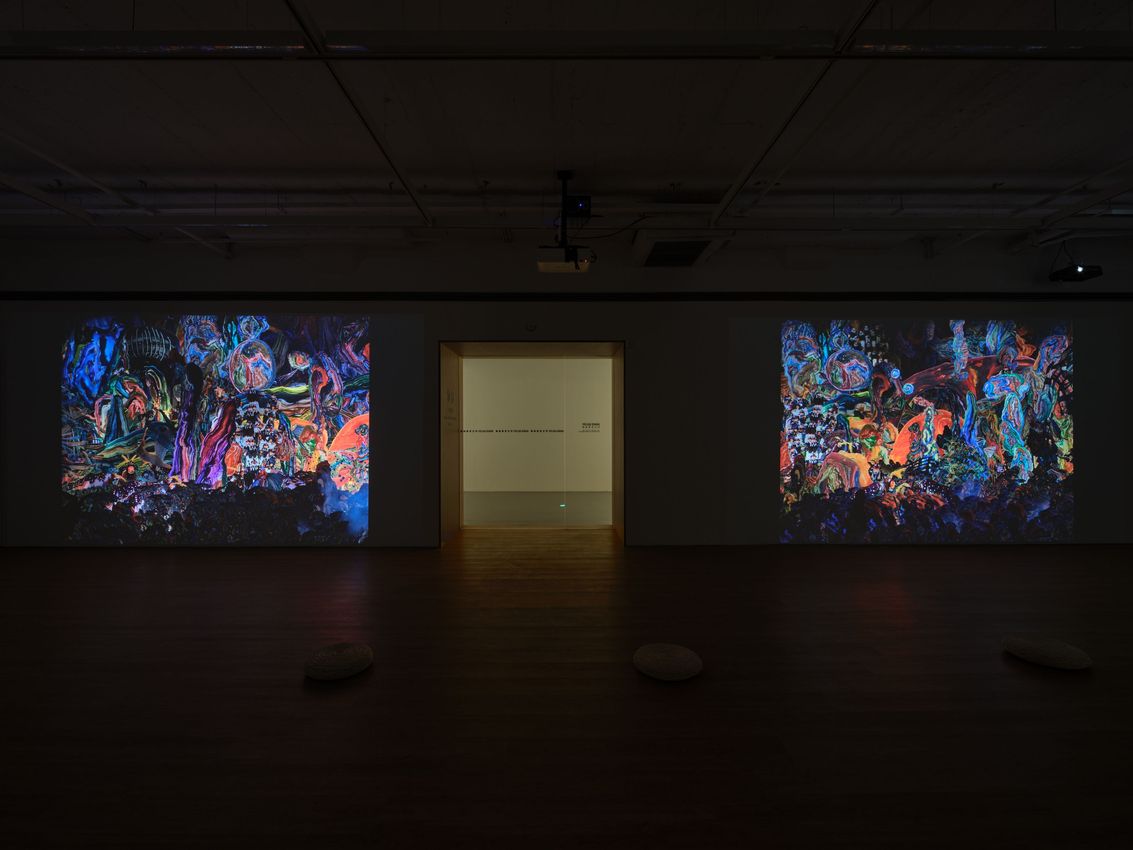
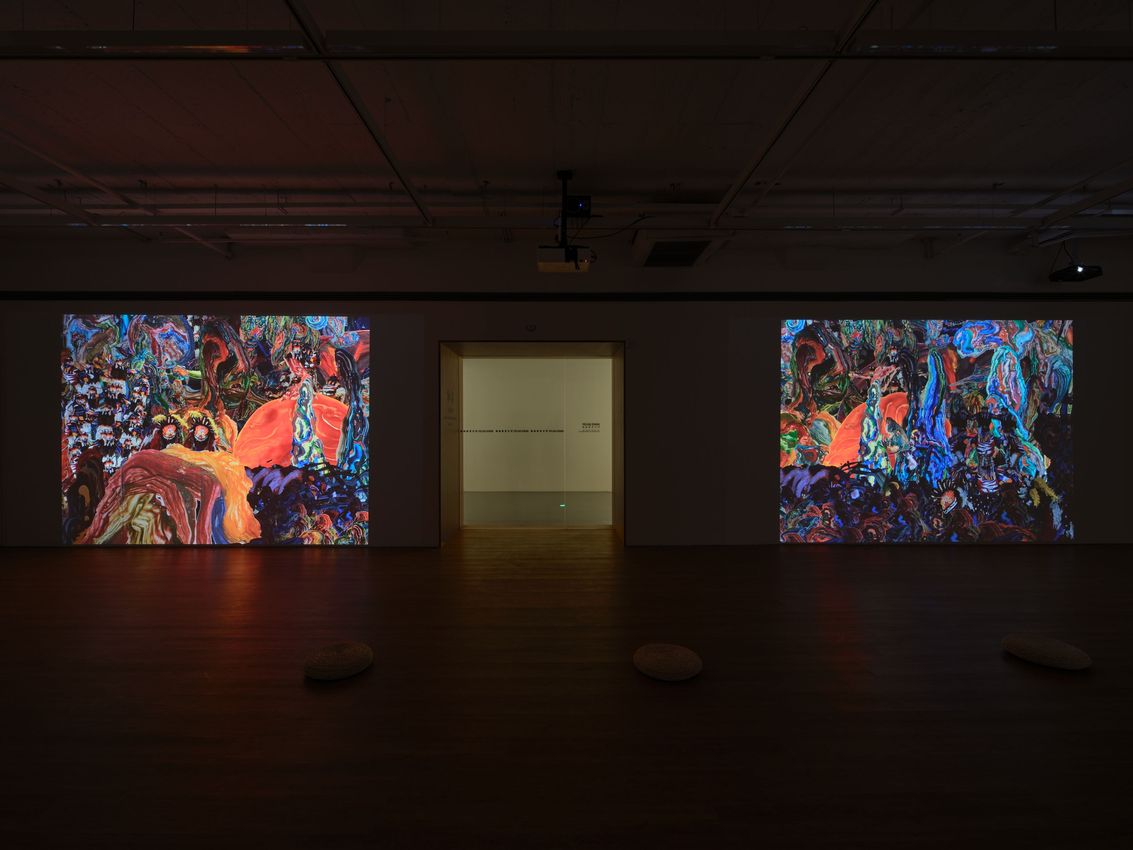
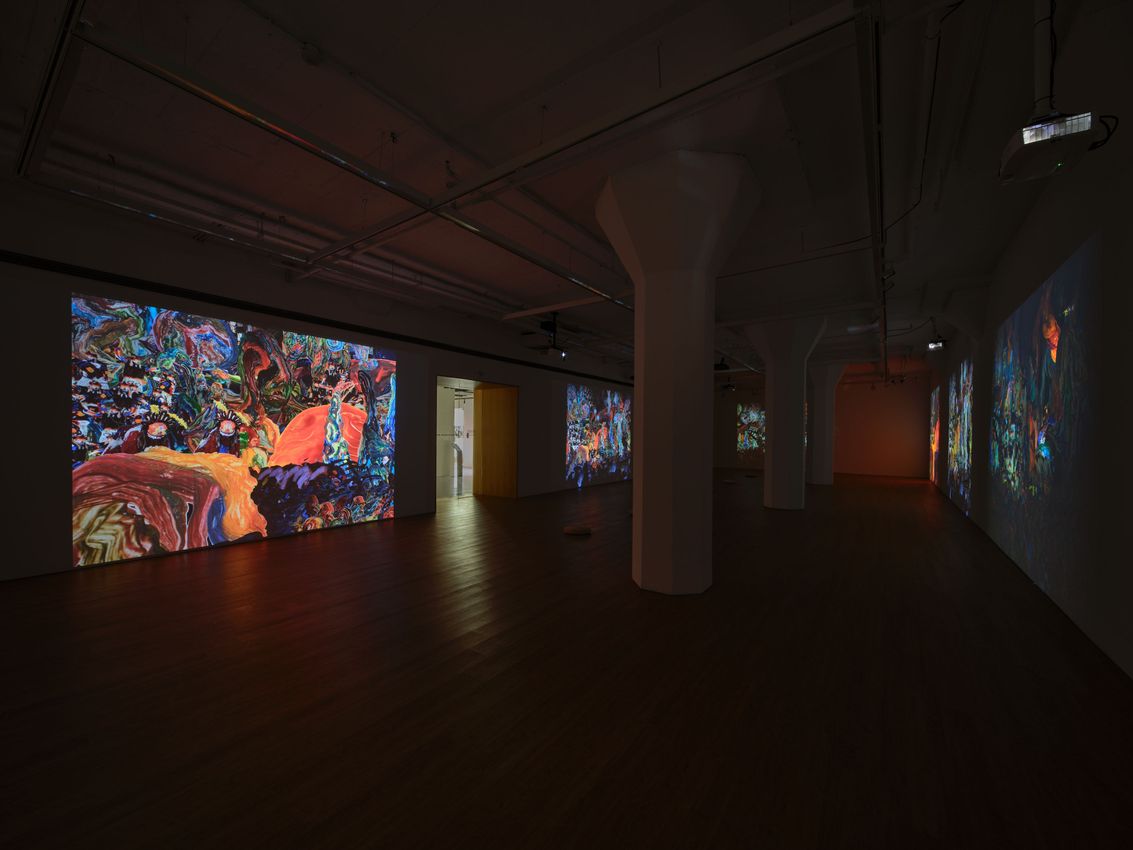
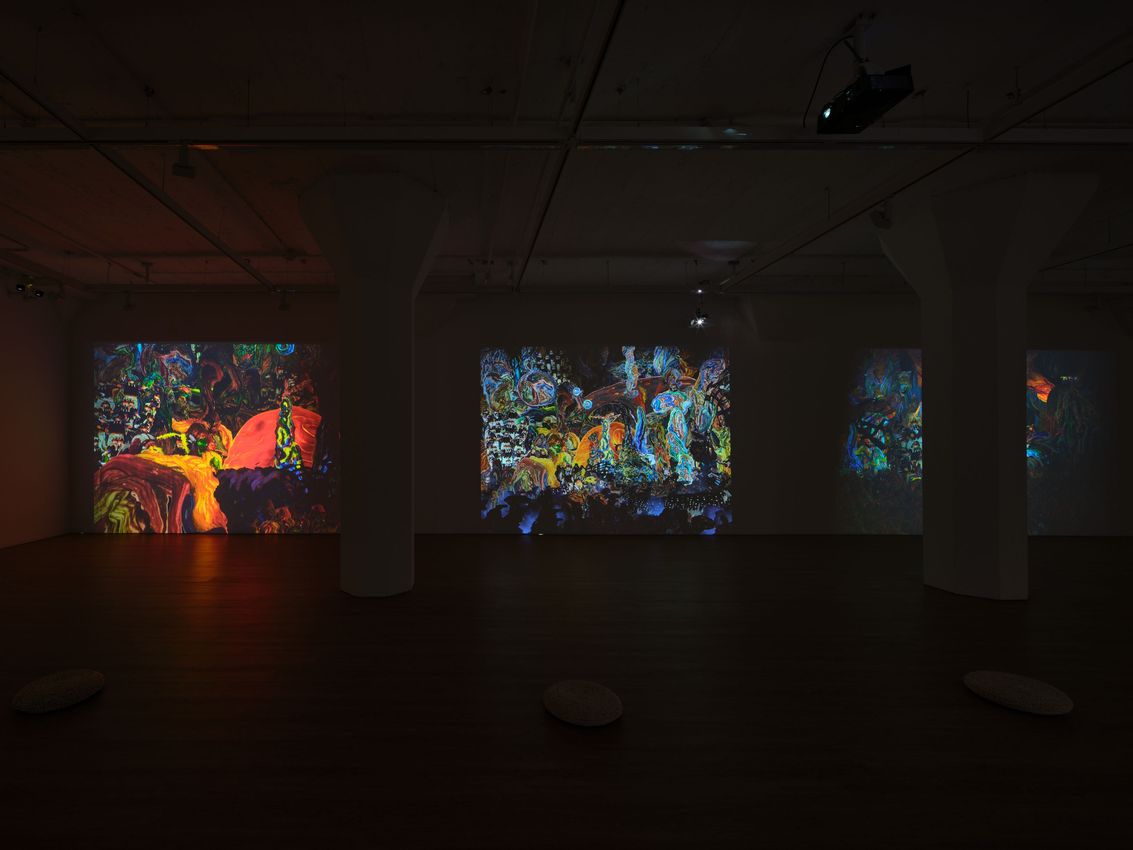
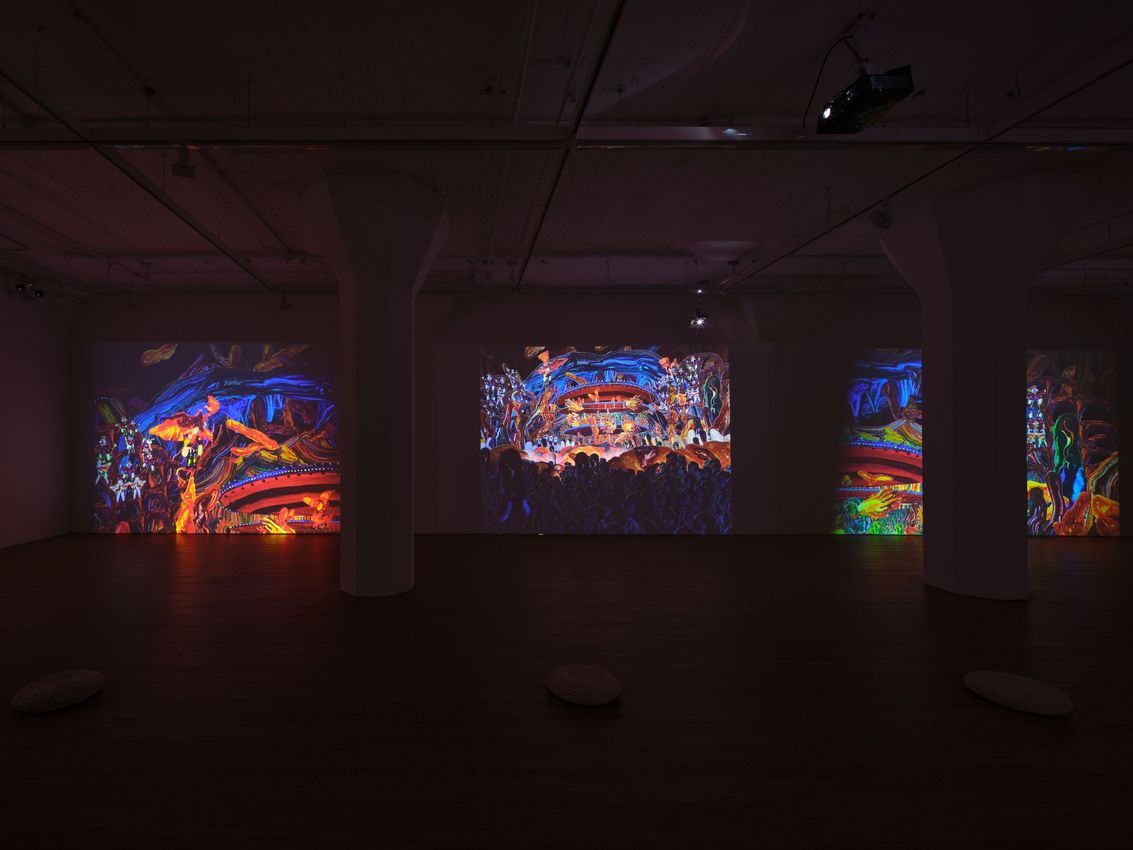
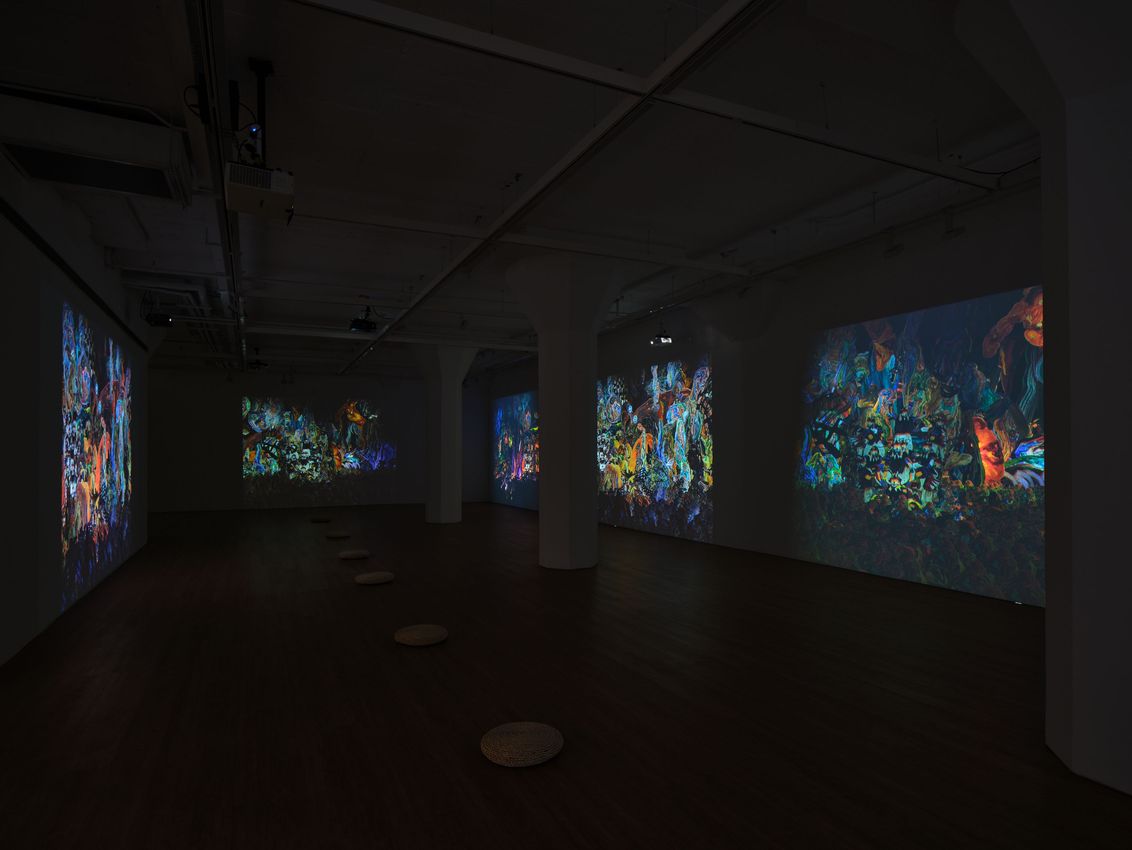
ARARIO GALLERY SHANGHAI is pleased to present Touching Red, a solo exhibition by WANG Chen (b.1991), on view from March 14 to May 9, 2026. The exhibition marks a significant stage in the artist’s recent practice. Through a three-channel video installation and newly created wooden sculptures, WANG constructs a “third space” situated between primal material textures and digital illusion. In this body of work, her focus expands toward a broader process of b__ecoming, examining how life continues to manifest, transform, and exist amid the loosening and reconfiguration of order.

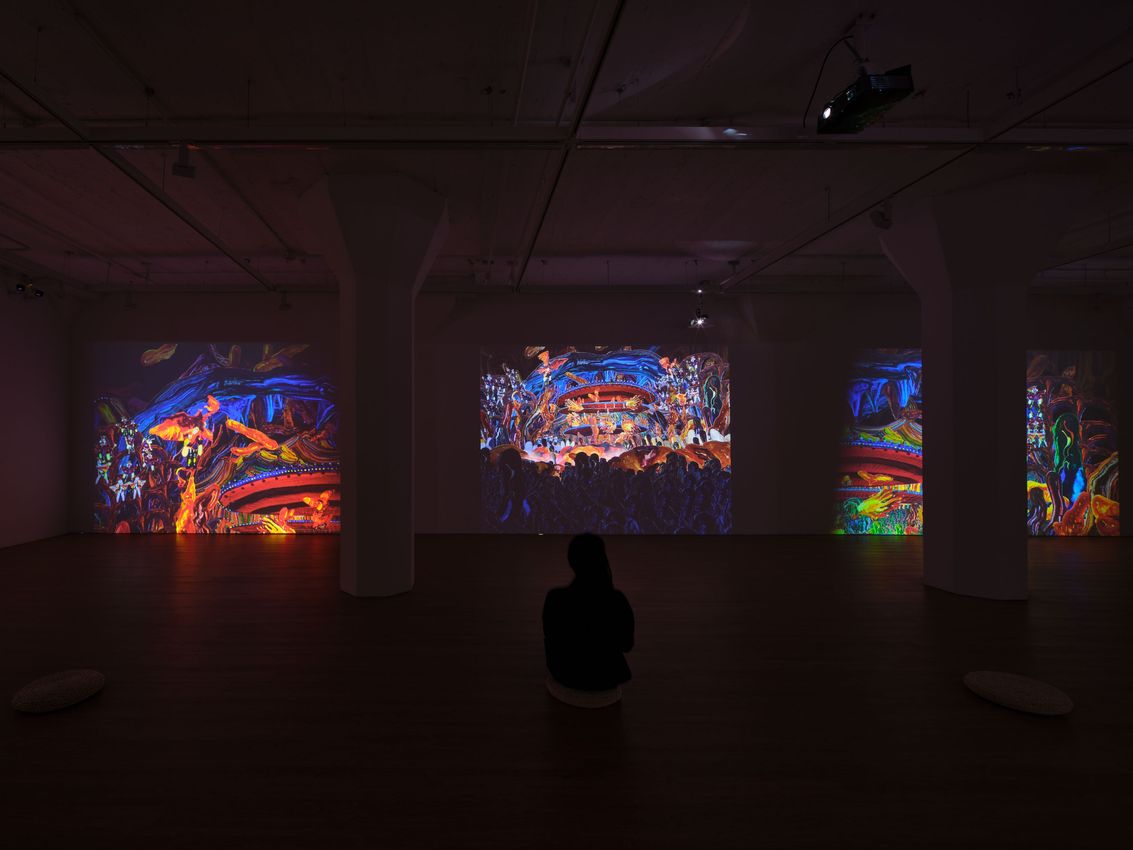
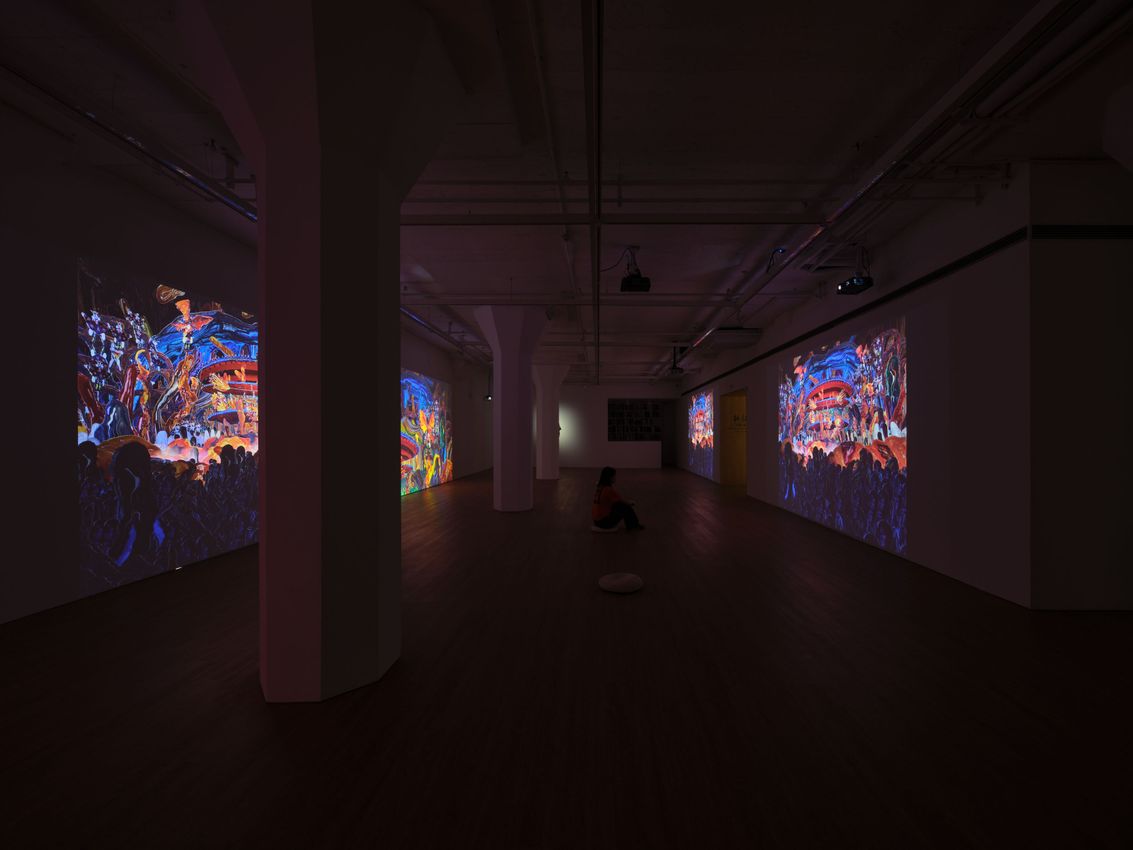
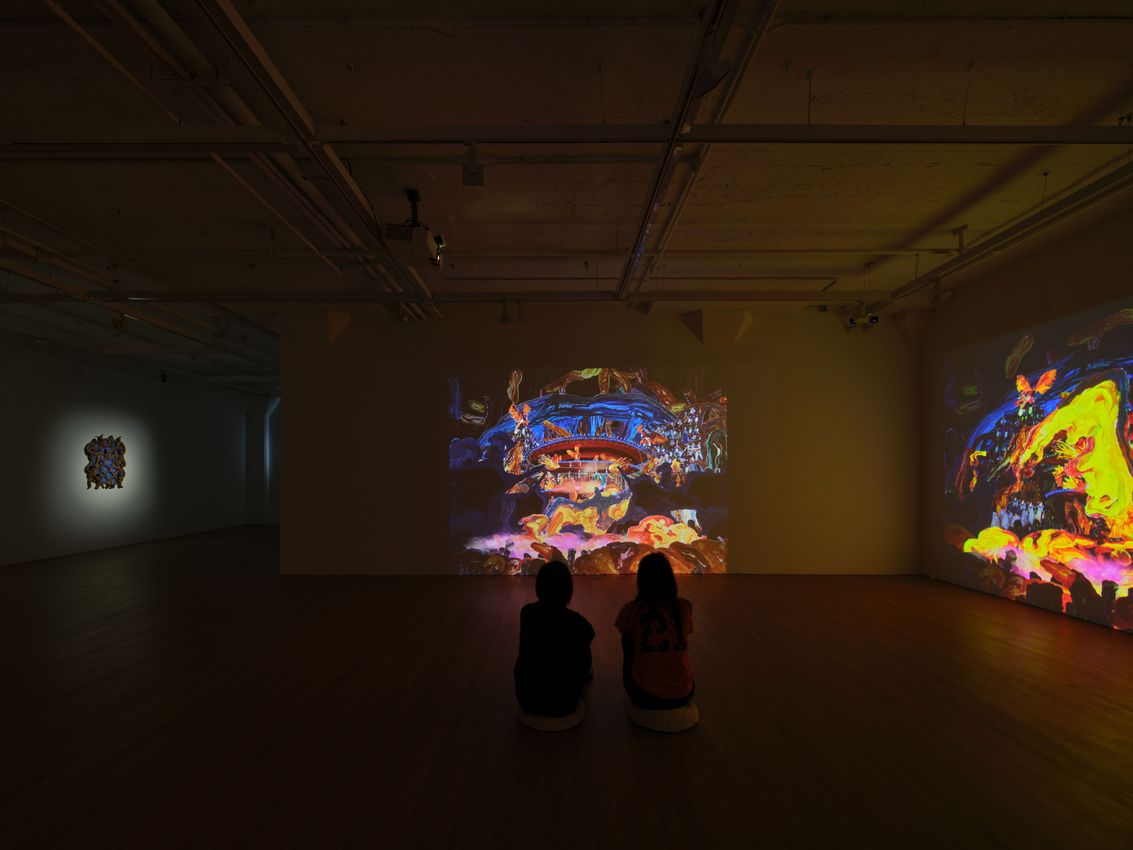
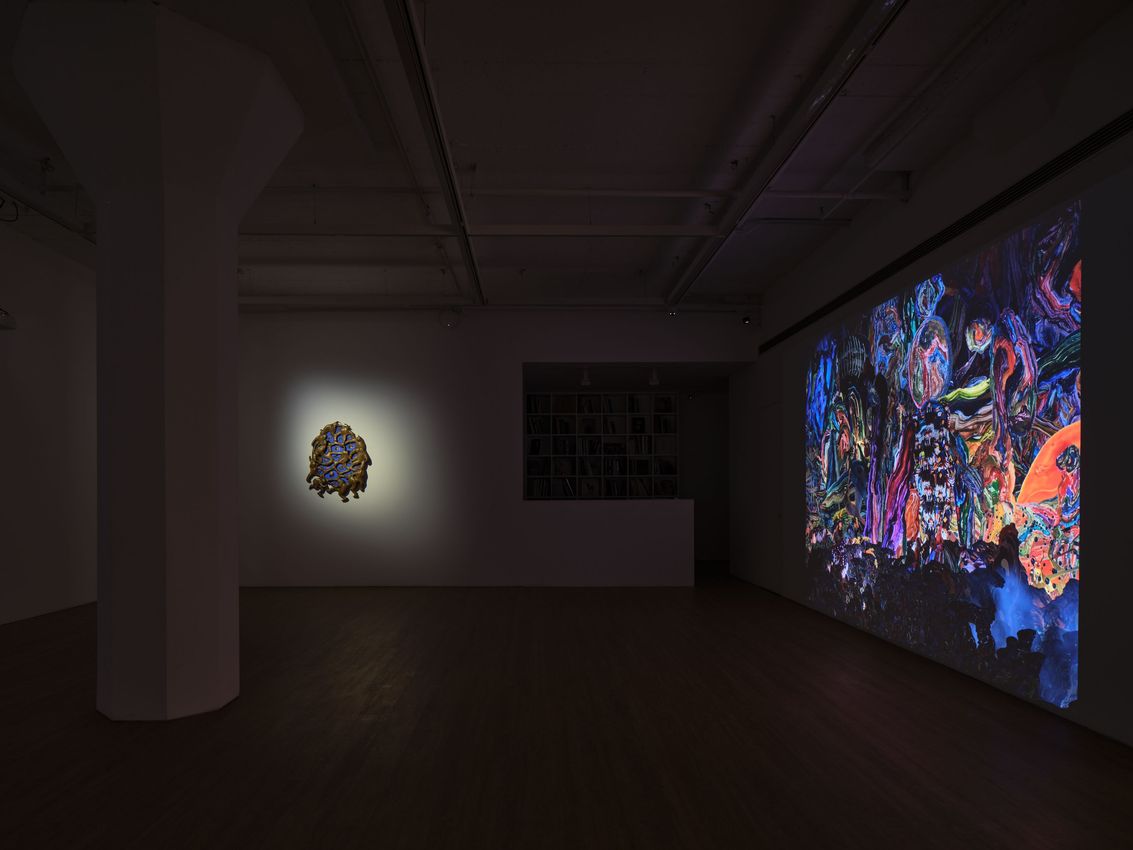
The central video work, Touching Red, seeks to demythologize the concept of “symbiosis.” Within the internal logic of the work, symbiosis is stripped of its idealistic veneer and restored to a state of inherent hybridity and entropy. The irreducible complexity between living entities reveals not only disorder and stagnation, but also a form of primordial violence. Structured as a precisely choreographed three-channel loop, each screen operates as an independent narrative fragment while simultaneously forming an interdependent whole within space. Moving from “complex symbiosis” to “conflictual extension,” and ultimately to “the subversion of order,” the work undergoes continual reconfiguration, presenting a mode of existence that resists assimilation into a single logic. This multi-screen spatial arrangement challenges the act of viewing: the audience cannot remain within a stable, singular perspective, nor arrive at a definitive interpretation. Through this displacement of viewpoint, established visual orders are diluted, allowing life to return to a dimension of irreducible complexity beyond containment.

Within WANG’s practice, the highly digital visual effects that characterize the final imagery stand in compelling tension with the intensive physical labor at their origin. From the hand-drawn design of textures to costume-making and embodied performance, tactile traces are preserved within each frame of the moving image. The artist investigates how the “density” and “weight” of labor might be restored to lightweight virtual imagery, ensuring that the body and its exertion remain central to image production. The mutable forms that appear onscreen are the result of sustained negotiation between physical effort and digital space, retaining within the virtual dimension the soreness of muscles and the warmth of fingertips—thereby establishing a tangible thickness distinct from purely algorithmic generation.

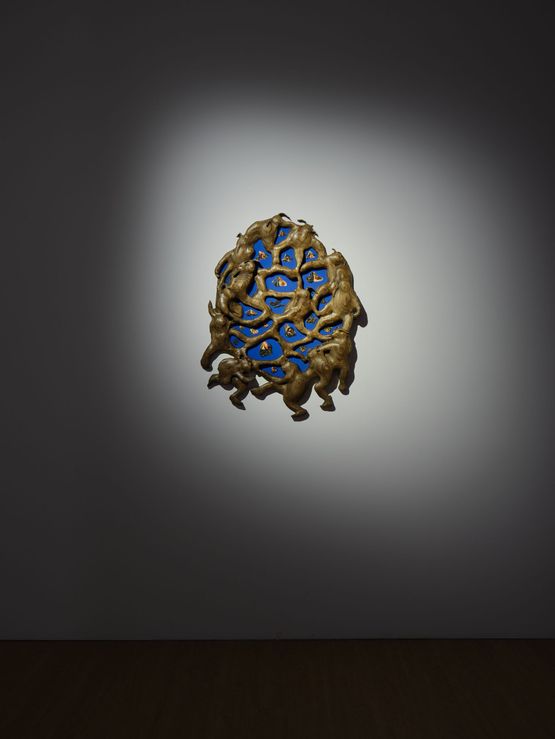
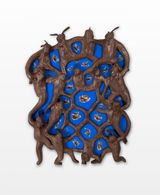
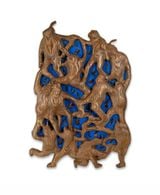
This exhibition also marks a significant shift in WANG’s sculptural medium. The introduction of wood does not replace previous material explorations; rather, it extends them. Wood preserves a more immediate and organic fibrous structure, allowing traces of growth and temporality to remain visible. Its inherent vitality and openness resonate with the thematic concerns of symbiosis. The sculptural series Touch embodies a “depersonalized” quality, with forms hovering at the threshold between animal, insect, and wooden structure, resisting fixed classification. Areas of blue pigment applied to the surfaces function like fragments of a “Blue Screen,” visually tearing open a passage into a virtual dimension. This blue is not merely chromatic intervention; it generates a speculative field, suggesting a future that remains indeterminate.

WANG likens the relationship between video and sculpture to that of mural and statue within an ancient temple. The moving image, like a mural, inhabits a fluid and continuously generated third space; sculpture, by contrast, occupies a material position between two-dimensional plane and three-dimensional volume. Together, they form a structure that is at once separate and interdependent. This configuration gestures toward a more primordial logic of exchange—one grounded in instinctual survival and the circulation of energies rather than modern systems of classification and order. Whether through the philosophical imagination of Becoming Animal or the intimate tactility of wooden grain, the works reactivate modes of perception not yet fully codified. Within the field of Touching Red, order is gradually loosened through entanglement, and life emerges from the fissures of tension and violence, seeking a new and more resilient mode of symbiosis.

Read More

Installation Views

About the Artist

王晨(1991年生于中国呼和浩特)是一位现居美国的跨媒介艺术家。其创作涵盖影像、绘画、行为、动画与雕塑等多种媒介。通过在不同媒介之间进行叠加与交织,王晨构建出沉浸式的另类现实,以探讨体力劳动与虚拟空间之间复杂的共存关系。

View Artist Profile

Also Exhibiting at Arario Gallery

About the Gallery
ARARIO GALLERY opened its first Chinese branch in 2005 in the Jiu Chang Art District, Beijing. The Beijing space, which operated successfully for over seven years, closed its doors in 2012. In 2014, ARARIO GALLERY SHANGHAI opened in Xujiahui, Shanghai, operating until June 2017. It then relocated to West Bund, Shanghai, from July 2017 to August 2020, and once again within the West Bund from October 2022 to April 2024. The gallery has played a significant role in introducing the works of not only Korean artists but also a diverse range of Asian artists from Japan, India, China, the Philippines, and Indonesia to the Chinese art scene. Building on decades of experience and expertise, ARARIO GALLERY SHANGHAI reopens its new space in Jing’an District, Shanghai, in March 2025. As the oldest Korean gallery in China, ARARIO GALLERY SHANGHAI is firmly established and continues to provide a sustainable foundation for Asian artists through the continuous discovery of emerging talents and the creation of advanced exhibition opportunities.
View Gallery Profile
Address
2F-205
30 Wen'an Road
Jing'an District
Shanghai
China
Opening Hours
Tuesday – Saturday
11am – 6pm
(1)
Shanghai 2F-205, 30 Wen'an Road
Arario Gallery
2F-205, 30 Wen'an Road, Jing'an District, Shanghai, China
+86 21 5424 9220
http://www.arariogallery.com

Opening hours
Tuesday – Saturday
11am – 6pm
The art world in focus