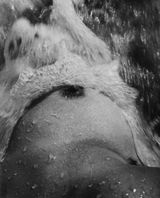
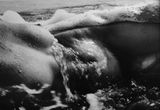
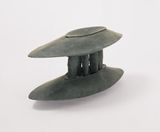
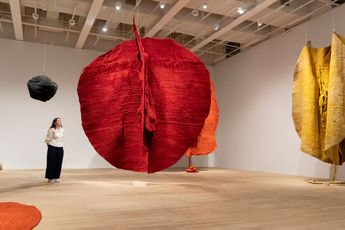
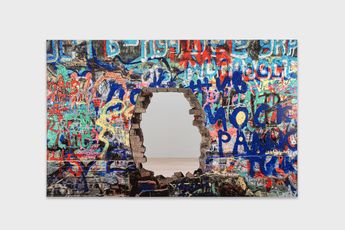
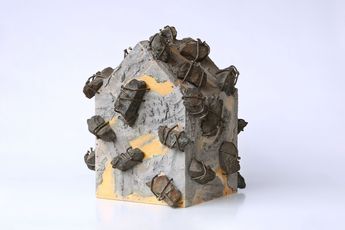
Bathed in colour, enveloped in rich folds, objectively reproduced or abstractly suggested, radically alienated or even monumentalised—the diversity in artistic representations of the body exemplify how immediate and affective the body’s presence can be. Long since a central theme in the visual arts, the human body and its representation is constantly being reconsidered to this day. Its presence in painting, sculpture, photography, performance, and video art as well as its various stagings reflect a persistentinterest in the body and its expressiveness.
The exhibition Corpus examines the notion of the body in an expanded sense. In a surprising juxtaposition of exceptional examples selected from various epochs and cultures, our gaze is attuned to the diversity of artistic images of the body and corporeality as well as their meanings for our perception. To what extent does a figurative representation of a body influence our perception when compared to an abstract rendition? How clearly does a formal language suggest a certain provenance? Where do the differences and parallels emerge? To what extent are various cultures reflected in the respective notions of corporeality? What does corporeality mean in a plastic sense? And in which forms does it manifest itself? The visitor is warmly invited to explore these questions and find their own answers.
The exhibition’s titular word Corpus is a multifaceted expression. Primarily understood in relation to the human body, the term Corpus also recalls the long art historical tradition of the mistreated Corpus Christi. And to this day, many artists still deploy Christian symbolism, albeit less for religious purposes and rather for aesthetic, (socio)critical, or satirical ends. Likewise, we are still confronted with Christian symbols like the cross everywhere in our everyday lives. But how present are the meanings of Christian symbols and traditions in contemporary social life?
Are faith and traditions losing their cultural significance in modern societies? Given the contemporary relevance of these themes, the exhibition will also host a conversation between Michael Beck and Fr.Stephan Kessler (Kunst-Station Sankt Peter, Cologne).
Founded in 1994 by Dr Ute Eggeling and Michael Beck—both from art history and gallery backgrounds—Beck & Eggeling International Fine Art is a leading international gallery. Based in Düsseldorf, it specialises in exhibiting art by European masters of the 19th and 20th centuries, embracing Impressionism, Expressionism, and post-War Modernism, as well as working to foster international contemporary art.

A respected voice in contemporary art discourse.
Focusing on ambitious storytelling and insightful art-world commentary. Ocula Magazine publishes in-depth interviews, critical essays and timely analysis on the artists, exhibitions and ideas driving the global art world.
Learn more about Ocula Magazine
Showcasing the best of the art world.
Ocula partners with galleries from around the world to highlight their artists, artworks and exhibitions. Gallery membership is by application and invitation, with each member vetted by an independent panel.
Learn more about Ocula Membership

Specialises in the sale of major artworks.
Led by a team with deep ties to the world’s leading auction houses, galleries and collectors. Ocula’s advisory team offers bespoke services to high-net-worth clients from around the world who are looking to acquire the best of contemporary and modern art.
Learn more about our team and services