Press Release

Following on from the retrospective show of his work at Musée Paul Valéry in Sète (2025) and the acclaimed exhibitions at the Bourdelle and Orangerie museums (2023), where he alternately delved into the domestic grace of flowers and the wildness of forests, painter Philippe Cognée now returns to a core theme of his work: architecture as a metaphor for the human condition.

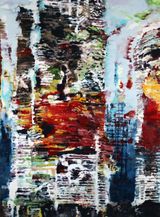
Architecture, like life, is fragile: it rises, cracks, collapses, and returns to the earth from which it came. Cognée’s paintings have always been still lifes, meditations on the fragility of the world. At the Galerie Templon in Brussels, the artist presents three new ensembles that explore this reflection on the perishable beauty of things.

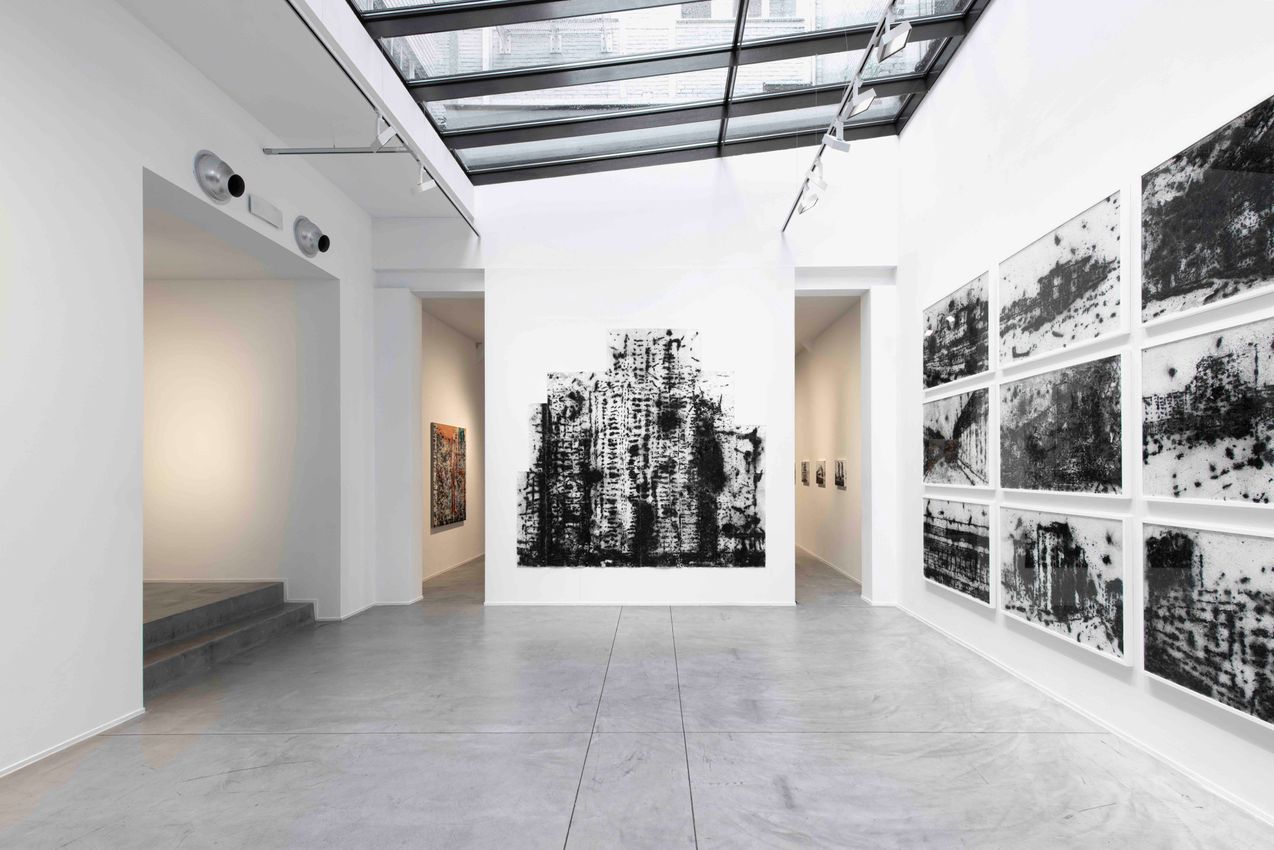
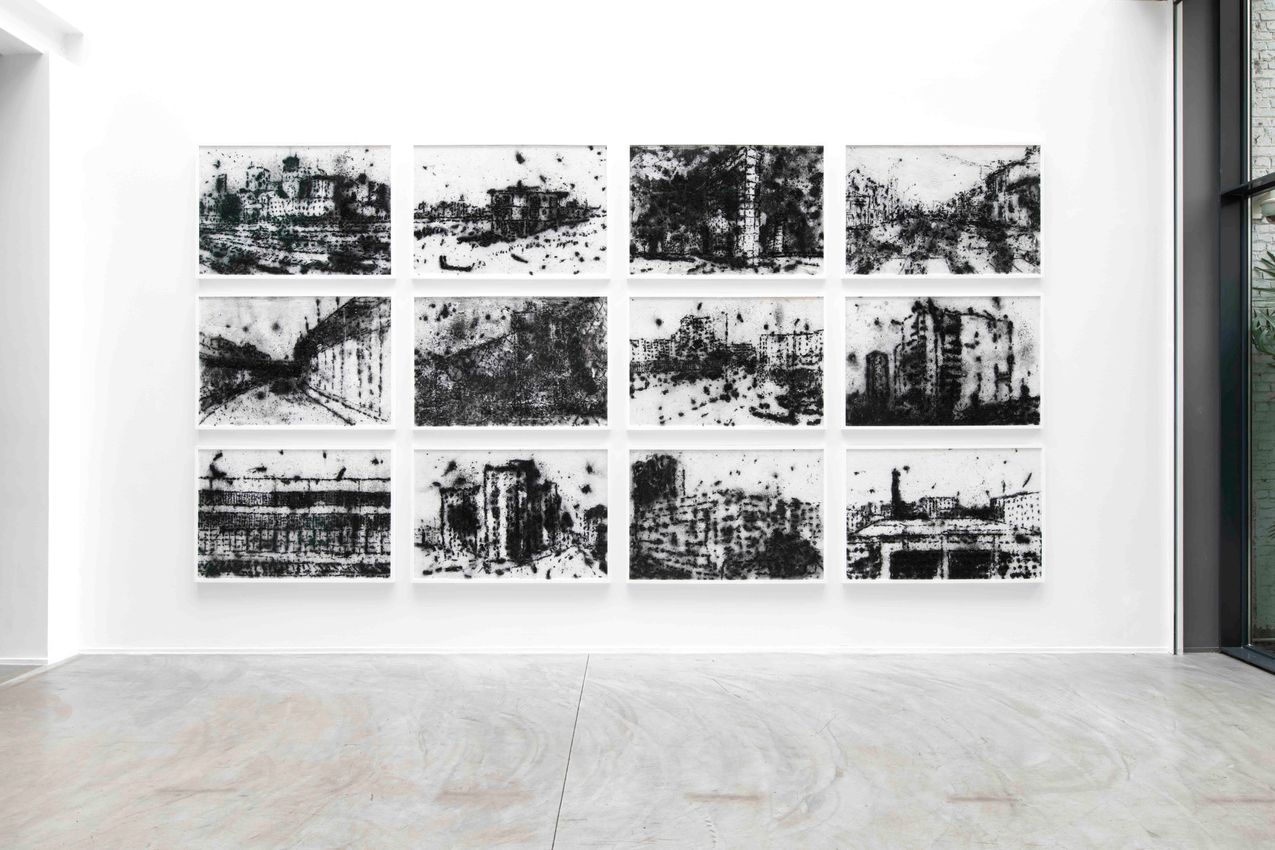
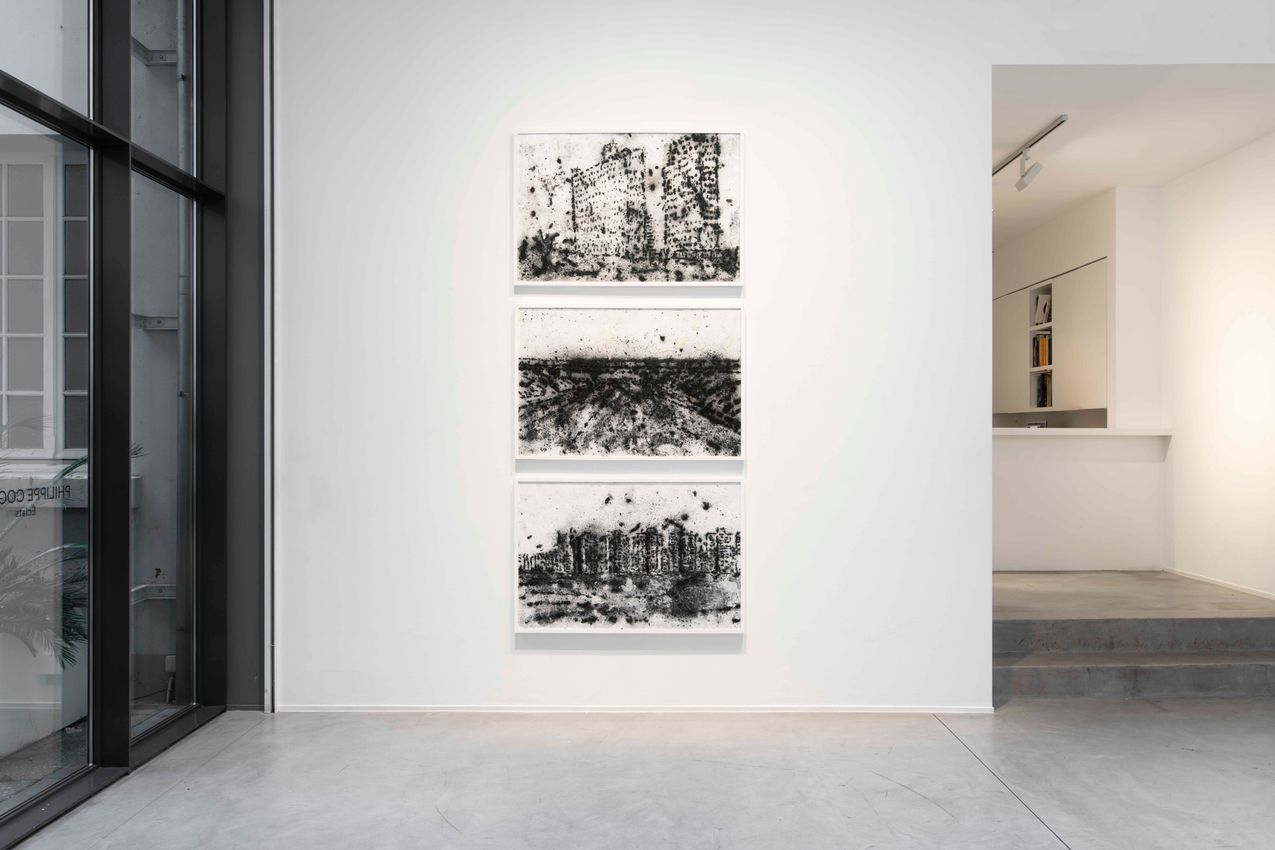
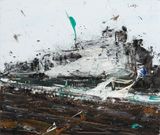
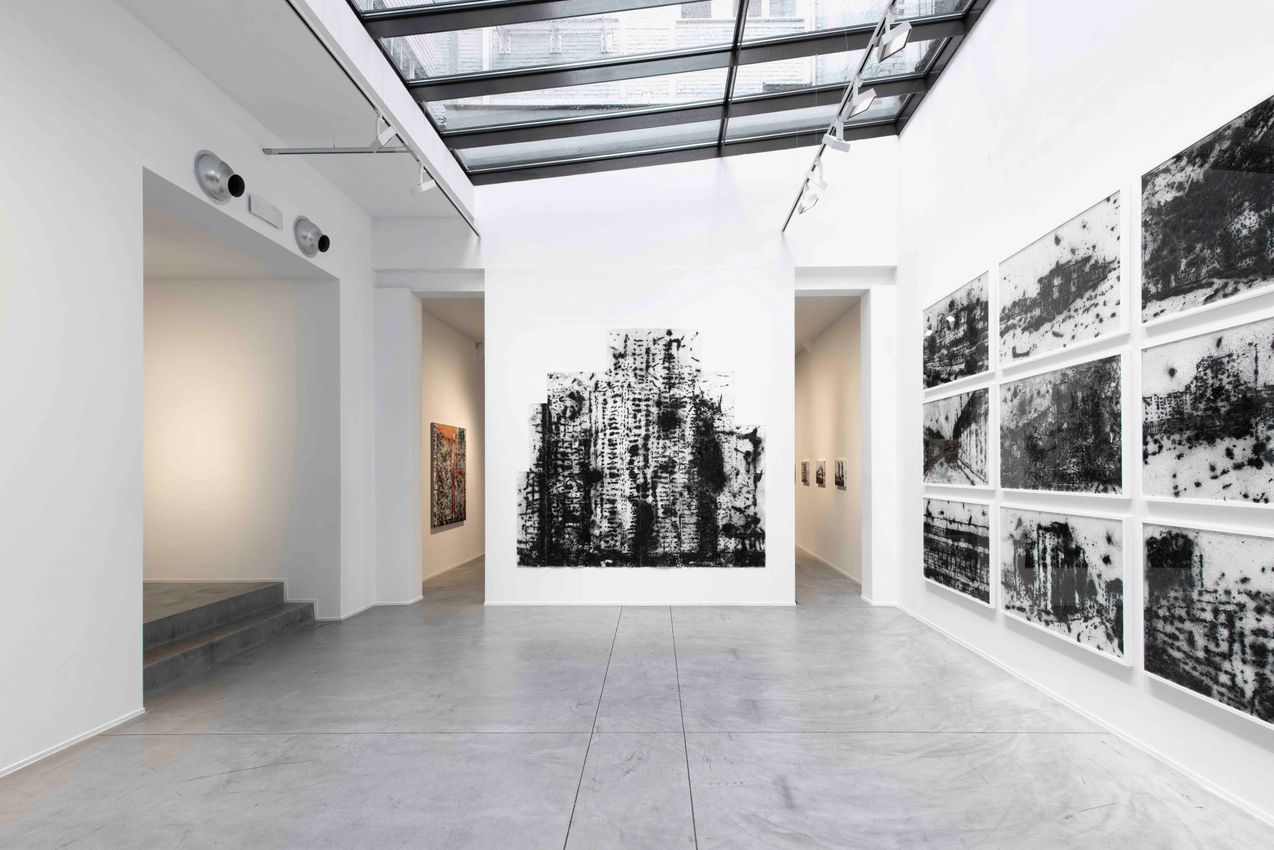
The first body of work, consisting of 32 charcoal and acrylic drawings on Arches paper, brings forth uncertain architectures, drawn from a visual collection but detached from any direct reference. Reduced to their essential structures, they morph into carcasses, grids and canvases—graphic variations where the harshness of charcoal clashes with the fluidity of acrylic. The scratched and lacerated surfaces create tragic landscapes, with a dramatic tension that counters any impressionistic lyricism.

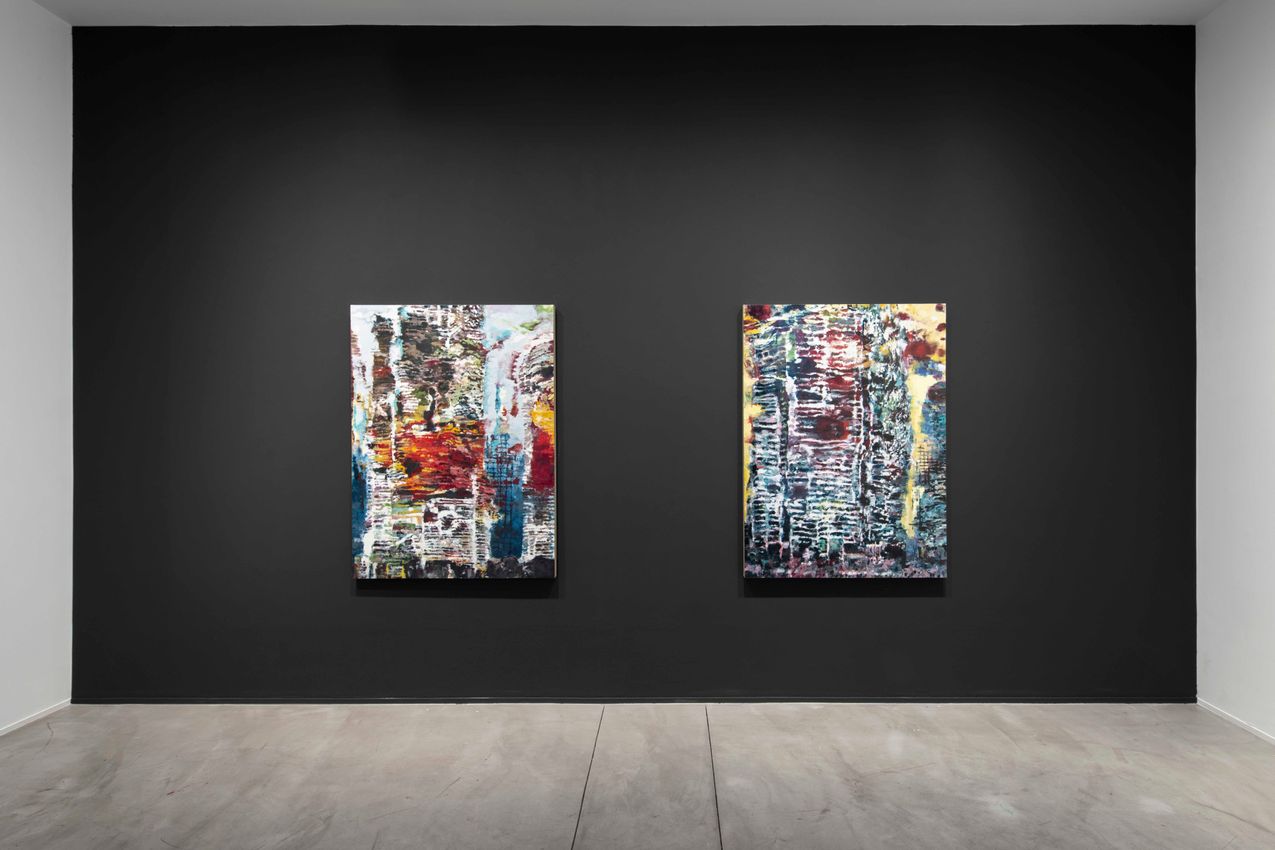
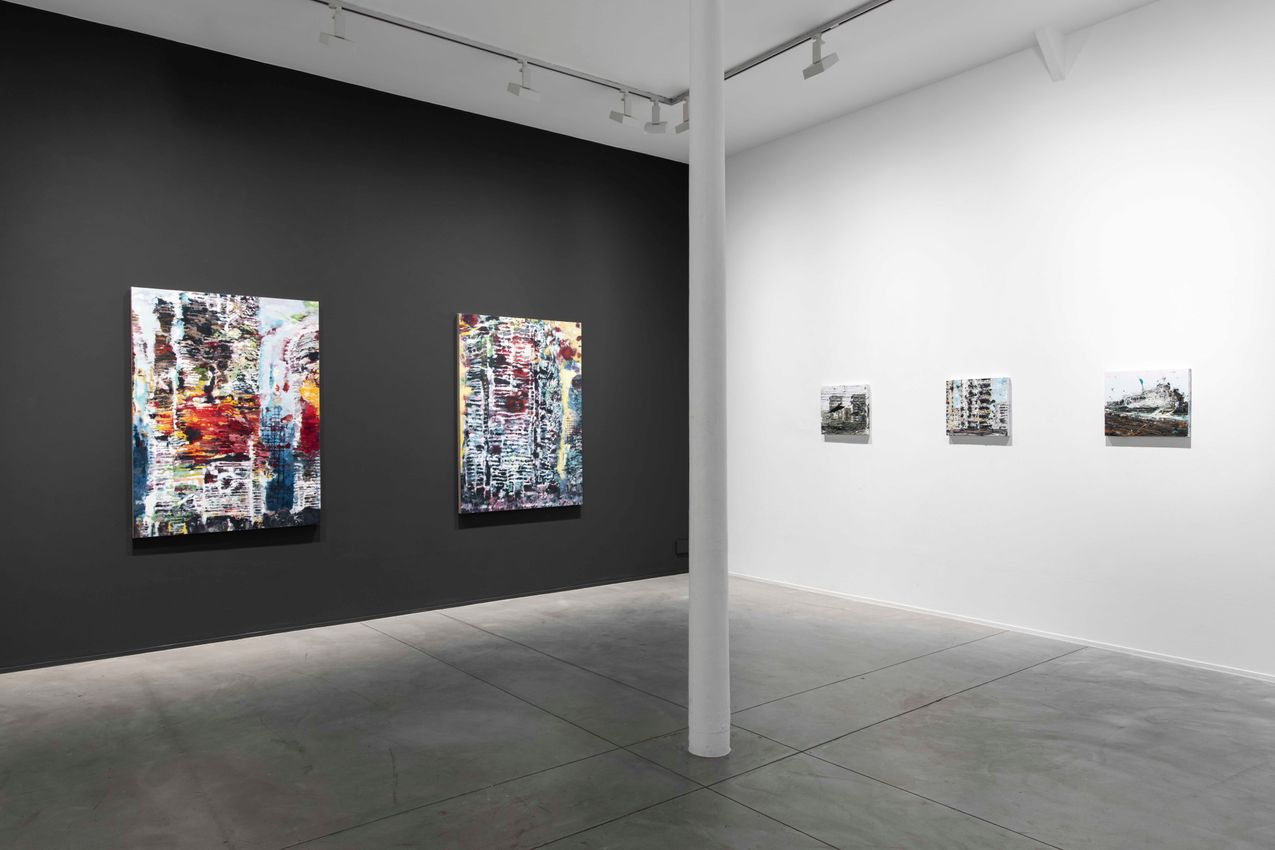
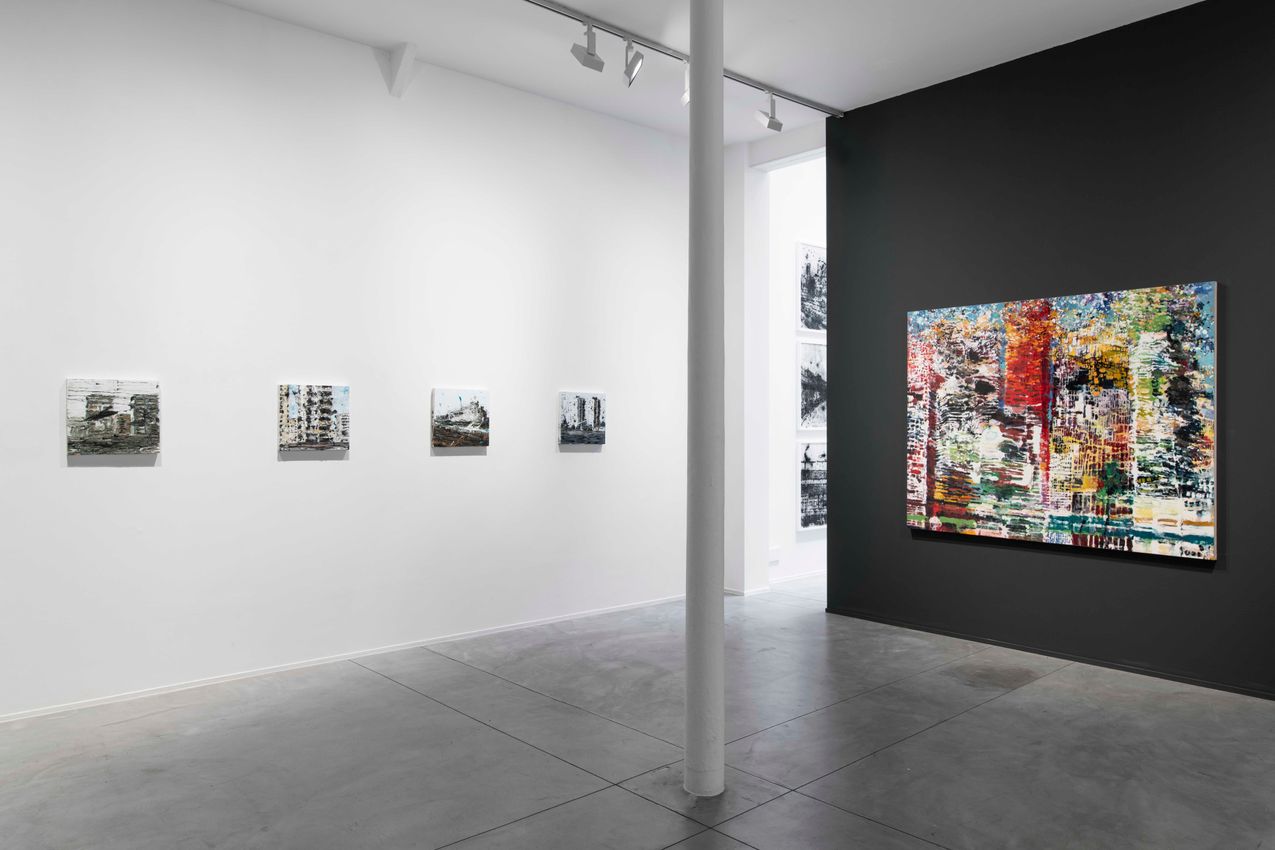
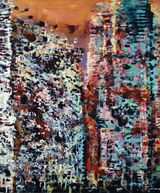
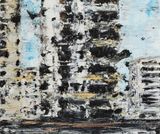
In the series “Traverser la ville” (Crossing the City), executed in oil on wood, Cognée literally attacks the material. With blows from blunt tools, he brings forth hieroglyphic, almost abstract images, where architecture is reduced to silhouettes, ghosts, shrouds.

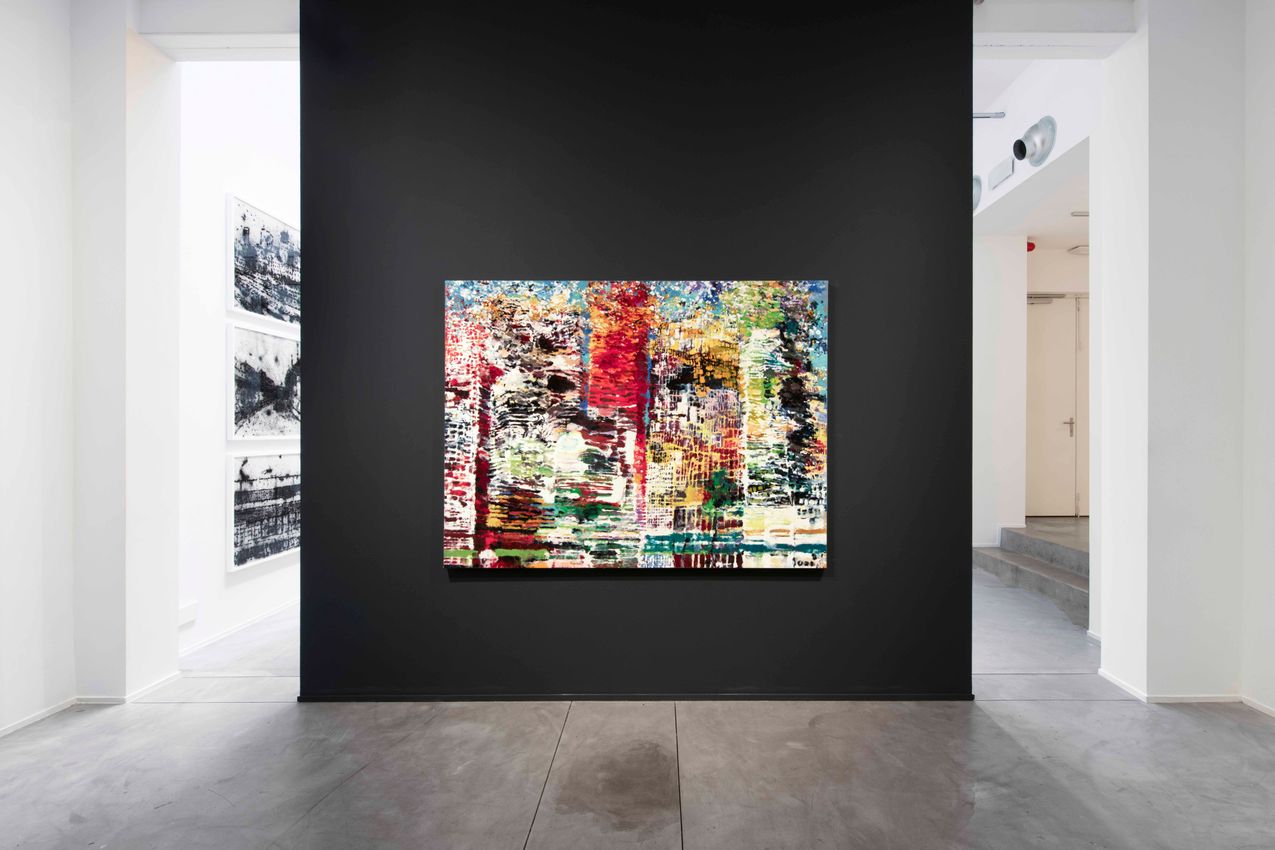
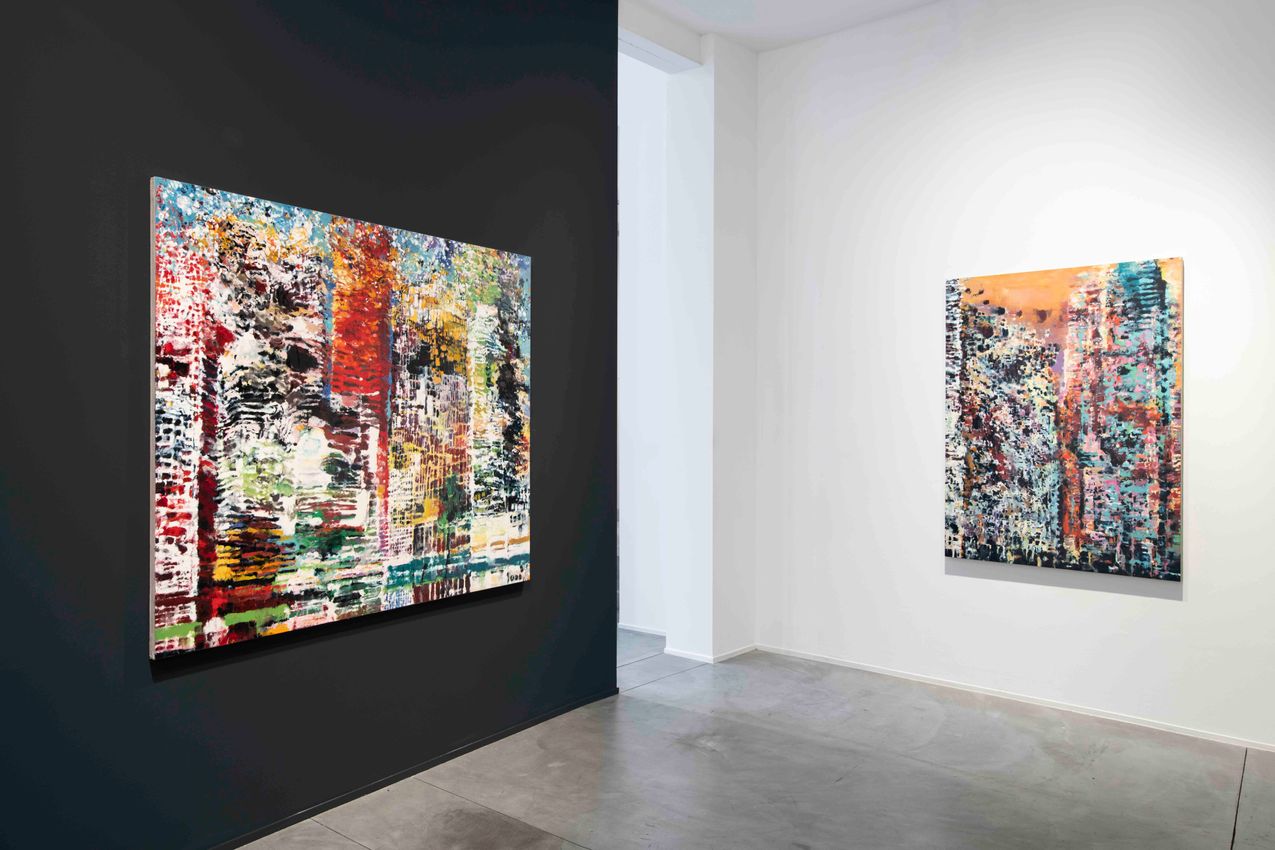
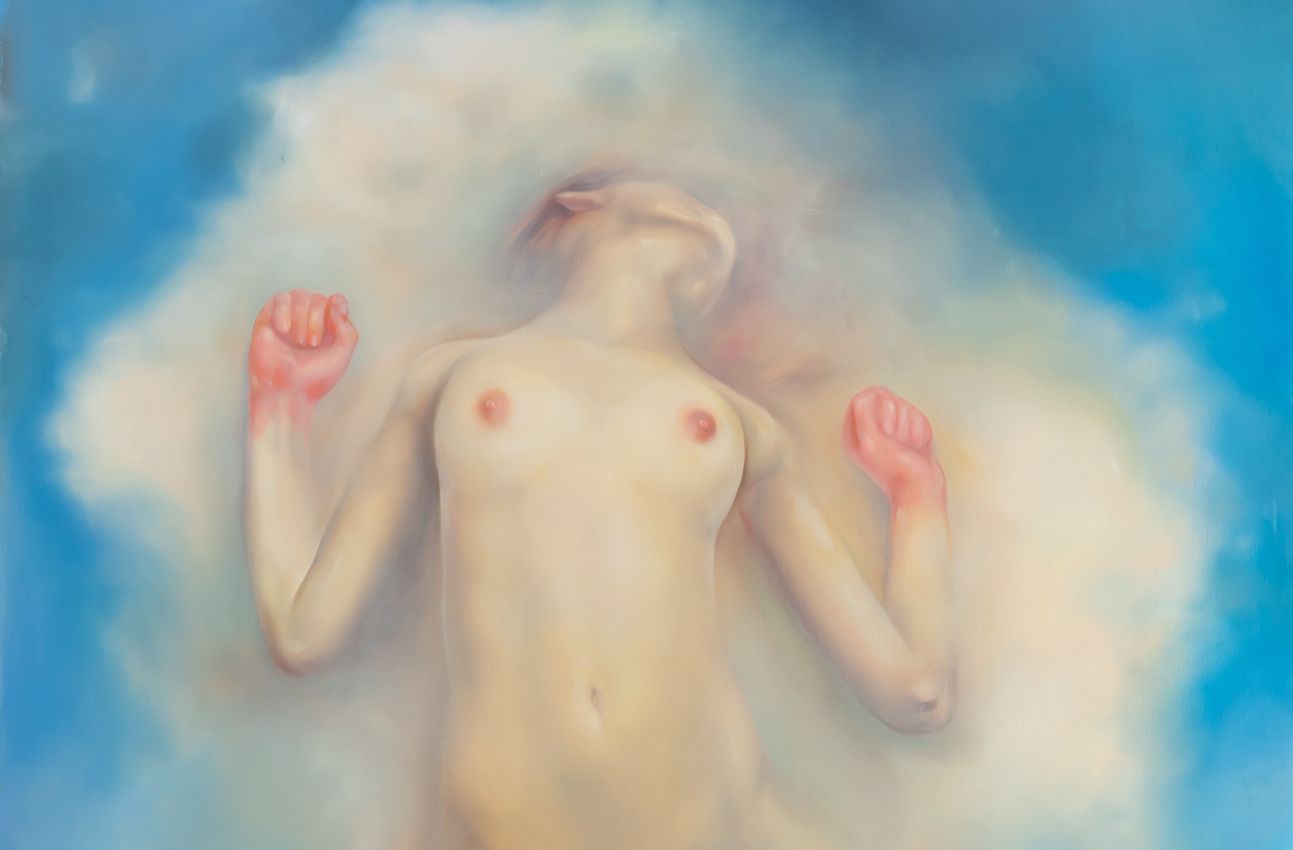
Finally, a series of encaustic paintings perpetuates the artist’s fascination with vibrant blurring and pigment sparkles. These works, both luminous and melancholic, celebrate the fragile splendor of reality and elevate architecture to the status of memento mori, a reminder of the passing of time and the impermanence of bodies.

Read More

Installation Views

About the Artist

Philippe Cognée was born in 1957 in Nantes, France, where he lives and works. His paintings use wax that is heated and crushed, producing a blurred effect and raising questions such as the thinning away of the image and the human condition in the light of humans’ relationship to their urban environment. The artist draws inspiration from photos and videos of elements such as motorways, buildings and aerial shots. His work questions the role of art in a society where new digital technologies have ushered in the era of the image, both omnipresent and diminished.

View Artist Profile

Also Exhibiting at Templon

About the Gallery

The gallery was founded in 1966 by Daniel Templon, who was then only 21. It first opened rue Bonaparte, in Saint-Germain-des-Prés in Paris, before moving in 1972 to its current location, rue Beaubourg, in the Marais, close to the Pompidou Center, which opened in 1977. Daniel Templon first gained recognition by exhibiting conceptual and minimal artists such as Martin Barré, Christian Boltanski, Donald Judd, Joseph Kosuth, Richard Serra. In the seventies and eighties, Daniel Templon was one of the pioneers of the contemporary art and introduced many important American artists to the French public: Dan Flavin, Ellsworth Kelly, Willem de Kooning, Frank Stella, Andy Warhol. The gallery quickly became one of the references in contemporary art in France. In 1972, Daniel Templon and Catherine Millet co-founded the monthly art magazine ART PRESS.

View Gallery Profile
Address
Veydtstraat 13A
Brussels
Belgium
Opening Hours
Tues - Sat, 11am - 6pm
(1)
Brussels Veydtstraat 13A
Templon
Veydtstraat 13A, Brussels, Belgium
+32 253 713 17
http://www.templon.com

Opening hours
Tues - Sat, 11am - 6pm
The art world in focus