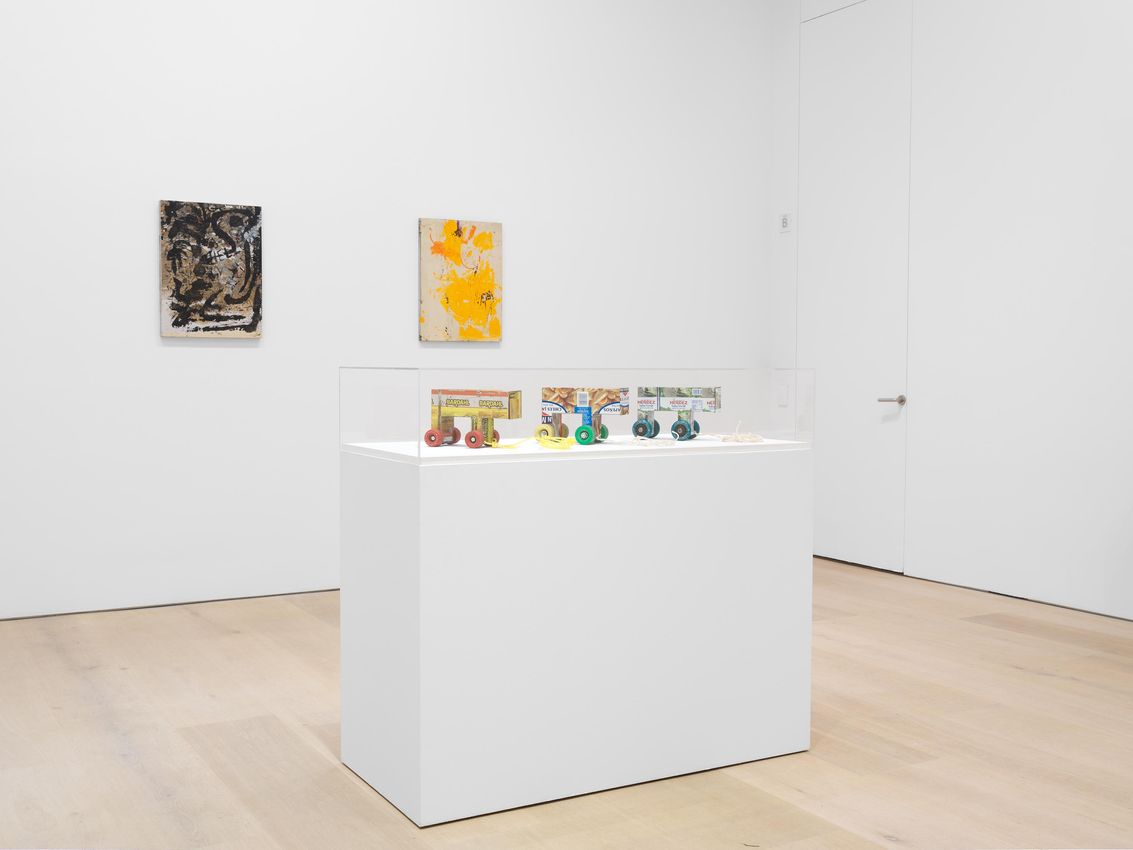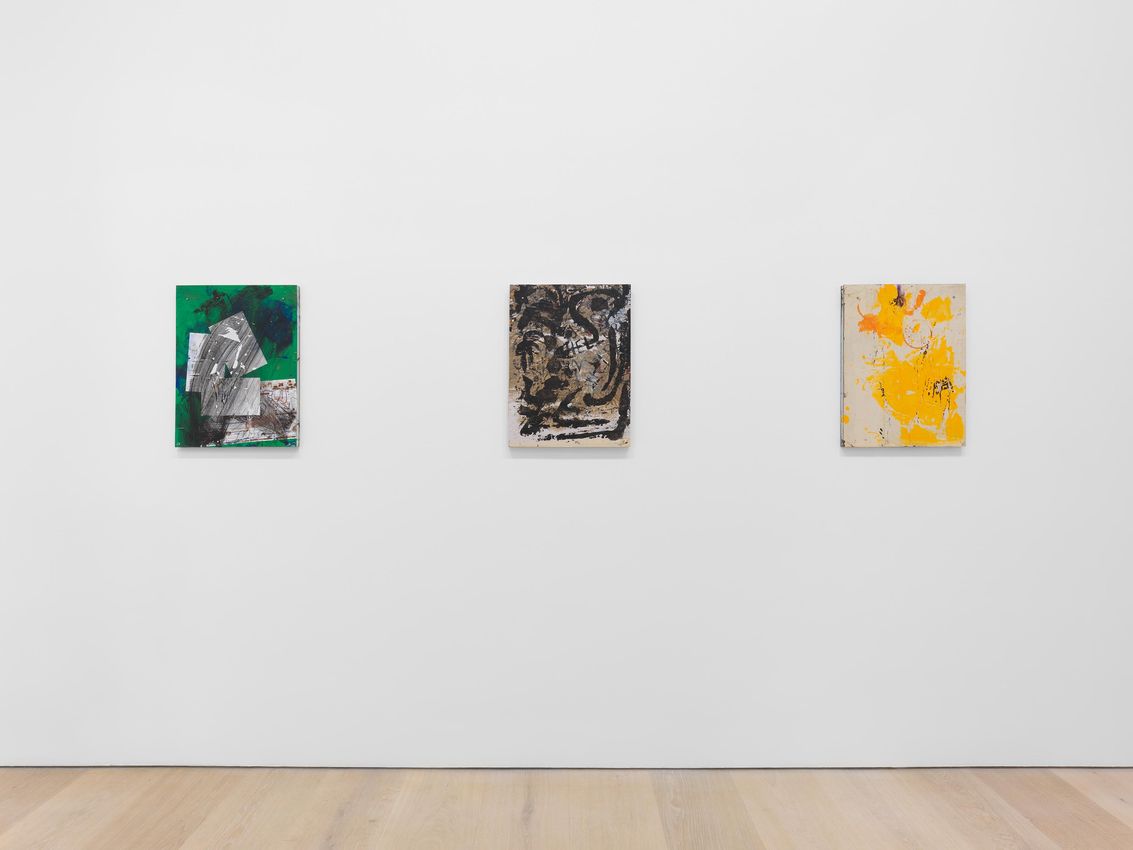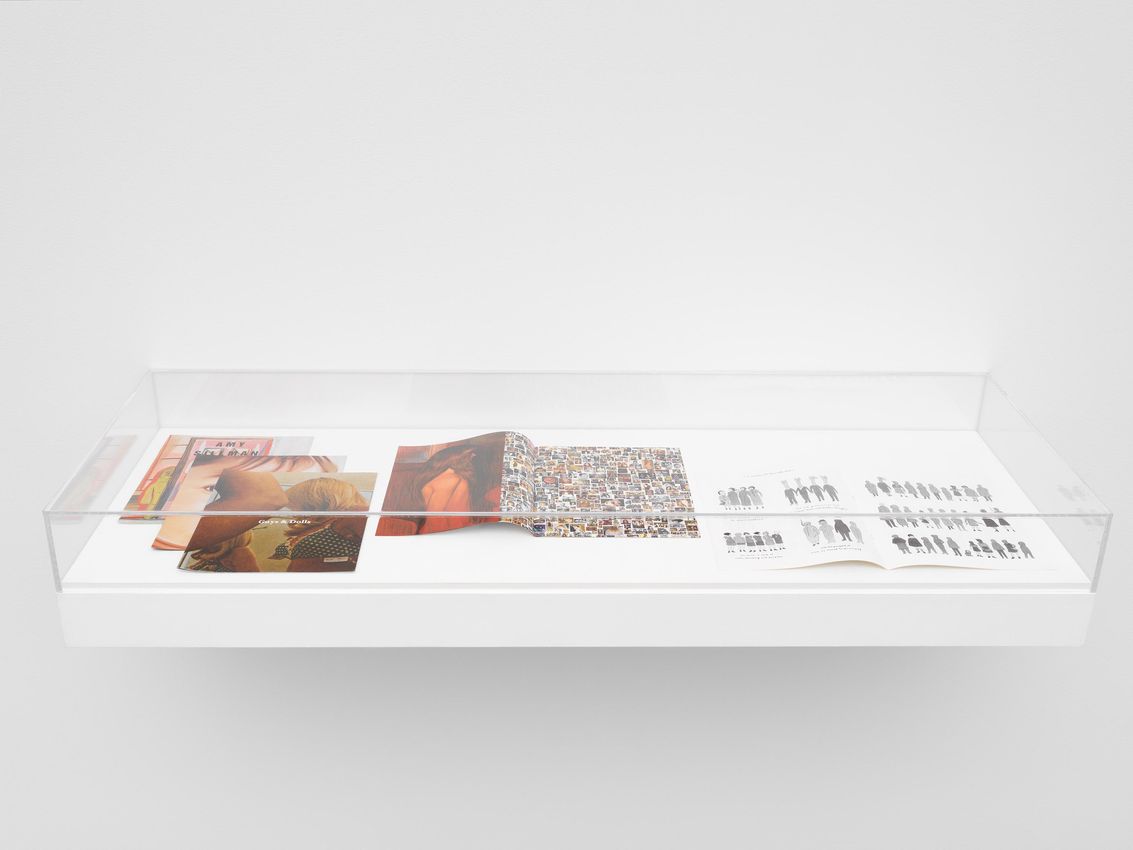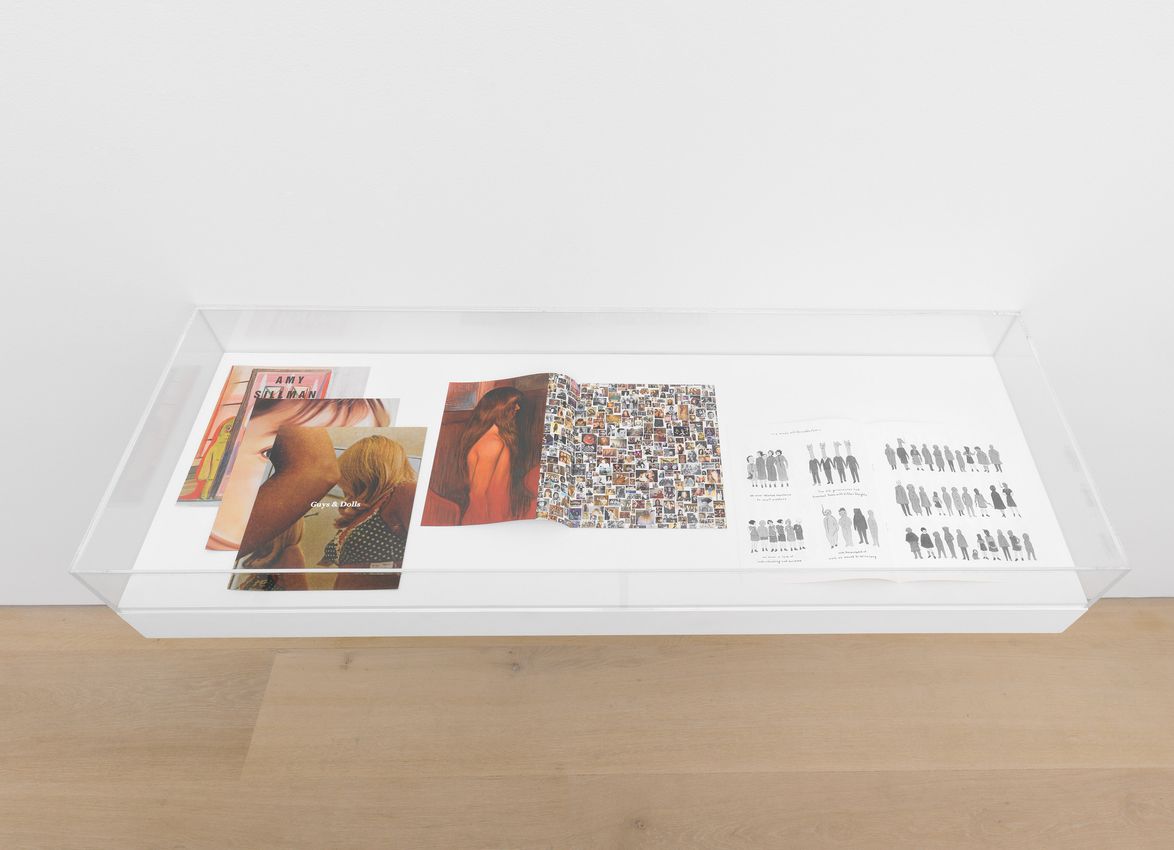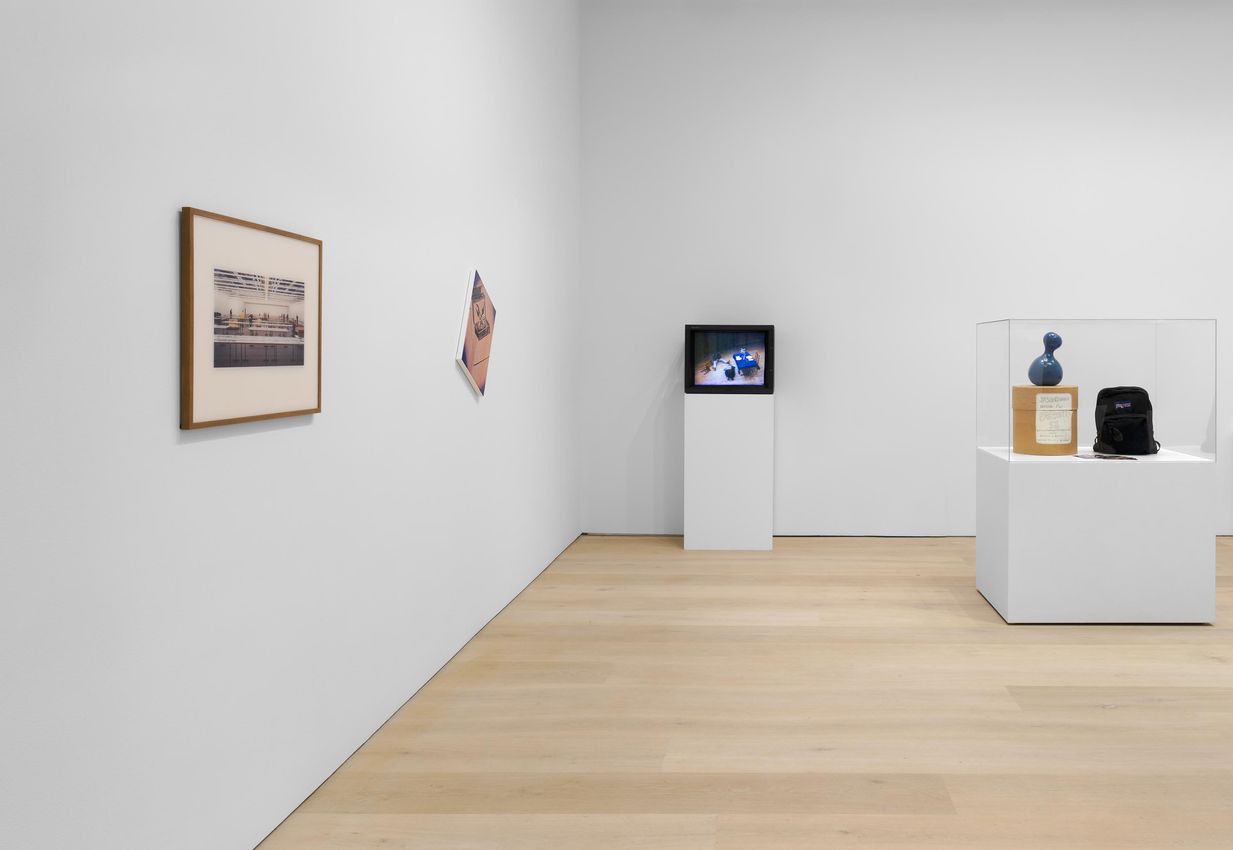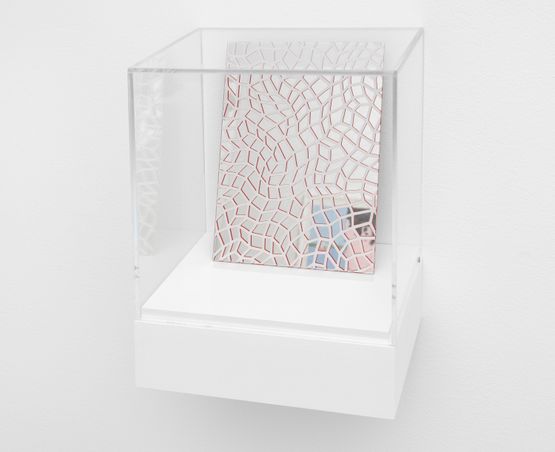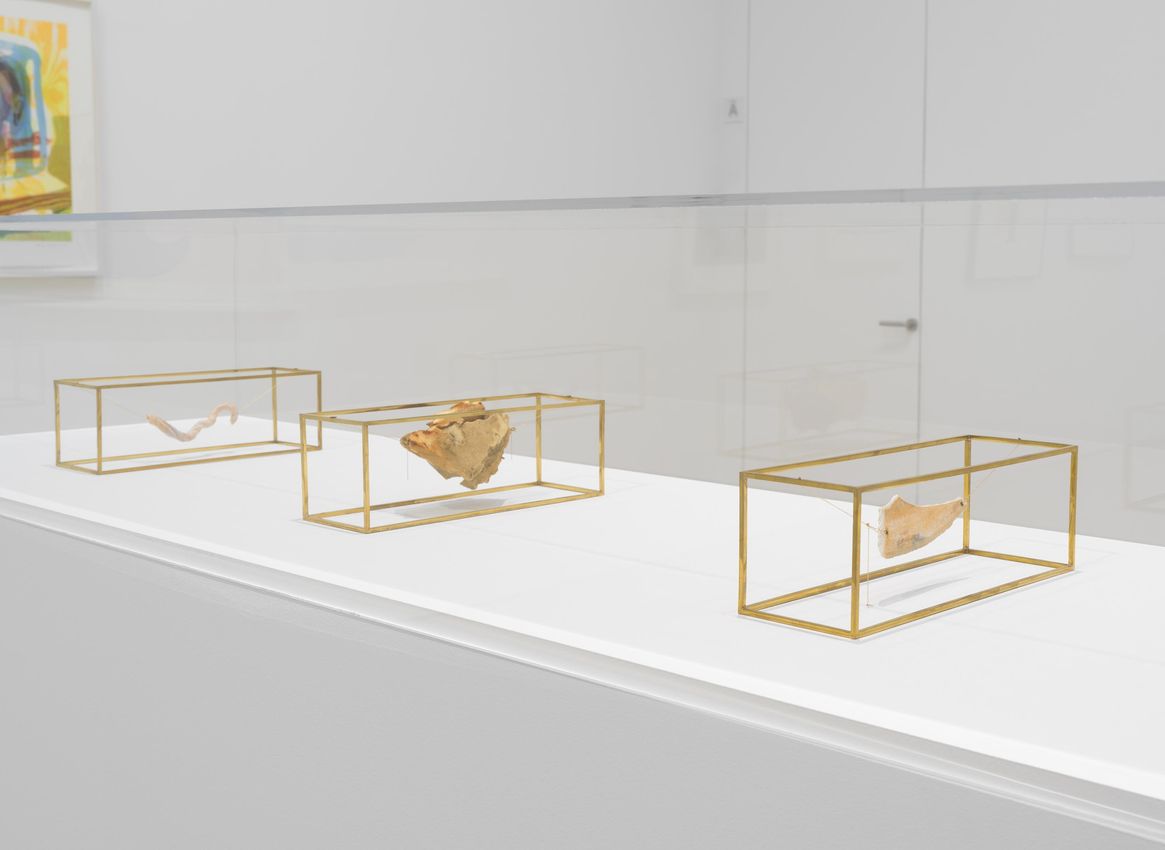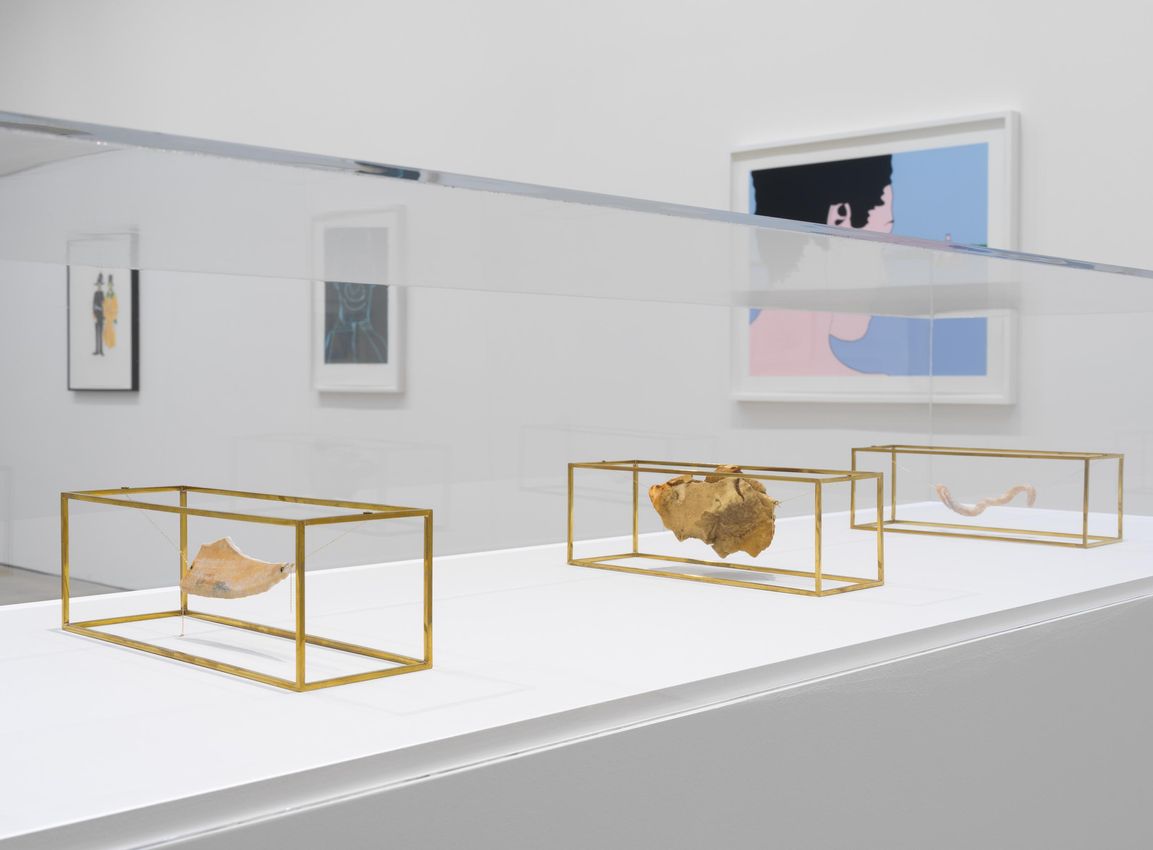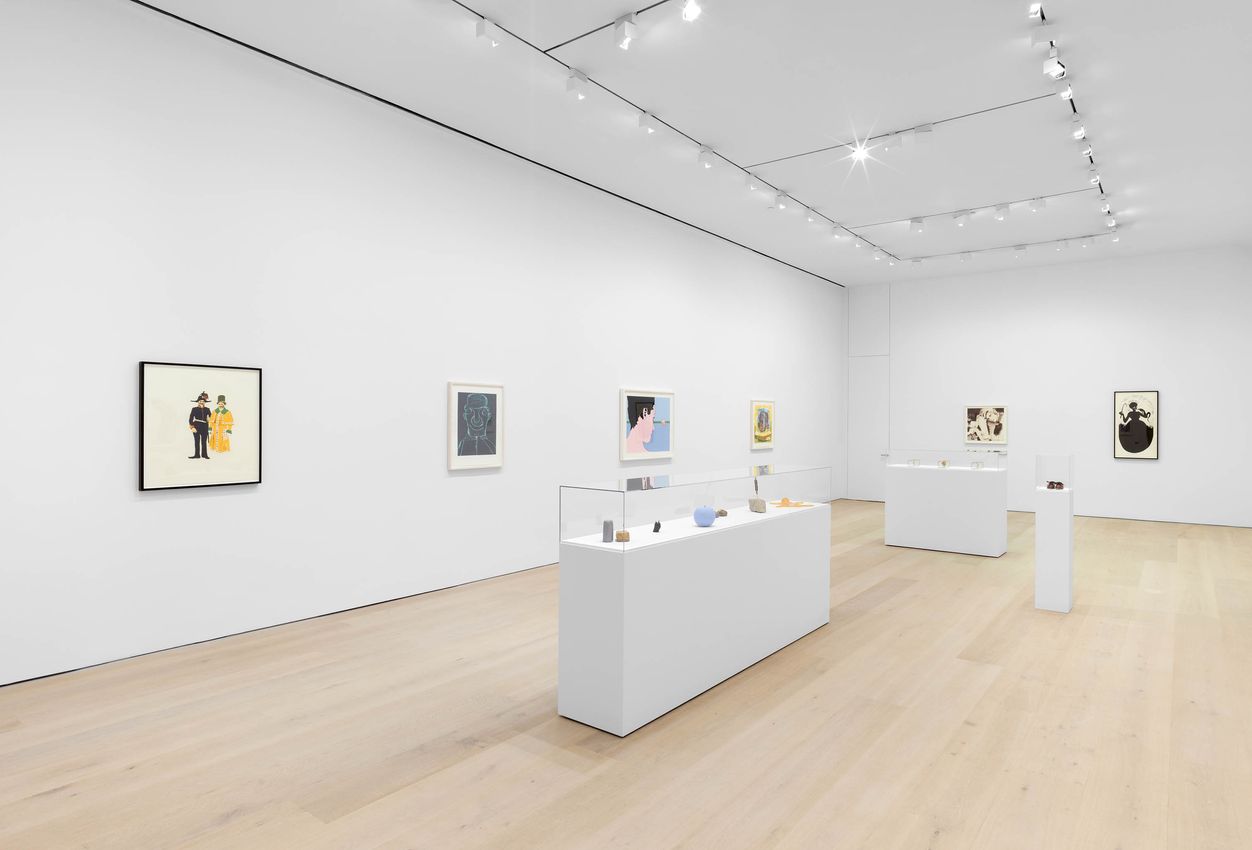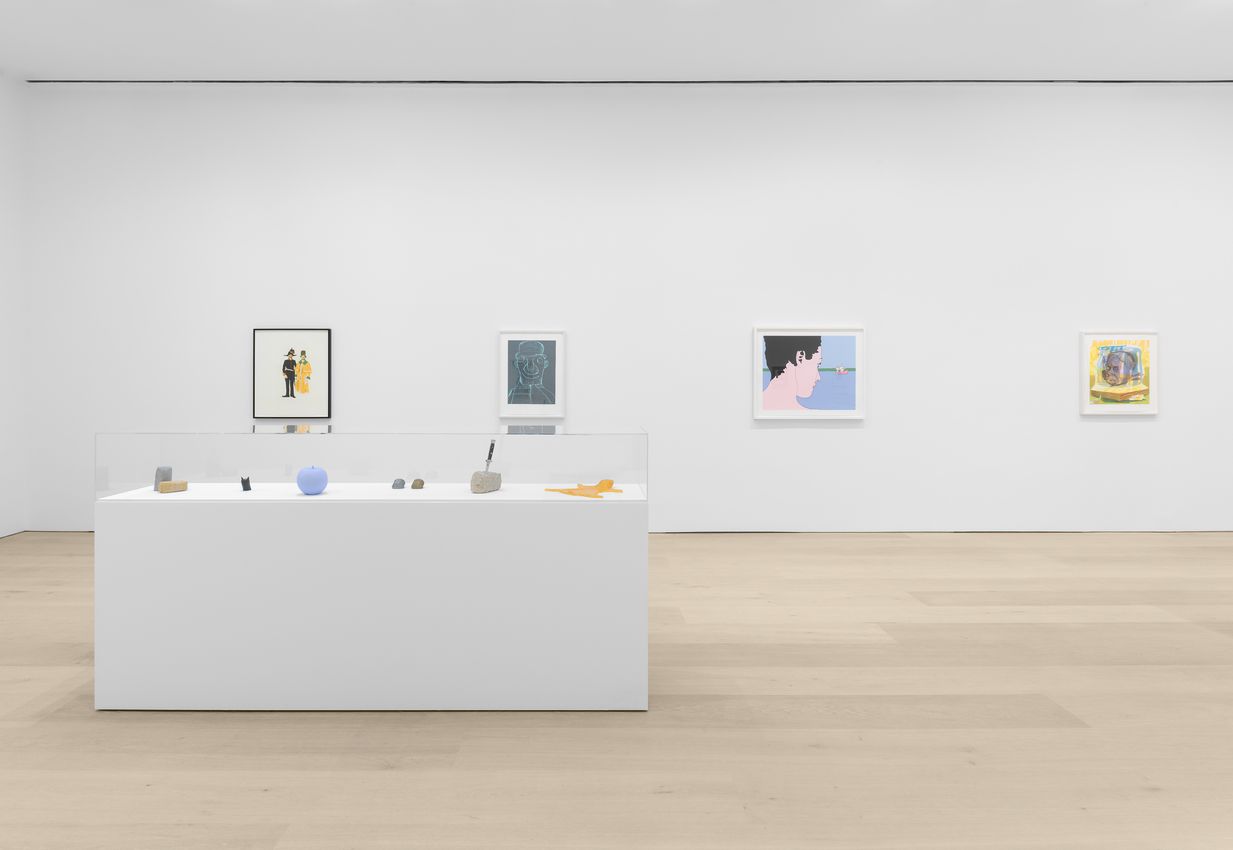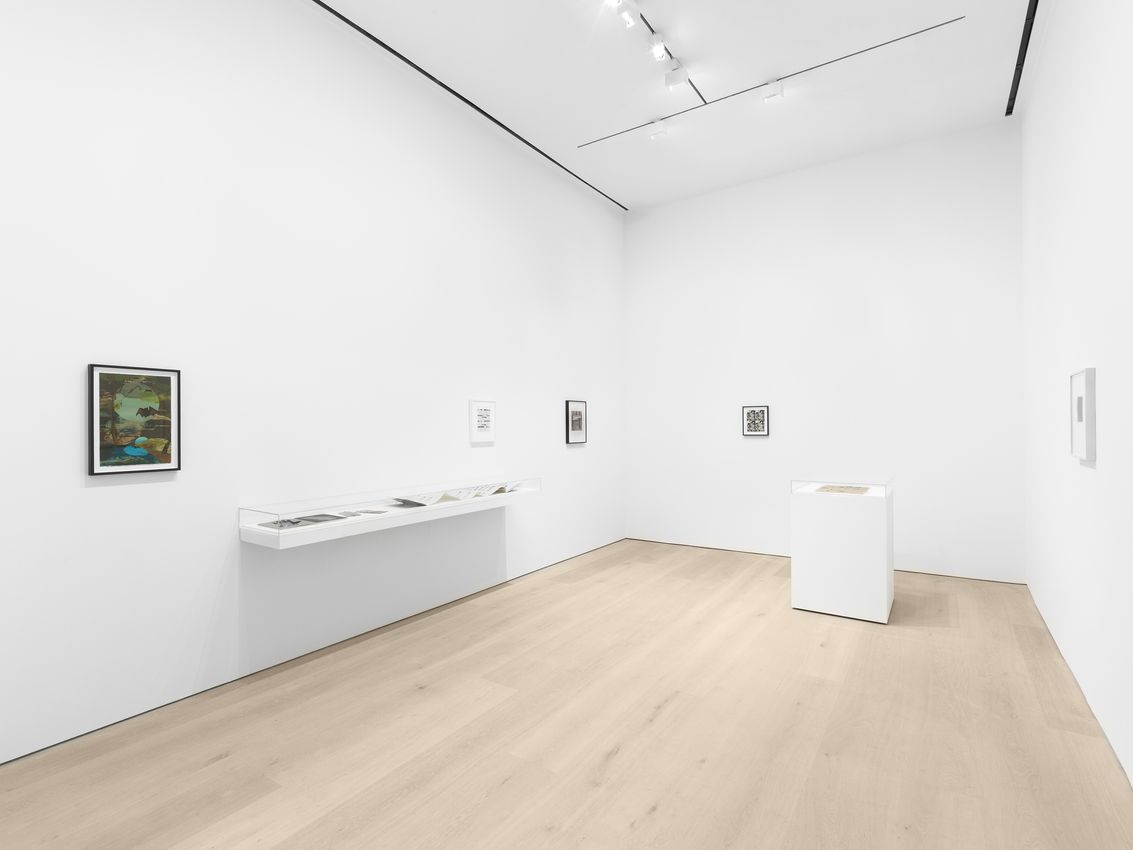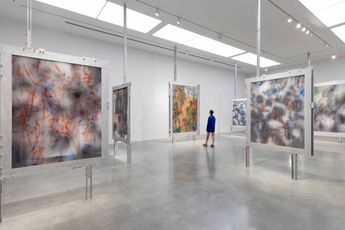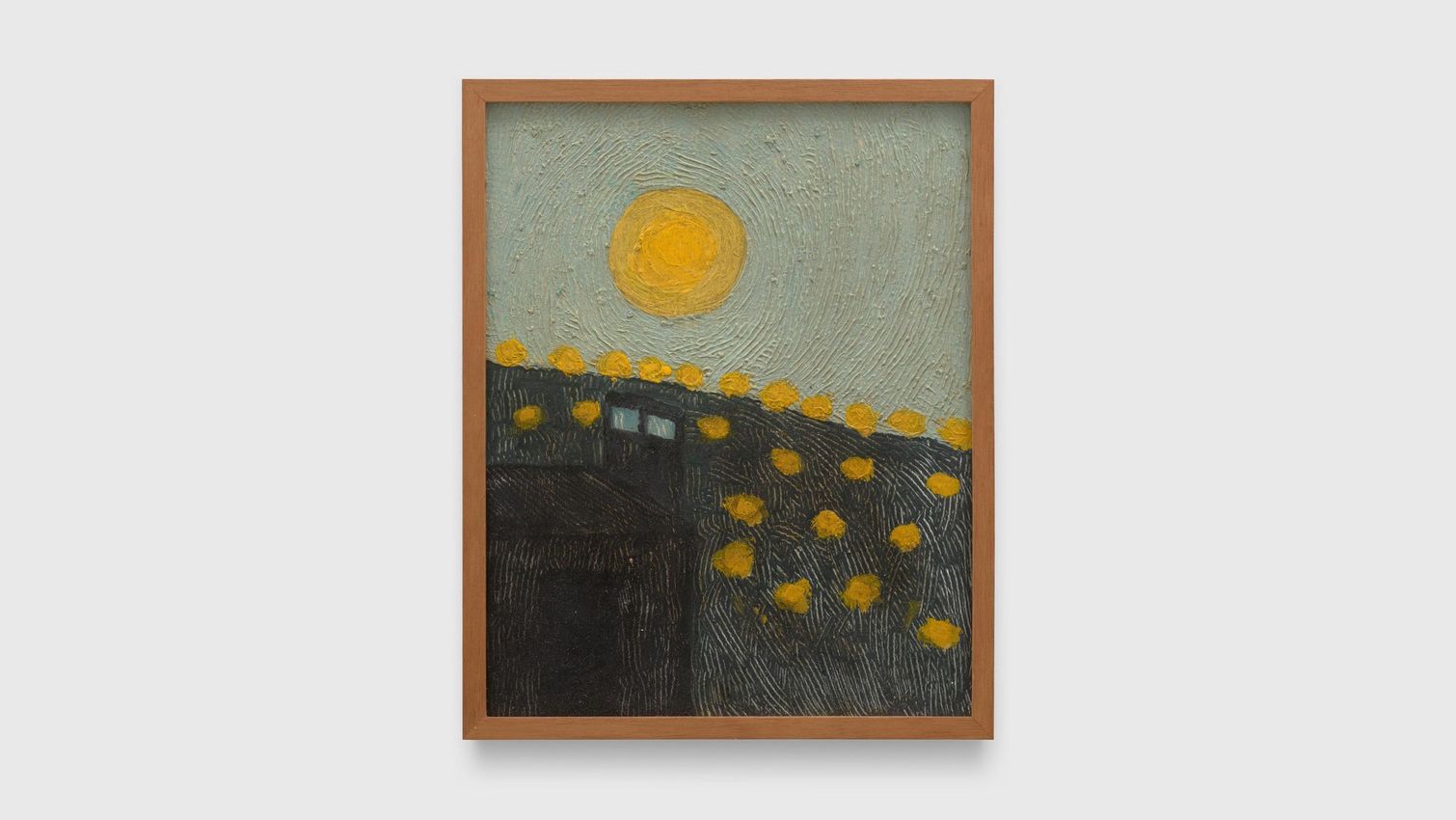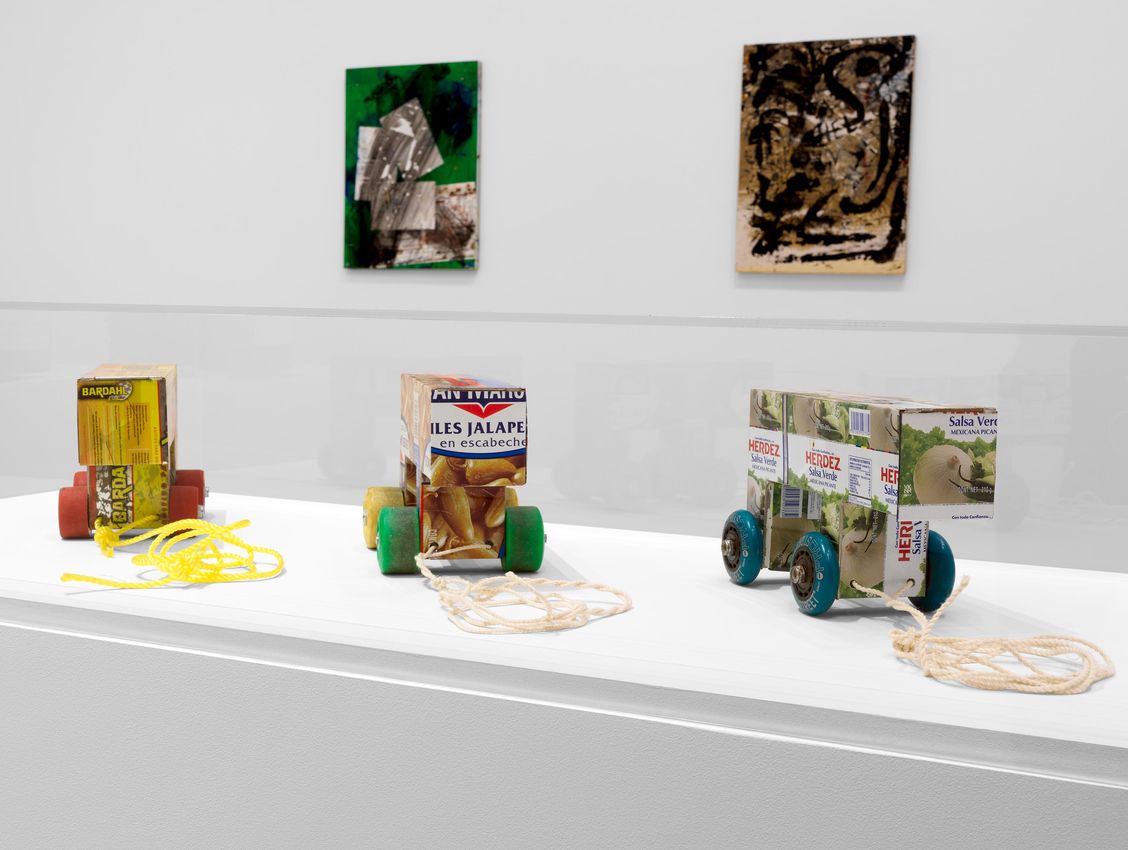
David Zwirner is pleased to present For Keeps: Selected Parkett Editions 1984–2017, on view on the second floor of the gallery’s 537 West 20th Street location in New York and with a concurrent onlinepresentation. This group exhibition, which honours the legacy of Parkett’s publisher and cofounder, Dietervon Graffenried, who passed away in December 2021, features works by more than forty artists createdin collaboration with the celebrated long-running international art publication Parkett, includingKatharina Fritsch, Robert Gober, Yayoi Kusama, Sherrie Levine, Julie Mehretu, Bruce Nauman, SigmarPolke, Bridget Riley, and Andy Warhol, among others. Complementing the presentation in New York, theonline feature includes key works from the exhibition as well as a selection of editions on view exclusivelyonline. It will additionally highlight the history and making of Parkett‘s artist editions through ephemerasuch as sketches, archival studio images, and correspondence between artists and the publication.Several of the works included in this combined presentation are rare, last-remaining editions of sold-outworks, which have been made available exclusively for the exhibition.
The works in this exhibition reflect the broad spectrum of creativity promoted by Parkett as well as the spirit of experimentation and exchange that was central to the publication. Founded in Zurich in 1984,Parkett was a unique voice in contemporary art publishing, built on the ideals of transatlantic interchangeand artistic collaboration. In its 101 volumes—the last of which was published in 2017—the magazinefeatured collaborations with more than 300 artists as well as new texts in German and English byinfluential authors, critics, and curators. Each issue of Parkett was produced in close cooperation withartists, 270 of whom were also commissioned to create an editioned artwork in the medium of theirchoice, which could range from sculpture, painting, photography, prints, and drawings to multimediawork and installations. Several artists made numbered series of unique works, while others createdmultiples in close collaboration with printers or fabricators. In both cases, Parkett was instrumental inpairing artists with the appropriate collaborators to realize their visions.
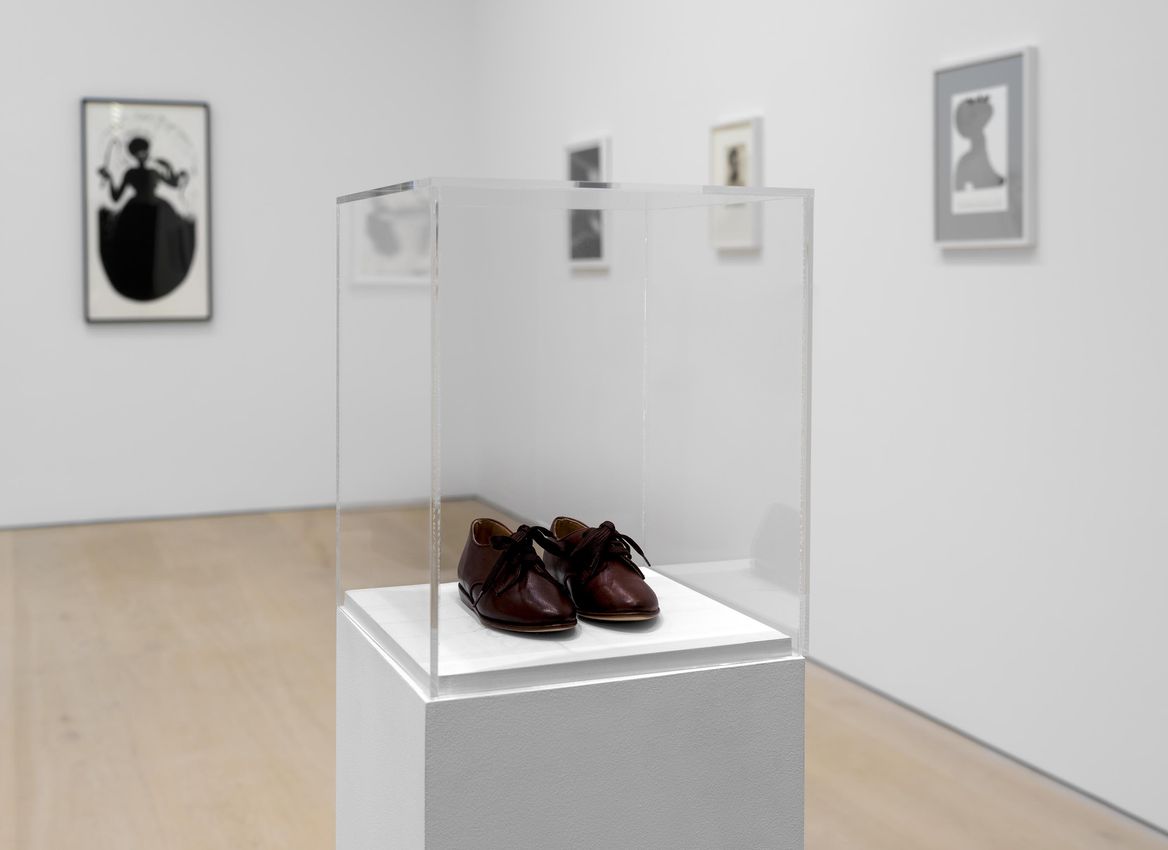
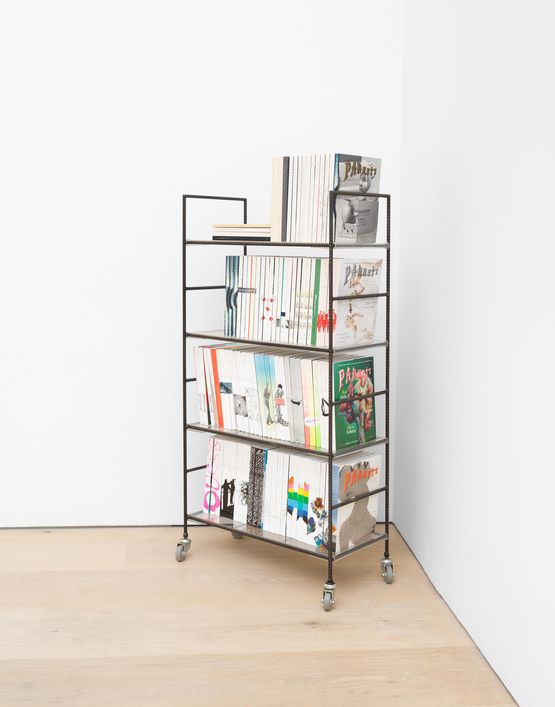
Included in this presentation will be noteworthy editions such as Franz West’s bookshelf, which was created in 2004 for the publication’s twentieth anniversary and designed to hold a then-complete set ofParkett volumes; a pair of leather shoes by Sherrie Levine made in 1992 that reproduced those featuredin her important 1977 Shoe Sale at 3 Mercer Street in New York; and Marlene Dumas’s series for the finalissue of Parkett, an intimate work on paper titled Art is/Always/Having to say/Goodbye (2017) that payshomage to the publication and depicts a female figure in profile above the titular phrase. Additionalworks on view include Meret Oppenheim’s pair of sky-blue goat suede gloves embroidered withhand-stitched red veins from 1985, which realized a design she had made almost fifty years prior forfashion designer Elsa Schiaparelli, as well as Bruce Nauman’s Violent Incident—Man-Woman, Segment(1986), a two-act video derived from his seminal twelve-monitor installation Violent Incident (1986; nowin the collection of Tate, United Kingdom), which marked the artist’s return to video after an almostfifteen-year hiatus.
Online-only works include John Baldessari’s 1991 screenprinted porcelain enamel steel plate depicting six mouths with different expressions, all in varying hues. Viewed in tandem, the online presentation andexhibition not only illustrate the rich artistic history of Parkett but act as a survey of more than threedecades of international contemporary art.
The presentation will also highlight a selection of artist-designed inserts. Featuring text, drawing, painting, and graphic elements, the inserts, which honour the tradition of the artist’s book, take a varietyof forms and show the creative possibilities of the printed page.
Previous presentations celebrating the legacy of Parkett have been hosted at prominent institutions worldwide, including Centre Georges Pompidou, Paris (1987); Palazzo Remer, Venice (2003); and SwissNational Library Bern, Switzerland (2018), and a traveling retrospective, which originated at The Museumof Modern Art, New York (2001), and toured to Whitechapel Art Gallery, London (2001); KunsthausZurich (2004); 21st Century Museum of Contemporary Art, Kanazawa, Japan (2009); STPI, Singapore(2010); Hangaram Art Museum, Seoul, South Korea (2010); Ullens Center for Contemporary Art, Beijing(2012); and the Taipei Fine Arts Museum (2013).
The title of the publication, Parkett, was chosen for its multiple, nuanced meanings: not only does itreference the parquetry often found in museum or gallery spaces, in German it can mean an arena, adance floor, or the seats closest to the stage, and in French, it translates to the name of the stateattorney. These varied connotations, as well as its pronounceability in many languages, spoke to theinternational aim of the publication. Indeed, Parkett reached a broad audience: each volume waspublished in a run of between 2,000 and 11,000 copies and distributed across sixty countries. Today, atotal of 700,000 volumes of Parkett are spread across the globe.
From the full-page image spreads to the artist-produced inserts, and from the equal treatment of the German and English texts to the spines featuring artist collaborations—with some designs spanning thebinding of multiple volumes—the magazine, whose early slogan was ’Parkett is for keeps,’ was intendedto be collected, displayed on shelves, and read often. While Parkett first highlighted a single artist ineach volume, it subsequently introduced artist pairings (in 1989) and, later, multiple-artist volumes, in aneffort to promote artistic dialogue and cross-cultural connections. These pairings served both tocomplement and juxtapose, often crossing media, movements, generations, or nationalities.
Conceived of as a ‘Kunsthalle on paper,’ Parkett viewed its role not unlike that of a curator, collaborating with artists and thinkers on printed volumes and editions that created a space forexploration, discussion, and connection. Beloved by artists and readers alike, Parkett operated at thevanguard of contemporary artistic developments and, over the course of its thirty-three-year history,remained true to cofounder Bice Curiger’s statement written on the first page of the first edition: ‘Parkettwill be partial and bold in discussing notable, yet unnoted undercurrents, and quick to recognize newdevelopments in the bud.’1
^ ^
1 Bice Curiger, in Parkett 1 (1984), p. 1.


A respected voice in contemporary art discourse.
Focusing on ambitious storytelling and insightful art-world commentary. Ocula Magazine publishes in-depth interviews, critical essays and timely analysis on the artists, exhibitions and ideas driving the global art world.
Learn more about Ocula Magazine
Showcasing the best of the art world.
Ocula partners with galleries from around the world to highlight their artists, artworks and exhibitions. Gallery membership is by application and invitation, with each member vetted by an independent panel.
Learn more about Ocula Membership

Specialises in the sale of major artworks.
Led by a team with deep ties to the world’s leading auction houses, galleries and collectors. Ocula’s advisory team offers bespoke services to high-net-worth clients from around the world who are looking to acquire the best of contemporary and modern art.
Learn more about our team and services