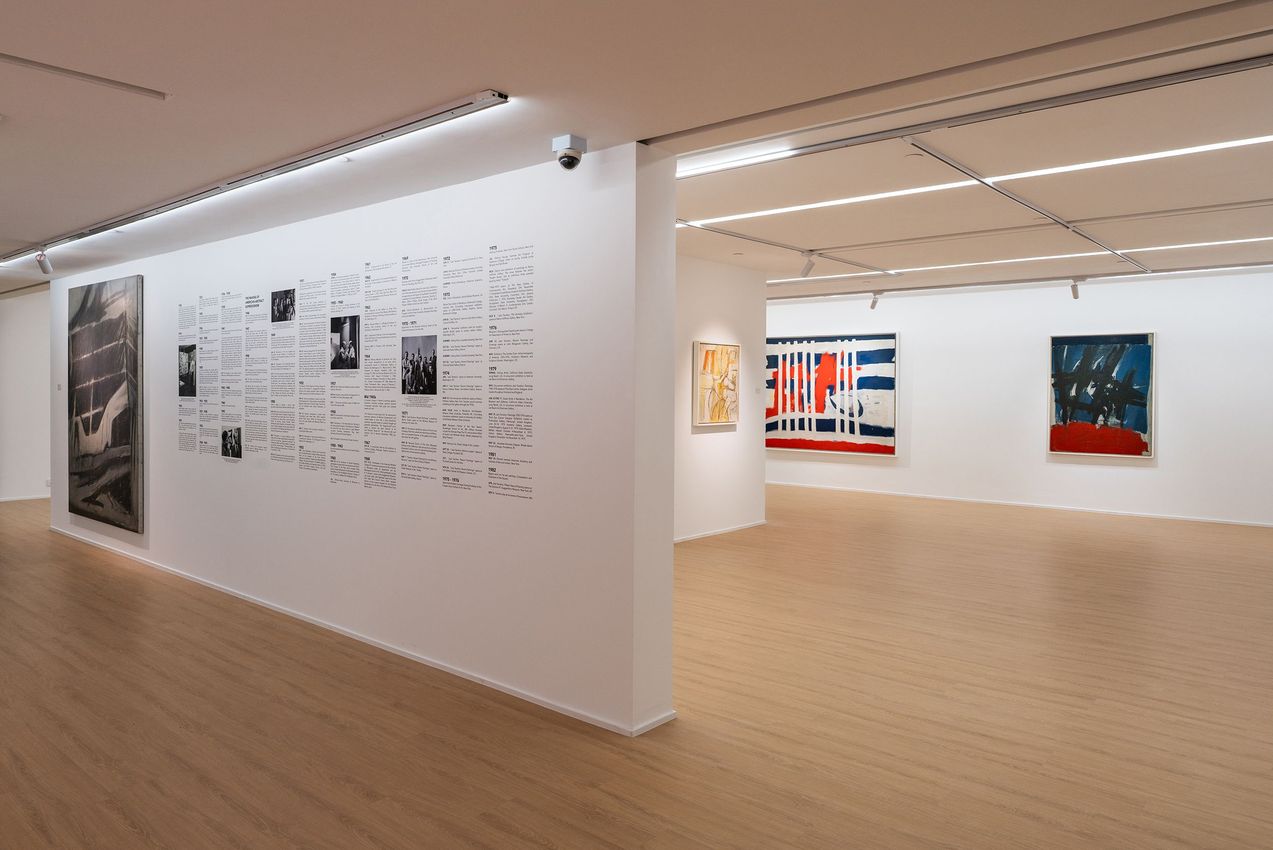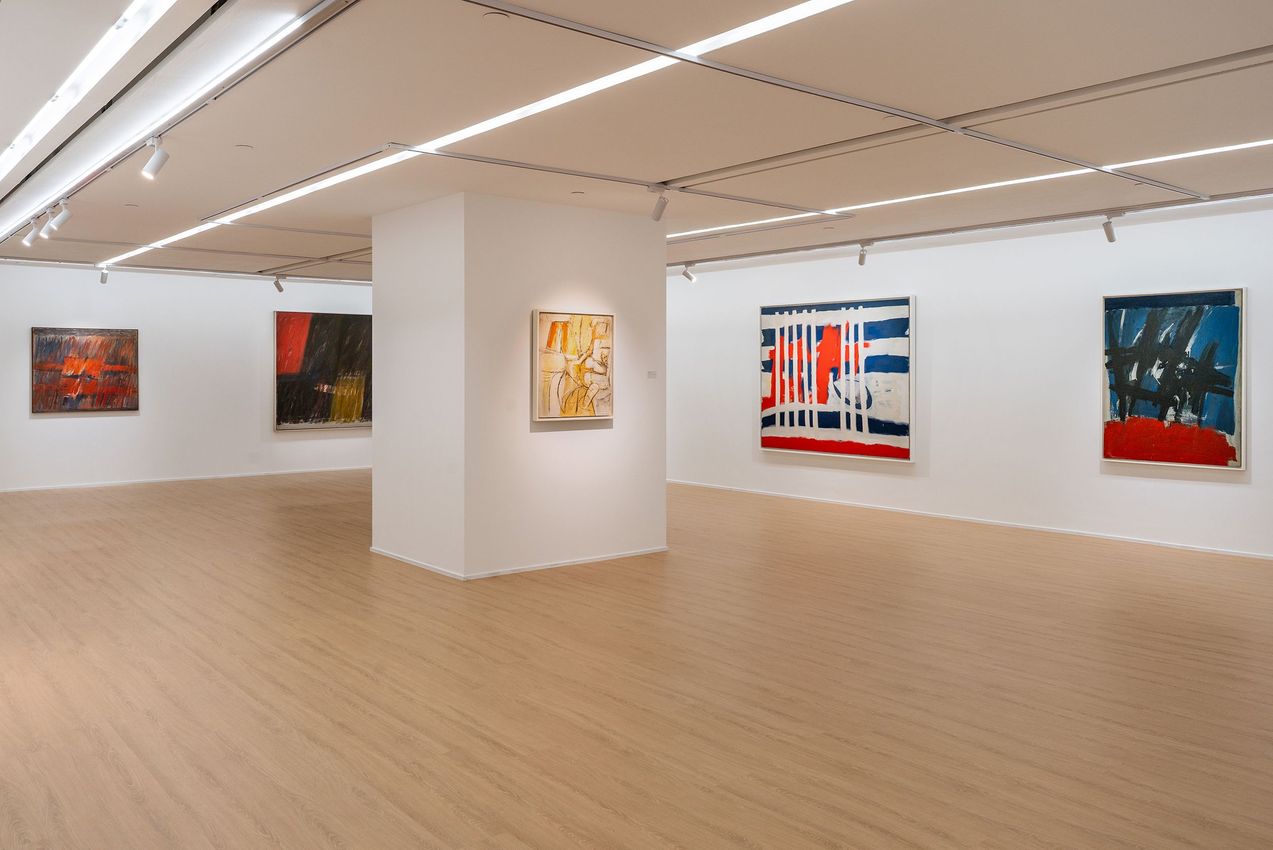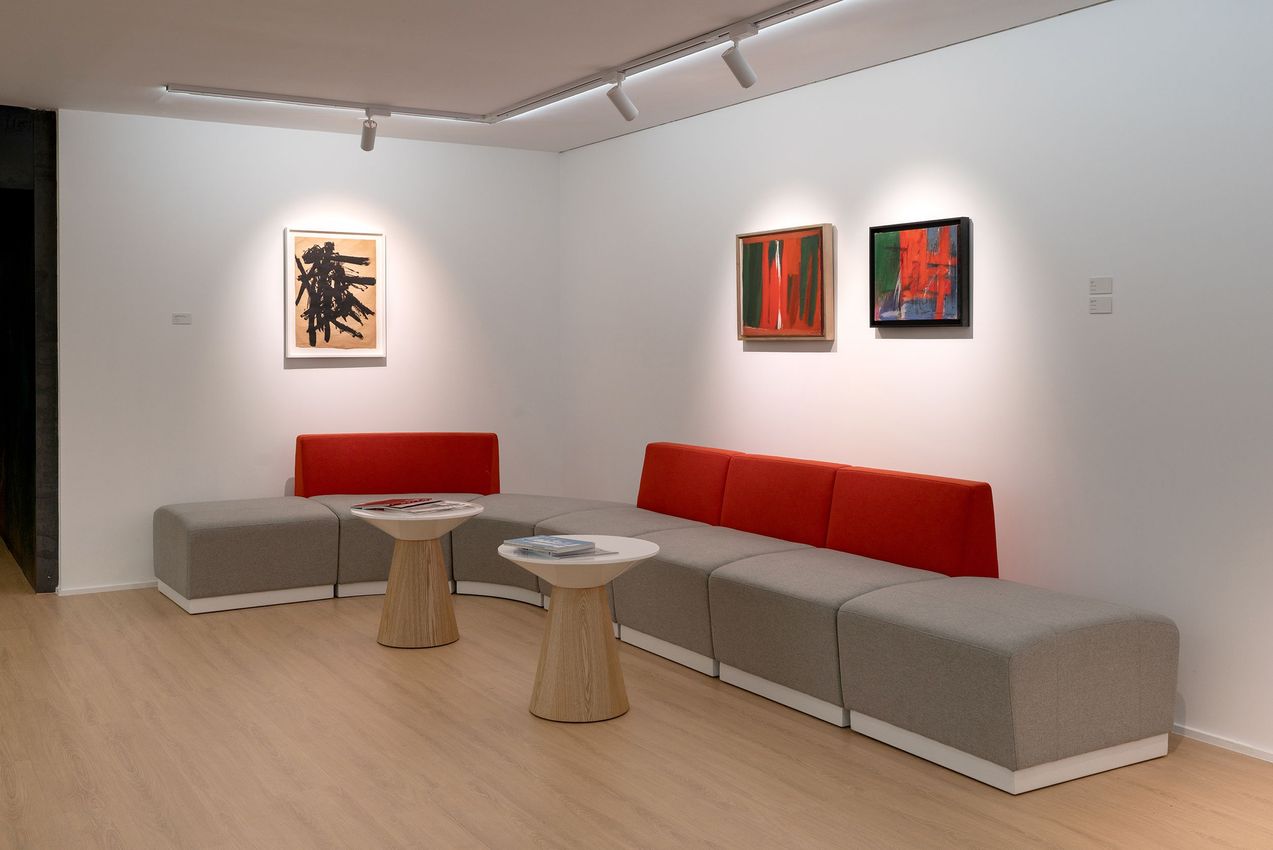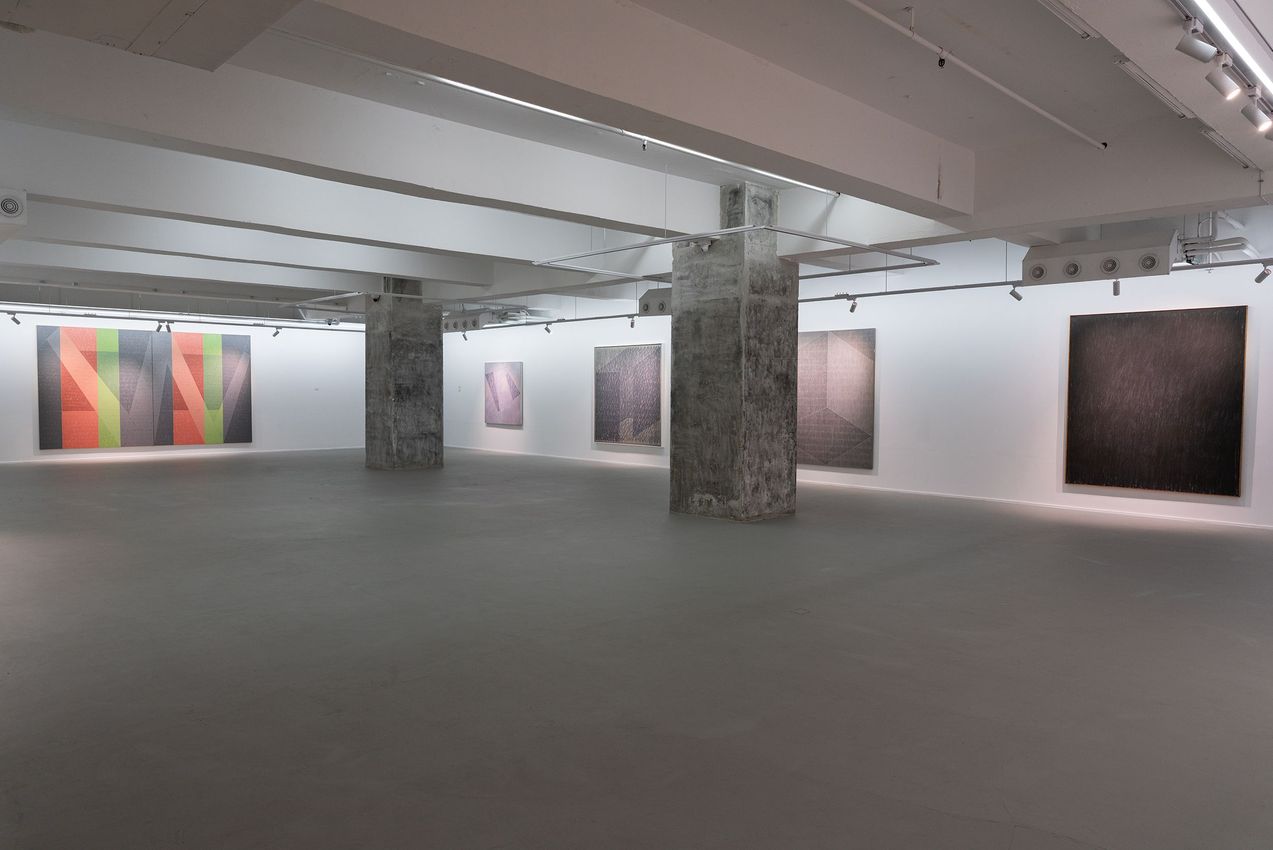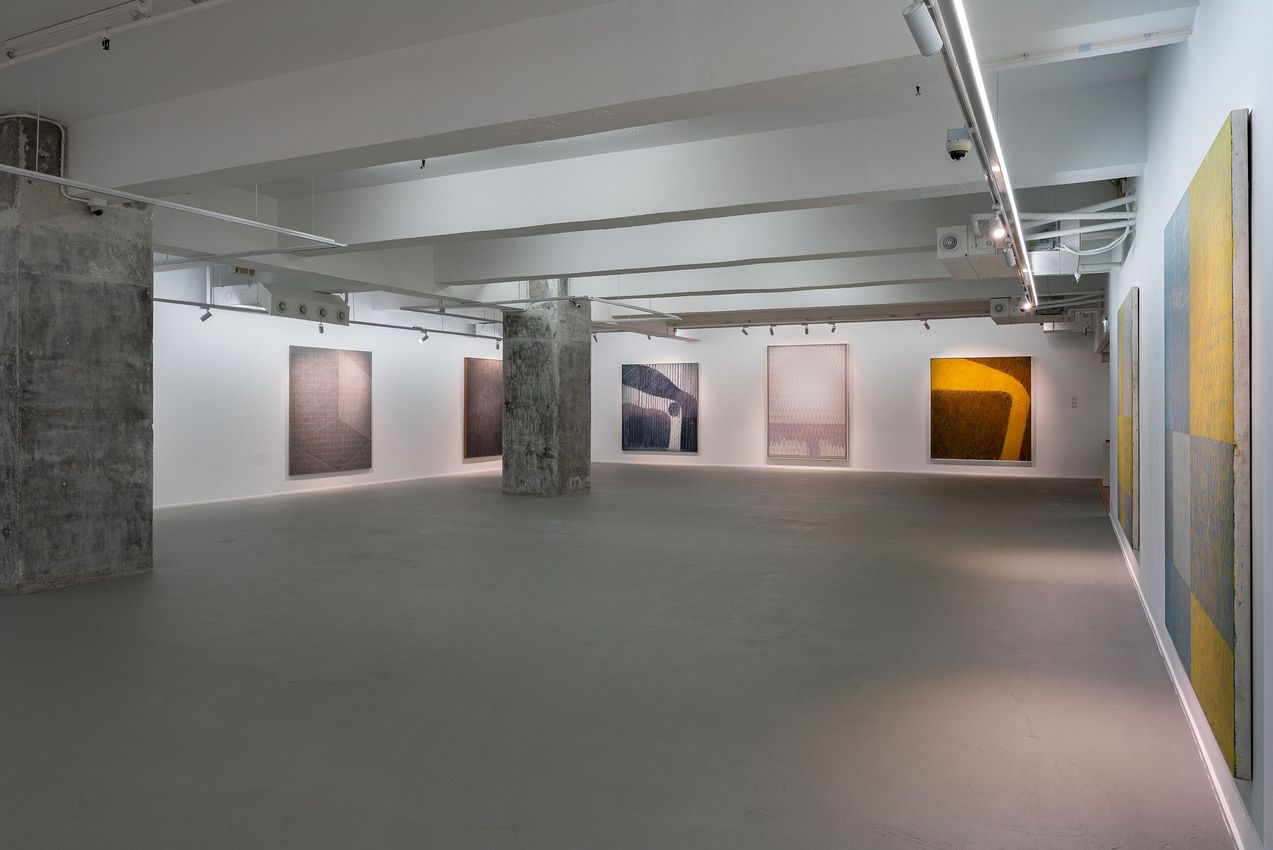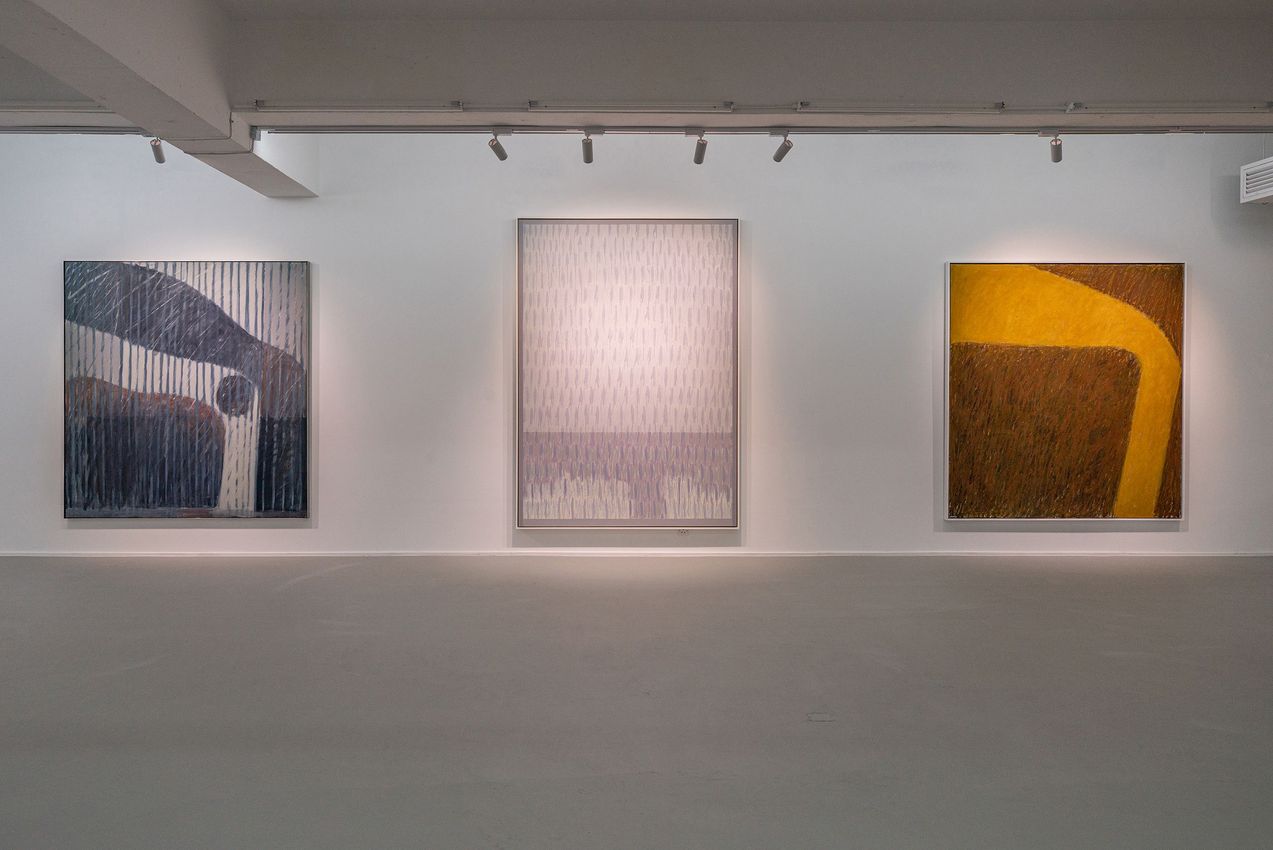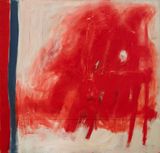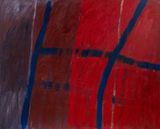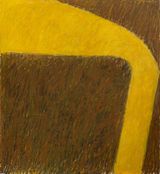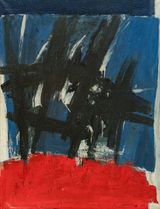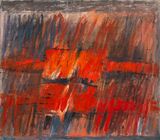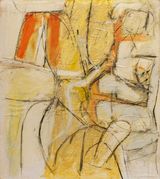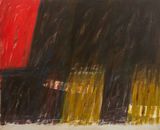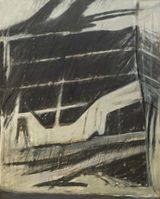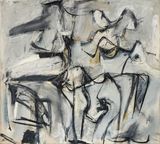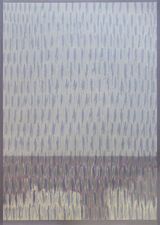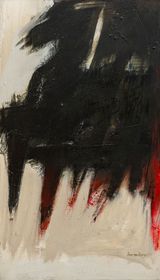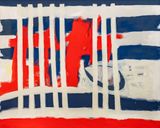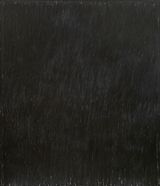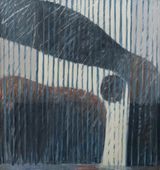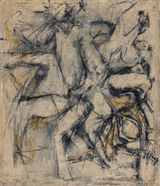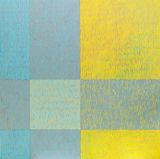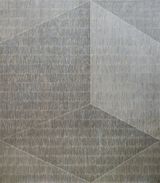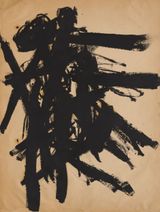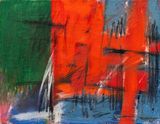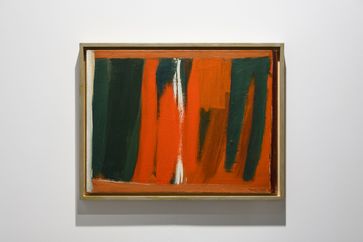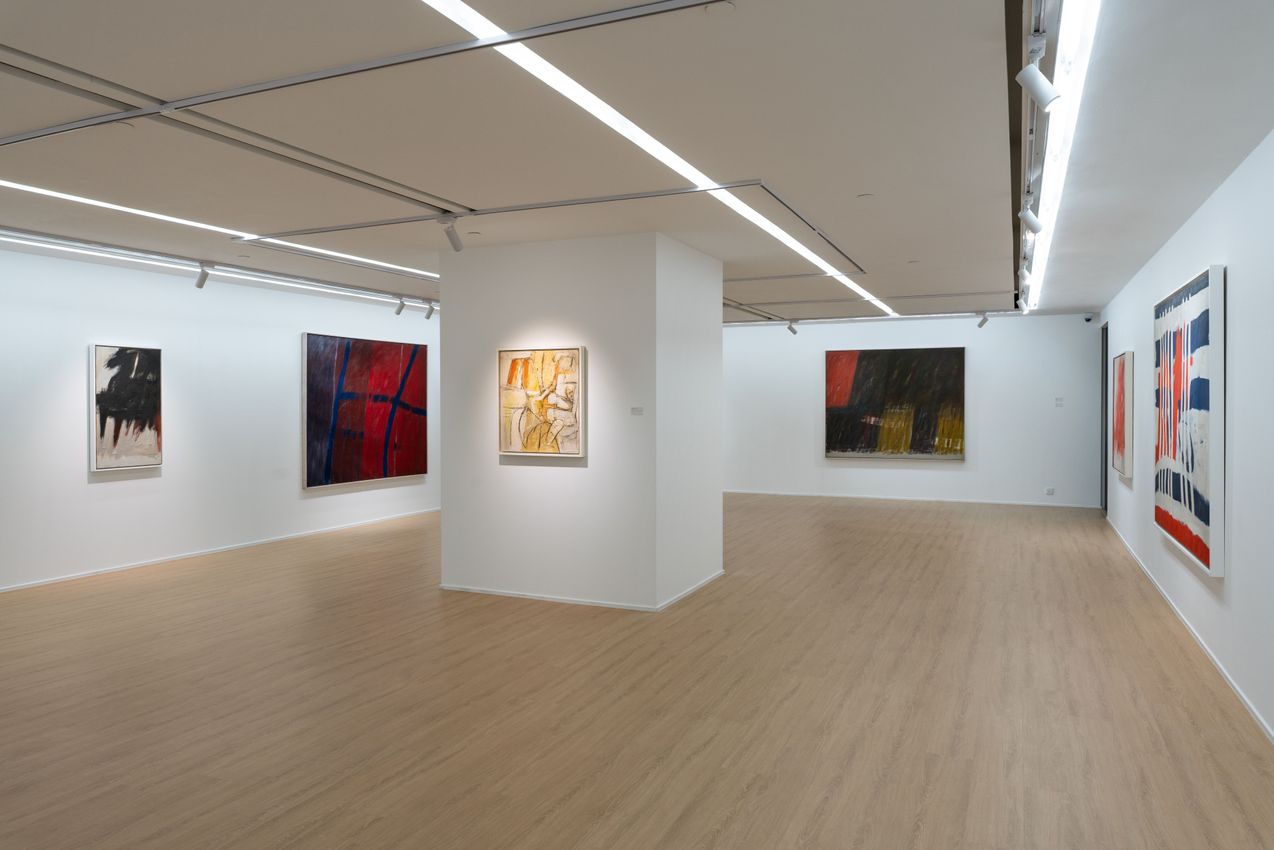
DE SARTHE is pleased to announce Jack Tworkov 1900-1982: Pioneer of Abstract Expressionism – A Survey, an exhibition of key works by the influential American painter from 1951 to 1982, organized with the support of the Estate of Jack Tworkov and Van Doren Waxter. Marking this historically significant artist’s first major retrospective in Asia, the exhibition follows the evolution of his practice, characterized by the artist’s disposition toward creative fluidity and shifting identities, with a focus on the years in which he played a pioneering role in the Abstract Expressionist movement alongside his peers of Willem de Kooning, Jackson Pollock, and Mark Rothko. On view from March 21st to May 9th, the exhibition offers a journey through history-made via the eyes and hands of its maker.
Born in 1900 in Biała Podlaska, Russia (now Poland), Tworkov immigrated with his family to the United States in 1913. Dissimilar to many artists of the 20th century, whose works were steadily resolute, Tworkov’s oeuvre saw various transitions under the artist’s sensibility. His works embraced contingency, a proclivity rooted in his diasporic upbringing and ambiguous identity as an immigrant. The late 1940s marked an important turning point in the artist’s career, as he rekindled his practice after serving as a tool designer in World War II. The art scene to which he returned had been renewed after the disruption of war, where the then emerging artists gained creative independence from the previous generation of masters and began influencing each other in a flux of new possibilities. Simultaneously receptive to cross-disciplinary influence, from the works of French Impressionist Paul Cézanne to Homer’s Odyssey (800 B.C.E.) to his own mathematical interests, Tworkov’s liberal and inquisitive visual language further enriched the textures of the Abstract Expressionist movement.
Tworkov was receptive to a wide range of influences from the works of French Impressionist Paul Cézanne, to the Fauves, to Homer’s Odyssey (800 B.C.E.), and much later, his own mathematical interests, Tworkov’s liberal and inquisitive visual language enriched his gestural approach to painting which would define the Abstract Expressionist movement in America.
Tworkov has an established presence in museums worldwide, including in the permanent collections of the Art Institute of Chicago (IL), The Metropolitan Museum of Art (NY), The Museum of Modern Art (NY), Solomon R. Guggenheim Museum (NY), Neue Nationalgalerie (Berlin), Tate Modern (London), and Whitney Museum of American Art (NY) among many more. Jack Tworkov’s early gallery affiliations trace the rise of post-war American art. He first exhibited at New York’s Charles Egan Gallery in 1947 and again in 1954—a space known for championing pioneers like de Kooning, Rothko, Noguchi, Bourgeois, and Rauschenberg. In the late 1950s, he showed with the influential Stable Gallery, which helped define the Abstract Expressionist movement. Beginning in 1961, Tworkov’s work was represented by the legendary Leo Castelli Gallery, cementing his place within the canon of 20th-century art. He has also been included in other major exhibitions of abstract expressionists, most notably Founders __and Heirs of the New York School, a travelling exhibition that showed at the Museum of Contemporary Art, Tokyo; Miyagi Museum of Art, Sendai; and Museum of Art, Ibaraki in Japan (1997); American Vanguard for Paris, organized by the Sidney Janis for Galerie de France exhibition with artists including de Kooning, Gorky, and Pollock (1962); The Osaka Festival: International Art of a New Era: U.S.A., Japan, Europe, Osaka, Japan (1958) and New American Painting, organized by Dorothy Miller for the International Program of the Museum of Modern Art (1958) which toured to eight European venues including Kunsthalle, Basel, Museao Nacional de Arte Contemporaneo, Madrid, Stedelijk Museum, Amsterdam, Musee National d’Art Moderne, Paris, and Tate Gallery, London.


Jack Tworkov was a founding member of the New York School along with Jackson Pollock, Willem de Kooning, and Franz Kline. Painting in an expressive and gestural style, they formed the basis for the Abstract Expressionist movement of the 1950s and 60s in America.

DE SARTHE is a pioneering platform for boundary-pushing contemporary art from Asia. It has also contained an influential international presence in modern and post-war art since 1977.

A respected voice in contemporary art discourse.
Focusing on ambitious storytelling and insightful art-world commentary. Ocula Magazine publishes in-depth interviews, critical essays and timely analysis on the artists, exhibitions and ideas driving the global art world.
Learn more about Ocula Magazine
Showcasing the best of the art world.
Ocula partners with galleries from around the world to highlight their artists, artworks and exhibitions. Gallery membership is by application and invitation, with each member vetted by an independent panel.
Learn more about Ocula Membership

Specialises in the sale of major artworks.
Led by a team with deep ties to the world’s leading auction houses, galleries and collectors. Ocula’s advisory team offers bespoke services to high-net-worth clients from around the world who are looking to acquire the best of contemporary and modern art.
Learn more about our team and services