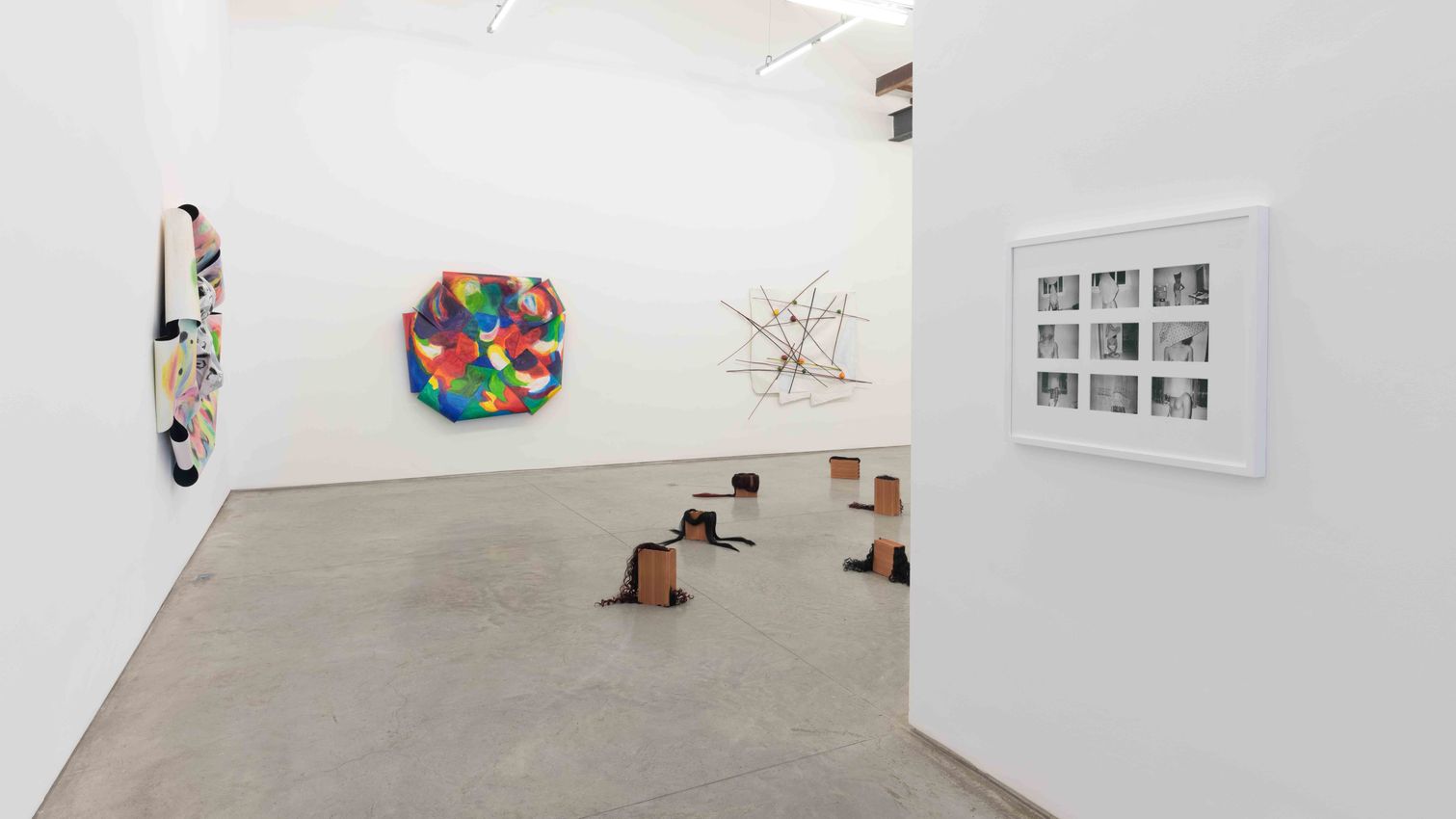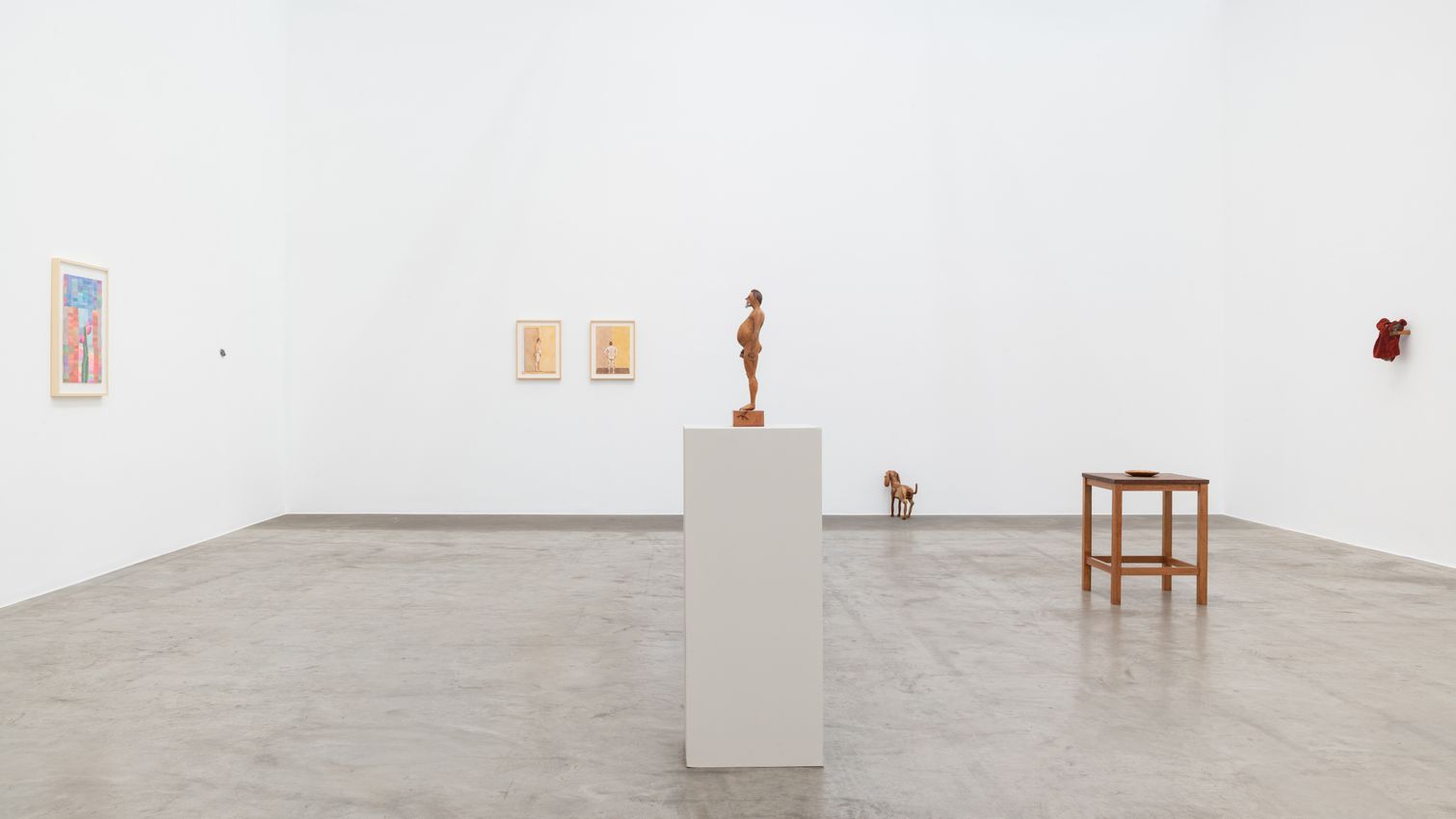




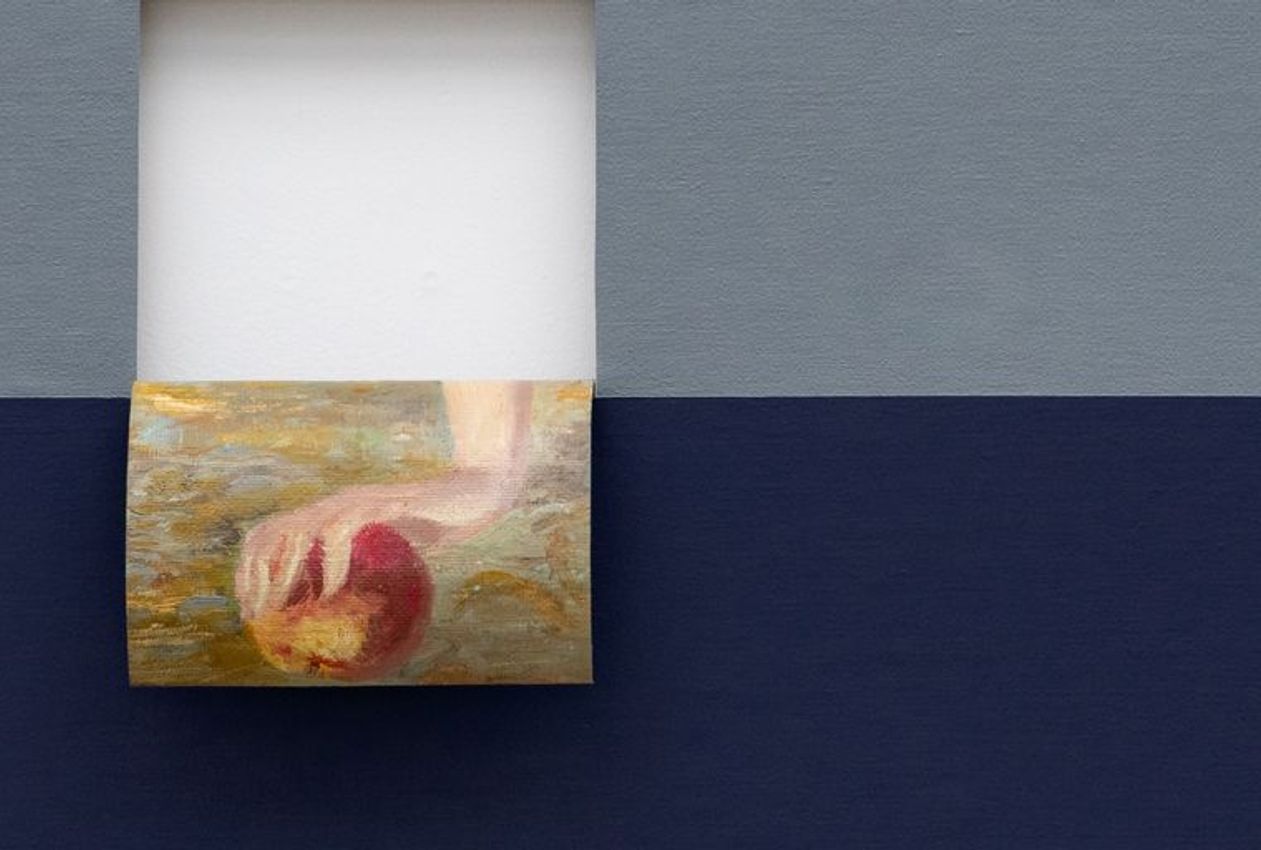
Valeska Soares’ exhibition Tableau, opening August 30th at Fortes D’Aloia & Gabriel, in São Paulo, presents new and recent works that delve into themes of absence, ghostly presences, impermanence and eroticism. The title alludes to the narrative dimension of Soares’ work, in which each piece functions as a fragment in a larger plot. Meaning remains open to interpretation, but the enigmas and ambiguities weave a network of allusions that connect and enhance many of her longstanding conceptual concerns: the tensions between sight and sound, memory and erasure, objects and desire.
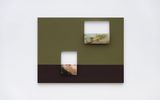
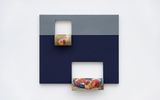
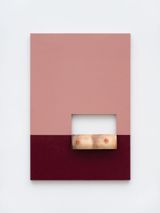
The show is composed of three distinct bodies of work. In the Blindface (2025) series, a development of her previous Doublefaces, Soares employs discarded images of female nudes, mounting them backward on frames and cutting the canvas to reveal glimpses of landscape and body fragments. The work tampers with visibility and concealment: what is shown always relates to what is hidden or erased. In the installation calling (2025), a bronze bell cast in the shape of an apple is suspended above a large wooden table. A hidden mechanism sets the bell in motion at irregular intervals, producing a soft chime that momentarily breaks the silence. The piece unfolds over time, suggesting a call or signal that remains unanswered. The transformation of the apple into a bell combines ideas of attraction and interruption, and marks time through sound rather than movement.
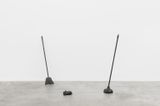
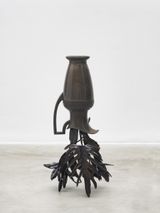
Elsewhere, bronze sculptures of domestic tools—like a broom, a brush, and a floor squeegee—are displayed in static, unlikely positions. These objects appear animated yet untouched, suggesting a break from their original function. In Upside-down (2024), a bronze vase is inverted, balanced on its flowers and leaves, subverting a familiar decorative object into a structure that resists its intended use. Together, the works in the exhibition point to subtle shifts in how we perceive labor, memory, and presence in a domestic realm.
Valeska Soares’ works hold a deep sense of timing, memory and affection. The artist uses found objects as building materials - often collected in flea markets and thrift stores. The history of previous usages is regarded, while new layers of meanings contrast and juxtapose.


Fortes D’Aloia & Gabriel, formerly Galeria Fortes Vilaça, presents a diverse and dynamic programme of exhibitions featuring Brazilian and international artists, alongside screenings, book launches, talks, and kids’ workshops. The gallery was founded in 2001 by Márcia Fortes and Alessandra D’Aloia, and took on its current name in 2016 when Alexandre Gabriel transitioned from Art Director to partner.

A respected voice in contemporary art discourse.
Focusing on ambitious storytelling and insightful art-world commentary. Ocula Magazine publishes in-depth interviews, critical essays and timely analysis on the artists, exhibitions and ideas driving the global art world.
Learn more about Ocula Magazine
Showcasing the best of the art world.
Ocula partners with galleries from around the world to highlight their artists, artworks and exhibitions. Gallery membership is by application and invitation, with each member vetted by an independent panel.
Learn more about Ocula Membership

Specialises in the sale of major artworks.
Led by a team with deep ties to the world’s leading auction houses, galleries and collectors. Ocula’s advisory team offers bespoke services to high-net-worth clients from around the world who are looking to acquire the best of contemporary and modern art.
Learn more about our team and services