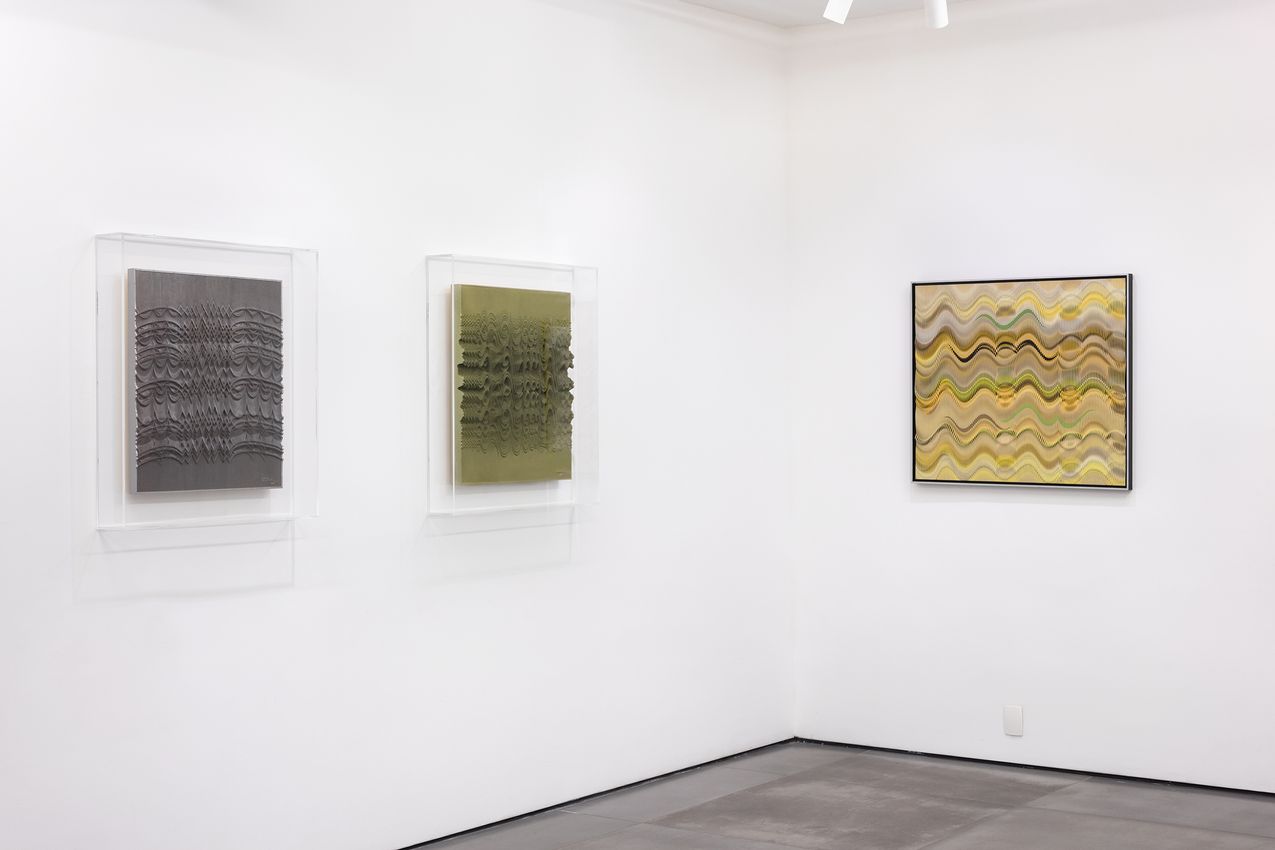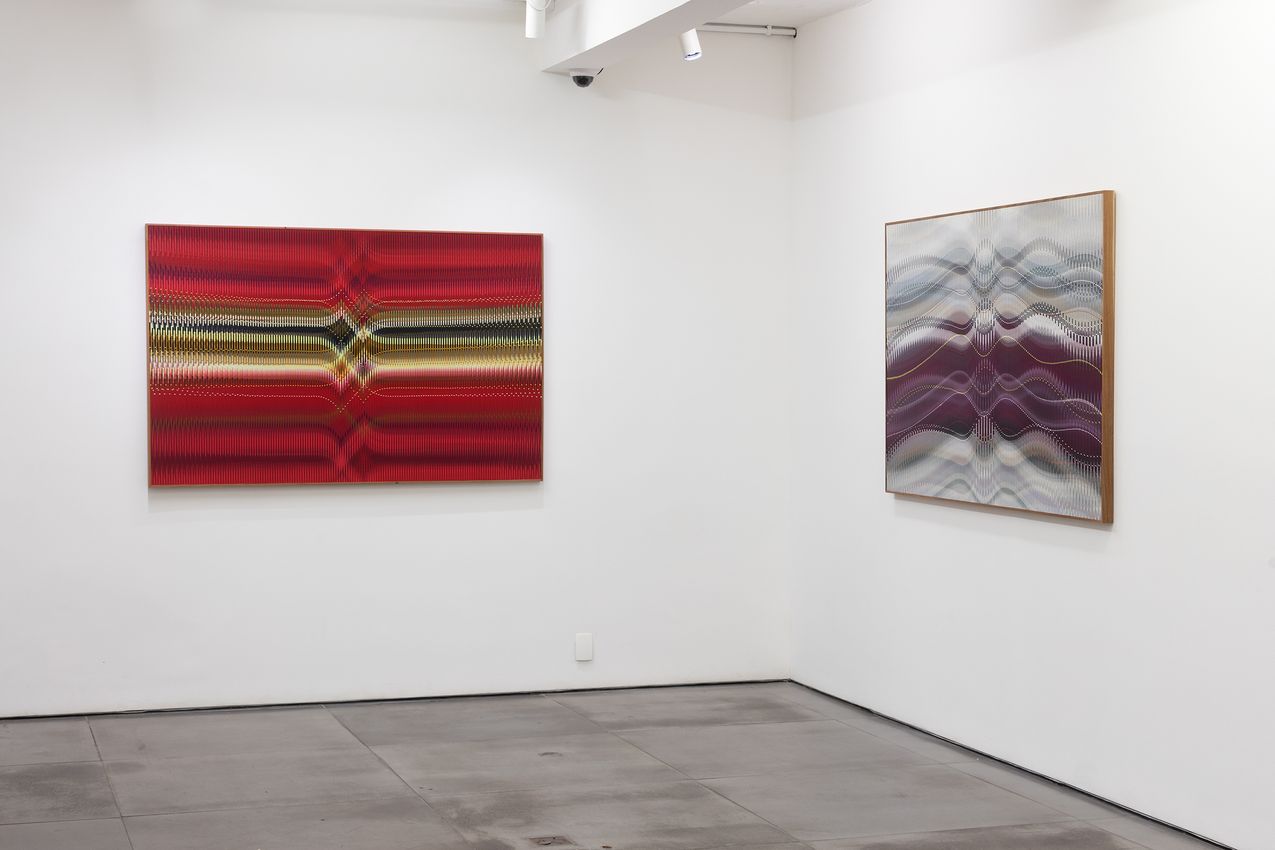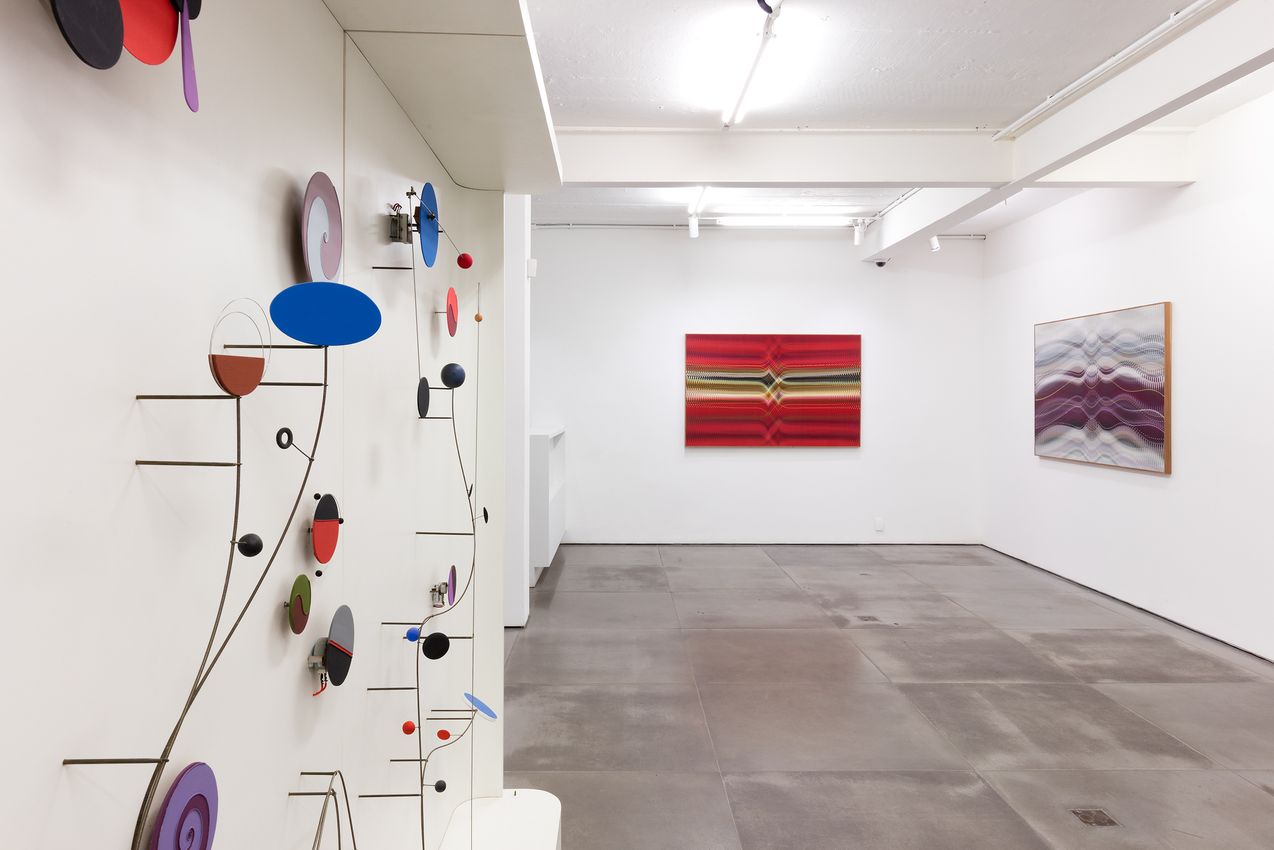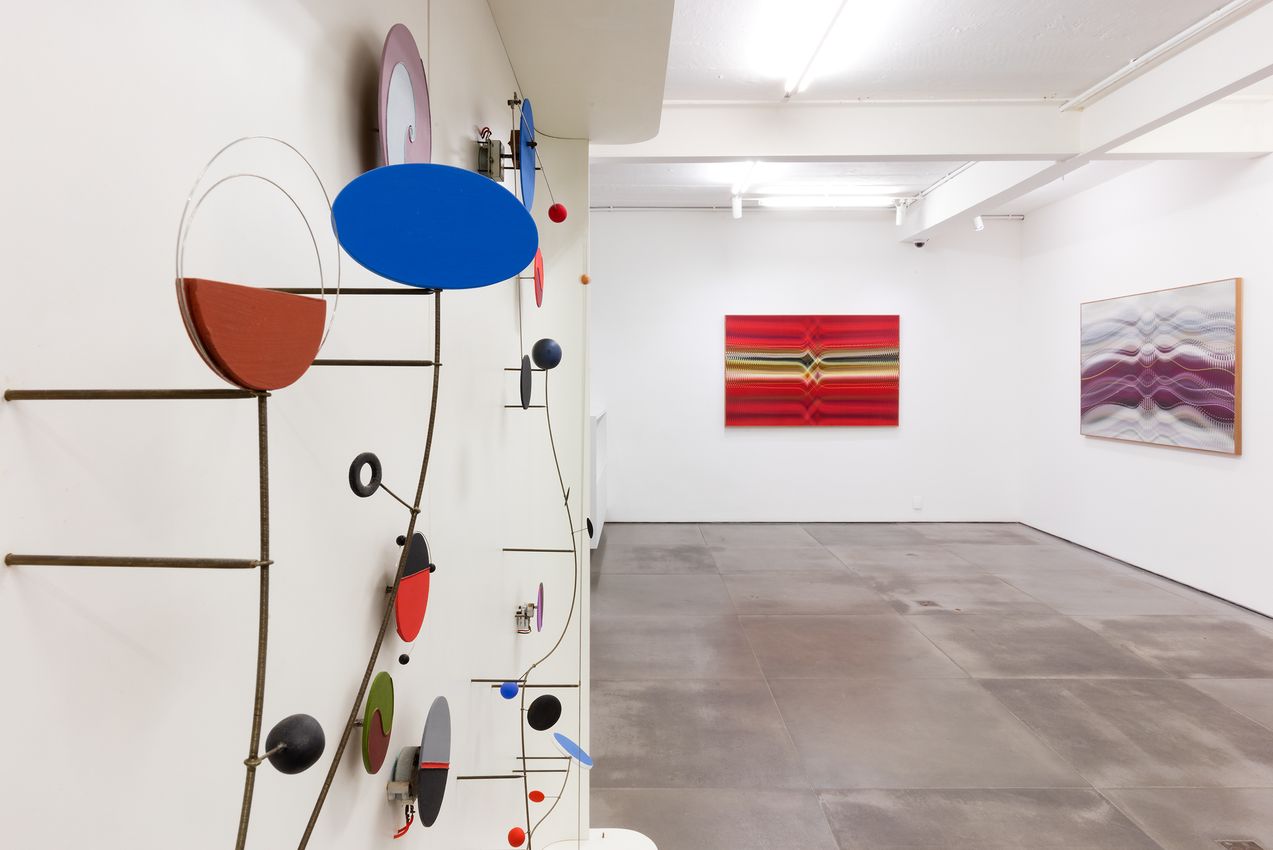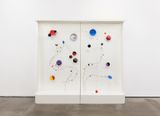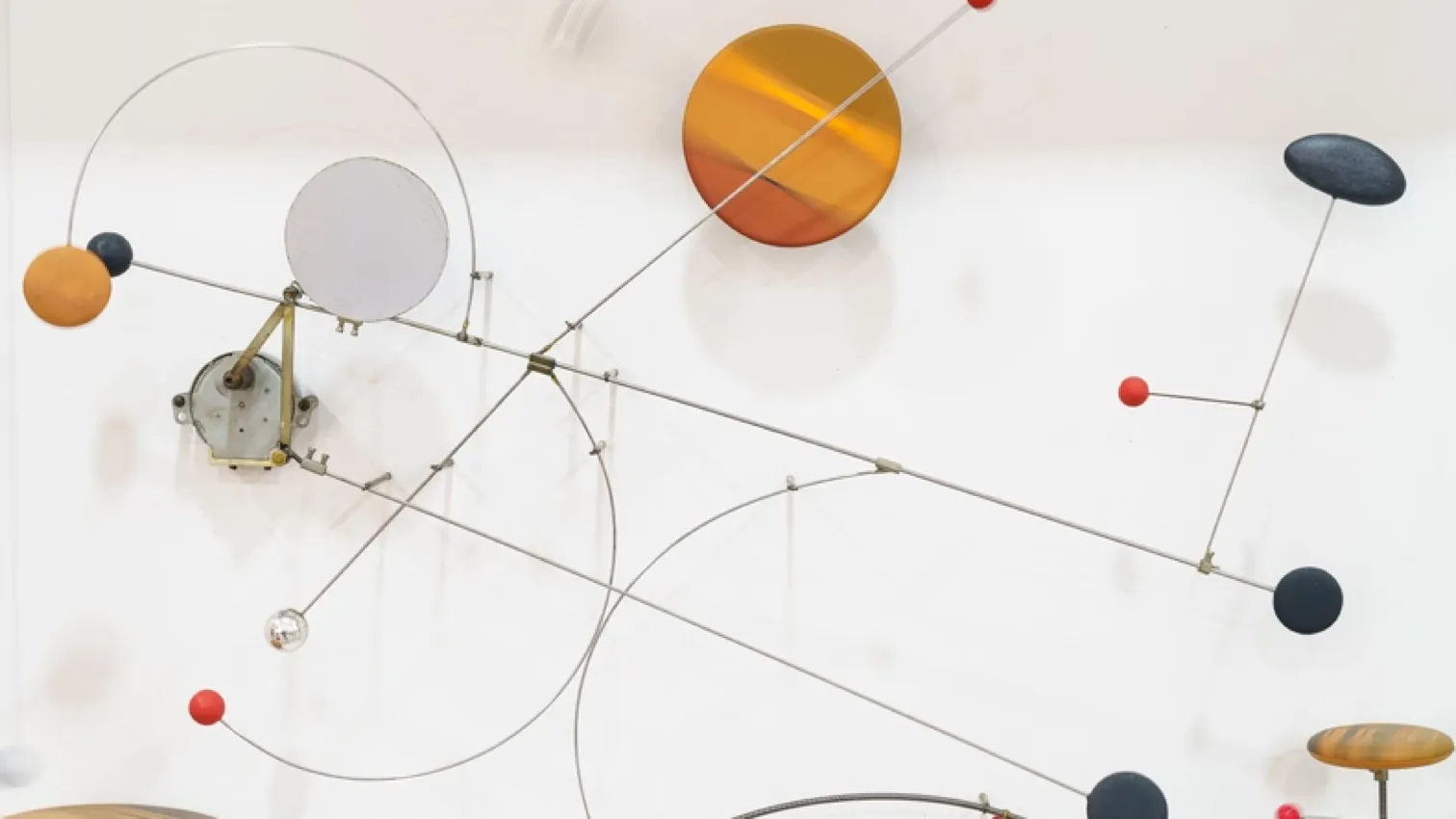




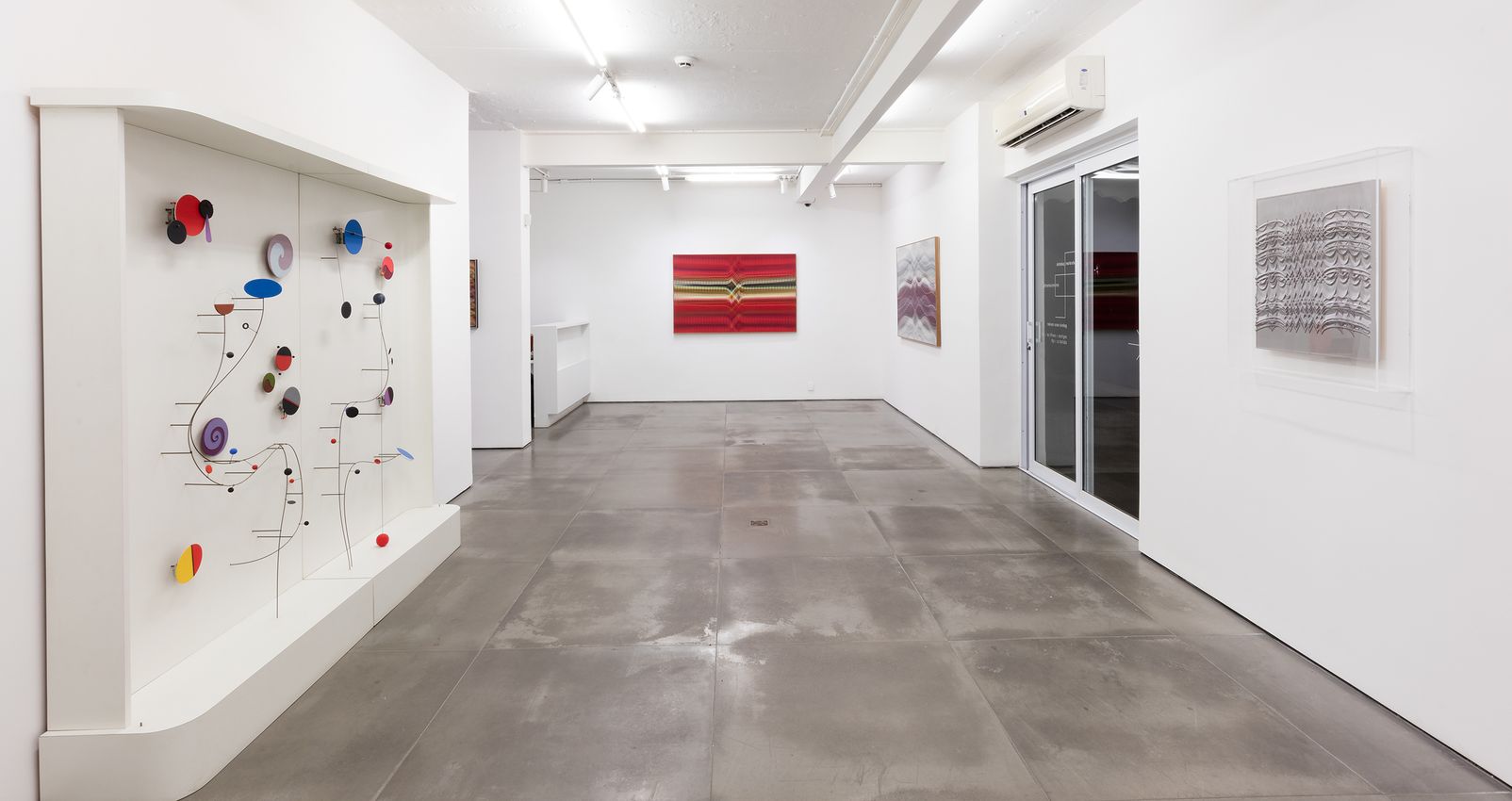
At its Rio de Janeiro venue, Galeria Nara Roesler celebrates the 90th birthday of Abraham Palatnik. The show demonstrates the sheer vibrance of the world-renowned master of motion and light, its centerpiece being the premiere of a large-sized Objeto Cinético (Kinetic Object, 205 x 226 x 40 cm) created in 2018. The artwork symbolizes the continuity of the artist’s career-long research, which, after much-deserved historical revisionism, has made him a landmark in kinetic and optical art.
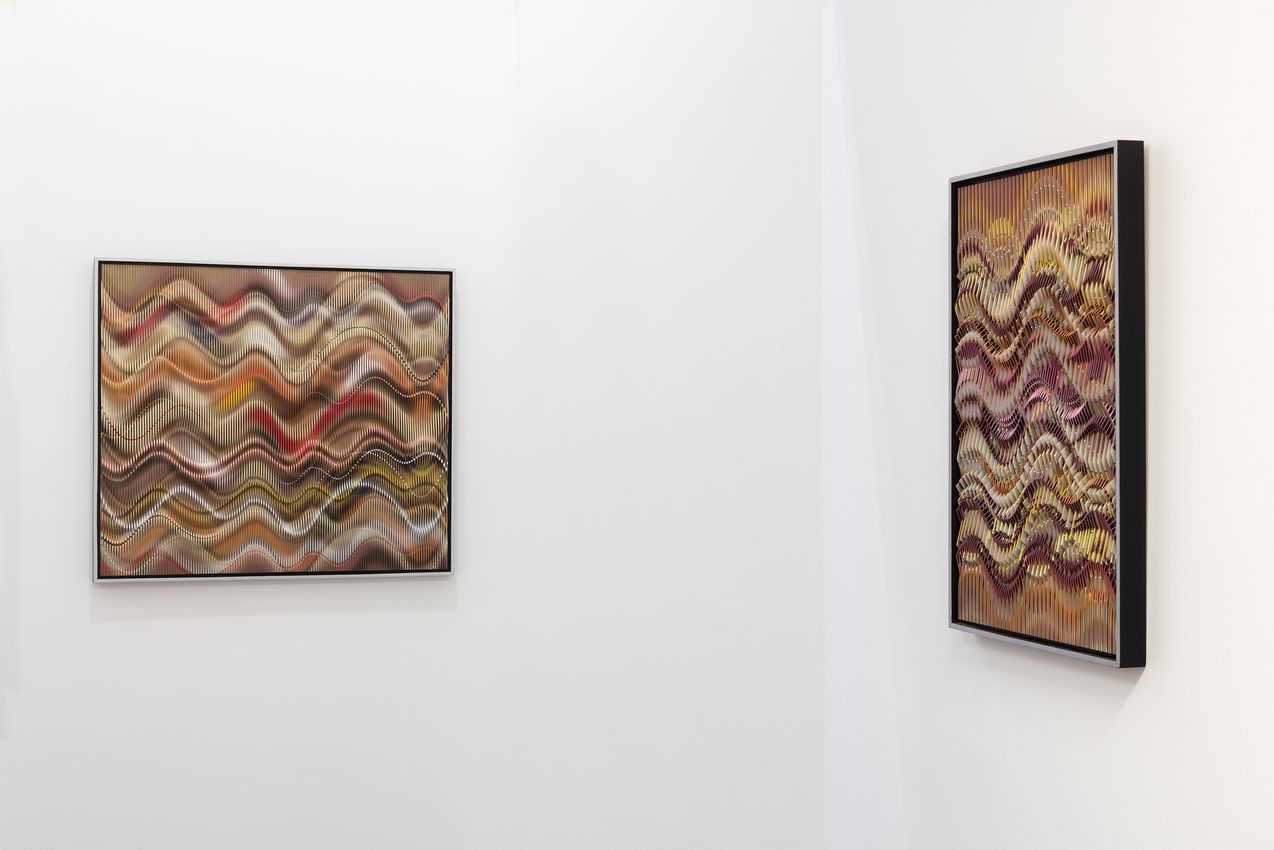
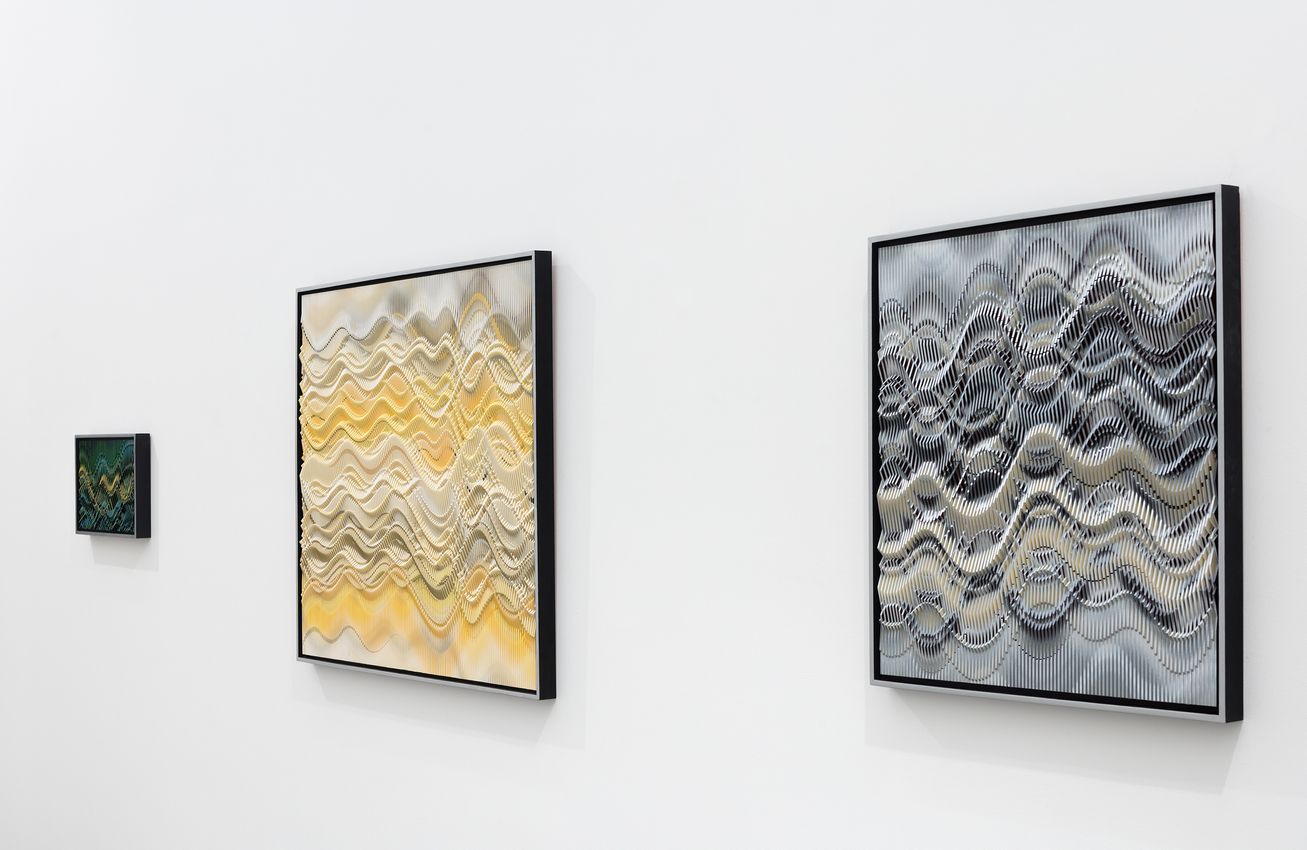
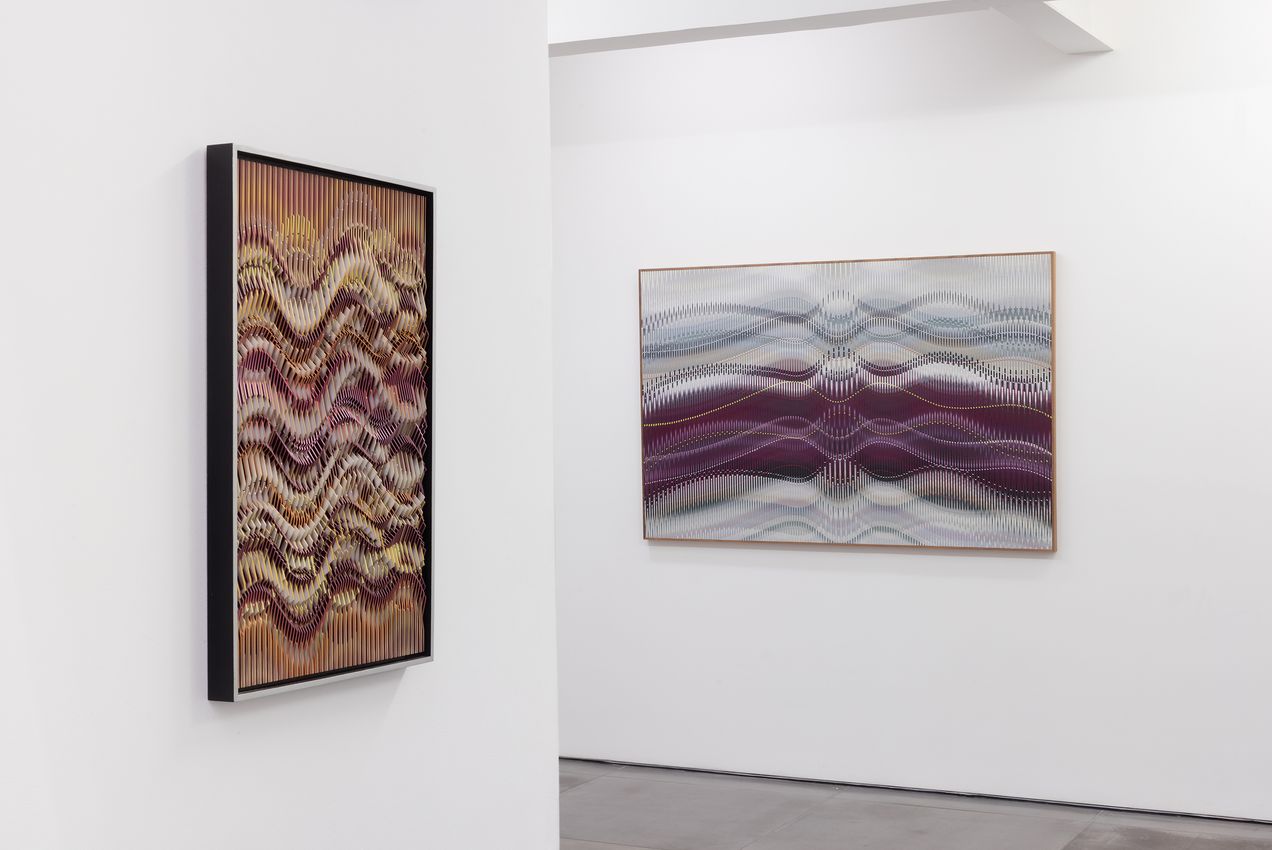
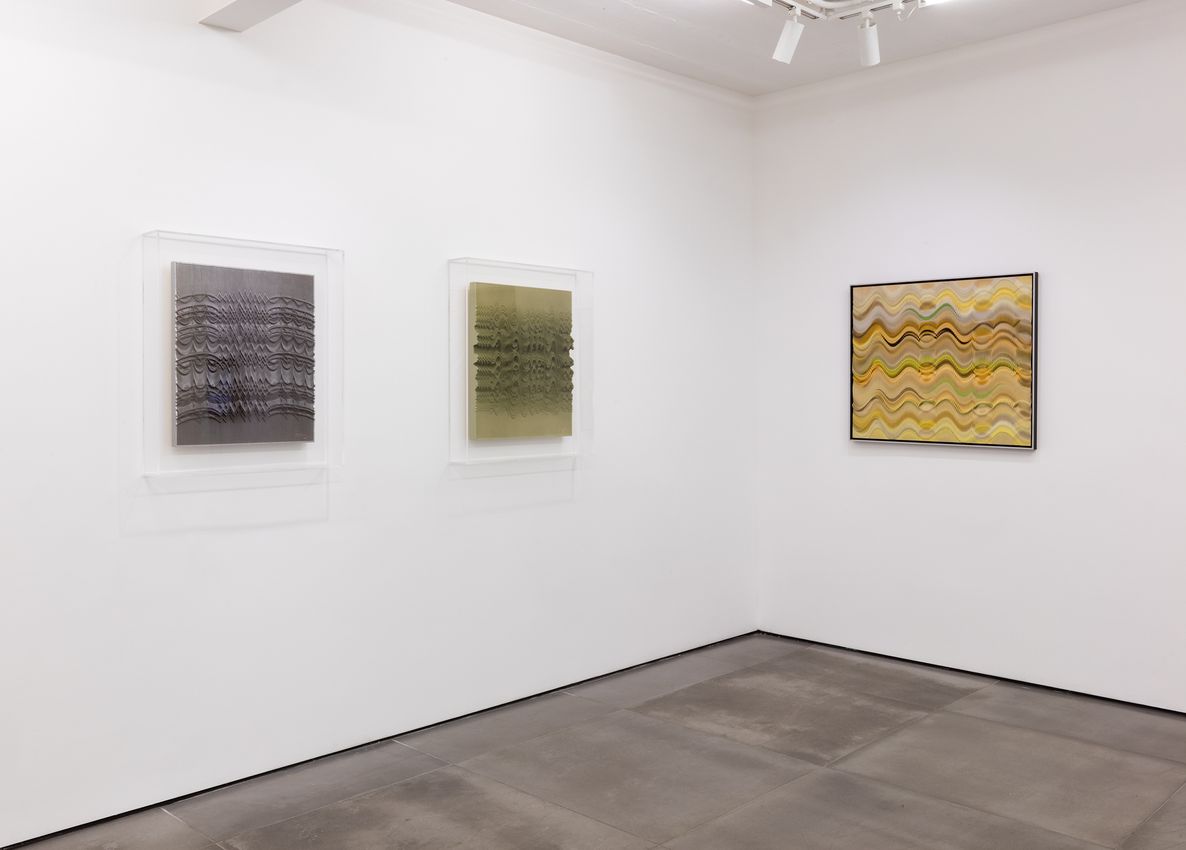
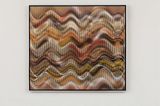
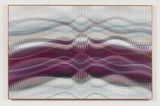
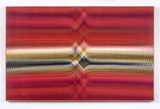
This Palatnik exhibit features other more recent pieces of his: reliefs on acrylic and on wood, from the W series, and on cardboard, with spray paint coatings on their surfaces. These two-dimensional pieces attain depth and dynamism thanks to rhythmic pattern compositions, created through sequential cuts, reminiscent of irregular waves - formal characteristics that hark back to the genealogy of Palatnik’s output from the 1960s onwards.
Lately, a major career-spanning show, Abraham Palatnik: a reinvenção da Pintura (Abraham Palatnik: the reinvention of Painting), curated by Peter Tjabbes and Felipe Scovino, has been touring Brazilian capitals. Late last year, it featured at Centro Cultural Banco do Brasil - Rio de Janeiro, 2017, and before that at Fundação Iberê Camargo, in Porto Alegre, 2015, Museu Oscar Niemeyer, in Curitiba, 2014, Museu de Arte Moderna de São Paulo - MAM-SP, 2014, and Centro Cultural Banco do Brasil, in Brasília, 2013.
The artist’s work has also been prominently featured in international shows, including The other trans-Atlantic: kinetik and op art in Eastern Europe and Latin America 1950’s - 1970’s, formerly at the Modern Art Museum in Warsaw, Poland and currently at the Garage Museum of Contemporary Art in Moscow, Russia. This same exhibition will open at São Paulo’s Sesc Pinheiros on July 25, 2018; Delirious: Art at the limits of reason, 1950 - 1980, Met Breuer, New York, USA; and Mario Pedrosa: on the affective nature of form, Museo Nacional Centro de Arte Reina Sofía, Madrid, Spain.
Galeria Nara Roesler’s venues have hosted seven solo shows by Palatnik: 2017 (GNR SP), 2016 (GNR NY), 2015 (GNR SP), 2012 (GNR SP), 2008 (GNR SP), 2004 (GNR SP) and 2000 (GNR SP). Presently, one of Palatnik’s kinechromatic pieces (from the 1950s) is on show at GNR NY, in the exhibit Almir Mavigner: privileged form.
To celebrate the artist’s 90th birthday, the Association for Contemporary Patronage (Associação para o Patronato Contemporâneo - APC), a non-profit institution established by Daniel Roesler in 2011 to enable projects by artists from the gallery’s roster, is working on a new publication, organized by Luis Camillo Osório and slated for release before the end of this year.
–
Abraham Palatnik (1928, Natal, Brazil) lives and works in Rio de Janeiro. The investigations of this Brazilian kinetic art pioneer led to an unprecedented understanding of visual phenomena. In 1932, Palatnik moved to Tel Aviv, where he took a specialization course in Internal Combustion Engines at Montefiore School, and attended the Municipal Institute of Art to study painting, drawing and art history. In 1947, back in Rio de Janeiro, Palatnik started making visits to Psychiatric Hospital Dom Pedro II, whose coordinator was Dr. Nise da Silveira. Upon seeing schizophrenic patients create outstanding artworks despite having no formal art training, he realized that his own output was powerless in the light of the work of those artists, most of whom weren’t even aware of the meaning of the word ‘art.’ Thus, he gave up brushwork and embraced a freer form-color relationship instead. The first outcome of his research, his first Aparelho Cinecromático (or Kinechromatic Device) - a motorized sculpture of light that created an interplay of light and shade in space - was awarded in the 1st São Paulo Art Biennial, in 1951. After getting an honorable mention from an international jury for Objeto Cinecromático: Azul e Roxo em Primeiro Movimento (Aparelho Cinecromático: Abraham Palatnik — W-861, 2016 - acrylic on wood — 70 x 80 x 5 cm Azul e Roxo em Primeiro Movimento, 1951) at the 1st São Paulo Art Biennial, in 1951, he had his work featured in eight editions of that Biennial (from 1951 to 1963) and in the 32nd Venice Biennale (1964). Throughout the 1950s, besides creating kinechromatic devices and kinetic objects, Palatnik shifted his attention to cardboard and wood compositions. For over sixty years now, Palatnik’s practice has questioned time, motion, and man’s relationship with nature. For him, it is the artist’s job to discipline the perception of chaos.
Abraham Palatnik is a seminal figure of Brazilian kinetic and optical art. His interests lie in technology and the study of motion and light, the realms responsible for the functional, playful, poetic results that made his work known over seven decades’ worth of output. He rose to prominence in the art scene after creating his first Aparelho Cinecromático (Kinechromatic Device, 1949), whereby he set out to reinvent painting practice through light interplay and by relying on technological apparatus to create kaleidoscopic images on screen. Shown in the 1st Bienal de São Paulo (1951), his light installation was not included in the grand prize competition because it didn’t fit any of the art categories then in existence, but its originality won it an honourable mention from the international jury.
Founded in São Paulo in 1989, Galeria Nara Roesler is a leading Brazilian gallery dedicated to showing the work of contemporary Brazilian and international artists. The gallery established another branch in Rio de Janeiro in 2014, followed by its first international outpost in New York City in 2015.

A respected voice in contemporary art discourse.
Focusing on ambitious storytelling and insightful art-world commentary. Ocula Magazine publishes in-depth interviews, critical essays and timely analysis on the artists, exhibitions and ideas driving the global art world.
Learn more about Ocula Magazine
Showcasing the best of the art world.
Ocula partners with galleries from around the world to highlight their artists, artworks and exhibitions. Gallery membership is by application and invitation, with each member vetted by an independent panel.
Learn more about Ocula Membership

Specialises in the sale of major artworks.
Led by a team with deep ties to the world’s leading auction houses, galleries and collectors. Ocula’s advisory team offers bespoke services to high-net-worth clients from around the world who are looking to acquire the best of contemporary and modern art.
Learn more about our team and services