Press Release

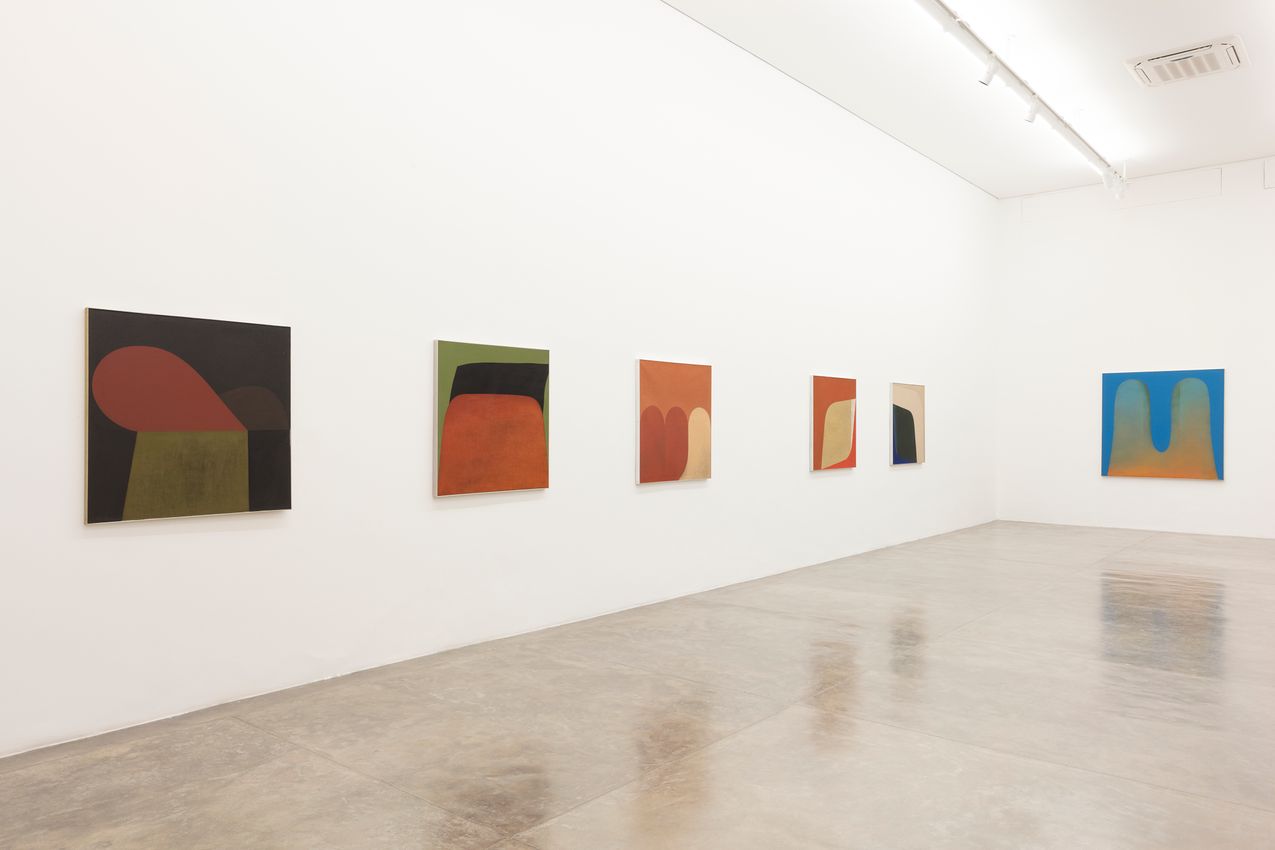
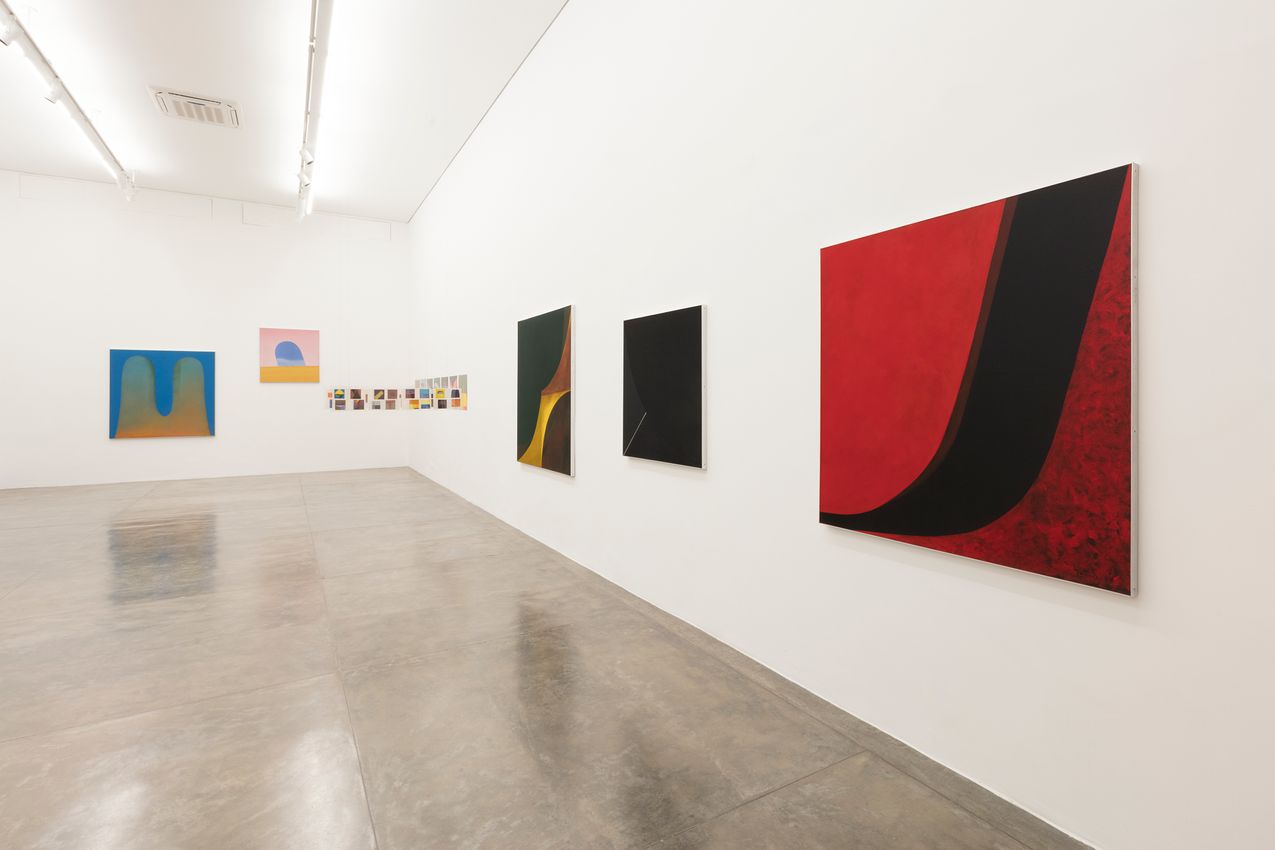
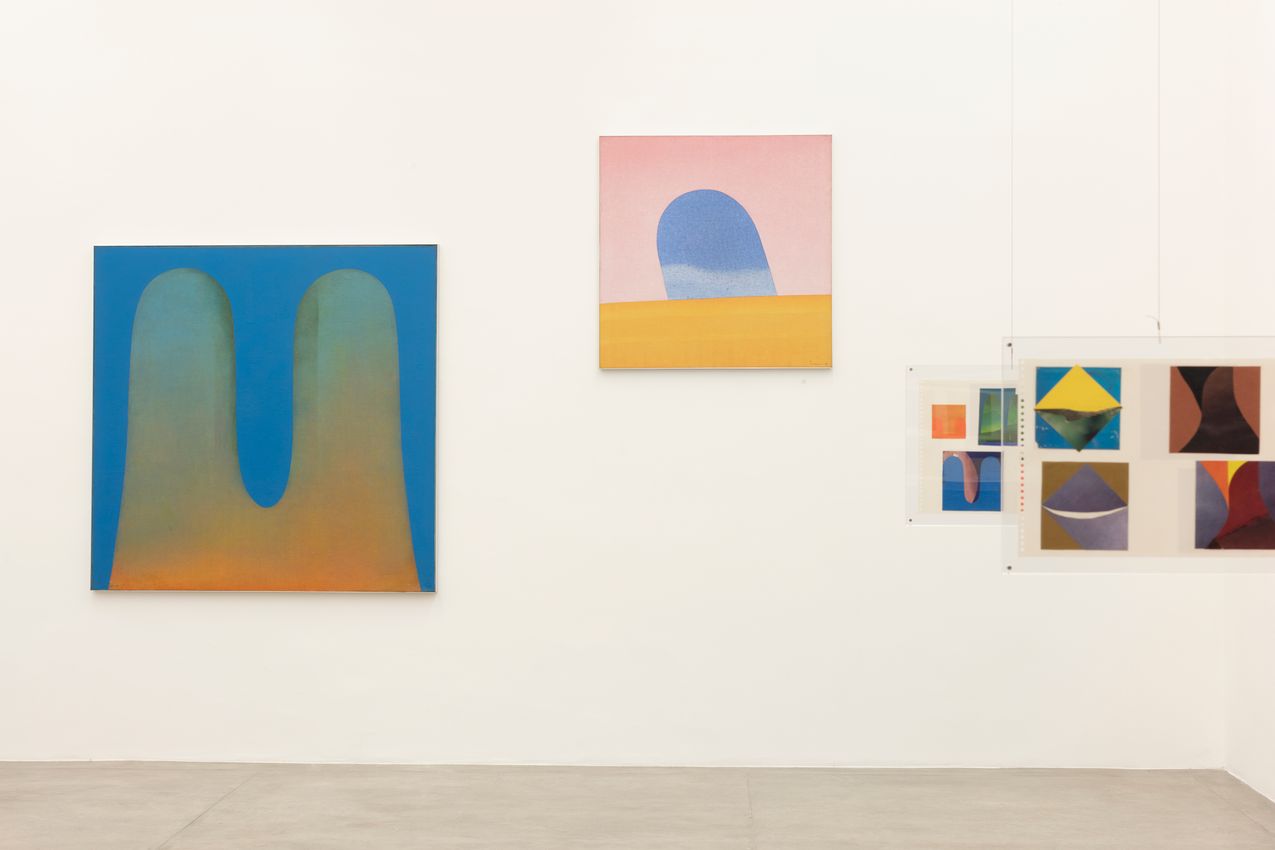
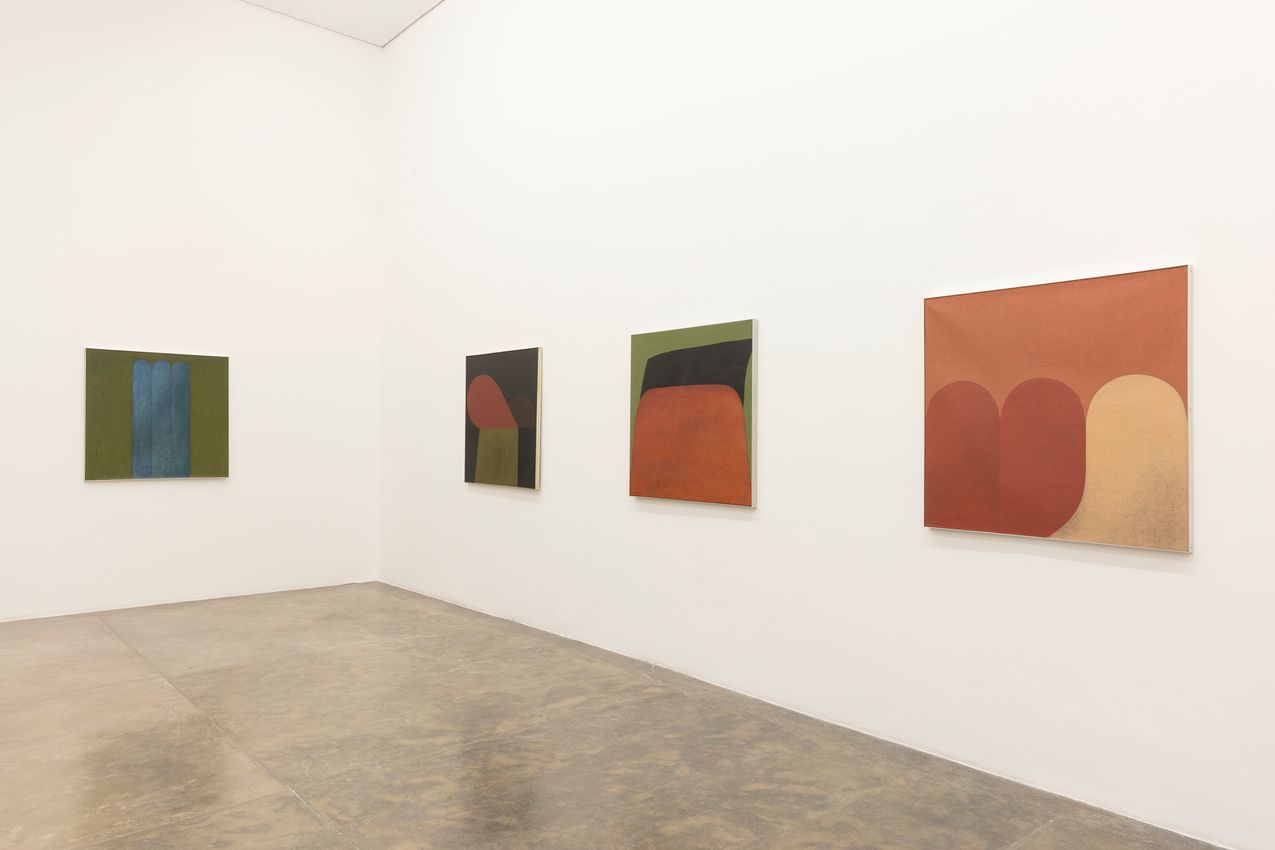
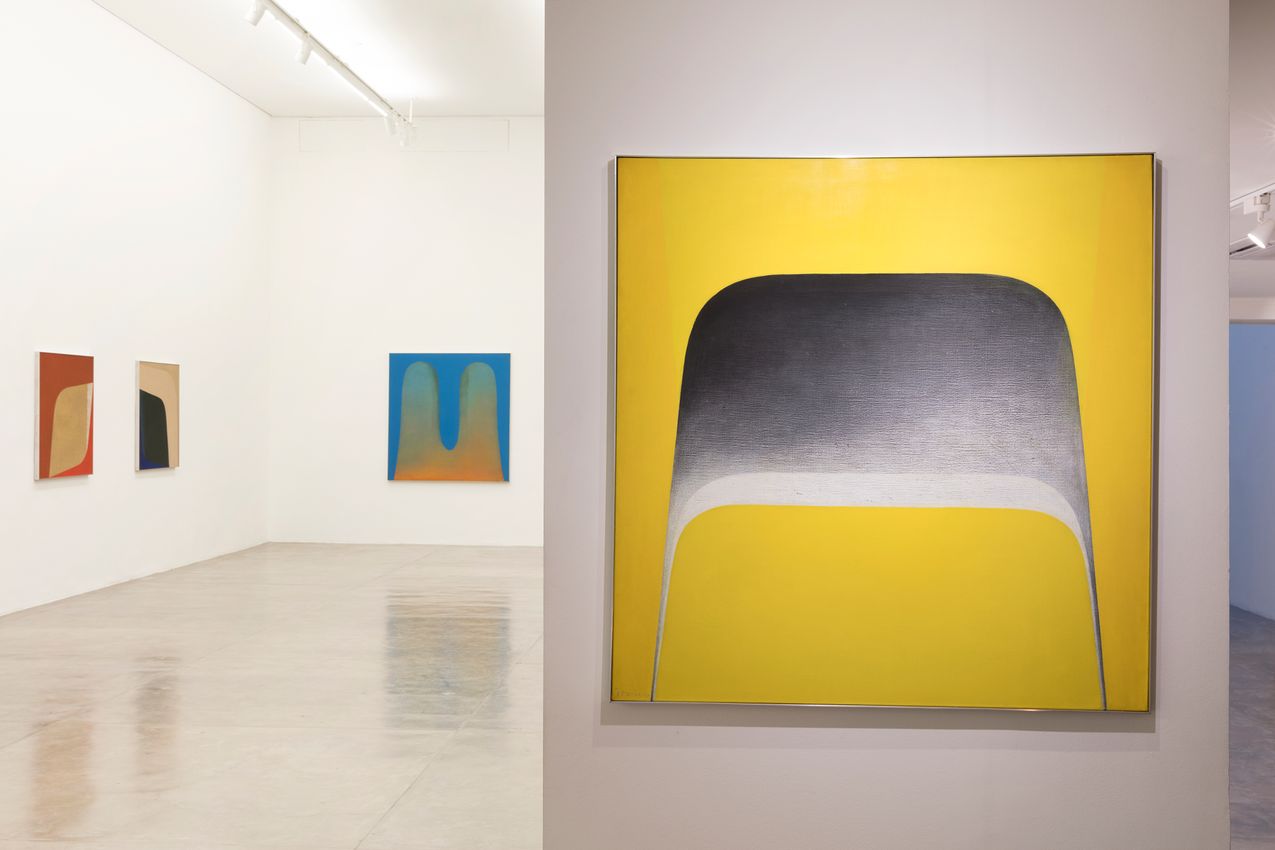
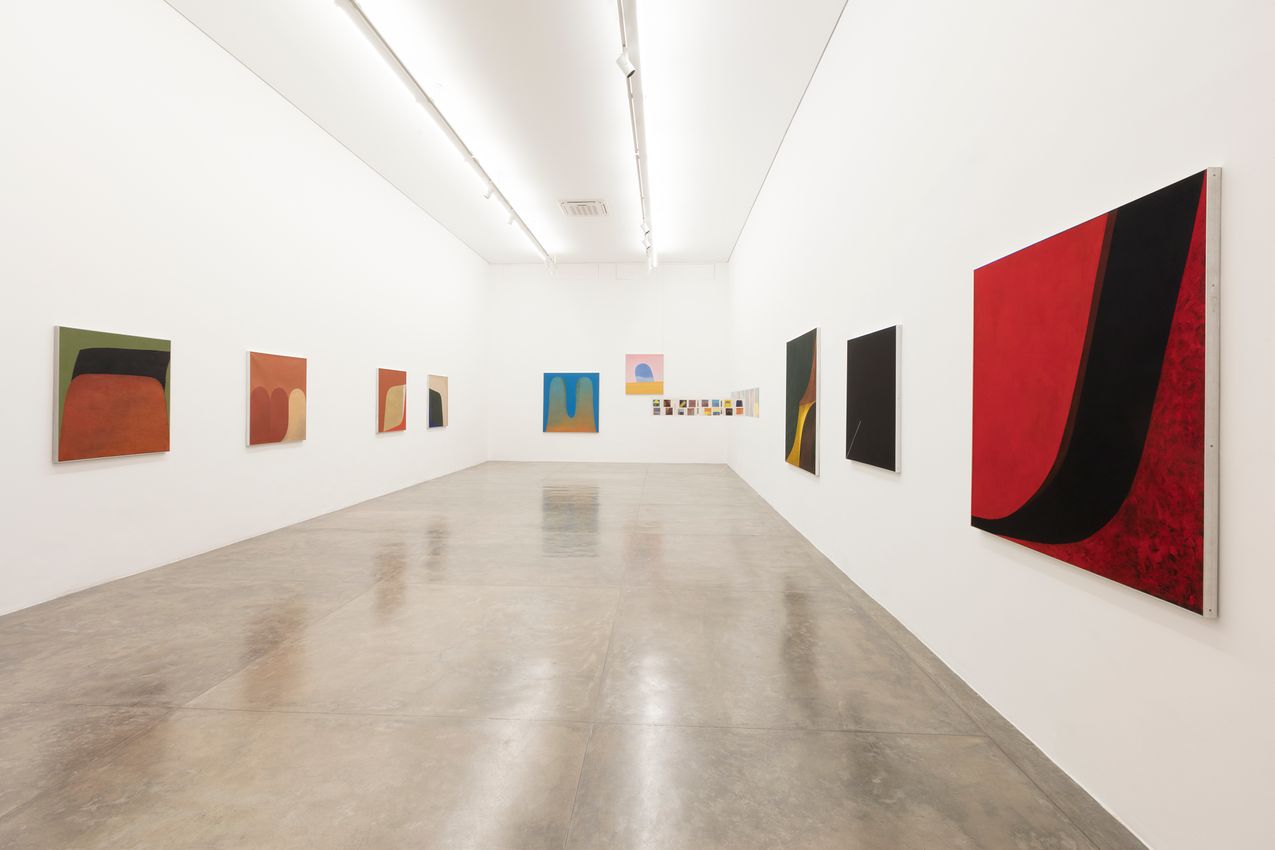
In Tomie Ohtake: On the Tips of the Fingers at Galeria Nara Roesler | São Paulo, curator Paulo Miyada provides yet another key to grasping the plastic thinking of this acclaimed Brazilian artist. Comprising of paintings from the 1970s, as well as a few engravings, the exhibition also features some of the painter’s sketchbooks – which are little known, even within the art circuit – containing small collages that allow a glimpse into the genesis of Ohtake’s pictorial experimentation process.

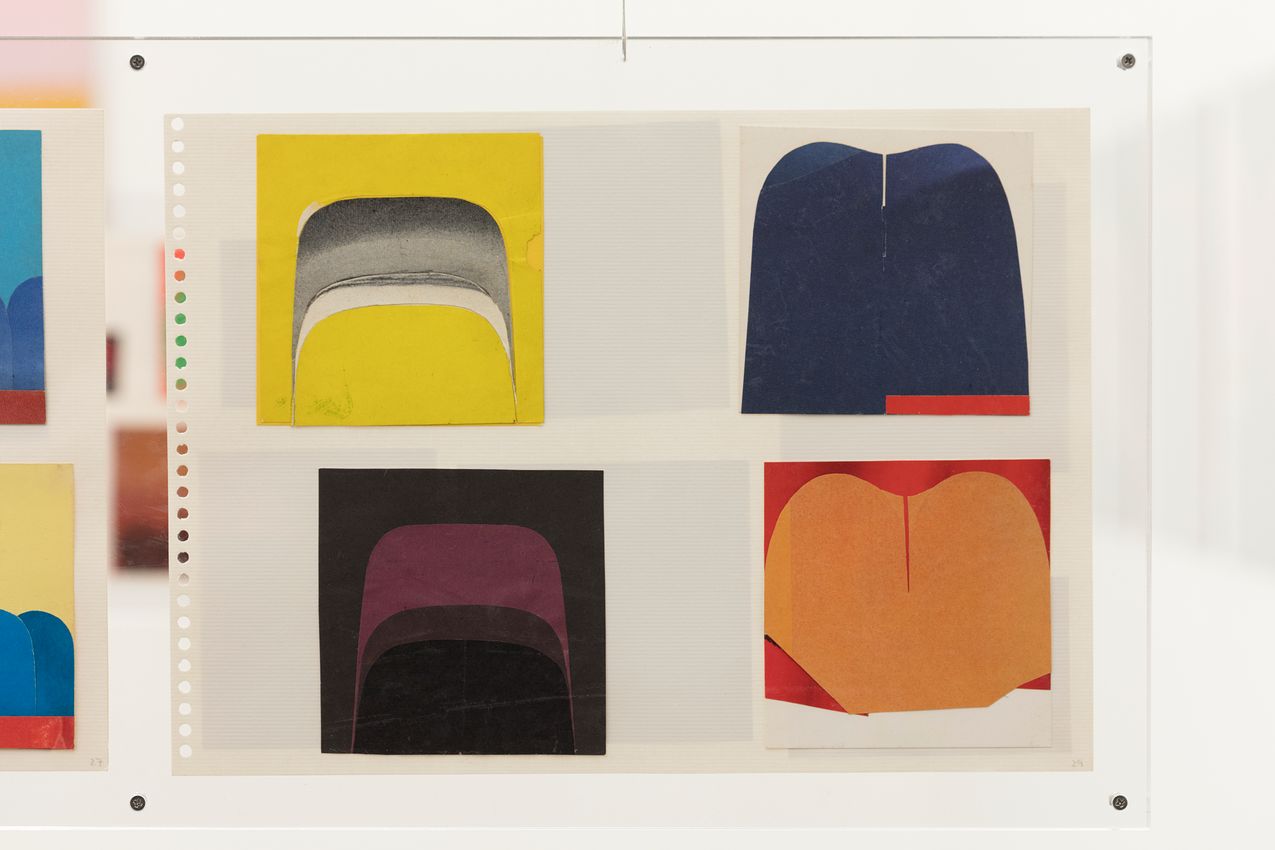
These delicate studies follow a unique process: tearing out, cutting up and pasting together cutouts from everyday media such as magazines, invitations, news dailies, leaflets etc. “To pay attention to Tomie Ohtake’s process is to gain access to her paintings’ connections with chance, gestures and chromatic boldness,” the curator remarks.

Miyada points out that these minuscule studies are a consistent and recurrent resource in the artist’s oeuvre up until the mid-1980s. “These found compositions worked as a script for paintings and engravings that experimented with different scales and color combinations. It is as though the clipboard with cutouts was a mining area for shapes and color combinations,” the curator notes.

In her 1960s compositions, Ohtake would tear up pieces of paper as a starting point for her paintings. “The figures here resemble simple geometric shapes, but their outlines are shimmering; they contain the memory of having been torn with the tips of the fingers,” Miyada says. Later, in the 1970s, when the paintings began to deal with shapes that had clearercut contours, the studies also morphed as the artist began to use scissors – never a ruler or a utility knife – to cut up the paper. “It was a way of dealing with the instantaneousness of the gesture and of balancing out chance and control throughout the entire painting process.”

Miyada also highlights that these 1970s compositions grew denser; the whiteness (the blank sheet) was encroached by areas of color, occasionally suggesting landscapes. “The textures in the paintings often surprisingly emerge from the collage itself, appropriated from assorted photographic materials. The color palette also expands, meeting face to face the chromaticism of an age that flirted with psychedelia,” he concludes.

Read More

Installation Views

About the Artist

One of the main representatives of abstract art in Brazil, Tomie Ohtake (b. 1913, Kyoto, Japan - d. 2015, São Paulo, Brazil) moved to Brazil in 1936. Her career as an artist began in the 1950s under the guidance of Japanese artist Keiya Sugano. After an initial phase focused on figurative studies in painting, she began to explore the abstract. During this period, she created a series of works known as “blind paintings”, in which she painted blindfolded. This practice was suggested by the critic Mário Pedrosa, one of the main theoreticians of the Brazilian neo-concrete movement, emphasizing sensitivity and intuition in his practice.

View Artist Profile Tomie Ohtake contemporary artist
About the Gallery

Founded in São Paulo in 1989, Galeria Nara Roesler is a leading Brazilian gallery dedicated to showing the work of contemporary Brazilian and international artists. The gallery established another branch in Rio de Janeiro in 2014, followed by its first international outpost in New York City in 2015.

View Gallery Profile
Address
Avenida Europa 655
JD Europa
São Paulo
Brazil
Opening Hours
Mon - Fri, 10am - 6pm
Sat, 11am - 3pm
Book your visit via the link or by emailing agendamento@nararoesler.art
(1)
São Paulo Avenida Europa 655, JD Europa
Galeria Nara Roesler
Avenida Europa 655, JD Europa, São Paulo, Brazil
+55 112 039 5454
http://www.nararoesler.art

Opening hours
Mon - Fri, 10am - 6pm
Sat, 11am - 3pm
Book your visit via the link or by emailing agendamento@nararoesler.art
The art world in focus