Press Release

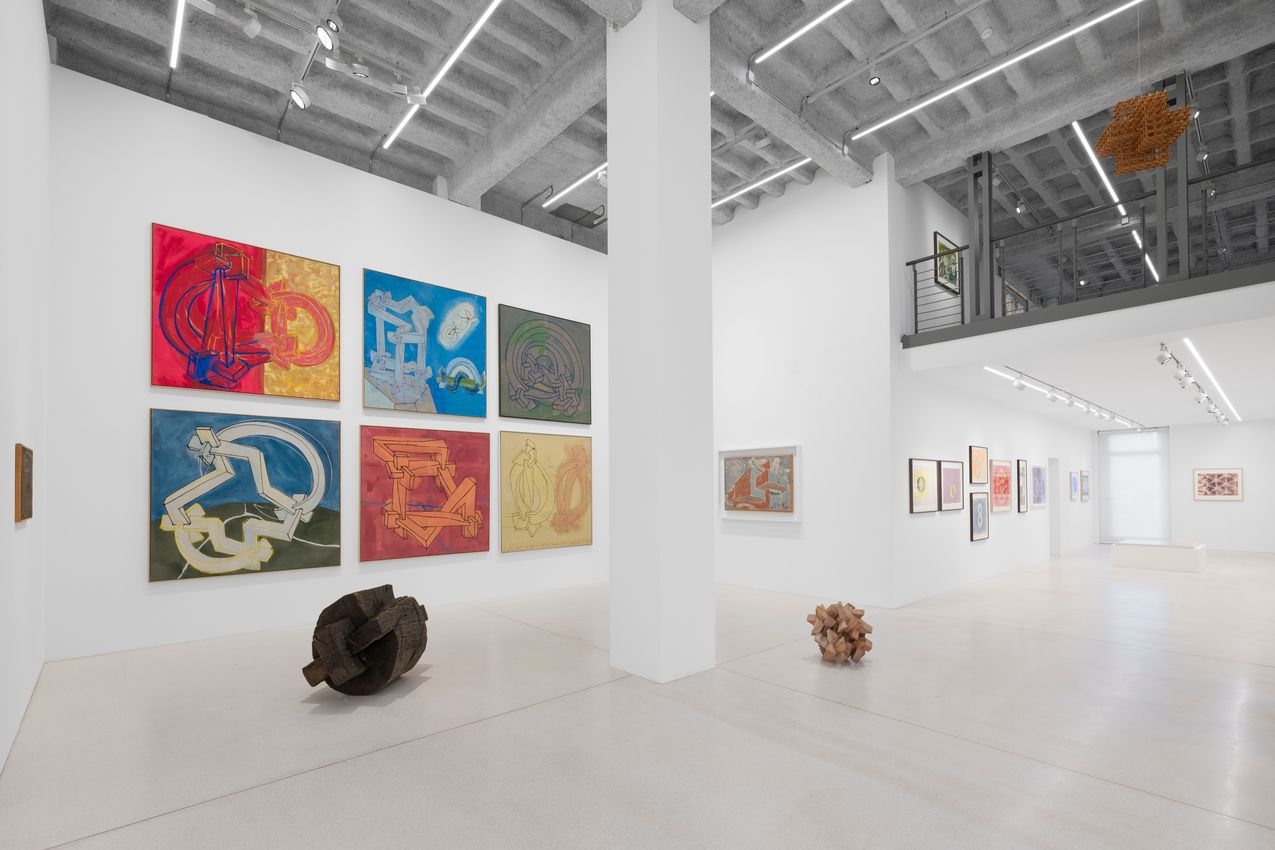
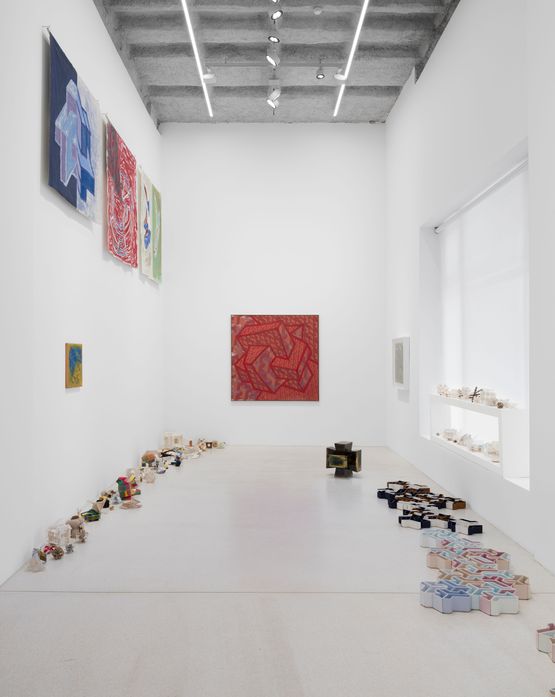
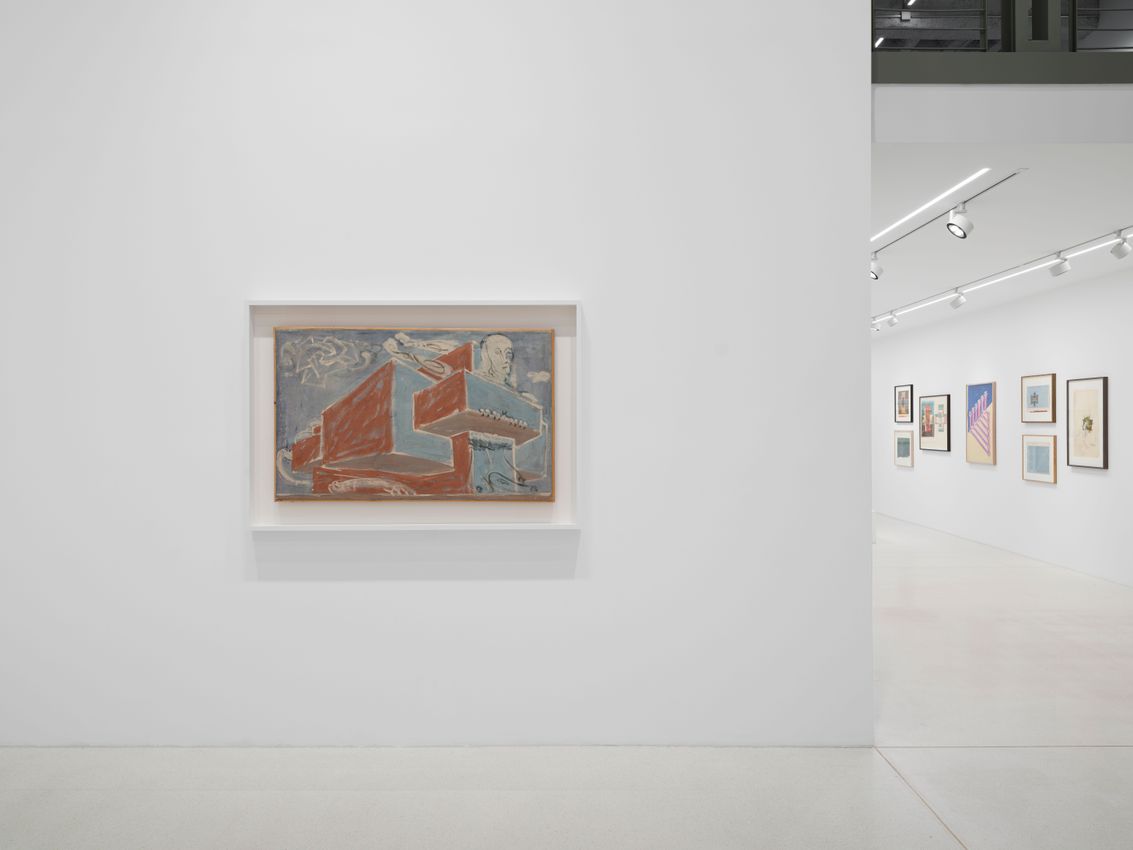
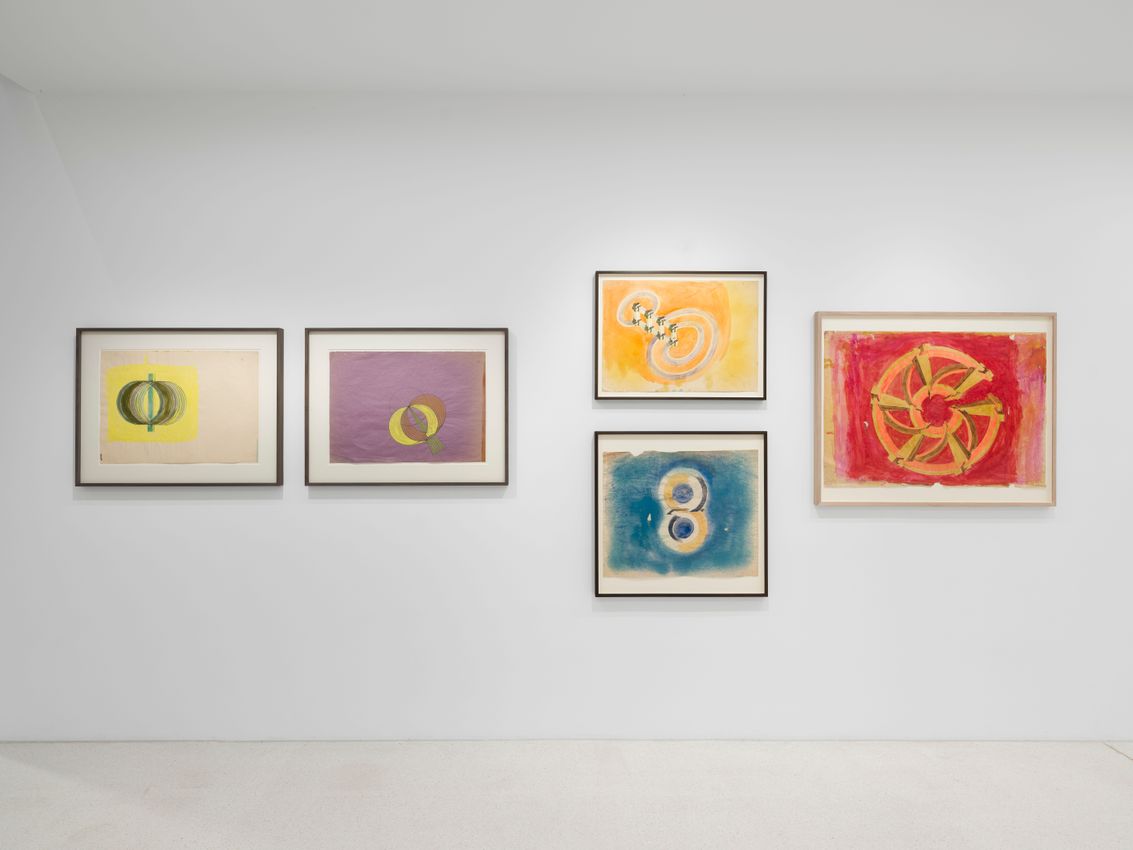
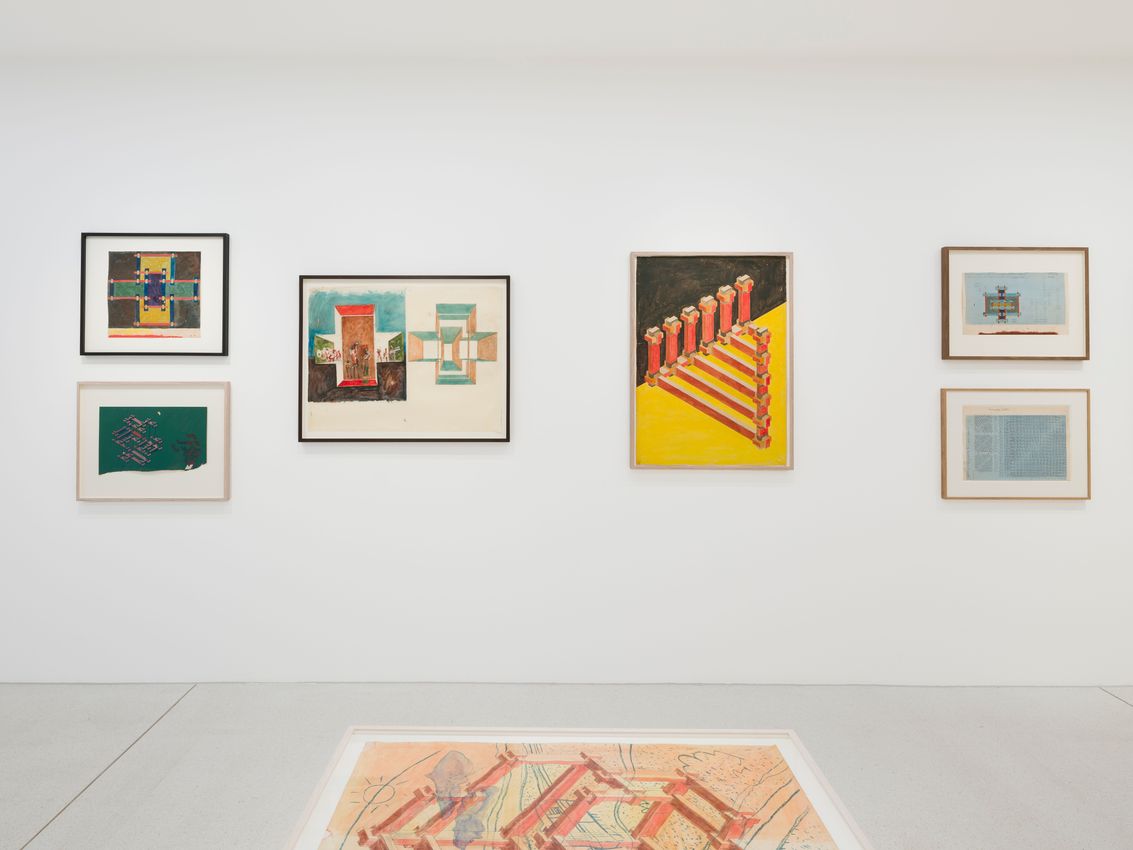
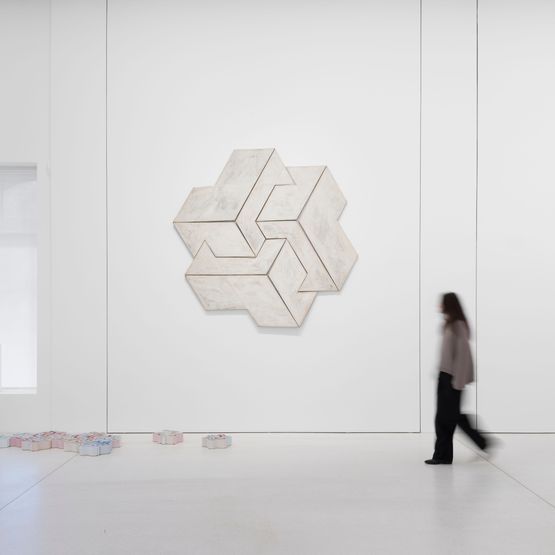
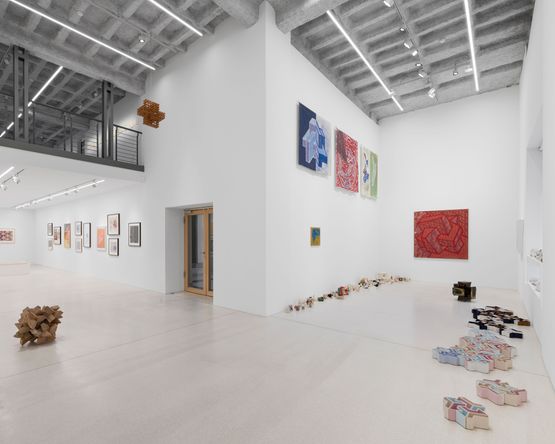
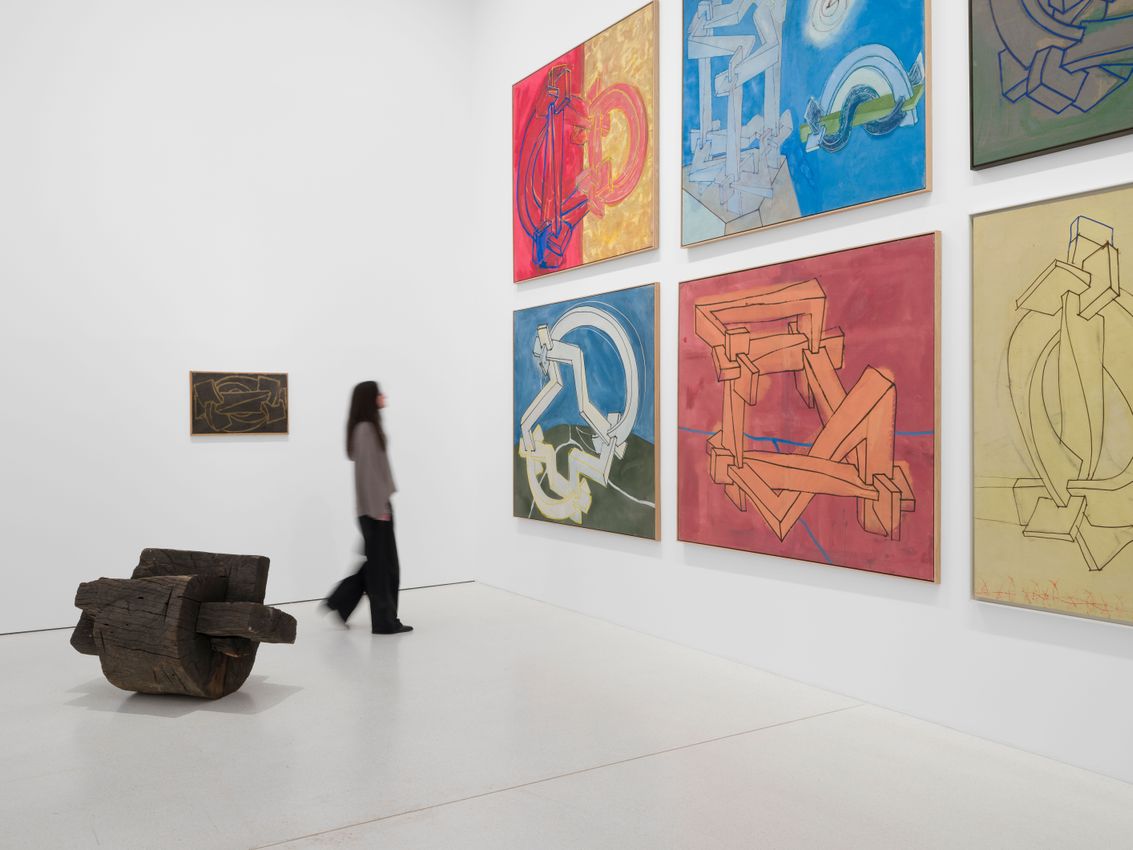
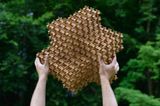
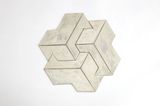
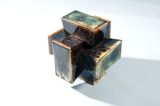
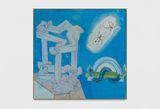
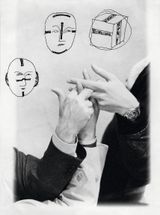
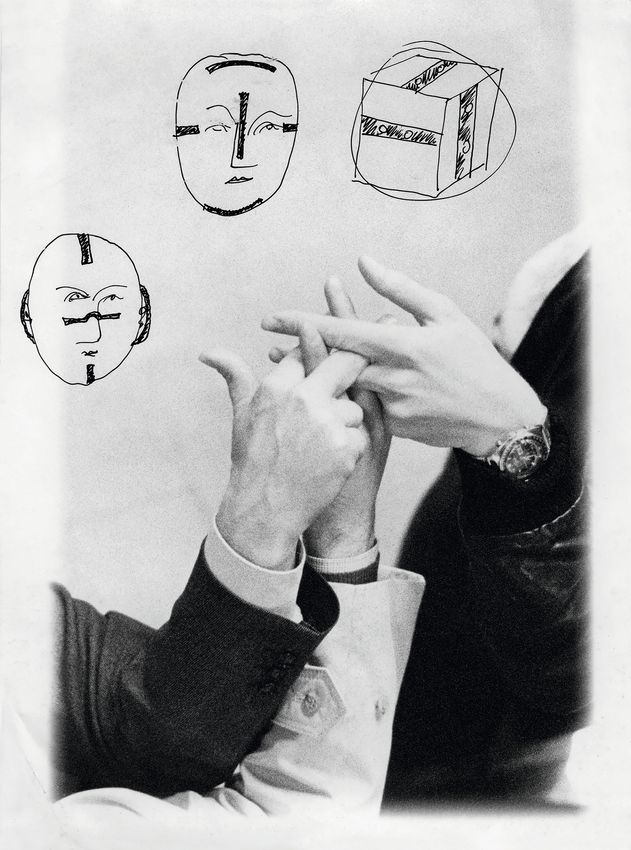
For some of his exhibition openings, Mihai Olos invited guests to connect their fingers in a structure suggesting a knot, thus forming a human chain through the gallery space. He also performed this gesture spontaneously with friends, and notably with Joseph Beuys at documenta 6 in 1977, when Olos drew the symbol on a blackboard—later integrated by Beuys into Das Kapital Raum. The knot appears throughout Olos’s work in countless variations: from the geometrical precision of the 1970s paintings to the looser modules of his late large-scale canvases. It emerges in sketches, dreamlike watercolours, erotic paintings of intertwined bodies, as well as in sculpture, ceramics, small objects, land art, digital studies, and performative projects. Rooted in archaic spindles and the glue-free wooden joints of buildings from his native Maramureș, the knot bridges art and science in a personal way. It resonates with ideas of modular knowledge proposed by quantum physicist Philip Morrison, while also referencing Japanese architecture and Buckminster Fuller’s geodesic domes. For Olos, the module’s social potential lay at the heart of Olospolis or The Universal City—a utopian vision of communities “knotted” together in mutual support. His idea also extends into language: in Romanian, rost signifies both a physical joint and a sense of meaning, while rostire means utterance. This linguistic layer reinforces the knot as the core of a diverse body of work marked by lifelong experimentation and playful engagement.

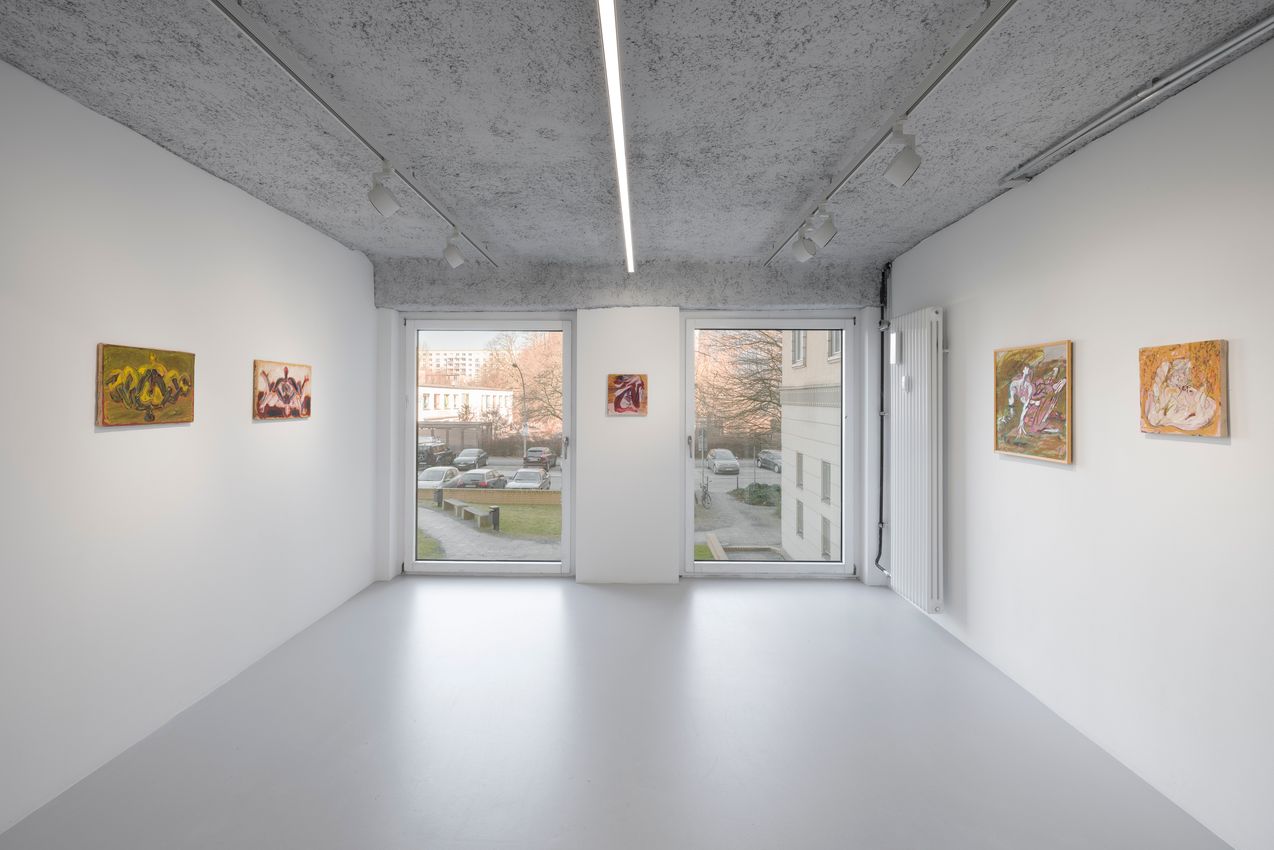
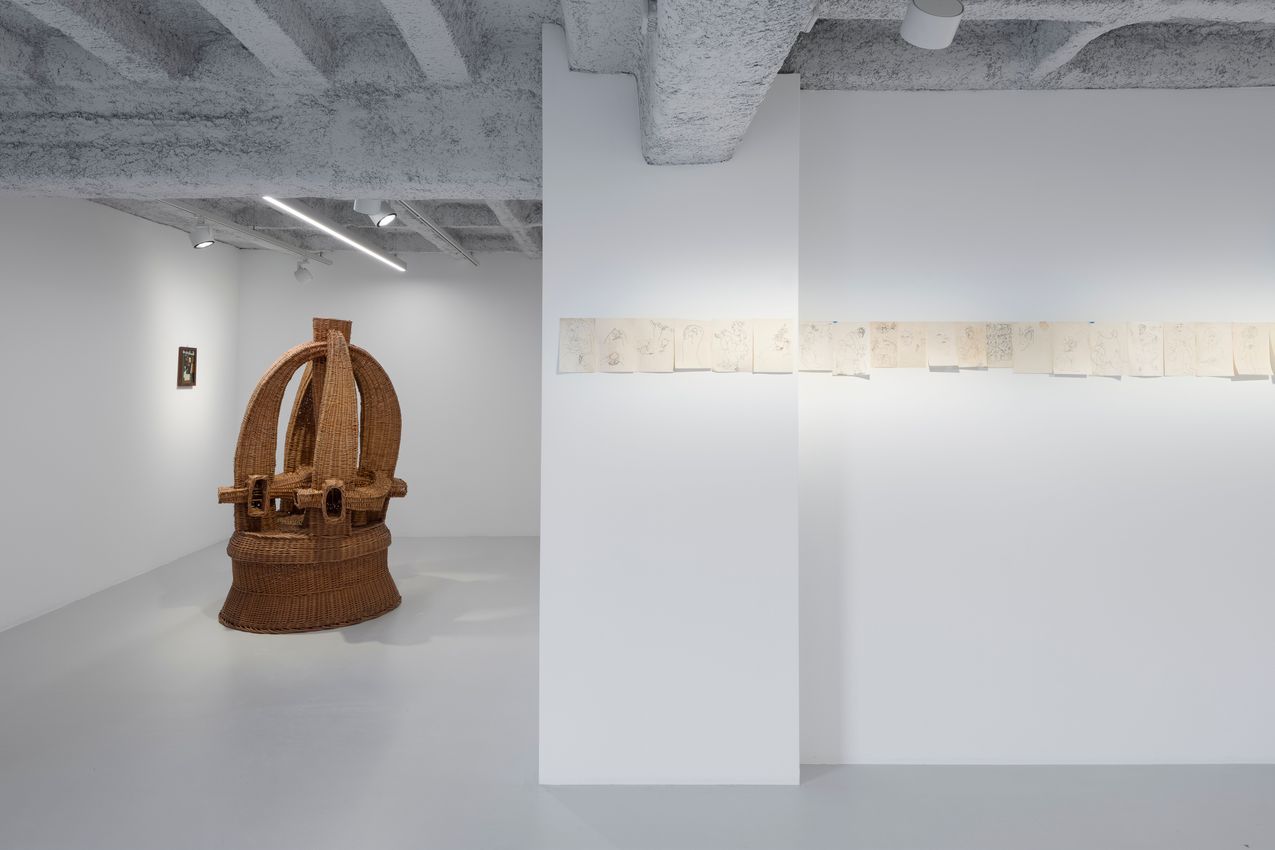
Installation Views

About the Artist

Mihai Olos built an entire world around a single form. The knot — rooted in the archaic joinery of wooden architecture from his native Maramureș and the spindle structures used to twist fibres — became for him a universal module: a shape that could bridge art and science, the physical and the philosophical, the individual and the collective. It appears across every medium and decade of his practice, from the geometric precision of his 1970s paintings to large-scale canvases, sculptures, ceramics, drawings, and land art. In Romanian, one word for knot is rost — meaning simultaneously a physical joint and, in the abstract, a sense of meaning or purpose — while the extended word rostire means utterance. For Olos, the knot was never merely a visual motif but a way of thinking: about modularity, about community, about how things and people hold together. This vision found its most expansive expression in the concept of Olospolis — a utopian project of modular communities in which members are knotted together in a harmonious, mutually sustaining way of living.

View Artist Profile

Also Exhibiting at Galeria Plan B

About the Gallery

Plan B was founded in 2005 in Cluj, Romania, on the initiative of Mihai Pop and Adrian Ghenie as a production and exhibition space for contemporary art. The gallery program focuses on researching Romanian art from the past 50 years, highlighting the work of remarkable artists who have had little to no international exposure.

View Gallery Profile
Address
Strausberger Platz 1
Berlin
Germany
Opening Hours
Tuesday–Saturday: 12pm–6pm
(1)
Berlin Strausberger Platz 1
Galeria Plan B
Strausberger Platz 1, Berlin, Germany
+49 303 980 5236
http://www.plan-b.ro/

Opening hours
Tuesday–Saturday: 12pm–6pm
The art world in focus