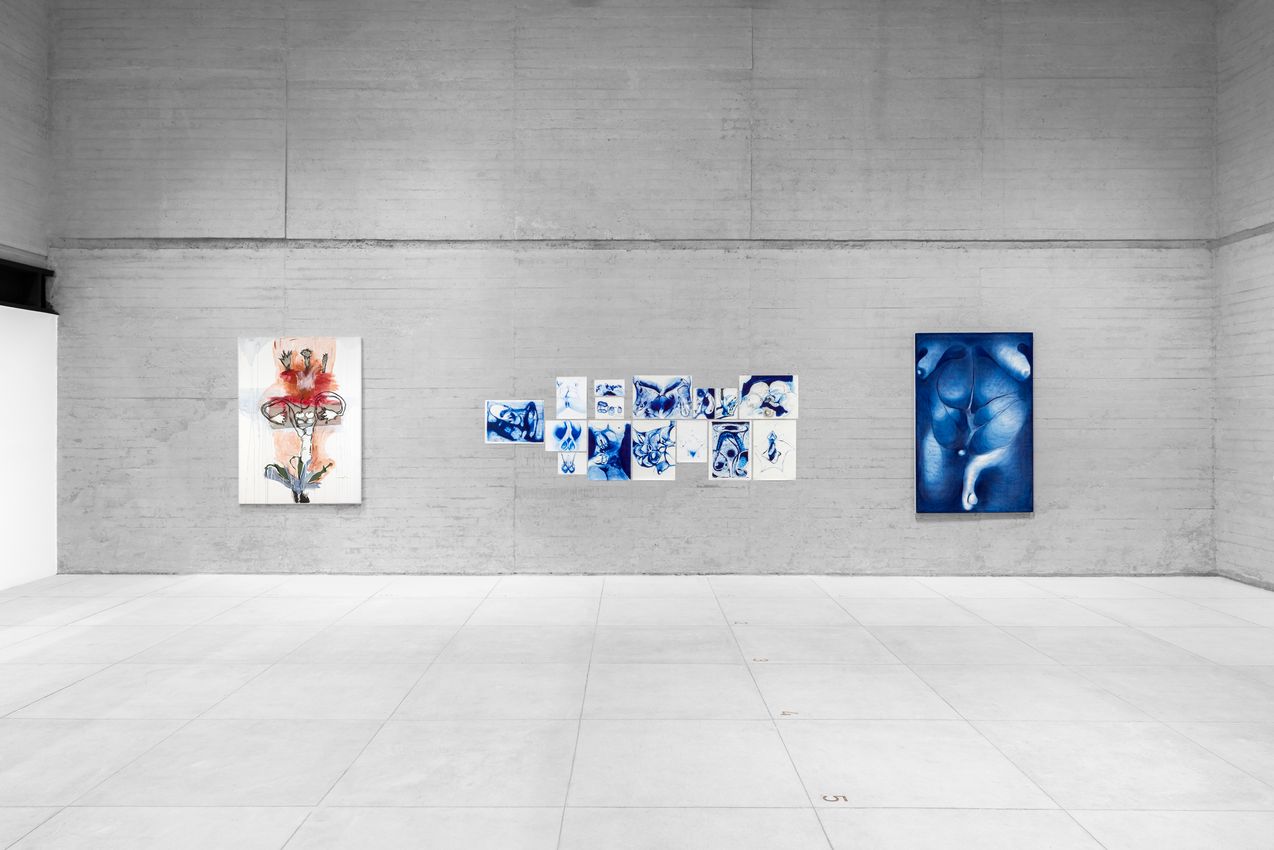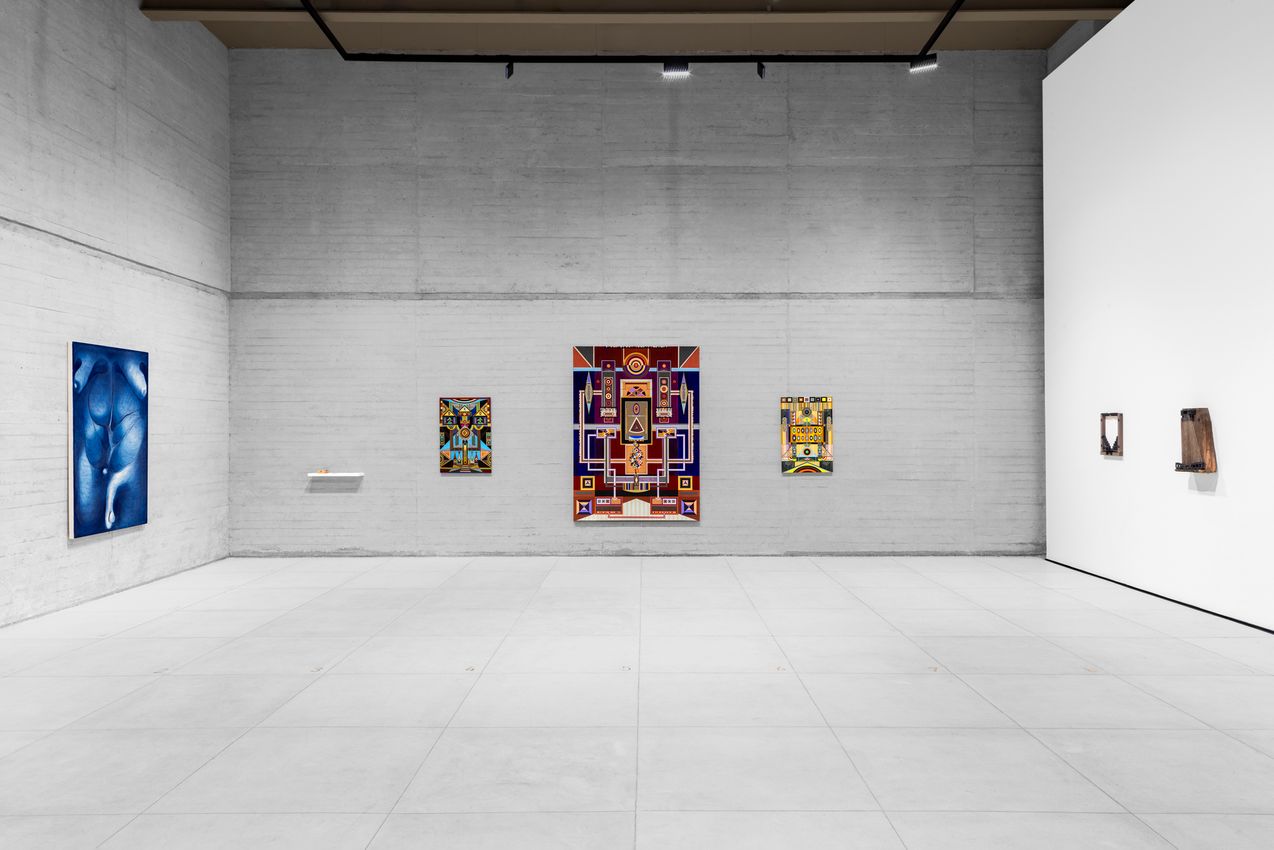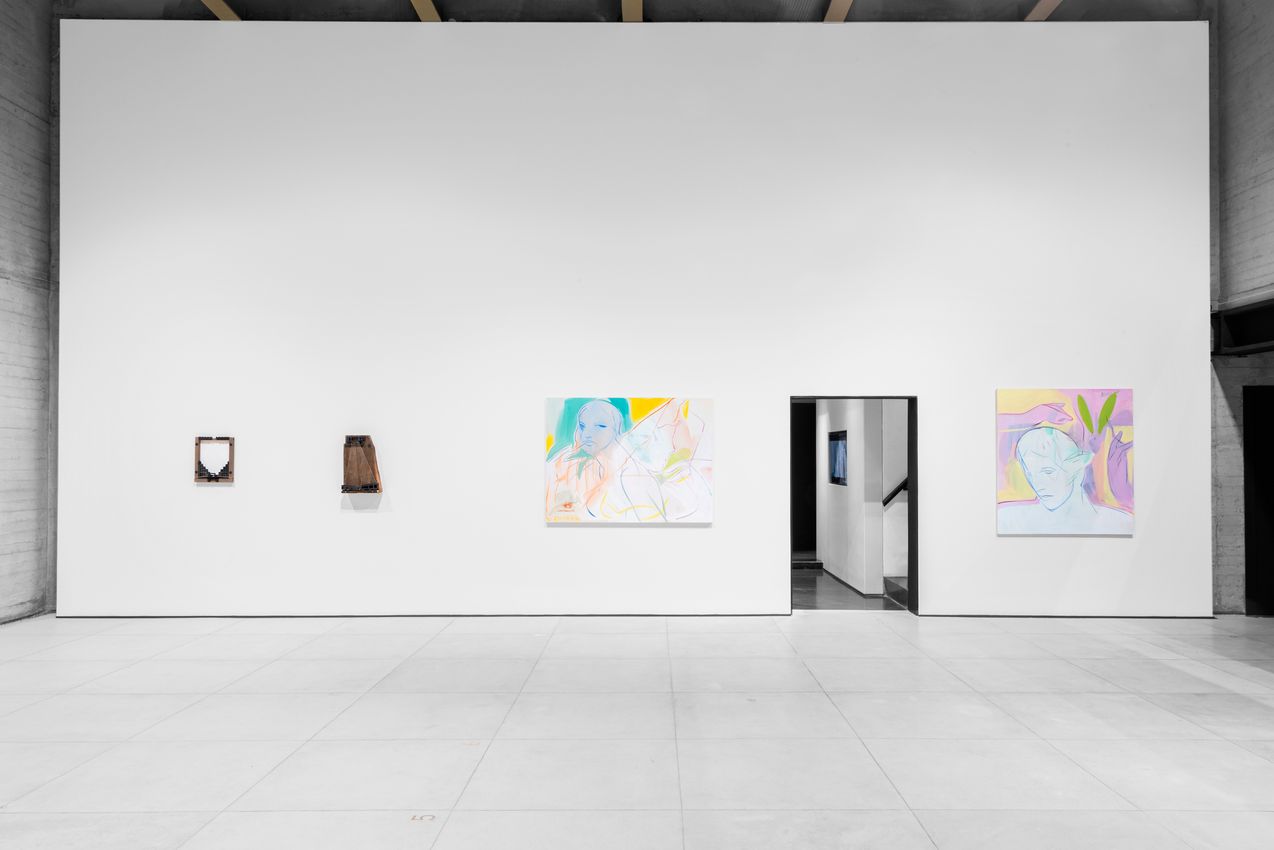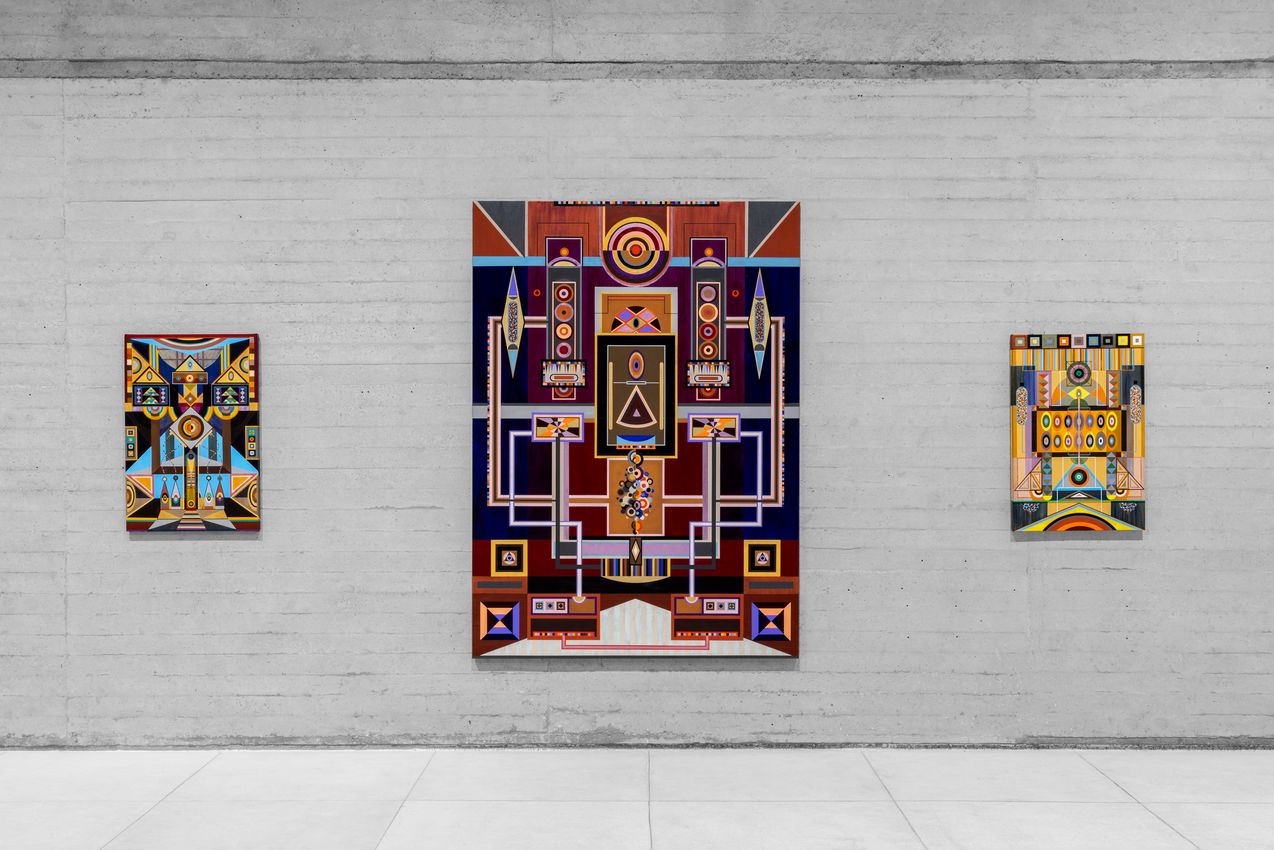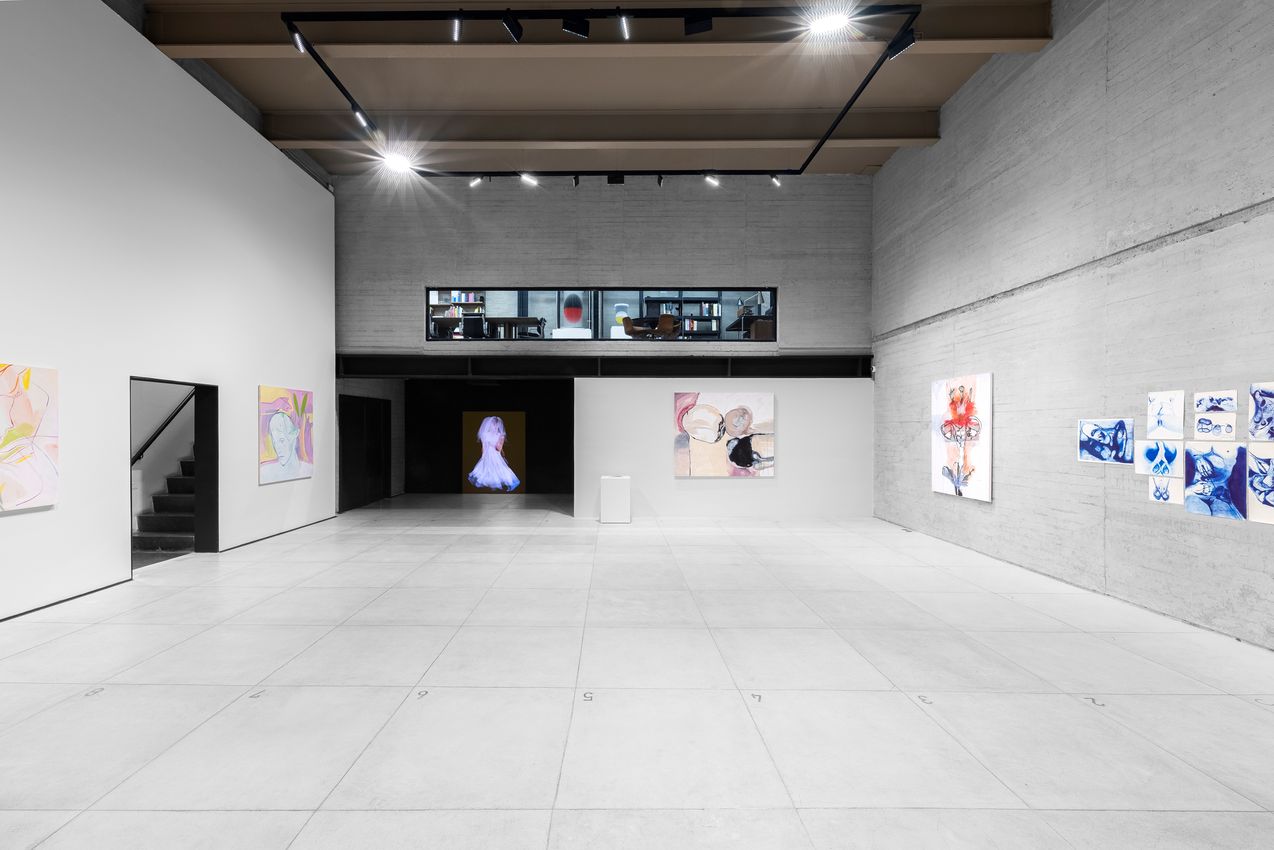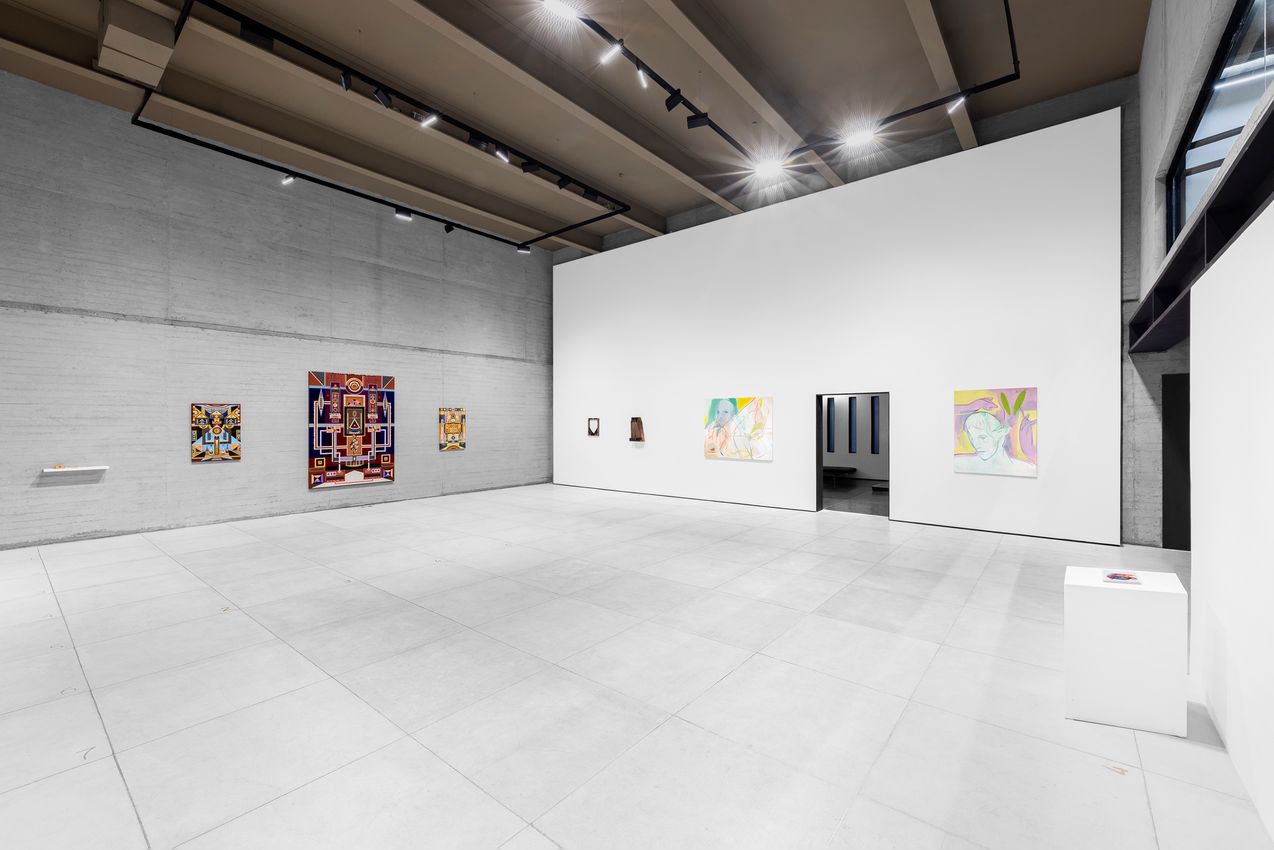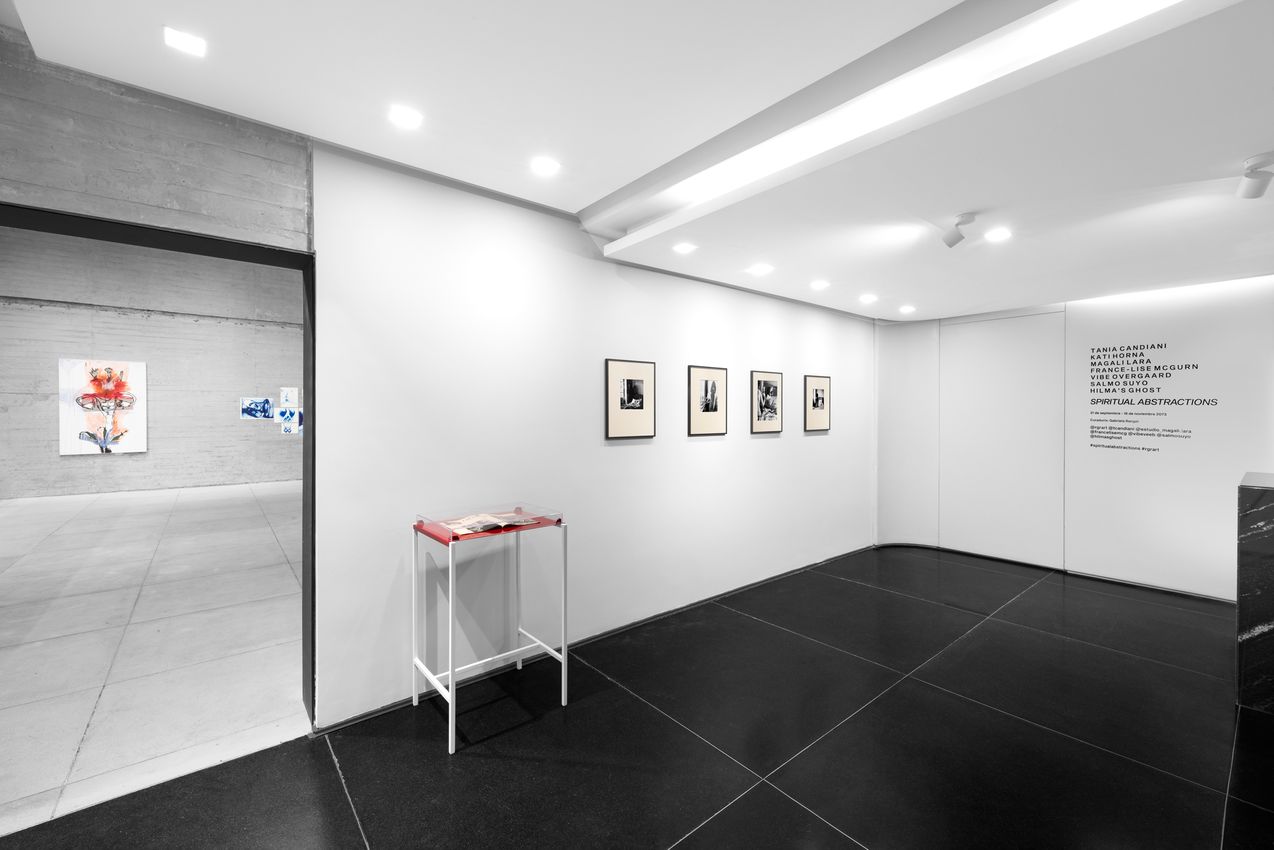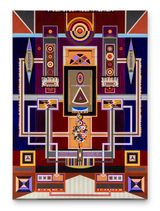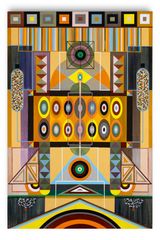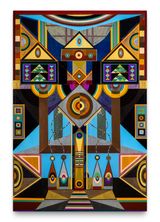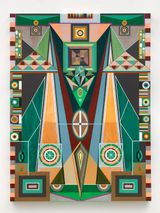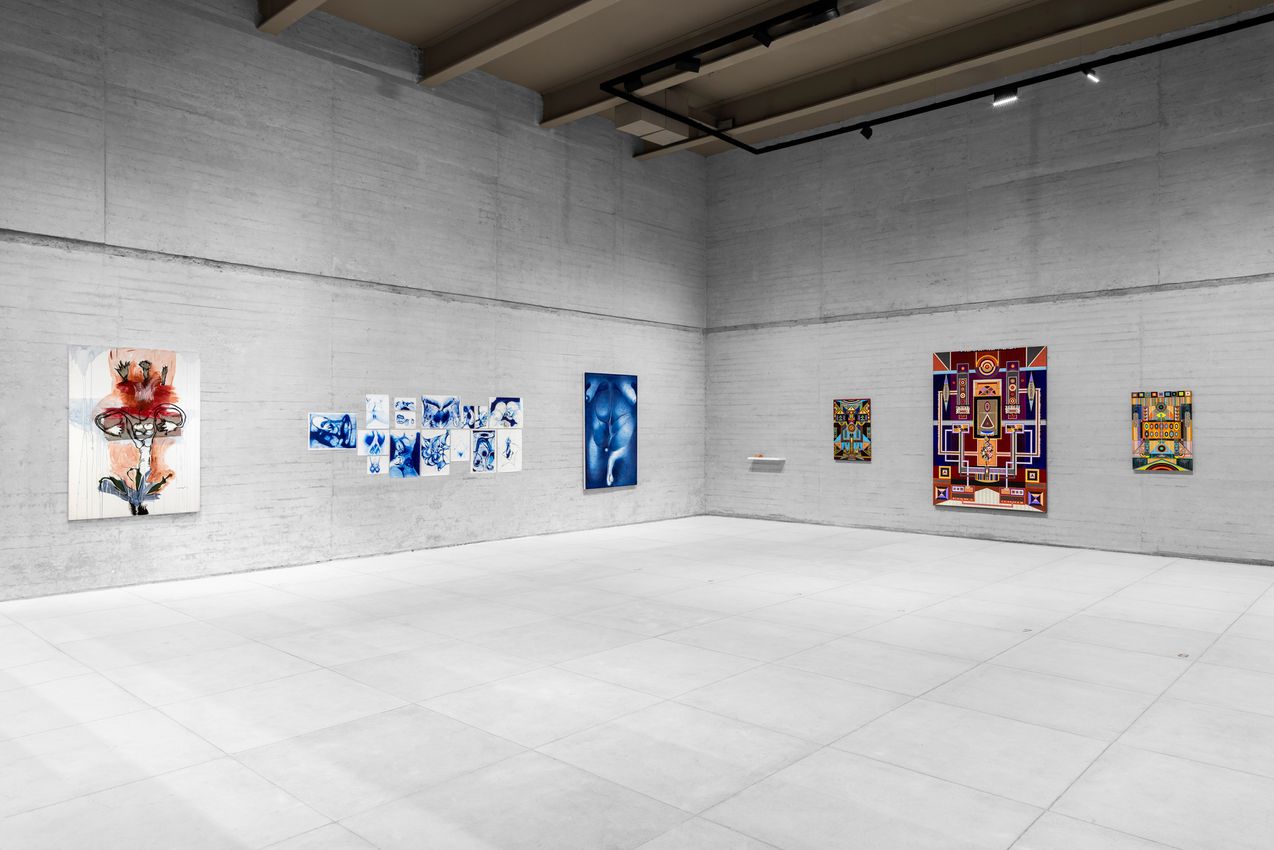
Galería RGR is pleased to announce the group show, Spiritual Abstractions, with works by Tania Candiani, Hilma’s Ghost, Kati Horna, Magali Lara, France-Lise McGurn, Vibe Overgaard and Salmo Suyo, curated by Gabriela Rangel, which will open to the public this coming Thursday, September 21, during Gama Week, from 11:00 to 19:00 hrs.
The gothic thriller film Personal Shopper (2016) by French filmmaker Olivier Assayas, is the starting point for this exhibition that brings together works by women artists of different generations and backgrounds, trans people and fluid identity: Tania Candiani (Mexico, 1976), Hilma’s Ghost (Brooklyn, 2020), Kati Horna (Budapest, 1912–Mexico, 2000) , Magali Lara (Mexico, 1956), France Lise McGurn (Glasgow, 1983), Vibe Overgaard and Salmo Suyo (Huancayo, 1989).
The main character of Assayas’ film, Mauren Cartwright (Kristen Stewart), embodies the grace and fatality of art and magic projected through psychic attributes assigned to women, such as clairvoyance and intuition. The film also portrays the rapid and inscrutable process of transformation in our times regarding notions of gender and the rise of non-rational thinking promoted by social networks.
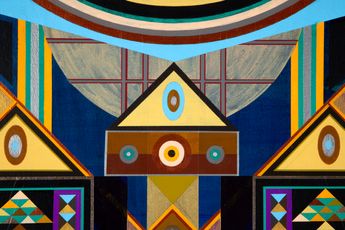
The pieces gathered in this exhibition explore from different perspectives how women’s struggles affect and matter to the immediate political future of humanity. On the other hand, Assayas’ suggestive yet problematic piece of contemporary filmic fiction serves as a pretext to bring together new methodologies and formal strategies deployed by women artists that are to some extent tied to historical spiritual abstraction, which is explicitly invoked by the feminist collective Hilma’s Ghost, represented by Galería RGR.
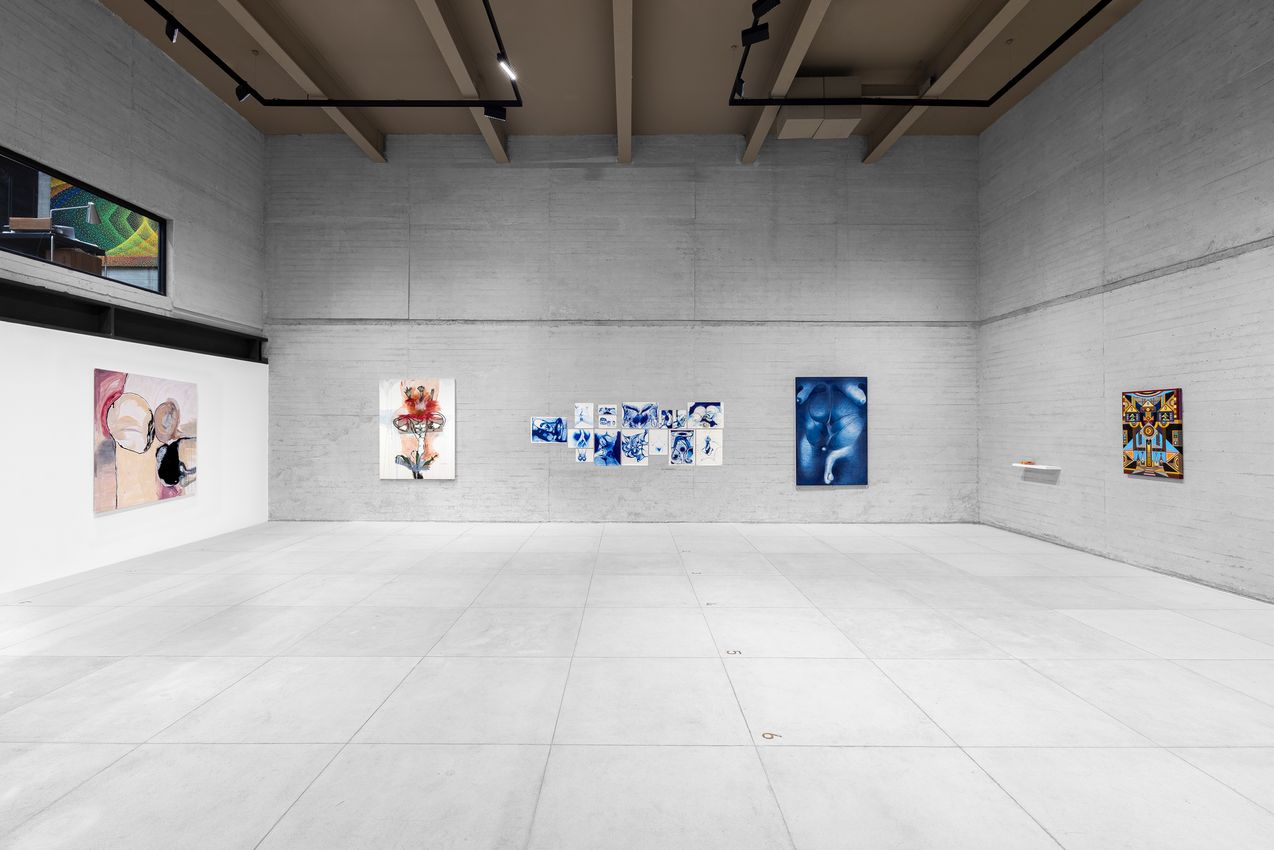
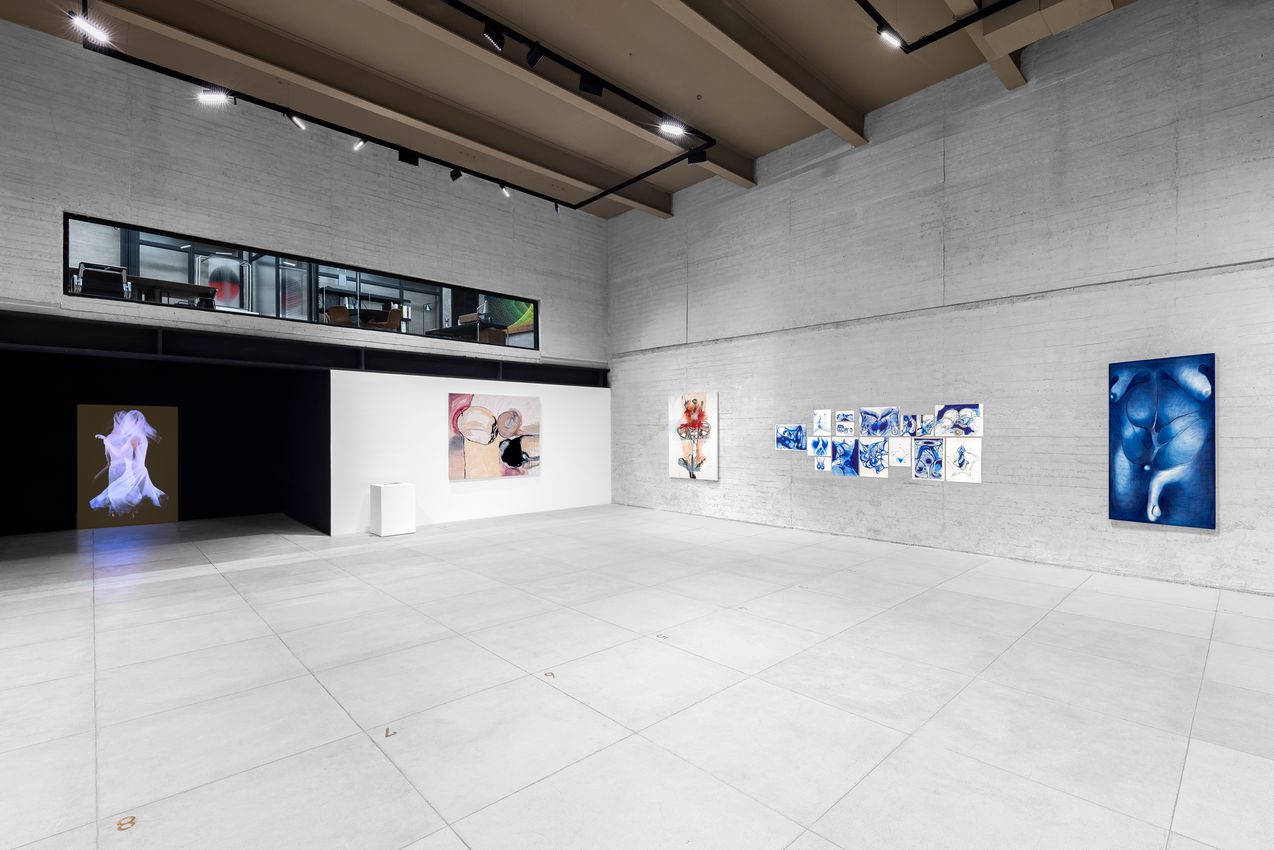
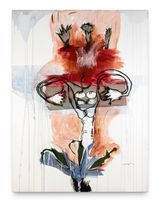
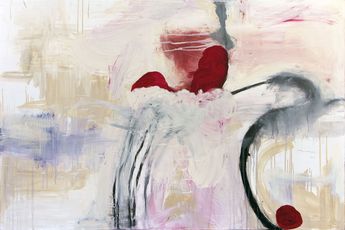
The large-format pictorial drawings of sick or desiring flowers by Mexican artist Magali Lara, represented by Galería RGR, are splendid metaphors that go beyond life into the Orphic mysteries of eroticism and the psyche in their revealing force of dependence and autonomy, as well as of life and death. Lara’s flowers show the hyperesthesic condition of feminine desire, equivalent to plants that, according to the words of the poet Anne Carson, do not sleep, do not lie or bluff, but expose their genitals. In this sense, Lara has been a pioneer in portraying the b-side of abysmal paradises of feminine subjectivity and the bends of libidinal drive as liberating (and oppressive) manifestations of women in patriarchal society. Her vision of these larval and developed states of desire has been expressed through artist’s books and collaborations with poets that later mutate to expand to canvases and papers.
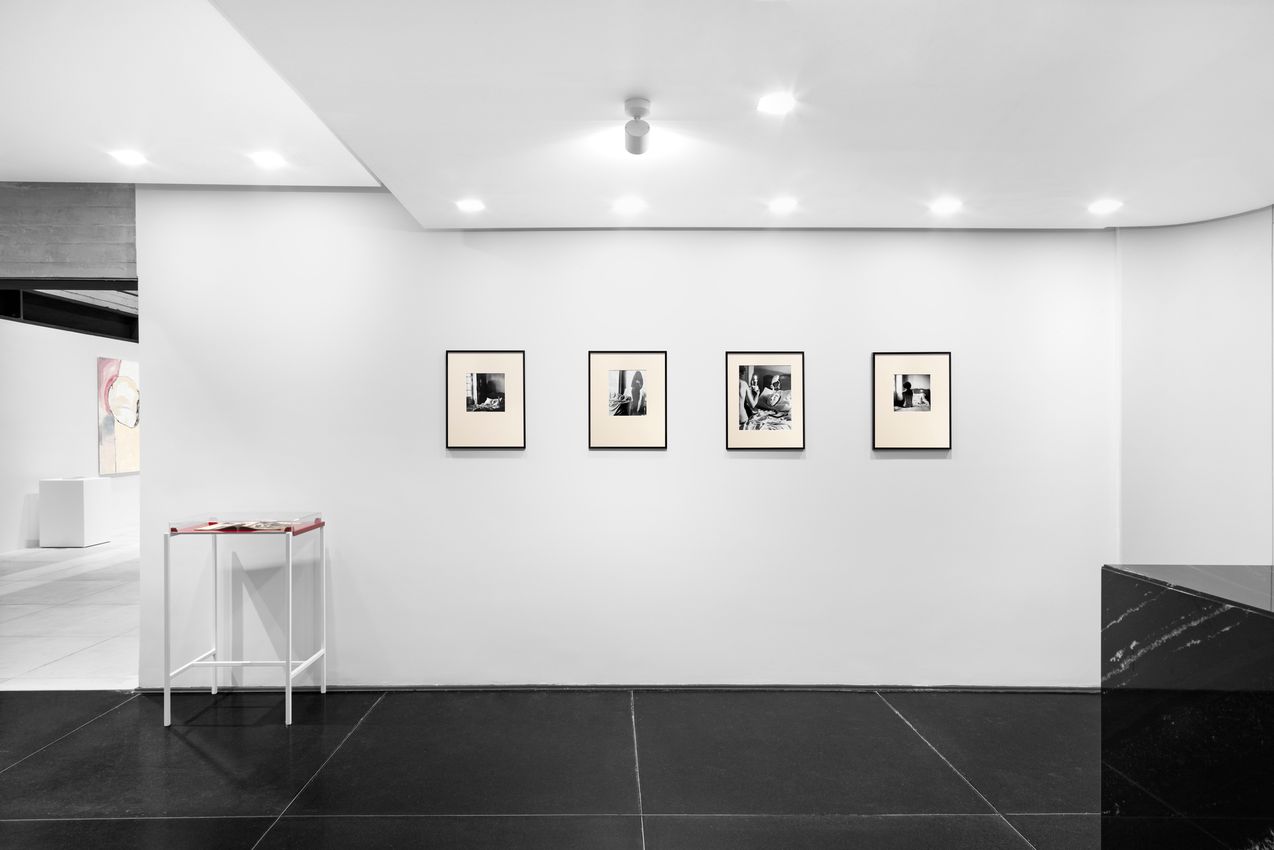
It is in the pulsation between life and death where we find Oda a la necrofilia, an important surrealist photographic series made in 1962 by the Mexican photographer of Hungarian origin Kati Horna for the Fetishes section of the magazine S.nob. This short-lived magazine (7 issues) was edited by writers Salvador Elizondo, Juan García Ponce and Emilio García Riera and included the collaboration of outstanding artists, including Horna. The photographic sequence prepared by Kati Horna for Fetishes allowed her to resume her early interest in psychoanalysis, an approach she had left behind for the sake of her anarchist militancy and photojournalism. Oda a la necrofilia featured the participation of her close friend, surrealist artist Leonora Carrington, with whom the photographer and her husband José Horna collaborated on other projects. Carrington appears in the nude image as the grieving widow of her beloved, represented in absentia with a mask, literally as a fetish.
Tania Candiani is a Mexican artist whose work reveals the contradictions and authoritarian tendencies of global culture in the eagerness to homologate the specificity of social temporalities and the differentiated clamor of minorities. Candiani participates with the single-channel video La Maringuilla, a three-minute hypnotic dance from colonial times—La danza de los negritos—in which a man dances dressed in women’s clothing, covering his head with a non-wedding veil and spinning on his axis with a snake in his hand. Although this represents the mother of snakes and being the only female character, as in other colonial dances, it is performed by a man; which for some specialists evidences the dual symbolic guiding principle in the Totonaca cosmovision, it can also be attributed to the machismo of the time and region, which prohibited women from participating in the ceremonies and dances. For the artist: ‘In this piece, we see the image of the dancer, overlaid on his own dance, thus forming the horizontal narrative of the work, where the body itself becomes a ghost’.
Salmo Suyo, a young Peruvian artist based in Switzerland, has focused his artistic research on the mechanisms of sexual dissidence present in trans masculinities. His research addresses the radical representation of the queer body in transformation, as a kind of overflowing and corrosive lava that spills into heteronormative circuits. In his work, the biological concept of sexual difference as used by feminism in the 1970s reaches a blind spot in the face of the relevance of an alternative trans discourse shaped by dysphoria, an aesthetic theoretical operation that he uses to question the medical-pharmaceutical market. Likewise, Salmo develops from the technique of object production the exploration of materials that reflect trans subjectivities and the concomitant political debates from the use of medical pigments and silicones. Also, the artist vindicates ceramics as an ancestral Andean practice that is updated in the encounter with 21st-century technologies.
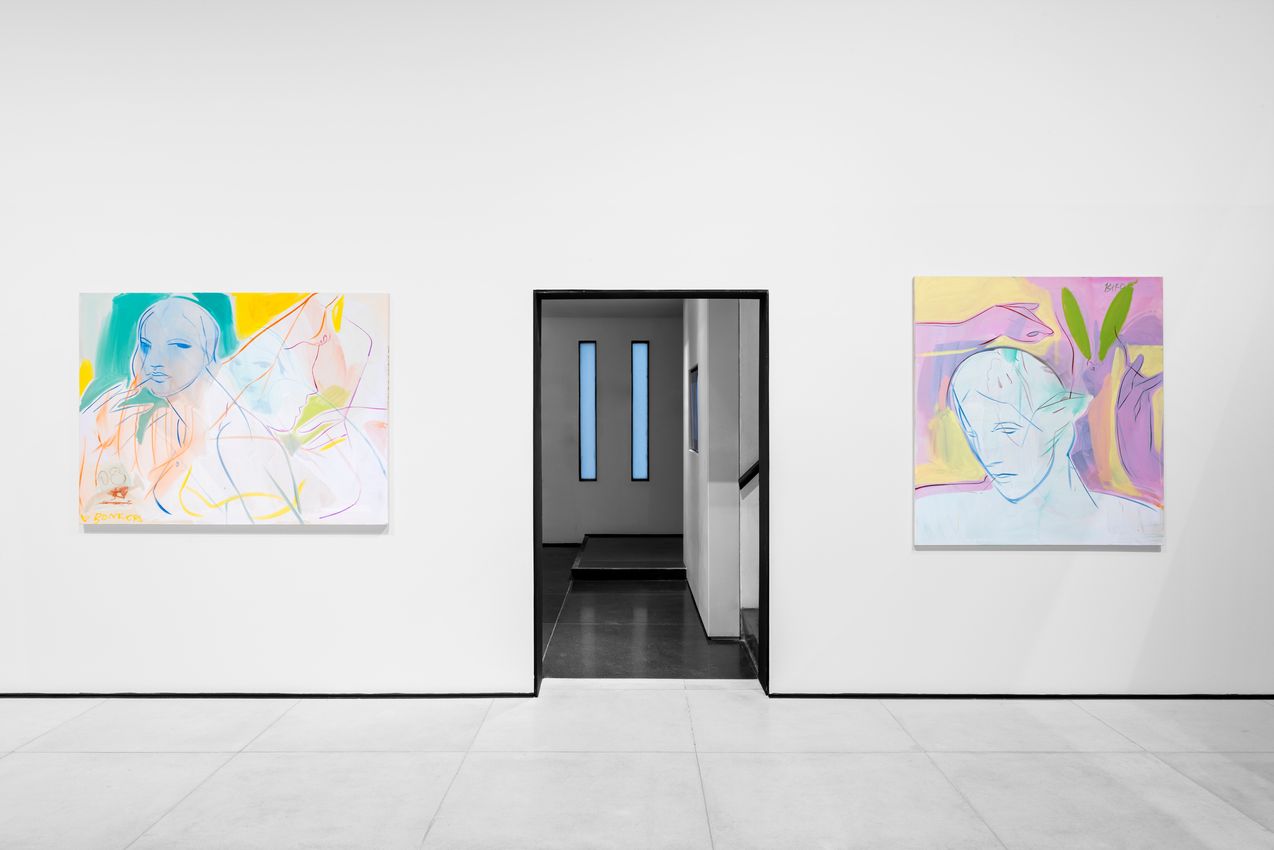
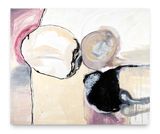
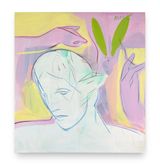
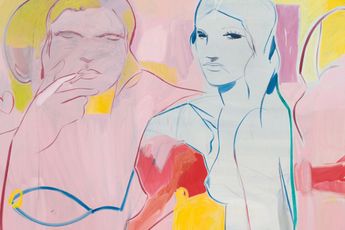
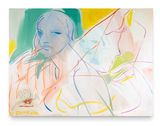
The treatment of the human figure in the paintings of Scottish artist France-Lise McGurn is associated with female archetypes. Likewise, it has been argued that they constitute allegorical spirits or muses usually linked to models of femininity constructed by pop culture and contemporary fashion, both spheres portrayed in the film Personal Shopper. McGurn’s approach to the sexuality emanating from these flat, static figures highlights the artist’s punk attitude, enunciated in the paintings’ titles. This is McGurn’s second participation in RGR’s program.
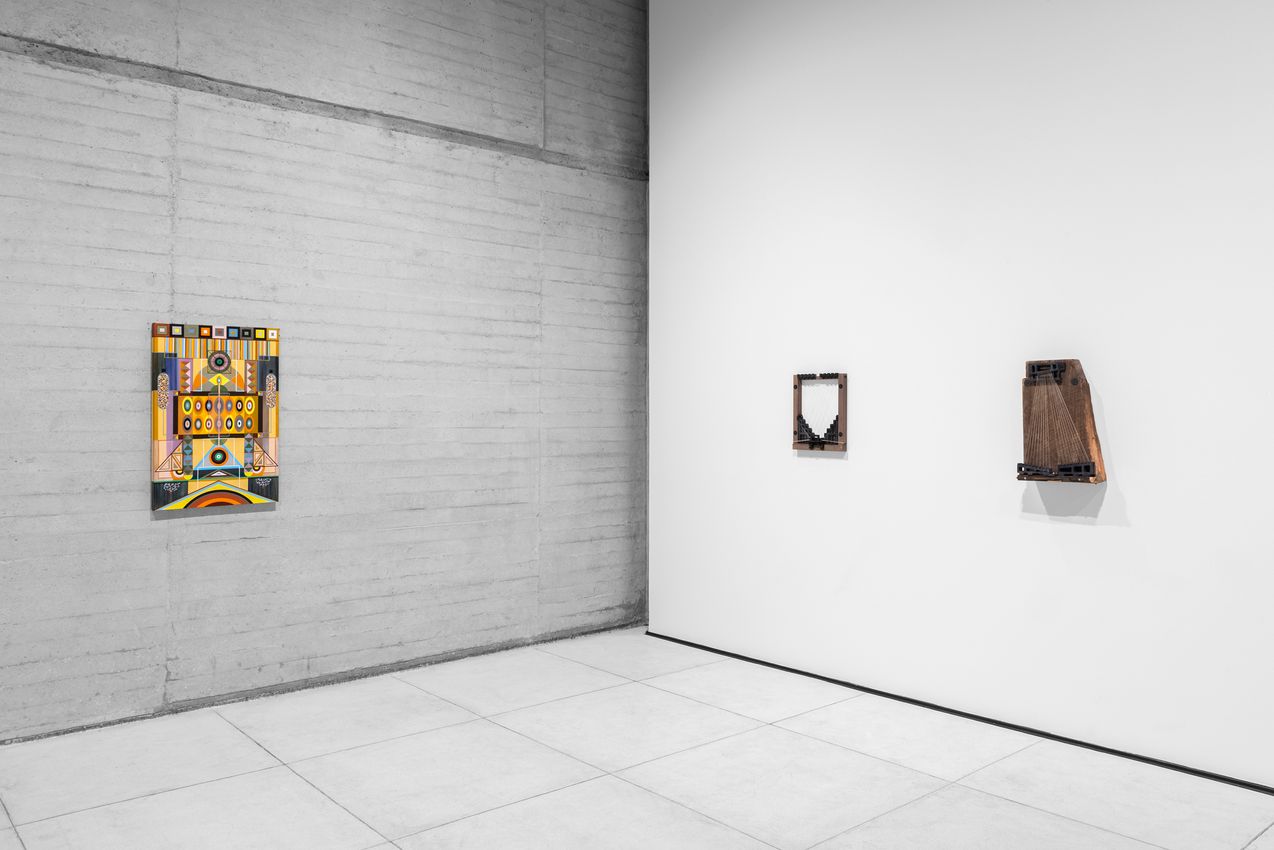
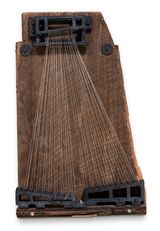
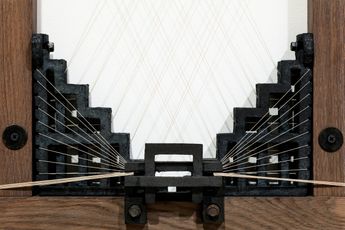
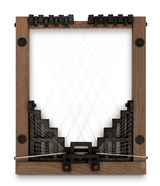
Vibe Overgaard, a young Danish artist, presents delicate ceramic, metal, wood and thread sculptures conceived for her recent show at ISCP, Brooklyn. _Spindle City—_which refers to this site in Fall River, United States– embodies the ruins of the textile industry and the type of manufacturing that created a model of productivity that remains a ghost in the collective imagination. Her sculptures reflect the idea of decaying circuits and are presented as phantasmatic vestiges of industrial capitalism replacing the corporate and masculine optimism of minimalism.


RGR is a contemporary art gallery committed to fostering dialogue across generations, movements, and artistic practices. Founded in 2018 in Mexico City, the gallery presents a diverse program that brings together established artists, historical legacies, and emerging voices shaping the contemporary art landscape. With a strong focus on experimentation and critical discourse, Galería RGR represents both pioneering figures in modern and contemporary art and contemporary artists exploring new frontiers in painting, sculpture, installation, and digital media. Its exhibition program encompasses a wide range of artistic approaches, from geometric precision to conceptual and expansive narratives that reflect the cultural and social context of our time.

A respected voice in contemporary art discourse.
Focusing on ambitious storytelling and insightful art-world commentary. Ocula Magazine publishes in-depth interviews, critical essays and timely analysis on the artists, exhibitions and ideas driving the global art world.
Learn more about Ocula Magazine
Showcasing the best of the art world.
Ocula partners with galleries from around the world to highlight their artists, artworks and exhibitions. Gallery membership is by application and invitation, with each member vetted by an independent panel.
Learn more about Ocula Membership

Specialises in the sale of major artworks.
Led by a team with deep ties to the world’s leading auction houses, galleries and collectors. Ocula’s advisory team offers bespoke services to high-net-worth clients from around the world who are looking to acquire the best of contemporary and modern art.
Learn more about our team and services