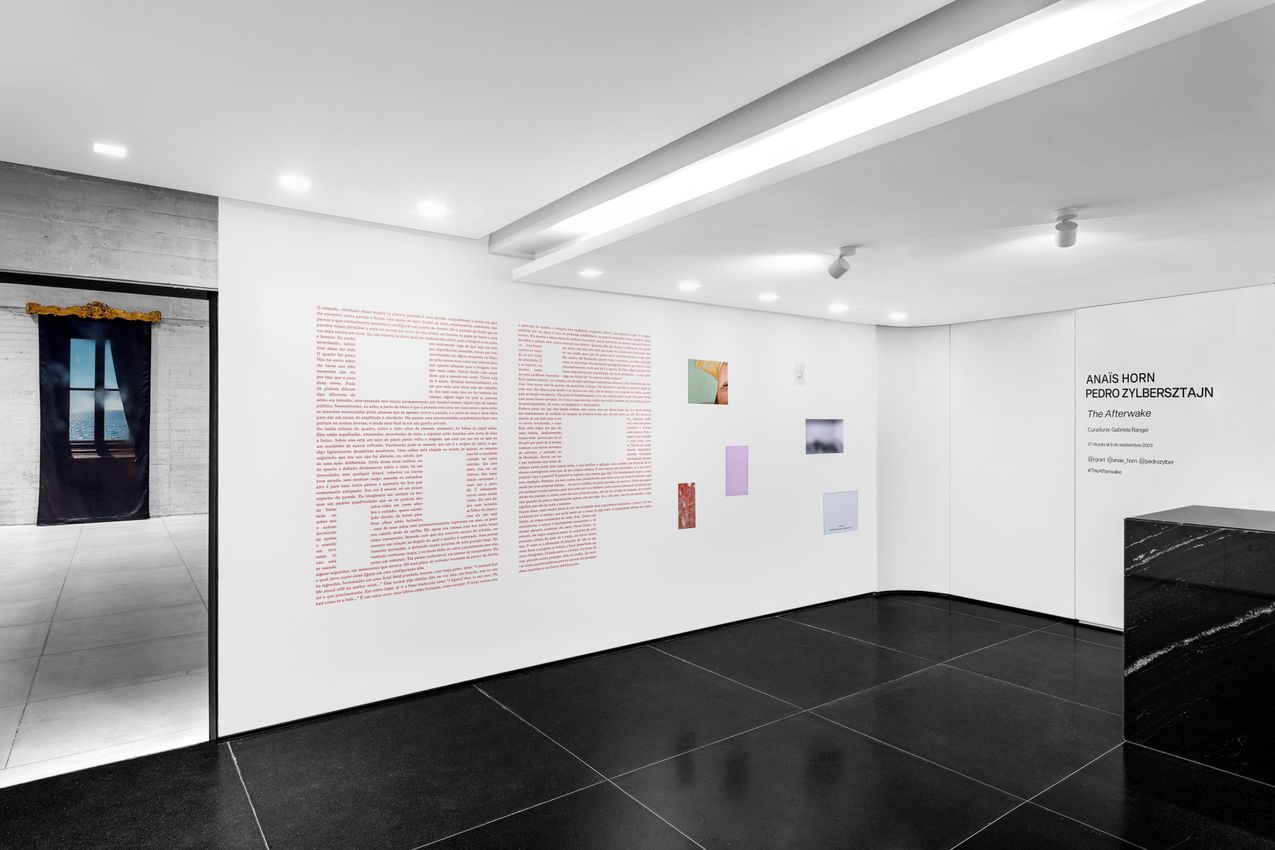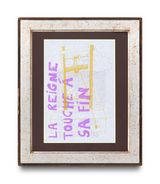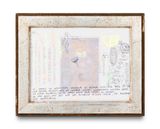
Galería RGR is pleased to present the exhibition The Afterwake, which brings together the work of Anaïs Horn (Graz, Austria) and Pedro Zylbersztajn (São Paulo, Brazil–1993) under the curatorship of Gabriela Rangel (Caracas, Venezuela, 1963).
Inspired by the homonymous poem by Adrienne Rich, The Afterwake invites the viewer to enter an evocative experience on time as a transition and an unfathomable interval through the analogy of the waves left by a ship in the water.
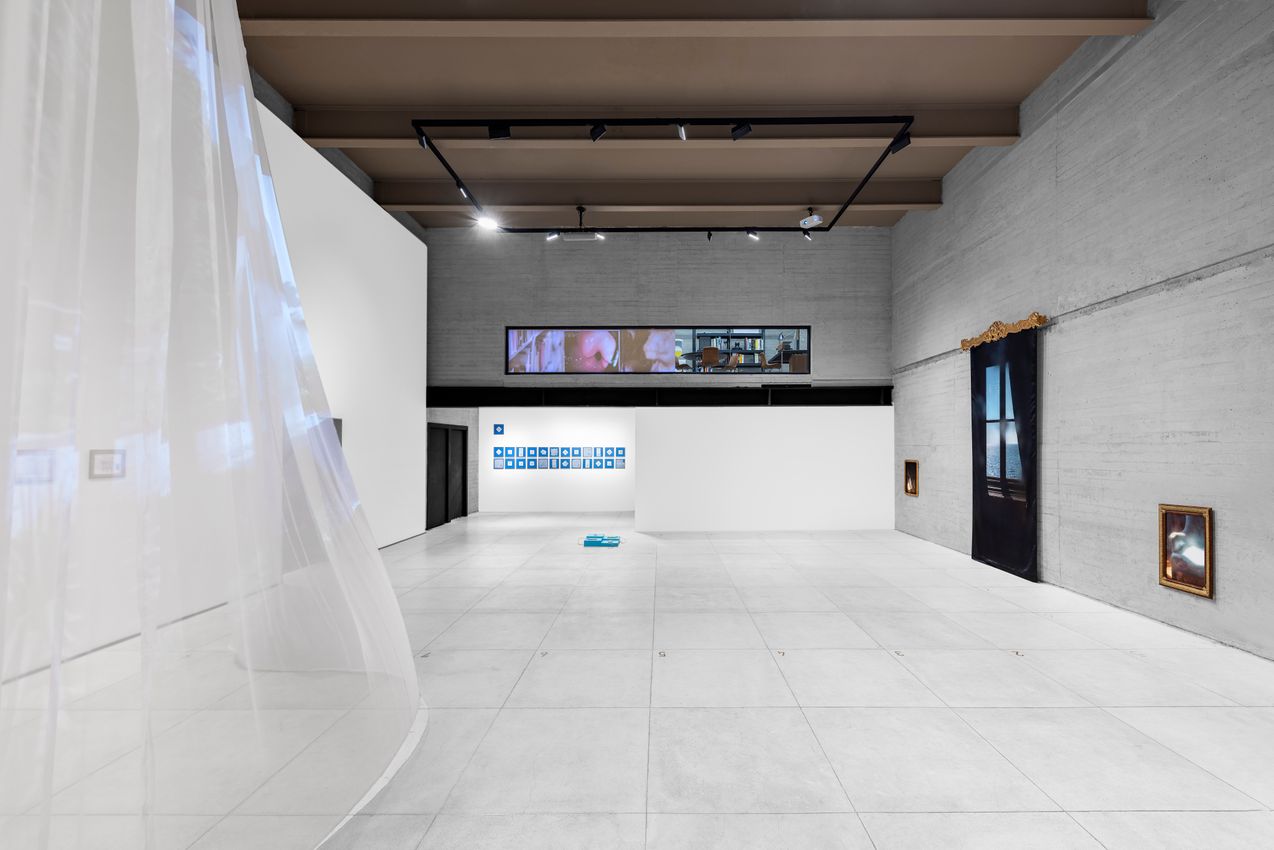
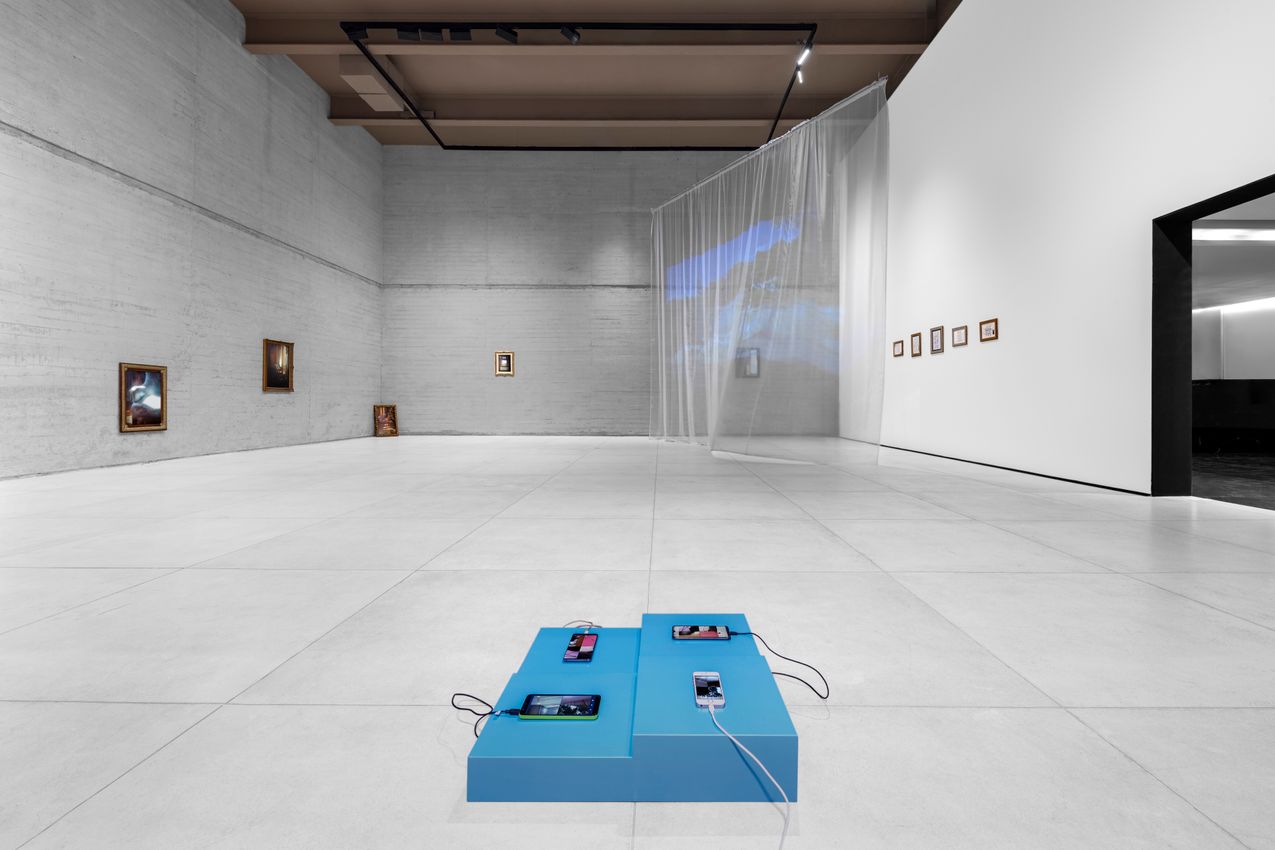
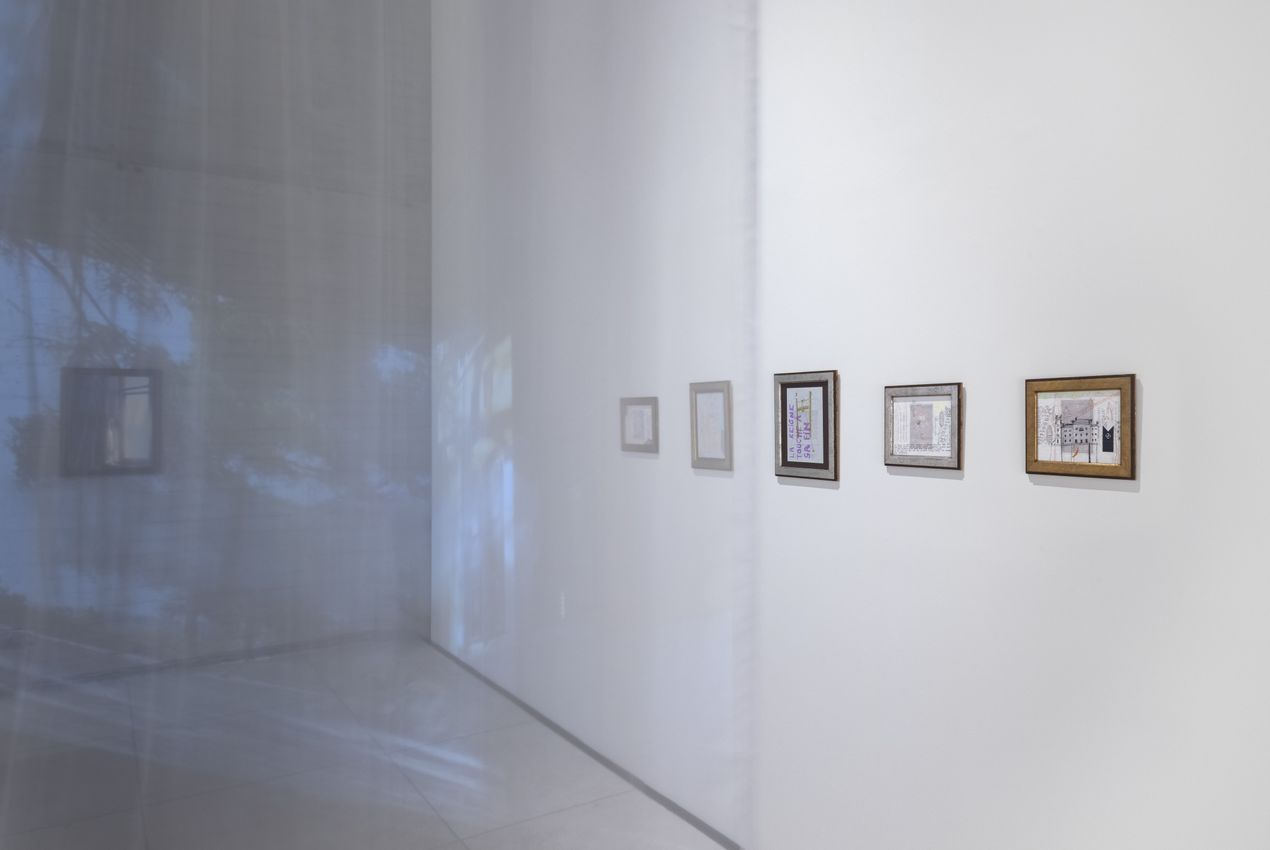
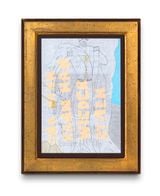
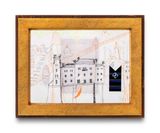
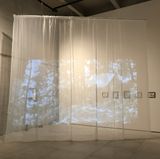
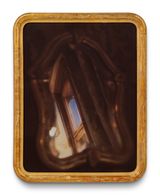
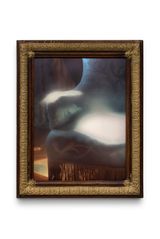
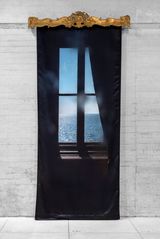
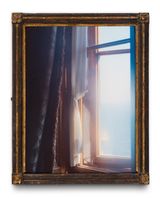
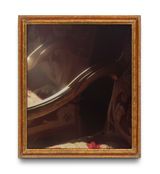
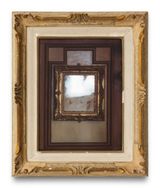
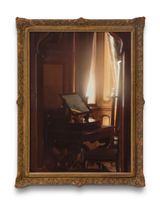
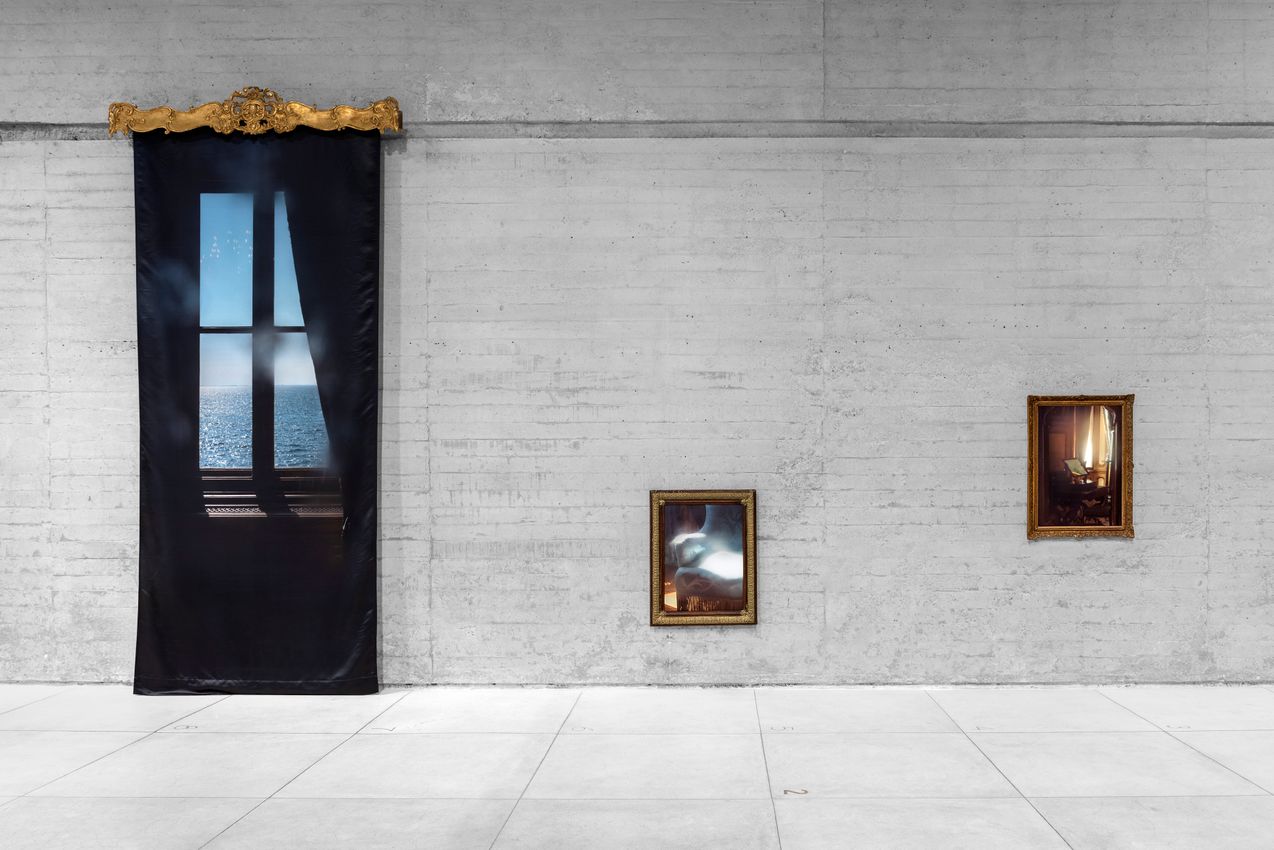
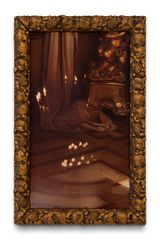
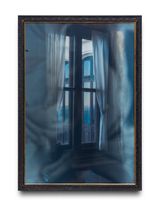
The multi-layered installation Longing Ghosts in Deep Blue Paranoia by Anaïs Horn presents a fictional scene of Empress Charlotte of Belgium, who was confined for almost 50 years in Belgium after the execution of her husband, Emperor Maximilian of Habsburg in 1867. Recalling the daguerreotype technique –whose peak coincides with the Habsburg dynasty decline—Horn situated Charlotte’s delirium at their Italian home.
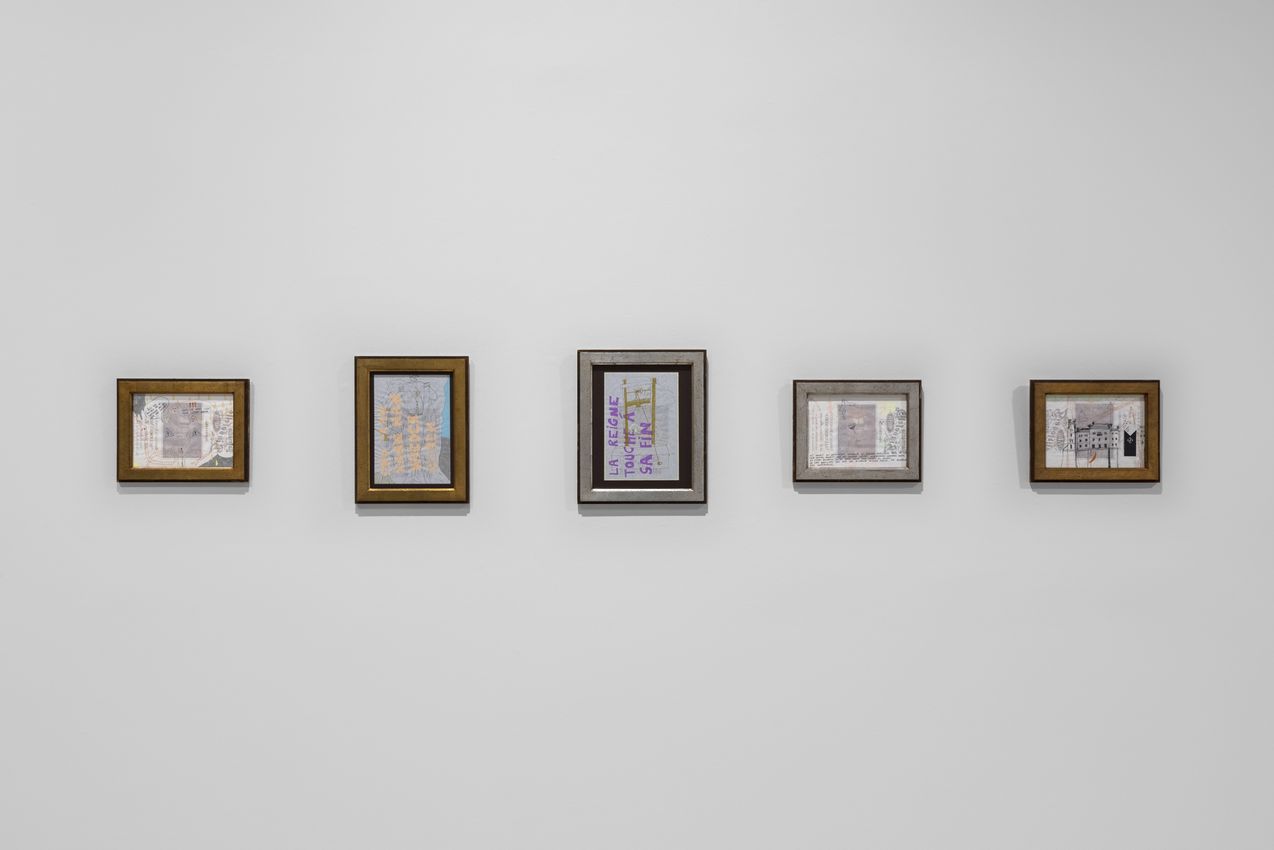
The tragic fate of the delusional empress is represented through a series ofblurry images printed on mirrors, a single-channel video projection of ghostlyimages, and drawings. These elements are juxtaposed in a dense atmosphereaccompanied by a hypnotic fragrance created by Pauline Rochas, a soundatmosphere by Eilert Asmervik, and texts composed by Estelle Hoy.
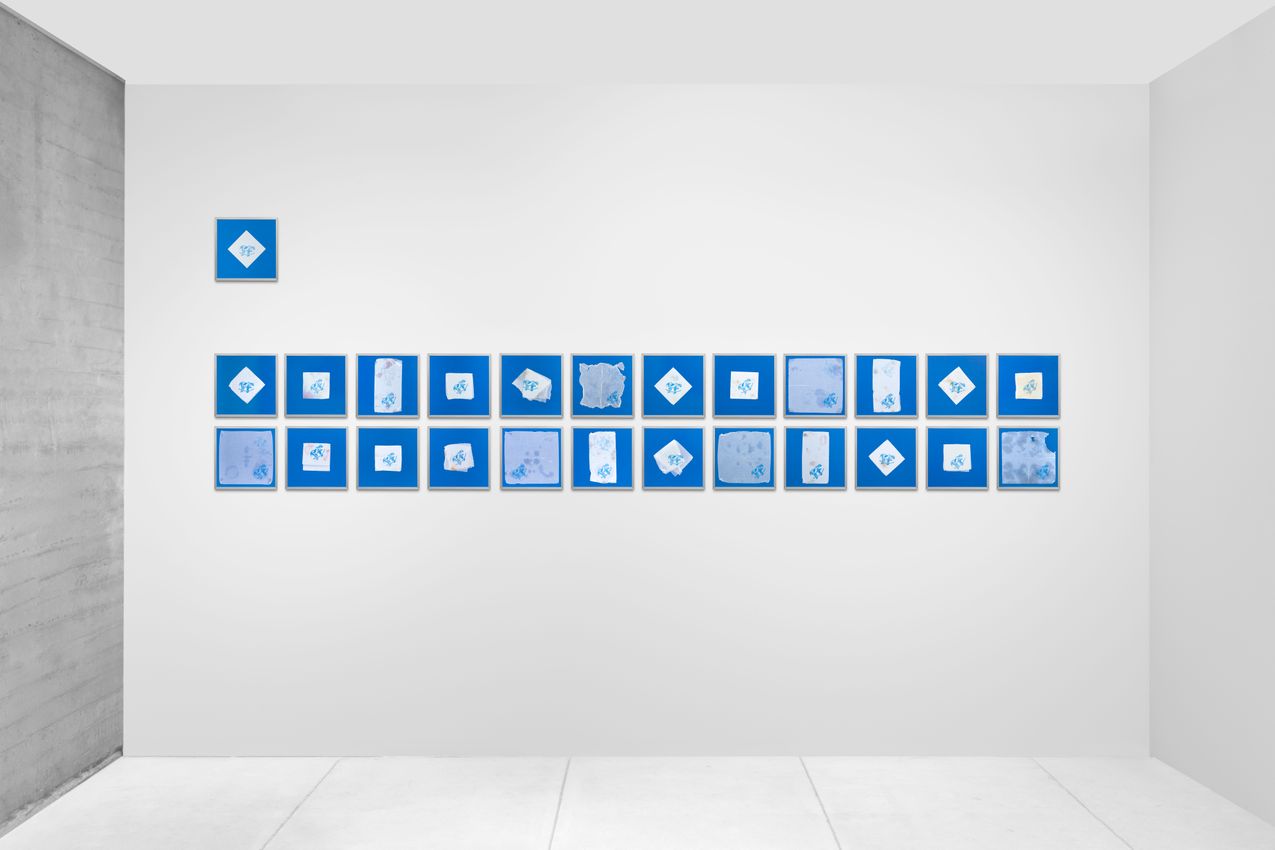
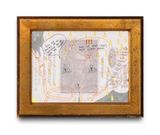
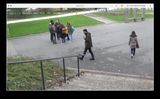
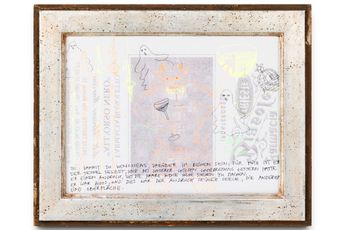
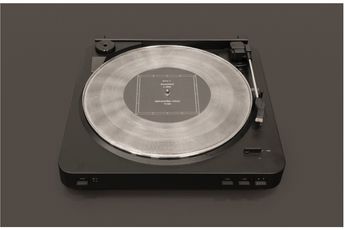
Pedro Zylbersztajn presents four conceptual works starting with Écfrasede um filme (pausado), a complex exercise of narration in which a room isdescribed in detail as it appears in a film. The story is characterised by anintricate and abstract structure that takes the shape of wall writing. A videoprojection Three Digestions explores the notions of consumption and colonialextraction as they relate to our practices—and infrastructures—of knowledgeand culture. Sentimental Journey presents an exploration of feedbackand delay through a synchronised action of four delegated performers. Bycontrast, Servimos bien para servir siempre frames the social fabric of theopening of the show as the performance itself.
As part of the exhibition, on Saturday, July 29 at 12:00, a conversation will beheld with the participation of the artists Anaïs Horn and Pedro Zylbersztajn,as well as the curator Gabriela Rangel, to delve into the process that led to therealisation of this project.
About Gabriela Rangel
****Gabriela Rangel is an independent curator, writer based in Brooklyn, New York. From 2019 to 2021 she was artistic director of the Museo de Arte Latinoamericano de Buenos Aires (MALBA). Prior to that she was visual arts director and chief curator at Americas Society from 2004 to 2019. She holds an MA in curatorial studies from the Center for Curatorial Studies, Bard College, an MA in media and communications studies from the Universidad Católica Andrés Bello, Caracas, and film studies from the International Film School at San Antonio de los Baños, Cuba. She has worked at the Fundación Cinemateca Nacional and the Museo Alejandro Otero in Caracas, and the Museum of Fine Arts, Houston.
Rangel have curated and co-curated numerous exhibitions on modern and contemporary art as well as monographic shows of Elsa Gramcko, Erick Meyenberg, Sylvia Gruner, Carlos Cruz-Diez, Marta Minujín, Gordon Matta-Clark, Gego, Arturo Herrera, José Leonilson, and Xul Solar. She has written for Hyperallergic, Letras Libres, Revista Ñ, Art in America, Parkett, The Brooklyn Rail, and Art Nexus, edited numerous books, and contributed texts to such publications as Emily Mae Smith (Petzeld Gallery, New York); Pedro Reyes: Sociatry (Museum Marta Hertford, Hertford, Germany, 2022); Rosangela Renno (Pinacoteca de SP, 2021); Erick Meyenberg: D Major Isn’t Blue (Museo Amparo, 2020); Lydia Cabrera: Between the Sum and the Parts (Americas Society/Koenig Books, London, 2019); Contesting Modernity: Informalism in Venezuela 1955–1975 (Museum of Fine Arts, Houston, 2018); Marta Minujín, Minocodes (Americas Society, 2016); and A Principality of Its Own (Americas Society/Harvard University Press, 2006). She is currently working on her book Strategies of Self Sabotage: Art and Politics in Venezuela 1959-1973.
About Anaïs Horn
With a literature and design education, Anaïs Horn graduated from FriedlKubelka School for Fine Art Photography, Vienna, in 2015. Horn’s practicecreates intimate, often site-specific settings in which highly personalnarratives—may they be autobiographical, explore female coming-of-age andrites of passage or reflect on the biographies of historical (female) figures—evolve into general reflections on contemporary life and how memories and(her)story/stories reverberate in objects and spaces.
Her work intertwines photography, moving images and sound, text, drawingand painting with the aim of being poetic and precise at the same time. Herimages take shape by exploring surfaces and objects, and they frequentlyunfold into spatial installations and artist’s books. Next to personal narrativesshe is introducing elements of illusion and mystery, trying to situate her workin a space of the in-between.
Currently lives and works in Paris, France.
AboutPedro Zylbersztajn
From the interactions between drawing, writing, editing, publishing,performing, collecting and sounding, the artistic practice of Pedro Zylbersztajninvestigates the circular relationship between image, language, protocols ofeverydayness, technology, and authority. His research employs strategies ofreading with the intention of defamiliarising the way in which commonplacedevices are used to build and enforce specific (and sometimes violent)relations between the different realities that surround us. With that, he seeksto create altered relational spaces, which are more reliant on ambiguity andnegotiation.
More recently, his artistic practice seeks to expand toward collectiveenvironments in which the sense of shared responsibilities overrides authorialintentions. Currently, is co-editor -in collaboration with the Index LiteracyProgramme- of a publication titled Indexing Imaginaries (DATA Browser/OpenHumanities Press, 2022), which explores the concept of indexing as a form ofpower. He is involved in the micro-histórias initiative at Casa do Povo (SP),which focuses on researching institutional history and he is the coordinatorof a multidisciplinary research group called Disposições Infraestruturais,which delves into issues related to art, architecture, and planetarity.
Currently lives and works in São Paulo, Brazil.
RGR is a contemporary art gallery committed to fostering dialogue across generations, movements, and artistic practices. Founded in 2018 in Mexico City, the gallery presents a diverse program that brings together established artists, historical legacies, and emerging voices shaping the contemporary art landscape. With a strong focus on experimentation and critical discourse, Galería RGR represents both pioneering figures in modern and contemporary art and contemporary artists exploring new frontiers in painting, sculpture, installation, and digital media. Its exhibition program encompasses a wide range of artistic approaches, from geometric precision to conceptual and expansive narratives that reflect the cultural and social context of our time.

A respected voice in contemporary art discourse.
Focusing on ambitious storytelling and insightful art-world commentary. Ocula Magazine publishes in-depth interviews, critical essays and timely analysis on the artists, exhibitions and ideas driving the global art world.
Learn more about Ocula Magazine
Showcasing the best of the art world.
Ocula partners with galleries from around the world to highlight their artists, artworks and exhibitions. Gallery membership is by application and invitation, with each member vetted by an independent panel.
Learn more about Ocula Membership

Specialises in the sale of major artworks.
Led by a team with deep ties to the world’s leading auction houses, galleries and collectors. Ocula’s advisory team offers bespoke services to high-net-worth clients from around the world who are looking to acquire the best of contemporary and modern art.
Learn more about our team and services