Press Release

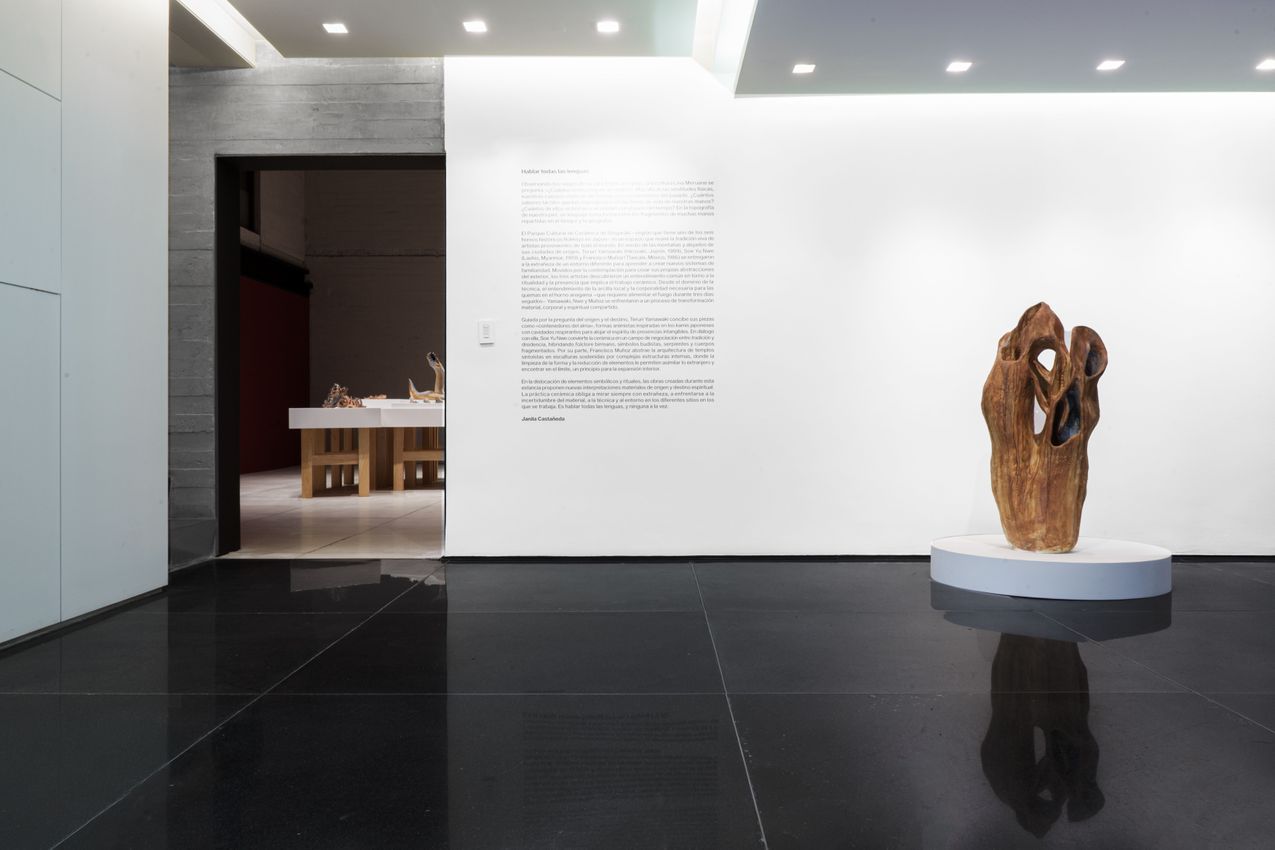
Observing the features of her face in the mirror, Lina Meruane asks herself: “How many faces are in a face?” Beyond physical similarities, our bodies replicate forms and movements from the past. How many tactile forms of knowledge remain imprinted in the lifelines of our hands? How many of them are erased or forgotten as time passes? On the topography of our skin, a language takes shape. In our hands we hold a digital composition made of fragments of many hands scattered across time and geography.

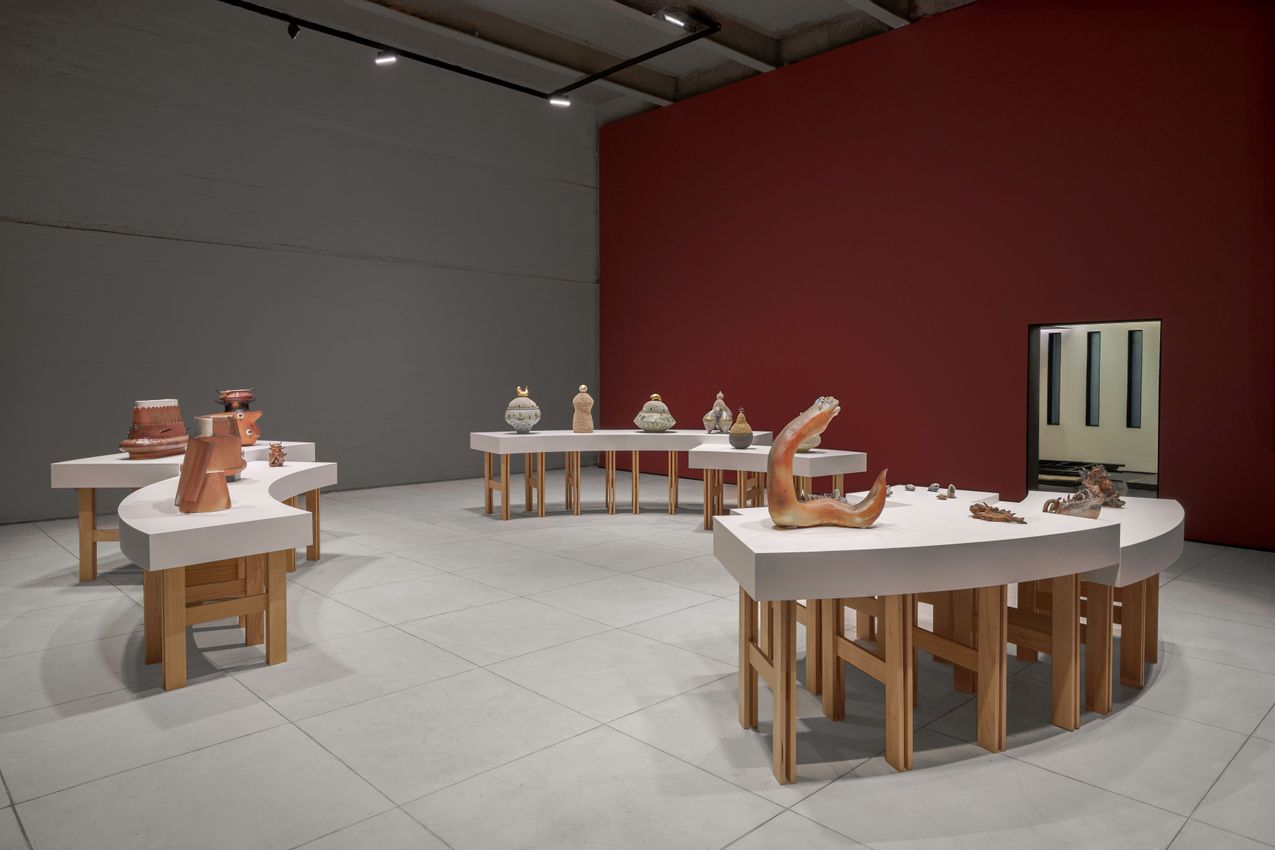
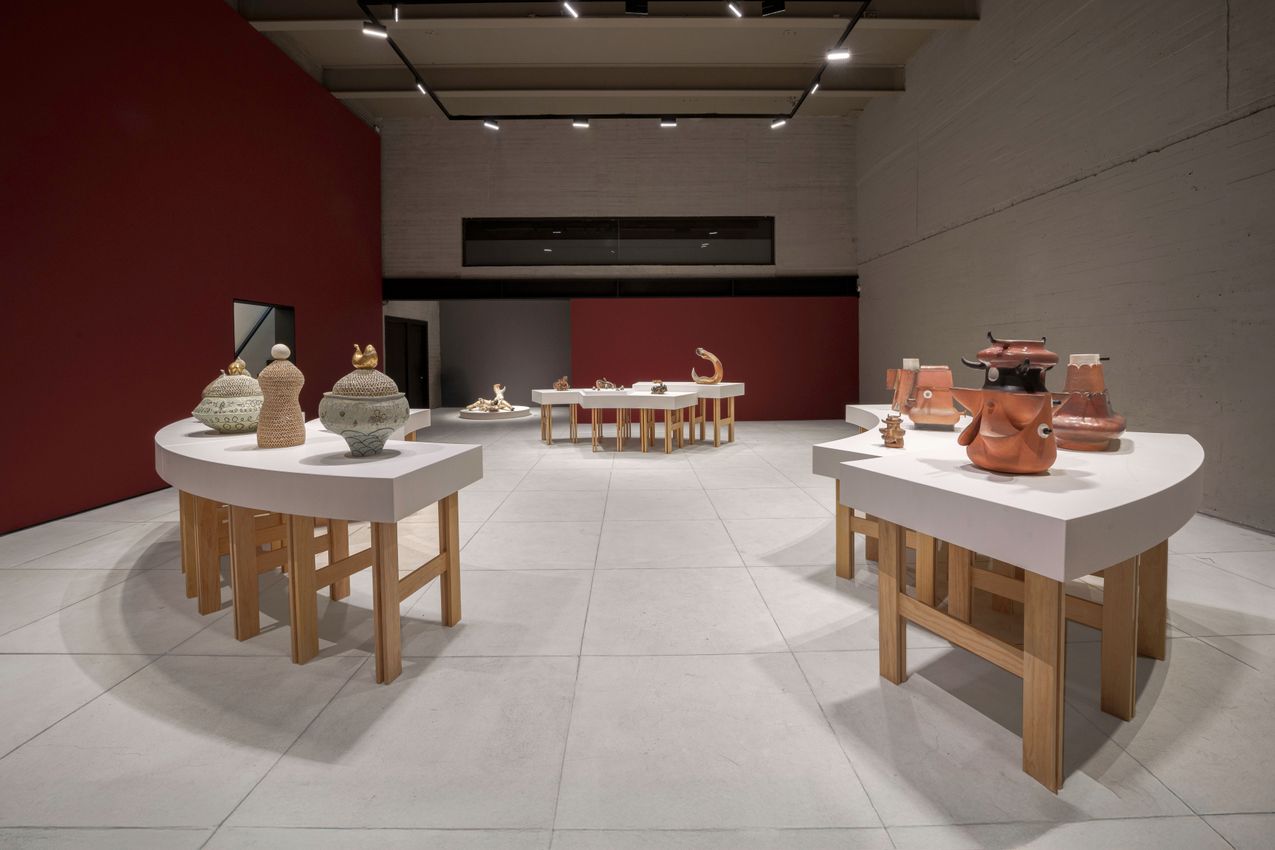
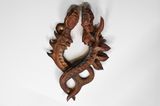
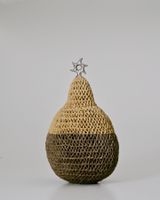
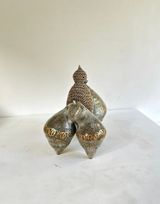
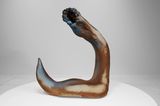
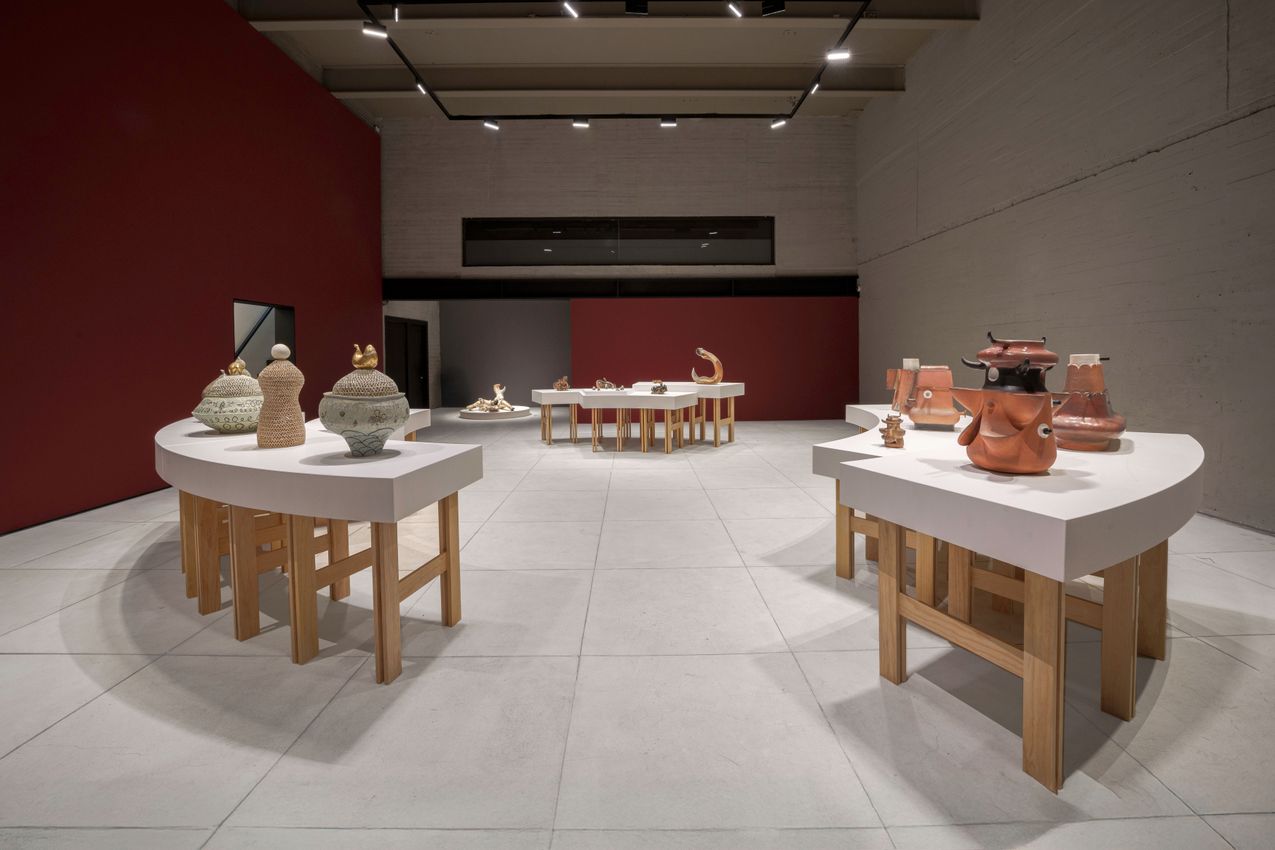
Between April and June of 2025, the Shigaraki Ceramic Cultural Park became the space that brought to- gether the living traditions of artists from three countries: Japan, Myanmar, and Mexico. Surrounded by mountains, this center welcomes ceramic specialists each year so they can explore and expand the possibilities of the medium. In that context, and far from their home cities, Teruri Yamawaki (Hirosaki, Japan, 1989), Soe Yu Nwe (Lashio, Myanmar, 1989), and Francisco Muñoz (Tlaxcala, Mexico, 1986) embraced the strangeness of a different environment to learn how to create new systems of familiarity. Moved by contemplation to create their own abstractions of the outside world, the three artists discovered a shared understanding centered on the rituality and presence involved in ceramic work. Through mastery of technique, knowledge of the local clay, and the physicality required for firing in the Anagama kiln, which must be fed for three days straight, Yamawaki, Nwe, and Muñoz faced a shared process of material, bodily, and spiritual transformation.

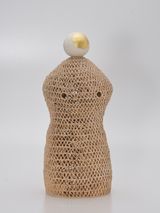
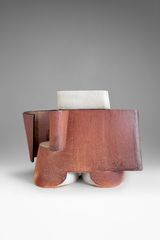
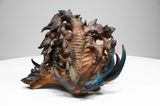
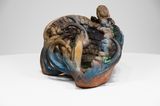
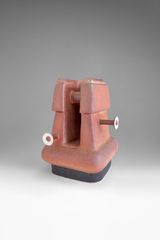
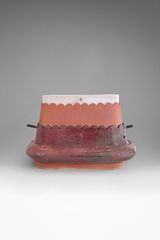
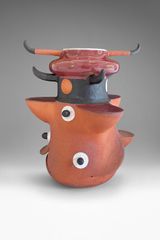
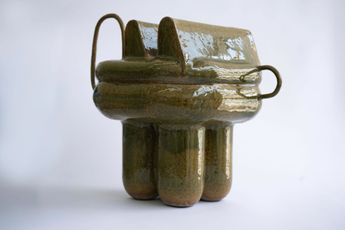
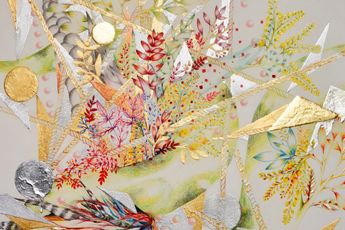
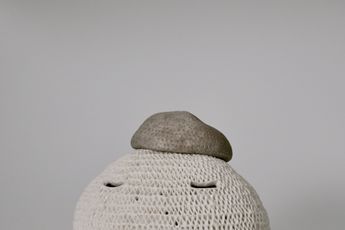
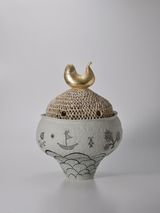
Guided by questions of origin and destiny, Teruri Yamawaki conceives her pieces as “containers of the soul,” animist forms inspired by the kamis that, hand molded, open like breathing cavities that house the spirit of intangible presences. In dialogue with her, Soe Yu Nwe turns ceramics into a field of negotiation between tradition and dissent, hybridizing Burmese folklore, Buddhist symbols, serpents, and fragmented bodies in figures that embody processes of rebirth and identity. For his part, Francisco Muñoz abstracts the architecture of Shinto temples into sculptures supported by complex internal structures, where the cleanliness of form and the reduction of elements allow him to assimilate the foreign through his hands and find, in the limit, a principle for inner expansion.

Through the dislocation of symbolic and ritual elements, the works created during this residency propose new material interpretations of spiritual origin and destiny. As Umberto Eco wrote in his most famous novel, by “making his city from cities and his language from languages,” each artist materializes a detachment from what is known to face the soil of another place, like someone arriving in an unfamiliar city. Ceramic practice forces one to always look with strangeness, to confront the uncertainty of the material, the technique, and the environment in the different places where one works. It is to speak all languages, and none at the same time. In this space, ceramics suggest a form of ritual translation that does not erase the symbols or traditions of its origin but rather detaches itself from the symbolic and historical impositions of the past to continue reinterpreting itself in the present and in the future.

Read More

Installation Views

Selected Works

Loading...

Artists Exhibiting

Also Exhibiting at Galería RGR

About the Gallery

RGR is a contemporary art gallery committed to fostering dialogue across generations, movements, and artistic practices. Founded in 2018 in Mexico City, the gallery presents a diverse program that brings together established artists, historical legacies, and emerging voices shaping the contemporary art landscape. With a strong focus on experimentation and critical discourse, Galería RGR represents both pioneering figures in modern and contemporary art and contemporary artists exploring new frontiers in painting, sculpture, installation, and digital media. Its exhibition program encompasses a wide range of artistic approaches, from geometric precision to conceptual and expansive narratives that reflect the cultural and social context of our time.

View Gallery Profile
Address
Gral. Antonio León 48
Colonia San Miguel Chapultepec
Mexico City
Mexico
Opening Hours
Monday–Thursday: 10.30 am –6.30 pm
Friday: 10.30 am – 4.30 pm
Saturday: 11 am –4.30 pm
(1)
Mexico City Gral. Antonio León 48, Colonia San Miguel Chapultepec
Galería RGR
Gral. Antonio León 48, Colonia San Miguel Chapultepec, Mexico City, Mexico
+52 1 55 8434 7759
http://www.rgrart.com

Opening hours
Monday–Thursday: 10.30 am –6.30 pm
Friday: 10.30 am – 4.30 pm
Saturday: 11 am –4.30 pm
The art world in focus