‘I’m not interested in showing how it is. When I photograph it, I want to show how it could be.’
What is important is not so much the technique, but the photographer’s vision. Peter Bialobrzeski’s vision could be described as a seismographic perception of what is to come.
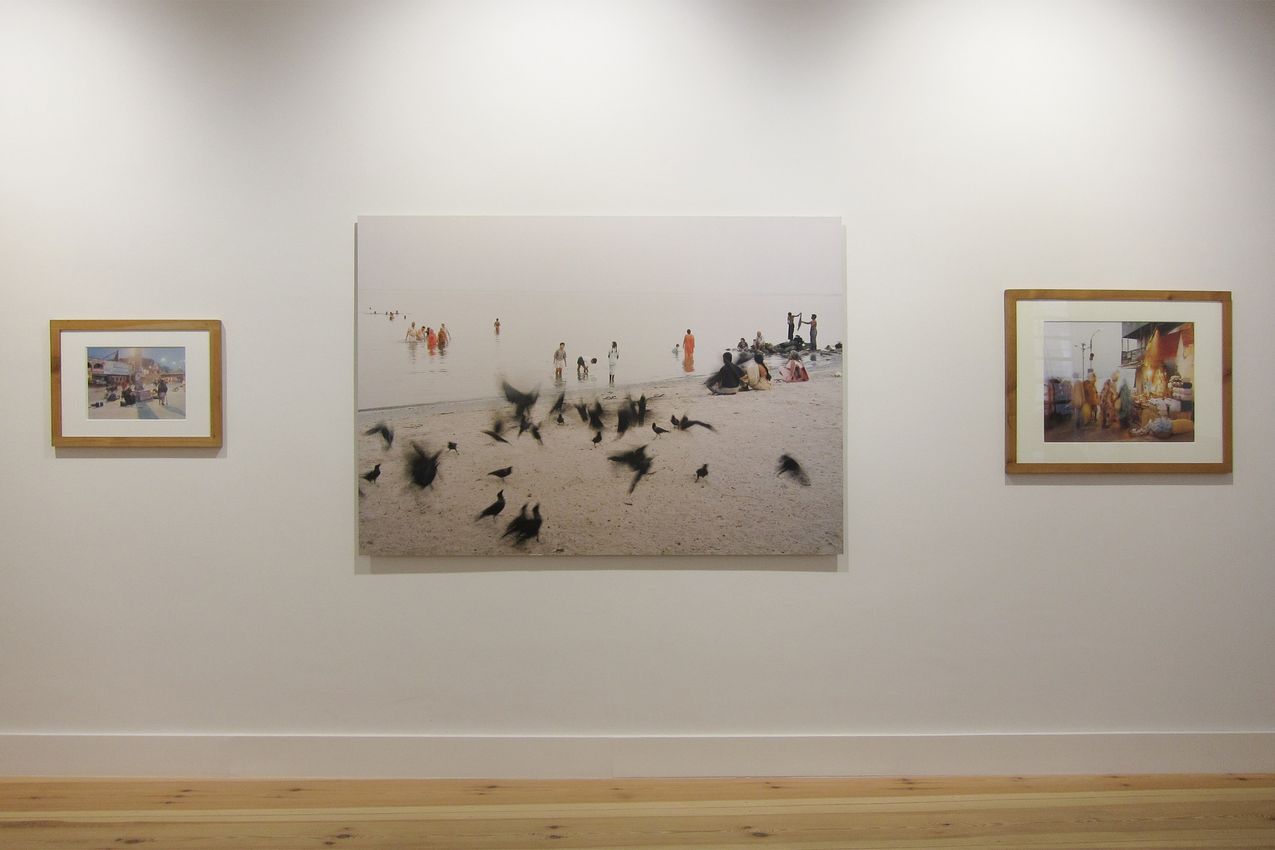
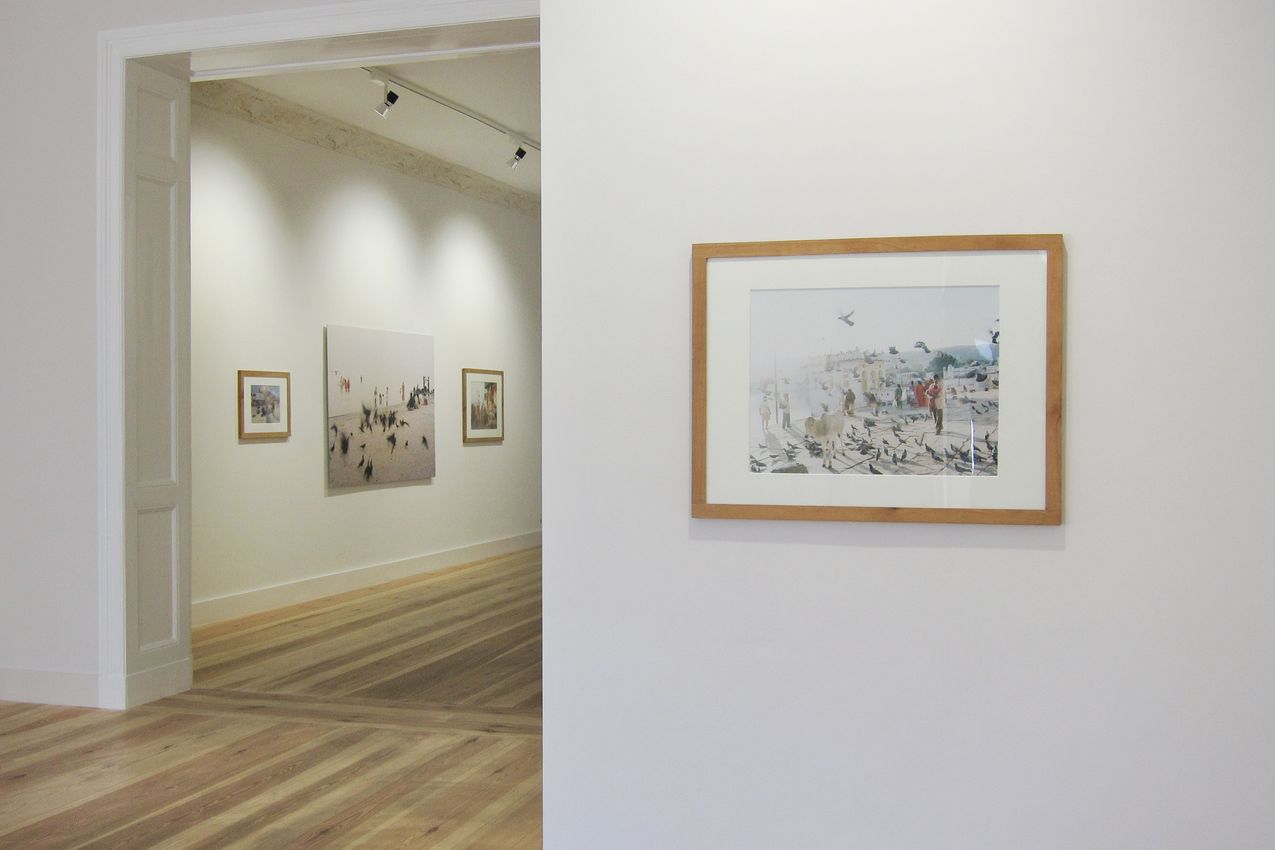
Everything started with a trip to India. There, he discovered his love for Asia and found his own style, which he brought to perfection in the subsequent Neon Tigers. What he encountered in Asia was a certain lightness and ease, and a light that causes things to float. In India, colours are everywhere on the streets. The people dress in orange, red, yellow, blue, and rosé, the buildings shimmer golden in the light, and the sky is light blue. He captured all this—with sometimes long exposures—with an analogue middle-format camera.
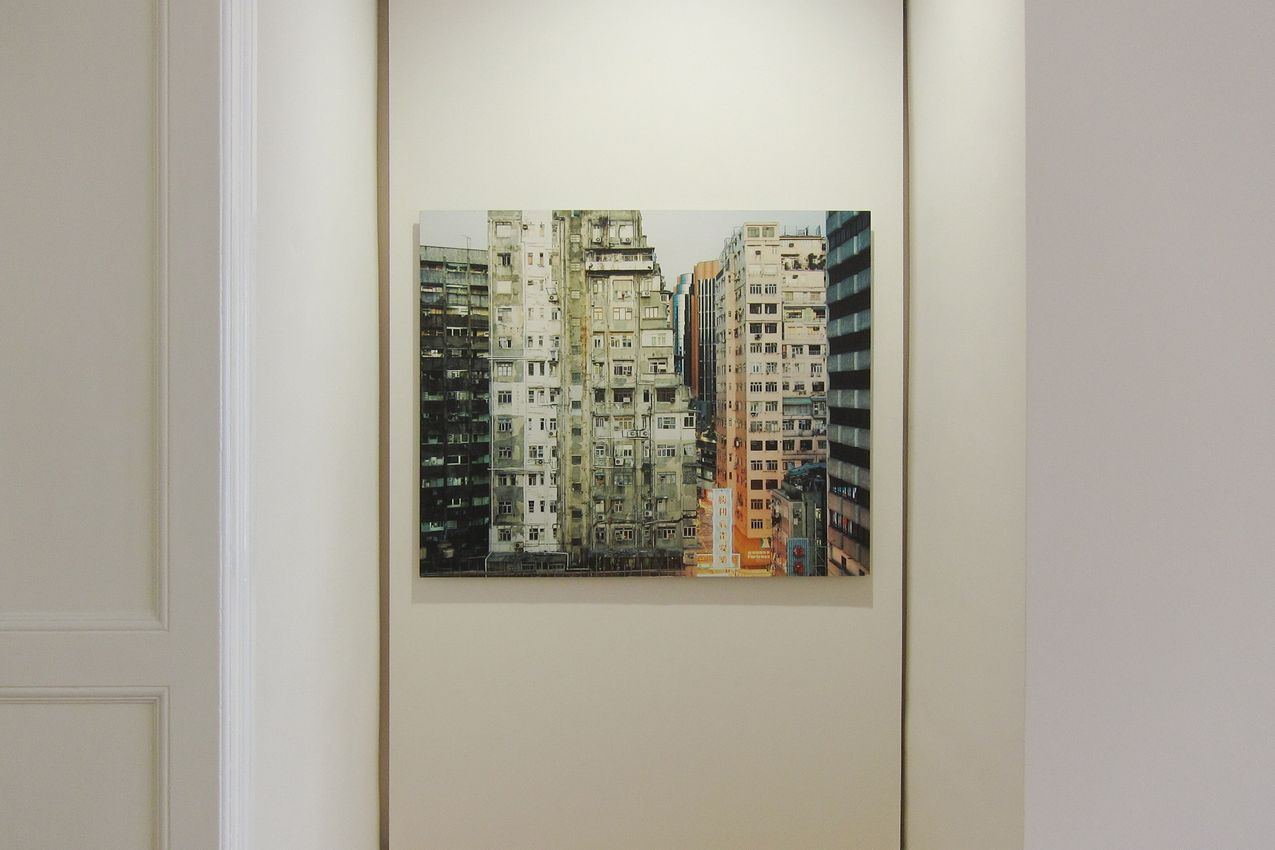
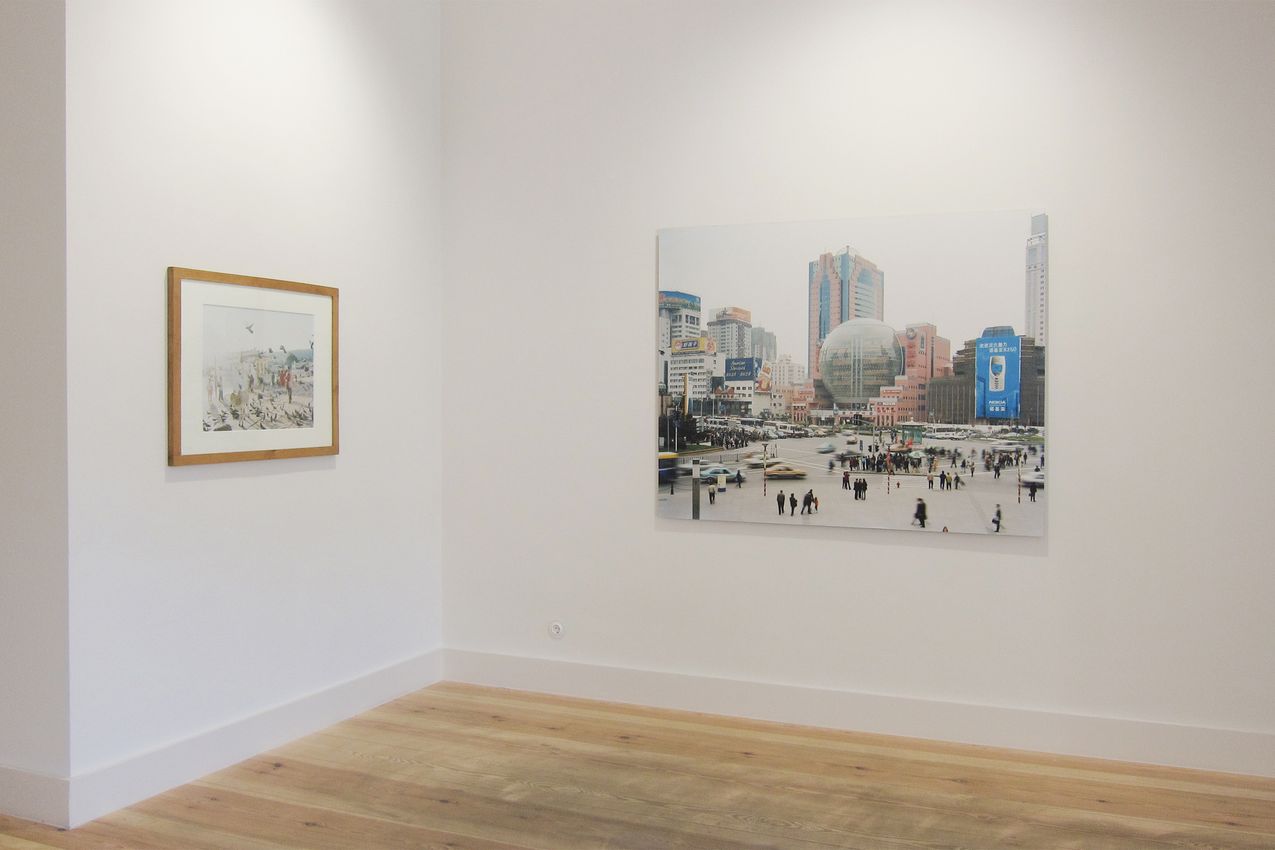
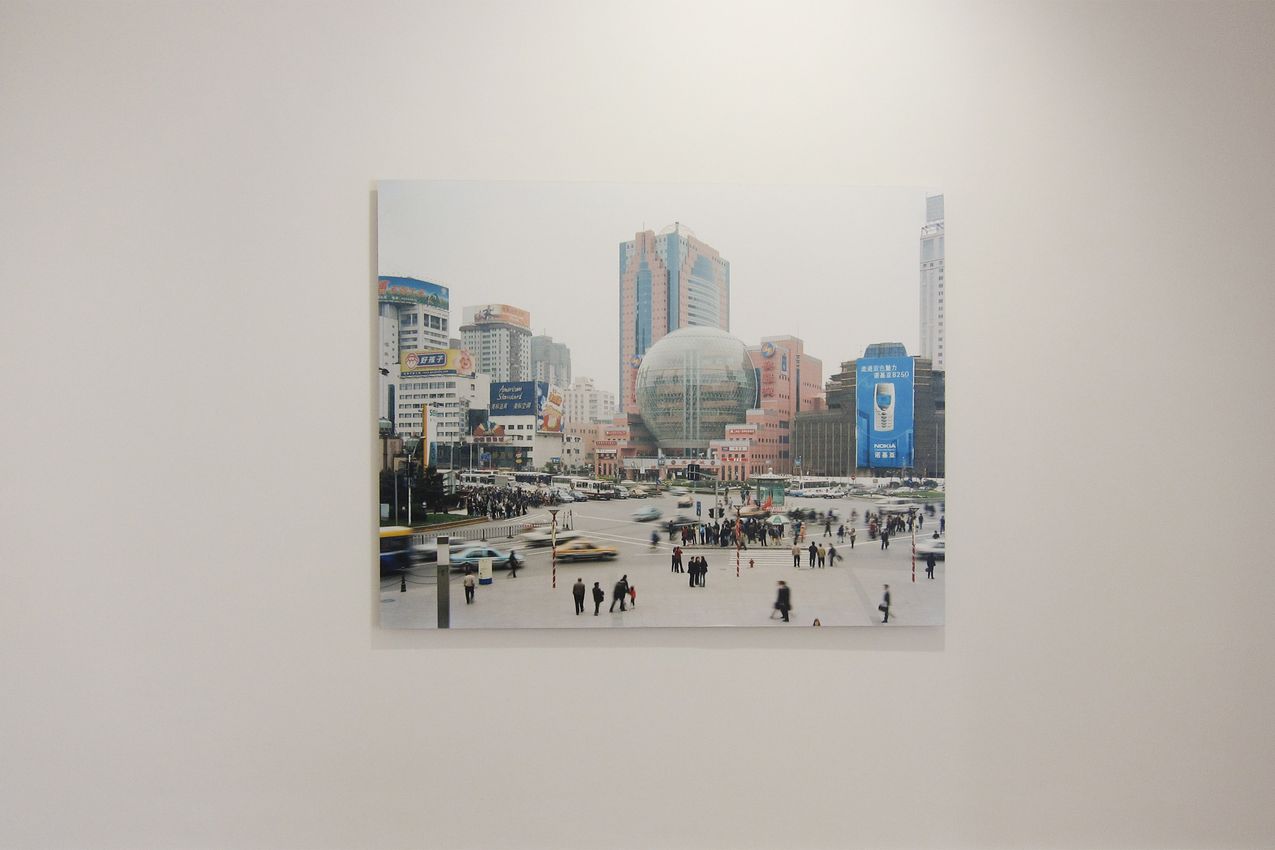
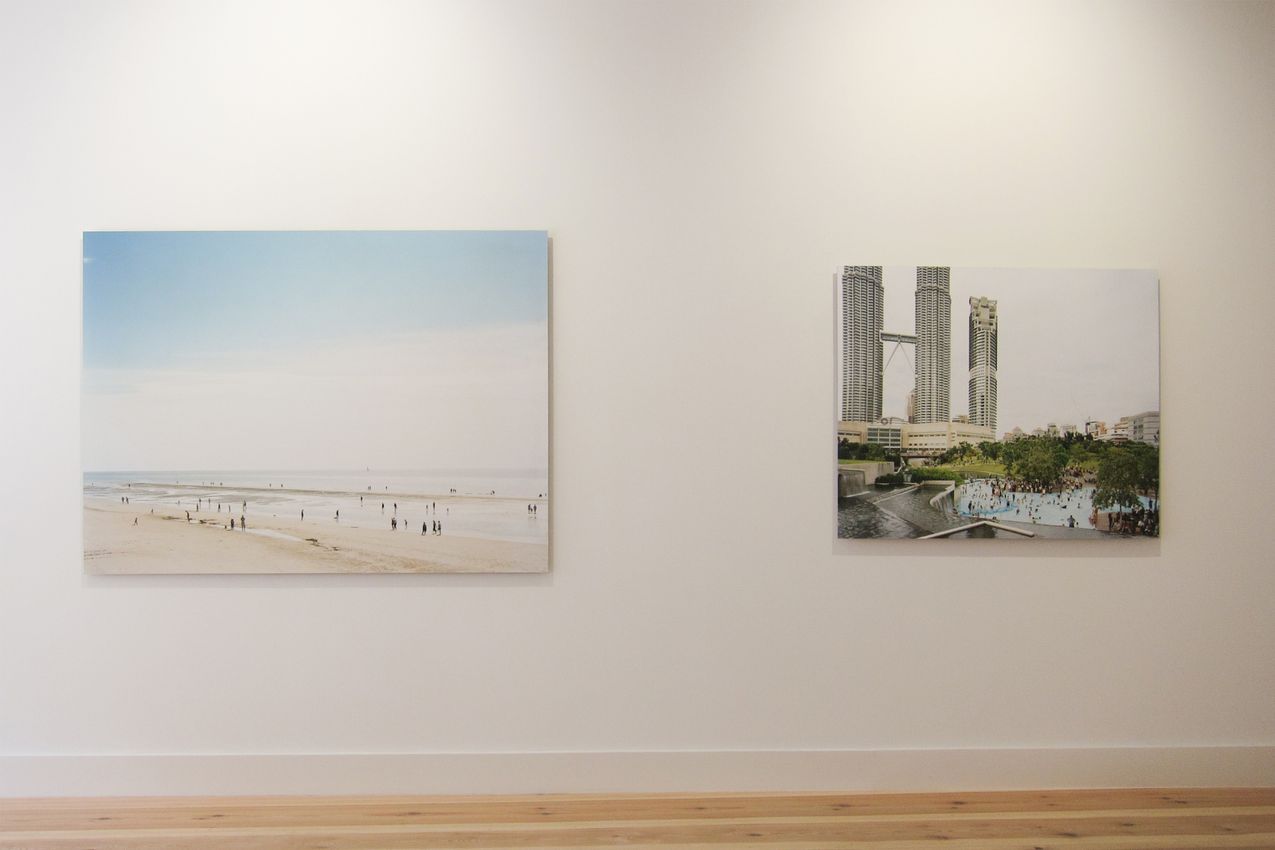
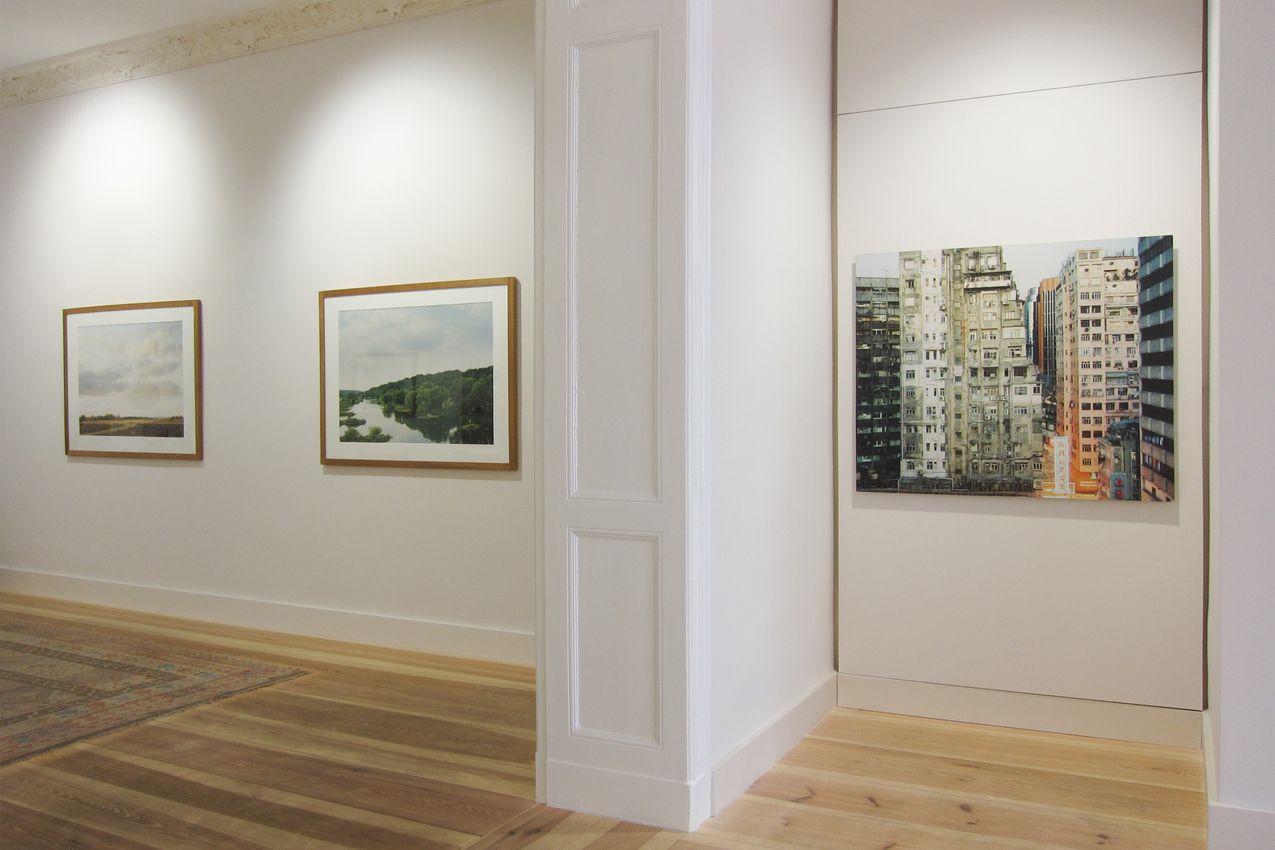
After this journey into spirituality—the series is called ‘XXXHoly—Journeys into the Spiritual Heart of India’, he made an about-turn, and starting in the year 2000, he travelled to the soaring cities in Asia, to Hong Kong, Shanghai, Shenzhen, Kuala Lumpur, Singapore. This time, he travelled with a plate camera and caught, usually from an elevated position, broad views of the cities. In India he had the sun, and that was now replaced by neon lights. After spending time in a largely hand-made world characterised by old rituals, he went into artificial modern times dominated by technology. But here, too, colours pervaded by light bring a certain lightness into the densely populated cities defined by office skyscrapers. The neon bathes everything in glittering light, and in the evening the illuminated windows make the massive residential complexes seem transparent. For the light, he worked with long-term exposure, which means that whatever moves dissolves in a kind of fog.
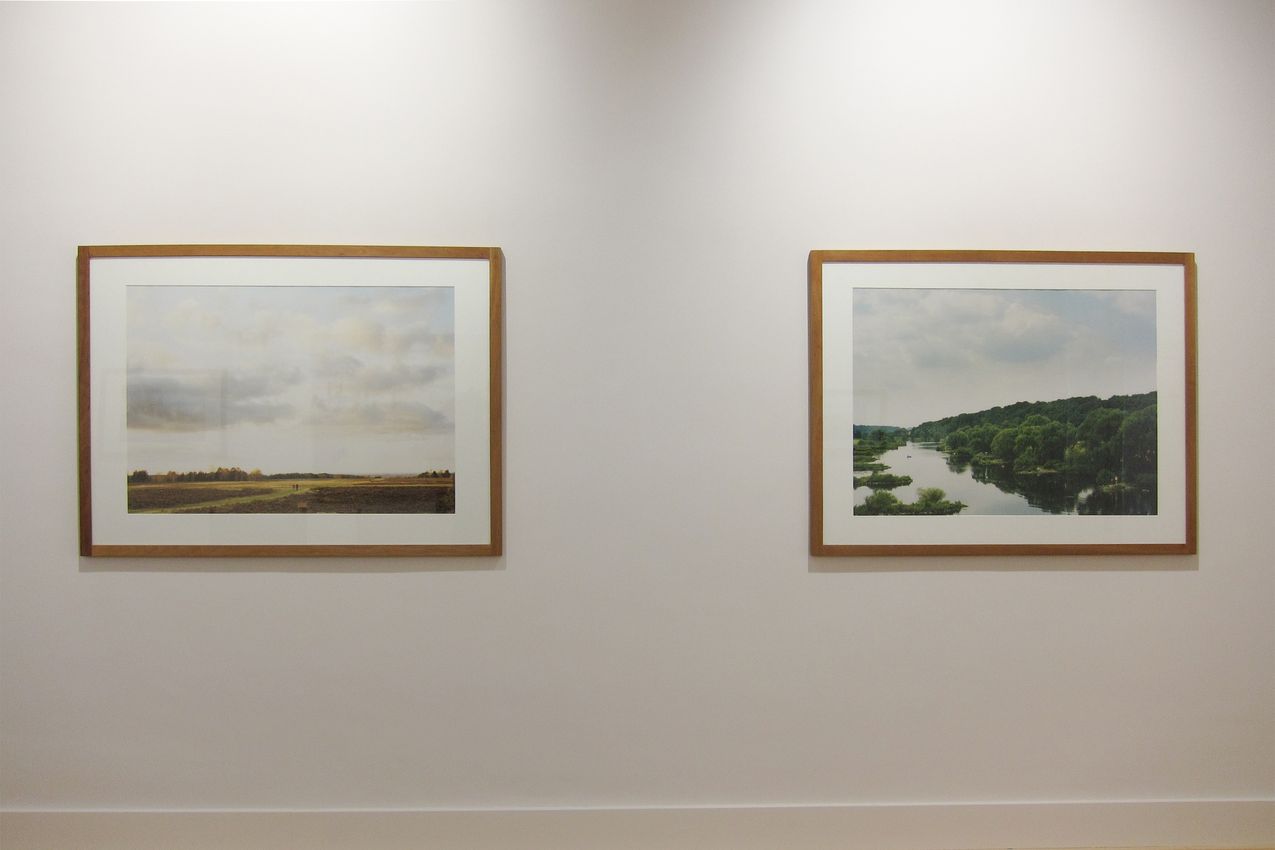
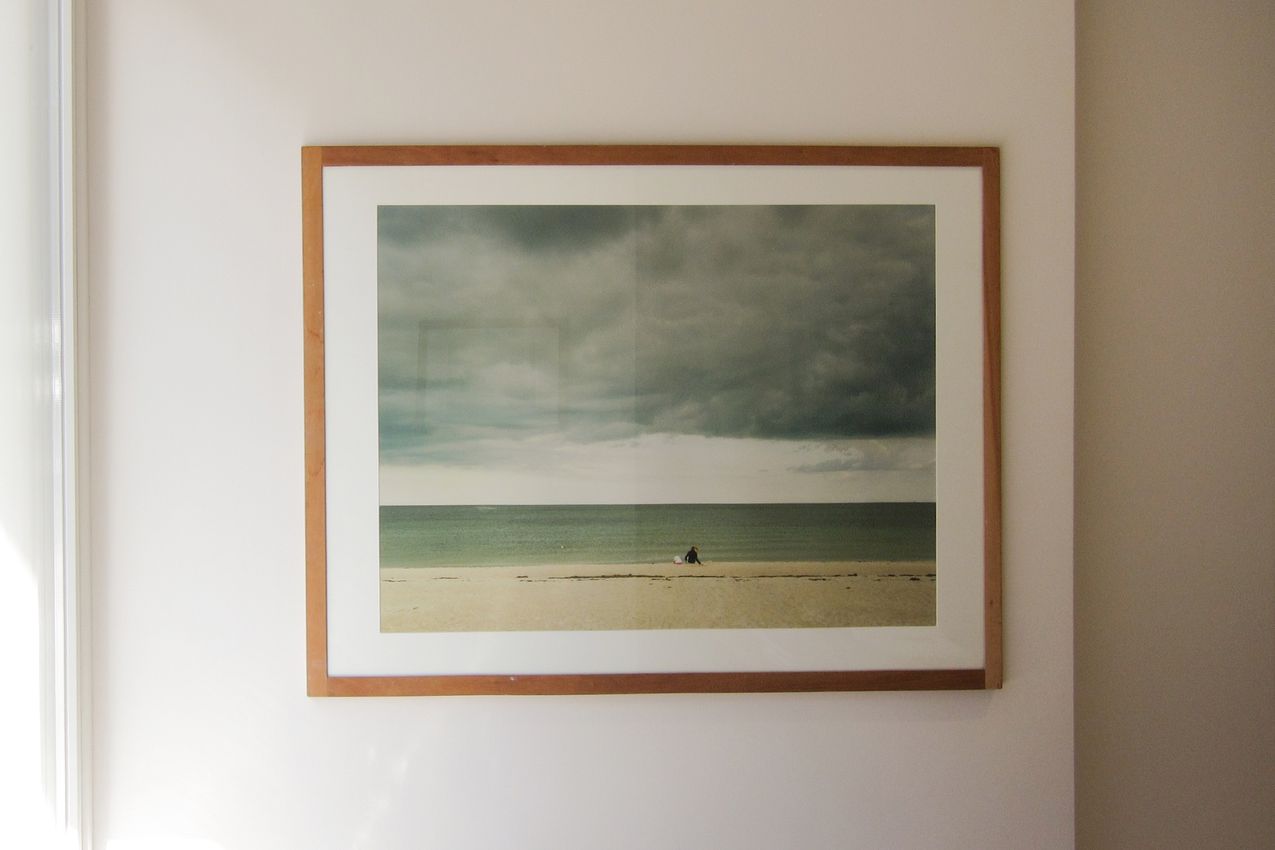
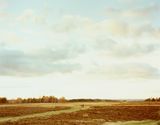
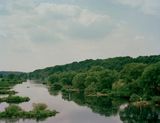
And then another turn. He returned to Germany, and in 2004 he started to photograph German landscapes with a plate camera: Heimat. But he photographed them like paintings, like Mönch am Meer by Casper David Friedrich or paintings by Pieter Brueghel. Because the landscapes of home cannot be viewed in isolation. Memories, things learned, heard, and experienced, lurk everywhere, and our own culture contributes to our gaze.
With his tree volte-faces, Peter Bialobrzeski seismographically anticipated current developments: from a still manageable, hand-made world he went into the world of globalisation and digitisation, and now there is a longing to return to the borders of his own country.
Galerie Albrecht is pleased to be able to show vintage prints—first prints made by the artist himself—from these three series.
Peter Bialobrzeski was born in Wolfsburg in 1961; he lives and works in Hamburg and the world. After getting a degree in politics and sociology, he studied photography at the Folkwang Schule in Essen and at the London College of Printing. He is professor of photography at Hochschule der Künste Bremen. In 2003 and 2010, he received the World Press Photo Award, and in 2012 the Erich Salomon Award of the DGPh in Cologne. His work can be found in numerous private and public collections, including Museum für Kunst und Gewerbe Hamburg, FC Gundlach Collection, Hamburg, Ruhrmuseum Essen, Fotoforum Köln, Museo di Fotografia Contemporanea Milano, DZ Bank Frankfurt/M, Hessische Landesbank Frankfurt/M, Quandt Holding Frankfurt/M, ING Bank Netherlands, Deutsche Börse Group Frankfurt/M, Museo Vaticano in Rome and Uni Credit Art Collection in Munich.
Peter Bialobrzeski studied Politics and Sociology before he became a photographer for a local paper in his native Wolfsburg/Germany. He travelled extensively in Asia before he went to study photography and design at the Folkwangschule Essen and the London College of Printing. Within the last 16 years he has published sixteen monographic books, XXXholy, NEONTIGERS, HEIMAT, Lost in Transition , Paradise Now, Case Study Homes, Informal Arrangements, The Raw and the Cooked, Nail Houses, Cairo Diary, Athens Diary, Wolfsburg Diary, Taipei Diary, Kochi Diary and recently Die zweite Heimat as well as Beirut Diary. His work has been exhibited in Europe, USA, Asia, Afrika and Australia. He won several awards including the prestigious World Press Photo Award 2003 and 2010. Peter Bialobrzeski has been a visiting professor for photojournalism at the University of Essen in 1998/99. Since 2002 Peter is a regular Professor for photography at the University of the Arts in Bremen/Germany. Furthermore he runs workshops around the world. He is represented by Laurence Miller Gallery in New York, LA Galerie in Frankfurt/Germany and Galerie Albrecht in Berlin, as well as at m97 Gallery in Shanghai. In 2012 he was honoured with the Dr. Erich Salomon Award by the German Society of Photographers (DGPh).
Established by Susanne Albrecht in 1986 off the heels of her studies in philosophy, art history, and Italian philology at Freie Universität Berlin and Ludwig-Maximilians-Universität München, Galerie Albrecht represents young European and Asian artists as well as influential established European and American post-War and contemporary artists.

A respected voice in contemporary art discourse.
Focusing on ambitious storytelling and insightful art-world commentary. Ocula Magazine publishes in-depth interviews, critical essays and timely analysis on the artists, exhibitions and ideas driving the global art world.
Learn more about Ocula Magazine
Showcasing the best of the art world.
Ocula partners with galleries from around the world to highlight their artists, artworks and exhibitions. Gallery membership is by application and invitation, with each member vetted by an independent panel.
Learn more about Ocula Membership

Specialises in the sale of major artworks.
Led by a team with deep ties to the world’s leading auction houses, galleries and collectors. Ocula’s advisory team offers bespoke services to high-net-worth clients from around the world who are looking to acquire the best of contemporary and modern art.
Learn more about our team and services