Press Release

The term ‘garden’ is associated with happy feelings, it is a place we long for. A garden is an enclosed plot of land, sometimes surrounded by an impenetrable hedge, a high fence or wall, or it is located behind a house and remains completely hidden from passers-by. Because in the garden we want to be protected from the eyes of others, from the misery of the world, and just take pleasure in the lovingly cultured or indeed untamed and uncontrolled nature. In a garden, we can relax. Paradise is a garden, in the Bible it is called the Garden of Eden. But like everything that needs looking after, a garden can also become a burden. It requires at least a little work; there is no limit for those who want to do more. At the very least, the plants need to be watered and pruned, it is also possible to dig, rake, put in beds, erect trellises, plant and harvest vegetables and fruit. Often, the work is ruined by pests, which after all is also part of a garden.

Gardens have been painted throughout the centuries; they were especially popular as a motif with the Impressionists– gardens have written art history. Just think of Monet’s water lilies or Luncheon on the Grass by Manet, or the gardens of Hieronymus Bosch. To this day, big nature in a small enclosure provides a proximity to growth and decay, and the discovery of many painterly details.

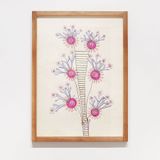
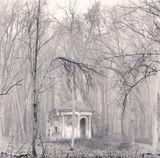
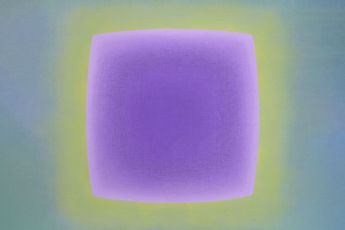
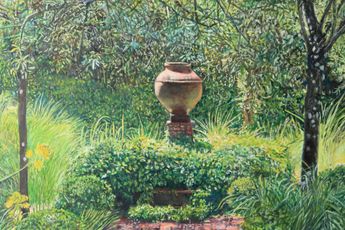
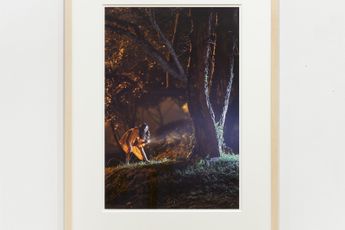
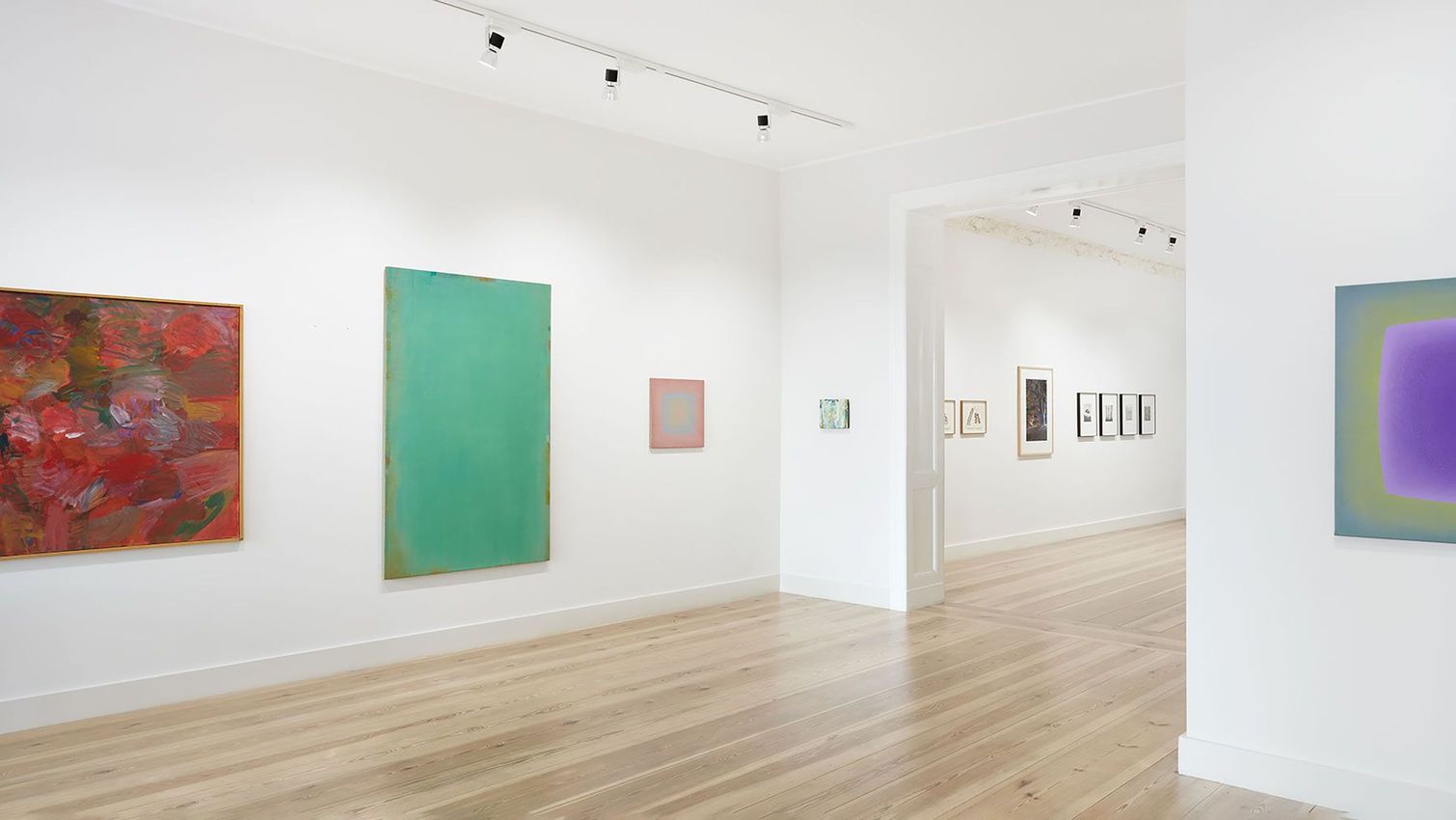
We asked artists from the gallery programme for pictures of gardens, and many responded. Photographer Michael Kenna (_1953) sees the garden delicately drawn, painterly or in a nocturnal light, which we can also find with the photographer duo Hisaji Hara (_1964) and Natsumi Hayashi (_1982), illuminated from a mysterious, artificial source of light. The paintings by Michael Toenges (_1952) provide abstract views of a wild garden, while the paintings by Peter Tollens (_1954) show views of a delicate and well-maintained one. Chen Ruo Bing (_1970) captures the light: bright and luminous, or delicate and wan. In the work by Sigrid Kopfermann (1923–2011), we see a vegetal red. Silke Leverkühne (_1953) creates the illusion of a garden with free gestural brush strokes, whereas Rafael Cidoncha (_1952) does so with detailed, discreet ones. Anna Zemankova’s (1908-1986) starting point is human cultural history. In her collages of paper and fabric, plants are fictitious. On the one hand, a flower, an ear, or a branch, on the other hand, an invention made up from numerous elements found in folk art and art from all over the world.

For this show, we have also invited Nozomi Hasegawa (*1987) to contribute. Her paintings describe a vague, fragmentary perception. Many details are placed together without however creating anything concrete. ‘The virtuality of the world cannot be resolved’, she says, because it is a given from the beginning. Only what she sees exists, it is created through seeing. So is there a difference between the garden painted by her, and one virtually created? This question can be posed, but it doesn’t diminish the joy we take in gardens.

Read More

Installation Views

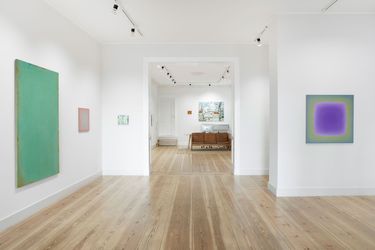
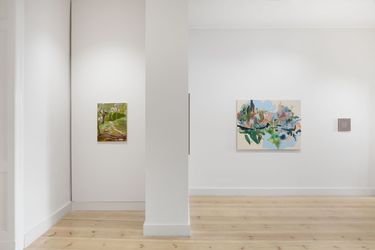
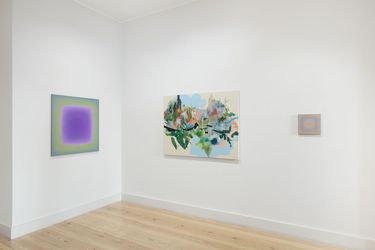
Exhibition view: Group Exhibition, Sommergärten, Galerie Albrecht, Berlin (3 July–13 September 2025). Courtesy Galerie Albrecht. Photo: Sandy Volz.

Selected Works

Loading...

Artists Exhibiting

About the Gallery

Established by Susanne Albrecht in 1986 off the heels of her studies in philosophy, art history, and Italian philology at Freie Universität Berlin and Ludwig-Maximilians-Universität München, Galerie Albrecht represents young European and Asian artists as well as influential established European and American post-War and contemporary artists.

View Gallery Profile
Address
Bleibtreustr. 48
Berlin
Germany
Opening Hours
Tuesday–Saturday, 12pm–6pm
(1)
Berlin Bleibtreustr. 48
Galerie Albrecht
Bleibtreustr. 48, Berlin, Germany

Opening hours
Tuesday–Saturday, 12pm–6pm
The art world in focus