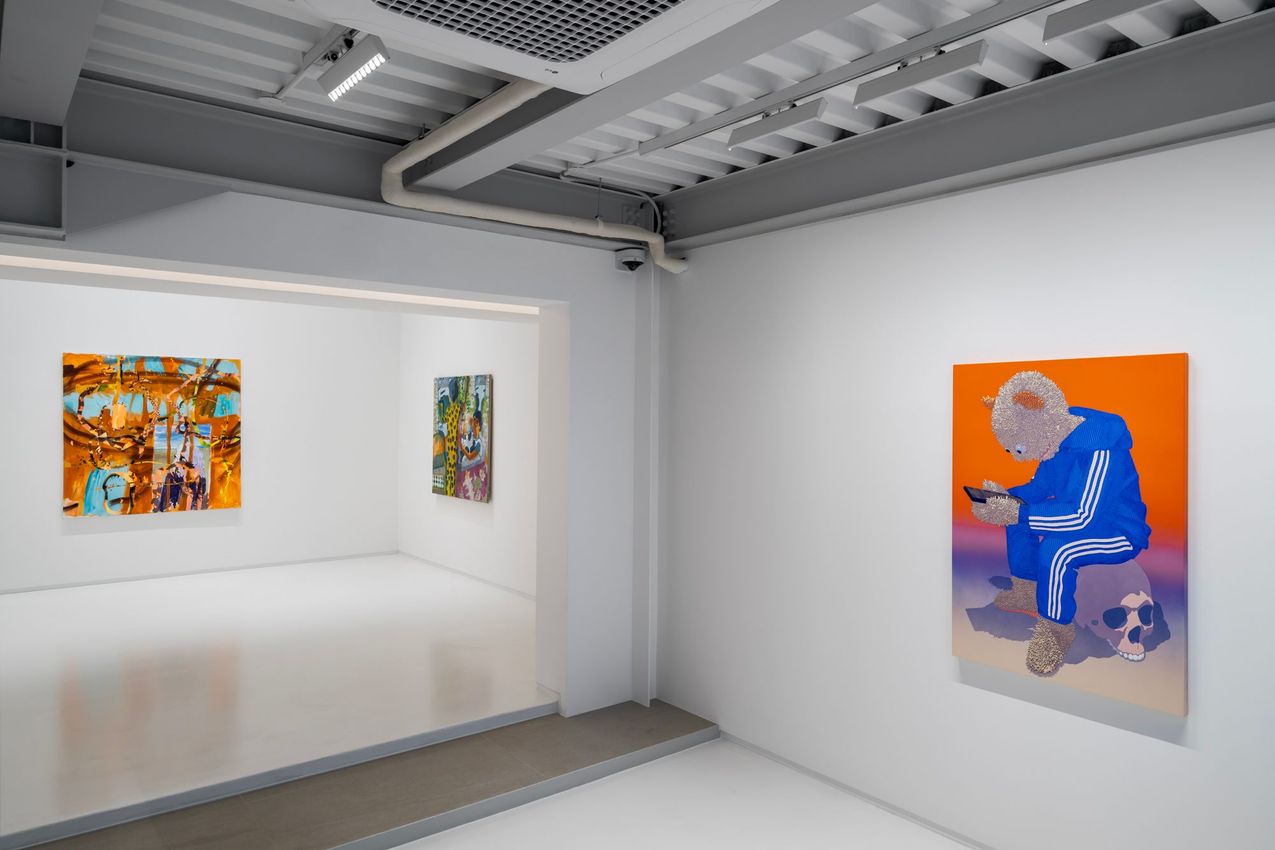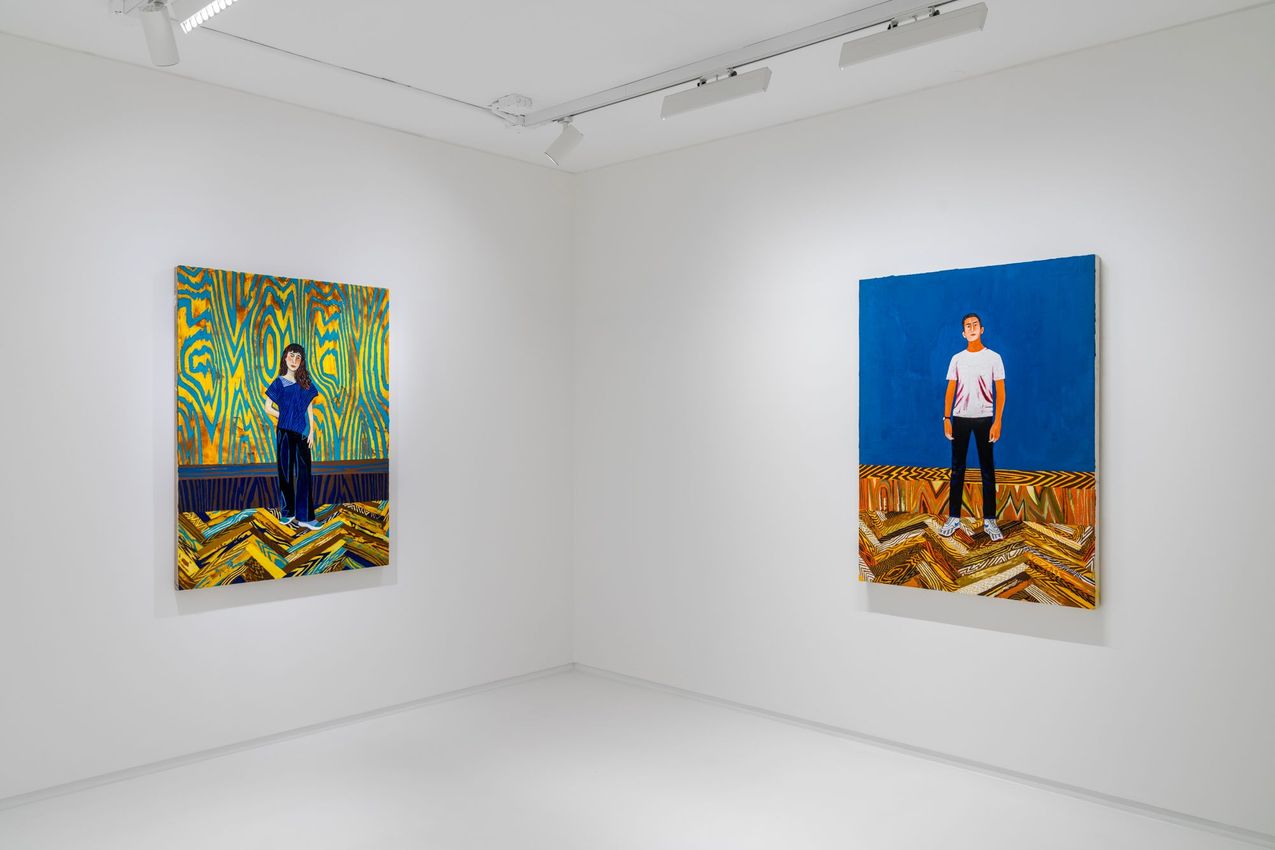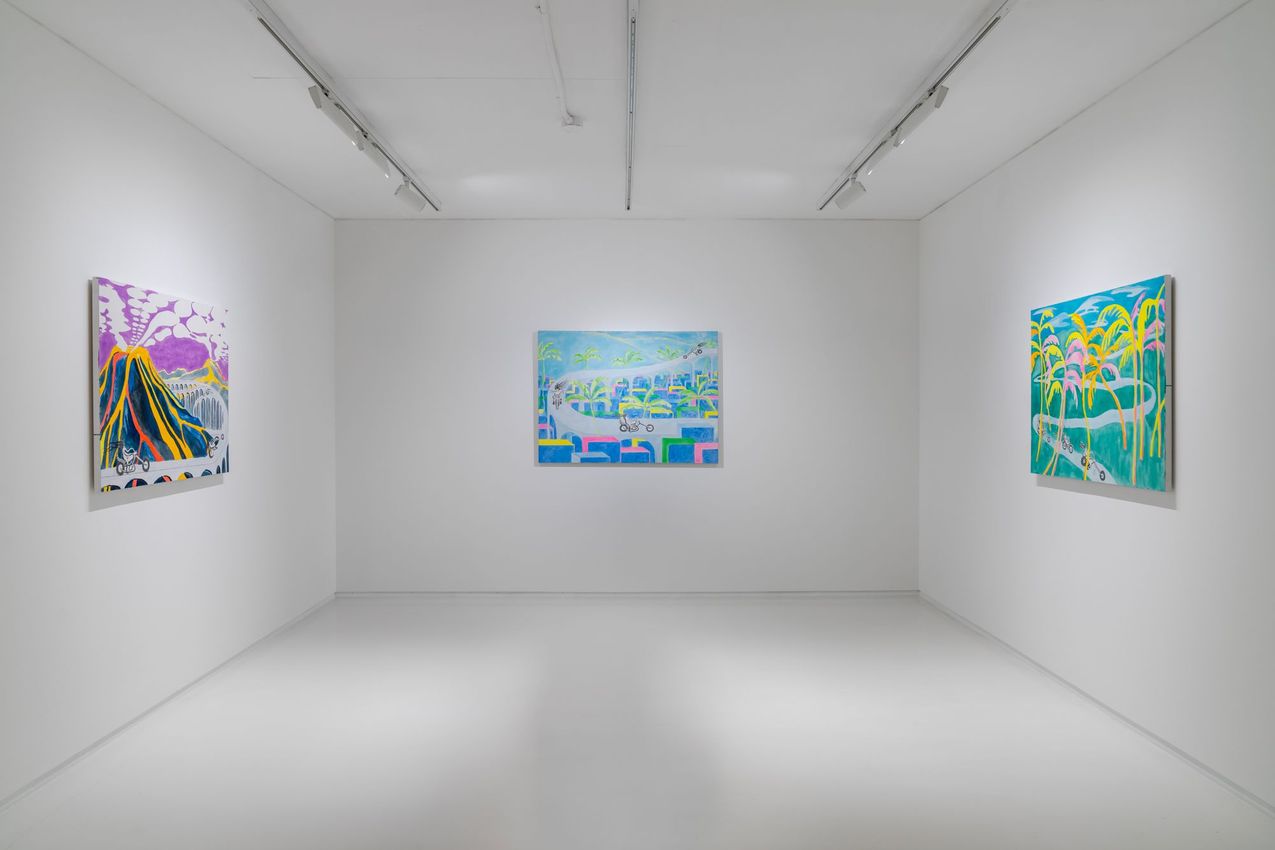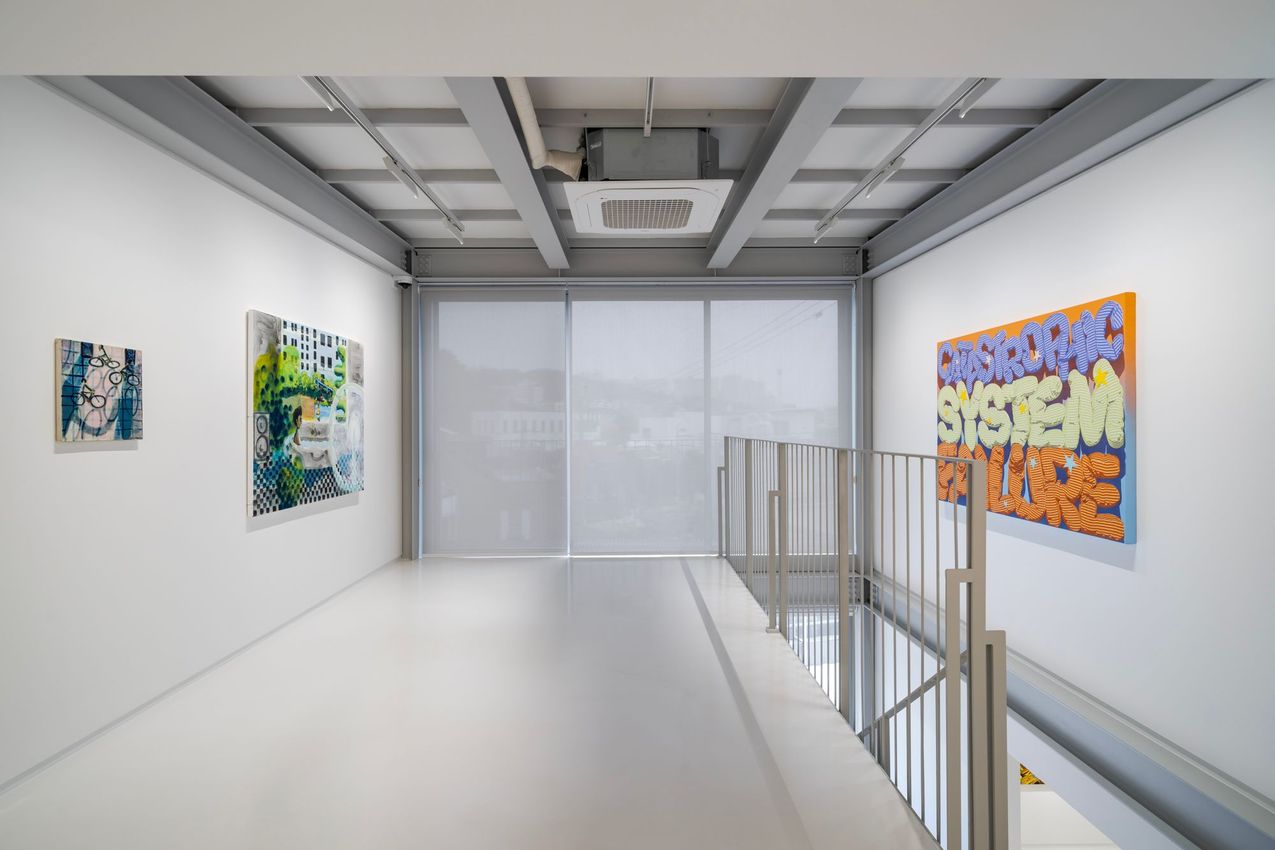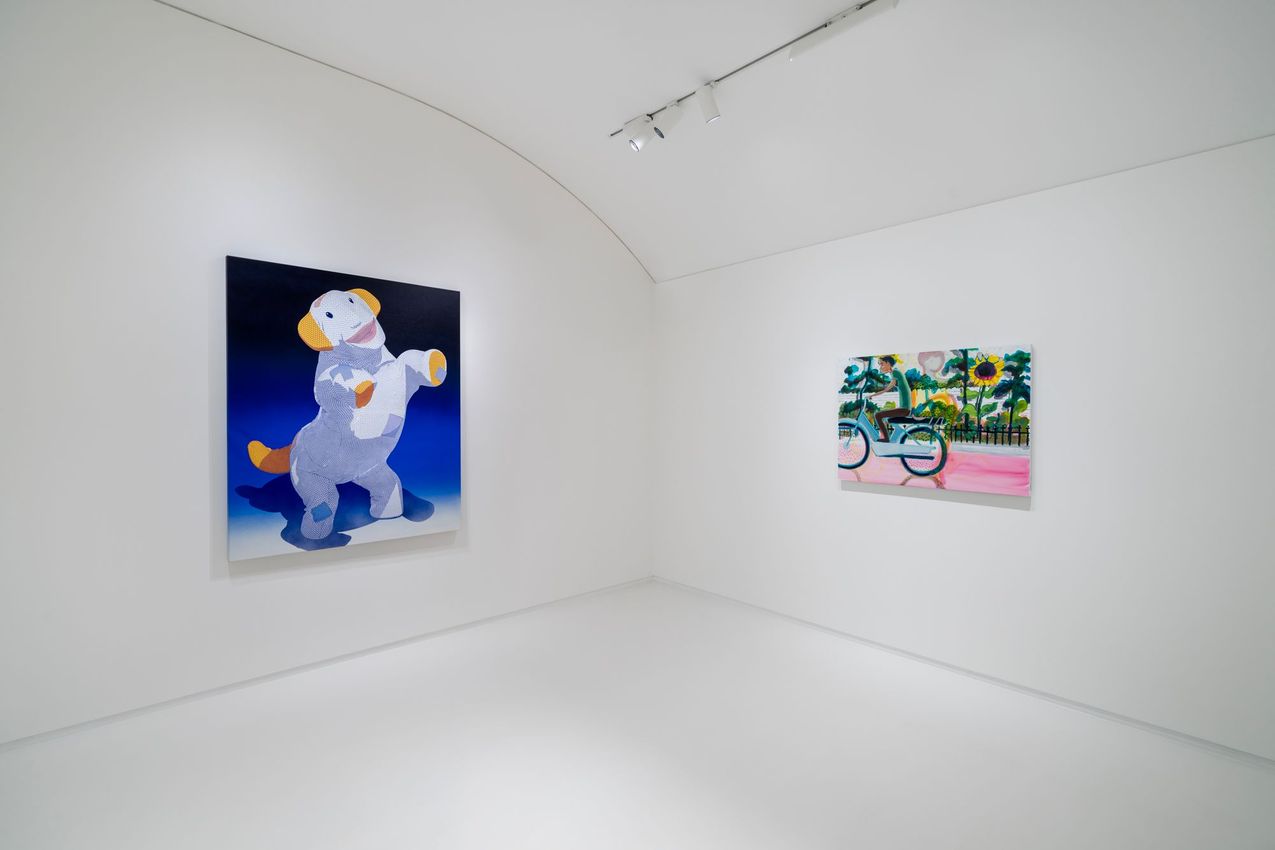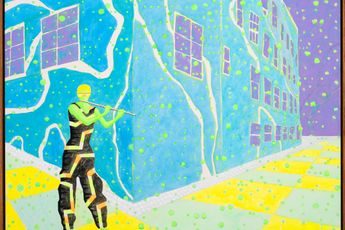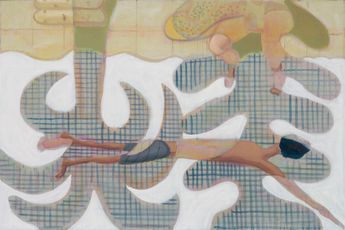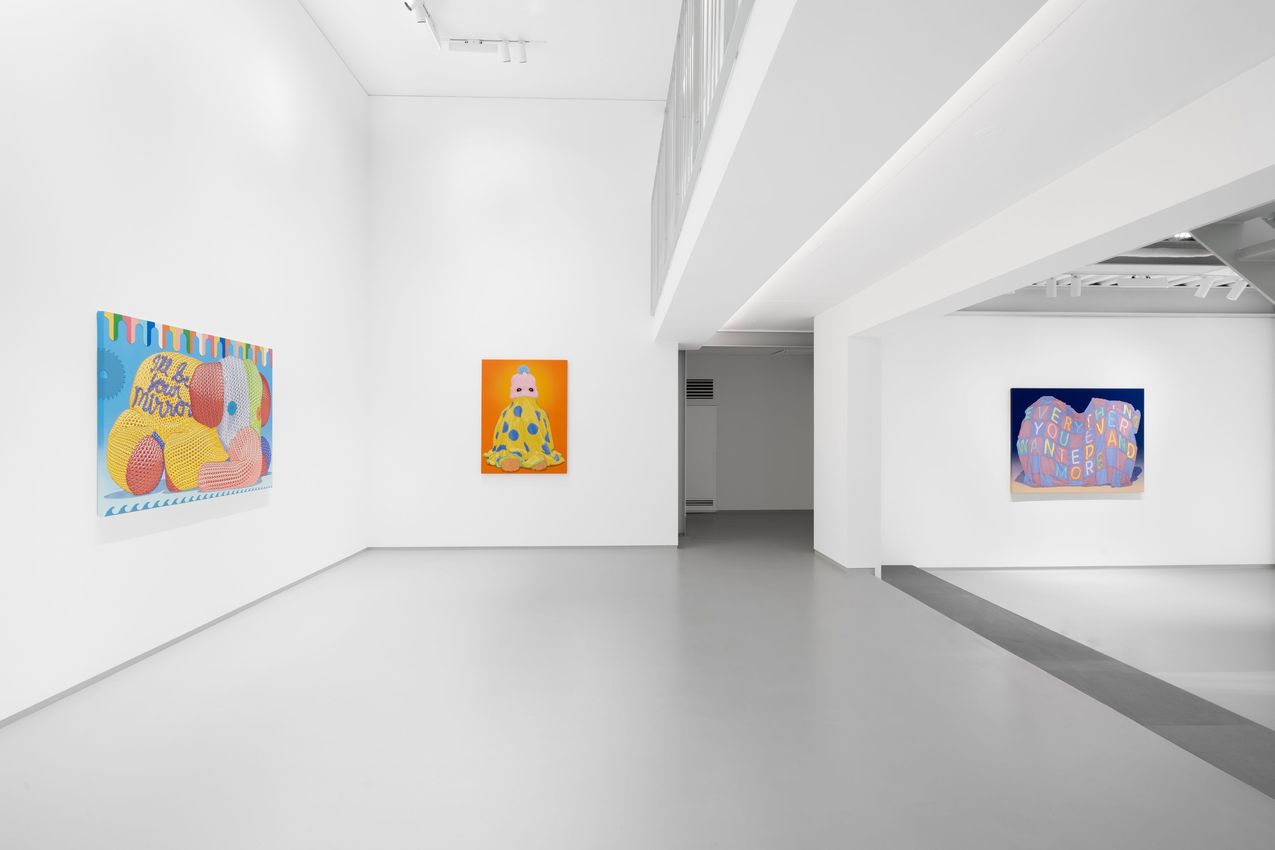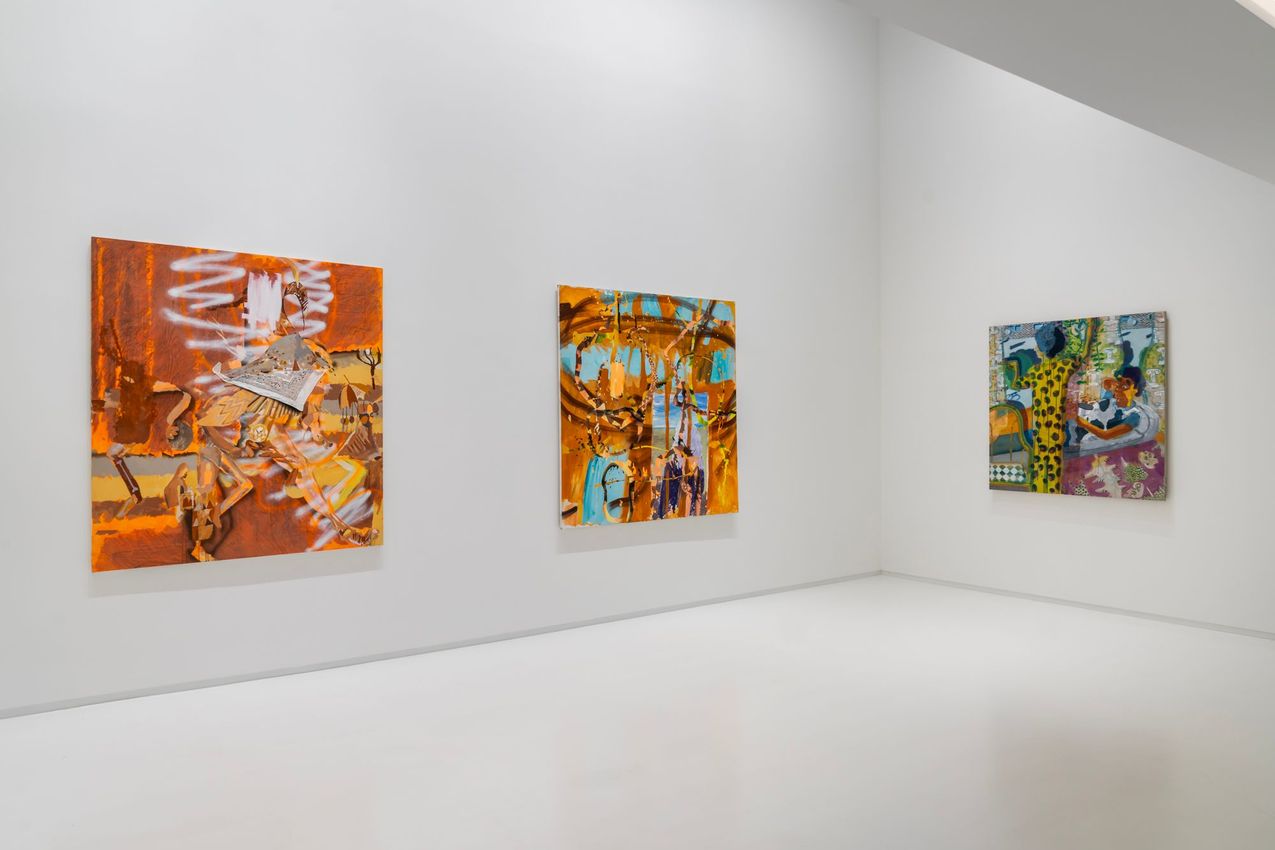
Organized by the renowned curator and critic Dan Cameron, Dream Life brings together five artists who, each in his own distinctive way, are devising new modes of representation in American painting today. Highly regarded among the artistic community, their works are exhibited and collected by prominent institutions, including MoMA, LACMA, the Whitney, and the Metropolitan Museum. Still, little of this art has been given much exposure in Korea. This show provides a snapshot of the artistic energies being generated, particularly in figurative painting, in the creative hubs of America today.
In their 30s and 40s, and based in New York, Los Angeles, and Chicago, these artists’ practices reflect a shared generational interest in image-making as influenced by the cross-pollination of cultures and the ascendance of new media. ‘Grounded in representation without actually being fully committed to its principles,’ as Cameron notes, their work engages with enduring issues of form, colour, texture, and gesture in painting, in order to reinvent this traditional genre in diverse, contemporary ways.
Of Hispanic and Native American heritage, Esteban Cabeza de Baca employs a range of painterly techniques, entwining layers of graffiti, landscape elements, and pre-Columbian pictographs in works that deconstruct and expand upon the language of European landscape painting and abstraction. His references range from petroglyphs, from which many of his motifs derive, to Jackson Pollock, whose drip technique, the artist notes, was in turn influenced by Navajo sand painting.
A different kind of riff on ancient traditions is seen in the work of Alex Dodge, who divides his time between New York and Tokyo. Combining advanced digital tools with traditional techniques—particularly those shaped by his time in Japan, such as ukiyo-e block printing and katazome stenciling process—he produces colorful and tactile scenes featuring figures that hover between the digital and the analogue, between the real and the imagined.
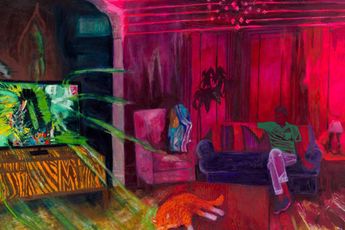
The figures in Raffi Kalenderian’s work, portraits of his friends and fellow artists, also seem to occupy an ambiguous realm between the real and the fanciful, embedded as they are in vibrant, textured, and colourfully patterned surroundings that appear as projections of their inner lives, a blending of their psyche and the external world. Though distinctly contemporary moments caught in time, these paintings also echo a range of historical modes from Vuillard to Hockney.
A similar vibe of low-key surreality pervades the canvases of Tyson Reeder, whose strangely deserted landscapes of palm trees, beaches, and winding freeways, rendered almost casually in a washed-out Fauvist palette, evokes the abiding mythos of American slacker subculture. Often featuring long-haired riders on motorcycles, these scenes—miles away from the documentarian appropriation of, say, Richard Prince’s Girlfriend—exist in some hazy, atemporal, and thus timeless, dimension.
The sense of displacement from concrete time and place also infuses the work of Miko Veldkamp, a transplanted New Yorker who was born in Suriname and grew up in the Netherlands. Resonant with a feeling of diasporic otherness, his paintings are populated by figures who are shape-shifting variations of himself, rendered in fantastical scenes in dreamy, translucent layers that elide moments of remembered and imagined experiences. Divergent in their subjects, techniques, and intellectual affinities, the works in Dream Life convey a richly varied experience of the contemporary world, ‘whether seen through an imagined lens of pixilation,’ as Cameron observes, ‘or all-encompassing backdrops, as subjects glimpsed in smudgy anonymity or captured in portrait form, or in the form of landscape serving as the vehicle for a feast of sensory pleasures.’


Since its inception in 2009 as an art consultancy in Seoul, BB&M has been instrumental in the rise of some of the most acclaimed contemporary Korean artists on the international stage. BB&M’s current iteration as an independent gallery is a collaboration between James B. Lee (Founding Principal) and Si Young Hur (Principal), who brings extensive experience as director and partner in Seoul’s leading galleries, where she was responsible for exhibitions of such artists as Thomas Struth, Olafur Eliasson, Liam Gillick, and Yun Hyong-keun, a key figure in Dansaekhwa.

A respected voice in contemporary art discourse.
Focusing on ambitious storytelling and insightful art-world commentary. Ocula Magazine publishes in-depth interviews, critical essays and timely analysis on the artists, exhibitions and ideas driving the global art world.
Learn more about Ocula Magazine
Showcasing the best of the art world.
Ocula partners with galleries from around the world to highlight their artists, artworks and exhibitions. Gallery membership is by application and invitation, with each member vetted by an independent panel.
Learn more about Ocula Membership

Specialises in the sale of major artworks.
Led by a team with deep ties to the world’s leading auction houses, galleries and collectors. Ocula’s advisory team offers bespoke services to high-net-worth clients from around the world who are looking to acquire the best of contemporary and modern art.
Learn more about our team and services