



Goodman Gallery is pleased to present iconic works by Carrie Mae Weems in a special viewing room exhibition spread across two lower ground spaces at the gallery–organised in collaboration with Jack Shainman Gallery and Galerie Barbara Thumm.
The show runs concurrently to the artist’s largest UK exhibition to date at The Barbican, Reflections for Now (22 June – 3 September).
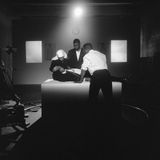
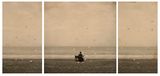
Steeped in African American history, Weems’s photographs and videos explore race, family, class, and gender identity. The artist, who has also worked in verse and performance, embraces activism throughout all her work—in particular, she looks to history in order to better understand the present. In the early 1990s, Weems rose to prominence with her ‘Kitchen Table’ series: intimate black-and-white photographs that undermine tropes of African American life and womanhood as they depict the artist seated at her kitchen table alone or alongside various other characters.
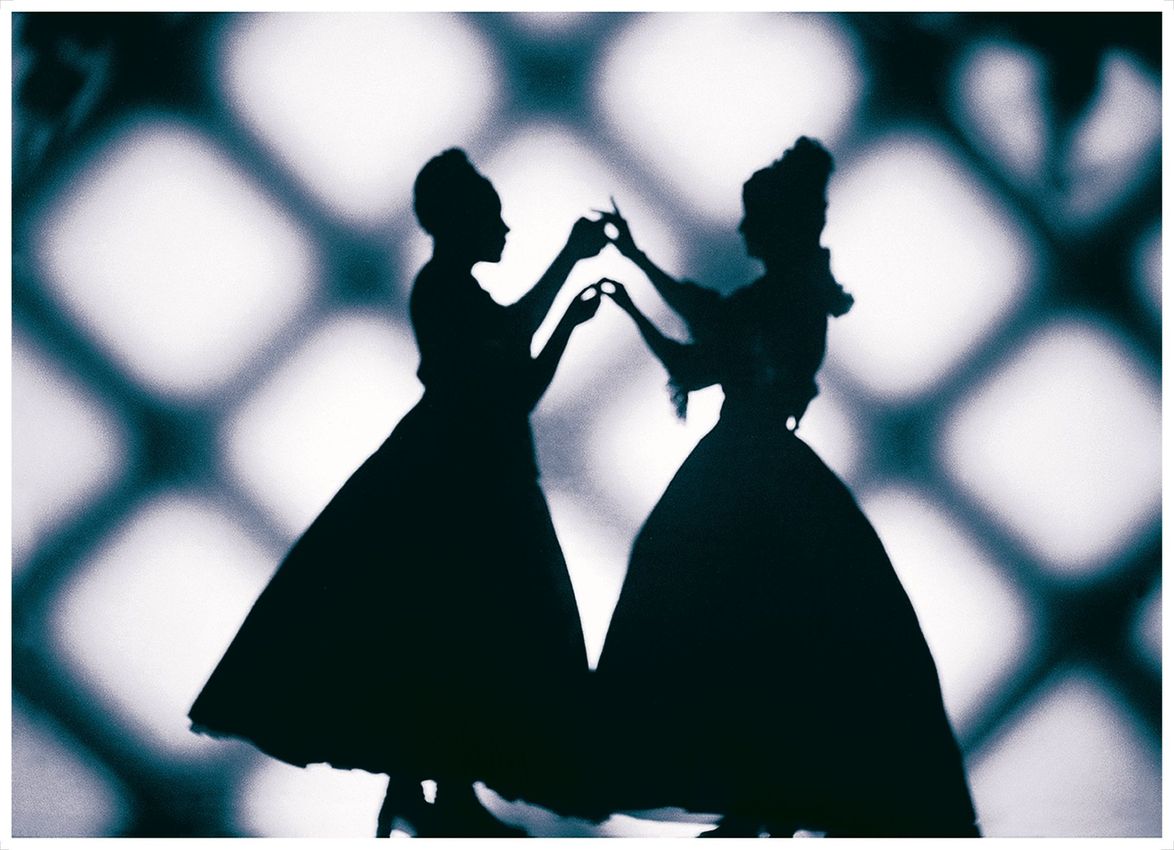
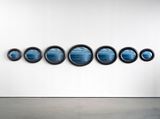
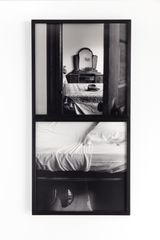
The ‘Louisiana Project’ (2003) examines the distant past of slaveholding and the state’s recent present, characterized by economic crisis and racial segregation. It takes as its starting point the ubiquitous New Orleans festival Mardi Gras as well as the parades and balls associated with all-white groups who parade through the streets during the annual celebration of Carnival.
The work considers a triad of relationships between white men, white women, and women of colour played out as a sort of shadow dance. It uses the symbolism of the mirror as a means of reflection on the region and its history and on attitudes about blackness and sexual identity. The work is an attempt by which Weems positions herself as a witness to both past and future histories. It is to be confronted by one’s own position as a viewer and to acknowledge the ever-present power of the gaze and perpetual struggle by women artists, in their work and in their persons, to control image.
‘The Louisiana Project’ is also currently on view at LUMA Arles, Carrie Mae Weems: The Shape of Things.
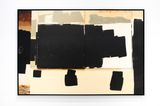
‘Blue Notes’ (2014) features portraits of black artists whose faces are covered by blocks of solid colour. The formal vandalism is at once a reflection and critique of America’s historical erasure of black artists. In Colour Real and Imagined (2014), Weems juxtaposes a portrait of singer and pianist Dinah Washington with bright, monochromatic square panels. This visual layering is a tool by which to analyse the extent to which aesthetics can act as a distorting force when it comes to issues of politics, gender, race, class and the social construction of identity.
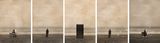
‘Untitled (Listening Devices)’ (2014) is a series of photogravure prints of communication devices that are posed as if having their portraits taken. The image of a simple megaphone, while next to it is the classic two cans connected by a string. Other squares are occupied by old fashioned telephones. Missing, of course, are references to smart phones of any kind. These mute objects, awaiting activation, suggest a failure in the act of communication. The portraits stress the need for the speaker and the listener to actively engage and hear each other out. The mute listening devices here demand us to actively listen; de-centre ourselves and our experiences.
Weems’s critically acclaimed contribution to art has universally foregrounded the learning and unlearning that must be done personally and collectively in the art world and museums regarding racism, sexism, pay equity, decolonisation, land acknowledgements, and so many other things. In ‘Listening Devices’, audiences are prompted to participate in this process.
Carrie Mae Weems is a leading American artist whose work across photography, text, fabric, audio, digital images, installation and video examines how power, history, visual culture and identity shape daily life. Over more than four decades she has developed a conceptually rigorous yet accessible practice that investigates racism, sexism, class and state violence, while foregrounding the depth, beauty and complexity of Black experience as part of a broader human story.
Goodman Gallery holds the reputation as a pre-eminent art gallery on the African continent, platforming art that confronts entrenched power structures and champions social change.

A respected voice in contemporary art discourse.
Focusing on ambitious storytelling and insightful art-world commentary. Ocula Magazine publishes in-depth interviews, critical essays and timely analysis on the artists, exhibitions and ideas driving the global art world.
Learn more about Ocula Magazine
Showcasing the best of the art world.
Ocula partners with galleries from around the world to highlight their artists, artworks and exhibitions. Gallery membership is by application and invitation, with each member vetted by an independent panel.
Learn more about Ocula Membership

Specialises in the sale of major artworks.
Led by a team with deep ties to the world’s leading auction houses, galleries and collectors. Ocula’s advisory team offers bespoke services to high-net-worth clients from around the world who are looking to acquire the best of contemporary and modern art.
Learn more about our team and services