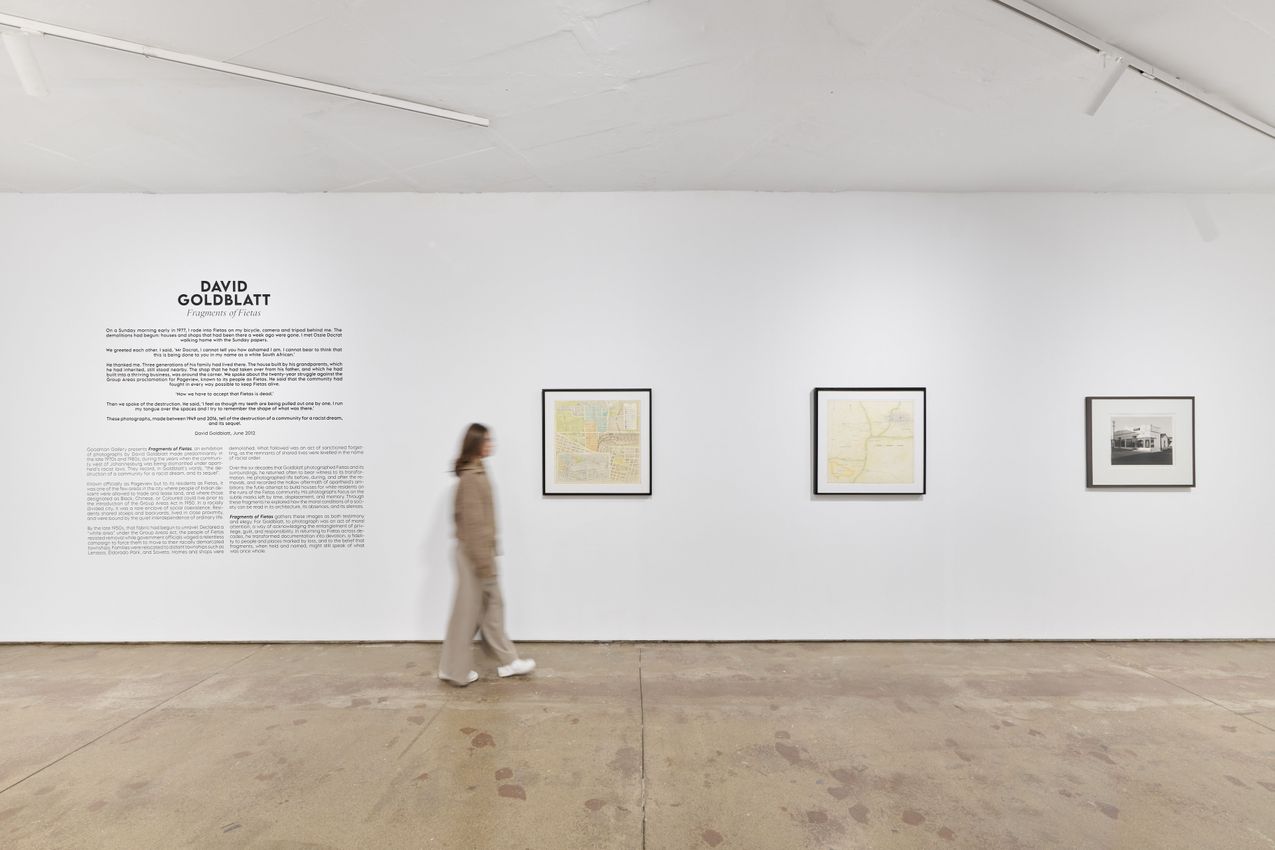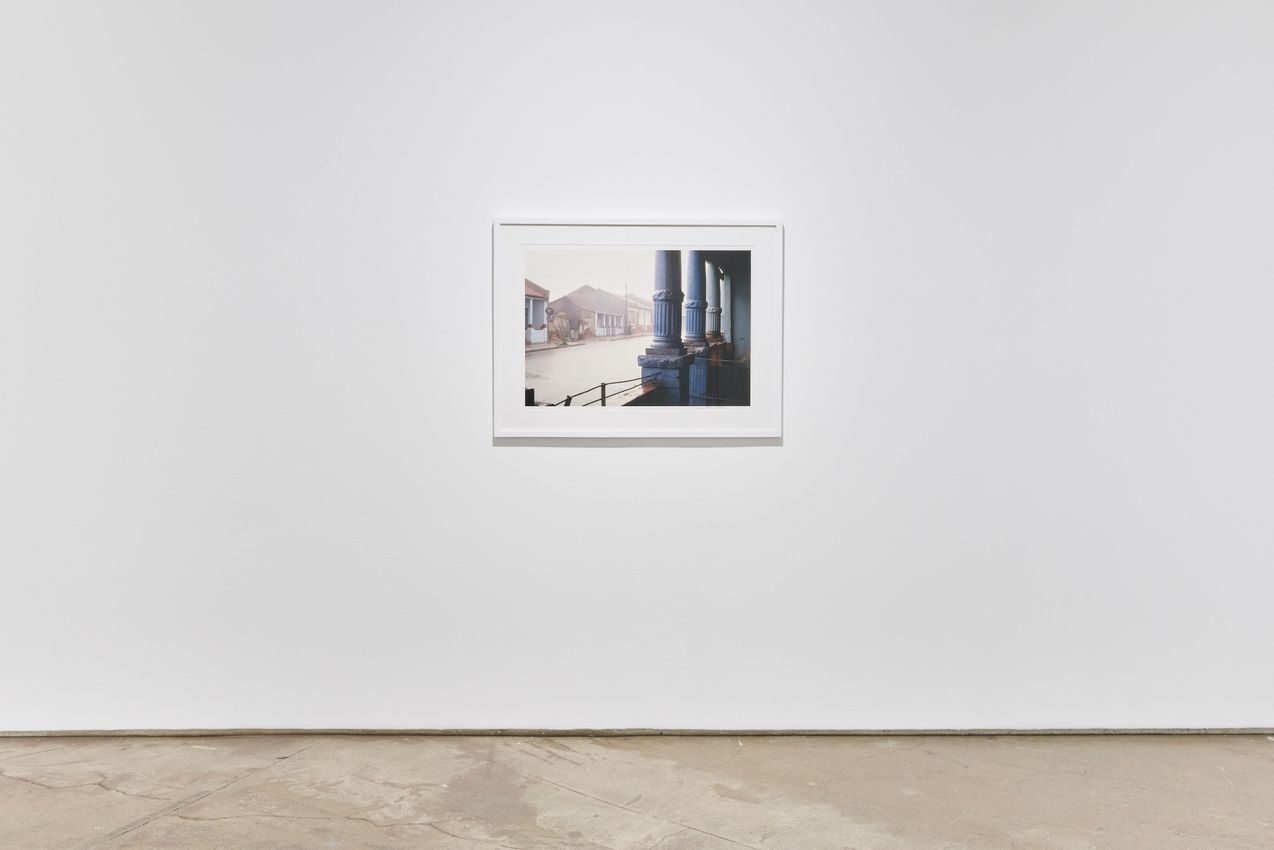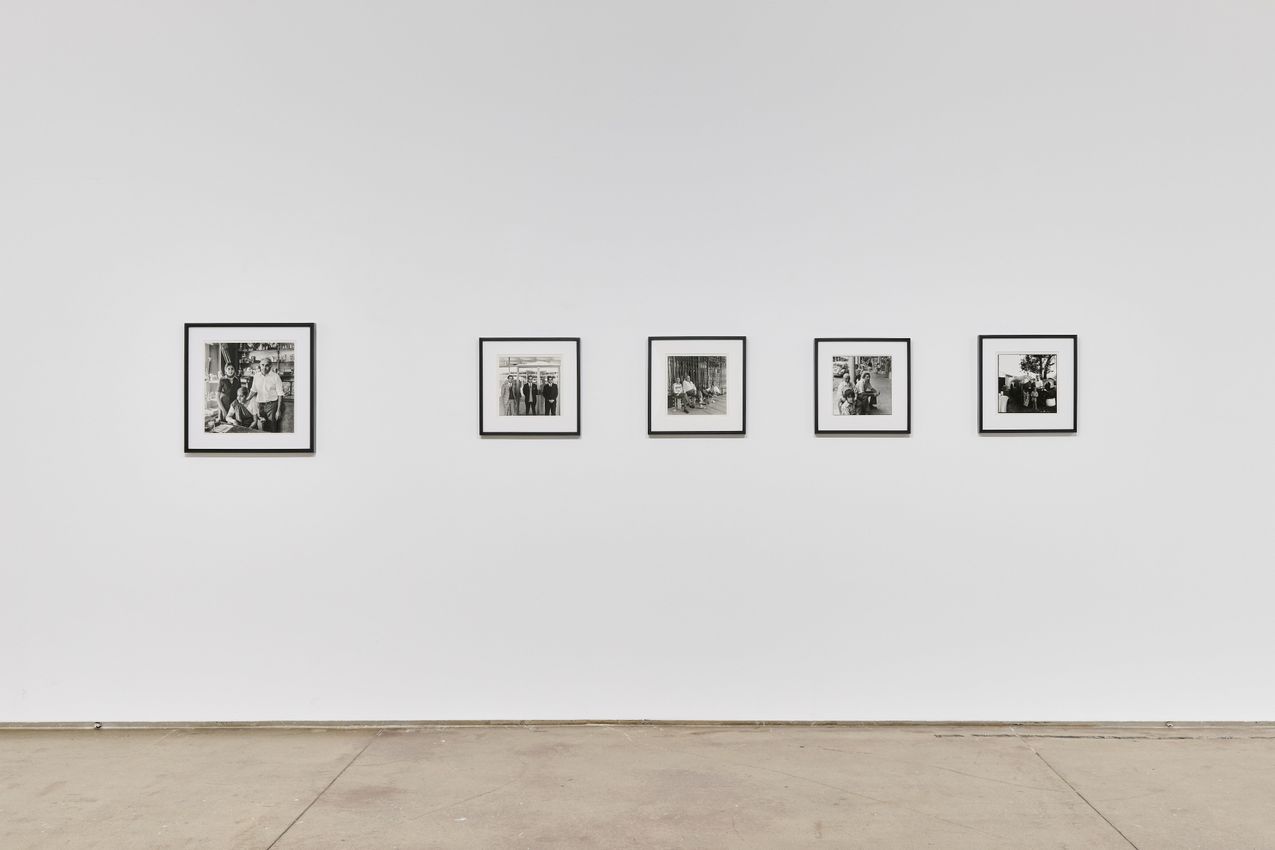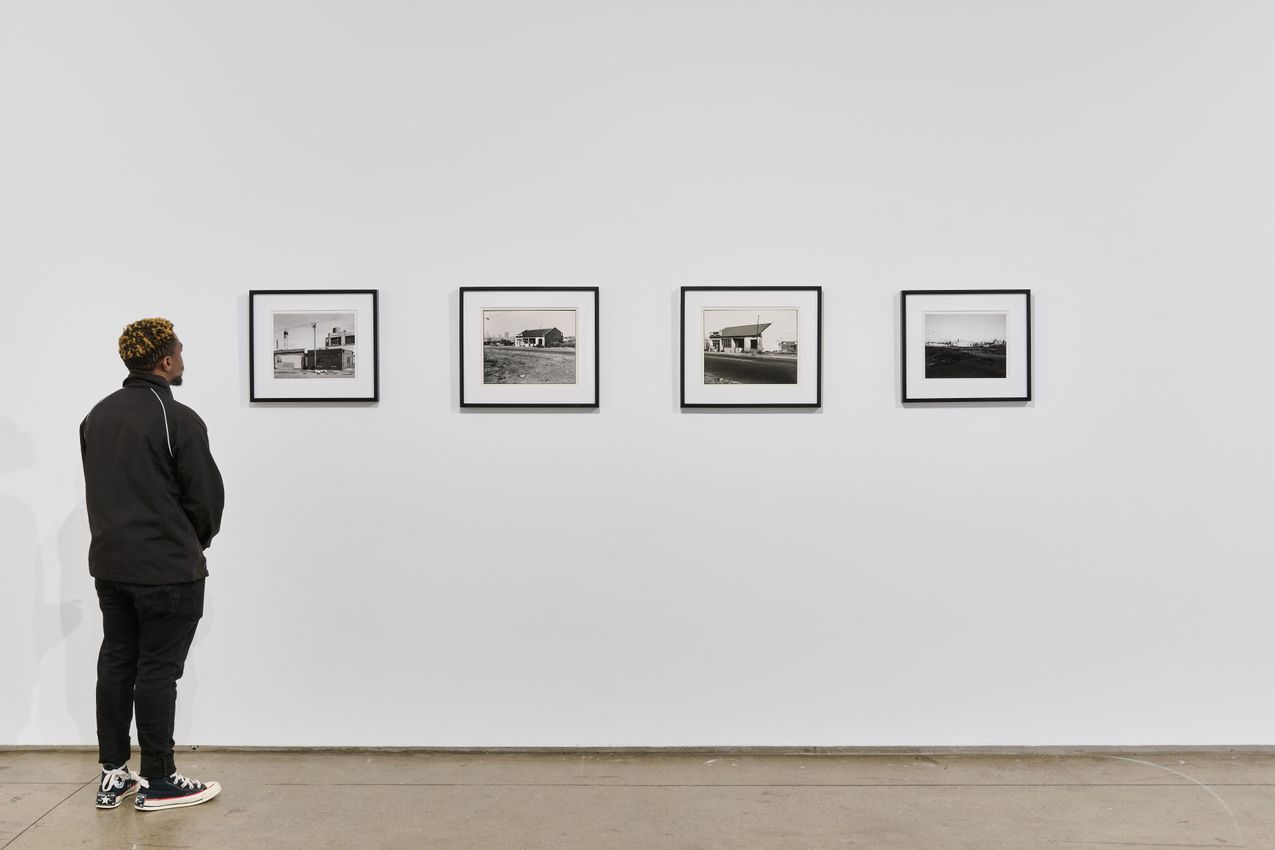
On a Sunday morning early in 1977, I rode into Fietas on my bicycle, camera and tripod behind me. The demolitions had begun: houses and shops that had been there a week ago were gone. I met Ossie Docrat walking home with the Sunday papers.
We greeted each other. I said, ‘Mr Docrat, I cannot tell you how ashamed I am. I cannot bear to think that this is being done to you in my name as a white South African.’
He thanked me. Three generations of his family had lived there. The house built by his grandparents, which he had inherited, still stood nearby. The shop that he had taken over from his father, and which he had built into a thriving business, was around the corner. We spoke about the twenty-year struggle against the Group Areas proclamation for Pageview, known to its people as Fietas. He said that the community had fought in every way possible to keep Fietas alive.
‘Now we have to accept that Fietas is dead.’
Then we spoke of the destruction. He said, ‘I feel as though my teeth are being pulled out one by one. I run my tongue over the spaces and I try to remember the shape of what was there.’
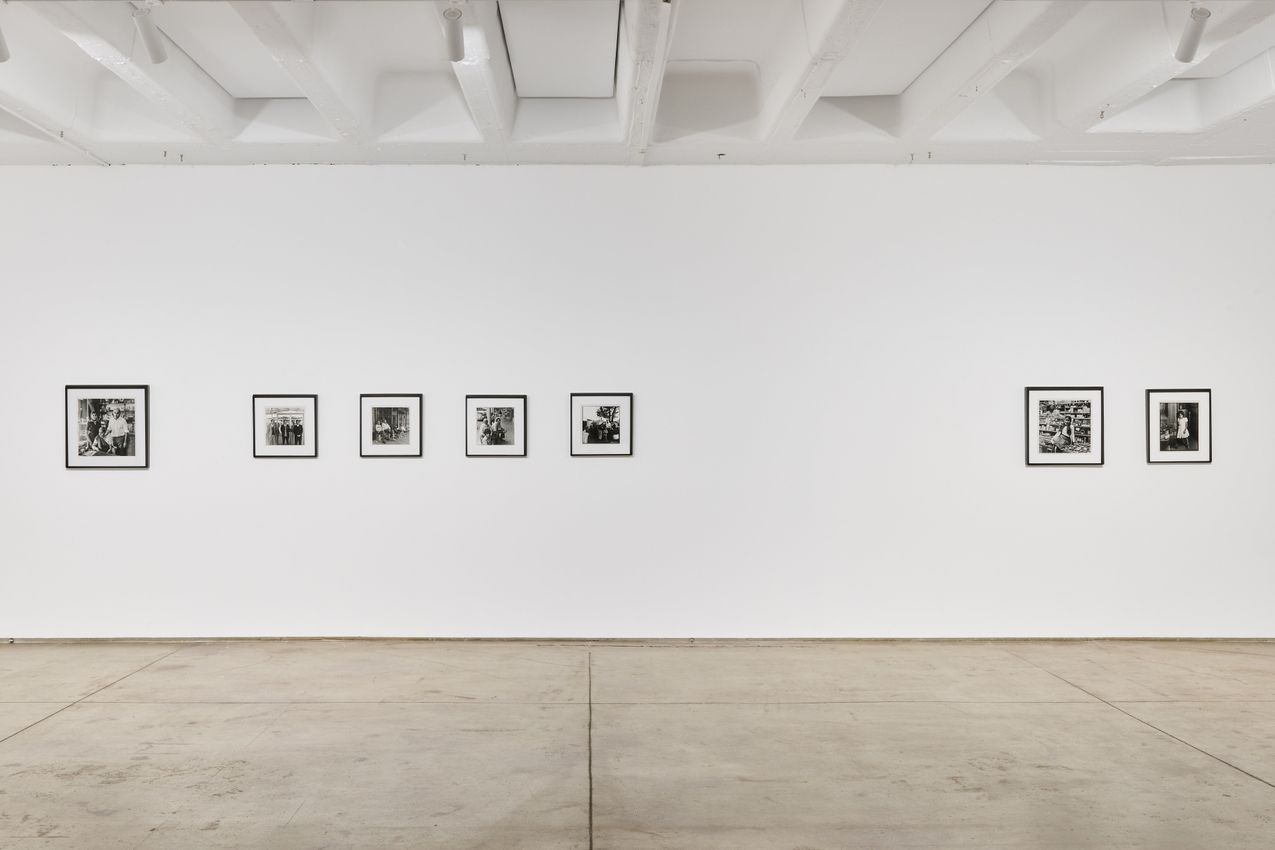
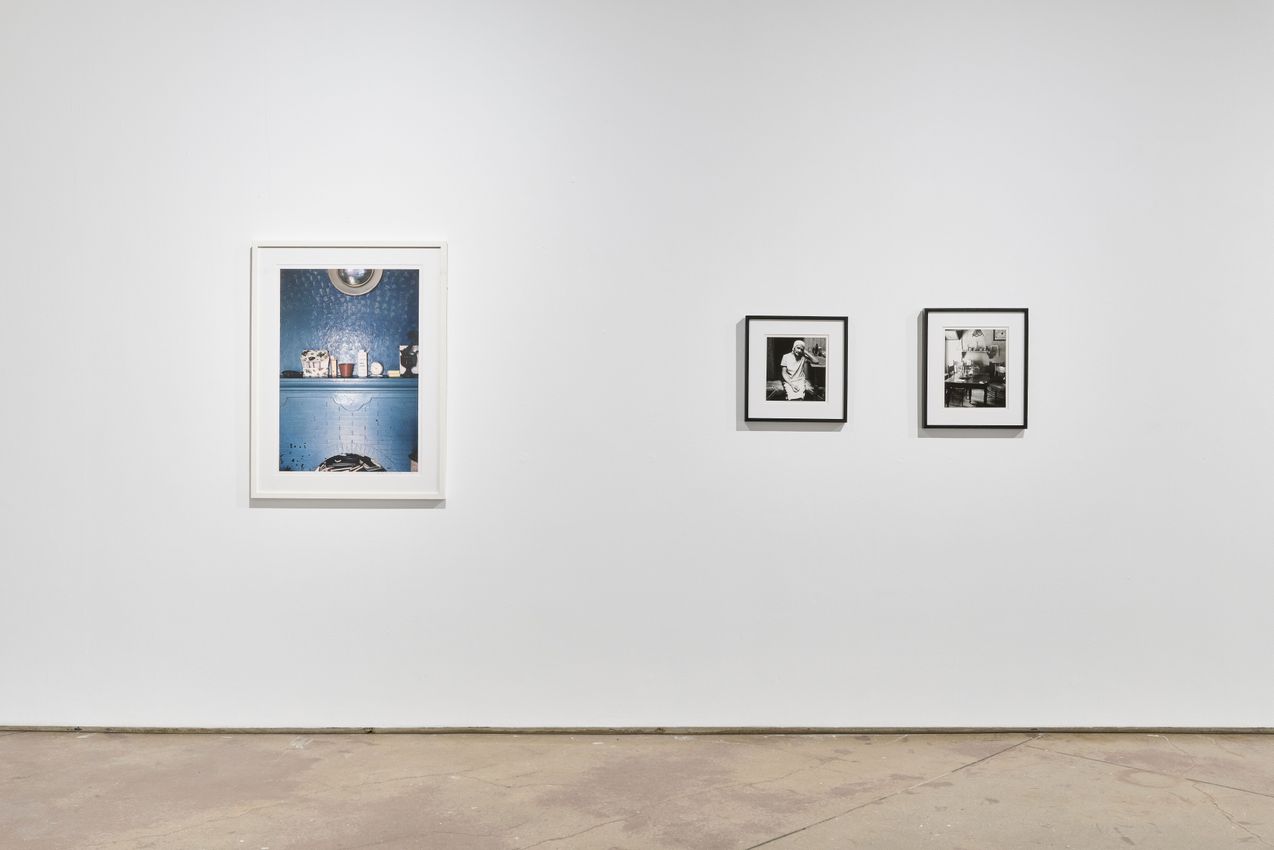
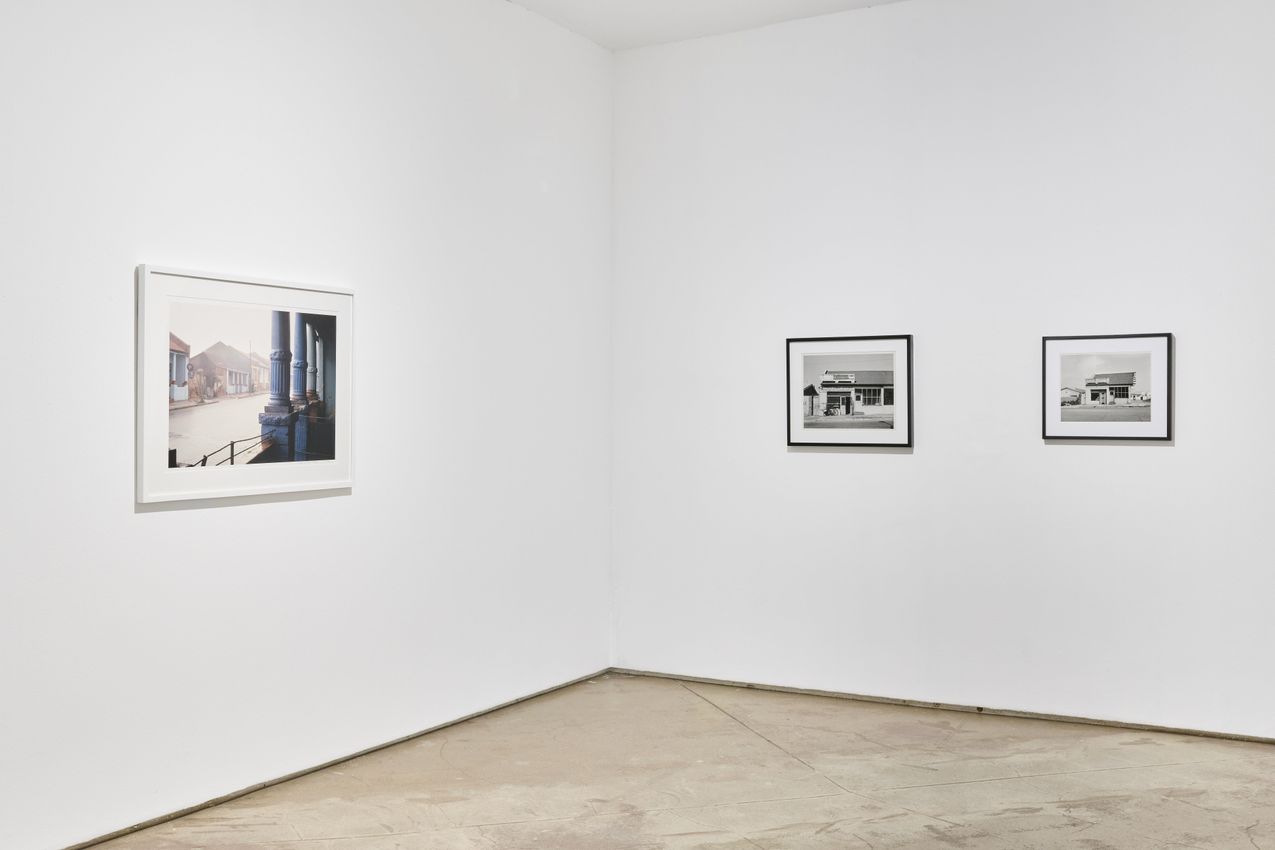
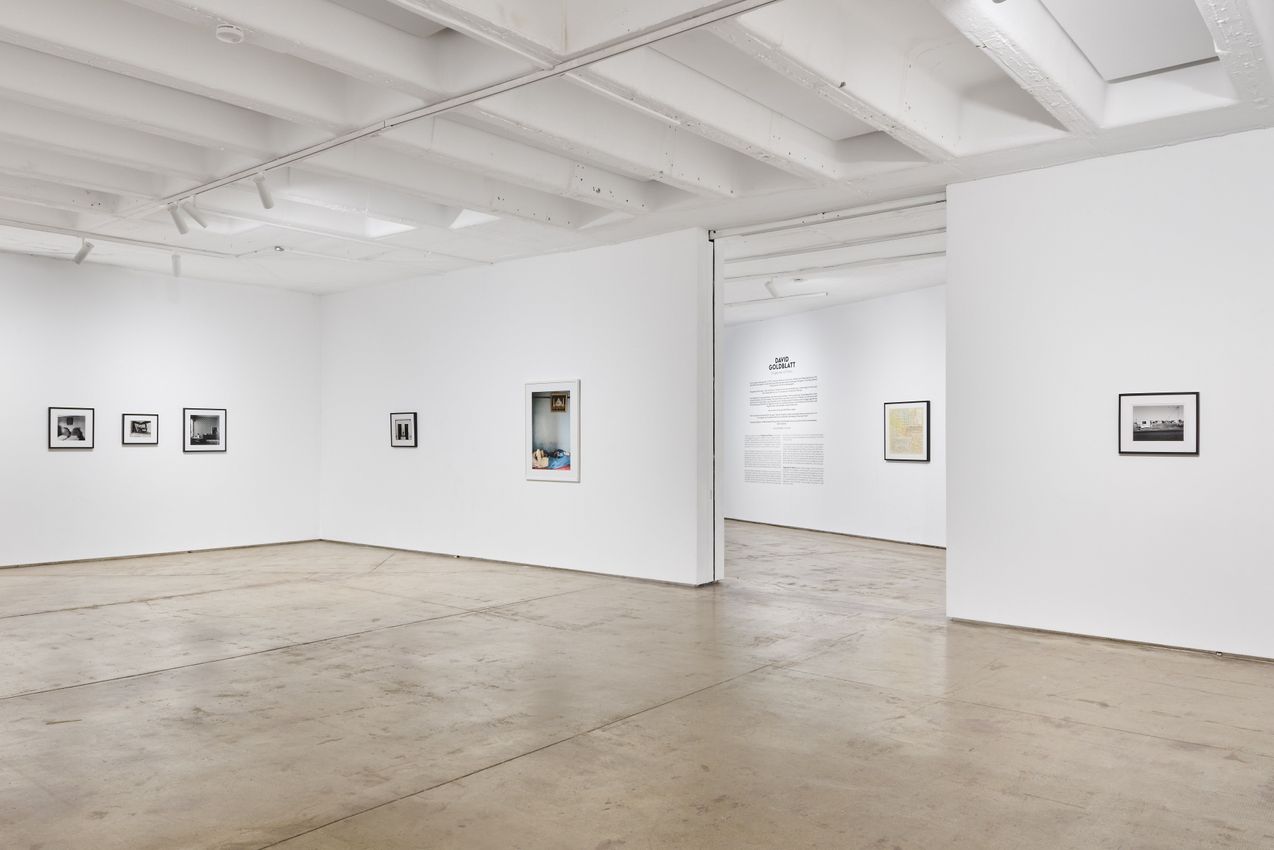
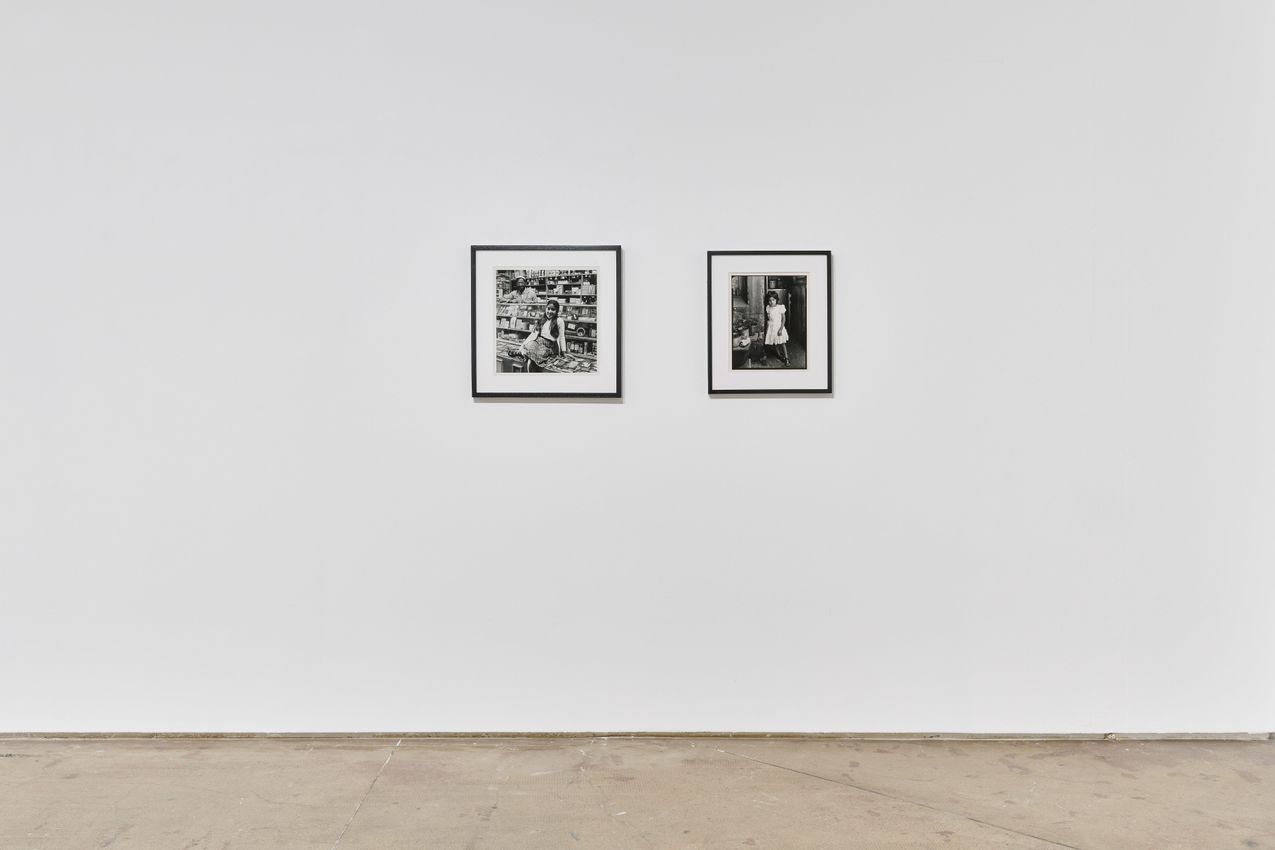
These photographs, made between 1949 and 2016, tell of the destruction of a community for a racist dream, and its sequel.
— David Goldblatt, June 2012
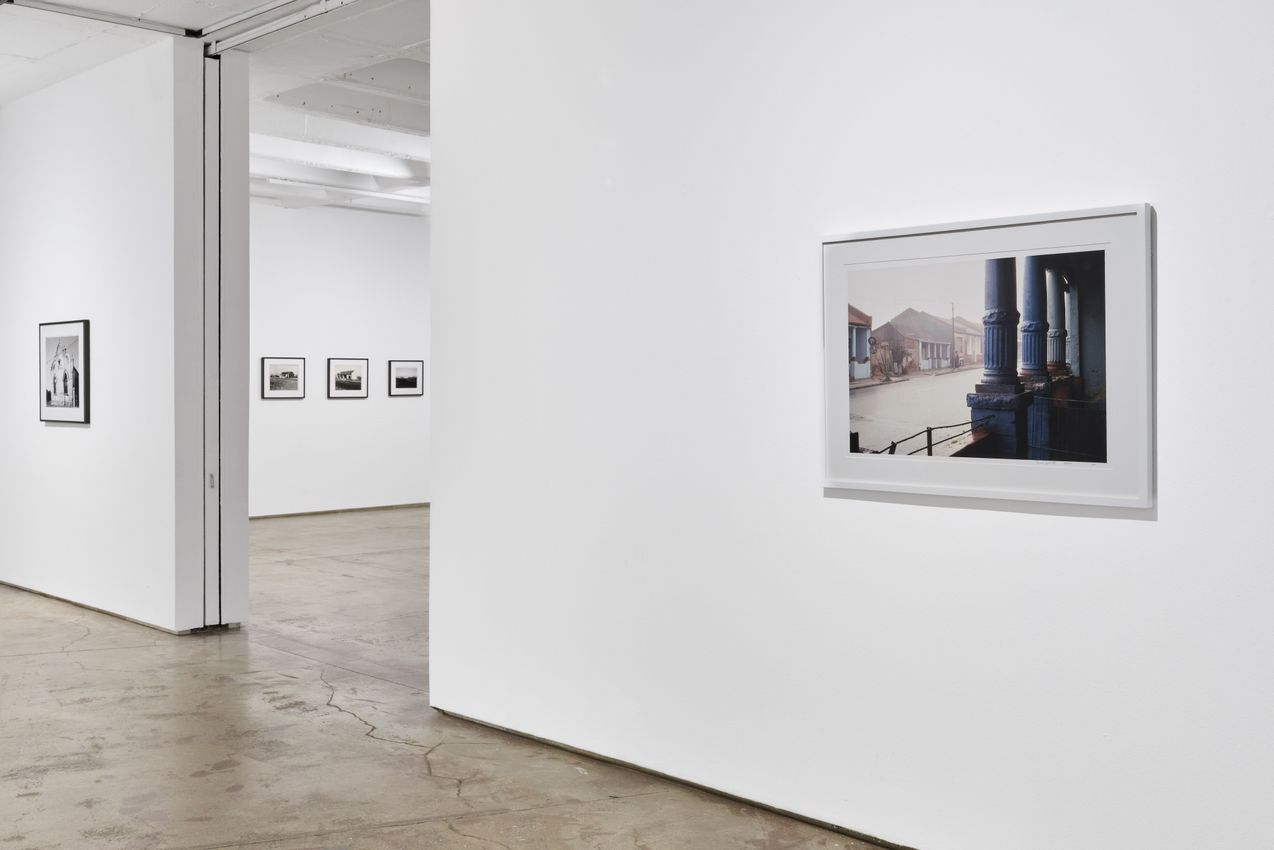
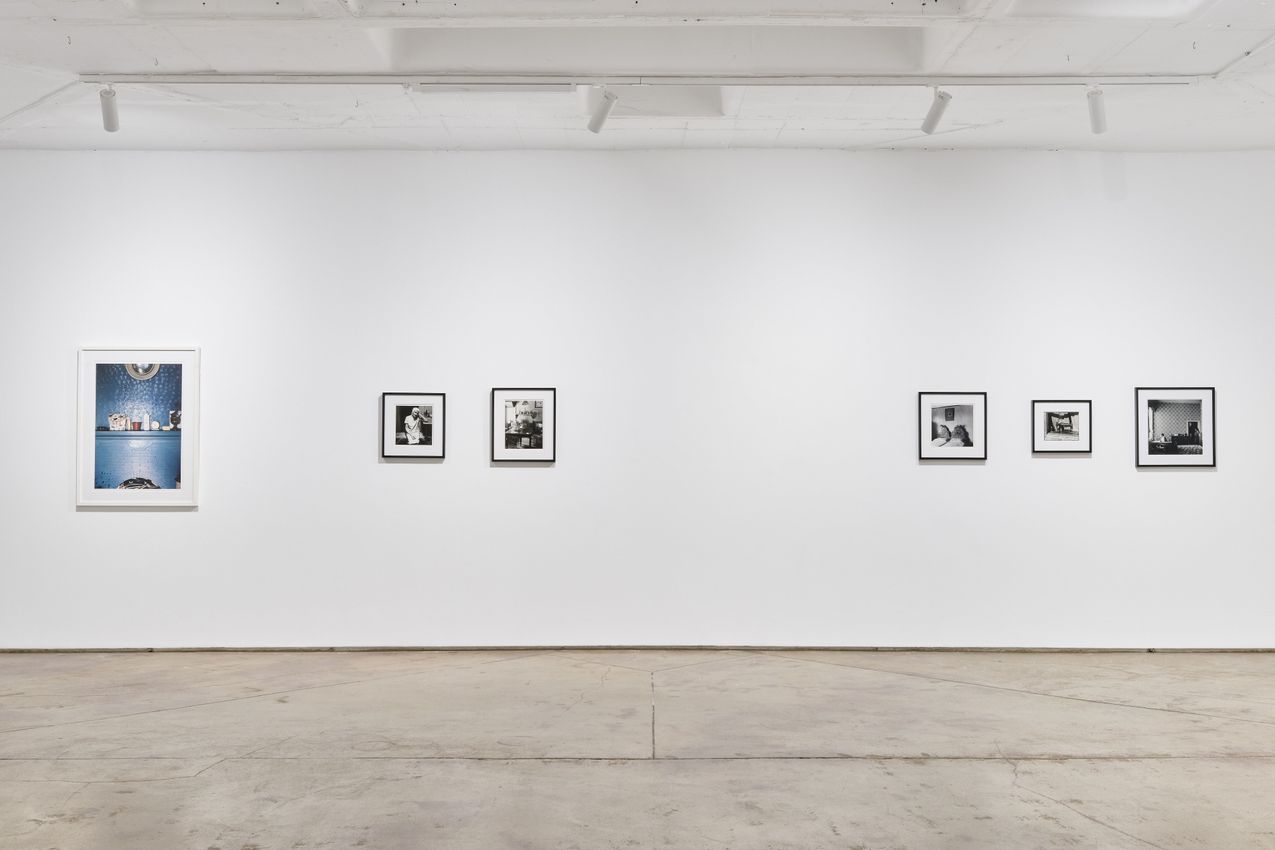
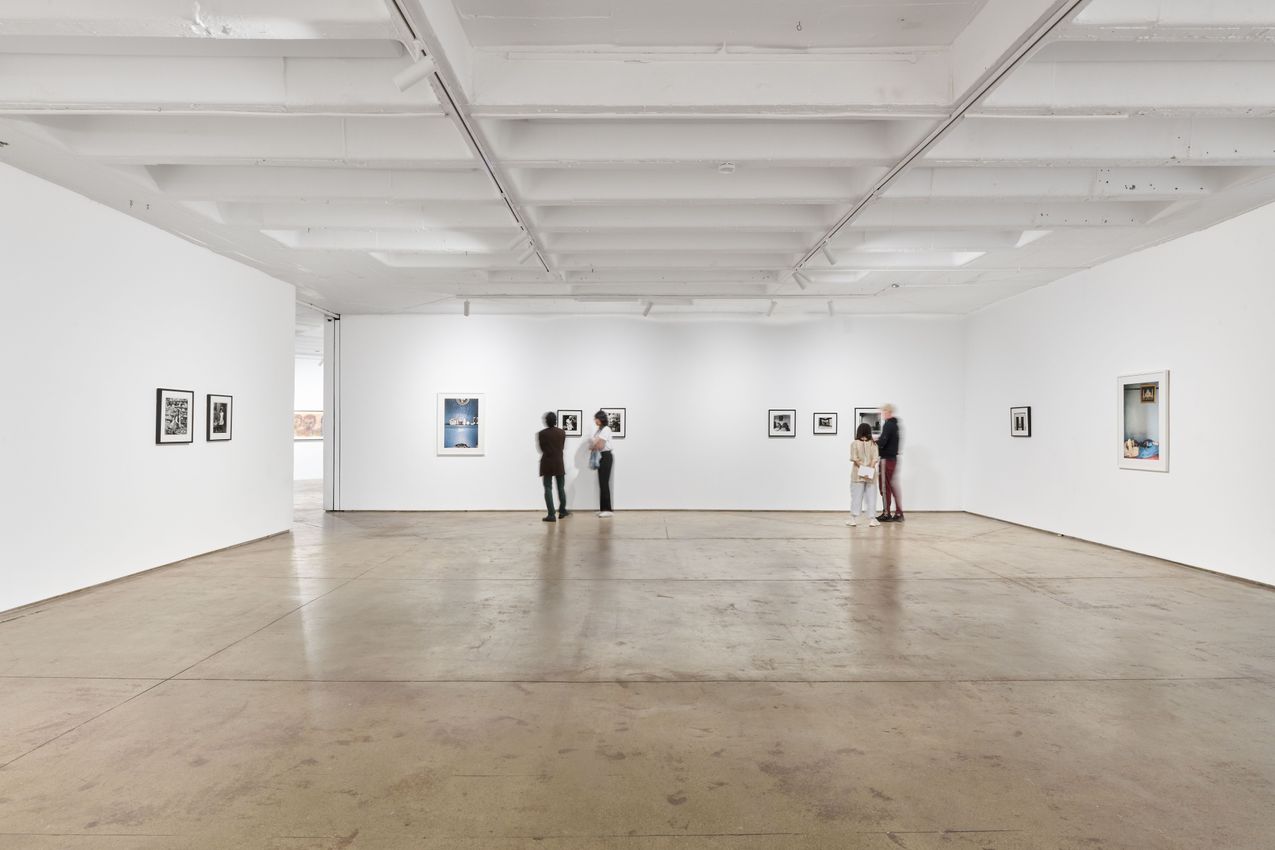
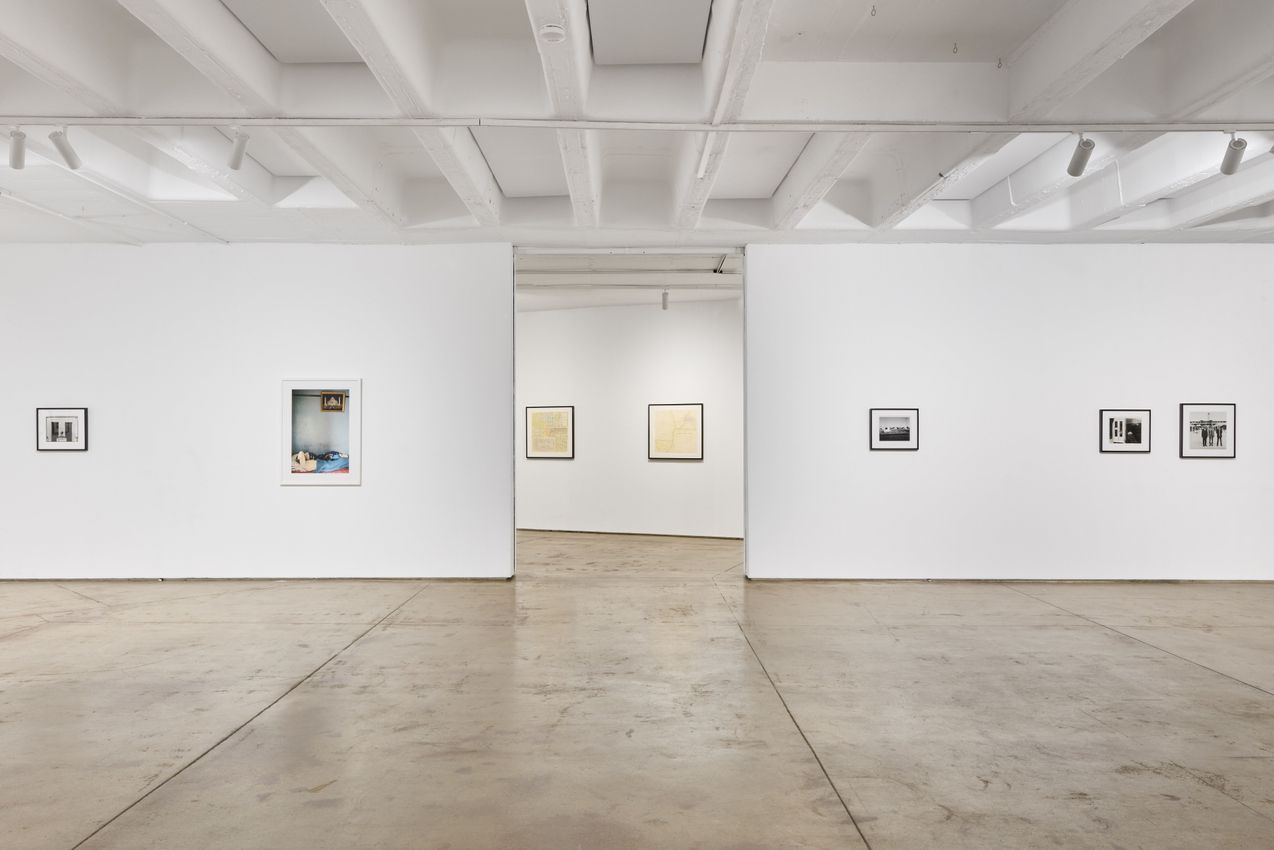
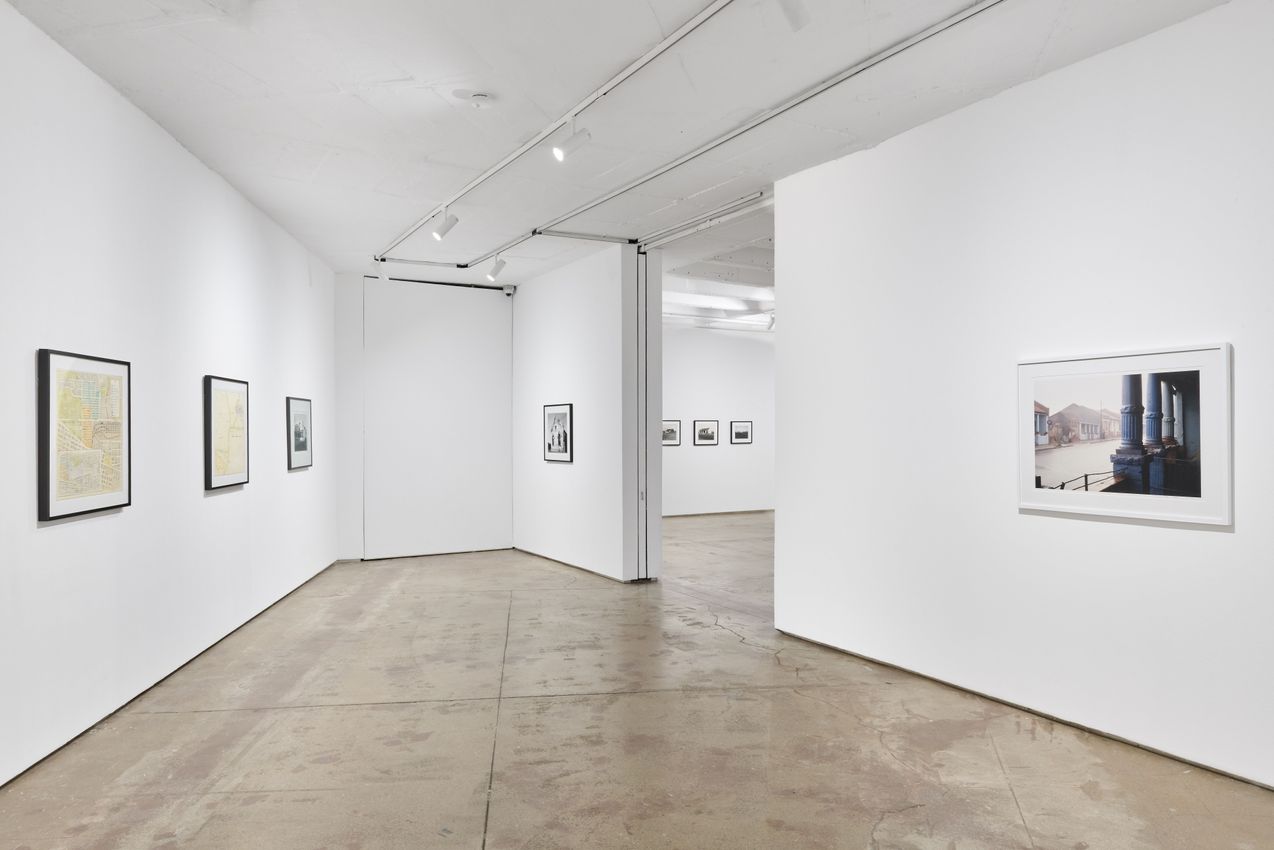
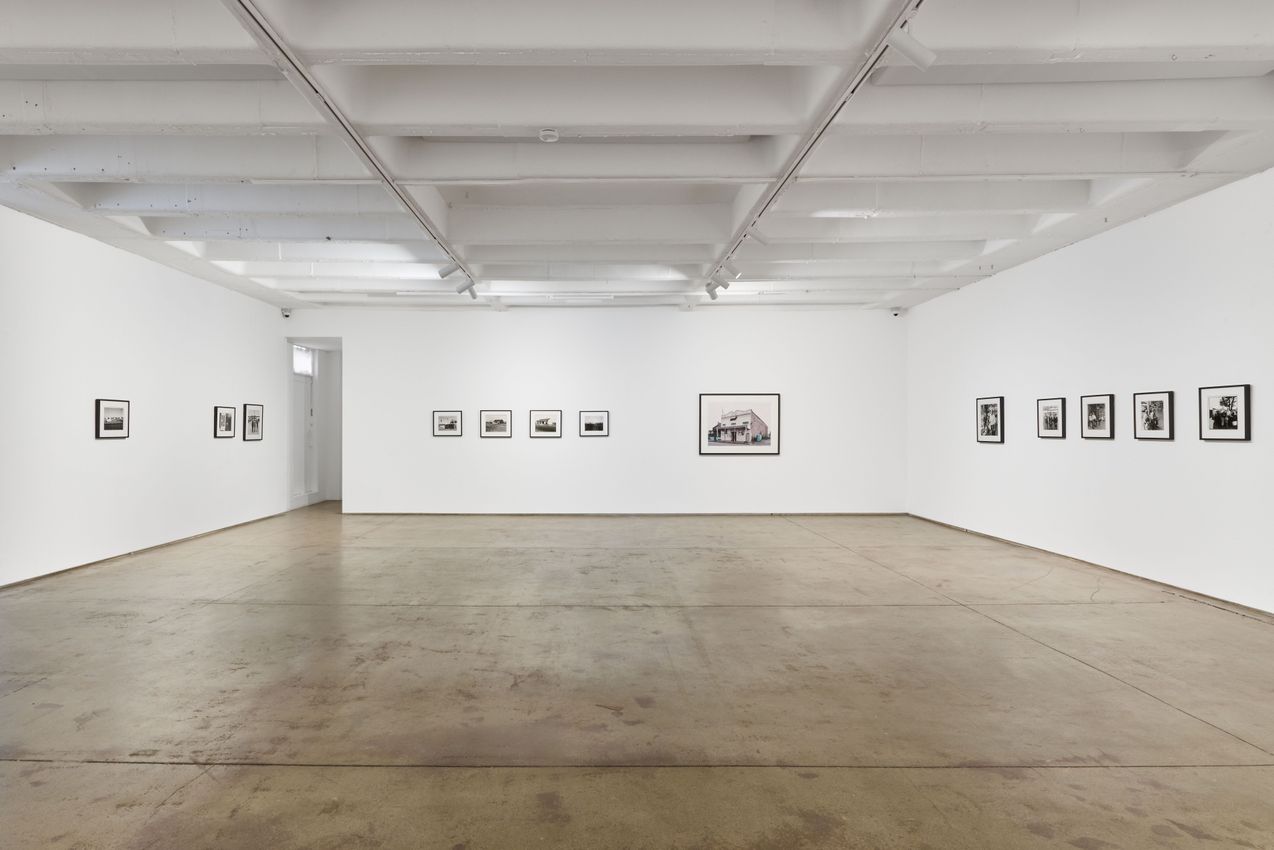
Goodman Gallery presents Fragments of Fietas, an exhibition of photographs by David Goldblatt made predominantly in the late 1970s and 1980s, during the years when the community west of Johannesburg was being dismantled under apartheid’s racist laws. They record, in Goldblatt’s words, “the destruction of a community for a racist dream, and its sequel.”
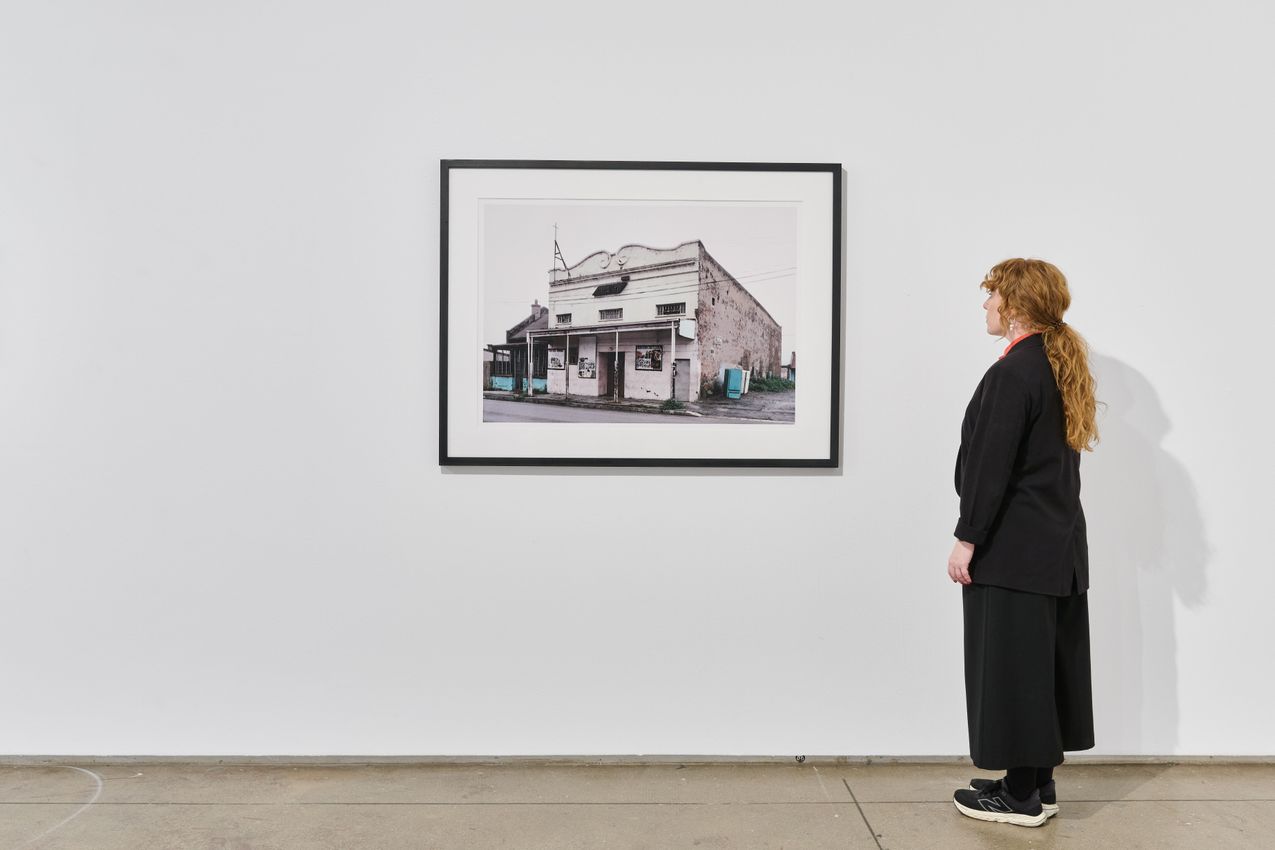
Known officially as Pageview, but to its residents as Fietas, it was one of the few areas in Johannesburg where people of Indian descent were allowed to trade and lease land, and where those designated as Black, Chinese, or Coloured could live prior to the introduction of the Group Areas Act in 1950. In a racially divided city, it was a rare enclave of social coexistence. Residents shared stoeps and backyards, lived in close proximity, and were bound by the quiet interdependence of ordinary life.
By the late 1950s, that fabric had begun to unravel. Declared a “white area” under the Group Areas Act, the people of Fietas resisted removal while government officials waged a relentless campaign to force them to move to racially demarcated townships. Families were relocated to distant areas such as Lenasia, Eldorado Park, and Soweto. Homes and shops were demolished. What followed was an act of sanctioned forgetting, as the remnants of shared lives were levelled in the name of racial order.
Over the six decades that Goldblatt photographed Fietas and its surroundings, he returned often to bear witness to its transformation. He photographed life before, during, and after the removals, and recorded the hollow aftermath of apartheid’s ambitions—the futile attempt to build houses for white residents on the ruins of the Fietas community.
His photographs focus on the subtle marks left by time, displacement, and memory. Through these fragments he explored how the moral conditions of a society can be read in its architecture, its absences, and its silences.
Fragments of Fietas gathers these images as both testimony and elegy. For Goldblatt, to photograph was an act of moral attention—a way of acknowledging the entanglement of privilege, guilt, and responsibility. In returning to Fietas across decades, he transformed documentation into devotion: a fidelity to people and places marked by loss, and to the belief that fragments, when held and named, might still speak of what was once whole.


David Goldblatt (1930–2018) was born in Randfontein, South Africa. He has photographed the structures, people and landscapes of his country since 1948. In 1989, Goldblatt founded the Market Photography Workshop in Johannesburg. In 1998 he was the first South African to be given a solo exhibition at the Museum of Modern Art in New York. In 2001, a retrospective of his work, David Goldblatt Fifty-One Years began a tour of galleries and museums. He was one of the few South African artists to exhibit at Documenta 11 (2002) and Documenta 12 (2007) in Kassel, Germany. He has held solo exhibitions at the Jewish Museum and the New Museum, both in New York. His work was included in the exhibition ILLUMInations at the 54th Venice Biennale in 2011, and has featured on shows at the San Francisco Museum of Modern Art and Barbican Centre in London and in 2018, a major retrospective at the Centre Pompidou in Paris. Goldblatt is the recipient of the 2006 Hasselblad award, the 2009 Henri Cartier-Bresson Award, the 2013 ICP Infinity Award and in 2016, he was awarded the Commandeur des Arts et des Lettres by the Ministry of Culture of France.


Goodman Gallery is an international contemporary art gallery with locations in Johannesburg, Cape Town and London. The gallery represents artists whose work confronts entrenched power structures and inspires social change.

A respected voice in contemporary art discourse.
Focusing on ambitious storytelling and insightful art-world commentary. Ocula Magazine publishes in-depth interviews, critical essays and timely analysis on the artists, exhibitions and ideas driving the global art world.
Learn more about Ocula Magazine
Showcasing the best of the art world.
Ocula partners with galleries from around the world to highlight their artists, artworks and exhibitions. Gallery membership is by application and invitation, with each member vetted by an independent panel.
Learn more about Ocula Membership

Specialises in the sale of major artworks.
Led by a team with deep ties to the world’s leading auction houses, galleries and collectors. Ocula’s advisory team offers bespoke services to high-net-worth clients from around the world who are looking to acquire the best of contemporary and modern art.
Learn more about our team and services