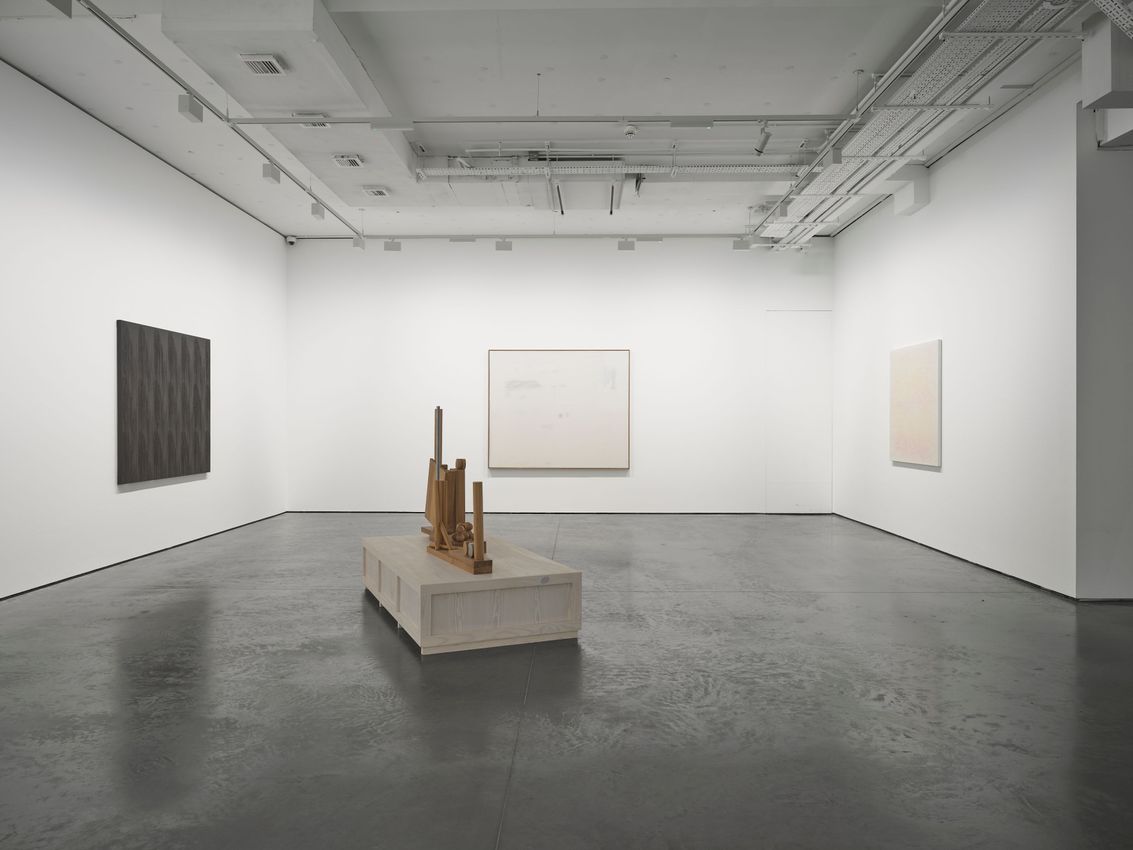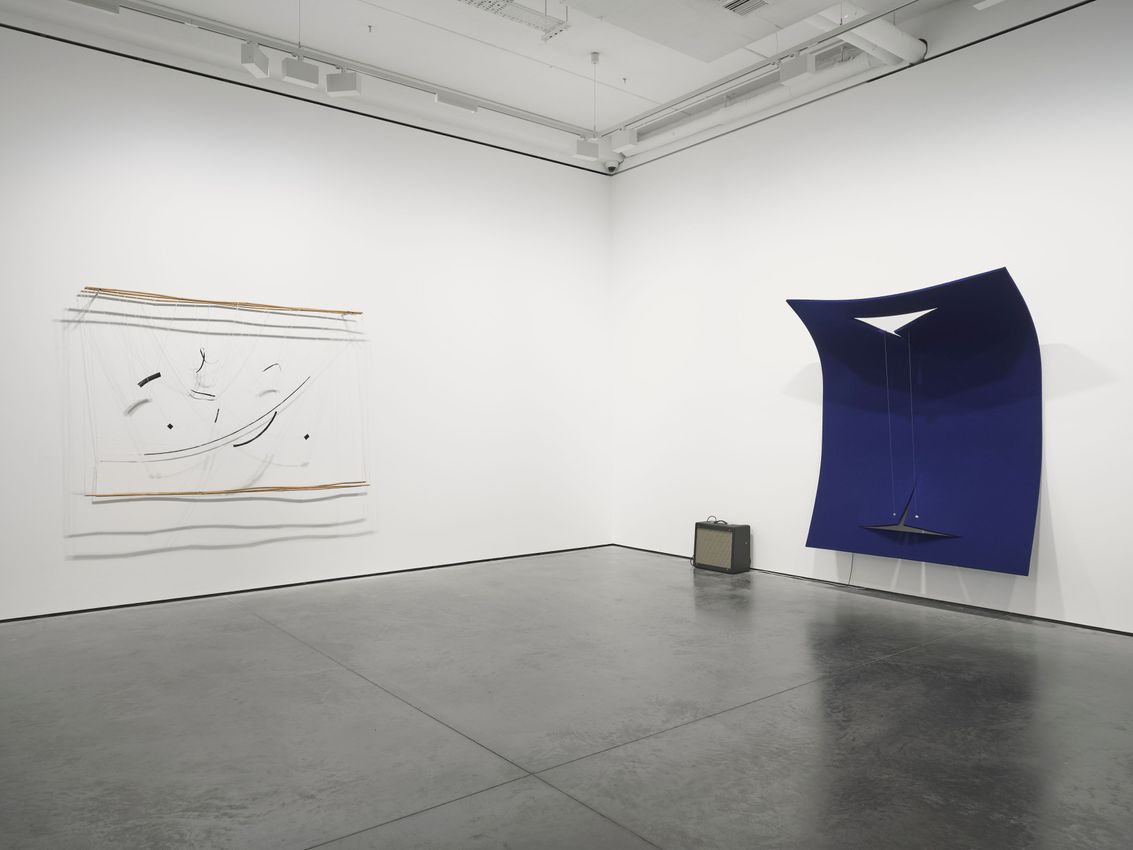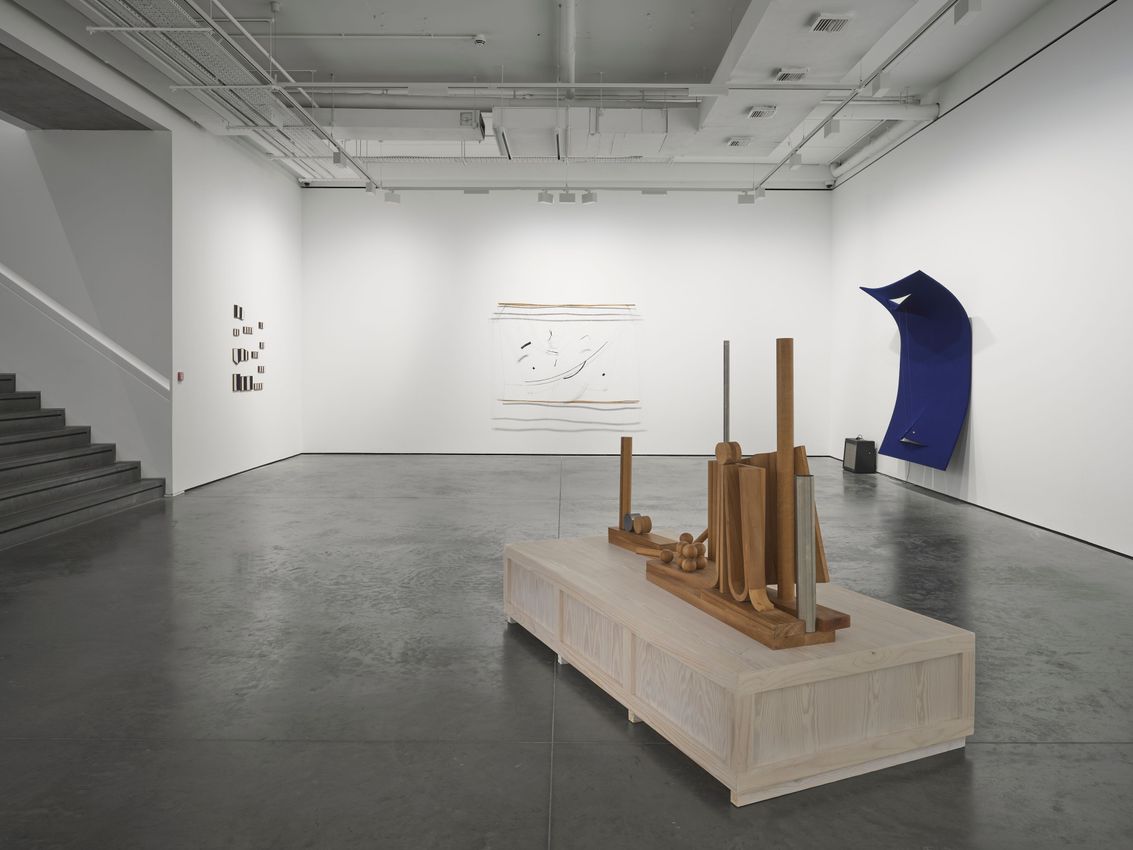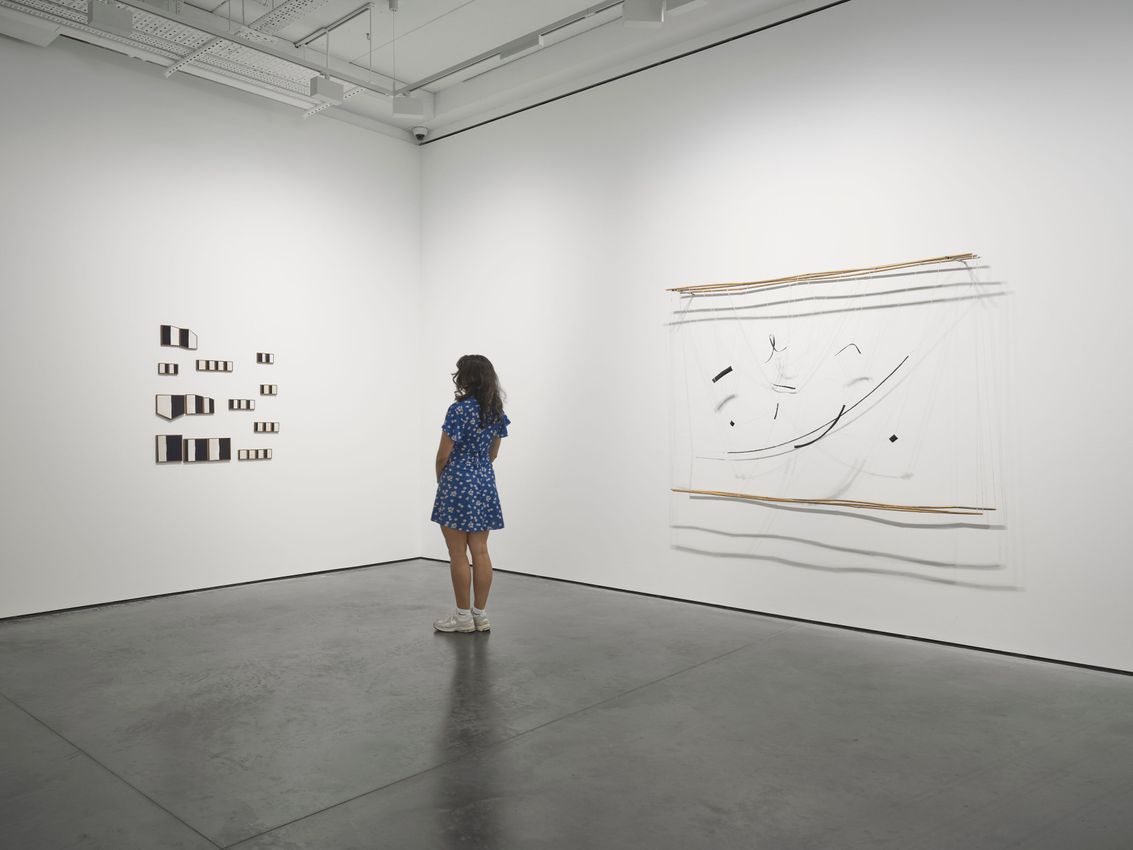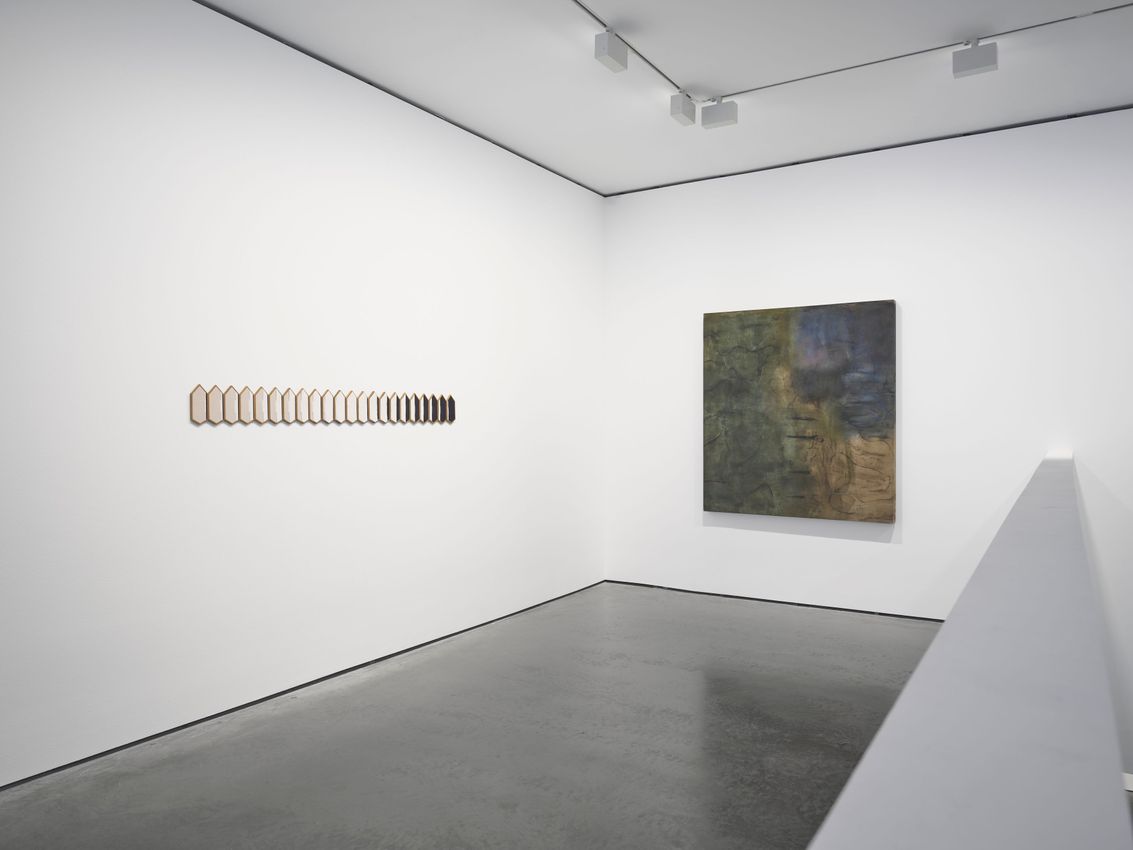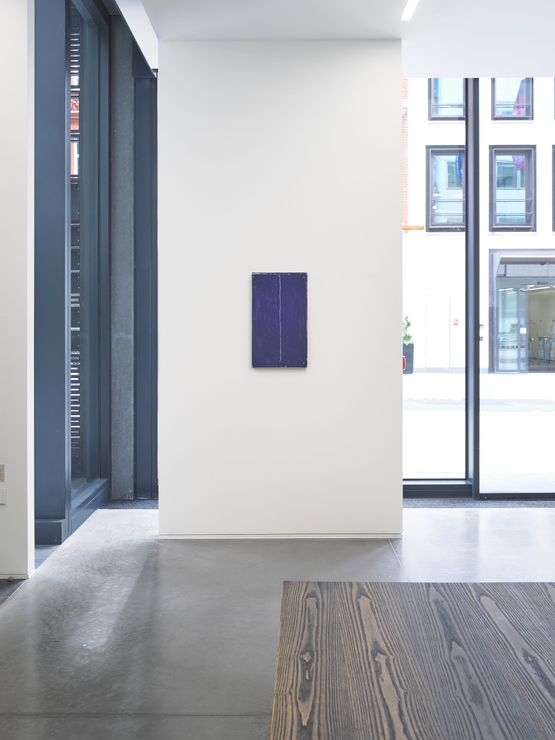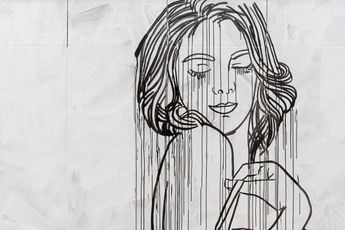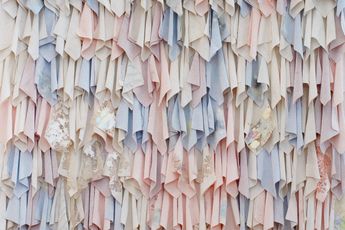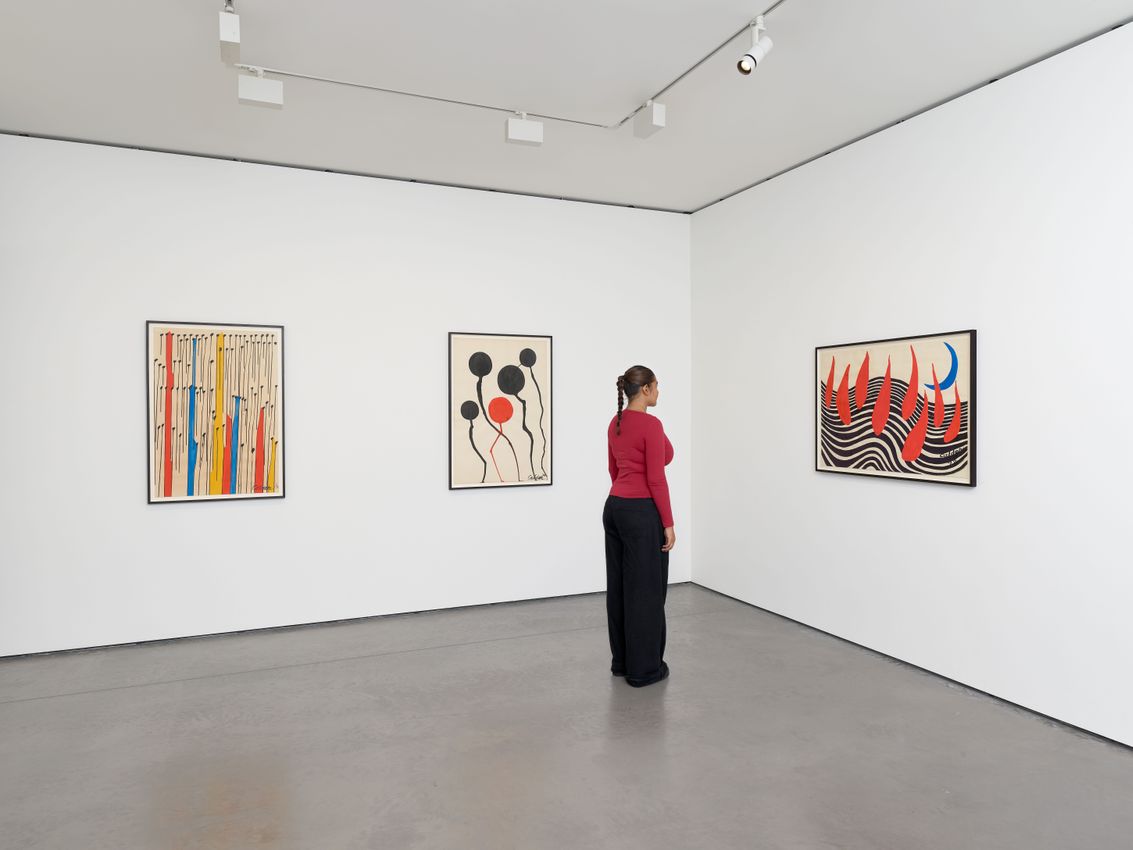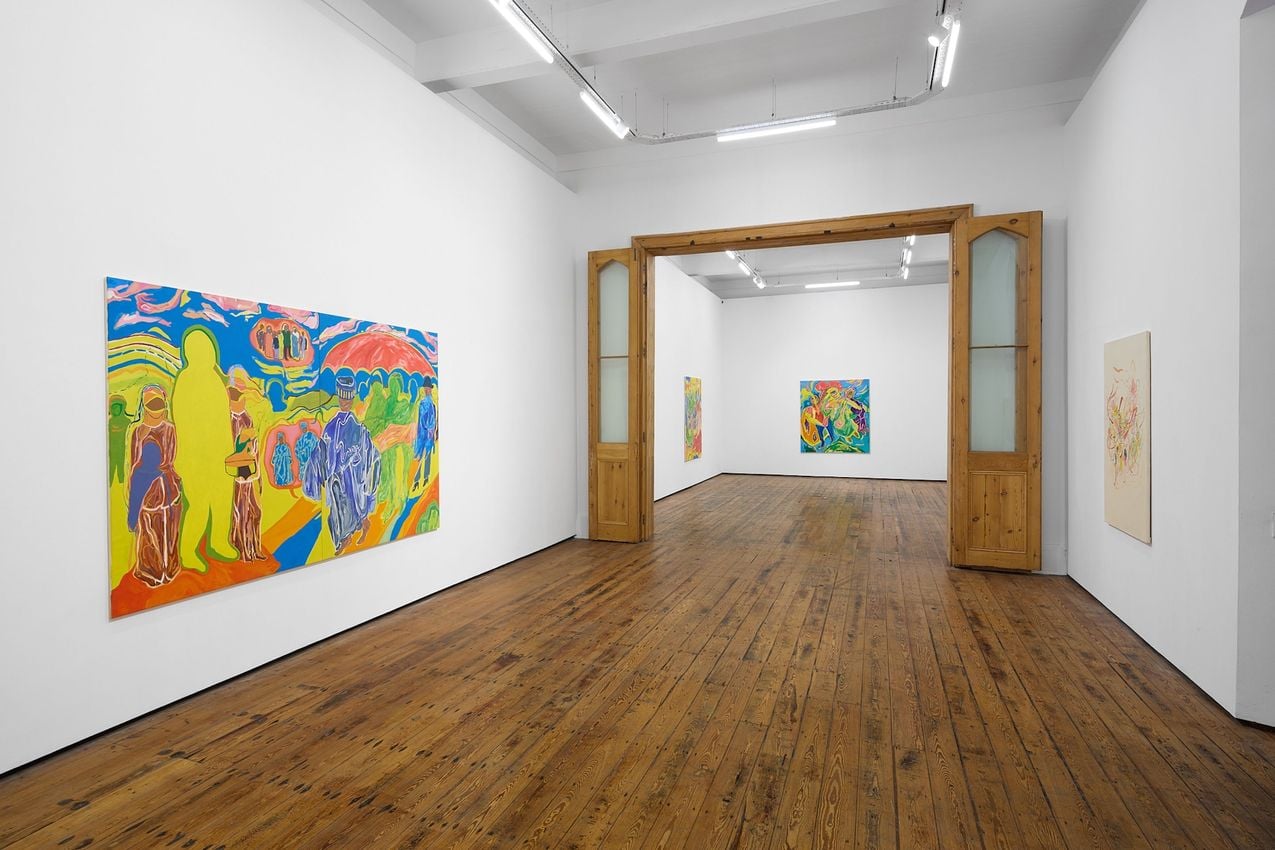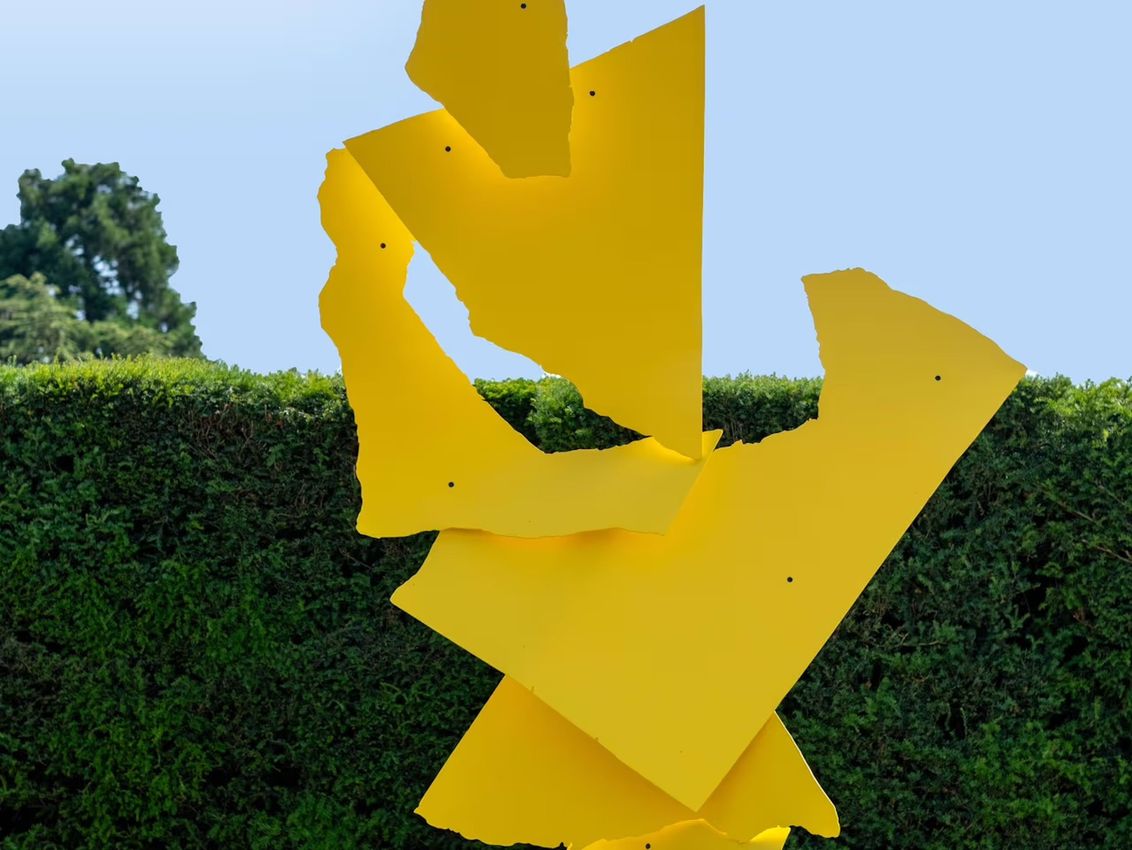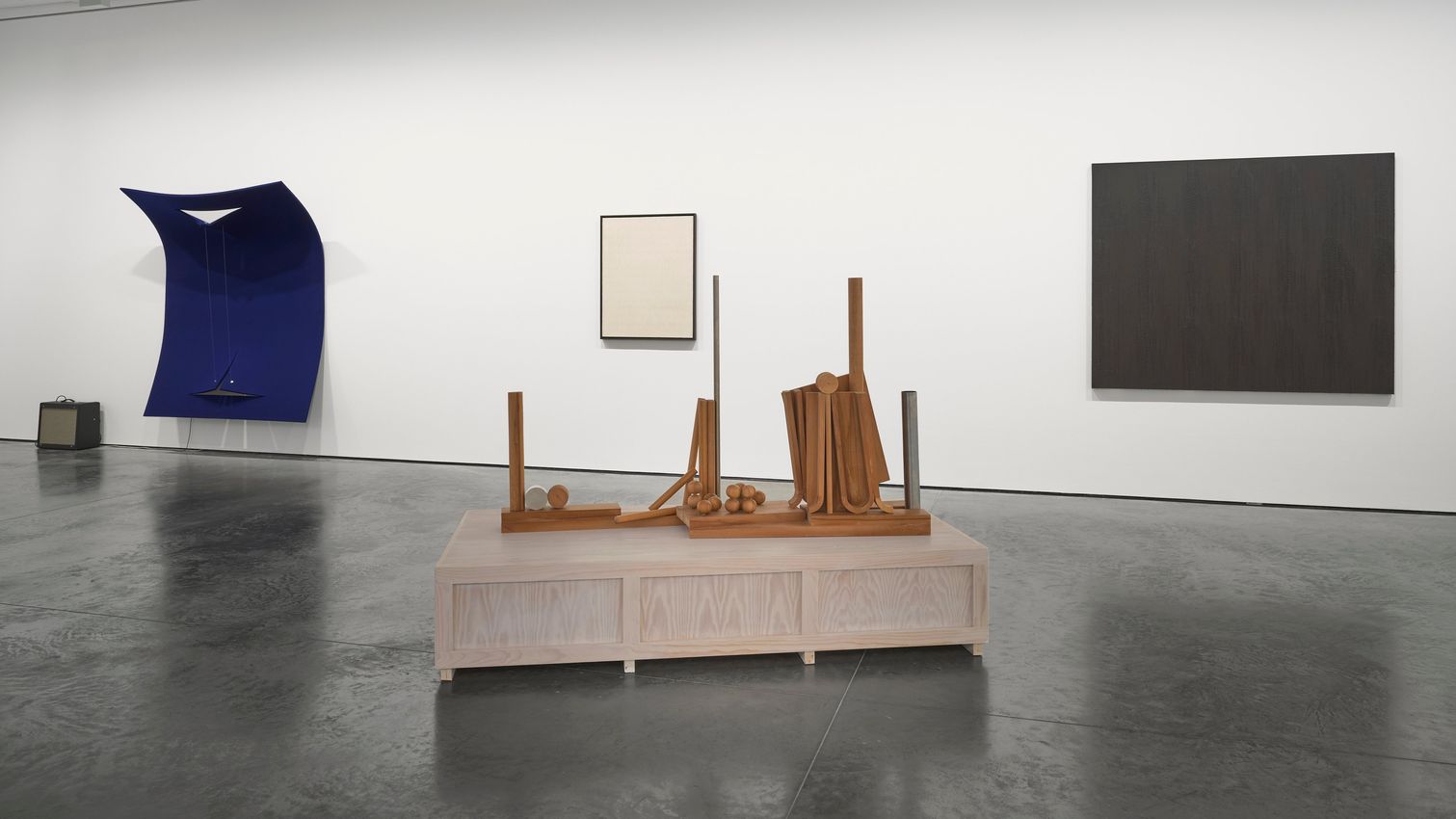
Goodman Gallery is pleased to announce Lifelines, a group exhibition featuring works by Ghada Amer, Astha Butail, Monique Frydman, Jared Ginsburg, Kapwani Kiwanga, Liza Lou, Unathi Mkonto, Chung Sang-Hwa, Naama Tsabar and John Zurier. Lifelines brings together artists from across generations and geographies who engage the aesthetics of minimalism through a tactile and embodied approach. The exhibition reflects on mark-making, not as a gesture for personal expression, but a reflection on memory, politics and meditative presence.
In the history of Minimalism, the mark was stripped of emotion and replaced by systems, units and industrial form, distilling art to its most “objective” means. In contrast, the artists in Lifelines reclaim the mark and imbue it with material complexity through process and experimentation. Through slow processes, scraping, stitching, rubbing, folding and assembling, these works explore time and labour, transforming the surface into a space of intimate dialogue.
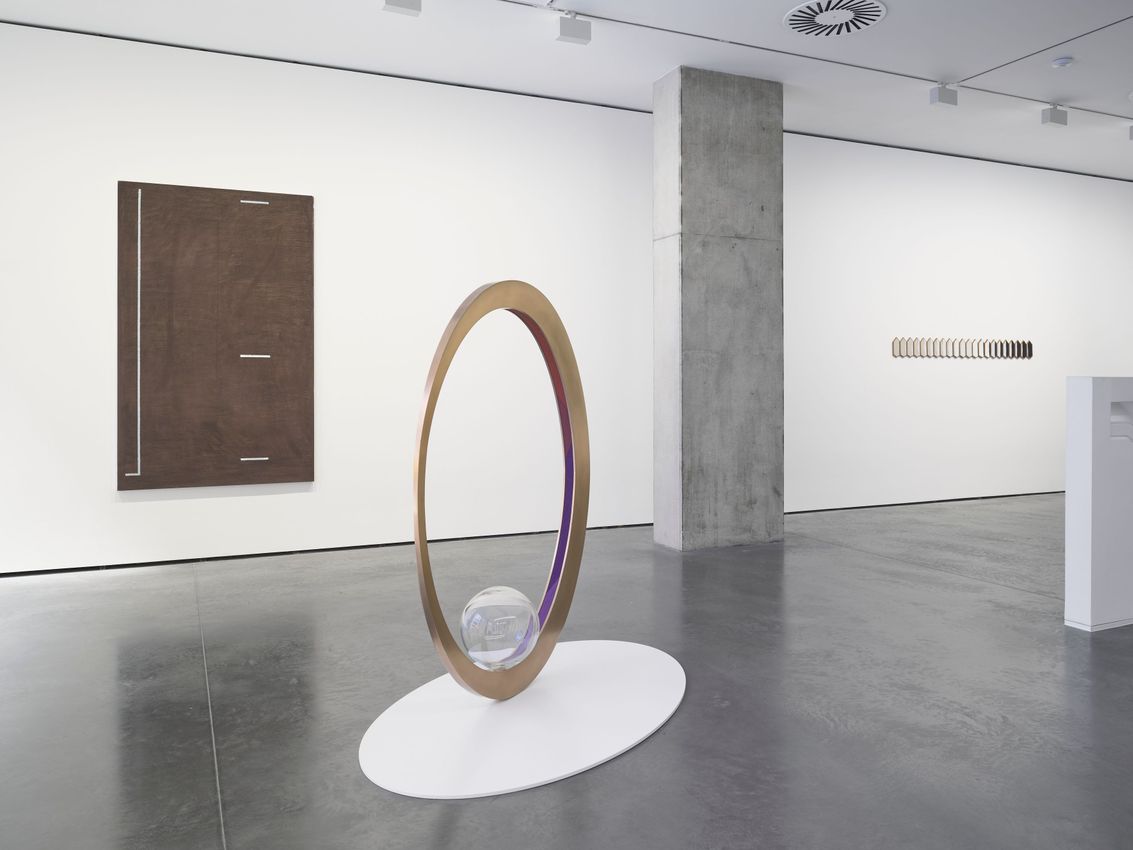
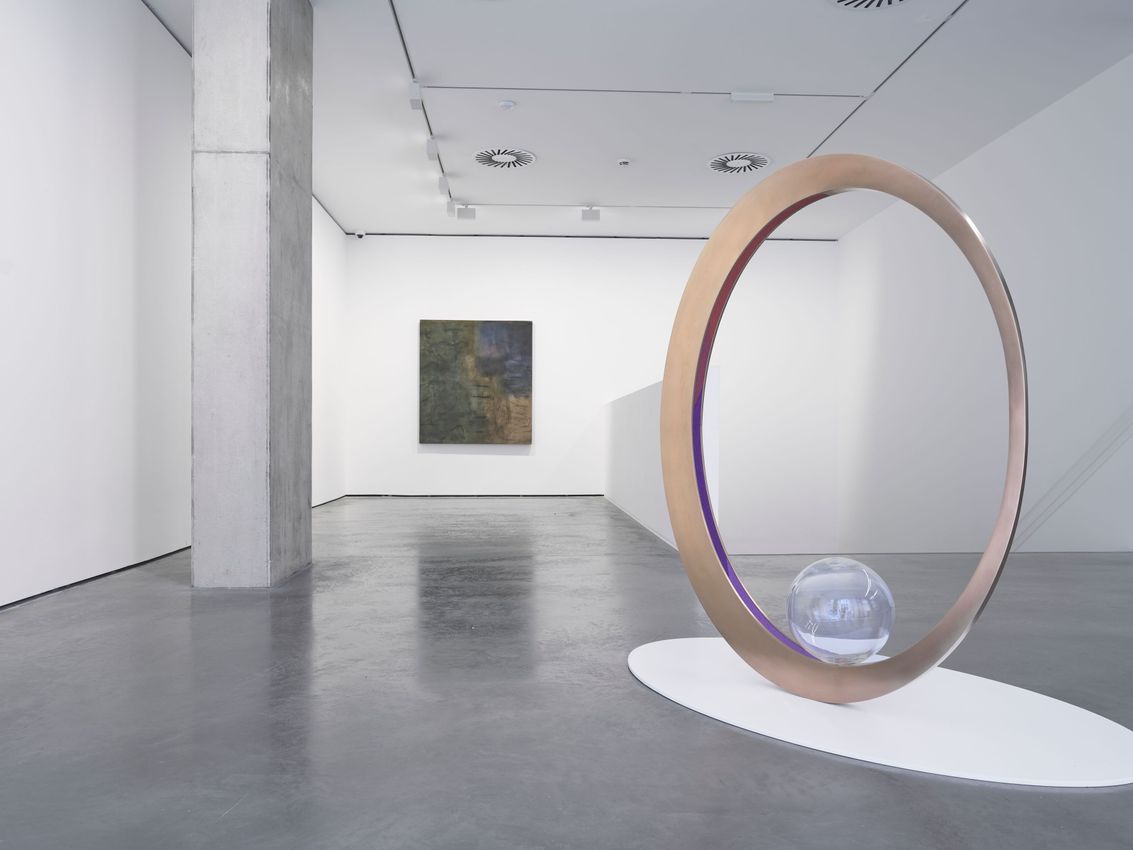
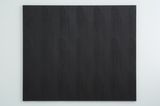
Kapwani Kiwanga and Ghada Amer explore power and its historical effects on our contemporary culture, particularly in Amer’s work through a more feminist lens. Kiwanga’s Transfer II is a large sculpture of a ring made from bronze, with a transparent glass ball balanced on it. The work reflects on colonial extraction and the impact of commerce on society. Amer’s stitched canvases operate in a similarly layered space. In ANOTHER BLACK PAINTING, the outlines of women’s bodies are stitched in black thread on black ground, visible only in shifting light, as an attempt to reframe female agency and desire.
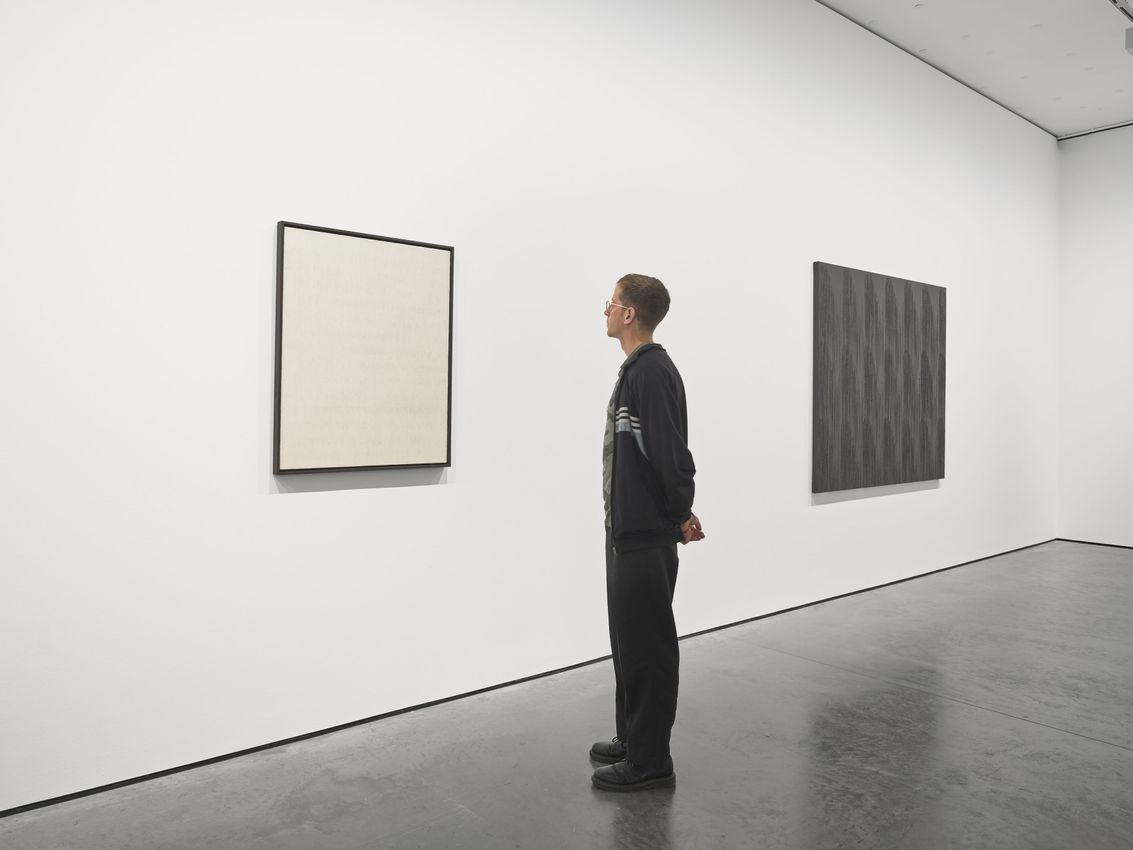
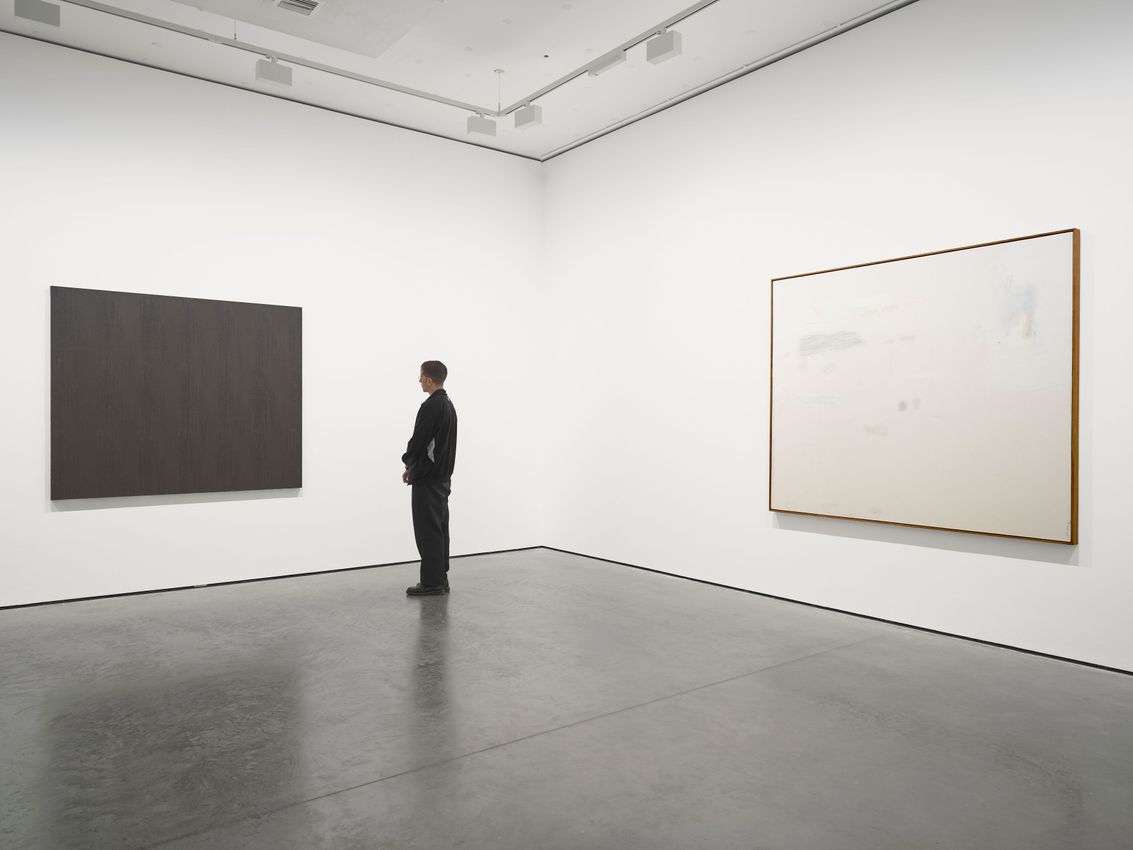
Liza Lou, Chung Sang-Hwa and Monique Frydman explore how repetition in mark-making functions not merely as a process, but as meditation and record-keeping. In Lou’s intricately hand- rendered paintings, small bead-like ovals of oil and graphite are inscribed, circled, erased and layered on the surface. The canvas embodies both discipline and release. Sang-Hwa’s paintings are reflective of Dansaekhwa, the Korean art movement which formed in the 1950s to reconcile the influence of Western modernism on Korean artistic culture. Untitled 79-2-8 is made through methodical acts of creasing and scraping on the canvas; each layer of paint a residue of decisive action and memory, a slow accumulation of time and patience. Frydman belongs to a postmodernist generation of artists, Supports/ Surfaces, who radically deconstructed painting, a movement which looked at the power of painting through its material and components in the 1970s-80s.
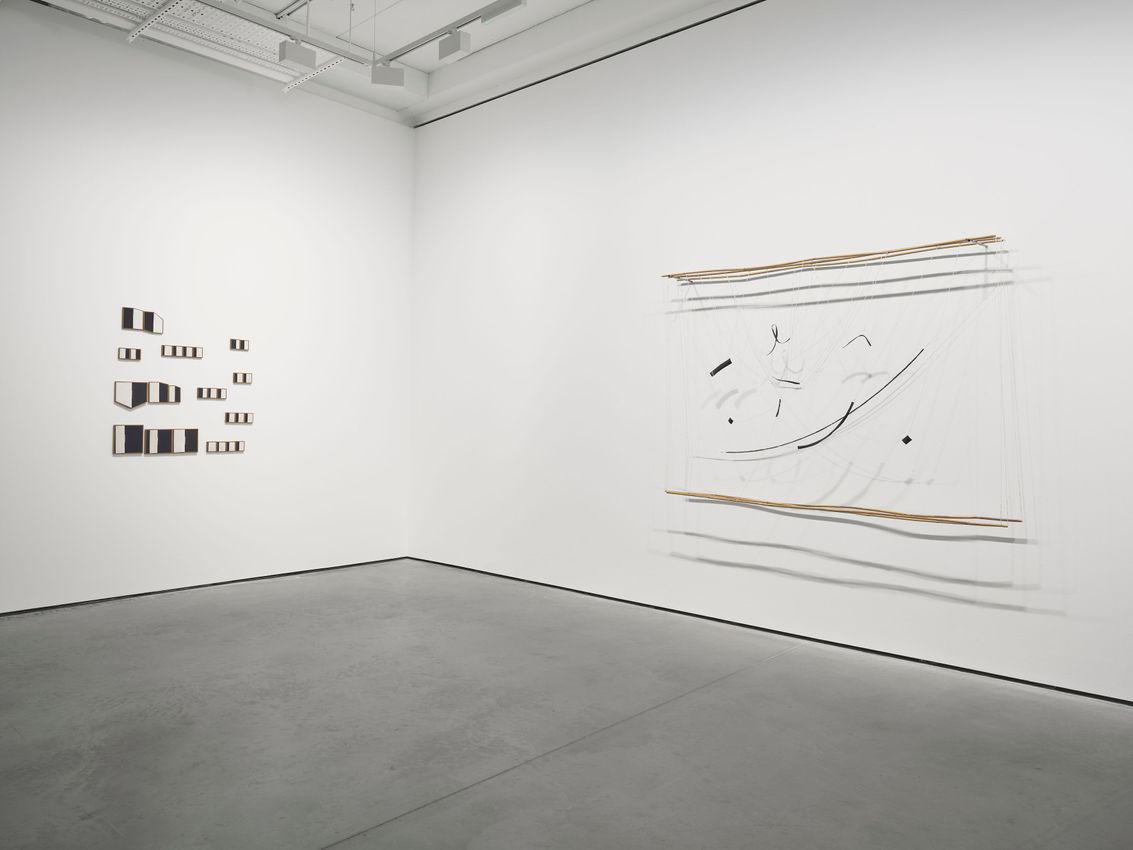
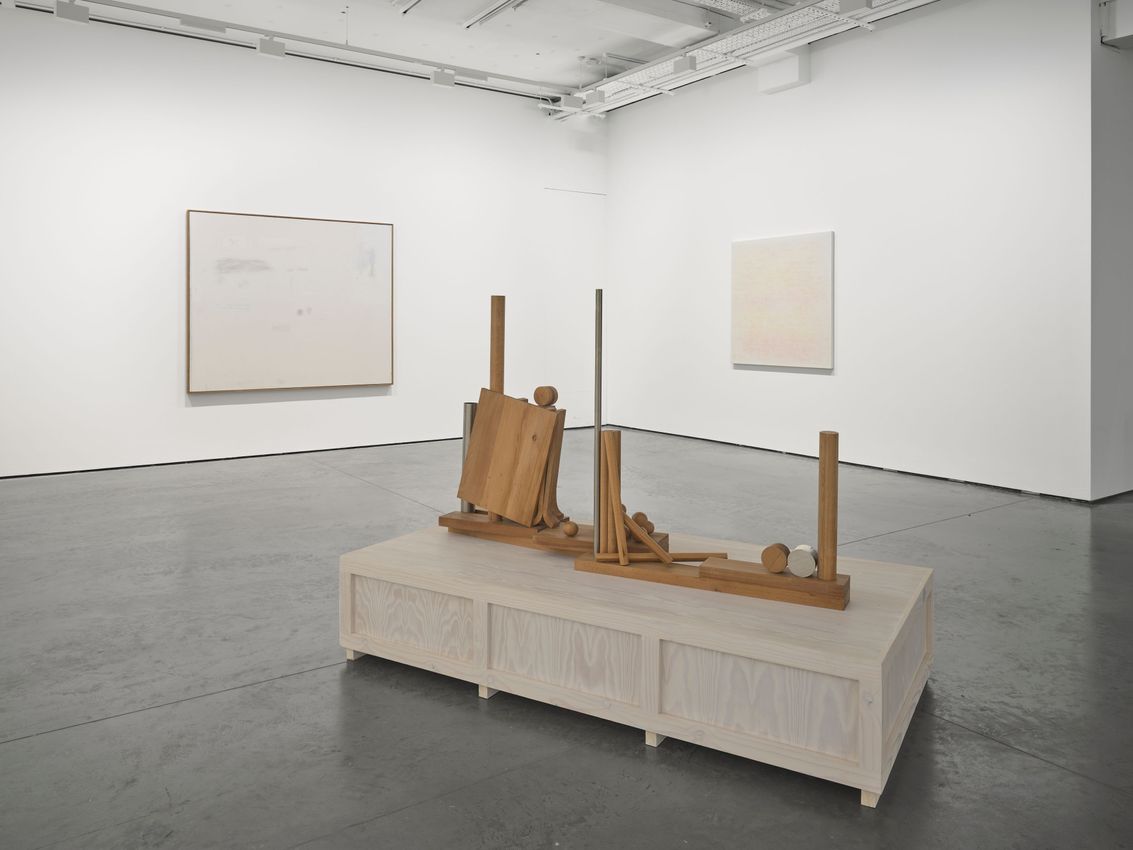
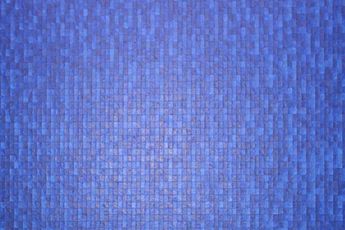
Zurier’s paintings draw from East Asian compositional principles. Through translucent layers and dry, draggy brushstrokes, he renders the near-immaterial into form, attuning the eye to shifts so subtle they almost seem imperceptible. His paintings do not describe the world; they offer a way of being in it. Ginsburg, by contrast, leans into improvisation and experimentation within his process. In Hanging Drawing, an installation described by the artist as a three-dimensional drawing, constructed from bamboo and string, the line is extended into space. The artist reflects on the movement of the shape of the line and its shadow. His paintings carry similar instincts; scratched notes, abandoned gestures and fragments of text emerge, vanish and reappear.
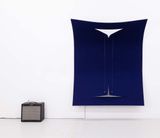
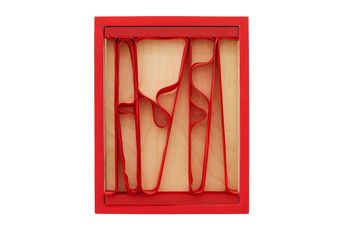
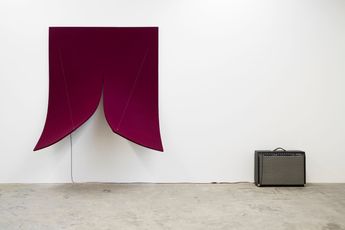
Butail’s installations draw on oral traditions, using geometry as a means of relational thinking and passing down knowledge Drawing from myths and philosophical traditions across cultures, Butail examines how ancient narratives evolve through time. Her wall-based forms resemble frames exploring repetition, variation and gradation. Mkonto, working in wood for this exhibition, builds restrained, upright forms from salvaged materials that are similar to pillars or towers. Describing his practice as “anti-architecture,” he creates structures that speak of emotional states and spatial memory. In Tsabar’s Work On Felt: a single wall-based sculpture of industrial felt is strung
to respond to human touch. The surface shifts according to contact, becoming both visual and sonic, activating a performative, relational dimension within minimalist form.
Across disciplines and geographies, artists in Lifelines reclaim the mark, not only to express the self, but to make space for process, memory and embodied knowledge.


Goodman Gallery holds the reputation as a pre-eminent art gallery on the African continent, platforming art that confronts entrenched power structures and champions social change.

A respected voice in contemporary art discourse.
Focusing on ambitious storytelling and insightful art-world commentary. Ocula Magazine publishes in-depth interviews, critical essays and timely analysis on the artists, exhibitions and ideas driving the global art world.
Learn more about Ocula Magazine
Showcasing the best of the art world.
Ocula partners with galleries from around the world to highlight their artists, artworks and exhibitions. Gallery membership is by application and invitation, with each member vetted by an independent panel.
Learn more about Ocula Membership

Specialises in the sale of major artworks.
Led by a team with deep ties to the world’s leading auction houses, galleries and collectors. Ocula’s advisory team offers bespoke services to high-net-worth clients from around the world who are looking to acquire the best of contemporary and modern art.
Learn more about our team and services