Press Release

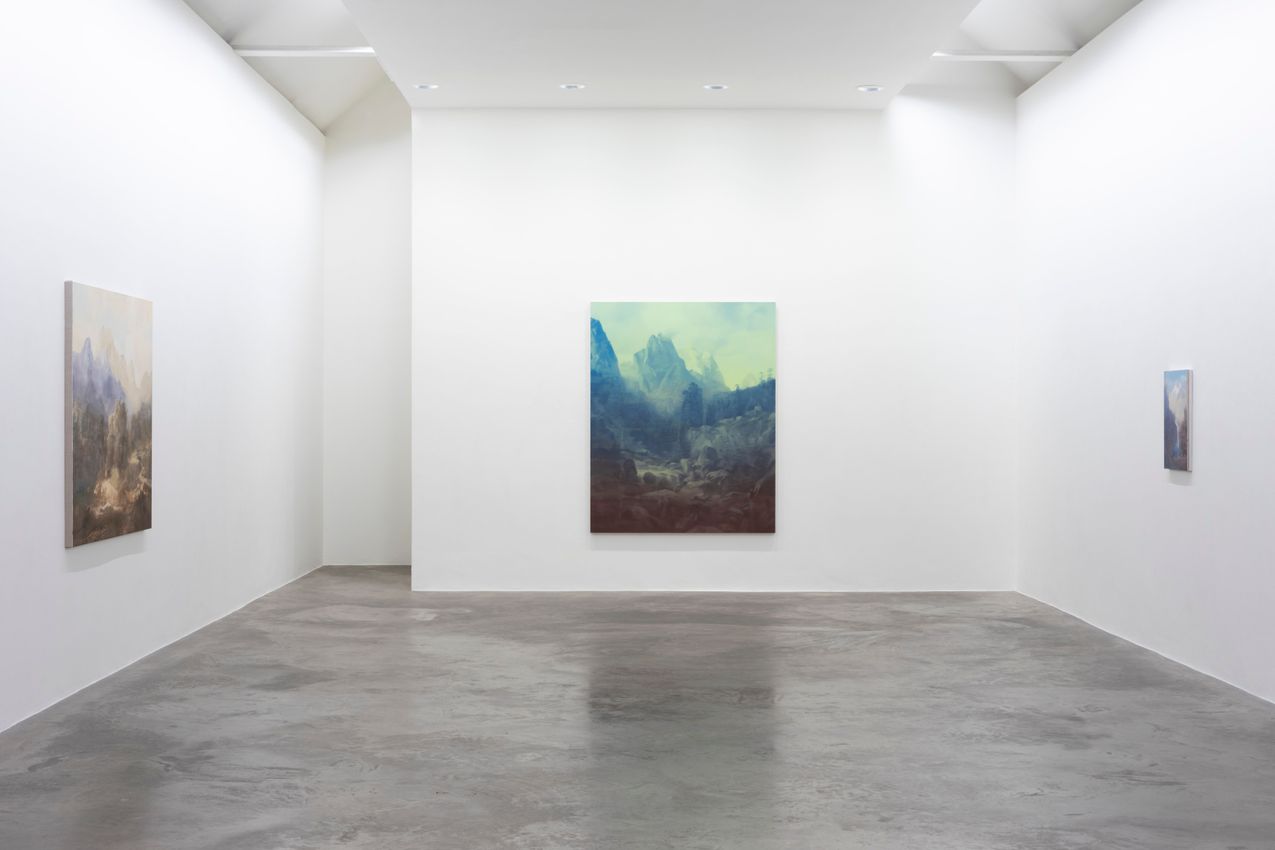
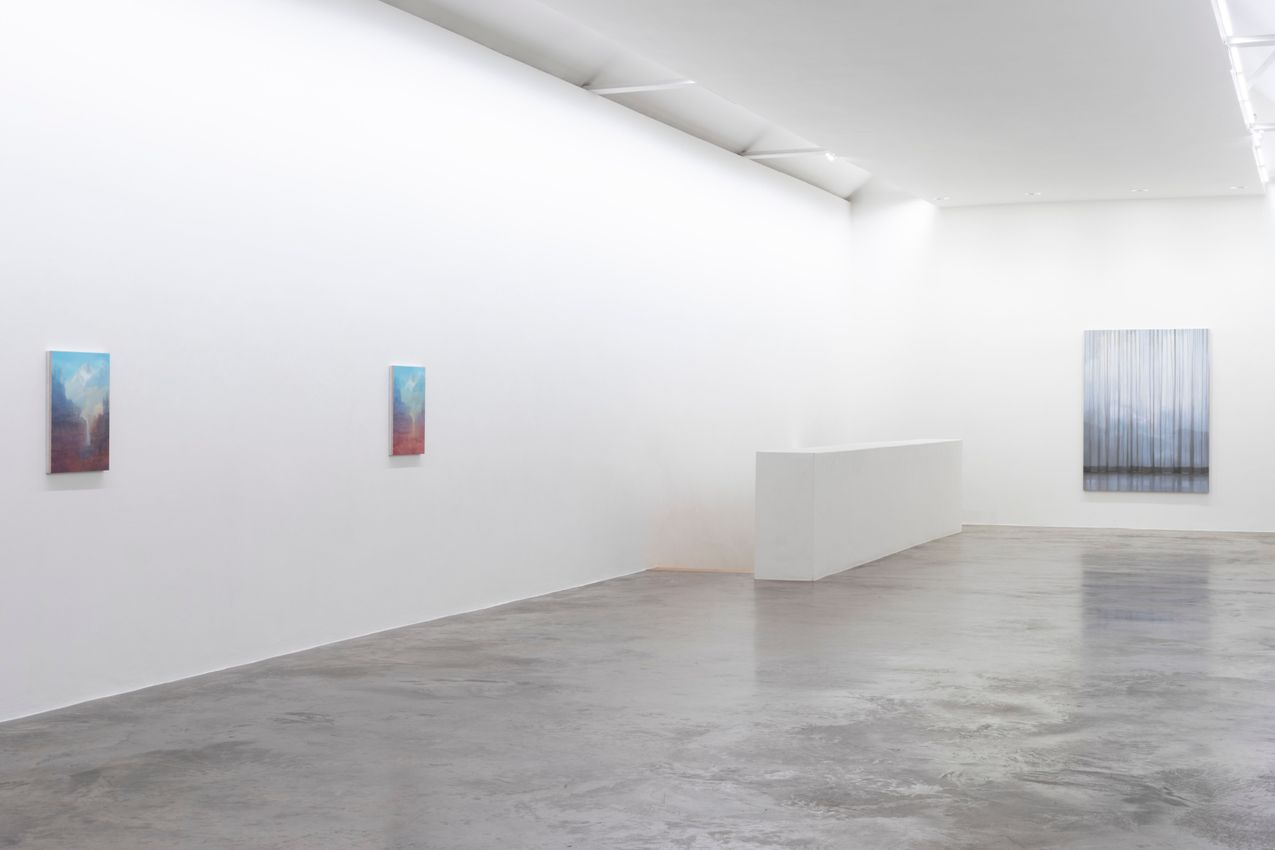
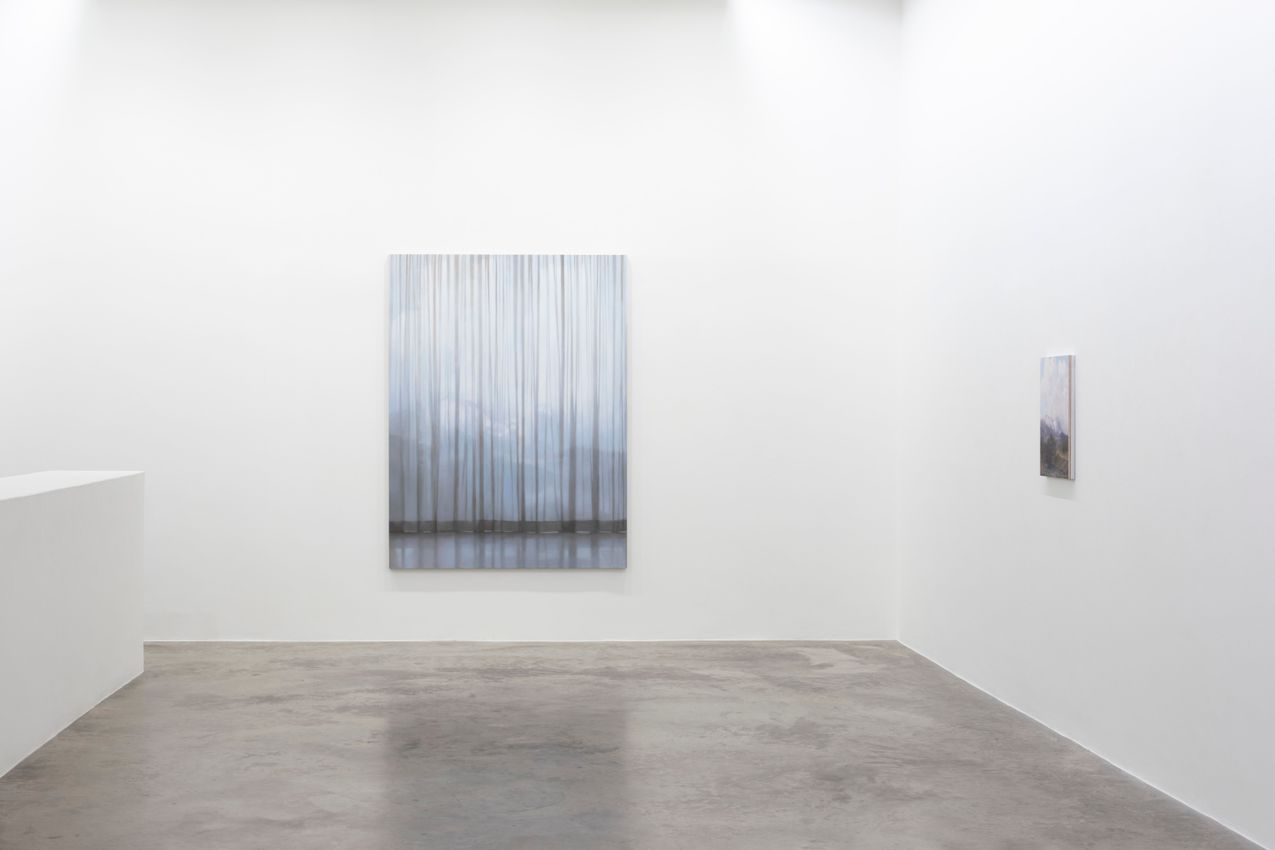
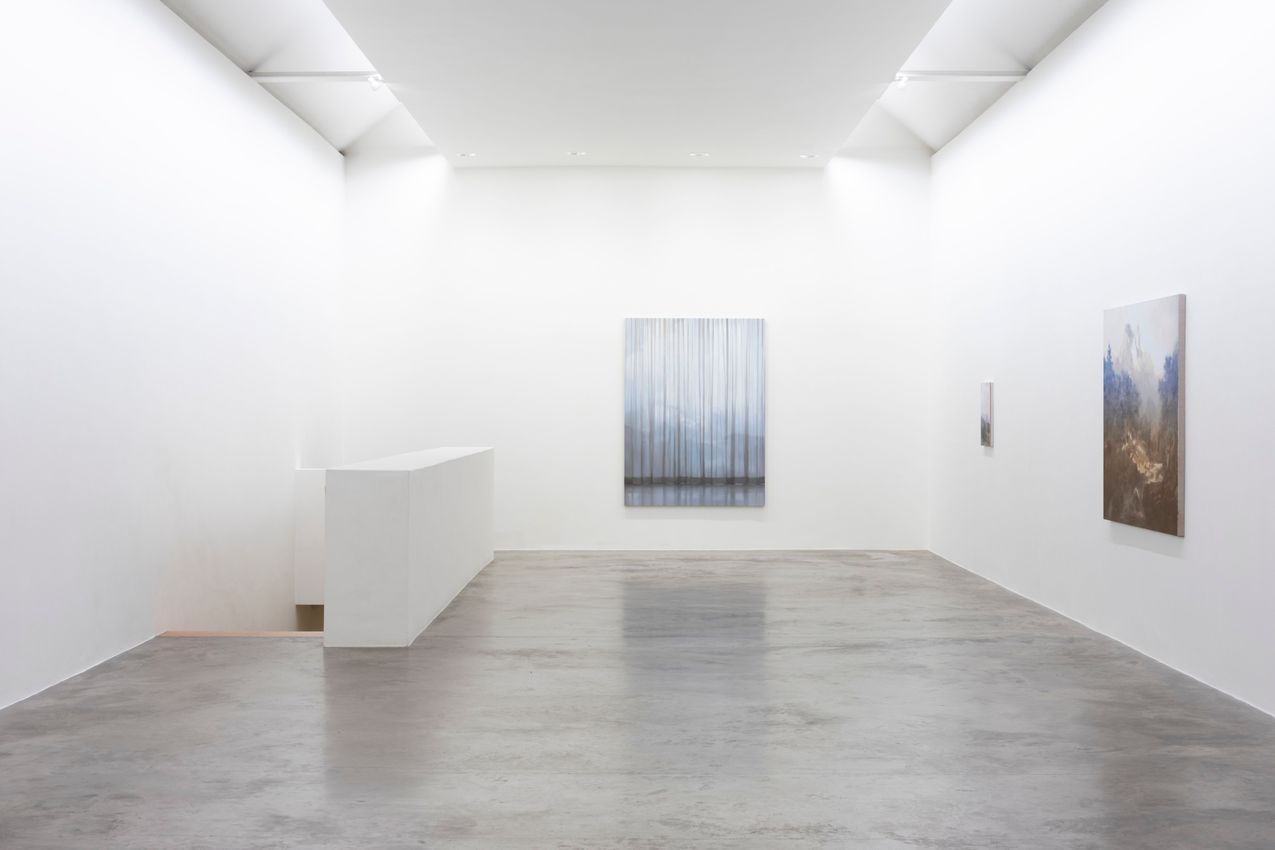
Kerlin Gallery presents a solo exhibition by Paul Winstanley, comprising a new series of paintings titled Arcadia, a continuation of his recent series The Falls, plus the last of his critically acclaimed Veil series, a signature body of work initiated in 1999.

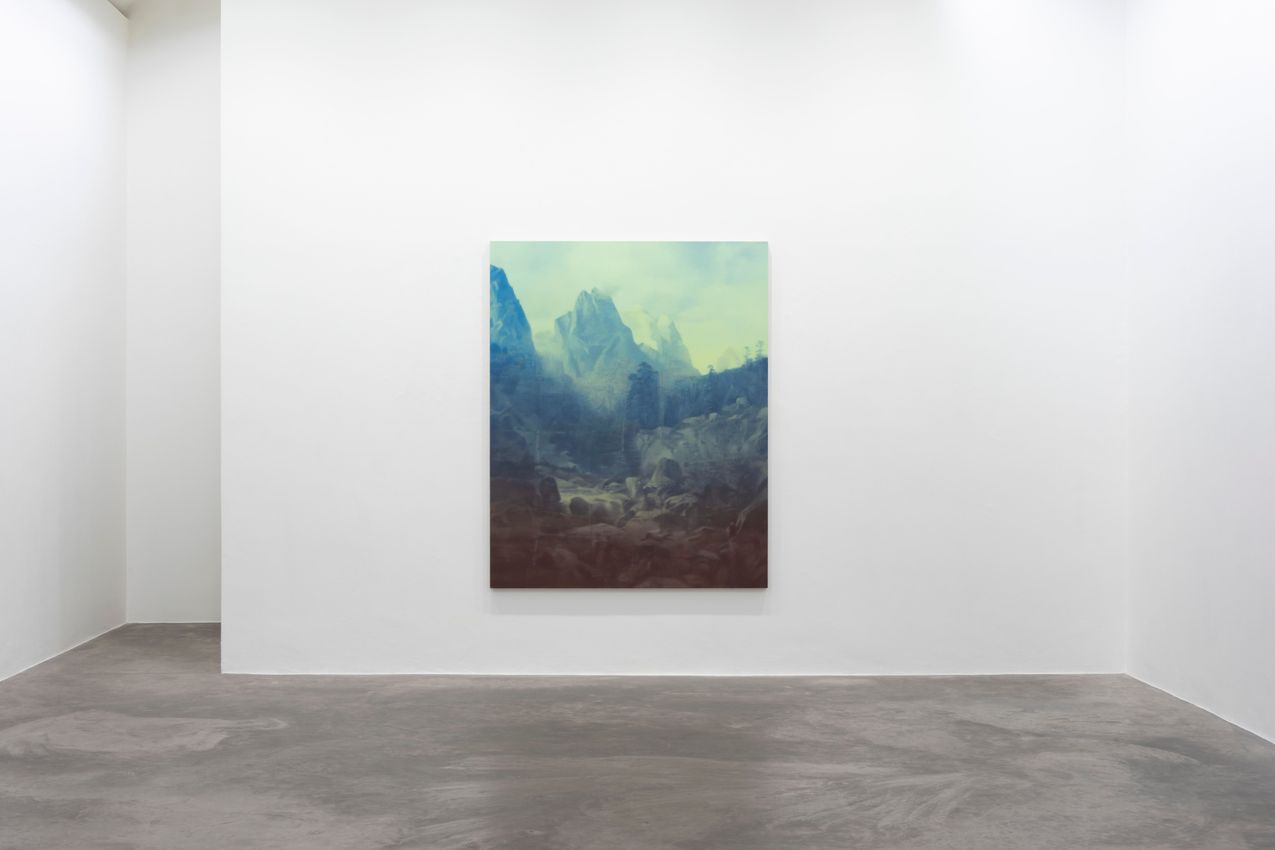
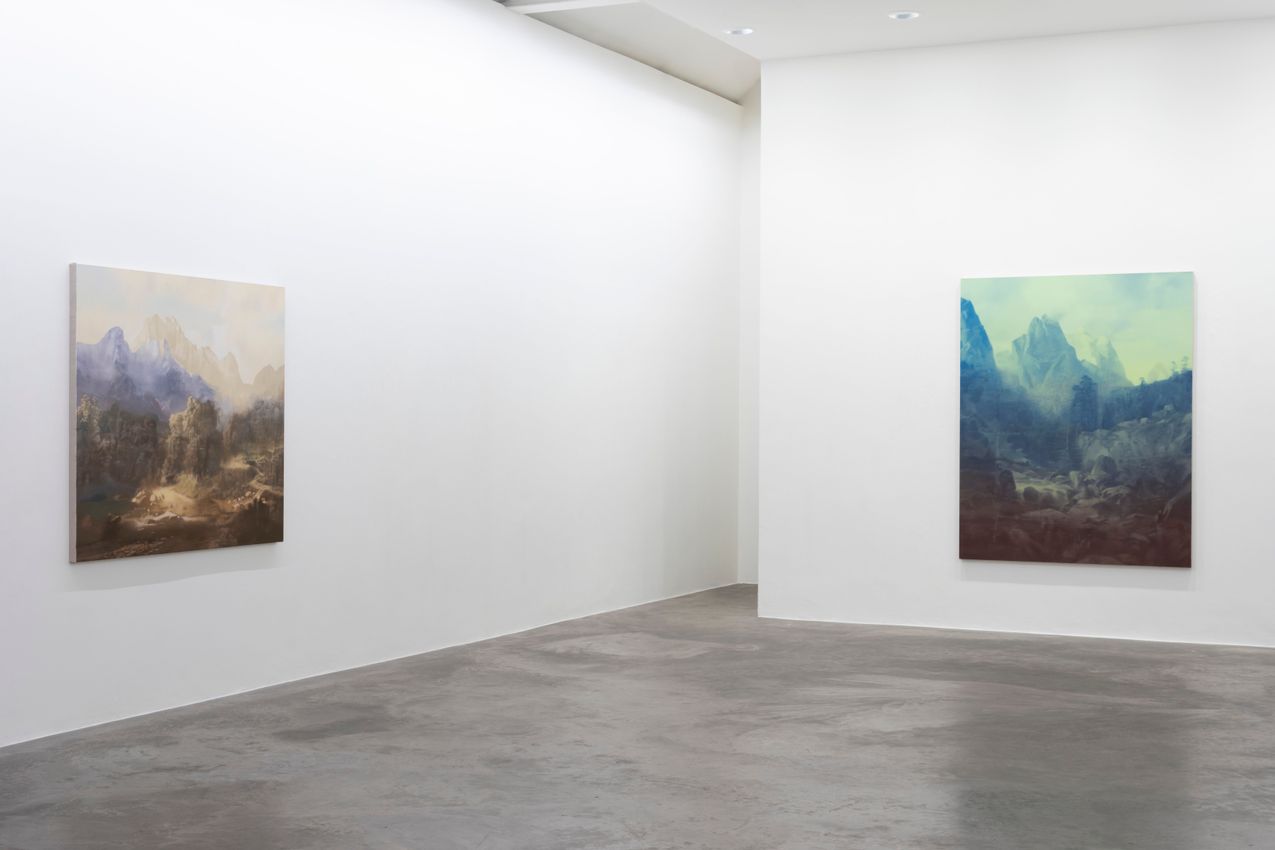
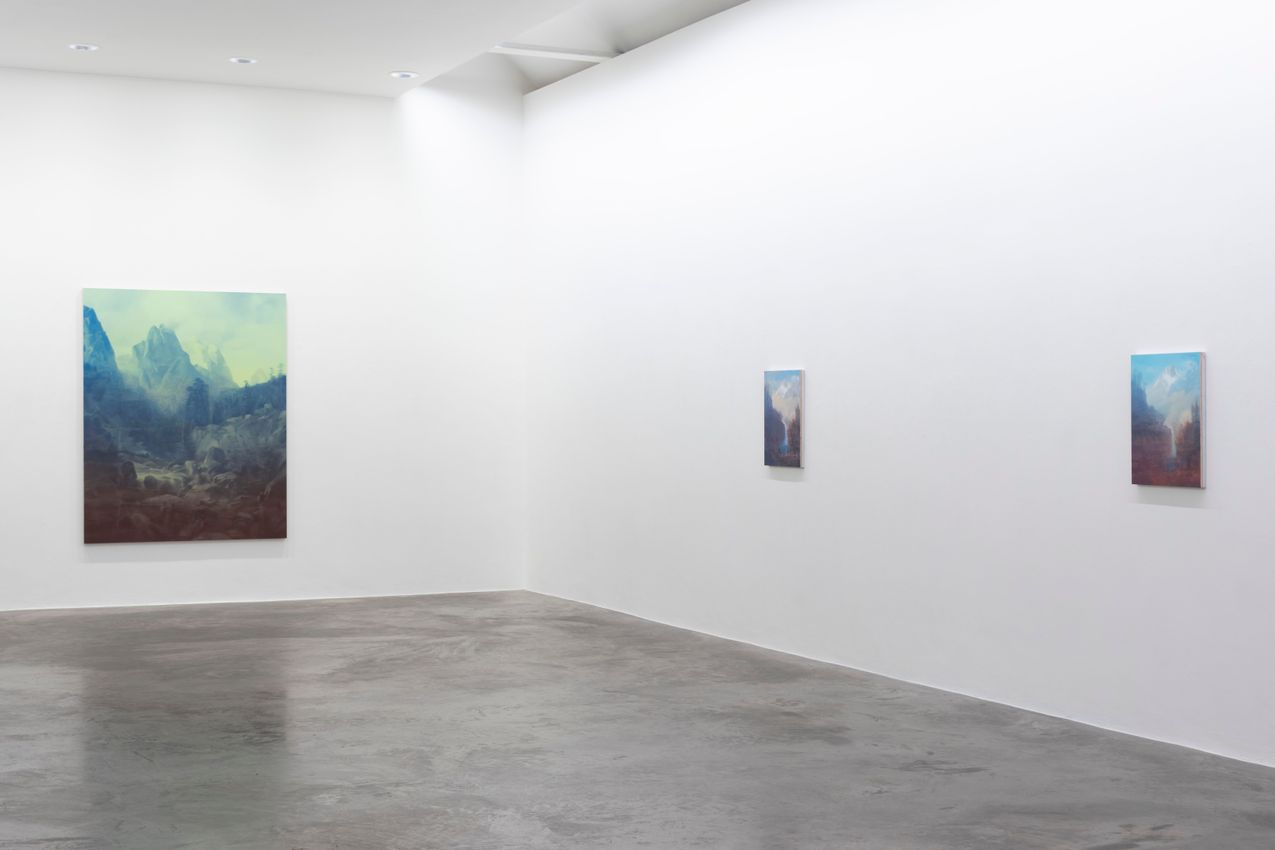
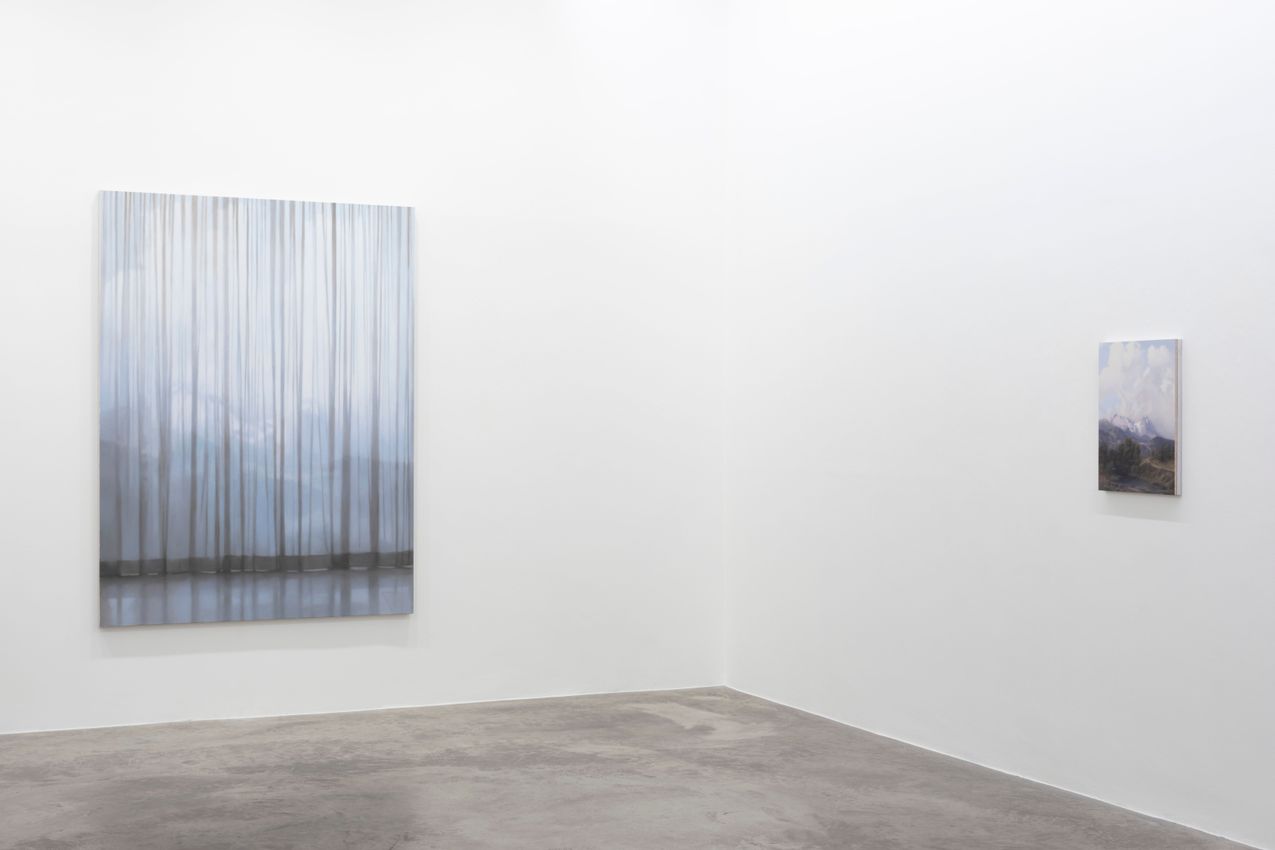
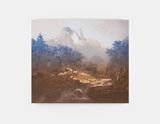
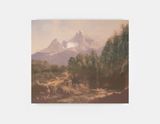
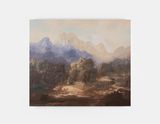
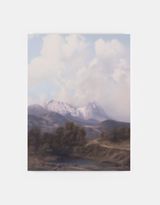
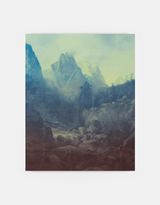
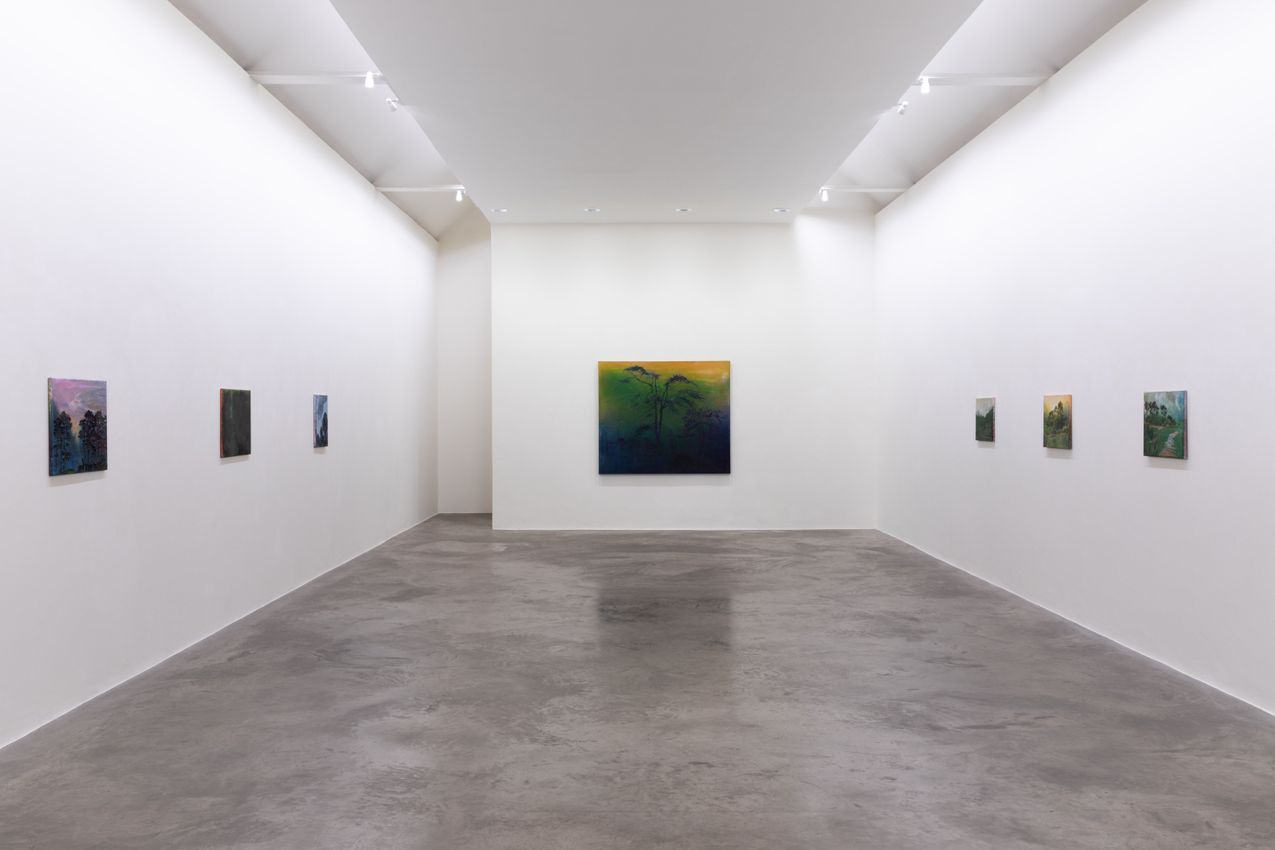
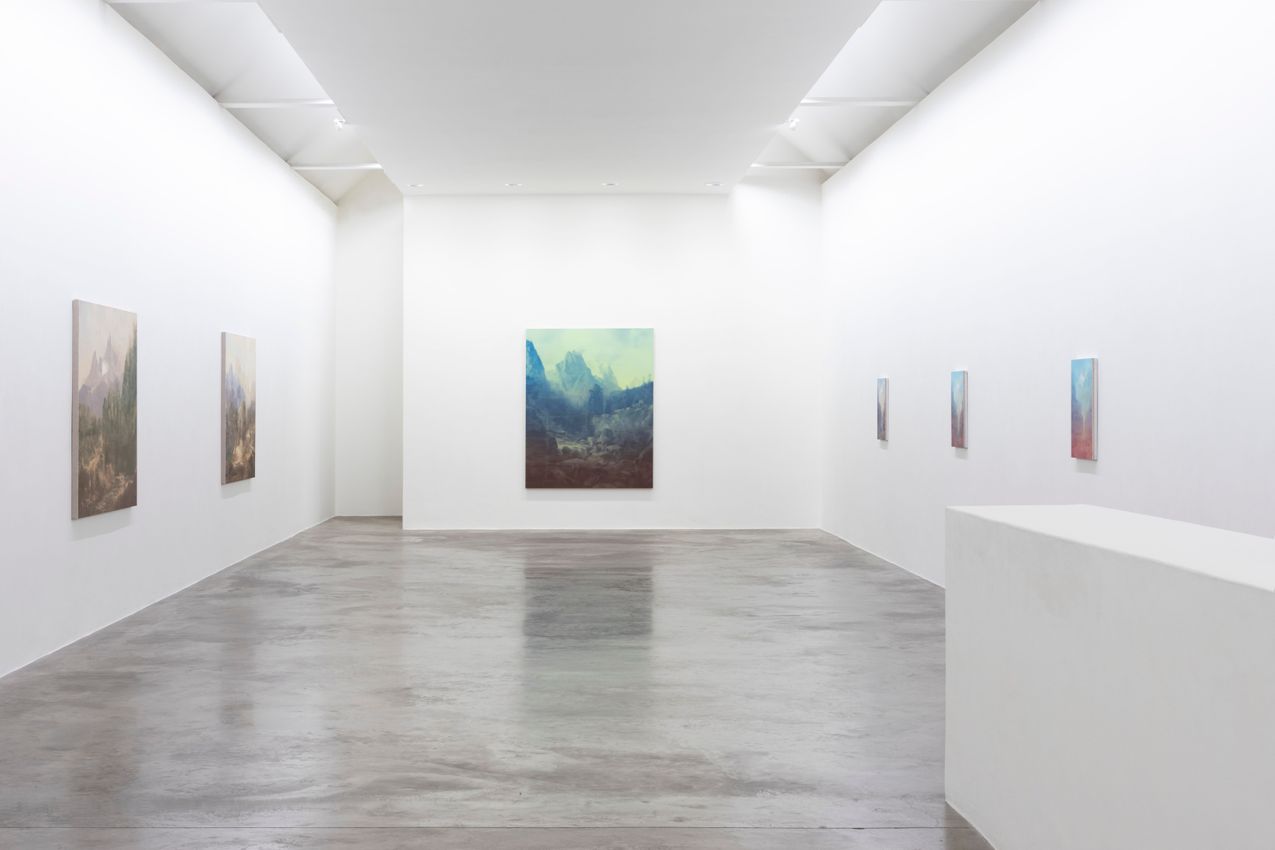
Titled Arcadia, suggesting ‘something ancient being revisited’, this new body of work looks towards early 19th-century paintings of idyllic mountainous landscapes – pictures that have largely lost their significance through the ‘gauze of history’. Seizing upon the more abstract elements of these works, Winstanley revisits the genre from a contemporary standpoint – first ‘degrading’ inkjet prints of the source images, stripping back detail using a process of wax resist, before recreating them as paintings. Through this process of reinvention, the landscapes become spatial encounters – removed from the specificity of place, they instead tune our attention towards atmosphere, presence, and spiritual charge, all while keeping the ‘shadow’ of the original image.

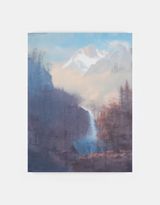
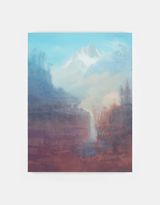
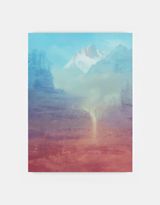
As with Arcadia, Winstanley’s series The Falls captures and distorts the motifs of 19th- century landscape painting – reenergising a particular vista of an Alpine waterfall with vivid, shapeshifting palettes that range from the dusky to the bordering-on psychedelic. Both mountains and waterfalls are central to the Romantic notion of the Sublime, in which a fear and awe at the infinity of space becomes an elevated aesthetic experience. Here, Winstanley searches for ways to enrich the source image with something akin to this sensation through infusions of colour and light, which bleed into and warp the image. Transforming this repeated motif intoa shimmering mirage, serialised with varying degrees of abstraction, the series invites us to reflect upon how pictures mythologise reality.

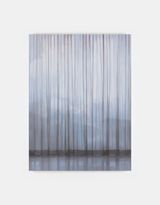
One of Winstanley’s best-known bodies of work, the Veil series was initiated in 1999 and has been revisited intermittently in the 25 years since, reflecting the changing nature of the artist’s work over this time period. Init, the artist returns to a repeated motif of sheer curtains, usually white, that act as a membrane between the viewer and the world behind. At times, the veil conceals the ghostly impression of a landscape, as is the case here. Though literally cloaking us in mystery, the Veil paintings feel rich with luminosity, surface and texture, inviting us to reflect on the feeling of being in the world and gazing at the beyond; the gauziness of memory; as well as the multi- layered nature of painting itself.

Paul Winstanley is an artist whose career spans five decades, celebrated for his paintings of ‘semi-public spaces’ that make sense of the experience of seeing. The artist captures environments in which time is suspended, including waiting rooms, lobbies, or art schools emptied during the summer break; thresholds, including veils, windows and corridors; and reflective spaces, like art museums, whitewashed churches and mountainous landscapes. Initially trained as an abstract and minimalist painter in the 1970s, Winstanley reversed the usual trend of 20th-century artists by moving towards a more representational practice. Yet his approach to figuration absorbs the language of minimalism, continuing to explore the elemental qualities of light and space, and their relationship to the object. Bringing this contemporary approach to the ostensibly traditional genres of landscape, interior, still life and figure, Winstanley creates conceptually rigorous work in which the relationship between the viewer and the painting is central. Winstanley looks towards the history of Northern European painting, from the quiet intimacy of Vermeer to the romanticism of Caspar David Friedrich, as well as more conceptual figures like Richard Hamilton, using harmony and pictorial organisation as well as more deconstructionist techniques – abstracting or degrading images from their original source – to render them anew.

Read More

Installation Views

About the Artist

Paul Winstanley is a painter who uses the ostensibly traditional genres of Landscape / Interior / Still Life / Figure / to create works of conceptual rigour that present the relationship of the viewer to the painting as central to the content of the work. At once methodical and melancholic his painterly depictions of landscapes, walkways, veiled windows, TV Lounges, art school studios and individuals distracted in contemplation are rendered in an exacting and subtle palette. Training initially as an abstract and minimalist painter Winstanley reversed the usual trend of early 20th century artists by moving back towards a new, more self aware representational work. His paintings however do retain much of the aesthetic qualities of the earlier abstraction in their pictorial organisation and minimalist feel. His paintings draw as much from historical northern European artists such as Caspar David Friedrich, Vermeer and Vilhelm Hammershoi as contemporary, more conceptual practitioners such as Richard Hamilton. The images Winstanley creates contain a sense of imposed order as well as an atmosphere of abandonment or expectation and of time inexorably passing.

View Artist Profile

Also Exhibiting at Kerlin Gallery

About the Gallery

Kerlin Gallery was founded in Dublin in 1988. It has built an international reputation for its dedicated, meaningful representation of leading contemporary artists through its exhibition, publishing and art fair programmes. Its current site was designed by the minimalist architect John Pawson in 1994 and offers 3,600 square feet of exhibition space over two floors in the heart of Dublin City Centre.

View Gallery Profile
Address
Anne's Lane
South Anne Street
Dublin
Ireland
Opening Hours
Tuesday – Friday, 10am – 5:30pm
Saturday, 11am – 4:30pm
(1)
Dublin Anne's Lane, South Anne Street
Kerlin Gallery
Anne's Lane, South Anne Street, Dublin, Ireland
+35 316 709 093
http://www.kerlin.ie

Opening hours
Tuesday – Friday, 10am – 5:30pm
Saturday, 11am – 4:30pm
The art world in focus