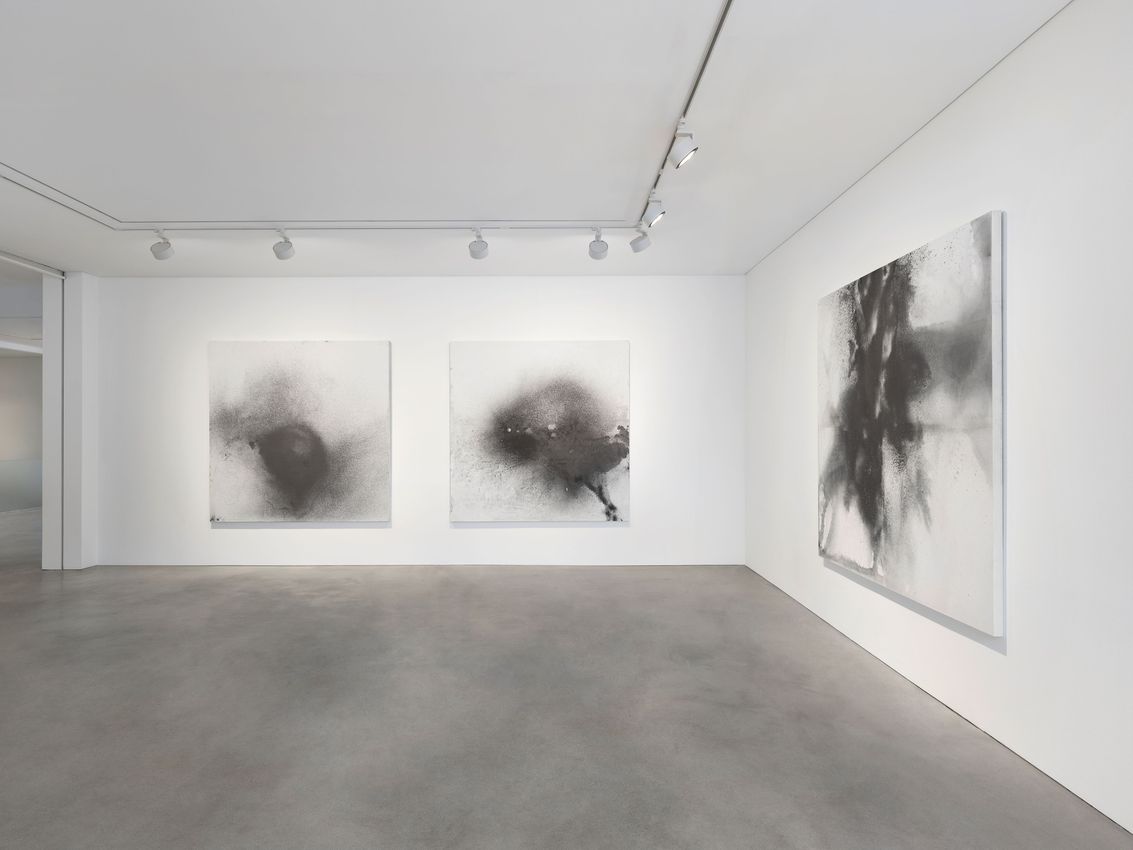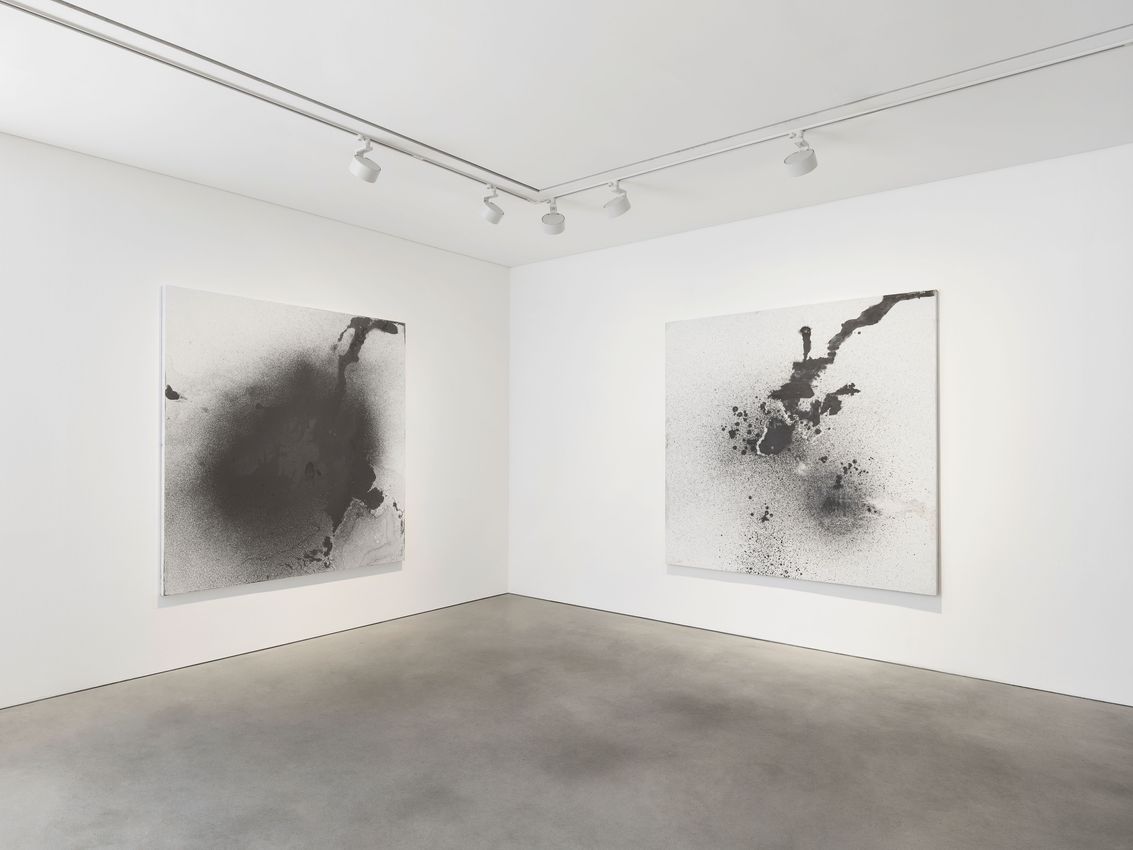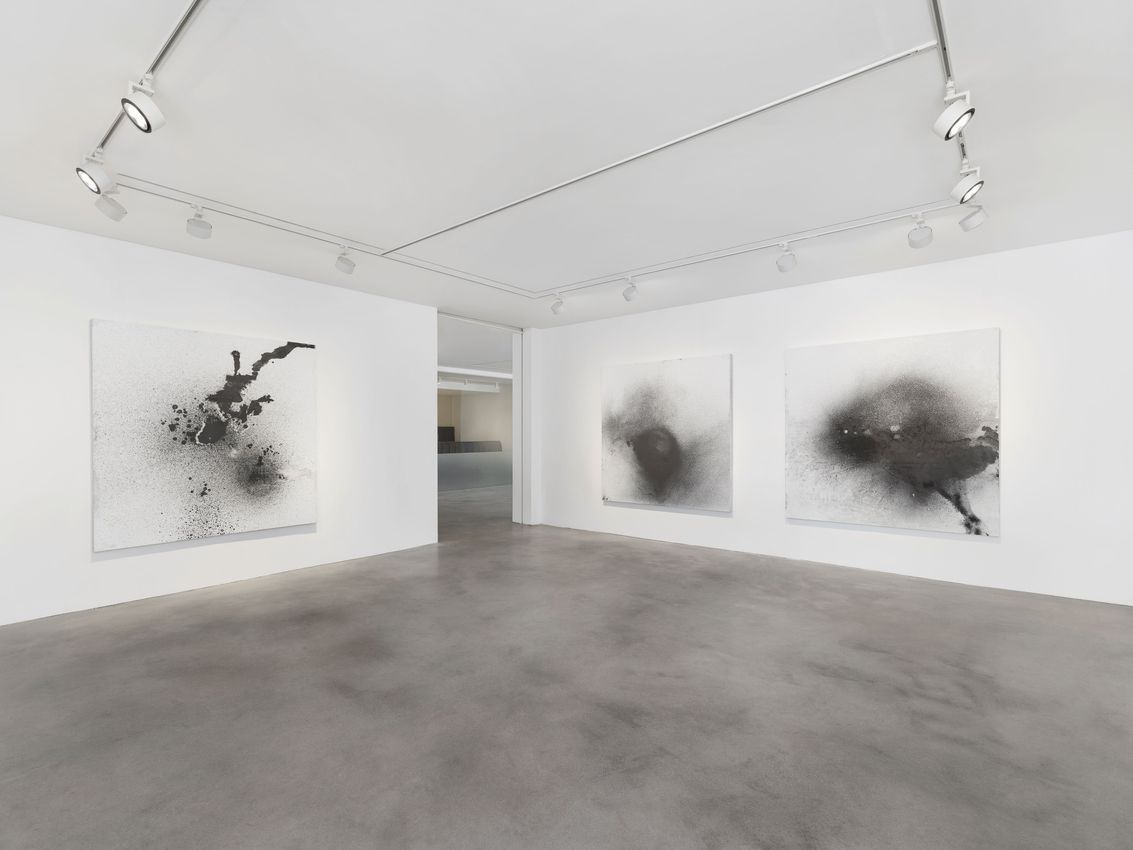




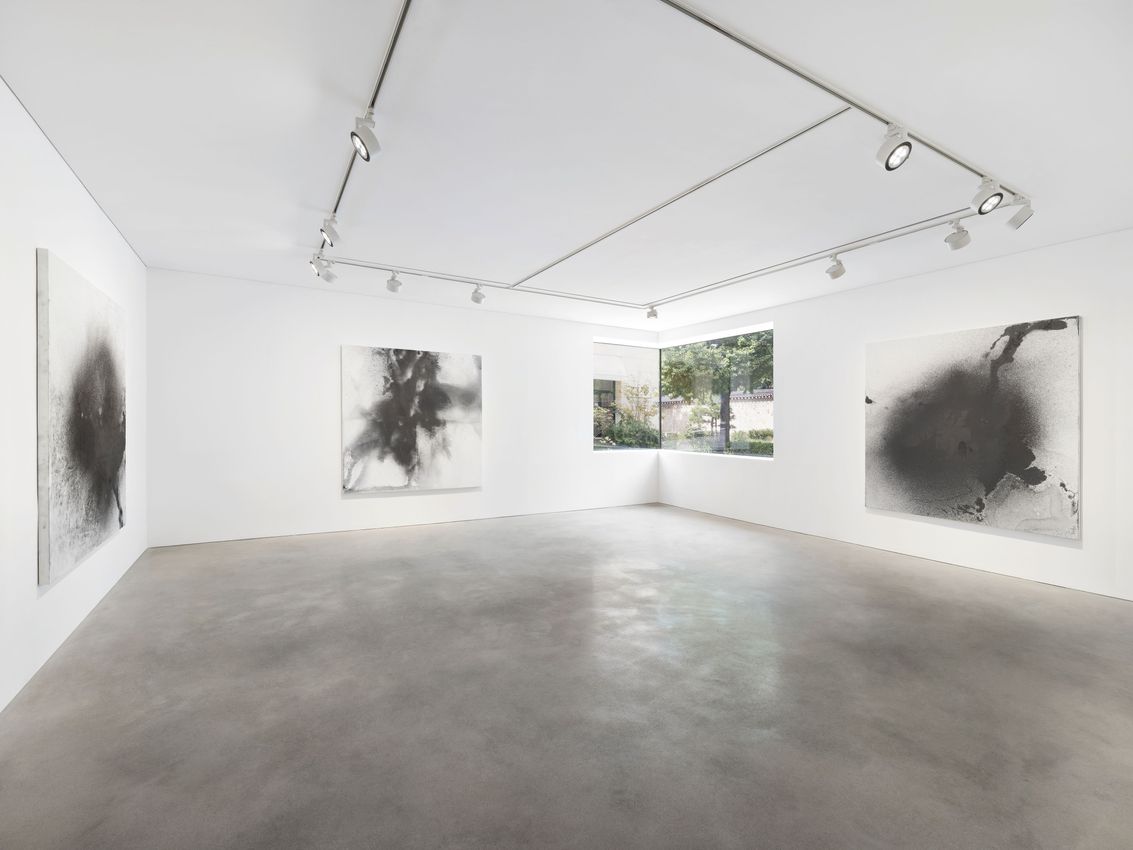
Kukje Gallery is pleased to present Gala Porras-Kim’s solo exhibition Conditions for holding a natural form, on view in the gallery’s K1 space from 2 September to 26 October 2025. Porras-Kim’s work interrogates how cultural institutions organize their collections, focusing especially on those classification systems that shape how objects are produced, perceived, and preserved. Her work poignantly reveals the mechanisms that underlie conventional museological practices and proposes methods for recognizing the multiple functions and histories of cultural objects. In her first exhibition with Kukje Gallery, Porras-Kim presents two groups of drawings that explore abstraction and the ways human-constructed categories are applied to naturally-occurring and organic forms.
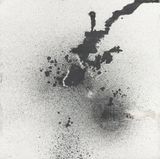
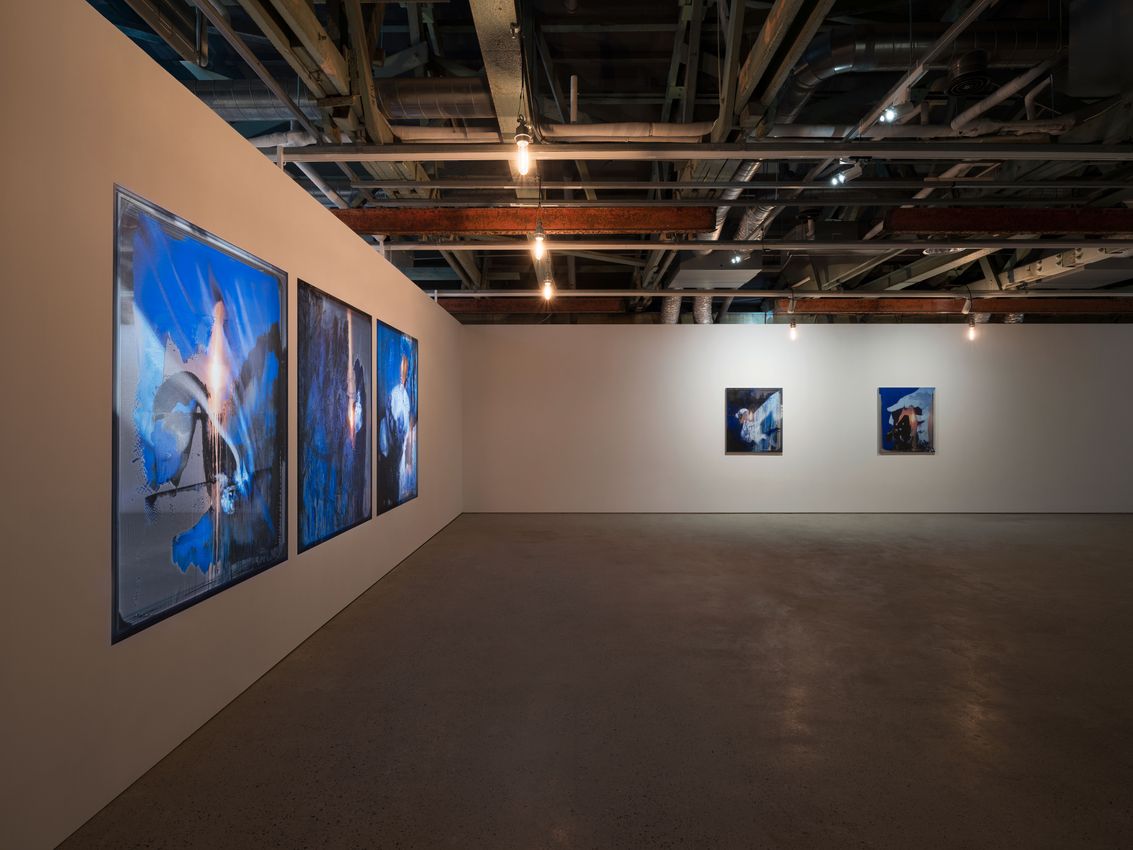
The front room of K1 is dedicated to six works titled Signal, each drawing made in collaboration with nature. While most museums and art institutions strictly regulate humidity as a means to preserve objects, Porras-Kim actively incorporates this element into her process to generate spontaneous ‘signals.’ Produced in various locations around the world since 2021, each Signal is created from a work known as Forecasting Signal (2021–ongoing), which uses a suspended fabric soaked with graphite and an industrial dehumidifier that collects and releases moisture from the interior environment for the duration of an exhibition. The moisture drips through the fabric, forming patterns on panels placed on the gallery floor. The resulting works reflect environmental factors—including climate, season, and visitor traffic—while also capturing the invisible vitality of the exhibition space in abstract forms.
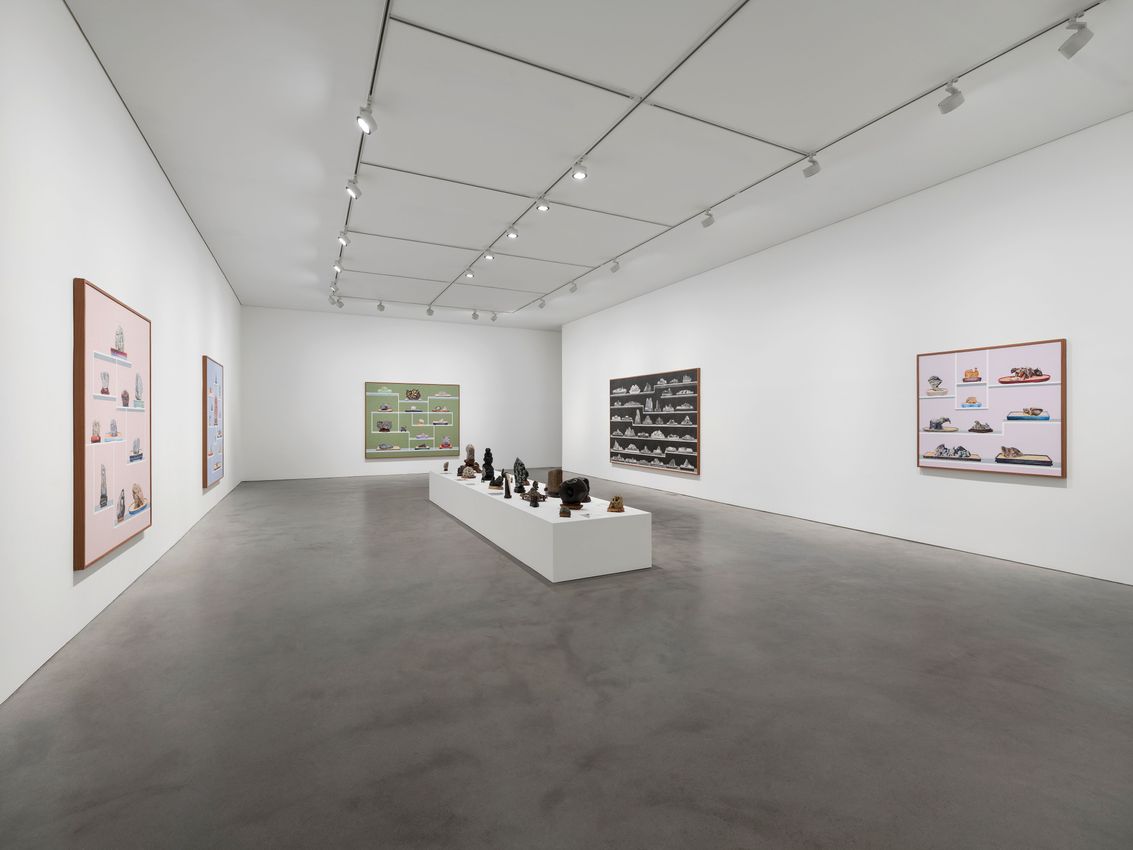
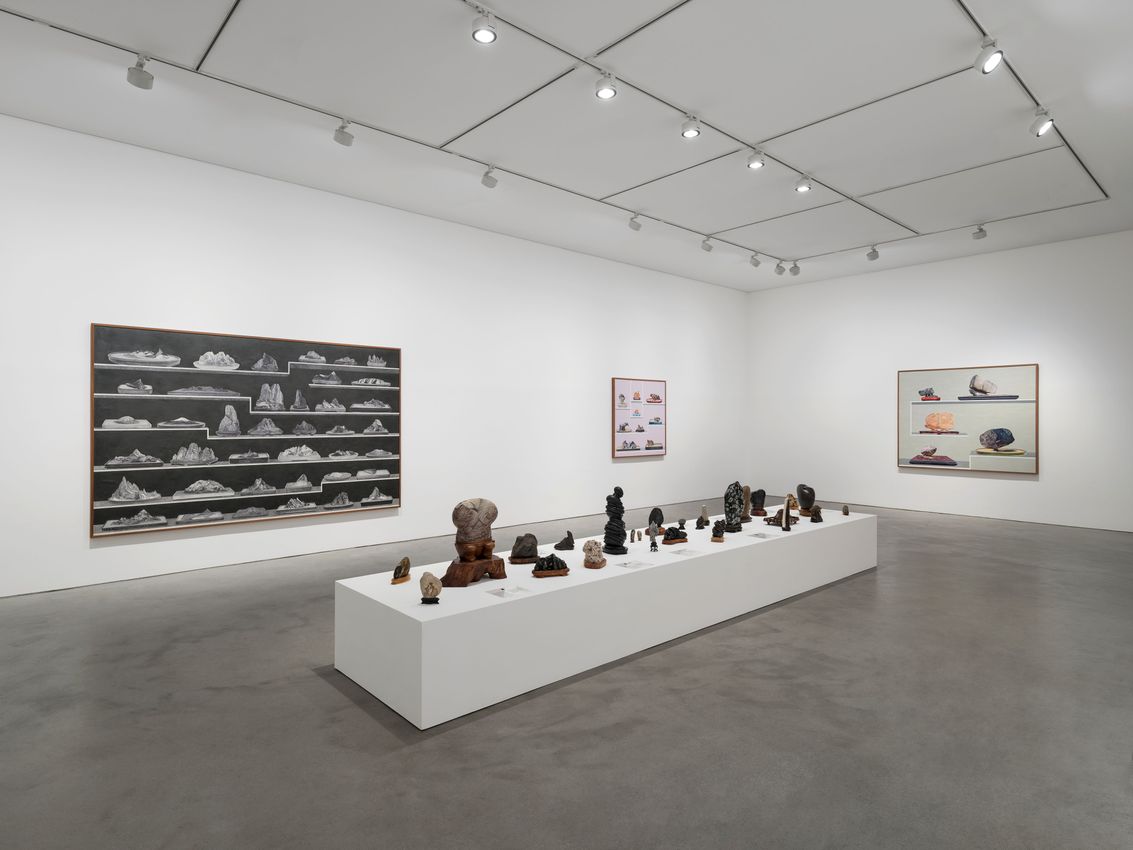
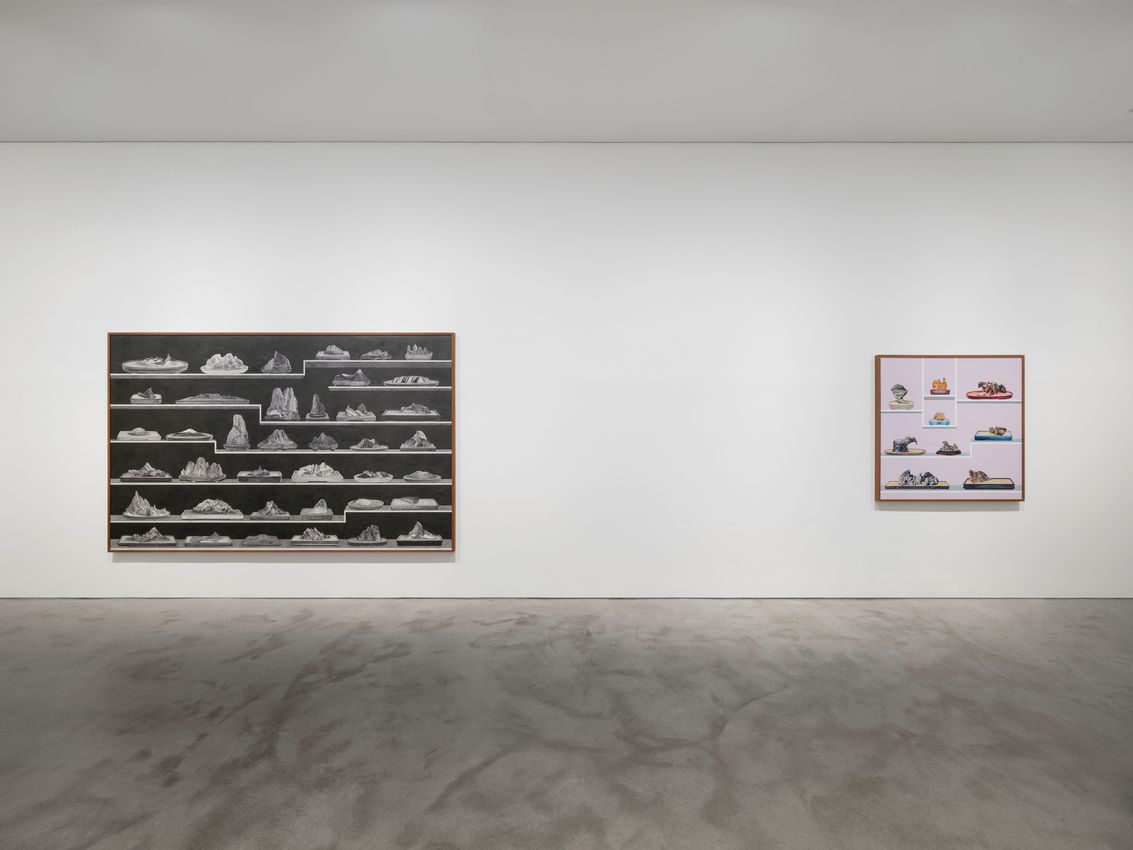
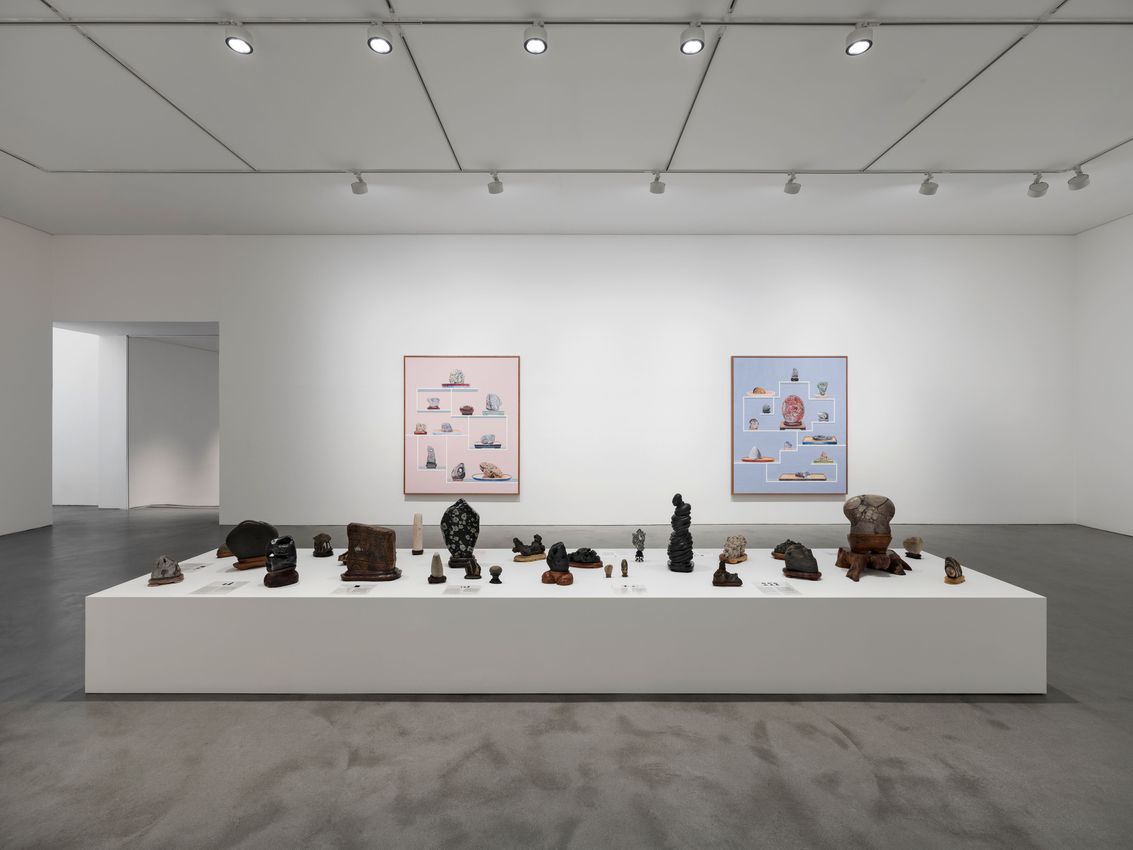
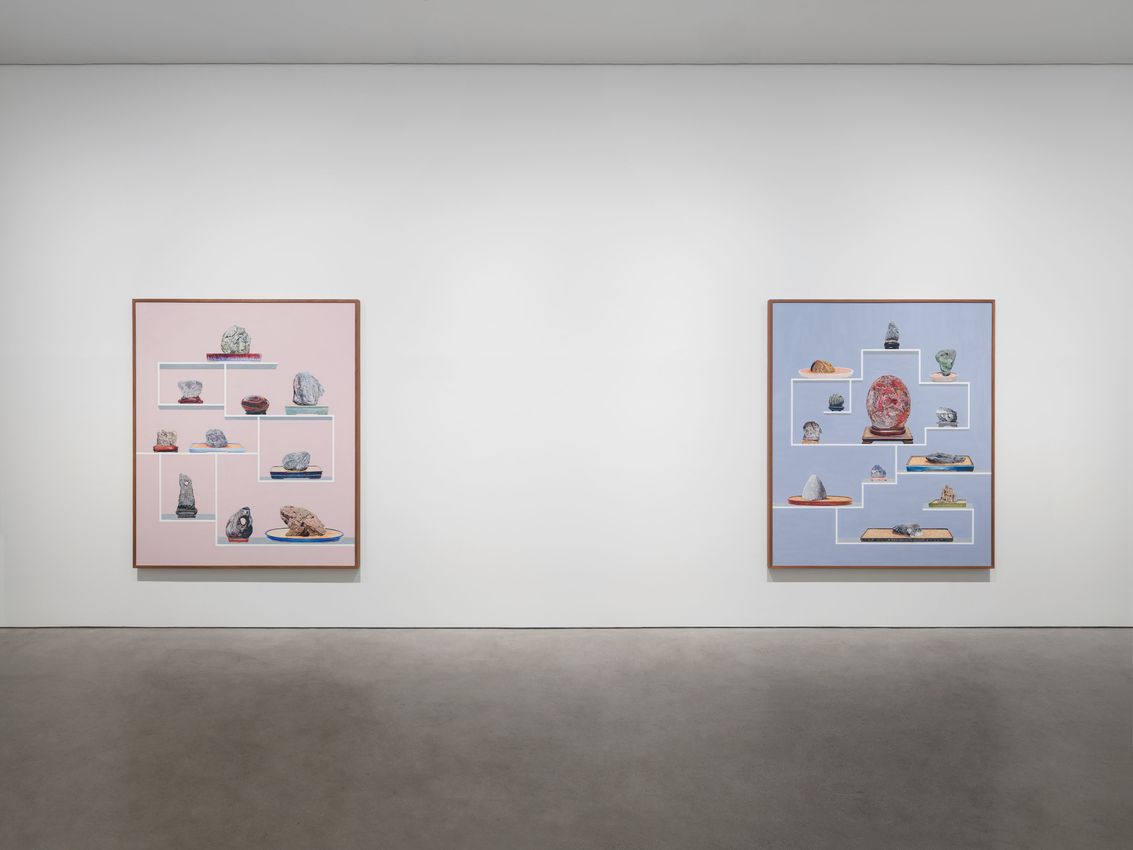
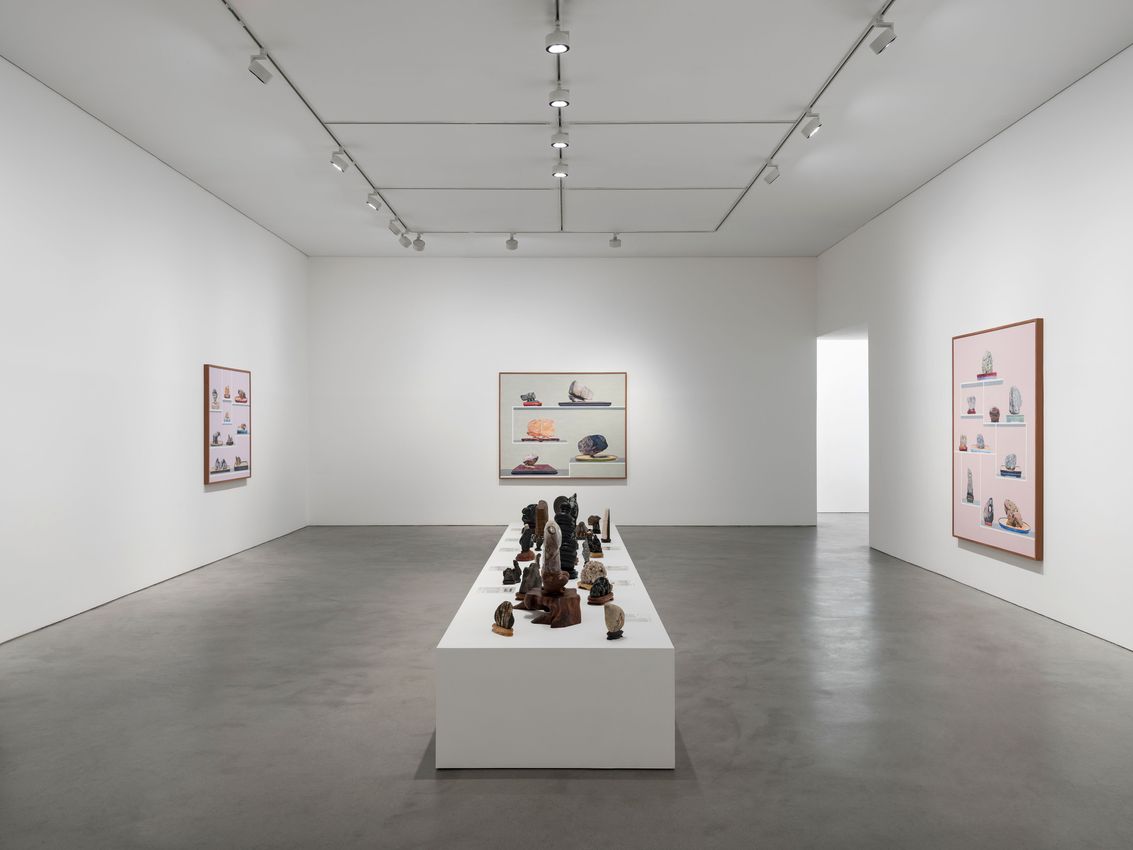
In the rear room of K1 are seven drawings based on suseok, also referred to as viewing stones or scholar’s stones. These unique stones are widely collected in Korea, China, and Japan and praised for their rare natural beauty. In this new body of work, Porras-Kim builds on her long-standing research into how stones serve as cultural and historical artifacts across different civilizations. The artist was particularly intrigued by the detailed criteria and classification systems developed around suseok—conditions shaped by human perceptual habits and aesthetic traditions—which she explored and reinterpreted in the work.
In the exhibition, the artist presents a series of new, non-traditional categories and groupings such as ‘balanced stones,’ ‘extraterrestrial stones,’ ‘sacred stones,’ and ‘animal-shaped stones.’ The works bring together images of existing stone formations, reimagined in the shape and scale of personal collections, to highlight the ways we see and appreciate each stone’s distinctive features. The series continues what Porras-Kim refers to as ‘index drawings,’ which work through ideas of organizing structures that shape contemporary interpretations of historical artifacts. The format for these drawings is inspired by chaekgeori, a Korean genre of still life that depicts stacks of books, valuable items, and scholarly accoutrements—a form of display which she re-employs as a means to draw attention toward objects and how their meaning is shaped through collecting practices. This series takes the form of meticulous drawings, and the method of their construction encourages the artist and viewers to slow the gaze and observe the distinctive details of each object.
As part of the exhibition, the artist invited suseok collectors to showcase their own collections. Each unique stone is accompanied by a message from the collector sharing stories about the object’s significance. In doing so, the artist initiates a dialogue between the drawings and the stones—one that reveals the interpretive and personal conditions that shape our recognition of abstract and ancient forms.
Gala Porras-Kim is an interdisciplinary artist acclaimed for her research-driven contemporary art that questions how knowledge is formed, preserved, and displayed within museums and cultural institutions. Porras-Kim’s work has been exhibited at leading institutions worldwide, including the Whitney Biennial, Gwangju Biennale, and the 34th Bienal de São Paulo, and she is the recipient of the 2024 Heinz Award for the Arts.


Established in the heart of Seoul in 1982, Kukje Gallery is a leading Korean gallery dedicated to showcasing works by Korean and international artists and promoting modern and contemporary art. At 54 Samcheong-ro, Jongno-gu, the gallery has 3 key exhibition spaces, respectively named K1, K2, and K3. In 2018, the gallery opened a second location in F1963, a cultural complex housed in a former wire factory in Suyeong-gu, Busan.

A respected voice in contemporary art discourse.
Focusing on ambitious storytelling and insightful art-world commentary. Ocula Magazine publishes in-depth interviews, critical essays and timely analysis on the artists, exhibitions and ideas driving the global art world.
Learn more about Ocula Magazine
Showcasing the best of the art world.
Ocula partners with galleries from around the world to highlight their artists, artworks and exhibitions. Gallery membership is by application and invitation, with each member vetted by an independent panel.
Learn more about Ocula Membership

Specialises in the sale of major artworks.
Led by a team with deep ties to the world’s leading auction houses, galleries and collectors. Ocula’s advisory team offers bespoke services to high-net-worth clients from around the world who are looking to acquire the best of contemporary and modern art.
Learn more about our team and services