Press Release

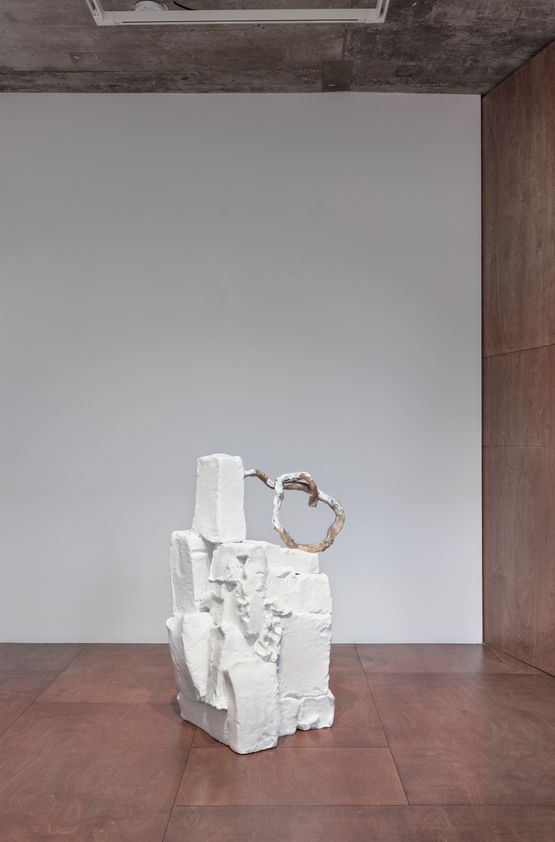
Lehmann Maupin is pleased to announce Hello Seoul!, an exhibition of new and existing sculptures by Erwin Wurm. There will be an opening reception for the artist on Thursday, February 20 from 5 to 7 pm.

Austrian artist Erwin Wurm rose to prominence in the early 1990s with his ‘One Minute Sculptures’, an ongoing series of works where the artist provides instructions to participants to perform awkward poses with everyday objects—a theme that was the focus of Wurm’s presentation for the Austrian Pavilion at the 57th Venice Biennale. This translated into the essence of his practice: investigations into ephemeral and participatory sculptures that comment on the importance of a viewer’s engagement with works of art as a necessary agent for their completion.

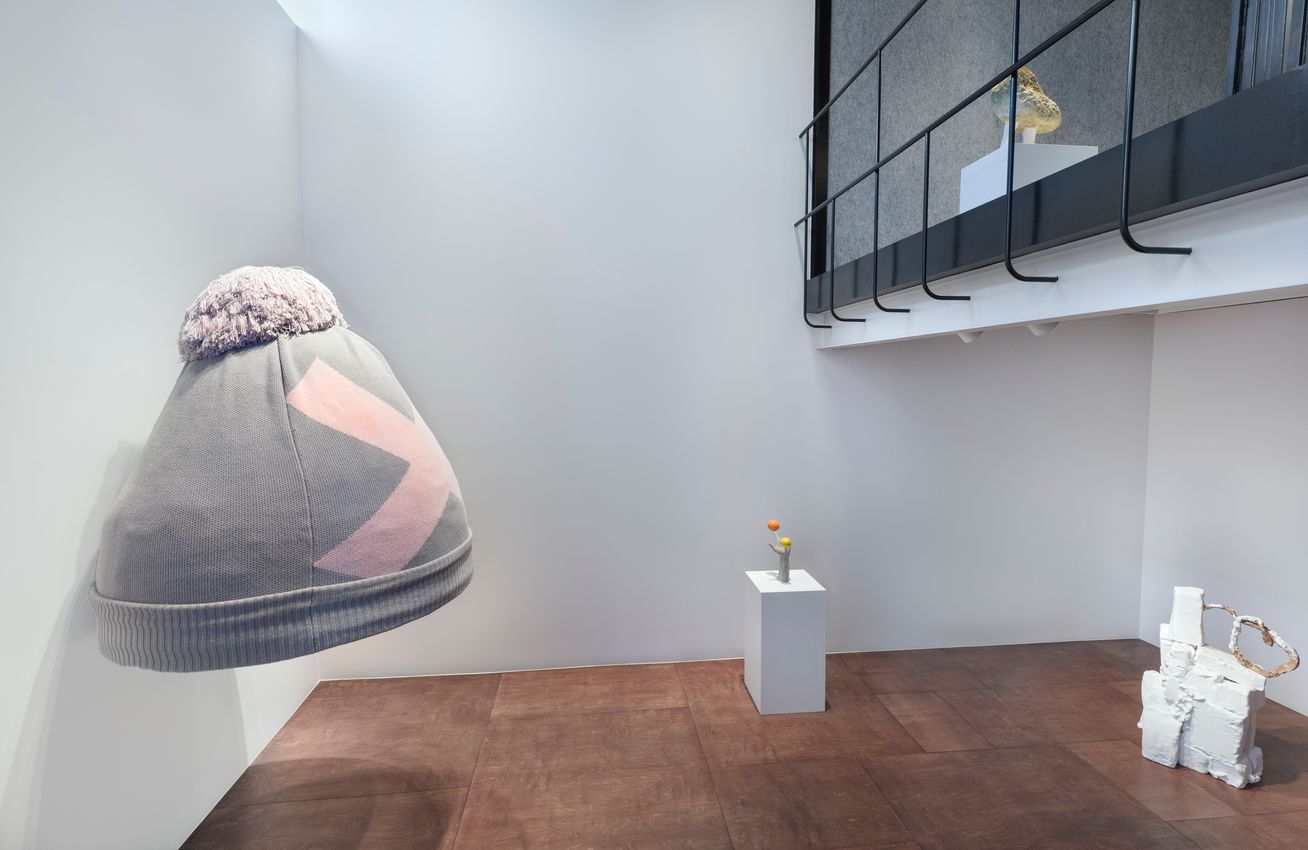
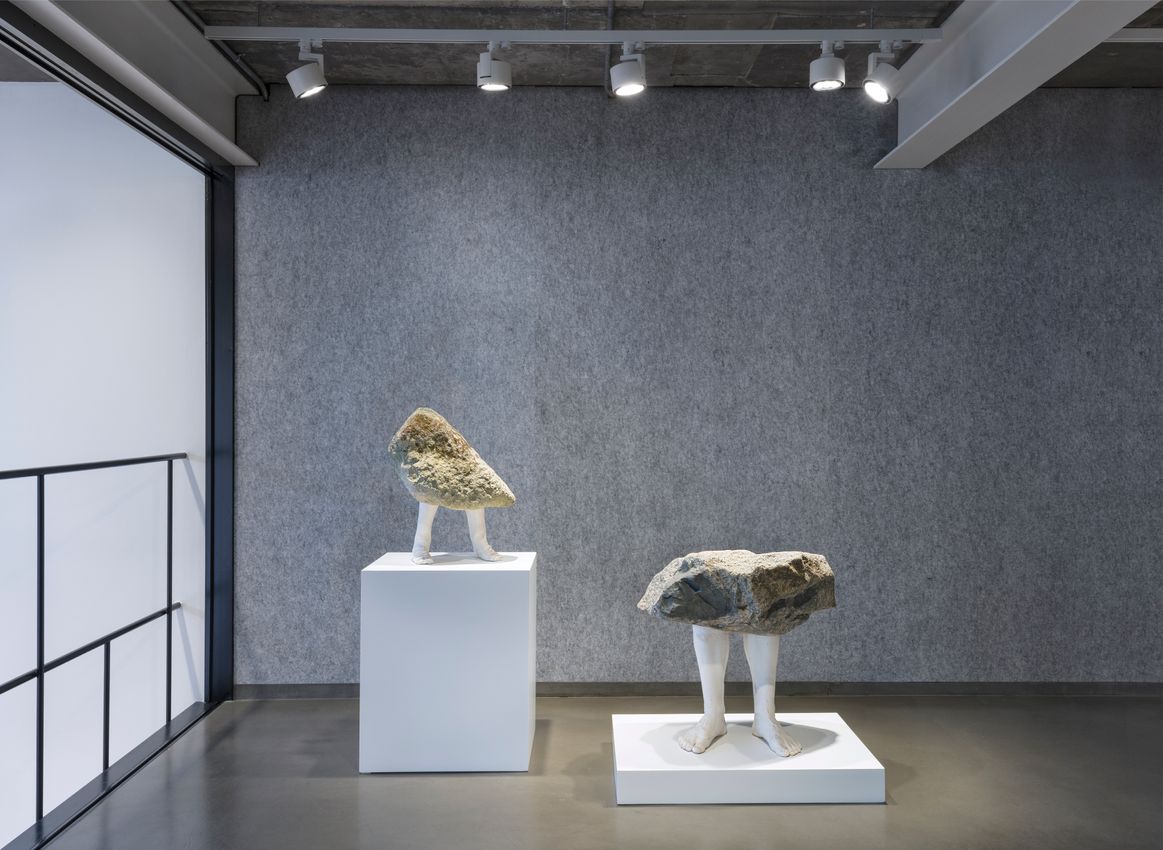
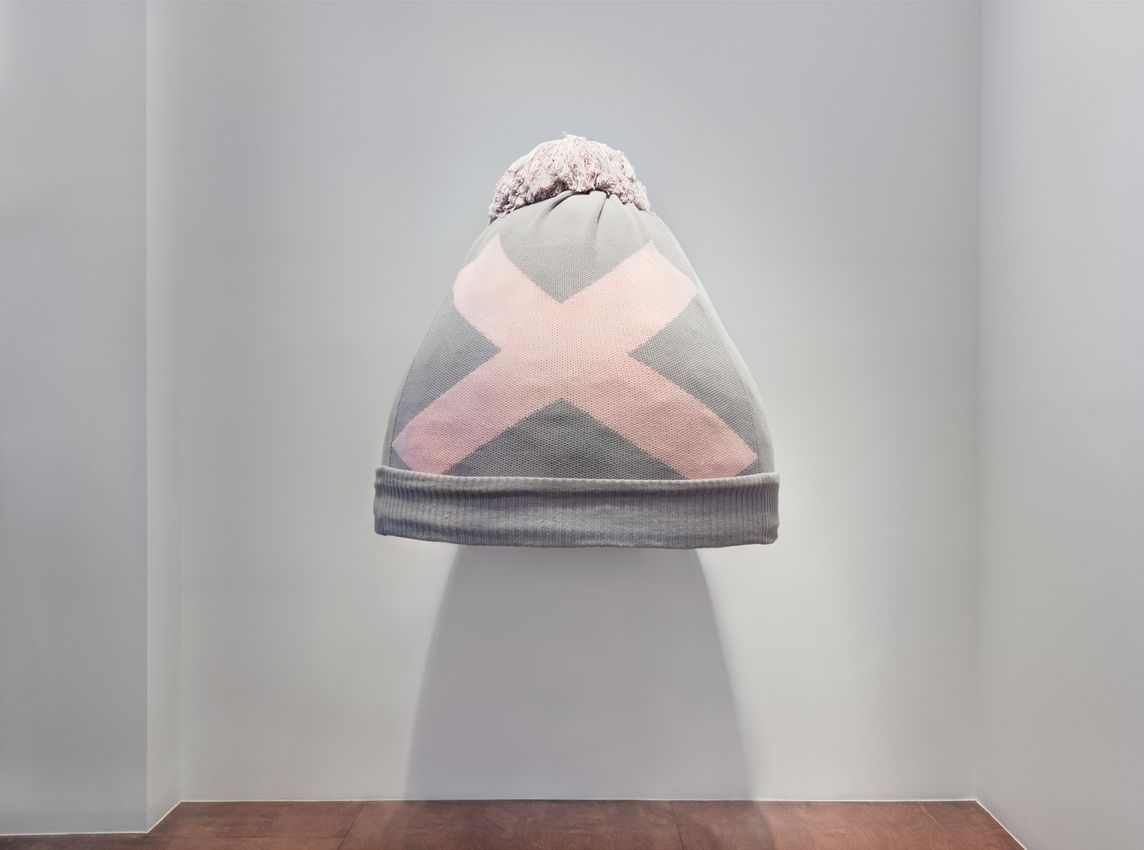
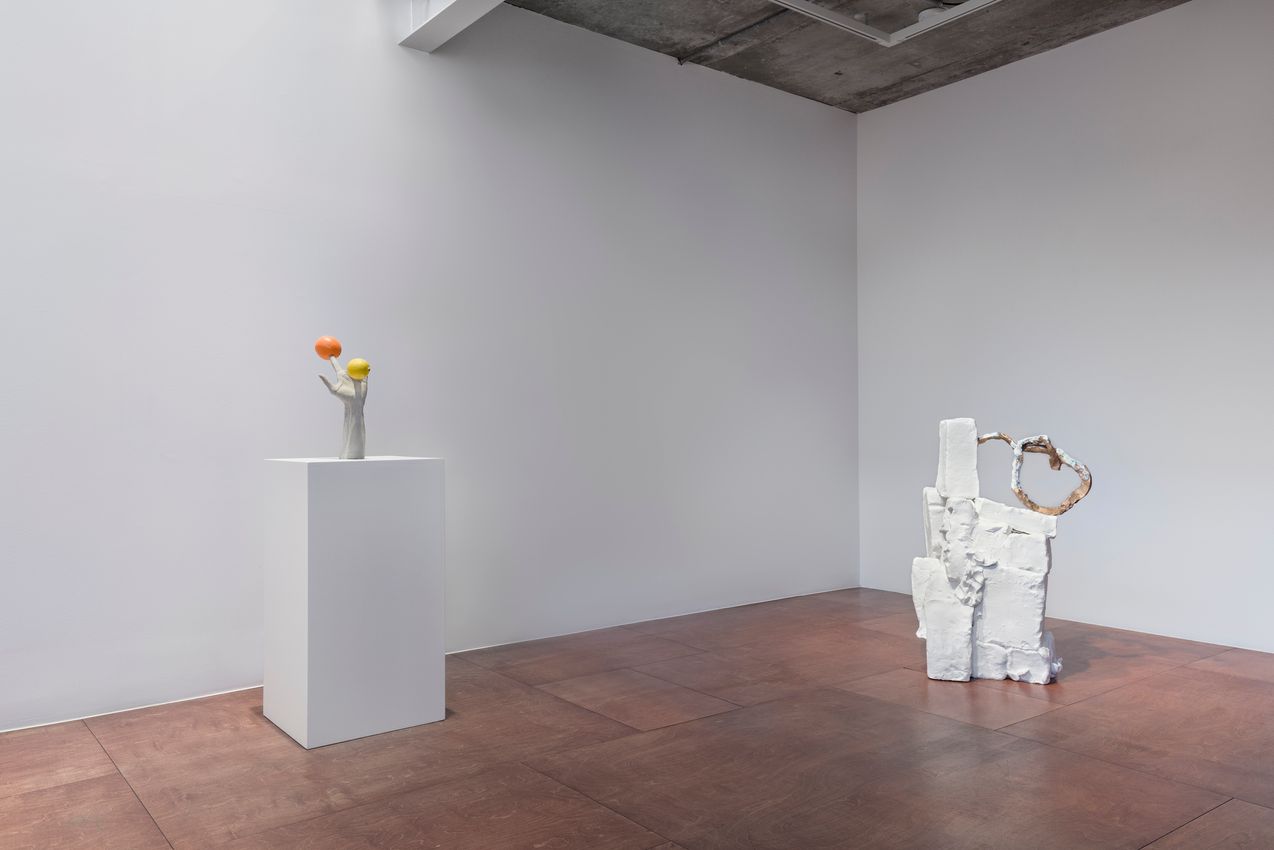
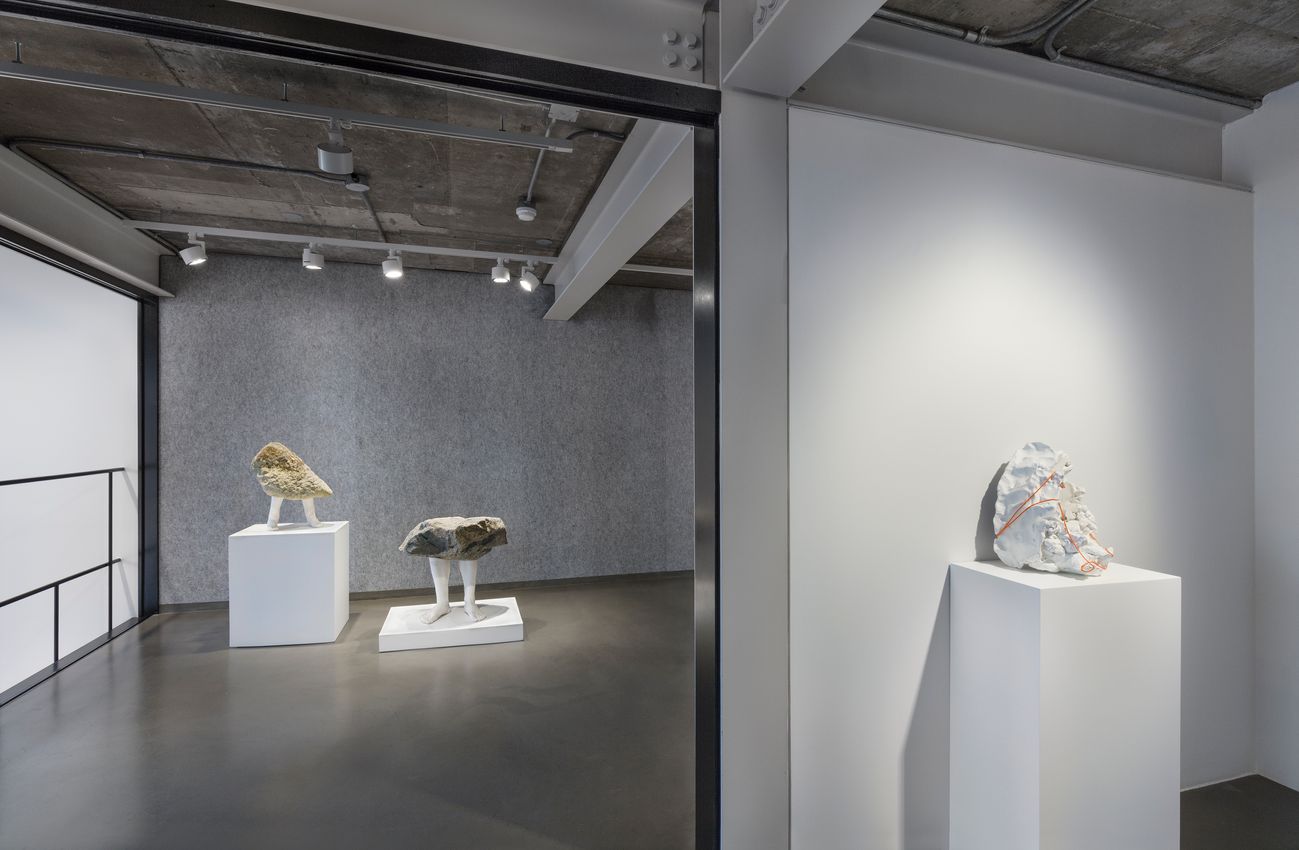
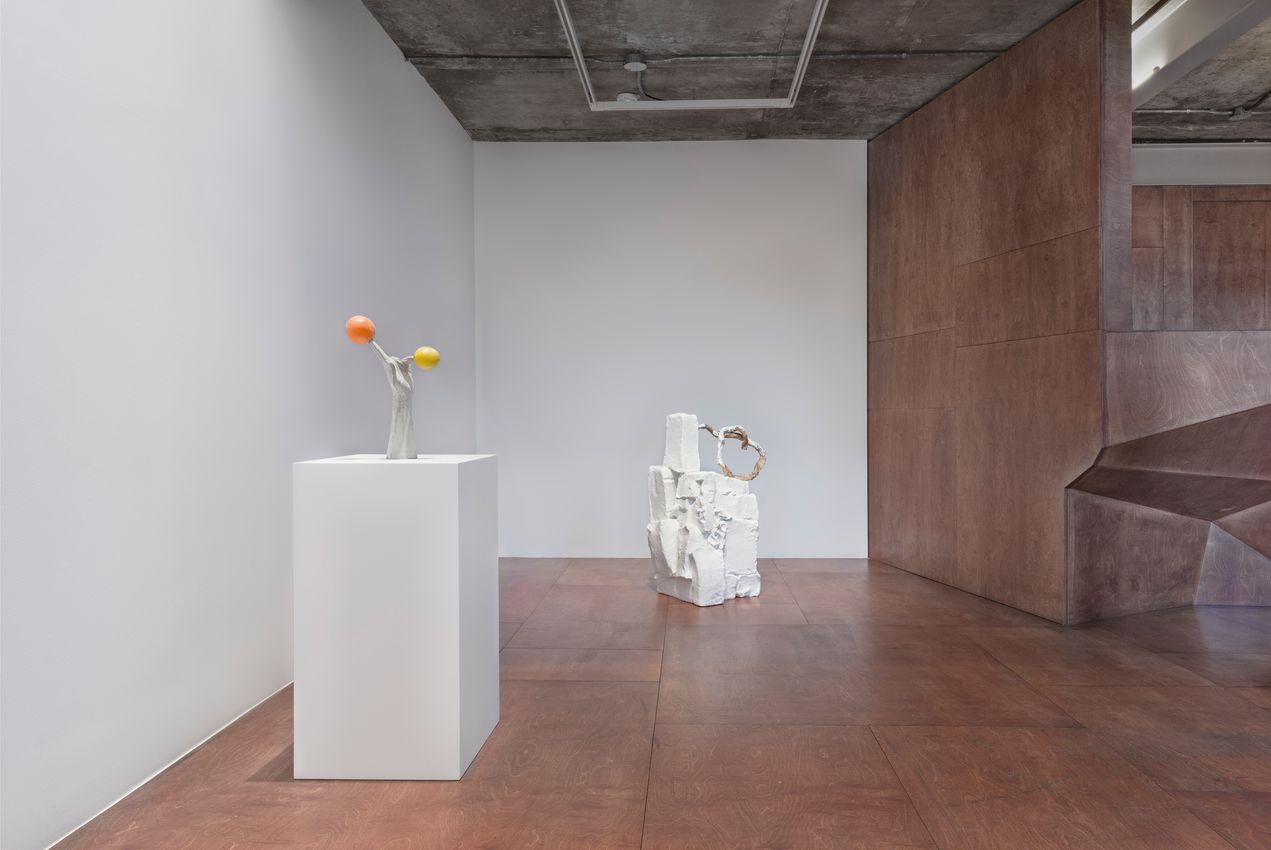
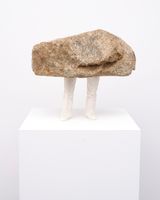
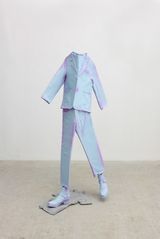
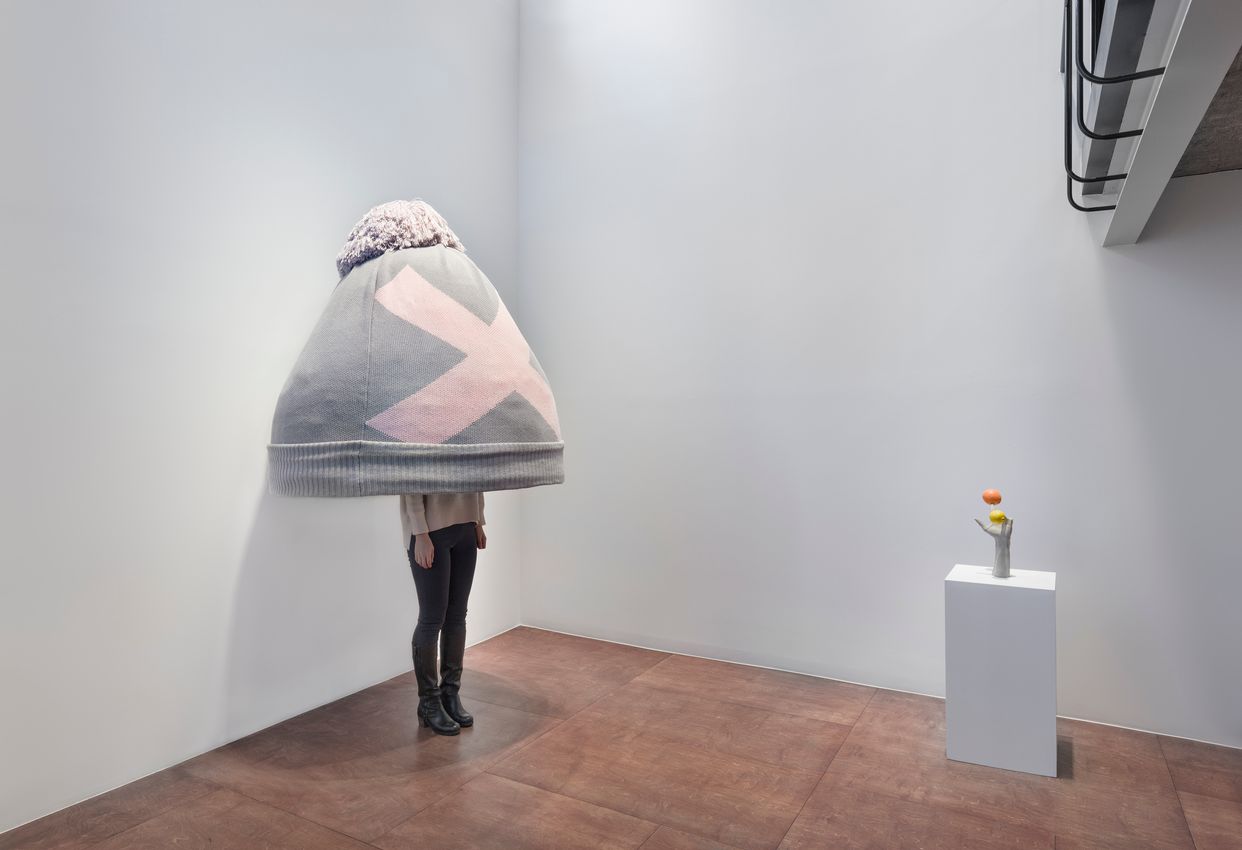
With Beanie, Wurm takes a familiar object, a winter hat otherwise known as a beanie, and enlarges it to an exaggerated proportion. The public is invited to stand under Beanie, engulfed by it, and to consider the emotions felt, whether a sense of protection, fear, or something else. When questioned about the use of clothing in his work, Wurm has stated: ‘What I like about working with clothes is how you can hide form, hide a human being under it. You can make it abstract and take personality out by hiding the body. In my “One Minute Sculptures” I was able to create something which does not look human at first sight.’ In other works such as Stone, human feet are added to the bottom of a stone, a weighty mass that stands in for the human body, and in One Minute Forever (hands/fruits), a concrete cast of a disembodied hand with an orange and lemon pushed onto its fingertips, the participatory nature of Wurm’s work becomes immortalised. These works encapsulate paradox and contradiction between the immobile and the mobile, a tension present in much of Wurm’s sculpture.

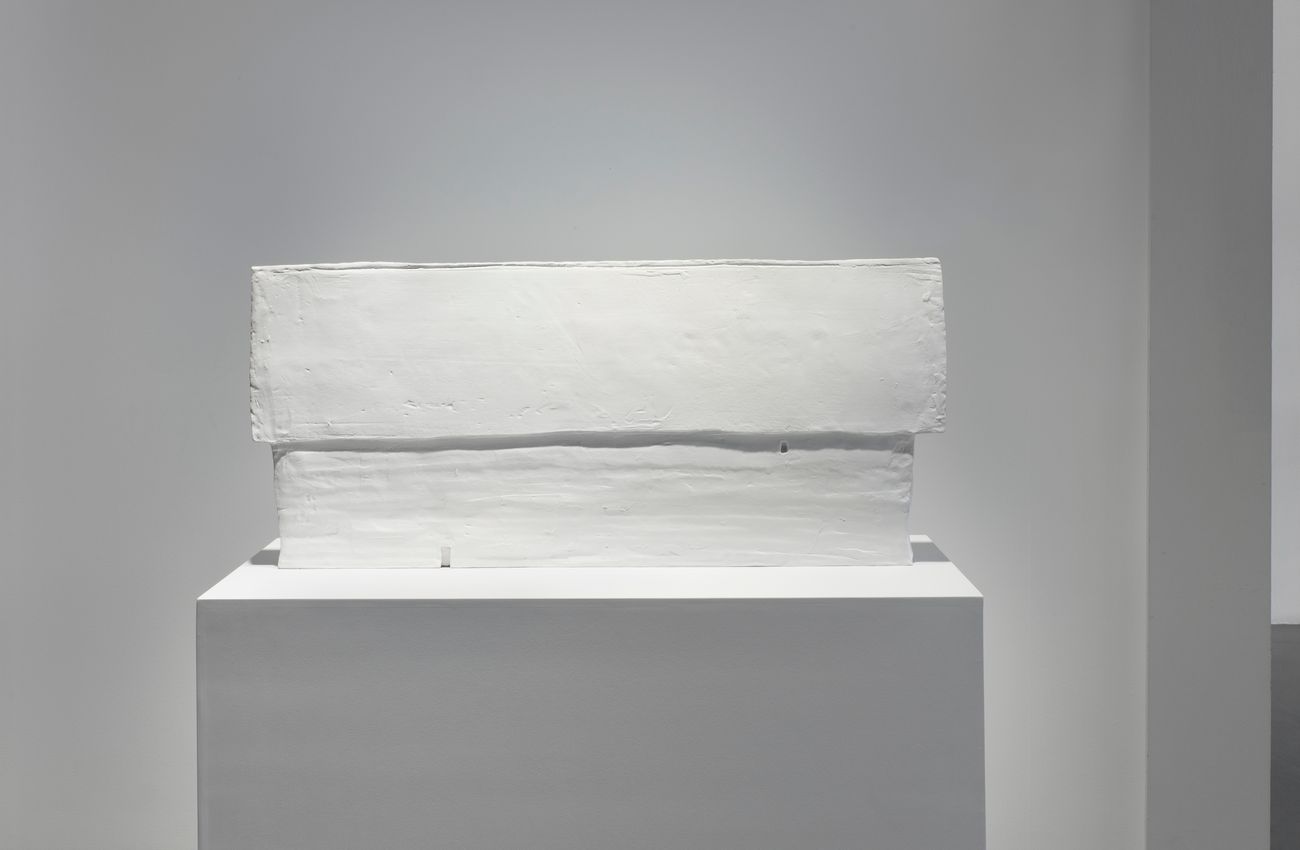
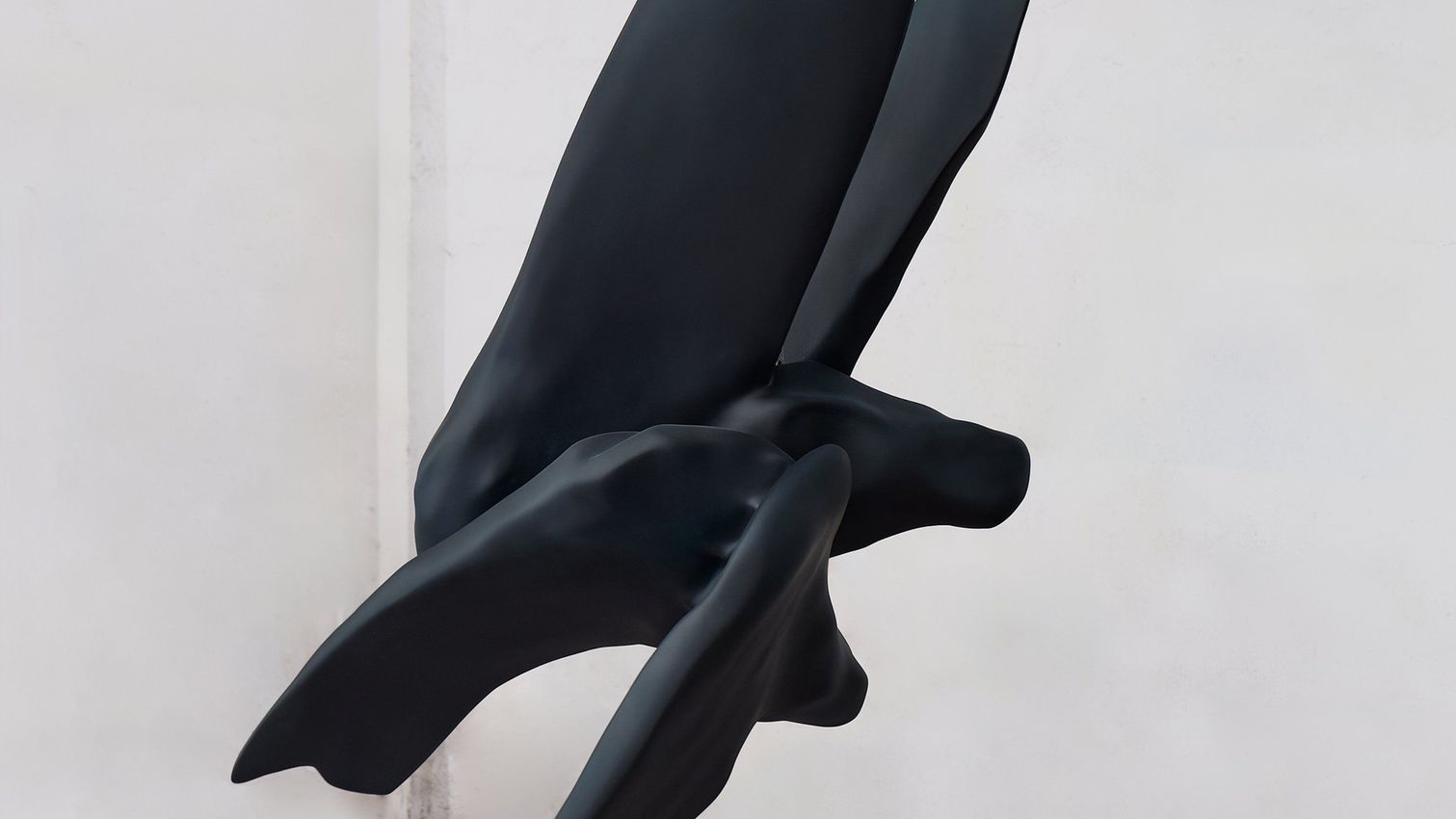
Also featured in the show is Sigmund Freud’s Geburtshaus, a new sculpture that is part of Wurm’s ‘Houses’ series, which he considers portraits of key historical figures. Cast in bronze, the home of Austrian Sigmund Freud, founder of psychoanalysis, appears billowed, organic with an undersized roof―the architecture and form is attacked as a metaphor for manipulating histories and those who have shaped them.

Wurm’s practice can be characterised as portraits of society that offer an implicit social critique of contemporary culture, emphasising the banality of the everyday as well as challenging and extending the possibilities of sculpture. As the artist says: ‘My main interest has always been to address sculptural concerns and the relationship to the human body. I am interested in dissolving realism and in doing so, my work has become more and more abstract. I am interested in the paradox of this...Artists have the ability to reflect in the best way the particular moment in which they are working and to address the concerns and issues of our time.’

About the artist

Erwin Wurm (b. 1954 Bruck an der Mur/Styria, Austria; lives and works in Vienna and Limberg, Austria) graduated from University of Graz, Austria, in 1977, and Gestaltungslehre University of Applied Art and Academy of Fine Art, Vienna in 1982. Recent solo exhibitions of his work have been organised at Musée d’Art Contemporain, Marseille (2019), Musée des Beaux-Arts, Marseille (2019), Musée Cantini, Marseille (2019), Vieille Charité, Marseille (2019), Vancouver Art Gallery (2019), Albertina Museum, Vienna (2018); Storage by HyundaiCard, Seoul (2018); 21er Haus, Belvedere, Vienna (2017); Museum Küppersmühle für Moderne Kunst, Duisburg, Germany (2017); Leopold Museum, Vienna (2017); Centro Cultural Banco do Brasil, São Paulo, Brazil (2017); Berlinische Galerie, Berlin (2016); Schindler House, MAK Center for Art and Architecture, West Hollywood, CA (2016); Bangkok Art and Culture Center, Thailand (2016); Indianapolis Museum of Art, IL (2015); Museum of Contemporary Art in Kraków, Poland (2013); Centro de Arte Contemporáneo de Málaga, Spain (2012); and Dallas Contemporary, TX (2012). Select group exhibitions featuring his work include Performing for the Camera, Tate Modern, London (2016); Precarious Balance, Centre of Contemporary Art, Christchurch, New Zealand (2016); Desire for Freedom, Museum of Contemporary Art in Kraków, Poland (2013); HEIMsuchung: Uncanny Spaces in Contemporary Art, Kunstmuseum Bonn, Germany (2013); The Original Copy: Photography of Sculpture, 1839 to Today, Kunsthaus Zürich, Switzerland, traveled to The Museum of Modern Art, New York (2011); and Temporary Structures: Performing Architecture in Contemporary Art, deCordova Sculpture Park and Museum, Lincoln, MA (2011). Wurm’s work is in numerous international public and private collections, including Tate Modern, London; Albertina, Vienna; Albright-Knox Art Gallery, Buffalo, New York; Centro de Arte Contemporáneo de Málaga, Spain; Centre Georges Pompidou, Paris; Kunsthaus Zürich, Switzerland; Kunstmuseum Bonn, Germany; Museo d’Arte Moderna di Bologna, Italy; The Museum of Modern Art, New York; Solomon R. Guggenheim Museum, New York; Vancouver Art Gallery, Canada; and Walker Art Center, Minneapolis.

In 2011, Wurm’s Narrow House was installed at the Palazzo Cavalli Franchetti as part of Glasstress 2011, a collateral event of the 54th Venice Biennale. In 2017, Wurm returned to Venice for the 57th Biennale, where he represented Austria.

Read More

Installation Views

About the Artist

Erwin Wurm (b. 1954 Bruck an der Mur/Styria, Austria; lives and works in Vienna and Limberg, Austria) came to prominence with his One Minute Sculptures, a project that he began in 1996/1997. In these works, Wurm gives written or drawn instructions to participants that indicate actions or poses to perform with everyday objects such as chairs, buckets, fruit, or knit sweaters. These sculptures are by nature ephemeral, and by incorporating photography and performance into the process, he challenges the formal qualities of the medium as well as the boundaries between performance and daily life and spectator and participant. While in this series he explores the idea of the human body as sculpture, in some of his more recent work, he anthropomorphises everyday objects in unsettling ways, like contorting sausage-like forms into bronze sculptures in Abstract Sculptures, or distorting and bloating the volume and shape of a car in Fat Car. Wurm considers the physical act of gaining and losing weight a sculptural gesture, and often creates the illusion of bodily growth or shrinkage in his work. While Wurm considers humour an important tool in his work, there is always an underlying social critique of contemporary culture, particularly in response to the Capitalist influences and resulting societal pressures that the artist sees as contrary to our internal ideals. Wurm emphasises this dichotomy by working within the liminal space between high and low and merging genres to explore what he views as a farcical and invented reality.

View Artist Profile

Also Exhibiting at Lehmann Maupin

About the Gallery

Rachel Lehmann and David Maupin founded Lehmann Maupin in 1996. The gallery represents a diverse range of American artists, as well as artists and estates from across Europe, Asia, Africa, South America, and the Middle East. It has been instrumental in introducing numerous artists from around the world in their first New York exhibitions.

View Gallery Profile
Address
213, Itaewon-ro
Yongsan-gu
Seoul
South Korea
Opening Hours
Tuesday – Saturday
11am – 7pm
(1)
Seoul 213, Itaewon-ro
Lehmann Maupin
213, Itaewon-ro, Yongsan-gu, Seoul, South Korea

Opening hours
Tuesday – Saturday
11am – 7pm
The art world in focus