Press Release

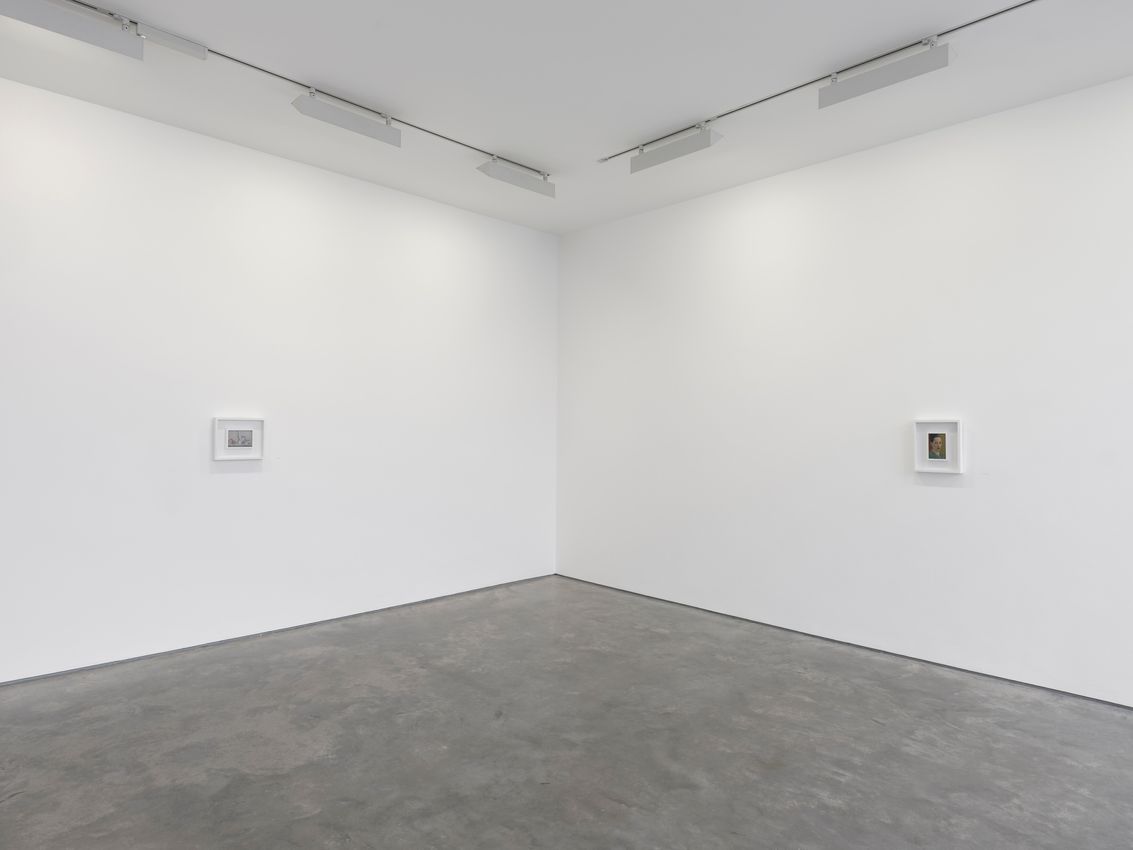
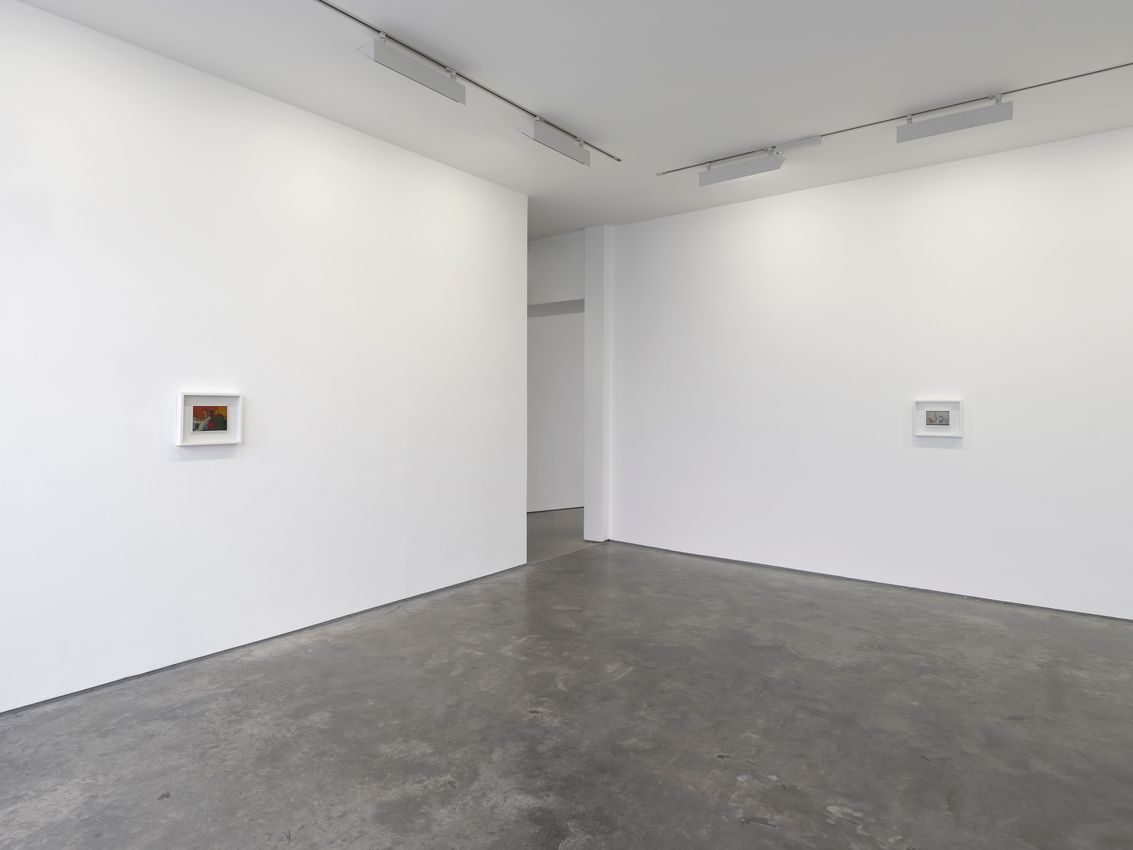
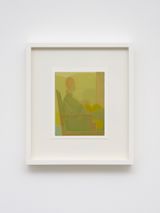
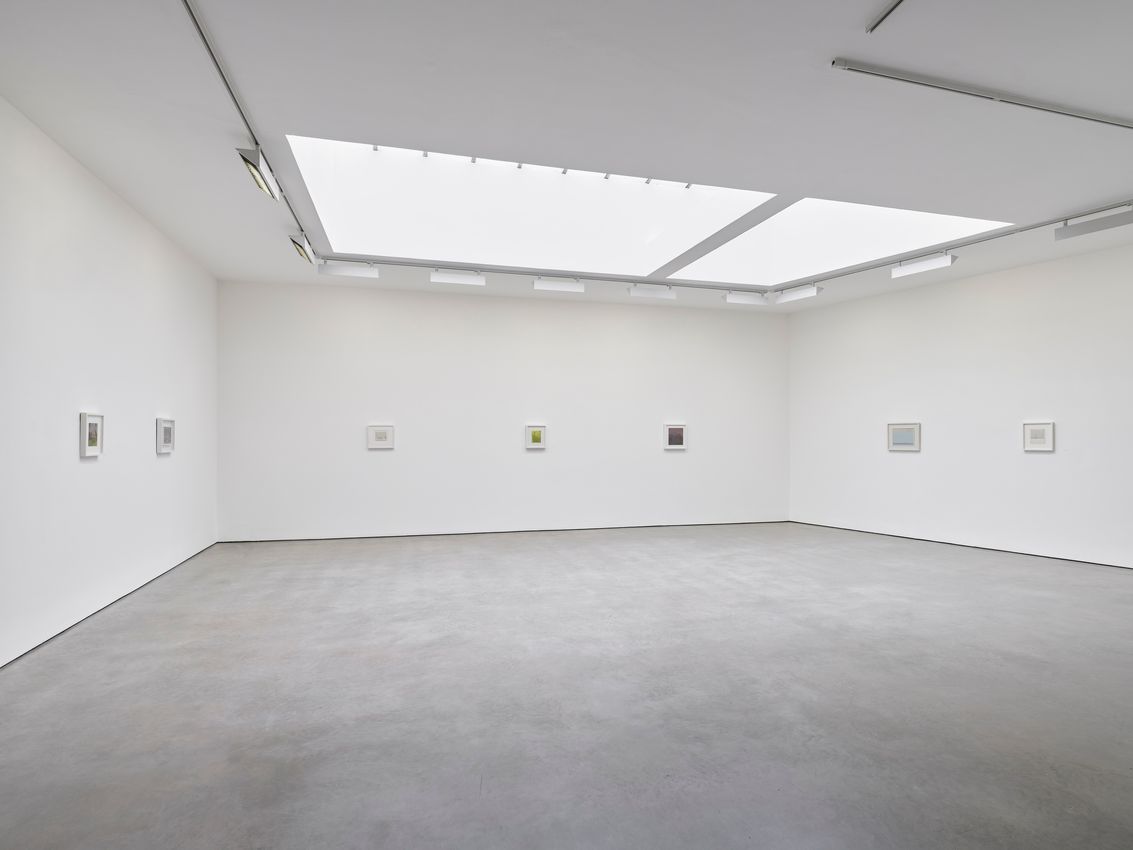
The Italian artist Antonio Calderara’s career was marked by his gradual journey towards abstraction, although his earlier work was resolutely figurative, consisting of self-portraits, landscapes of the lake around the island of San Giulio in northern Italy and still life paintings. Lisson Gallery has, for the first time, gathered and loaned a number of these overtly representational, mid-century works, many of which have not been exhibited in public before, to chart the trajectory of his radical move towards a flattening and simplification of the world, while acknowledging that figures and objects – whether architectural, pastoral, domestic, personal or otherwise – would always somehow maintain a ghostly presence in his compositions.

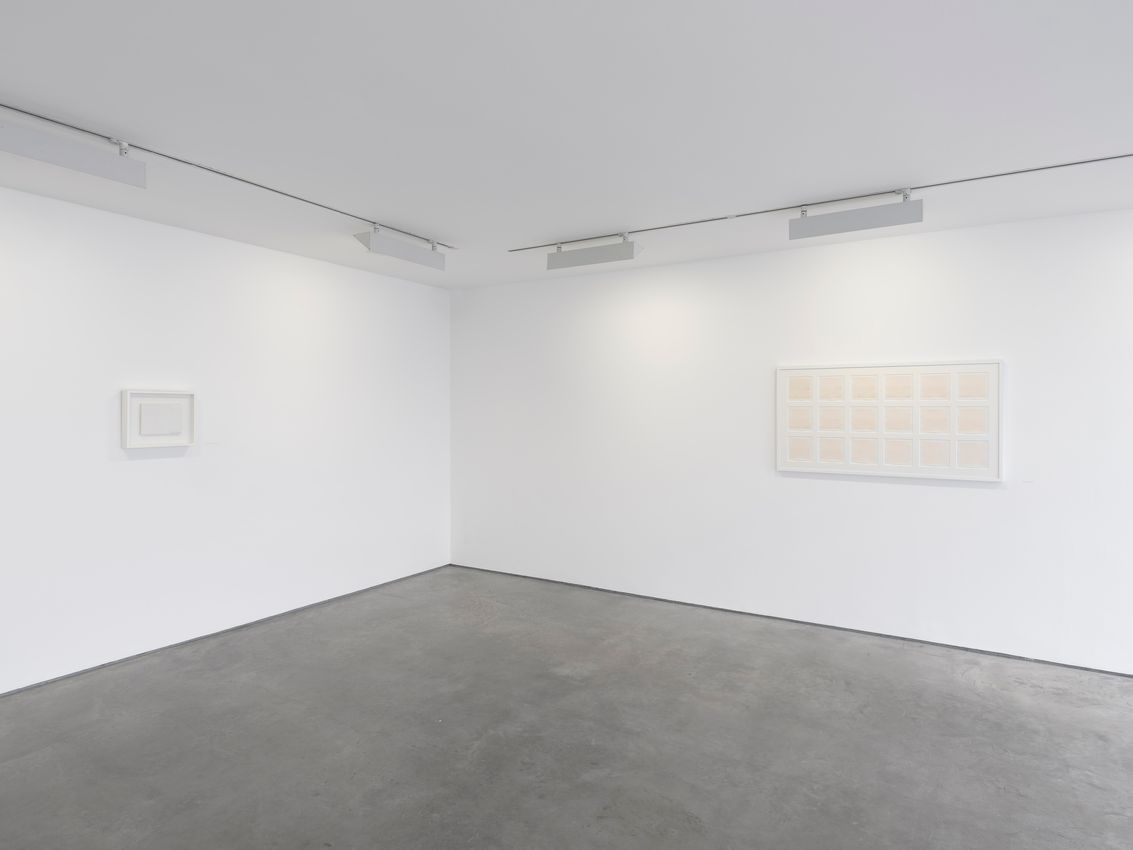
Beginning in 1948, this exhibition reveals two enduring subject matters for Calderara: his family and his idyllic surroundings. His wife Carmela (Head of a Woman or Testa di donna) was a frequent sitter (also seen in Maternità of 1953), as was his daughter Gabriella, although she died tragically young, a few years before reappearing in a composition of female figures grouped around the dinner table. The real constant was the shimmering view over Lake Orta, towards the Piedmontese hills and the floating world of San Giulio, a turreted island that hovers on every horizon, come snow or sun. A particularly wintry scene across the water is depicted as if through a veil of thick fog, the subtle variations on white presaging Calderara’s almost entirely abstract, bleached out picture of 1959, in the final room of the show.

His early period sees Calderara moving away from the officially sanctioned Novecento style that harked back to Italian art of the 19th century, through a period of magical realism and metaphysical painting, towards the full abstraction he discovered in the 1950s. This stylistic journey saw him distilling the Alpine landscapes of Segantini, the stripped back bottles and cups of Morandi, as well as the spatial anomalies of de Chirico and Fontana, before discovering the gauzy colours of Rothko and the pure lines of Mondrian. Indeed, like the Dutch modernist master, Calderara’s early tree studies and townscapes were already carving up the pictorial space into blocks, squares and planes – before being released into a dimension beyond the visible.

This progress, from Italianate to international artist and from painter of form to composer of light, is uniquely captured in a series of watercolours made in 1976, shortly before his death. In this grid, or Story of Lake Orta (Storie del Lago d’Orta), the familiar watery vista is sequentially edited, element by element, until almost nothing is left. This atmospheric reductivism represents the apogee of Calderara’s personal project, yet the lineage suggests no hierarchy to this endeavour other than the passing of time and the lifelong honing of a truly universal narrative.

Read More

Installation Views

About the Artist

Self-taught as a child growing up in Milan, and later mentored for a time by a young Lucio Fontana, the earliest influences of Antonio Calderara were of the figuration and light effects of Piero della Francesca, Seurat and the Milanese Novecento painters. After abandoning his university studies in engineering in 1925 the young man dedicated himself fully to experimenting with colour and form. Through portraiture, landscapes and still lifes, Calderara depicted the people, scenes and objects of his native Italy - all suffused by a delicate, misty light inspired by the atmospheric glow of Lake Orta in Vacciago, where the artist moved in 1934 with his wife Carmela, and where he would work for most of his life. By the mid-1950s, Calderara began to move away from figurative painting to embrace a more geometric approach, radically reducing both the scale and the compositional elements of his paintings through use of simple forms and flat blocks of nebulous and subtle colour. Situated neither within Constructivist nor Minimalist movements, his pared-down vocabulary of lines and squares, refined colour palette and precise measurements nevertheless positioned Calderara closely with other minimalist painters at the time, including Piet Mondrian and Josef Albers, both of whom the artist admired greatly.

View Artist Profile

Also Exhibiting at Lisson Gallery

About the Gallery

Established in 1967 in London, Lisson Gallery is one of the most well-known galleries operating globally. Boasting an influential and continuing legacy, including playing a pivotal role in the careers of many pioneers of historically important art movements, the gallery works with some of the most significant contemporary artists today.

View Gallery Profile
Address
67 Lisson Street
London
United Kingdom
Opening Hours
Tuesday – Saturday
11am – 6pm
(1)
London 67 Lisson Street
Lisson Gallery
67 Lisson Street, London, United Kingdom
+ 44 207 724 2739
http://www.lissongallery.com

Opening hours
Tuesday – Saturday
11am – 6pm
The art world in focus