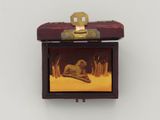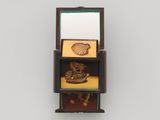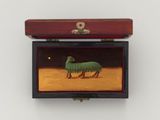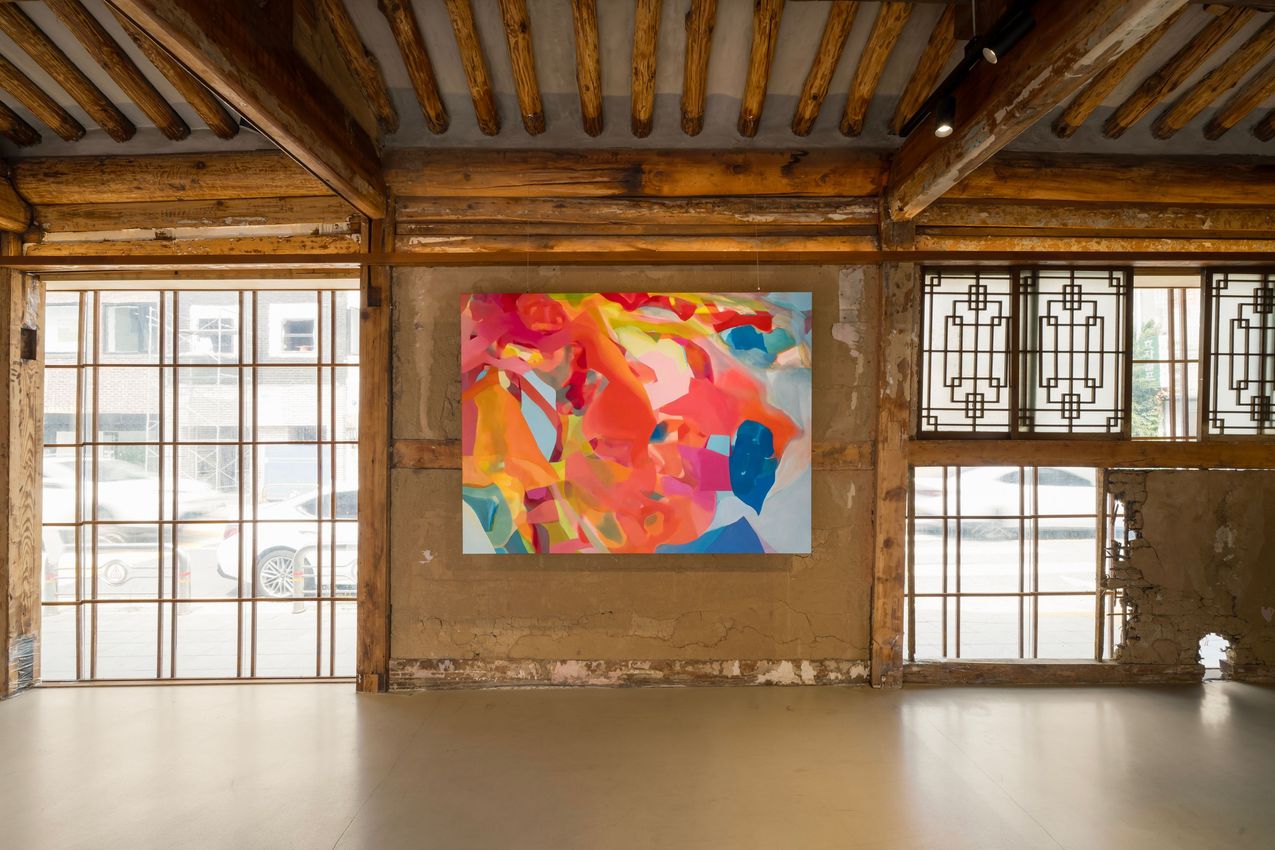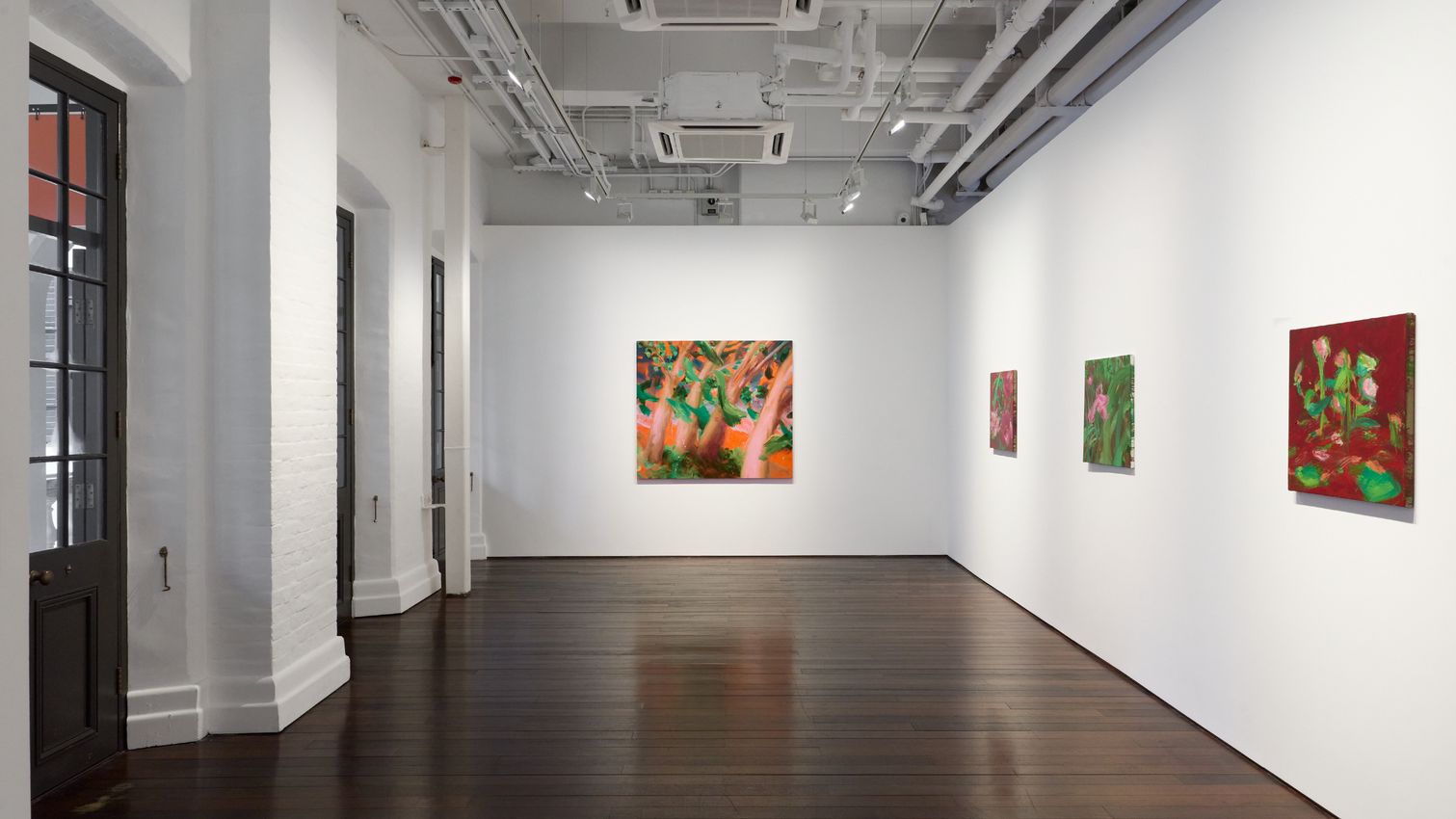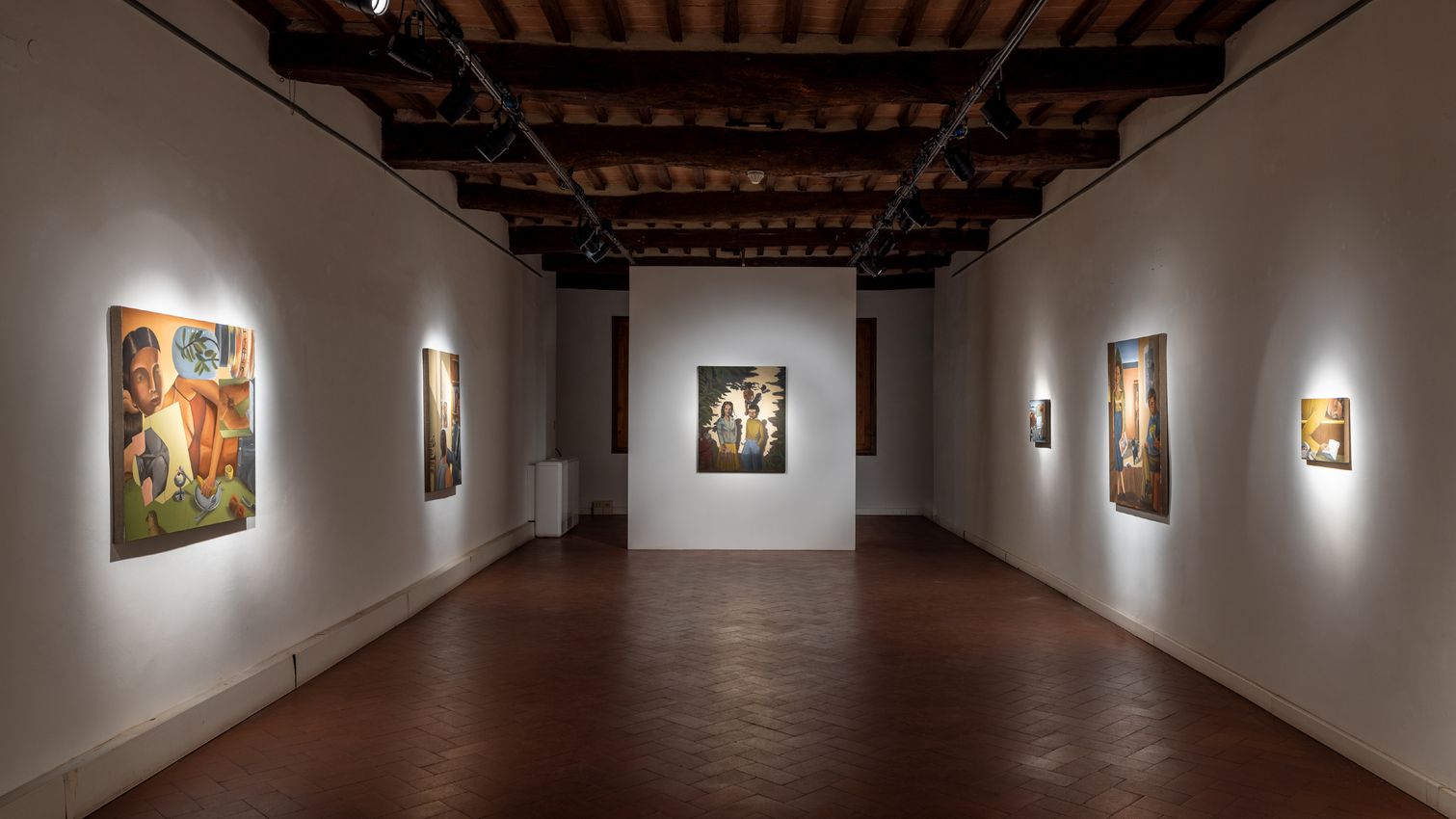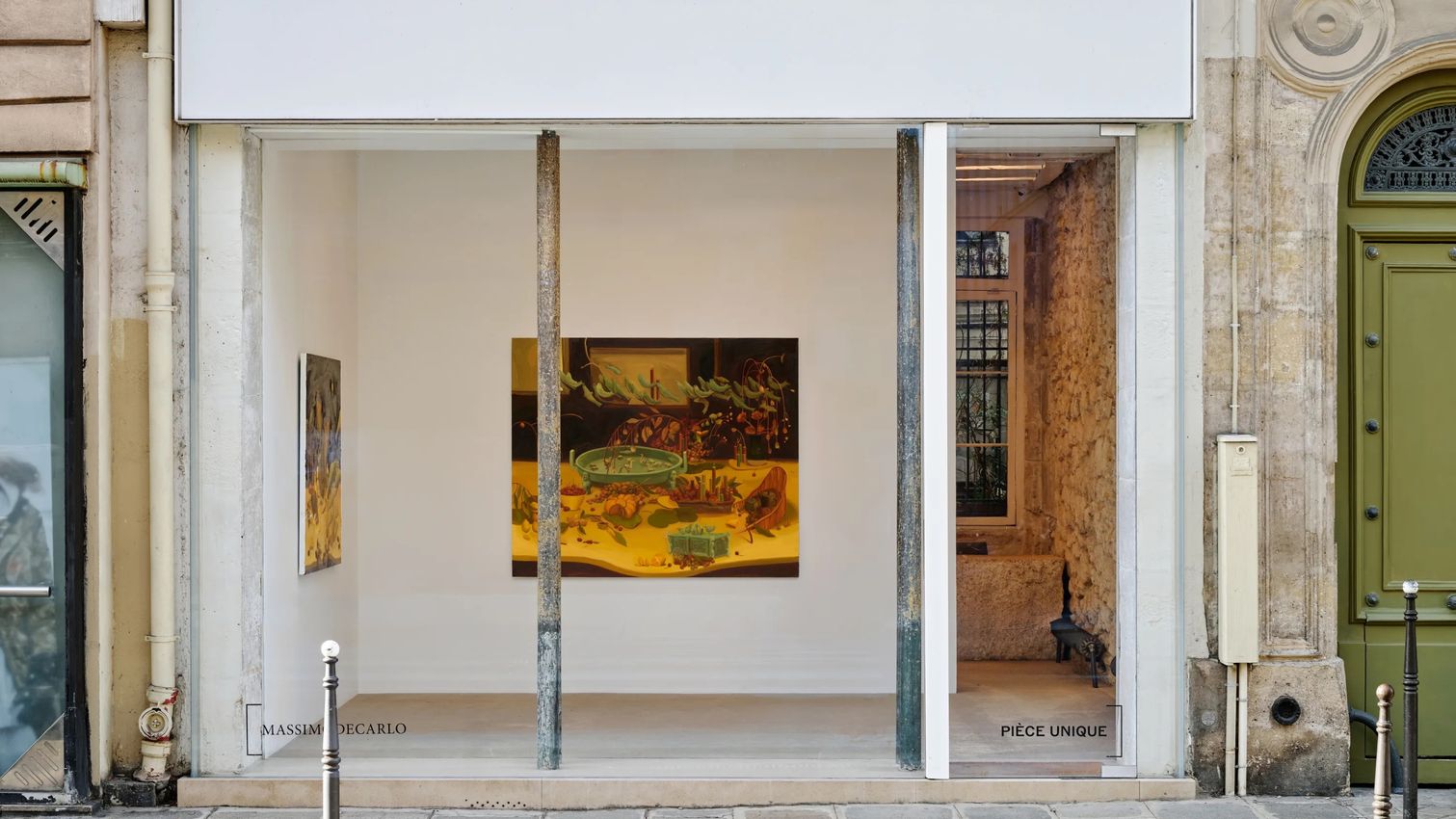
MASSIMODECARLO Pièce Unique is pleased to present Where the Feast Outlived Its Guests: A Table That Remembers, a solo presentation by Dominique Fung.
A table is a strange thing. It looks still, obedient, made to serve. But it remembers, elbows leaning in, hands reaching out, voices that once hovered above it, the weight of plates lifted and set down again. In Where the Feast Outlived Its Guests: A Table That Remembers, Fung lingers on objects that survived their makers, preserving the traces of occupation.
Fung’s practice is rooted in acts of looking and return. She turns repeatedly to books, images, and objects from the past - forms that have survived their original moment. Earlier this year, while travelling in China, she encountered a group of books reproducing archaic bronze objects from several dynasties, ceremonial trays and containers populated by small figures, animals, and ornamental detail. Once used within feasts governed by ritual and hierarchy, these objects now remain as images and artefacts, detached from use but marked by the systems that shaped them.
The paintings on view, A Table Laid of Bronze Spirits and A Table Set for a Low Tide, are still lifes that feel both generous and unsettled. Fung looks to the tradition of 16th- and 17th-century Dutch banquet painting - those meticulously arranged tables overflowing with food, glassware, and luxury objects, where abundance edges toward excess - but she does not reenact it. In the Dutch Republic, these paintings were never simply celebrations of indulgence. They functioned as displays of prosperity shaped by trade, discipline, and mercantile ambition, often threaded with a restrained moral undertone.
Fung absorbs this compositional logic - the table as a site of accumulation, balance, and latent instability - and lets it drift into her own visual language. For the first time in her work, cherries, lemons, and strawberries appear: vivid, perishable, briefly luminous. They rest among recurring Tang dynasty bronzes, introducing a tension between what is consumed and what survives.
Threaded through these compositions are flying jade fish, a motif Fung returns to often in her work. The image draws on jade fish carvings from China’s Warring States period (475–221 BCE) and a linguistic duality: in Chinese, yú means both fish and abundance every year. This overlap helps explain the fish’s persistent presence across China, from temples and restaurant entrances to domestic aquariums. In these paintings, fish animate the still life, unsettling its surface and disrupting any sense of stasis. The table becomes porous, less a grounded support than a shifting terrain where objects seem to float, gather, and disperse.
Fung’s still lifes are not warnings about vanity, nor celebrations of abundance. They read instead as moments caught just after something has happened. The feast is over, but the table remains uncleared: cut fruit left in place, fish still in motion. There are no figures in these paintings, yet they are full of presence. One senses that people were here not long ago - that something was shared, roles were played, conversations unfolded and then dissolved. Objects hold their positions, as if unsure whether anyone might return.
Across cultures, feasts have organised social life, marking moments of gathering. In Fung’s work, the feast is recast as memory - a table that records what has passed as much as what was once present. What remains is a sense of persistence. A table, remembering.
Dominique Fung (born 1987, works in New York) is a Canadian artist with ancestry in Hong Kong and Shanghai, whose practice explores the subliminal liminal territory in which tradition, memory and legacy seep through our collective subconsciousness. Through her interest in casting light on overlooked or forgotten stories and her use of specific historical artifacts she infuses with living qualities and complex non-linear narrative paths, she models a new, broader, alternative space of belonging.


MASSIMODECARLO Pièce Unique opened in a historical building at 57 Rue de Turenne on February 2021. It has been renovated by acclaimed Japanese architect Kengo Kuma in collaboration with PiM.studio Architects. MASSIMODECARLO Pièce Unique offers a flexible, dynamic, and upbeat program of single-work exhibitions, visible day and night through its glass window. The gallery is born from the purchase of the “Pièce Unique” brand, an adventurous space by iconic gallerist Lucio Amelio that he opened in Paris in 1989 designed with Cy Twombly. MASSIMODECARLO Pièce Unique will respect and recast into the 21st Century the legacy of this historical project, renewing its original idea, infusing a new perspective, and offering an alternative exhibition model for the contemporary art system.
A respected voice in contemporary art discourse.
Focusing on ambitious storytelling and insightful art-world commentary. Ocula Magazine publishes in-depth interviews, critical essays and timely analysis on the artists, exhibitions and ideas driving the global art world.
Learn more about Ocula Magazine
Showcasing the best of the art world.
Ocula partners with galleries from around the world to highlight their artists, artworks and exhibitions. Gallery membership is by application and invitation, with each member vetted by an independent panel.
Learn more about Ocula Membership

Specialises in the sale of major artworks.
Led by a team with deep ties to the world’s leading auction houses, galleries and collectors. Ocula’s advisory team offers bespoke services to high-net-worth clients from around the world who are looking to acquire the best of contemporary and modern art.
Learn more about our team and services