





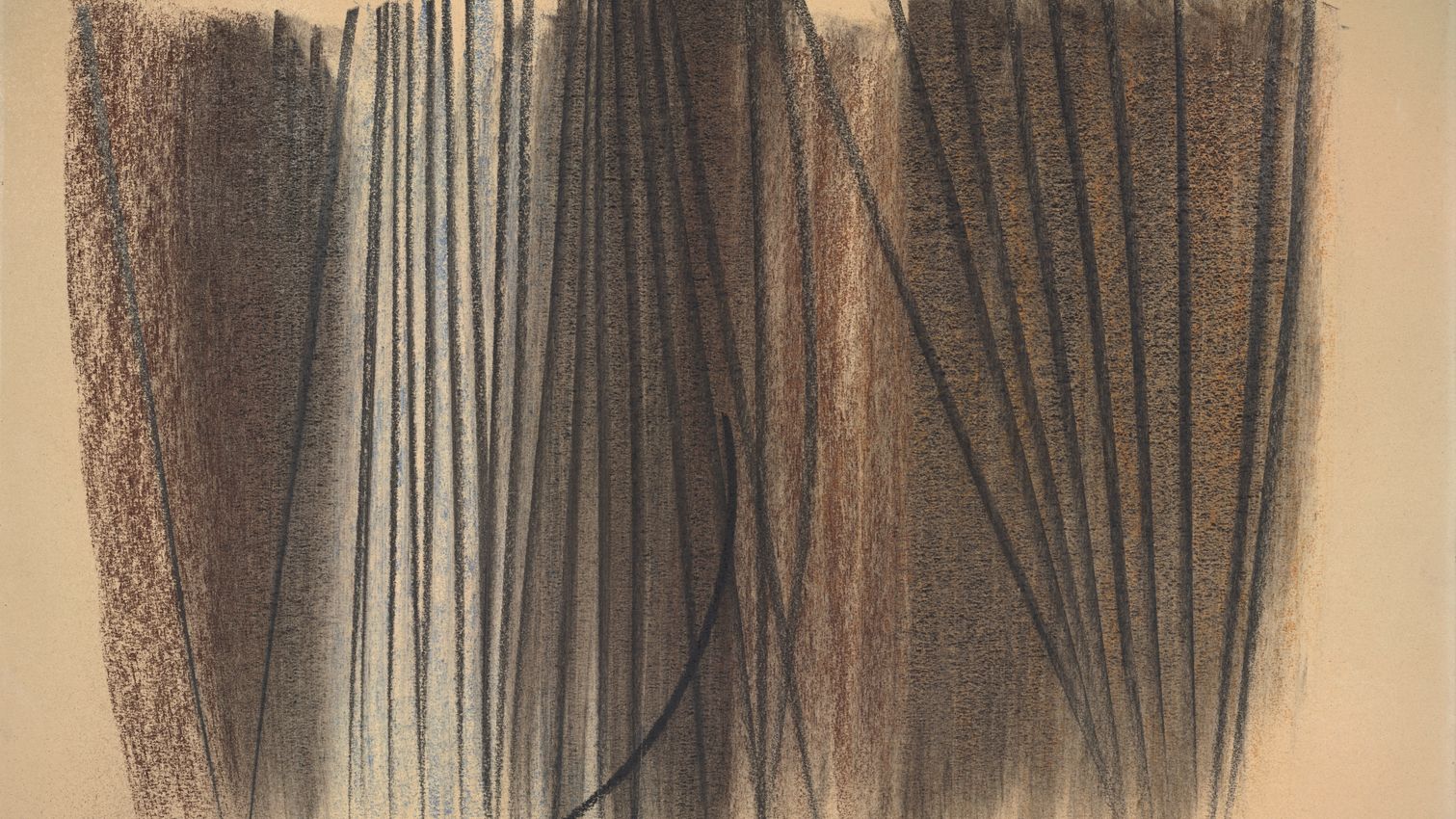
HANS HARTUNG
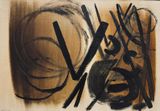
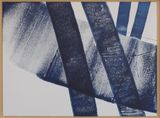
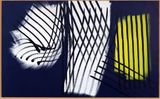
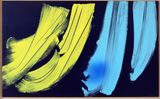
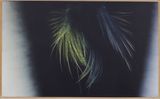
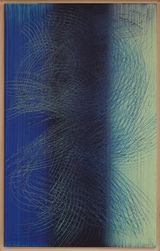
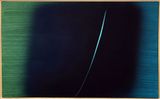
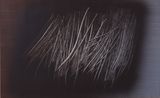
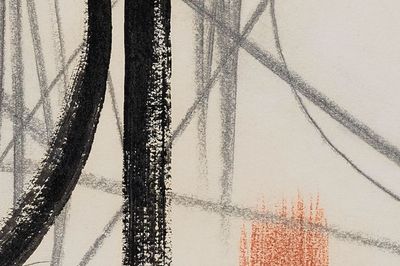
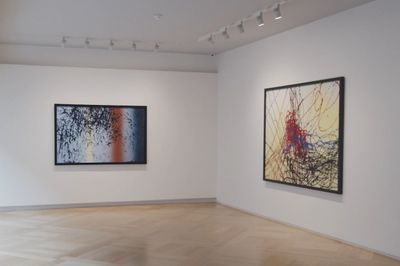
1904-1989, GermanyHans Hartung achieved international recognition as a seminal figure of Art Informel, which arose in France during the Second World War. Besides the apparent spontaneity of his distinctively bold and almost calligraphic gestural abstraction, rationalism equally informed his style out of an early interest in the relationship between aesthetics and mathematics, particularly the harmony of the golden ratio, but also out of necessity: he used to meticulously square up his successful abstract sketches in order to reproduce them onto larger canvases, which he couldn’t afford to risk losing to improvisation. The Grand International Prize for painting, which he won at the 1960 Venice Biennale, marked a decisive turn in his practice. He began improvising directly onto canvas and experimenting with new mediums, namely fast-drying acrylic and vinyl paints, as well as scraping and spraying techniques. The quest for a balance between spontaneity and perfection remained at the core of Hans Hartung’s painterly aesthetics until the end of his life, in 1989.

Recently Exhibited

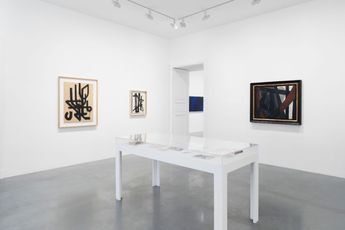


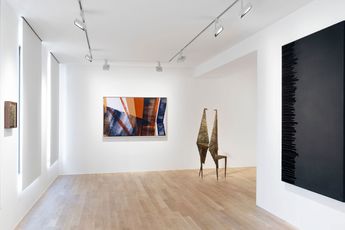
Exhibiting Elsewhere














Hans Hartung in Ocula Magazine







Explore and Follow Artists Shaping Contemporary Art
A respected voice in contemporary art discourse.
Focusing on ambitious storytelling and insightful art-world commentary. Ocula Magazine publishes in-depth interviews, critical essays and timely analysis on the artists, exhibitions and ideas driving the global art world.
Learn more about Ocula Magazine
Showcasing the best of the art world.
Ocula partners with galleries from around the world to highlight their artists, artworks and exhibitions. Gallery membership is by application and invitation, with each member vetted by an independent panel.
Learn more about Ocula Membership
Specialises in the sale of major artworks.
Led by a team with deep ties to the world’s leading auction houses, galleries and collectors. Ocula’s advisory team offers bespoke services to high-net-worth clients from around the world who are looking to acquire the best of contemporary and modern art.
Learn more about our team and services