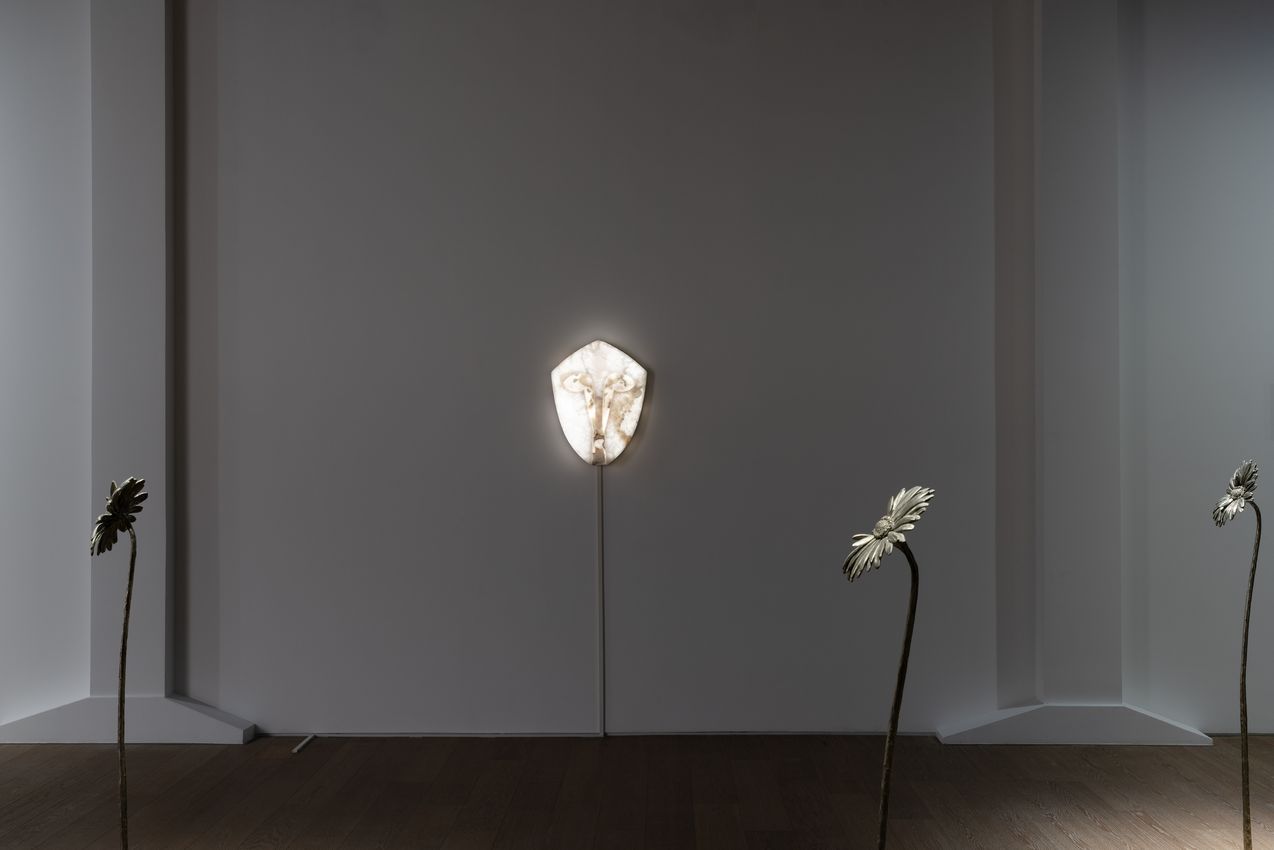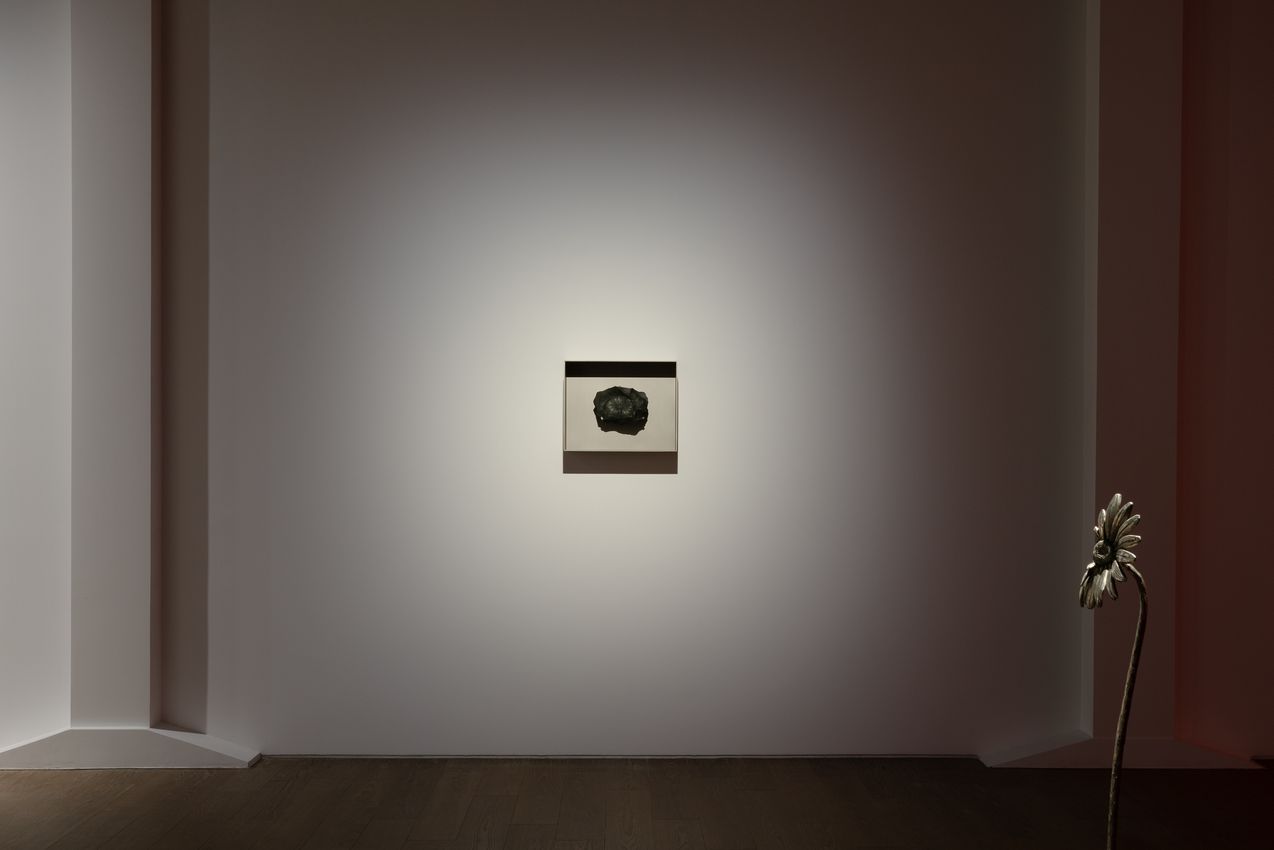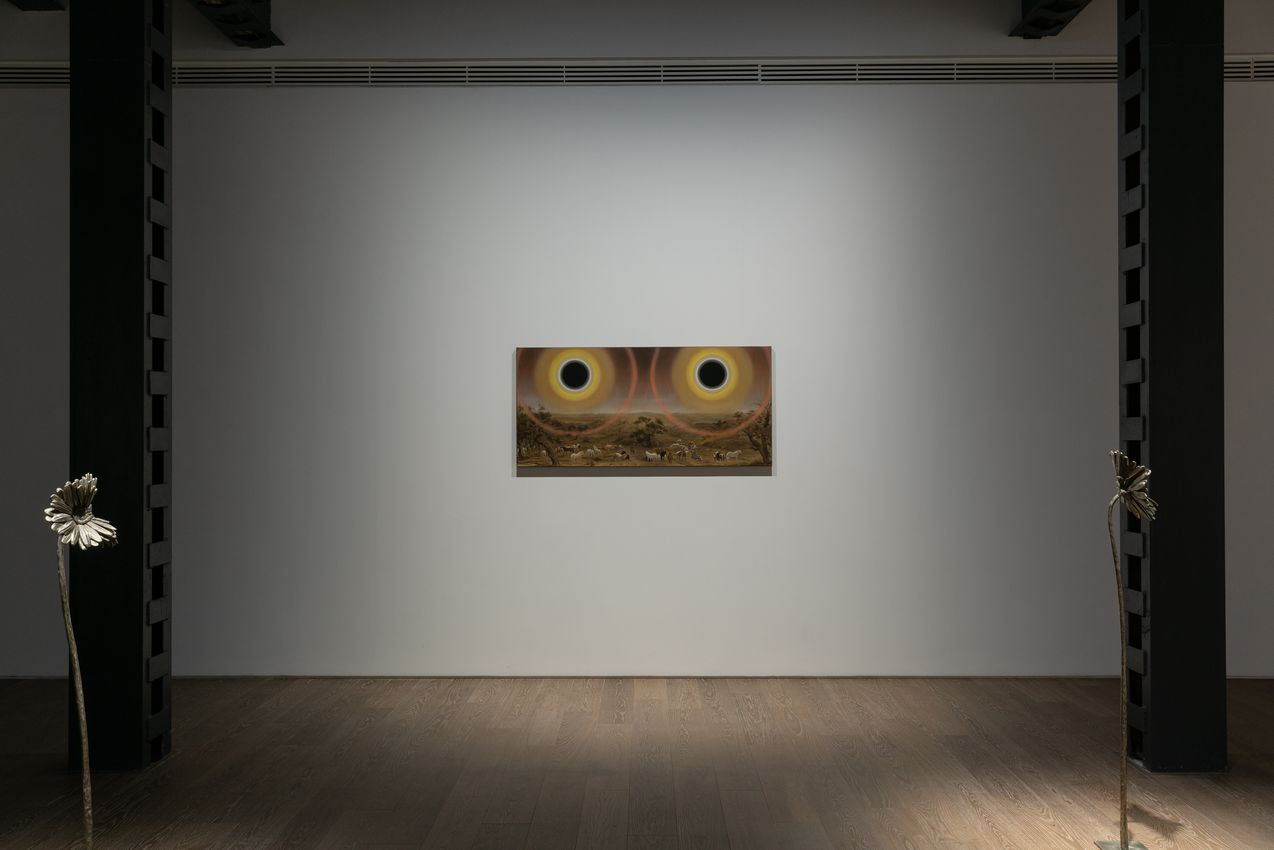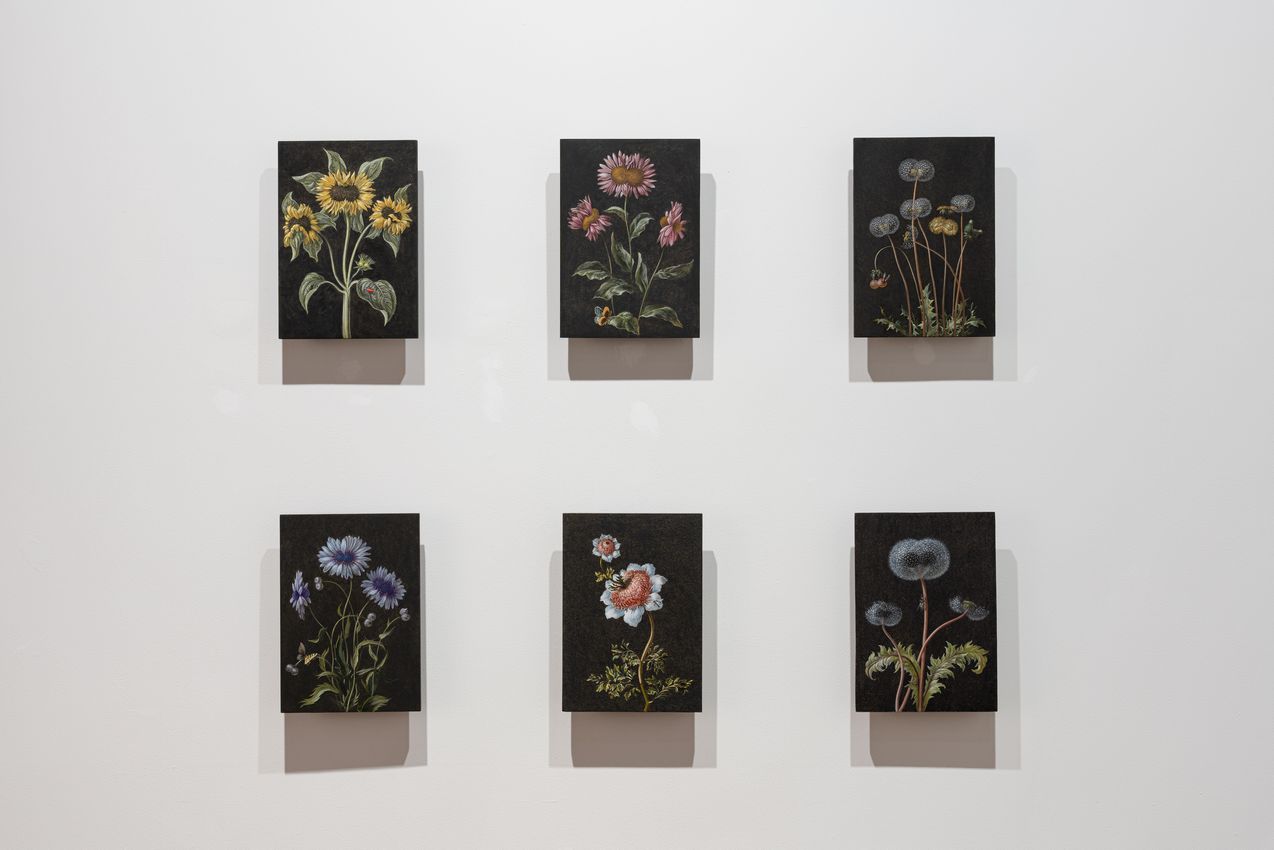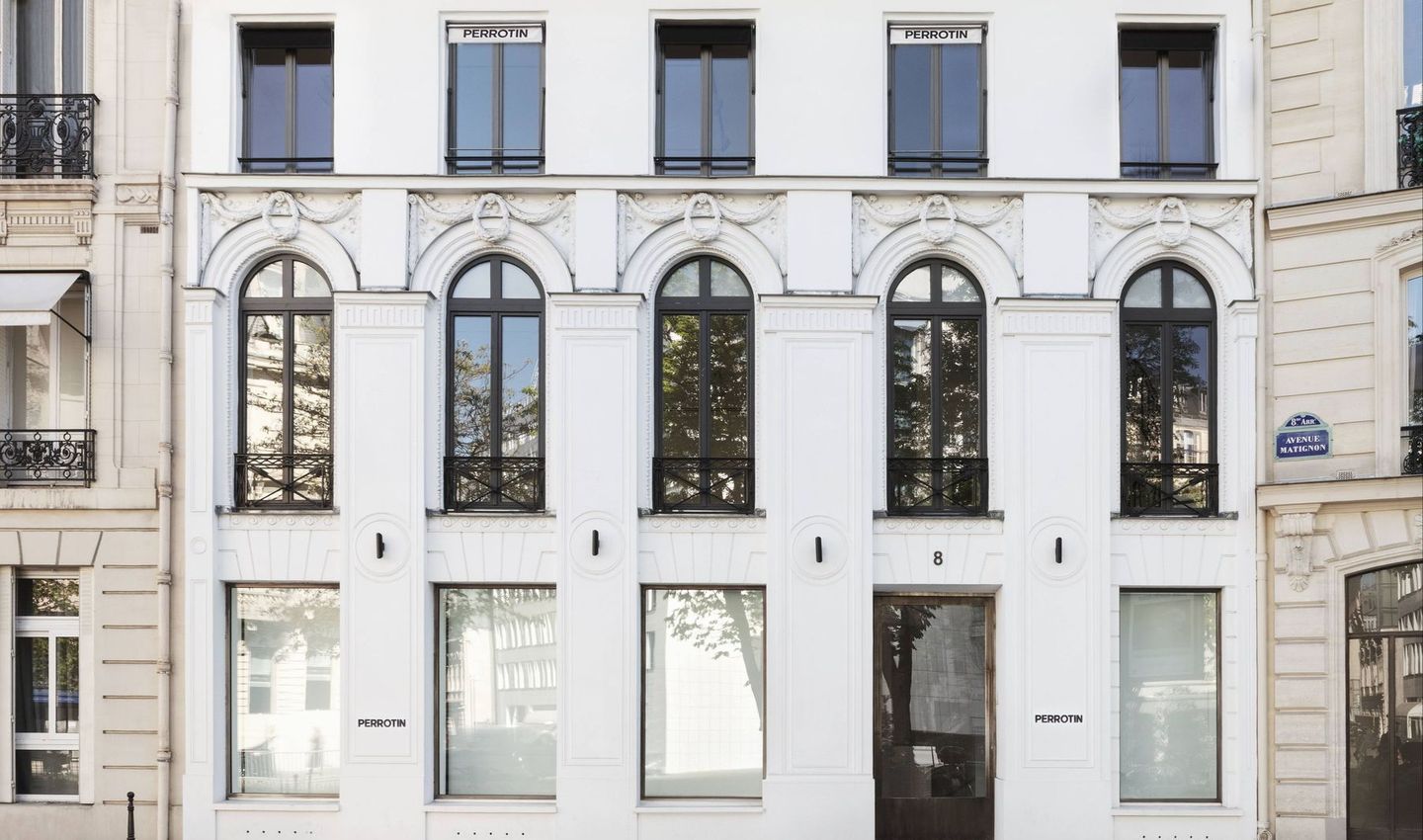
Perrotin Shanghai is proud to present a solo exhibition of works by renowned French artist Laurent Grasso. As a contemporary artist who plays a significant role in the international art scene, Laurent Grasso’s practice includes videos, paintings, sculptures and public installations. His art is concerned with heterogeneous temporalities, geographies and paranormal phenomena, by materialising what lies behind common perception, it spurs a new perspective on history and reality.
Concerned to show in his work the issues of the contemporary world, he has been invited by the Musée d’Orsay to create a large-scale work in dialogue with the museum’s major exhibition The Origins of the World: The Invention of Nature in 19th Century, scheduled for Fall 2020. Using Darwin’s original endeavour and On the Origin of Species as a starting point, Laurent Grasso along with his studio have been engaged for several years in a process of examination on the evolution, mutation and transformation of the natural world, researching into the irremediable transformation of nature by humankind and the inseparable intertwining of the natural and cultural worlds. Based on this enormous survey, the artist has composed a new film for the Musée d’Orsay, while a series of paintings and sculptures will be presented at Perrotin Shanghai space.
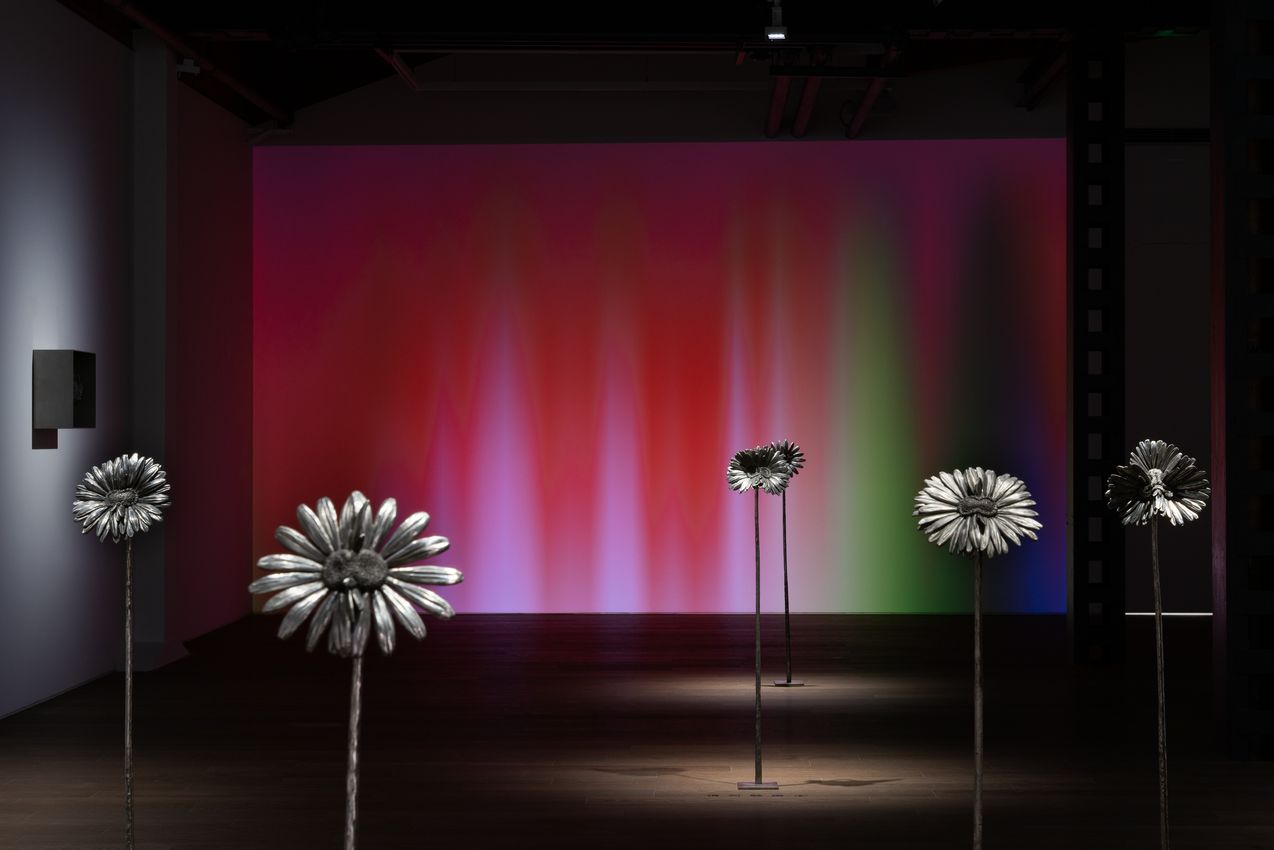
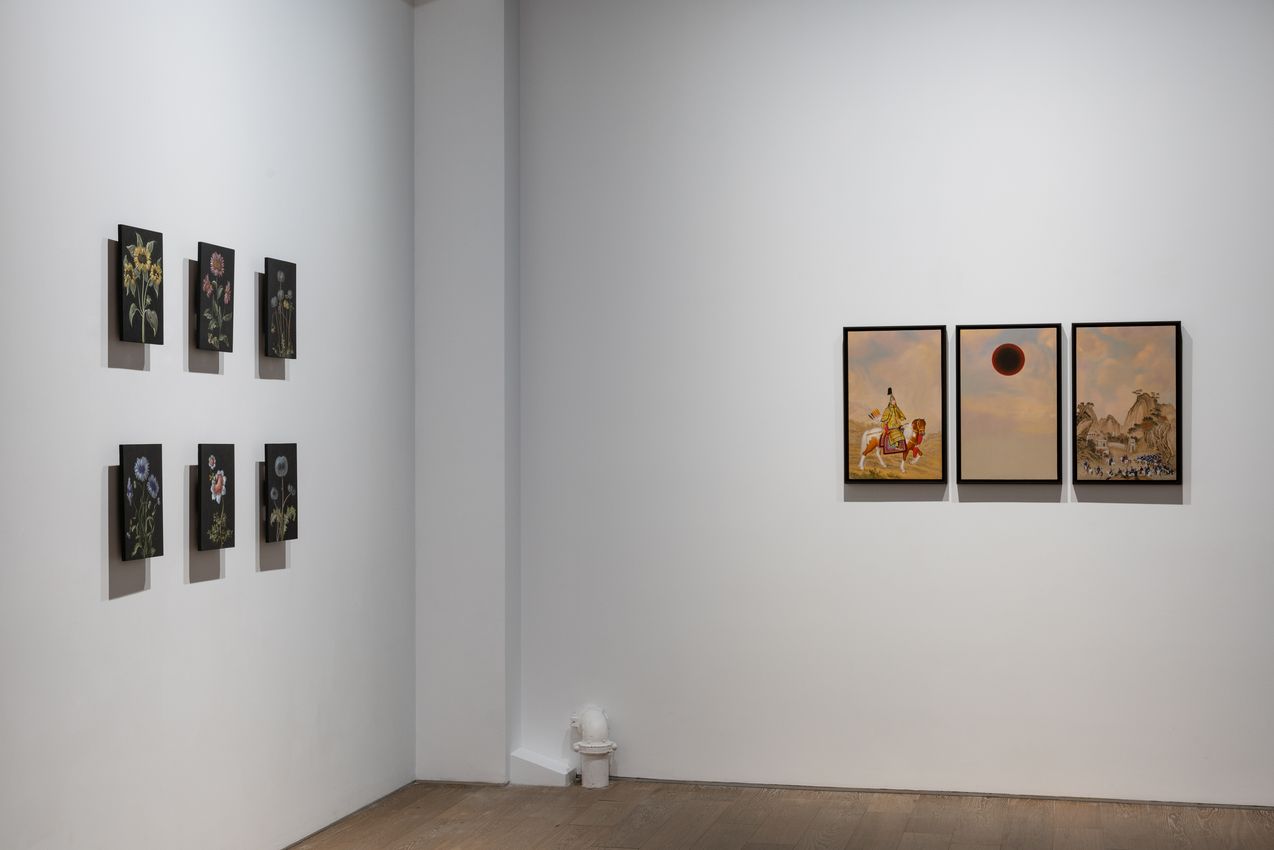
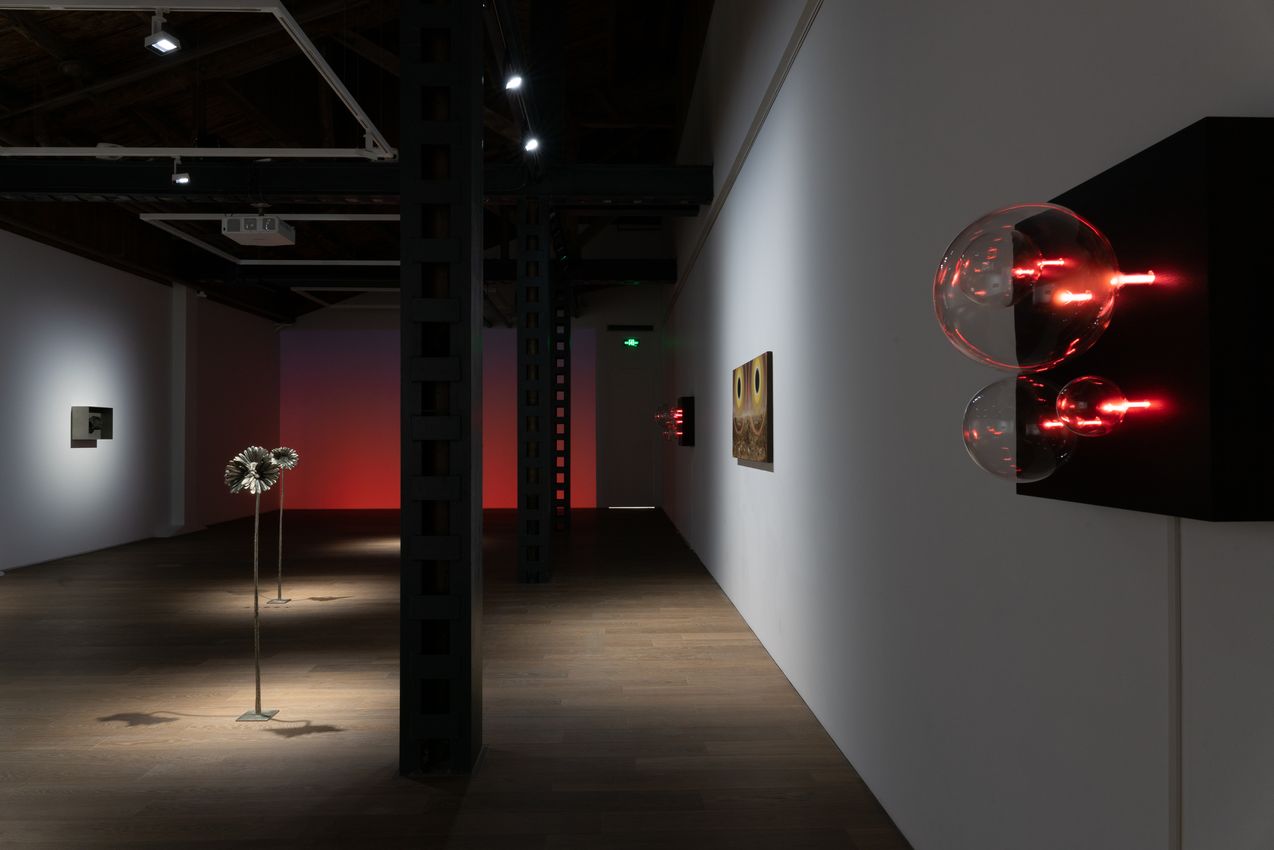
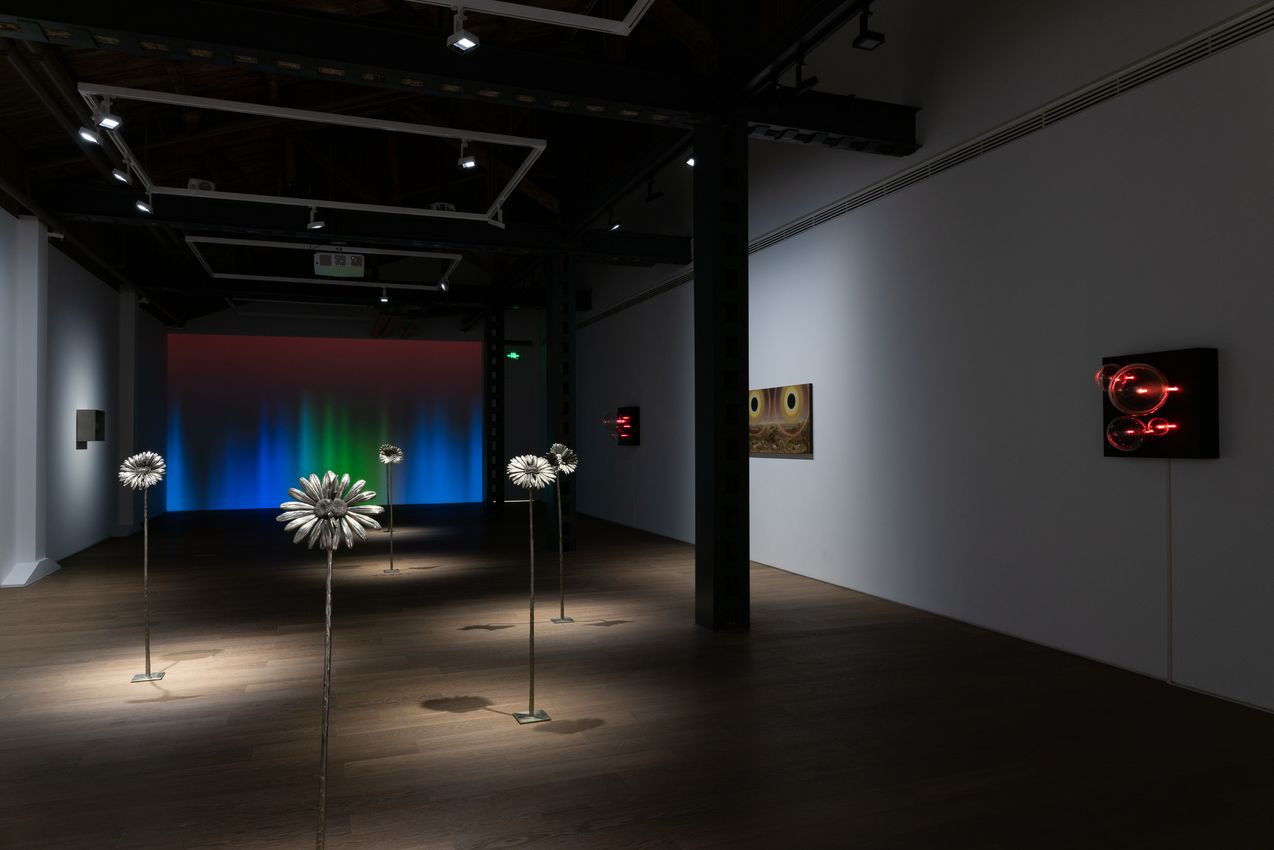
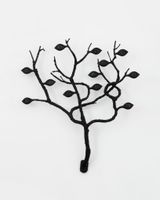
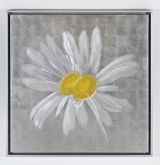
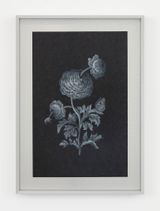
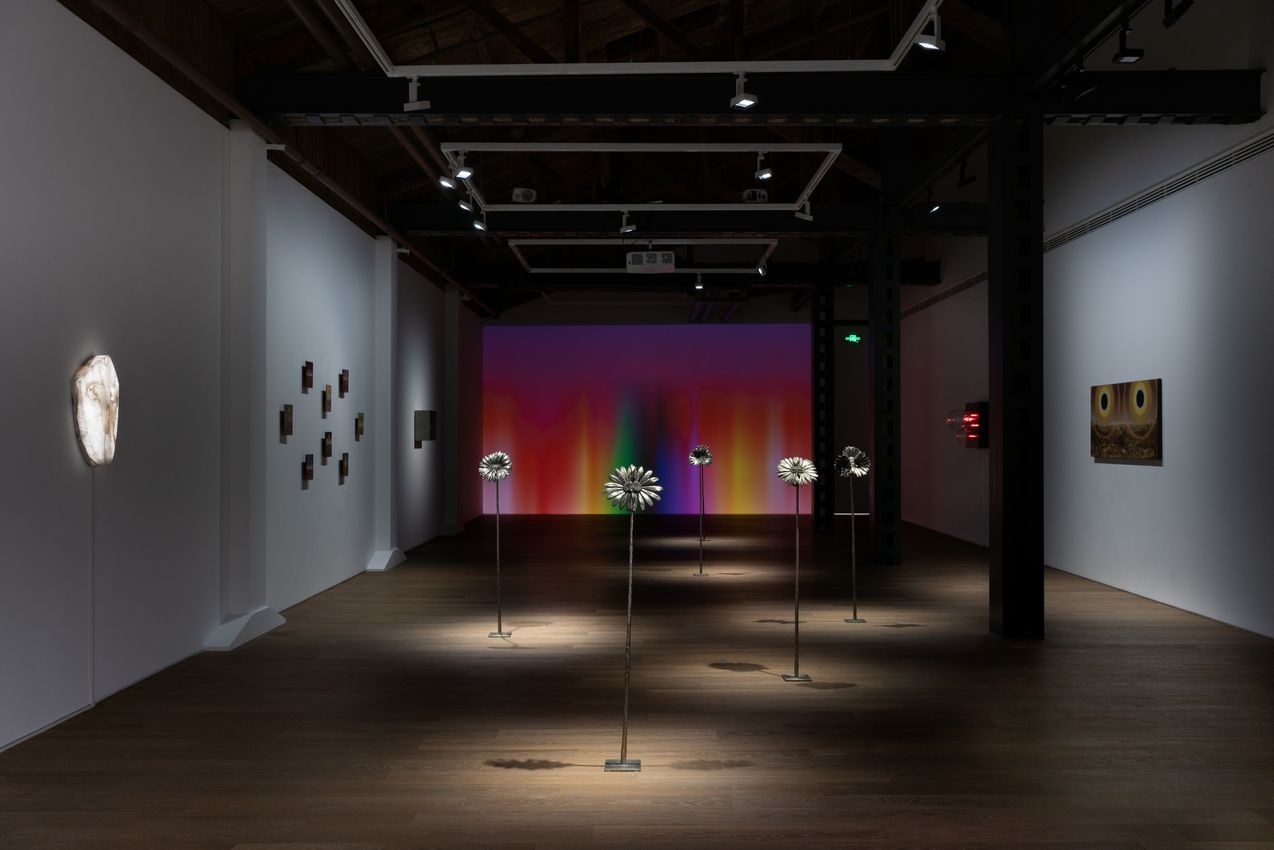
The new series of the artist, entitled Future Herbarium, generated by the film shown at Musée d’Orsay, contains dozens of painted and sculptured flowers, which are executed in the manner of 19th century herbariums, inspired by observations of different species of flowers that mutated after the Fukushima disaster in Japan. From the establishment of the traditional Western concept of nature towards interventions in environment of humankind, considering that we are facing a collapse of the distinction of nature/culture, Laurent Grasso proposes to examine the spaces and phenomena that blurred this distinction in a post Anthropocene era. Meanwhile, the artist attempts to reconsider our uncertain contemporary era through the prism of the 19th century, where beliefs and science intertwined, where Darwin’s theories emerged and when the architecture of the future Musée d’Orsay was conceived.
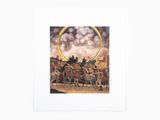
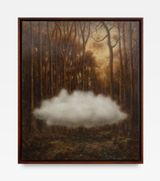
The exhibition will also focus on the latest works in the series ‘Studies into the Past’ which has been explored by Laurent Grasso since 2009. The corpus insists on the fundamental medium of painting, whose style and execution are inspired by such Italian and Flemish painters of the 15th and 16th centuries as Andrea Mantegna and Hans Memling. However, the mythological and religious narrative elements characteristic of the period have been replaced by celestial phenomena rarely illustrated before the 19th century—eclipses, auroras borealis, meteorites—this insertion of fragments of the future into paintings from the past breaks the chapters in the history of painting. Laurent Grasso seems to be attempting to manipulate their historicity, to modify their relationship to time, thus creating what he calls a ‘false historical memory.’ After researching Chinese folk beliefs and myths for a long time, Laurent Grasso integrates new signs, sensations and cultural information to the series, leading the audience dazzled into another misty of time. For this exhibition, he was greatly inspired by the painter Castiglione, a Jesuit who has spent a large part of his career in China. By integrating motifs borrowed from other cultures, he adds geographical confusion to the mix of temporalities.
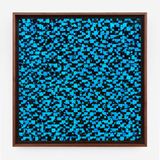
The video installation Solar Wind serves as the epilogue of the exhibition, the work articulates concepts of science, belief, illusion and fiction, based on Laurent Grasso’s interest in solar storms and space meteorology. As the artist said, ‘I designed the project around my interest in the theories about the sun. Solar Wind, shown on a LED screen, and in large projection in the gallery, is an object that shines on the other works. Thus, the project relates solar rays emitted through the video onto the bronze flowers and the herbarium, as if they were exposed to these rays.’ Laurent Grasso worked closely with the CNES (France National Centre for Space Studies), which collects data on solar activities from various laboratories and helps the artist identify those he needed to devise an algorithm accurate enough to transform the data into changing colours. In 1989, millions of people were plunged into darkness after geomagnetic disturbances caused by a solar storm knocked out in the Canadian province of Quebec. Solar Wind hints at this unknown power beyond human control, following the path of solar activity in real time, the light waves will be wandering and lingering around the gallery space, while hundreds of millions of light years away, modern fears that are inseparable from human destiny are growing. As one of the biggest public installation in Paris, Solar Wind has been permanently placed on the walls of the Calcia silos, on the outskirts of the 13th arrondissement. For this time, sound effect based on the same algorithm will be added into this site-specific version for Shanghai, creating another dimension for audience to explore.
About the artist
Laurent Grasso (born in 1972) lives and works between Paris (France) and New York (USA). His work addresses different scales and temporalities across multiple media. He has questioned the structure of the museum (PARAMUSEUM Palais Fesch, Musée des Beaux-Arts d’Ajaccio), the history of art, as well as themes of nature and culture (notably with The Black Box, Hirschhorn Museum and Sculpture Garden in Washington, DC; Uraniborg, Jeu de Paume, 2012, and Musée d’Art Contemporain, Montreal; Soleil Noir, Fondation Hermès, Tokyo; OttO, Biennale of Sydney, 2018, and Perrotin Paris, 2019, as well as notions of science and technology (starting with Gakona, Palais de Tokyo, 2009). He was awarded the Prix Marcel-Duchamp (2008) and was a resident of the Villa Medici in Rome (2004–2005). In parallel, Laurent Grasso has been invited to create installations in public spaces, such as Solar Wind (2016), a permanent work on the outskirts of the 13th arrondissement in Paris, placed on the walls of the Calcia silos.
At the crossroad of heterogeneous temporalities, geographies and realities, Laurent Grasso’s films, sculptures, paintings and photographs immerse the viewer in an uncanny world of uncertainty. The artist creates mysterious atmospheres in which the boundaries of what we perceive and know are challenged. Anachronism and hybridity play an active role in this strategy, diffracting reality in order to recompose it according to his own rules. Fascinated by the way in which various powers can affect human conscience, Laurent Grasso tries to grasp, reveal and materialise the invisible. Ranging from collective fears to politics, through electromagnetic or paranormal phenomenon, the artist reveals what lies behind the commonly perceived and offers us a new perspective on history and reality.


A respected voice in contemporary art discourse.
Focusing on ambitious storytelling and insightful art-world commentary. Ocula Magazine publishes in-depth interviews, critical essays and timely analysis on the artists, exhibitions and ideas driving the global art world.
Learn more about Ocula Magazine
Showcasing the best of the art world.
Ocula partners with galleries from around the world to highlight their artists, artworks and exhibitions. Gallery membership is by application and invitation, with each member vetted by an independent panel.
Learn more about Ocula Membership

Specialises in the sale of major artworks.
Led by a team with deep ties to the world’s leading auction houses, galleries and collectors. Ocula’s advisory team offers bespoke services to high-net-worth clients from around the world who are looking to acquire the best of contemporary and modern art.
Learn more about our team and services