Press Release

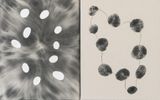
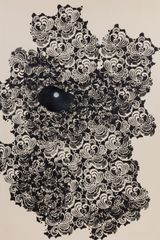
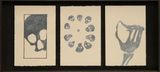
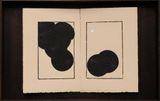
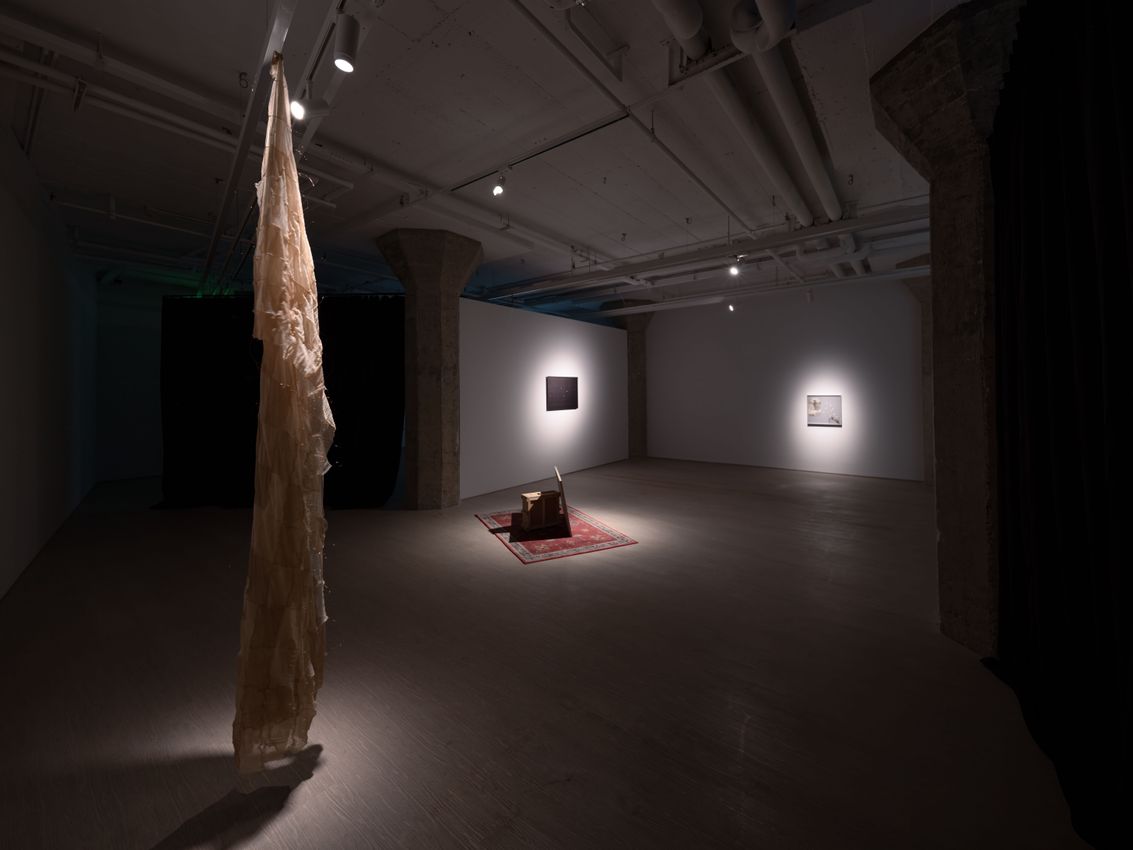
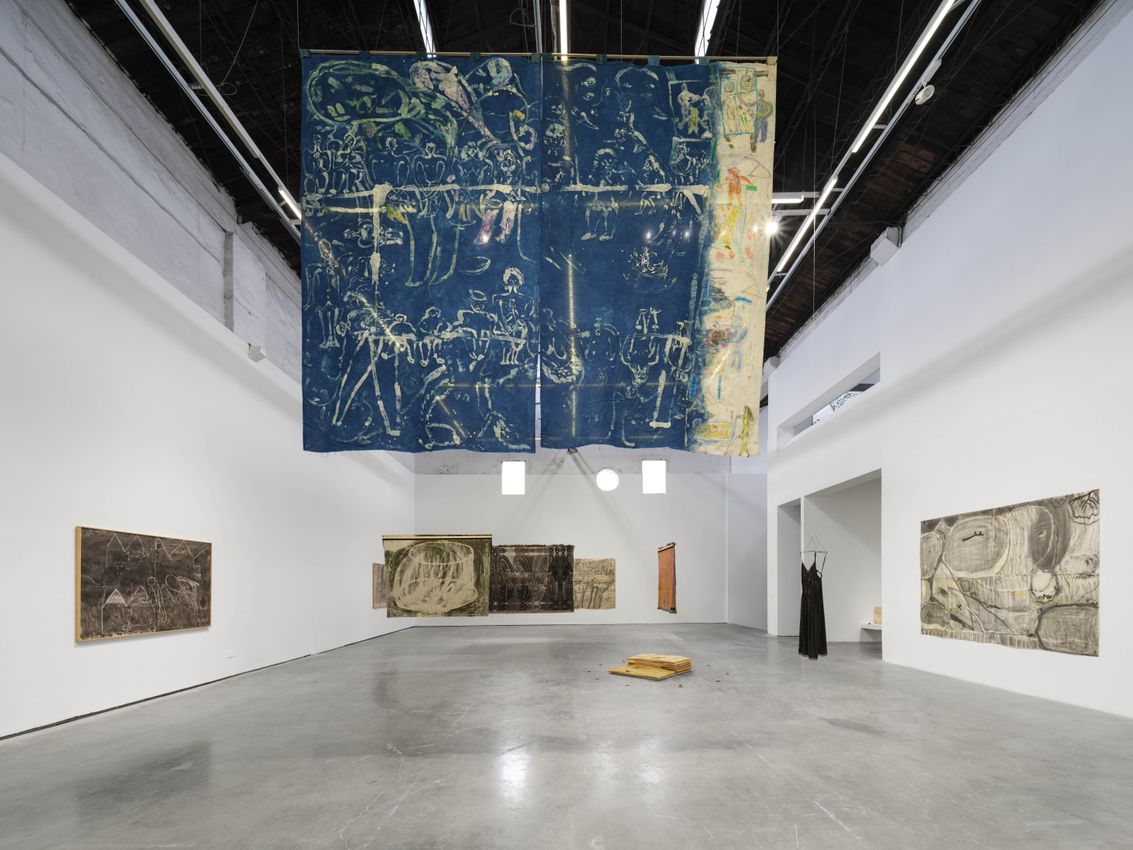
ShanghART is pleased to present the artist Han Mengyun’s first solo exhibition with the gallery, The Unending Rose, which will open on November 5, 2023. Borrowing its title from the Argentine writer Jorge Luis Borges’ eponymous poem, the exhibition will bring together the artist’s most recent paintings, works on paper, as well as architectural and video installations.

In the poem, through the Sufi poet Attar of Nishapur who gazes at the rose, a symbol trapped in the finitude of human language, Borges discovers the literary infinity of the rose, which perennially accrues meaning via the course of migration and the collective act of retelling. Inspired by transcultural literary traditions and the subsequent semantic transformation, Han Mengyun shares with Borges such belief in the potential of infinity represented by the rose.

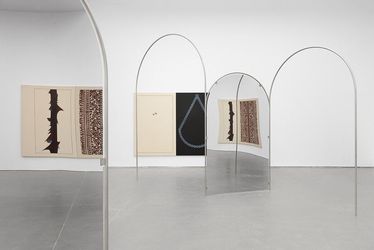
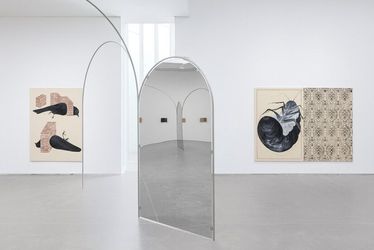
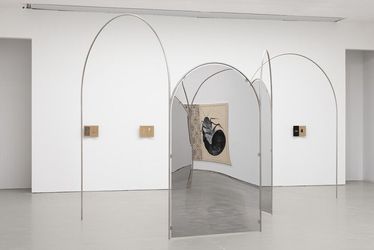
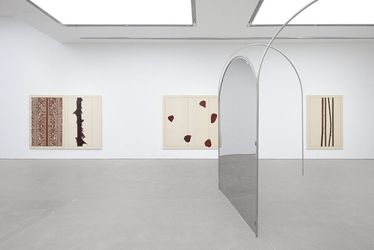
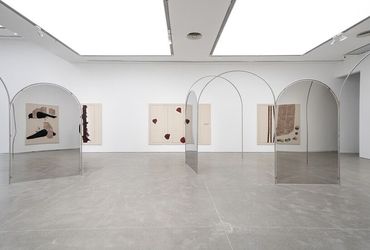
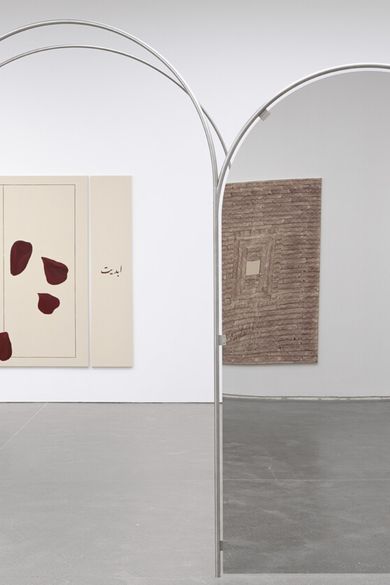
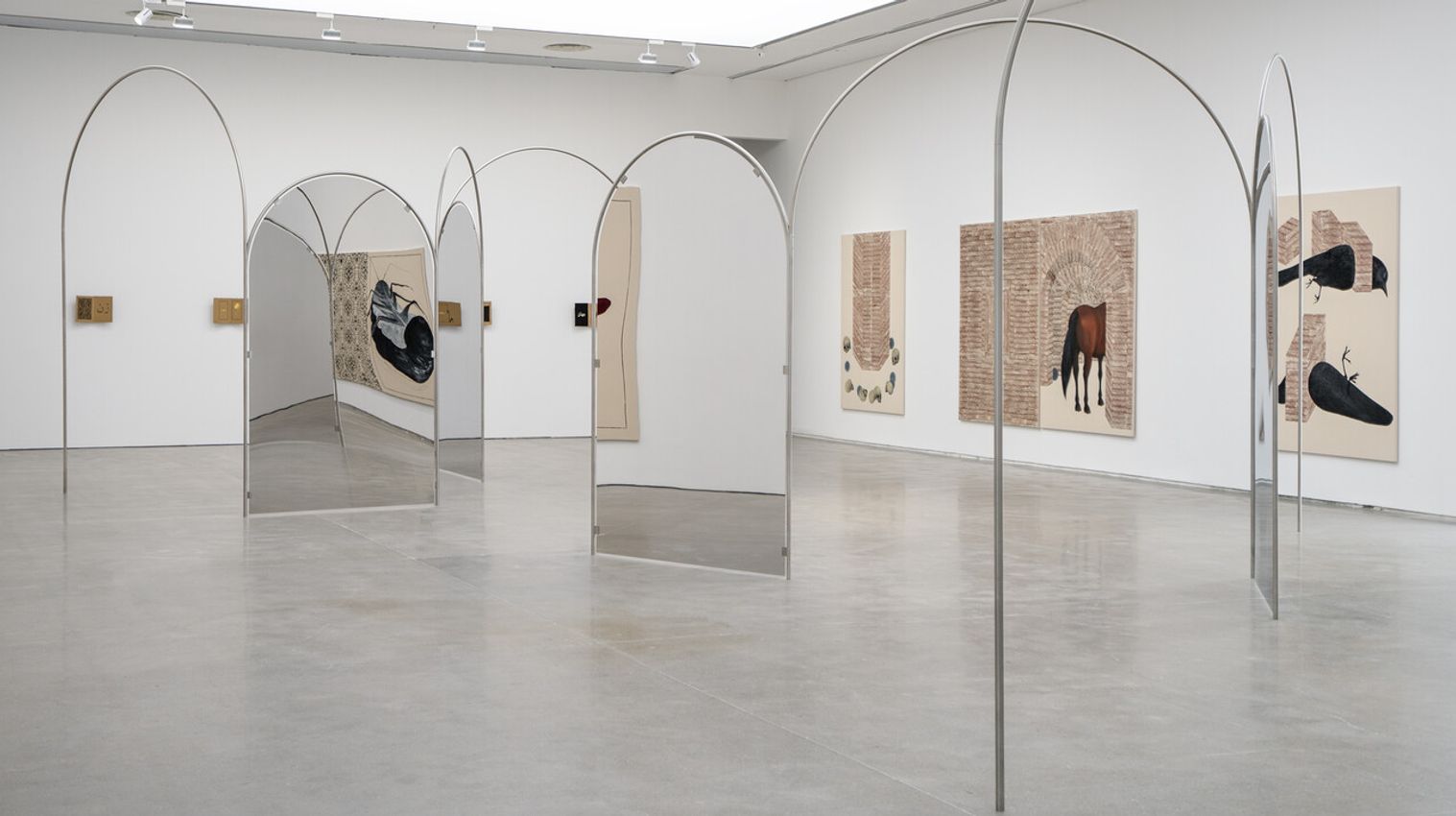
At the heart of the exhibition lies the “mirror pavilion,” an architectural installation inspired by an ancient tale of “The competition between Chinese and Rum artists” retold in Khamsa by the 12th-century Persian poet Nizami Ganjavi. The story goes that Alexander the Great, hearing that both the Romans and the Chinese were famous for their painting, wanted to see who in the world was the best. He then summoned a Roman and a Chinese painter to compete in the royal hall on two opposing walls. By the end of the competition, two identical paintings emerged. The Roman painting was splendid in its incredible realism and vividness while the Chinese painter did not paint but simply polished the wall into a mirror, through which the Roman’s painting across the room and the world were reflected.

First shown in the inaugural Diriyah Biennale (2021), The Pavilion of Three Mirrors aims to render an abstract and poetic representation of this ancient story, which provides many insights into the different conceptions of visual representations between cultures. The work also sheds light on the premodern history of cultural exchange that goes unnoticed in our present time, while offering an alternative paradigm of image-making through the rediscovery of a shared legacy across cultures. In the second iteration The Unending Rose, the vaulted mirror installation not only represents the Chinese painter that polishes a mirror in the story but also a Borgesian mirror labyrinth, in which the path forks at every possibility of interpretation and decision of the viewer.

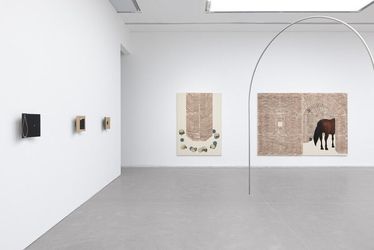
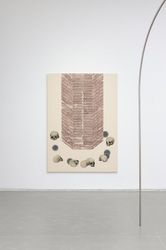
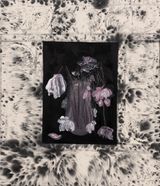
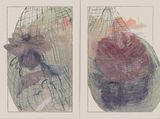
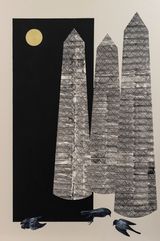
Inspired by the visual configuration of book art – an early form of global media that forged trans-regional connections and shaped cross-cultural contacts – Han Mengyun’s paintings merge the formal characteristics of Buddhist and Islamicate manuscripts with elements drawn from Chinese and Japanese woodblock-printed books. This amalgamation of diverse influences is set against the backdrop of the material basis of the Western painting tradition, resulting in a rich transcultural visual hybridity. The eponymous painting series embodies such hybridity and the woodblock-printed ornamental borders suggest that the paintings are at the same time books. On the page that is the canvas, the rose is conceived as a signifier that forges a semantic connection between symbolic construction and the signified. As a product of language, the rose is bound to be reconfigured, the objectifying gaze displaced.

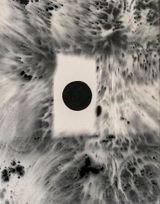
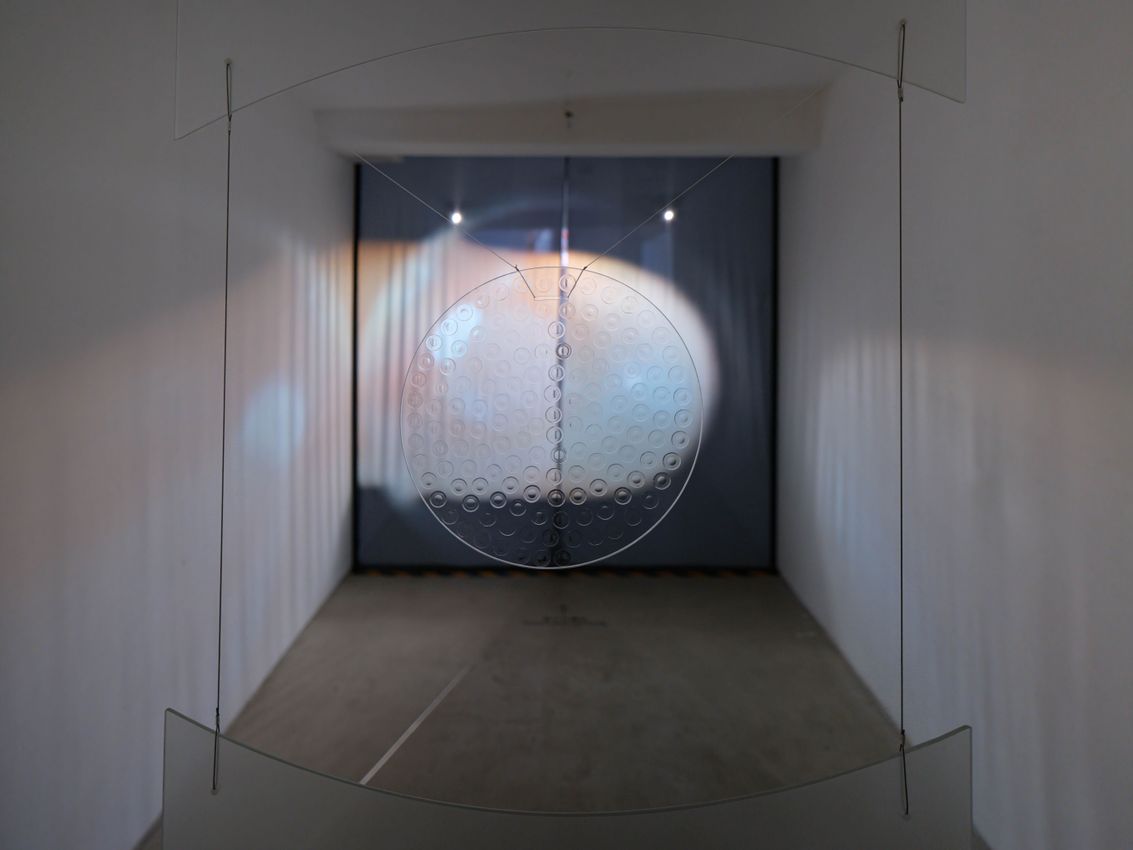
Beyond traditional media such as painting and drawing, Han attempts to extend the word-image interplay peculiar to the book to contemporary media that provides a synesthetic experience. Her video installation, Panchatantra, explores disparate definitions of the mirror through five captivating videos, including The Origin, 촘 (Dream), کتاب(Book), चन्द्र (Moon), and Le Désir, which are projected onto a book stand designed by the artist, blurring the boundary between seeing and reading, language and (moving) image.

In the poet’s endless incantation, the rose becomes infinite, like the repetition of prayer beads that render the shape of eternity. Following the footsteps of ancient poets, Han Mengyun returns to pre-modern pictorial, literary, philosophical and material manifestations of multicultural cross-pollinations, and by doing so, establishes the basis of a new paradigm of aesthetic pluralism that is necessary for imagining the coexistence of differences.

Read More

Installation Views

Han Mengyun: A Mind, Is a Mirror, Is a Rose Spotlight Han Mengyun: A Mind, Is a Mirror, Is a Rose Han Mengyun harvests literary histories to illustrate a vast lineage of transcultural symbolism in her first ShanghART solo show. Read the story
About the Artist

Han Mengyun is an interdisciplinary artist whose work seeks alternative discourses to Western traditions, most notably by incorporating poems and text.

View Artist Profile

Also Exhibiting at ShanghART

About the Gallery
ShanghART gallery was initiated in 1996 in Shanghai. It has since grown to become one of China’s most influential art institutions and a vital resource to the development of contemporary art in China with two spaces in 50 Moganshan Road (Main Space and H-Space), a public warehouse space in West of Shanghai (ShanghART Taopu), and a gallery space in Beijing and representing over 40 artists.

Being recognized for its importance ShanghART became the initial gallery from China participating in major international art fairs like Art Basel and Fiac, Paris. ShanghART gallery also enjoys the great respect of being among the 75 most influential galleries selected in Thames & Hudson’s publication ‘International Art Galleries: Post-war to Post-millennium.’
View Gallery Profile
Address
Bldg.10, 2555 Longteng Avenue
Xuhui District
Shanghai
China
Opening Hours
Tuesday - Sunday
11am - 6pm

Closed Monday
(1)
Shanghai Bldg.10, 2555 Longteng Avenue, Xuhui District
ShanghART
Bldg.10, 2555 Longteng Avenue, Xuhui District, Shanghai, China
+86 216 359 3923 / +86 215 424 9033
http://www.shanghartgallery.com

Opening hours
Tuesday - Sunday
11am - 6pm

Closed Monday
The art world in focus