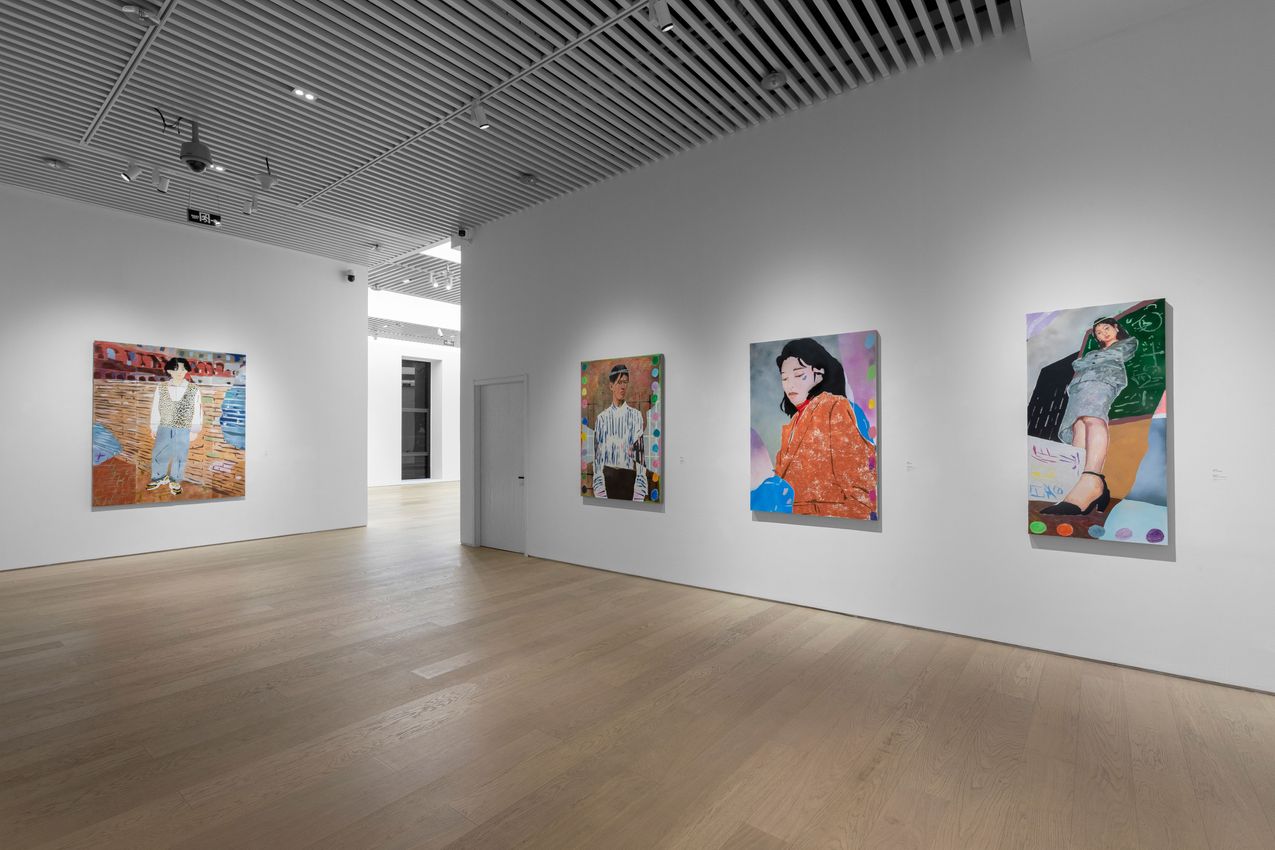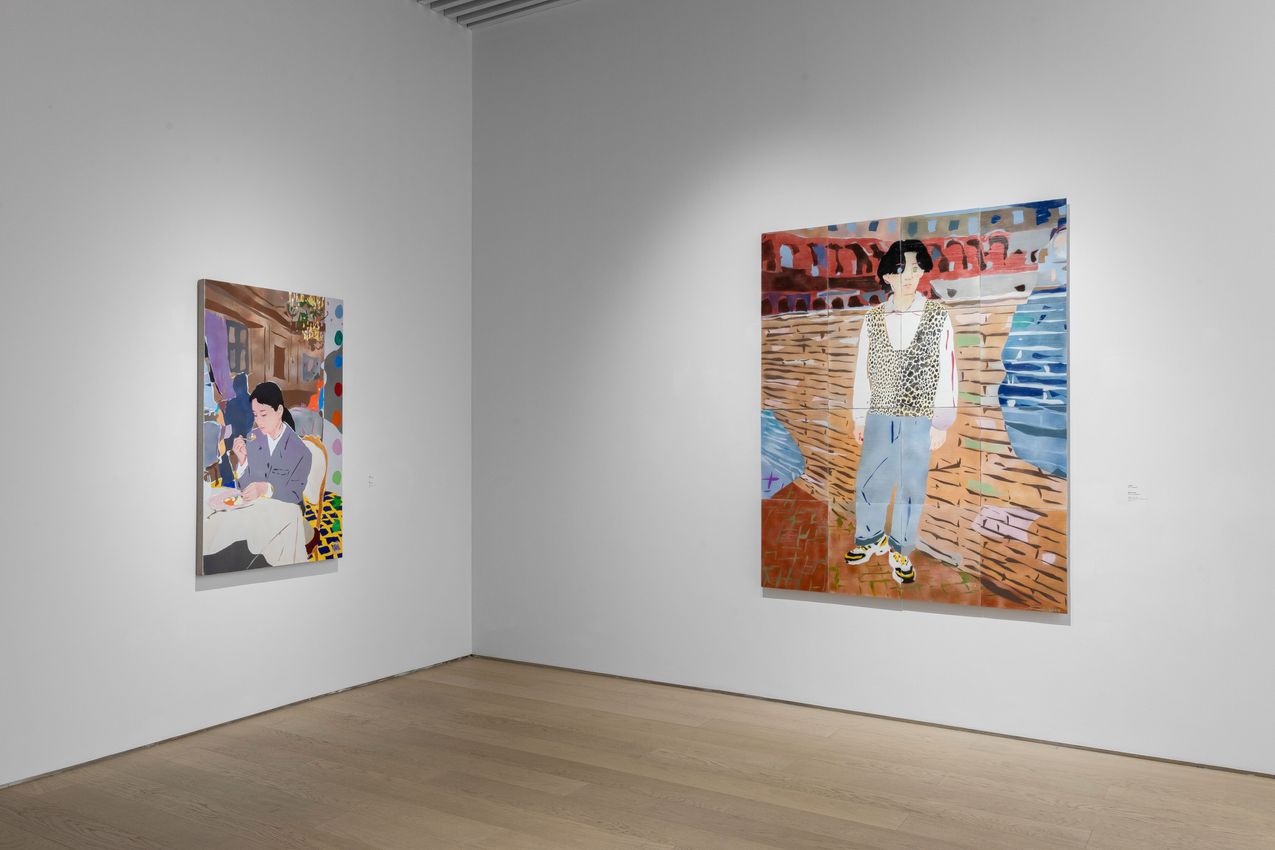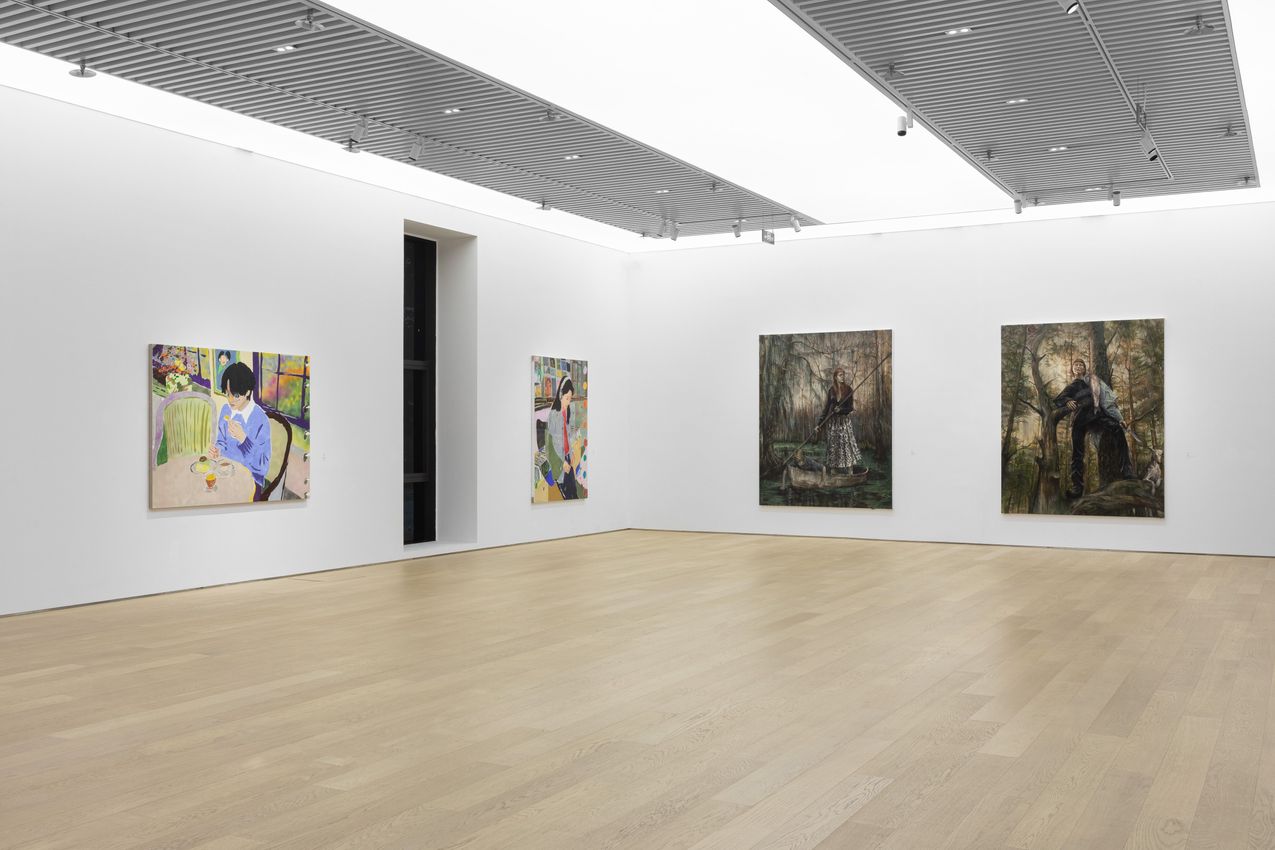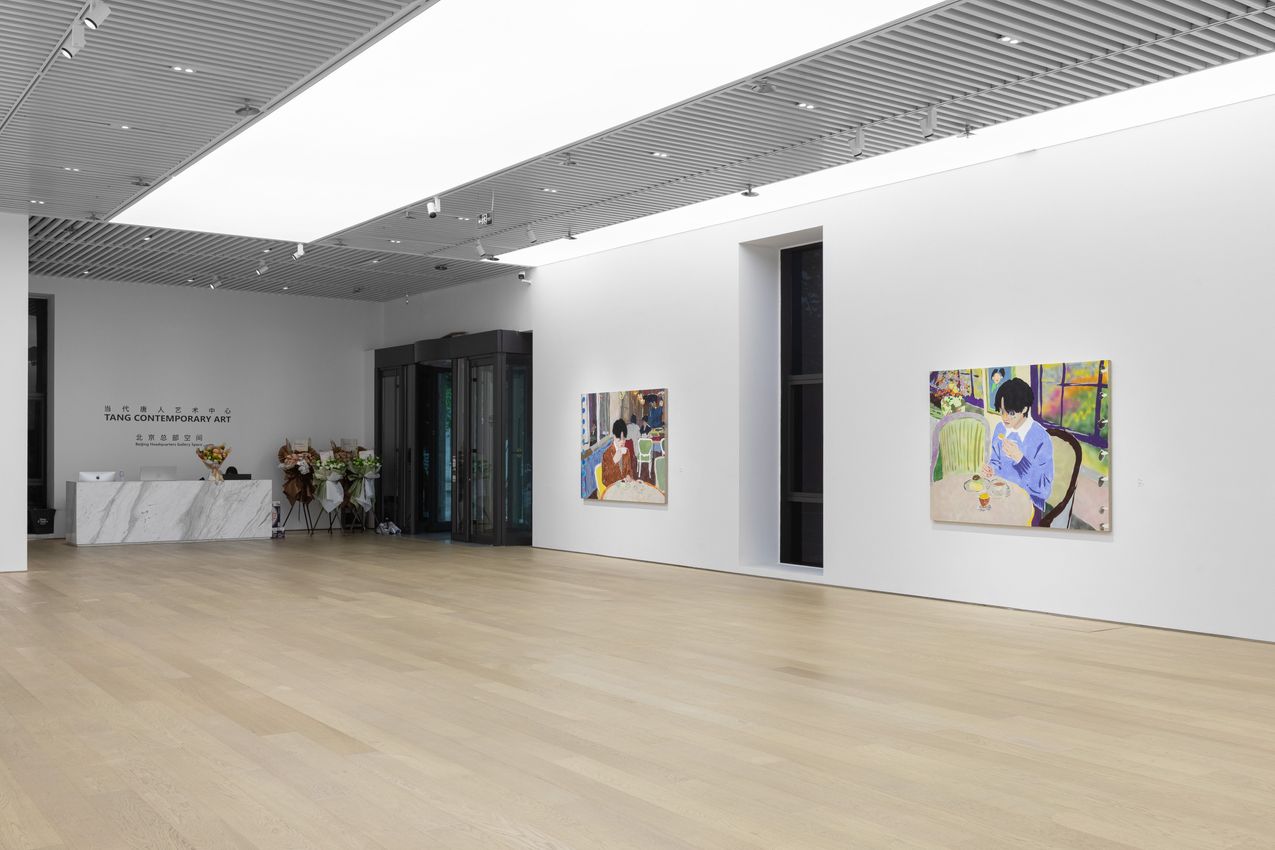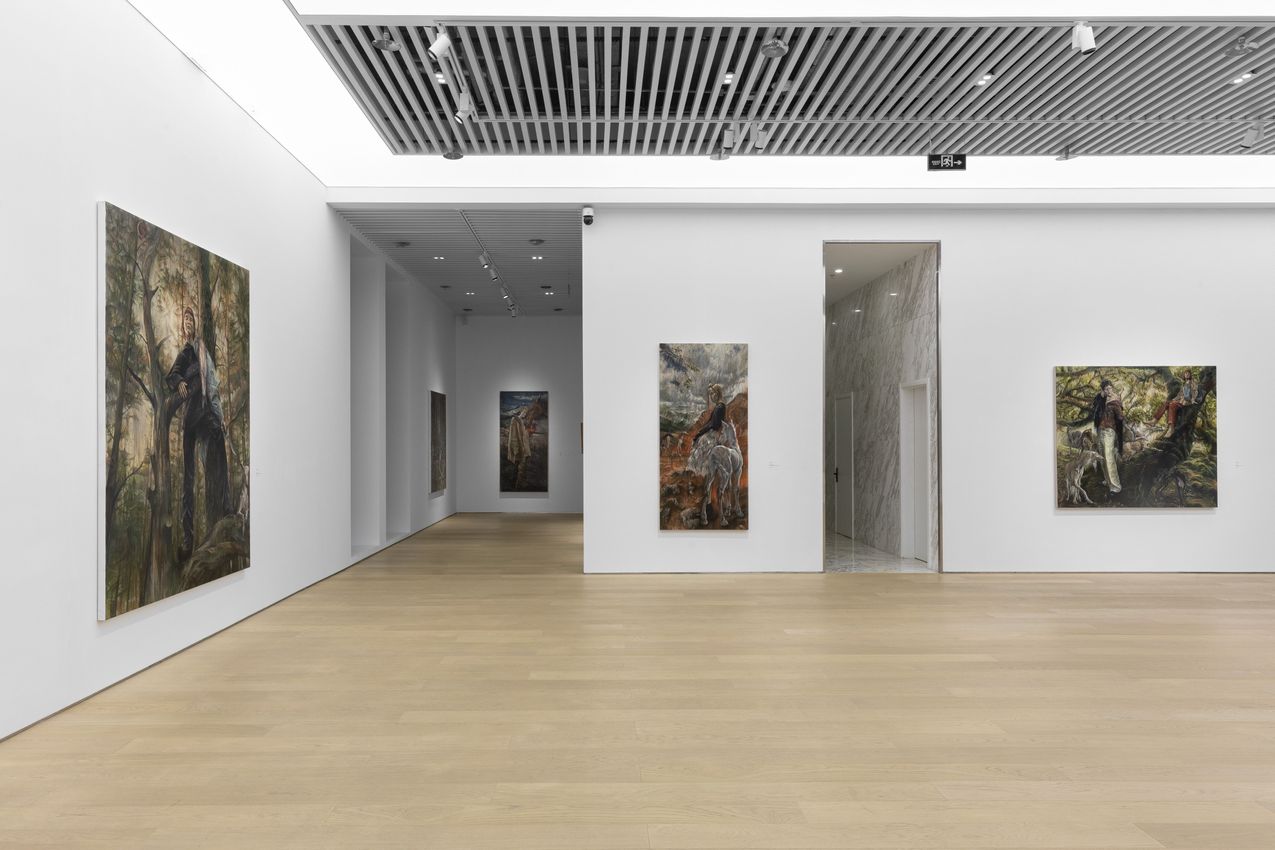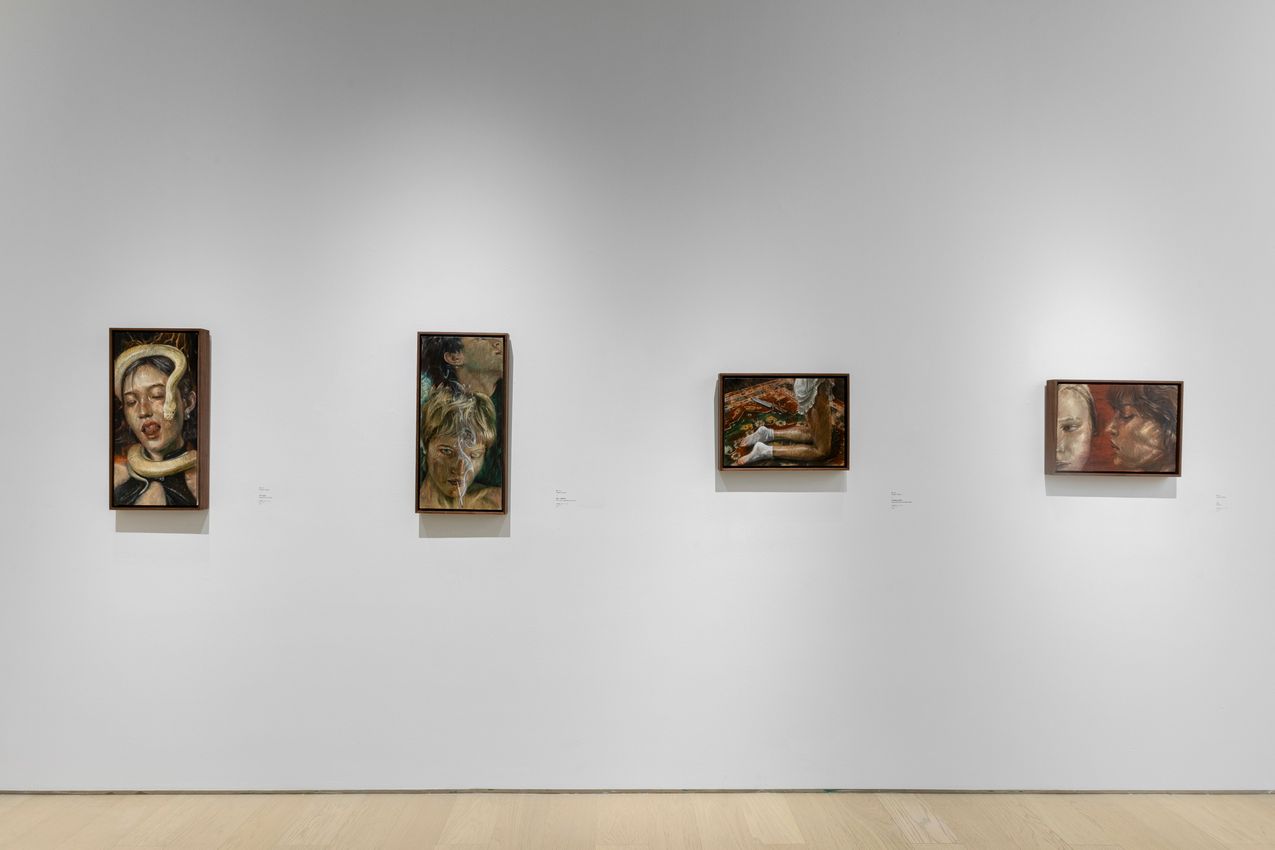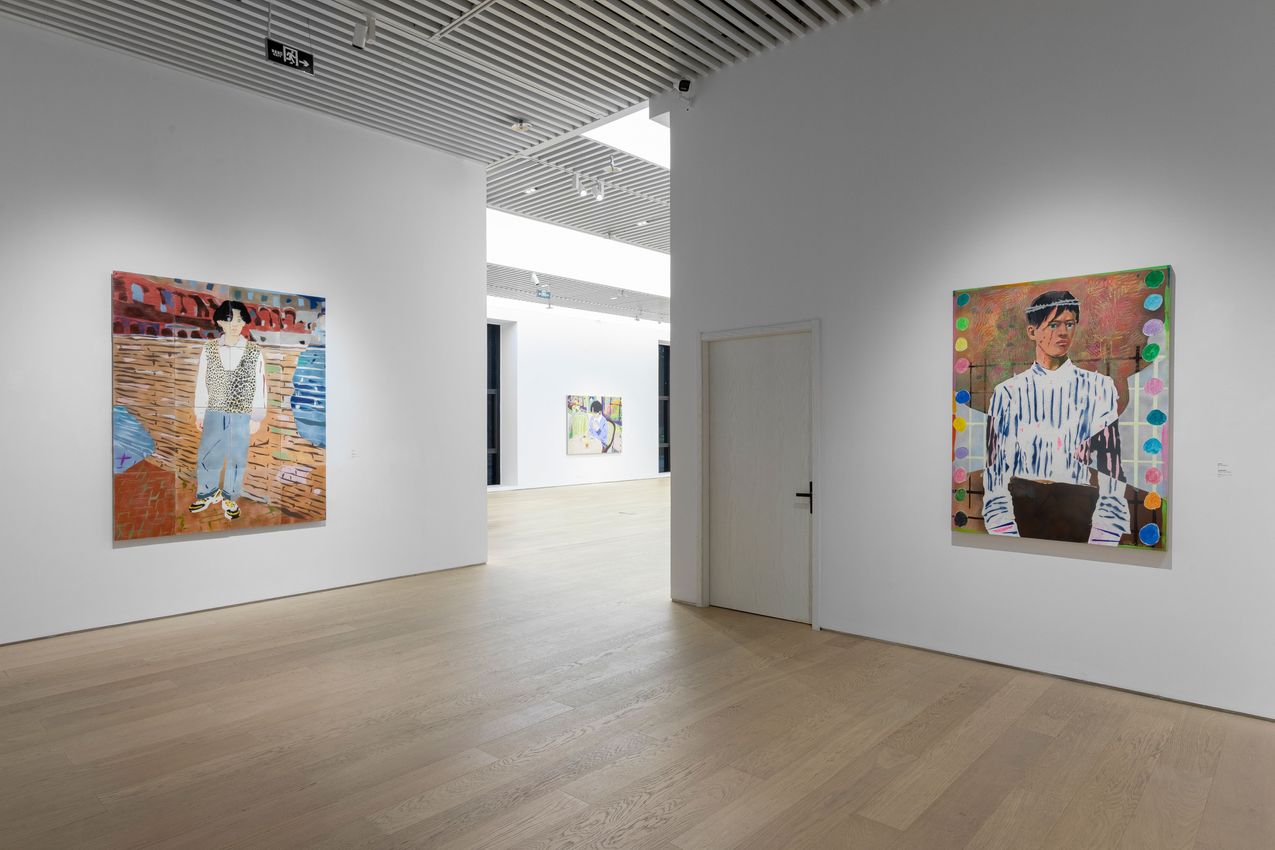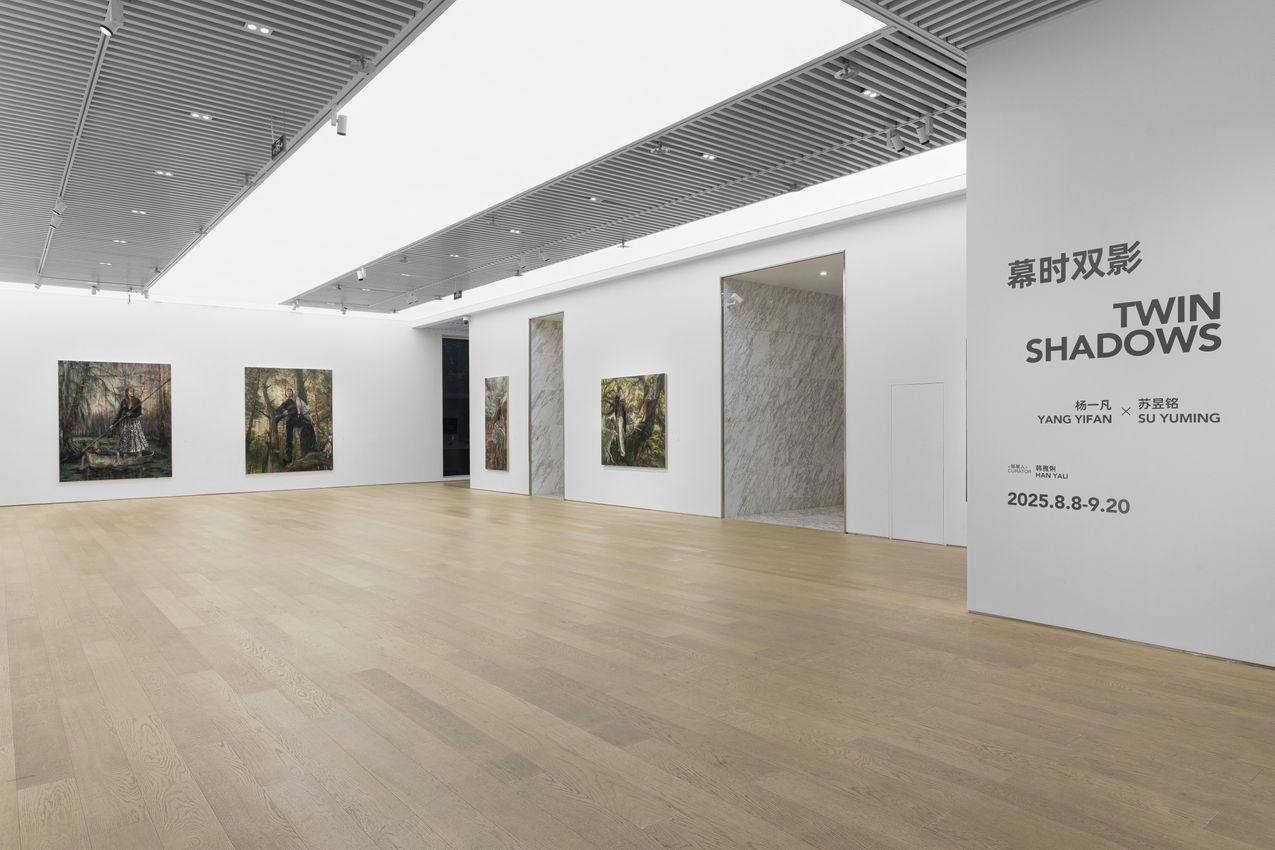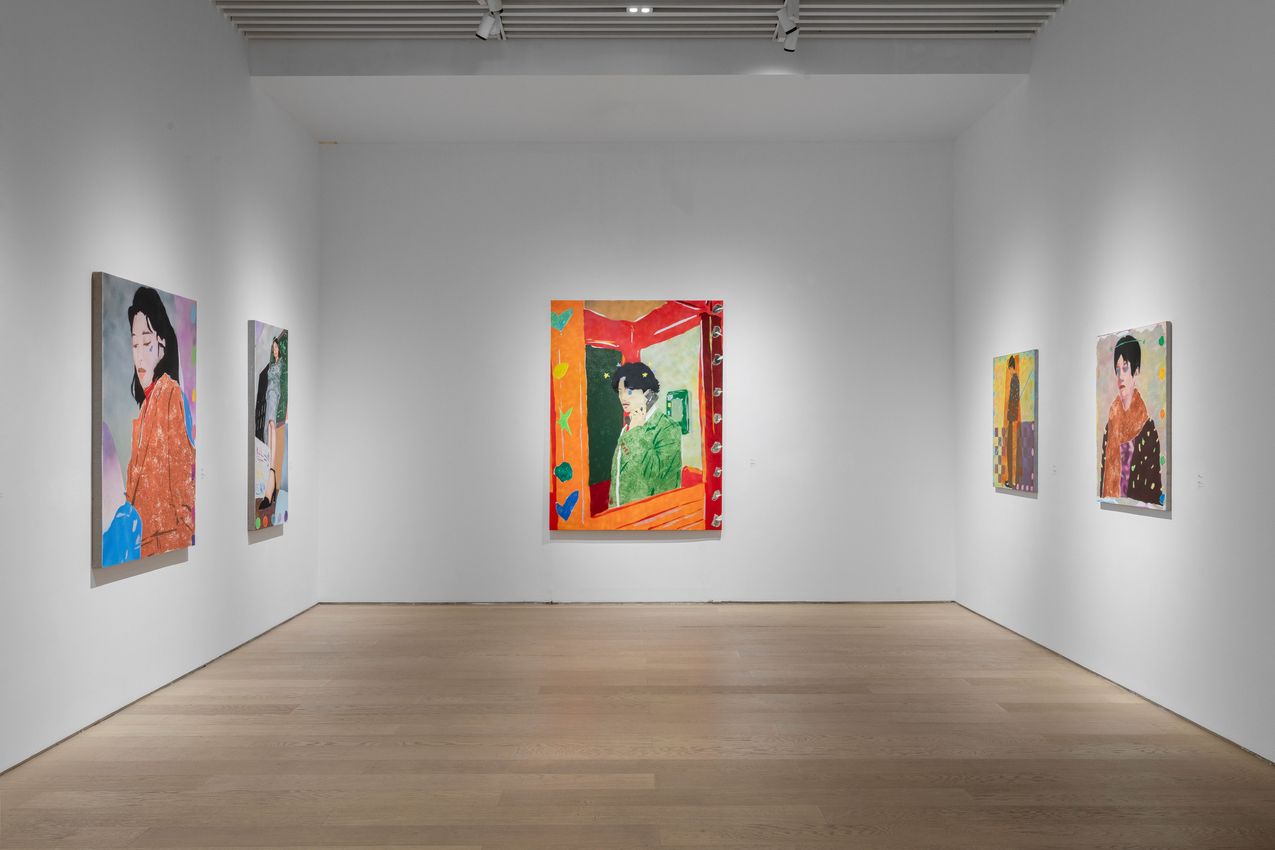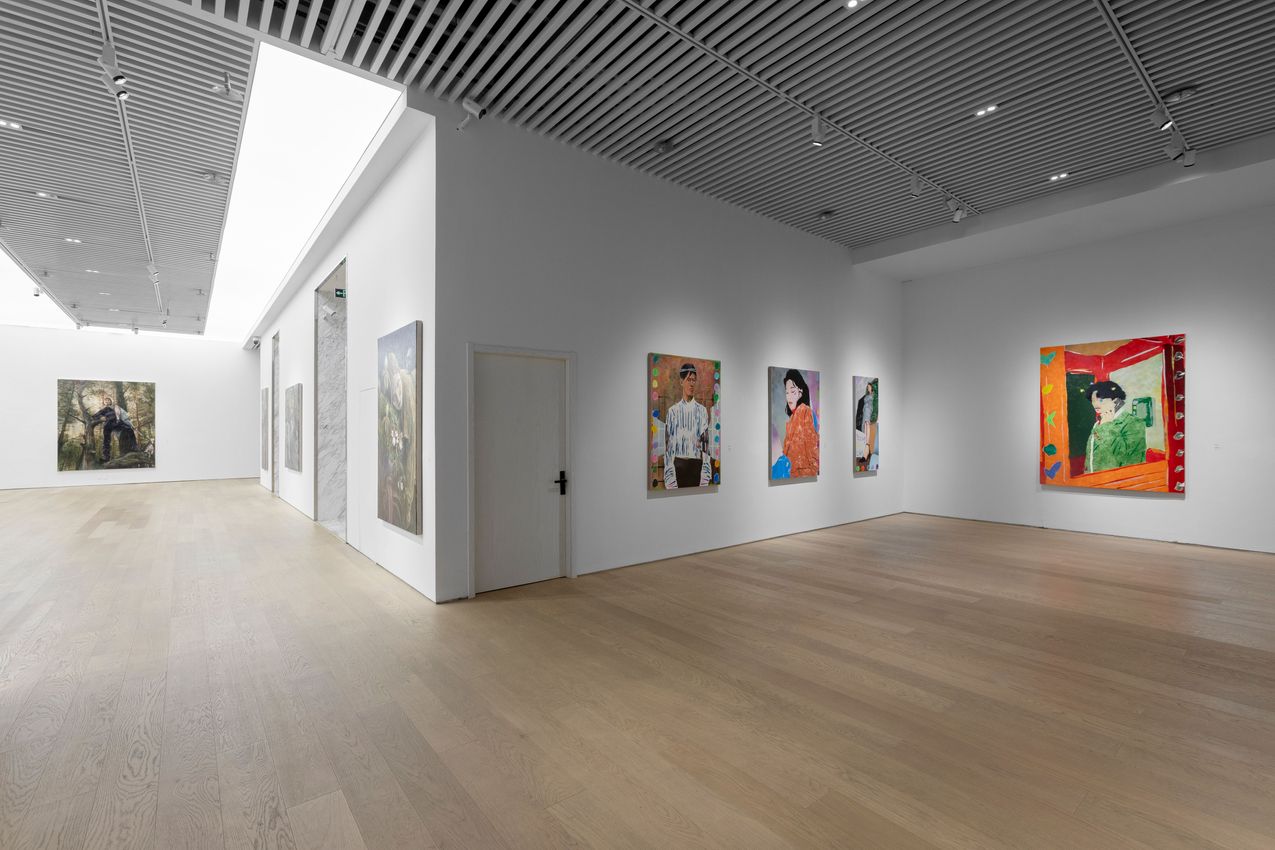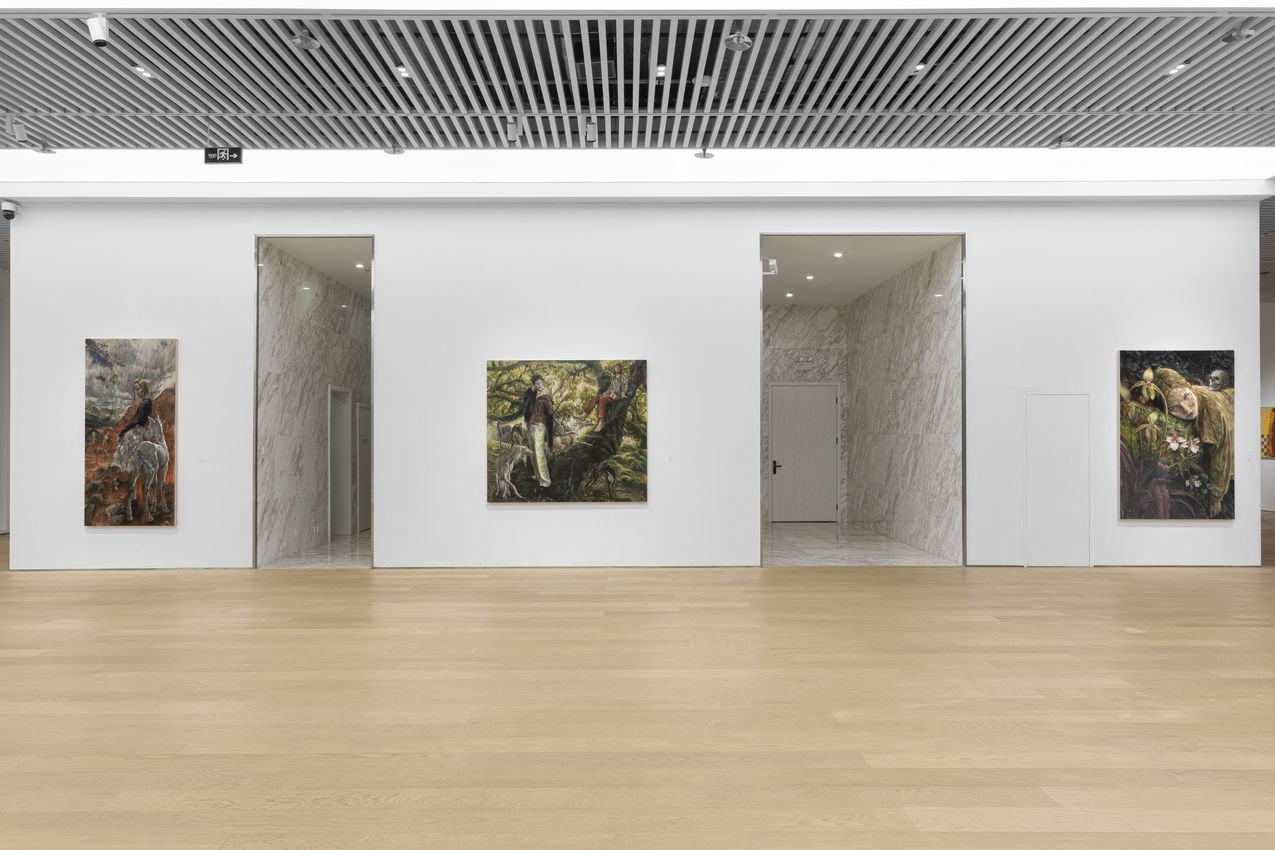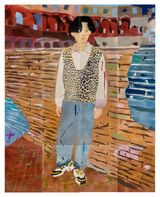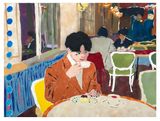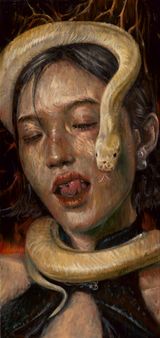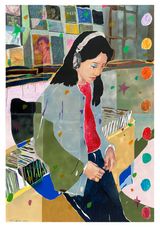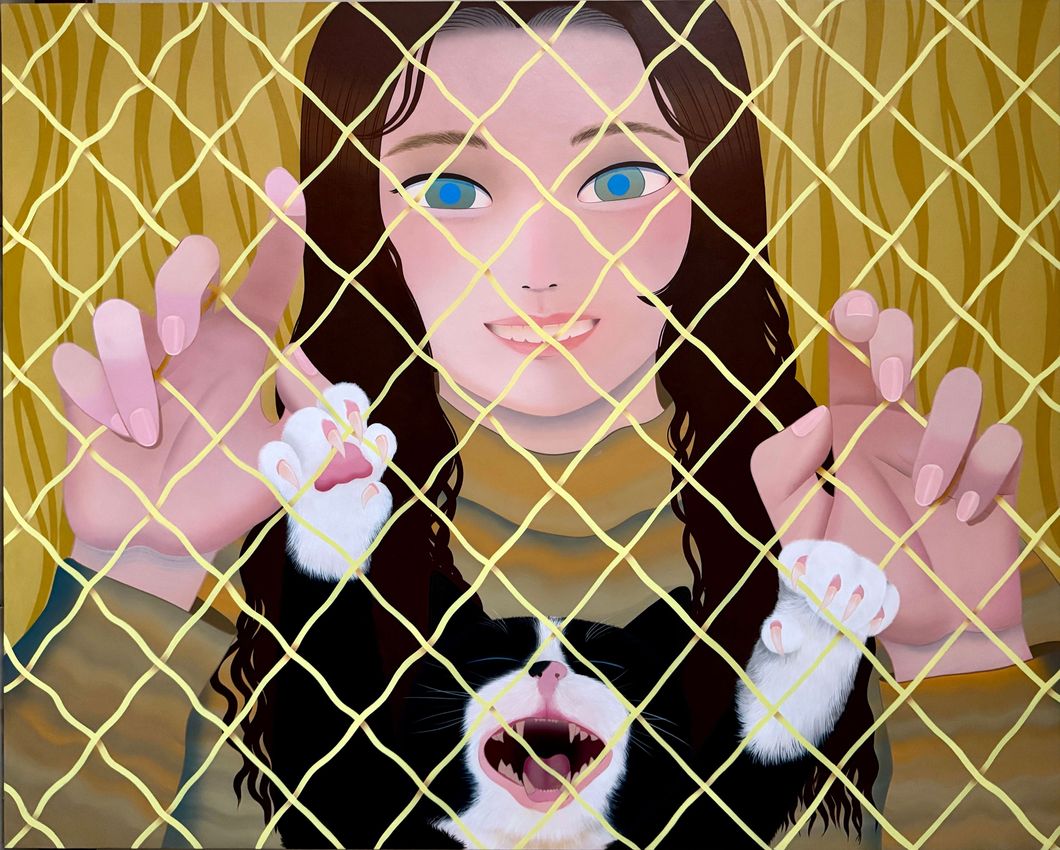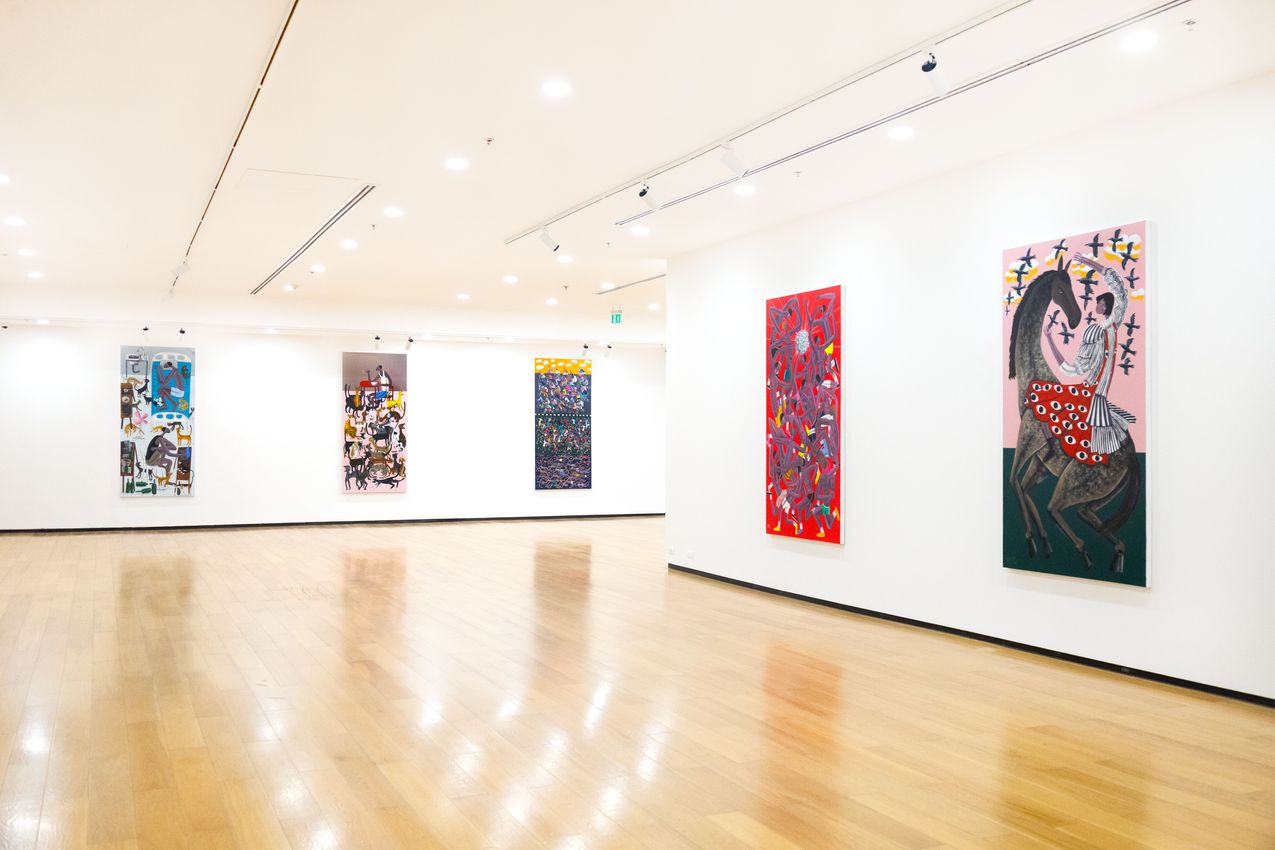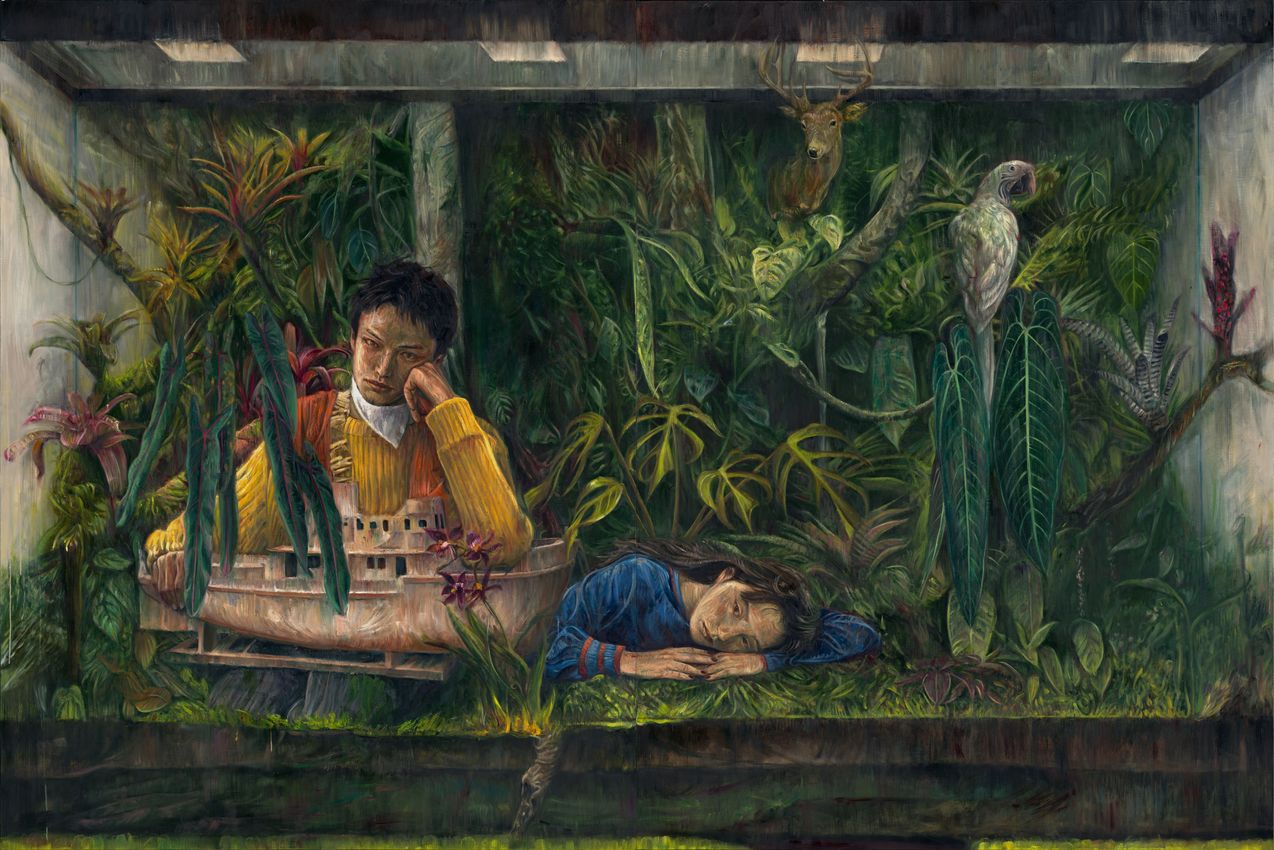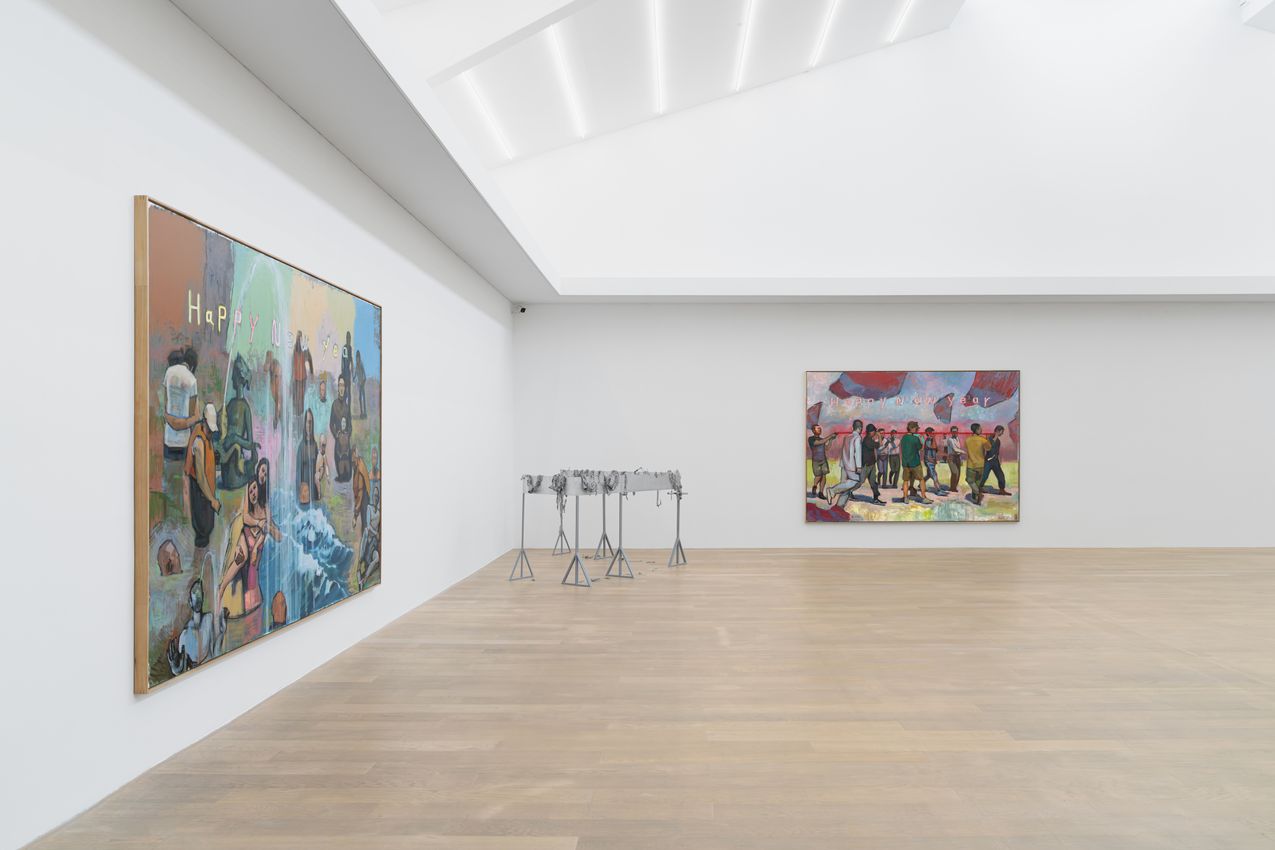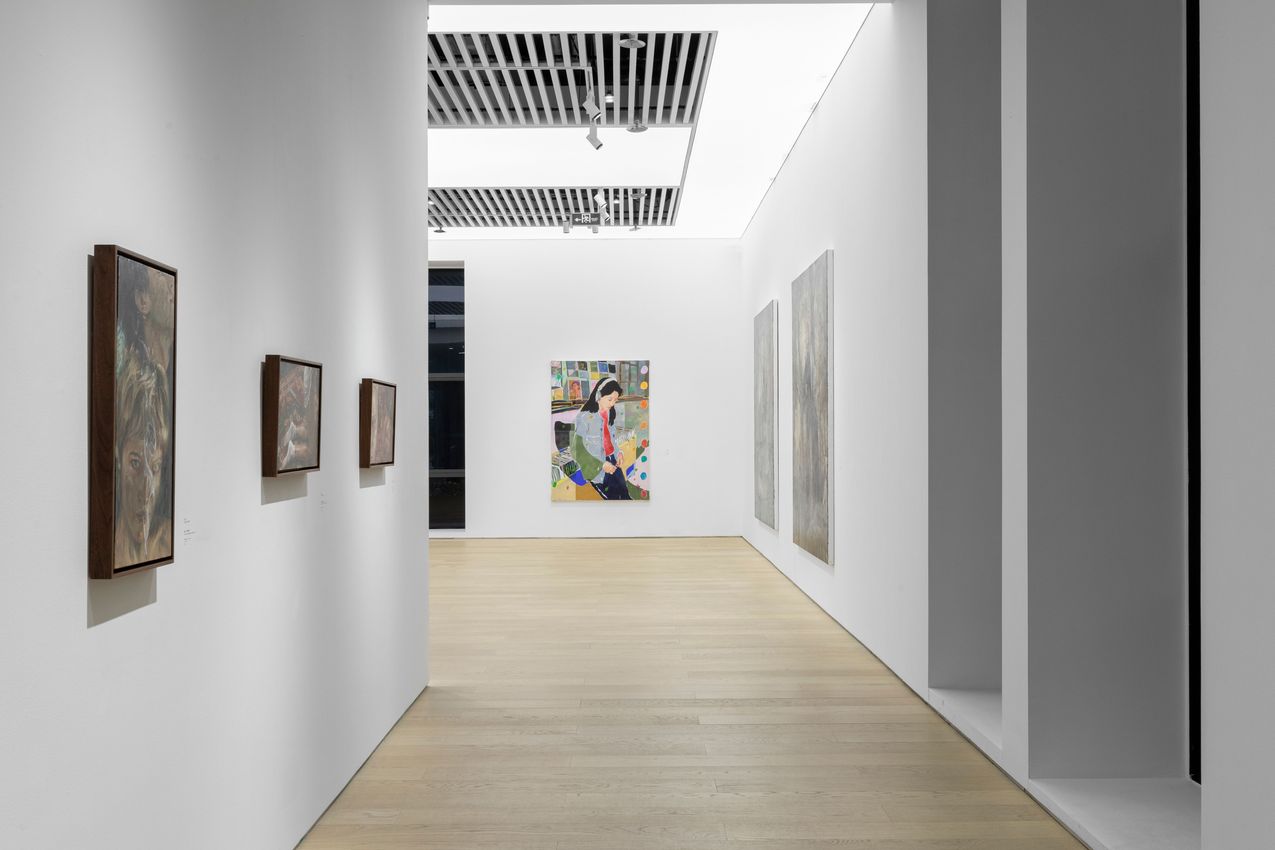
Tang Art Contemporary is pleased to announce the opening of a two-person exhibition by post-90s artists Su Yuming and Yang Yifan, titled Twin Shadows, on Friday, 8 August, at 4 p.m. at its Headquarters Gallery Space in Beijing. The exhibition is curated by Han Yali.
The exhibition Twin Shadows traces the creative practices of two post-90s artists, Yang Yifan and Su Yuming, unveiling a mode of reality-based expression rooted in individual experience. Distinct from the reproduction or responding to grand narratives, they employ painting as a medium to explore embodied experience, constructing emotional, identity-based, environmental, and psychological spaces that intervene in the complex process of reality’s formation. This is both a self-manifestation under the gaze of others and an individual’s active establishment of perceptual pathways and existential postures when confronting the world.
Both artists’ practices converge on a perspective of personal realism. Each departing from their own modes of perception: Yang Yifan constructs a somber symbolic space through dreams, metaphors, and natural imagery, embodying an inward escape from reality; Su Yuming, on the other hand, reflects on adolescent subjectivity within the tensions of identity structures, transforming everyday spaces into psychological theaters of self-performance and introspective gaze. By orchestrating their figures’ emotions in their works, they build a field of identity, initiating a discourse that oscillates between the real and the fictional, the visible and the invisible. The term ‘Twin Shadows’ does not merely suggest mirroring or juxtaposition, but rather refers to a spectral presence hovering between reality and illusion, appearance and concealment—shifting, splitting, and lingering, yet persistently existing at the edge of our perceptual world. It is behind this very ‘curtain’ that the individual, through creation, ceaselessly reaffirm the possibility of their own existence; amidst the fractured and fleeting shadows of light, they relentlessly pose the questions: ‘Who am I?’ and ‘How do I exist?’
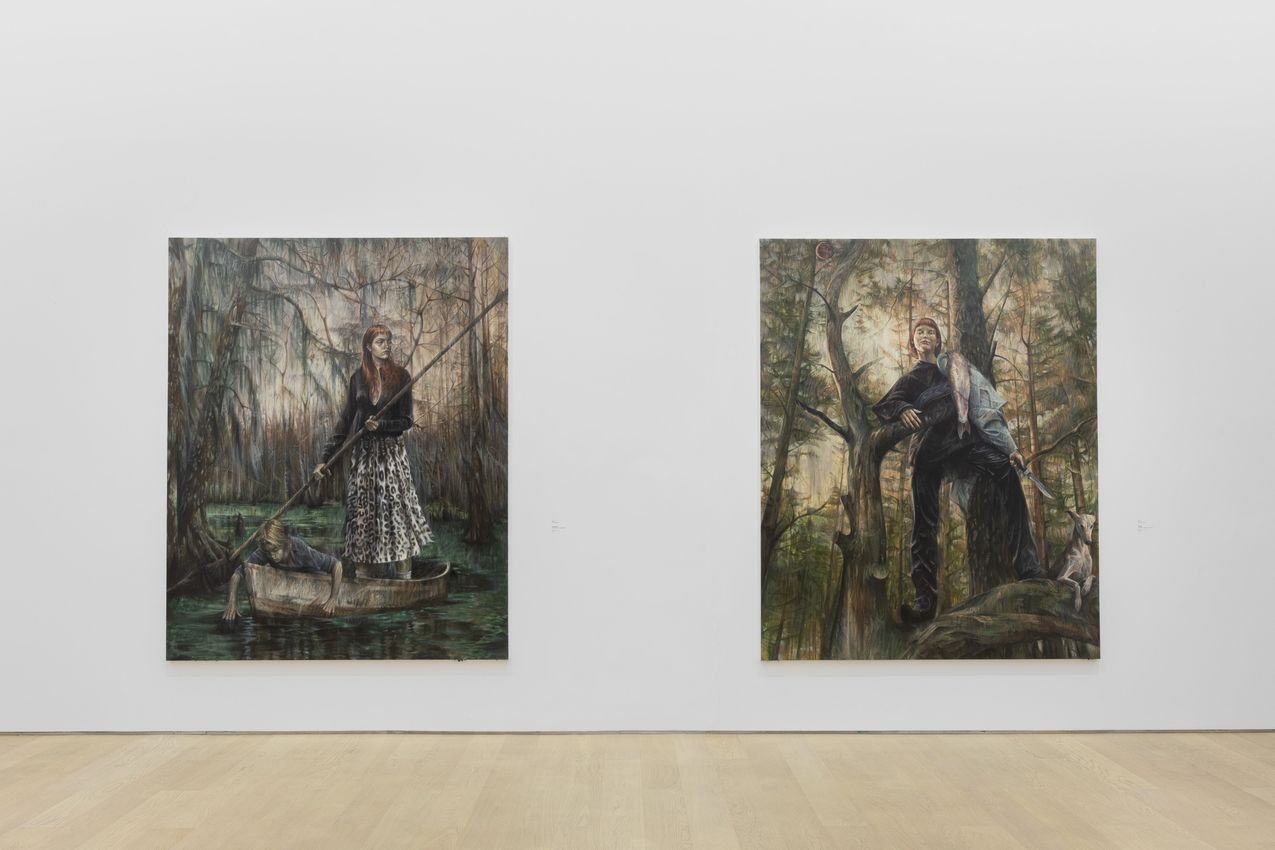
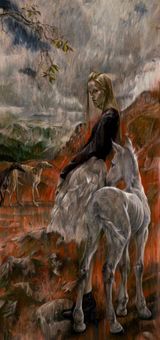
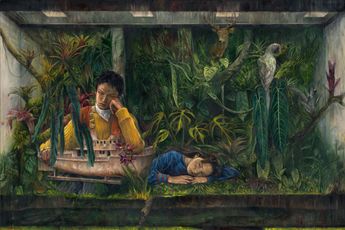
In Yang Yifan’s works, dense forests, ferries, woodlands, wastelands, and mists construct a closed, heterogenous threshold zone. Figures are placed within these surreal landscapes, creating a blurred boundary between wilderness and civilization. These images resemble folk legends hidden in the folds of reality—both familiar and estranged. Individual’s sensual desires are devoured in these dark, oppressive environments, metaphorically signaling the rupture of identity and the drifting of roles. His characters are often tender, resolute, and brave, yet the emotional atmosphere they inhabit is firmly anchored in solitude, alienation, melancholy, and inner tension. The recurring animal figures—horses, snakes, octopuses, dogs—are not fixed as symbolic ‘others’ but function more as ritualistic and symbolic narrative elements. Through these psychologically suggestive image strategies—prolonged gazes and charged bodily gestures—Yang Yifan asserts the indivisibility of individual existence; it is precisely in these eroding existential fields that he persistently reaches for a fragmented sense of self.
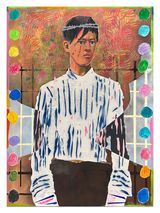
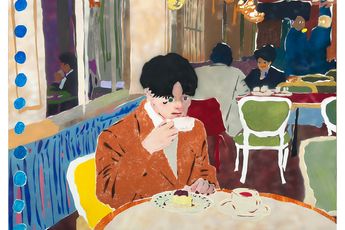
Su Yuming’s practice, in contrast, leans toward introspective performance and psychological narration within quotidian settings—mirrors, rooms, and silent gaps form the interface where self-awareness clashes with social identity. The recurring ‘boy’ in his paintings is both an adolescent subject and a dual figure of viewer and the viewed, constantly questioning the formation and boundaries of the ‘I.’ These boys or girls often linger in a liminal state of self/other scrutiny, suspended between the surface of reality and inner emotion, forming a tenuous yet intimate viewing relationship. With bright colors and flattened painterly forms, the artist portrays seemingly trivial but tension-laden everyday scenarios, while using visual motifs like circles, hearts, and stars, and textures made from plasticizer, together, to create a layer of emotional disguise. These symbols, visually reminiscent of cheap toys, nevertheless bear multiple layers of meaning concerning identity, intimacy, and perceptual structures. In this context, the repetitive nature of the everyday is subtly adjusted, magnified, and frozen—becoming a re-coding and reconstruction of experience. Memory detaches from its original context, emotions blur and generalize, and the adolescent subject constructs a threshold perceptual structure amidst detachment, flux, and nameless solitude.
Despite the formal and material differences in the practices of Yang Yifan and Su Yuming, both delve into inward escape and covert silent resistance against external identity structures and mechanisms of viewing. Twin Shadows reveals a dual perspective that reflects but never merges—gazing at one another, yet never overlapping. It is not only a visual metaphor but also a reconfiguration of the viewing mechanism: within this duality of seeing and being seen, the subject and the other, reality and illusion continually shift places, revealing the psychological fissures and perceptual folds of the image-saturated age.


Tang Contemporary Art was established in 1997 in Bangkok, later establishing galleries in Beijing and most recently Hong Kong. Tang Contemporary Art is fully committed to producing critical projects and exhibitions to promote Contemporary Chinese art regionally and worldwide and encourage a dynamic exchange between Chinese artists and those abroad.
A respected voice in contemporary art discourse.
Focusing on ambitious storytelling and insightful art-world commentary. Ocula Magazine publishes in-depth interviews, critical essays and timely analysis on the artists, exhibitions and ideas driving the global art world.

Learn more about Ocula Magazine
Showcasing the best of the art world.
Ocula partners with galleries from around the world to highlight their artists, artworks and exhibitions. Gallery membership is by application and invitation, with each member vetted by an independent panel.
Learn more about Ocula Membership

Specialises in the sale of major artworks.
Led by a team with deep ties to the world’s leading auction houses, galleries and collectors. Ocula’s advisory team offers bespoke services to high-net-worth clients from around the world who are looking to acquire the best of contemporary and modern art.
Learn more about our team and services