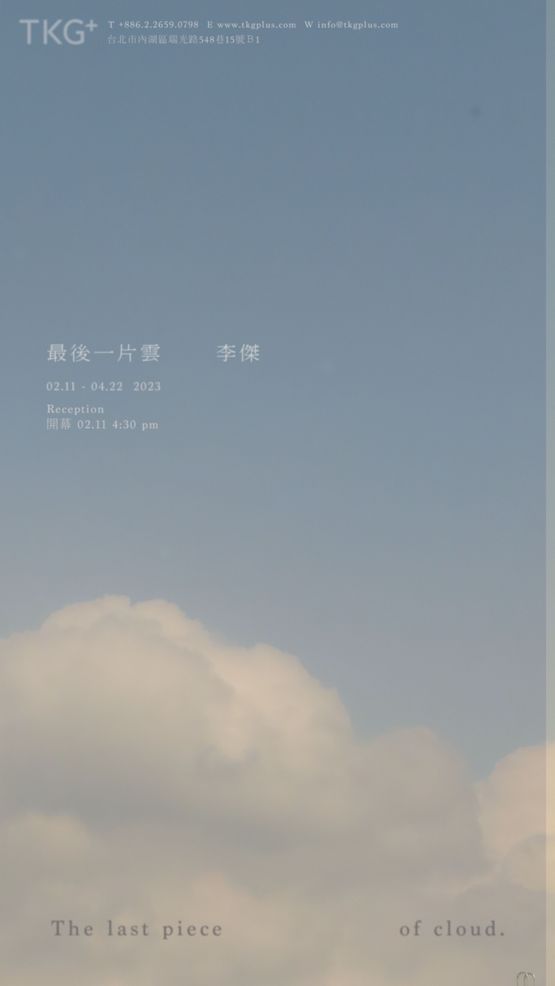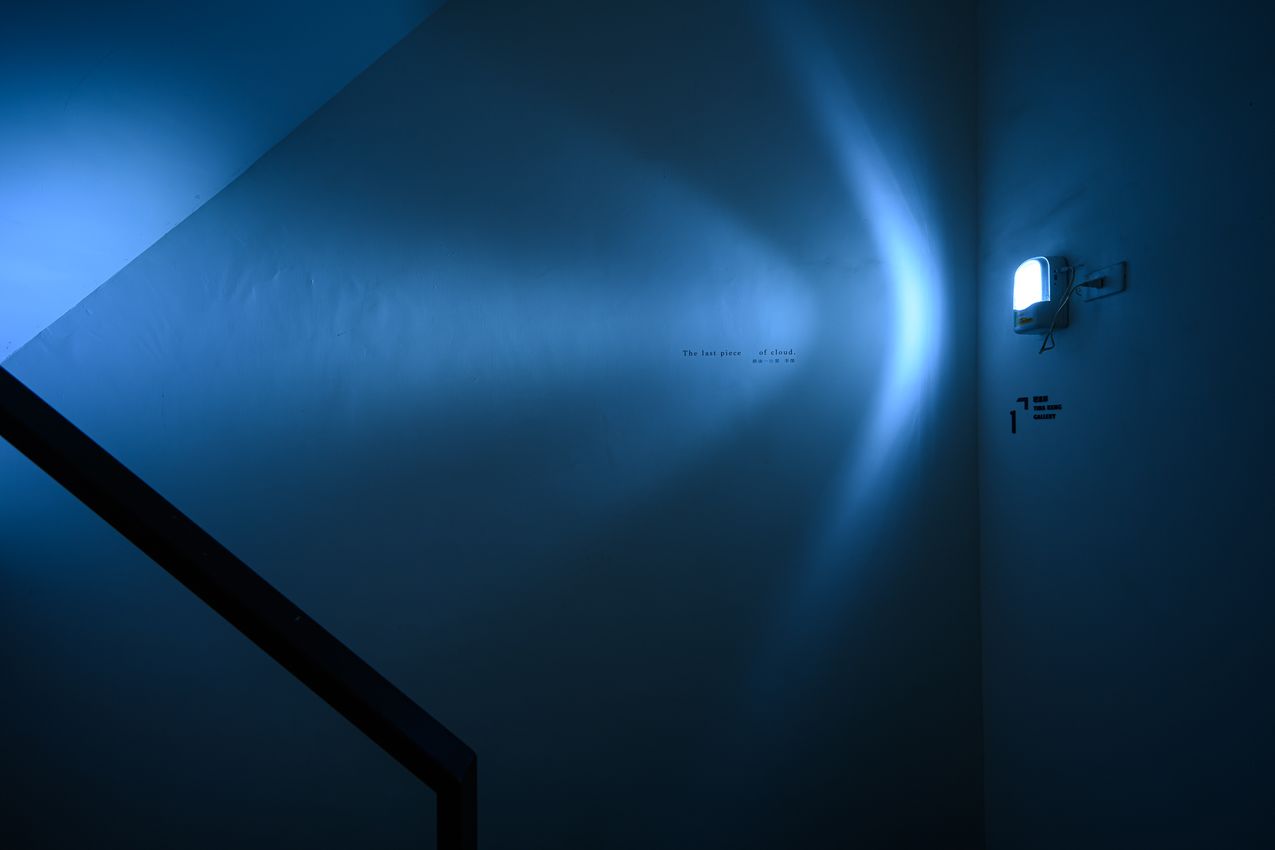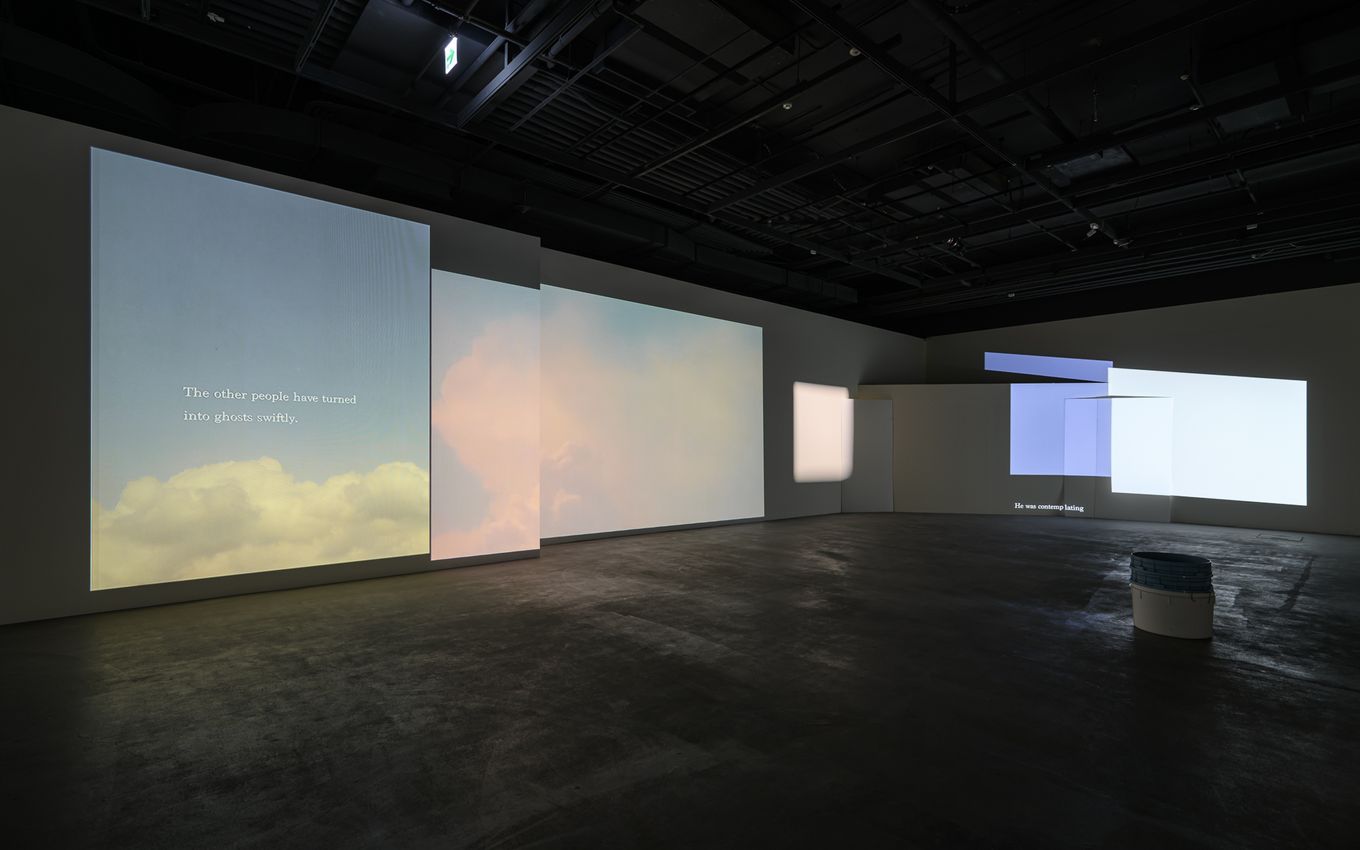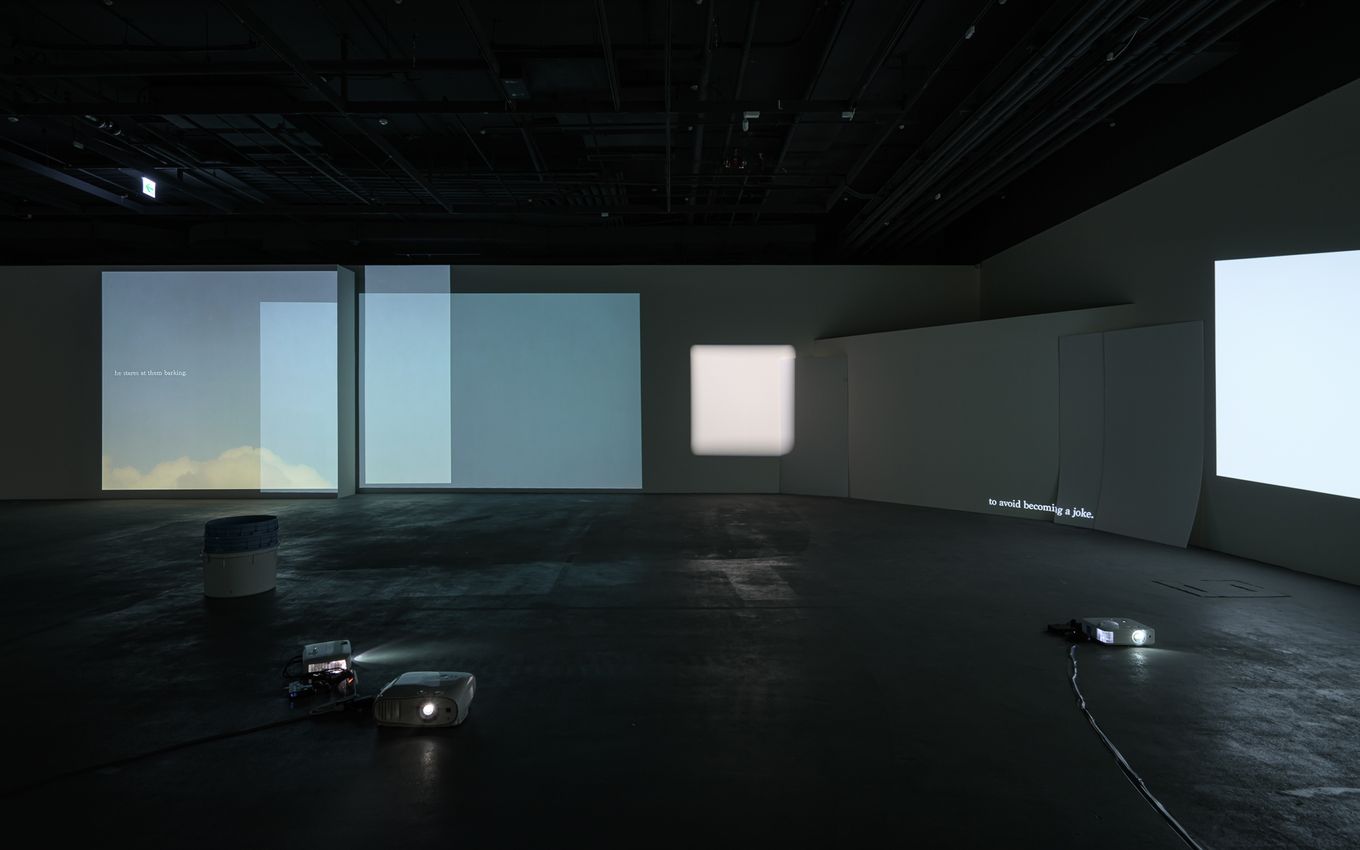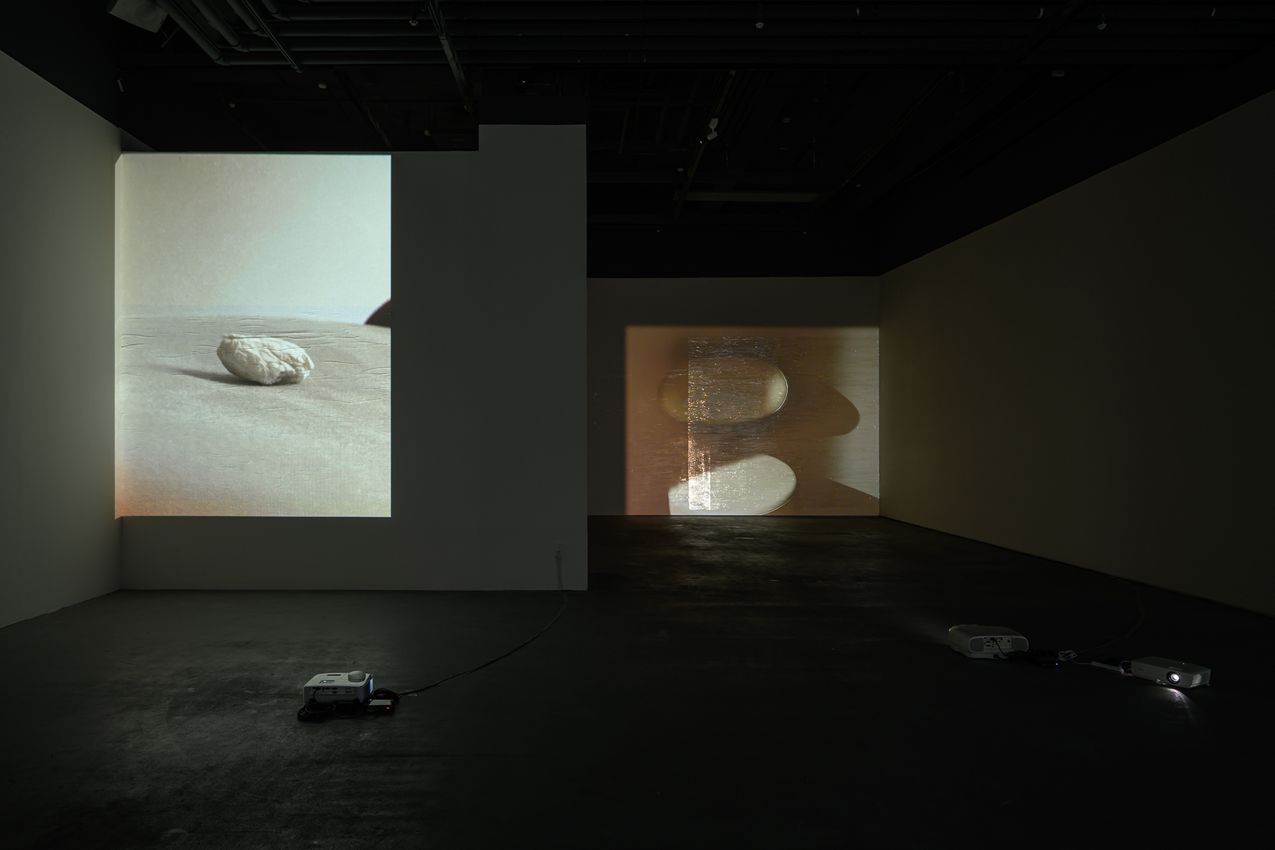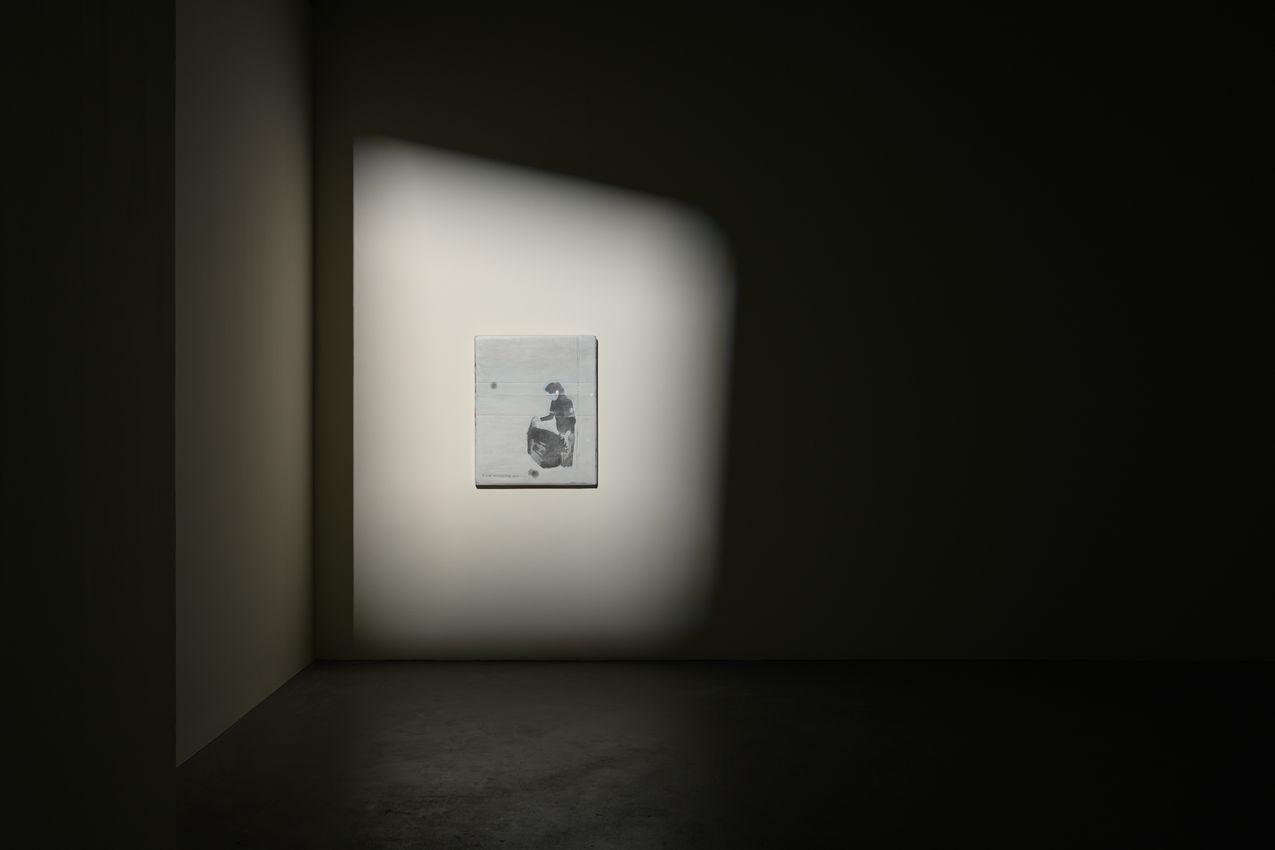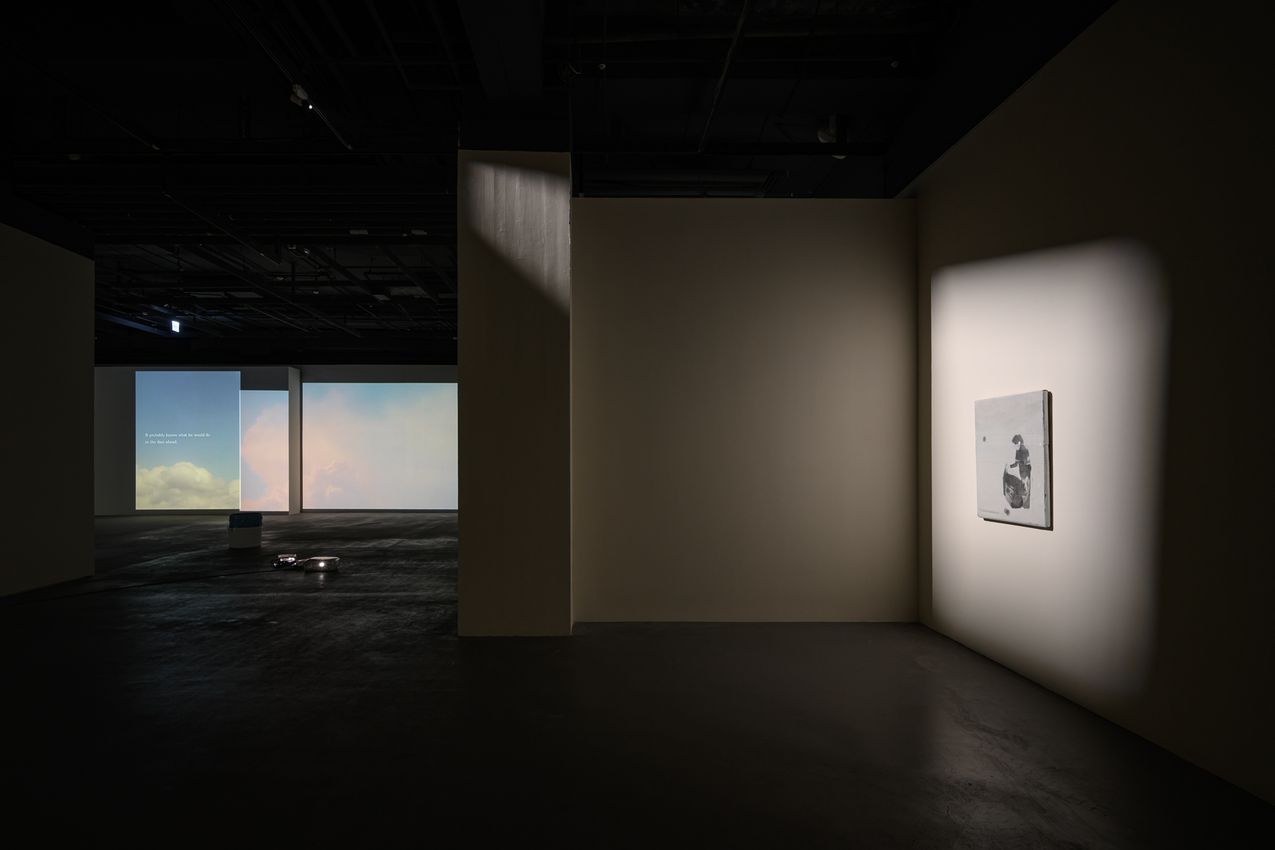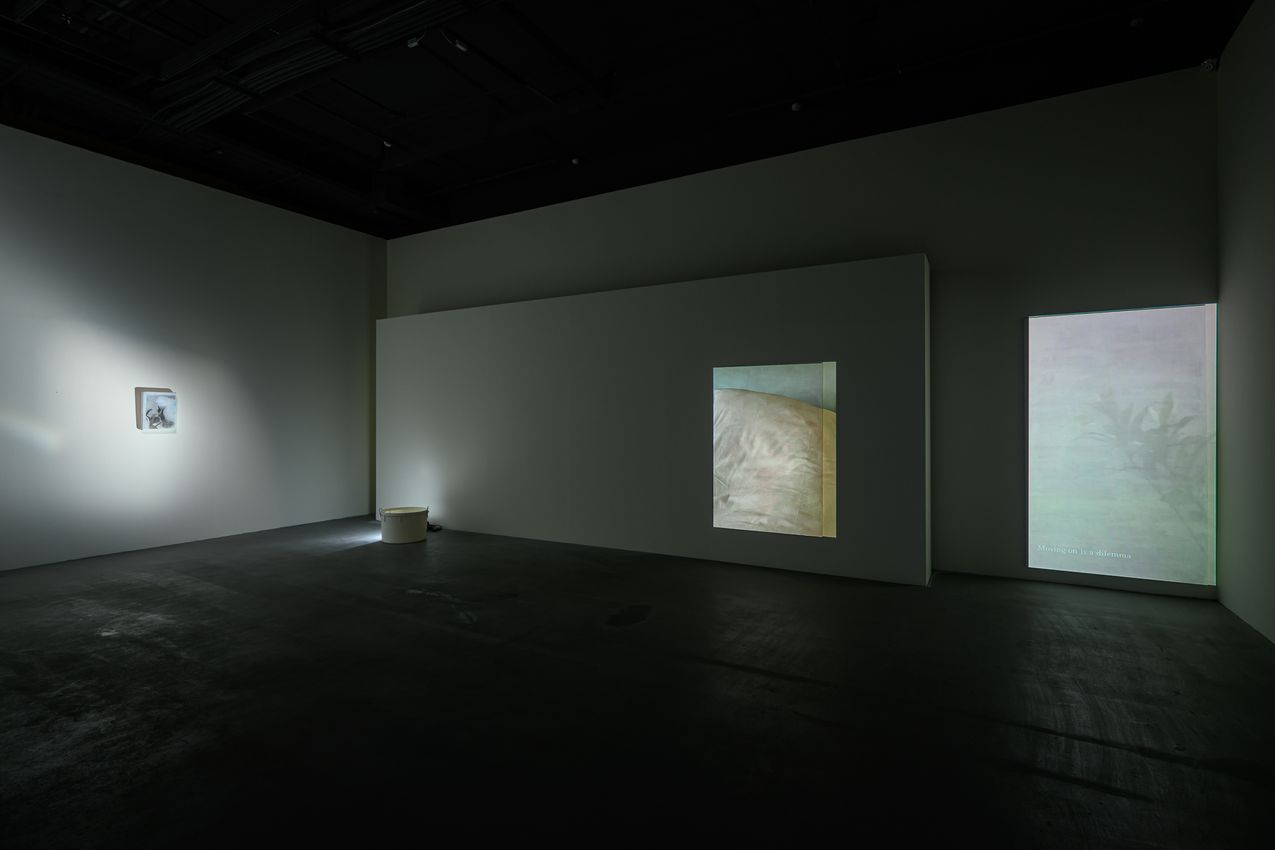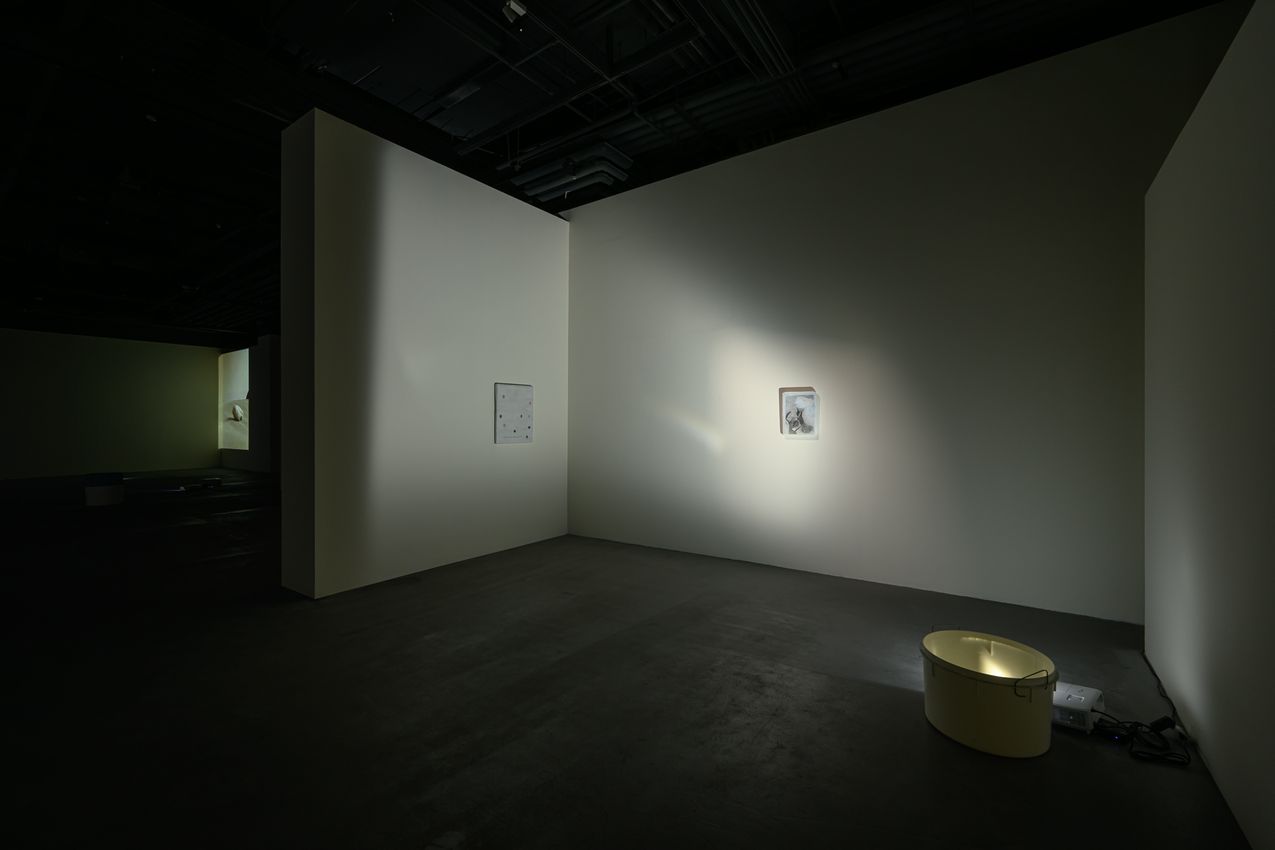




The post-punk and techno music coming from a laptop echoes in the exhibition space, light and shadow engaged in a pas de deux. Rhythms rise and fall, interspersed by the clangs of tools and sounds of tape being torn off: Lee Kit always manages to conjure an atmosphere where he is most at ease making art.
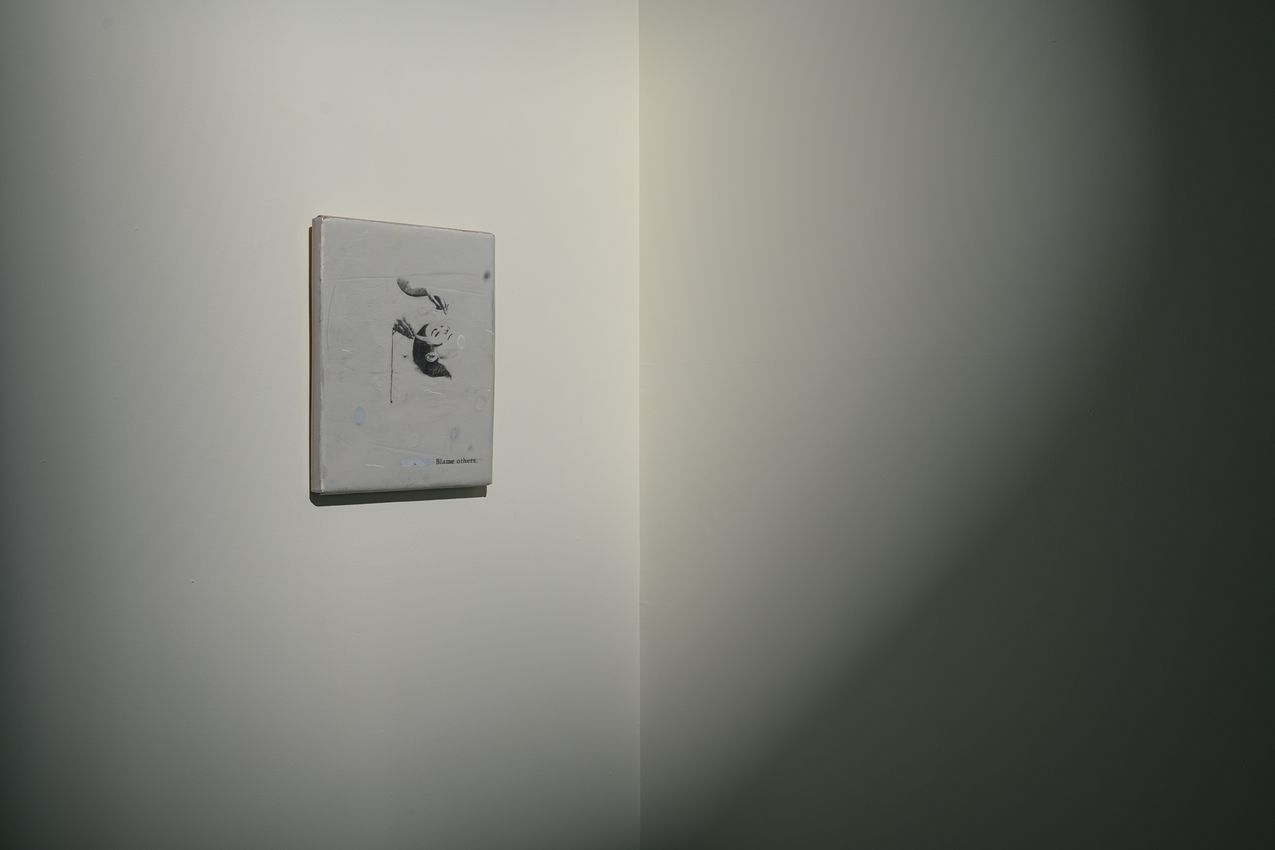
His keen observation of space, object, and materiality is manifested in a careful selection of everyday images, projected onto found objects. Amid the gleaming light and lurking shadow, these images morph into soft-focus slides, each overflowing the edges of the objects arranged in seemingly random order, at times growing — beyond the borders of the surface that carries them — to overlap, ultimately forming a remnant of light, a residue necessary like air. The spur-of-the-moment phrases and sentences in the projection exude a sense of shrewdness, incubated over time, born out of intuition. Or perhaps, they evoke something akin to romantic cleanliness, punctuated by irritation
Text/Lee Kit
1.The latest joke I heard: He had forgiven himself.
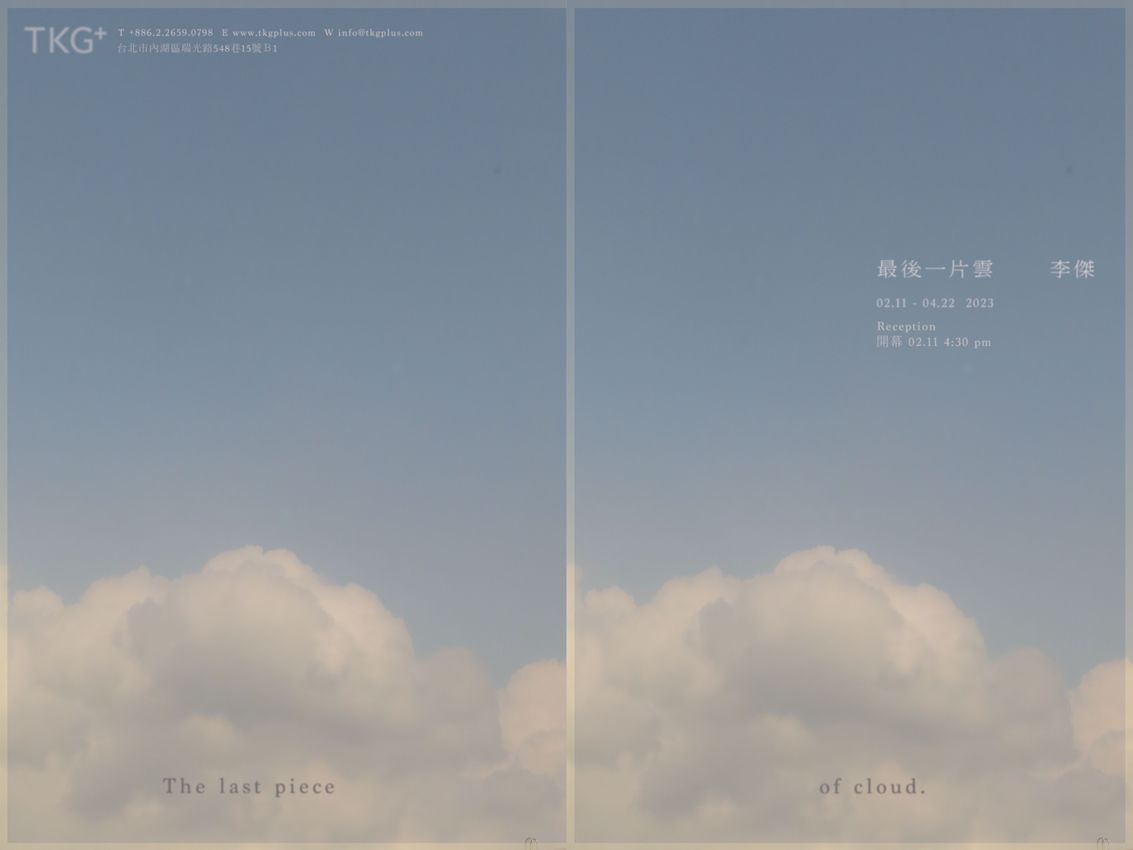
2.This is the last piece of cloud: the cloud does not speak. B gazes at this last piece of cloud in silence. Behindhim are a few people babbling on. One of them is particularly loud. B is thinking of C and D, who are in factsitting not far behind him. All three of them look at the cloud not far in the sky, thinking actually of each other.They probably know what they would do in the days ahead. Watching the last piece of cloud, they await thenext piece of cloud that will never show. Gently B stares at the cloud.
Humour sometimes takes the form of silence. This is when the line between humour and anger begins to blur: thesame sense of quiet and calm. Emotion is just a reminder.
3.A quick interruption. A dishonest work usually subsists in fear, trepidation, and false confidence. This is no lesstrue of a fraud.
4.When it comes to small things, people do not always come up with beautiful associations. B seems to havemanaged a new skill to evade or cope with this situation. It occurred to him that he had managed this skill at atime when his body and mind were both empty and dull. The moment this sense of void materialises, the chest,the belly, and the back of the neck succumb easily to emotion. The guilt that follows feels bigger than the skybut crammed into a box that sees no edges. It is merely a sense of breath, just a little out of sync.
One day, he both eluded and confronted this situation, taking a bow while fixing his gaze. He realised this is apermanent scar from the loss of the sense of pain. He should not take himself too seriously, or whatever hehas for that matter.
5.If ecstasy would eventually happen, it should be feathery, almost soundless. Similar to grief. Or a walk.
Born in Hong Kong and now based in Taipei, the trans-disciplinary practice of Lee Kit (李杰) incorporates painting, moving-image and readymade objects along with other intangible elements such as light and sound to create poetic reflections on his everyday surroundings and experiences.
A forerunner of Taiwanese modern art, the Tina Keng Gallery hinges upon the philosophy that art is a reflection of the times. The Tina Keng Gallery has its roots in the Lin & Keng Gallery (1992–2009) based in Taipei, Taiwan and Beijing, China. Delving into Western painting and Chinese art history, Lin & Keng tirelessly promoted the work of Asian classical masters, cultivating a critical thought on Greater Chinese modern art. The Tina Keng Gallery has continued this tradition by centering its focus on Asia, further excavating art history and rediscovering modern aesthetics. Upon this foundation, the Tina Keng Gallery is steadfast in nurturing Taiwanese modern and contemporary art, with hopes to capture the changing states of art through writings of history, in so doing highlighting the cultural underpinnings of its worldview. Art arises from culture, and culture mirrors the times. The Tina Keng Gallery endeavors not only to support Greater Chinese modern and contemporary art, but to shape a perspective that is elementally Asian.

A respected voice in contemporary art discourse.
Focusing on ambitious storytelling and insightful art-world commentary. Ocula Magazine publishes in-depth interviews, critical essays and timely analysis on the artists, exhibitions and ideas driving the global art world.
Learn more about Ocula Magazine
Showcasing the best of the art world.
Ocula partners with galleries from around the world to highlight their artists, artworks and exhibitions. Gallery membership is by application and invitation, with each member vetted by an independent panel.
Learn more about Ocula Membership

Specialises in the sale of major artworks.
Led by a team with deep ties to the world’s leading auction houses, galleries and collectors. Ocula’s advisory team offers bespoke services to high-net-worth clients from around the world who are looking to acquire the best of contemporary and modern art.
Learn more about our team and services