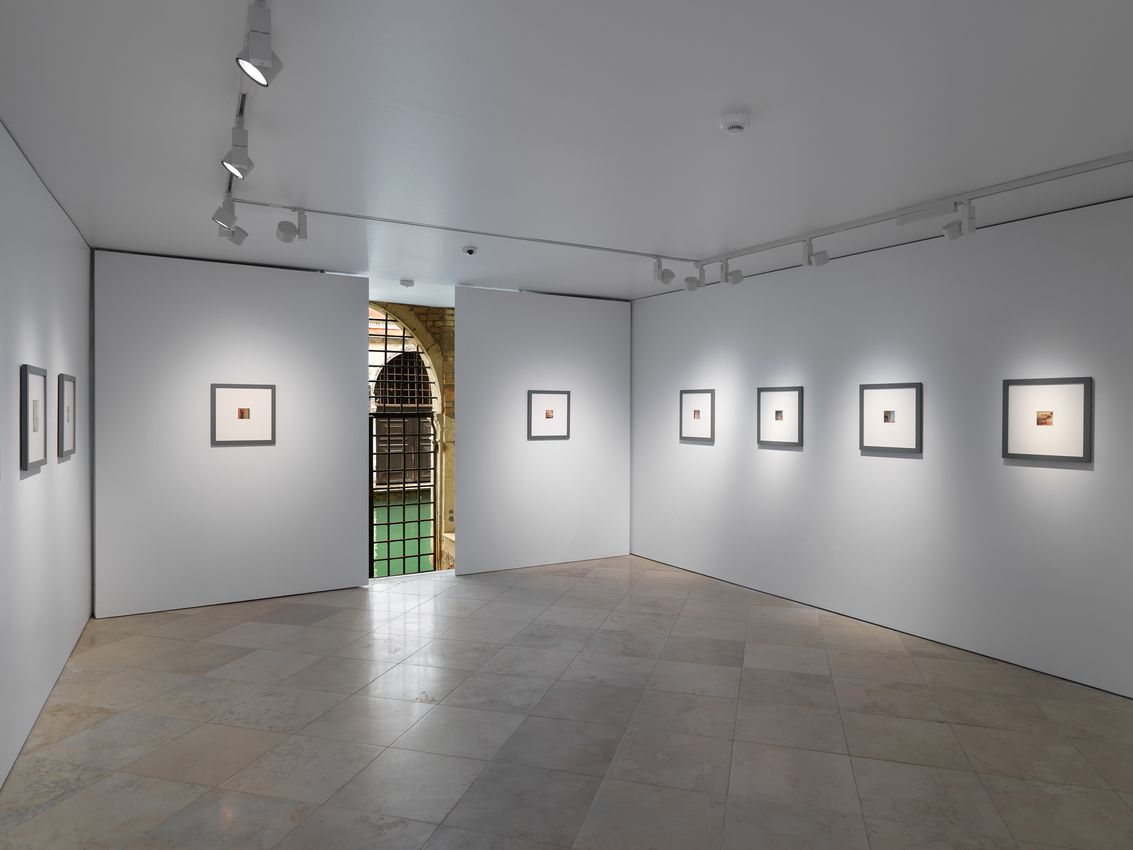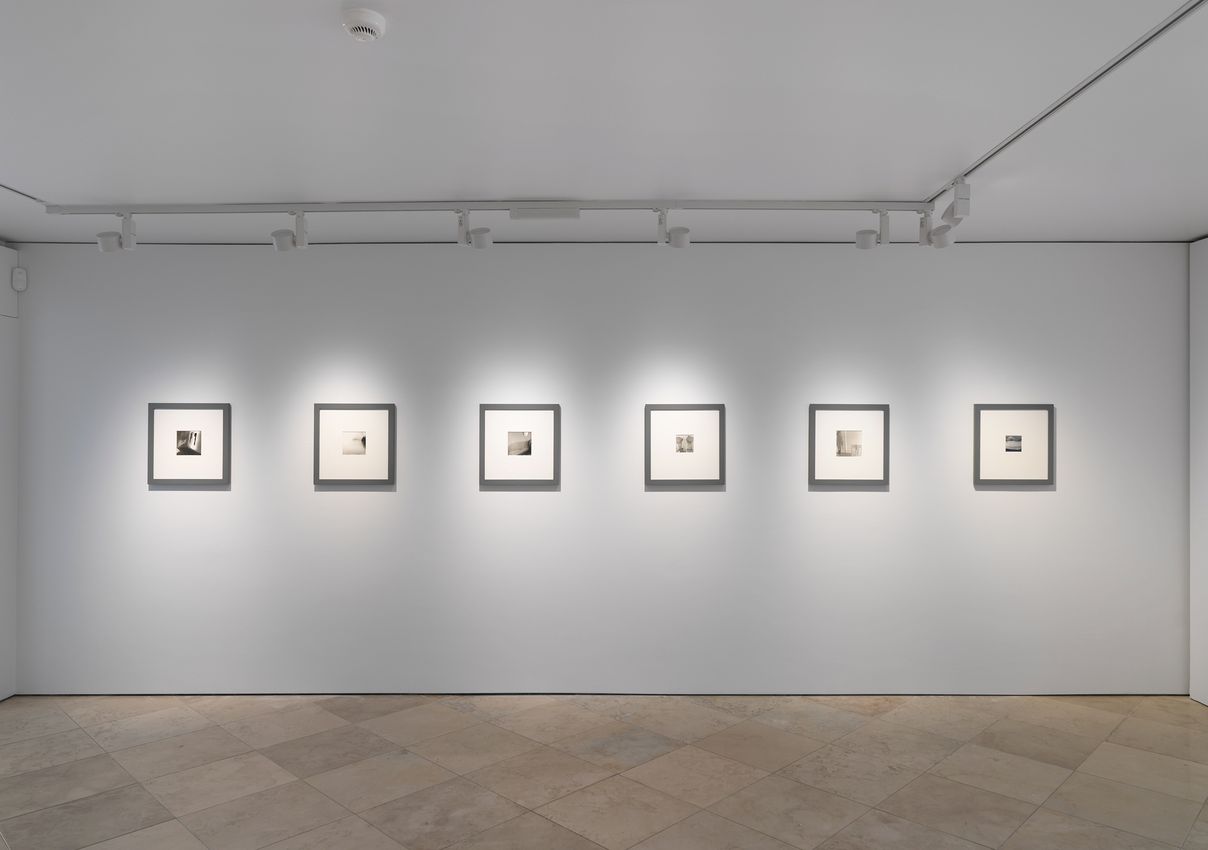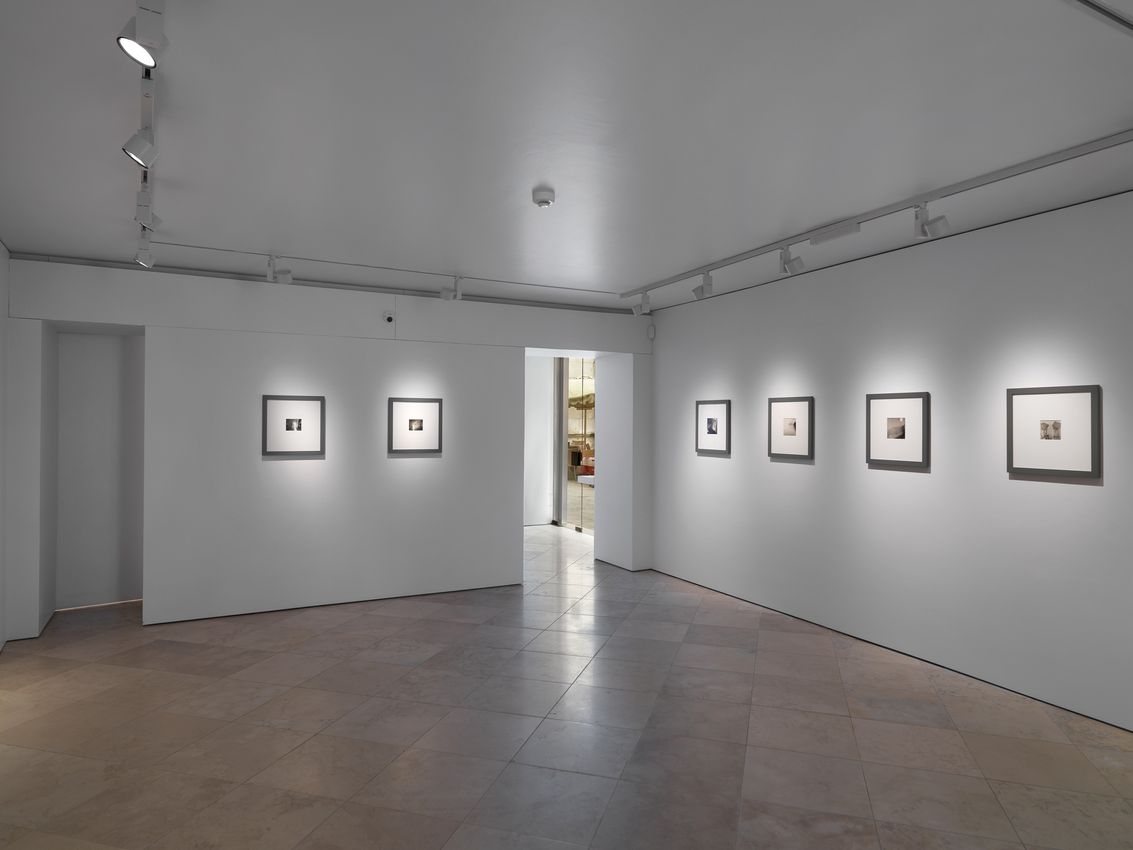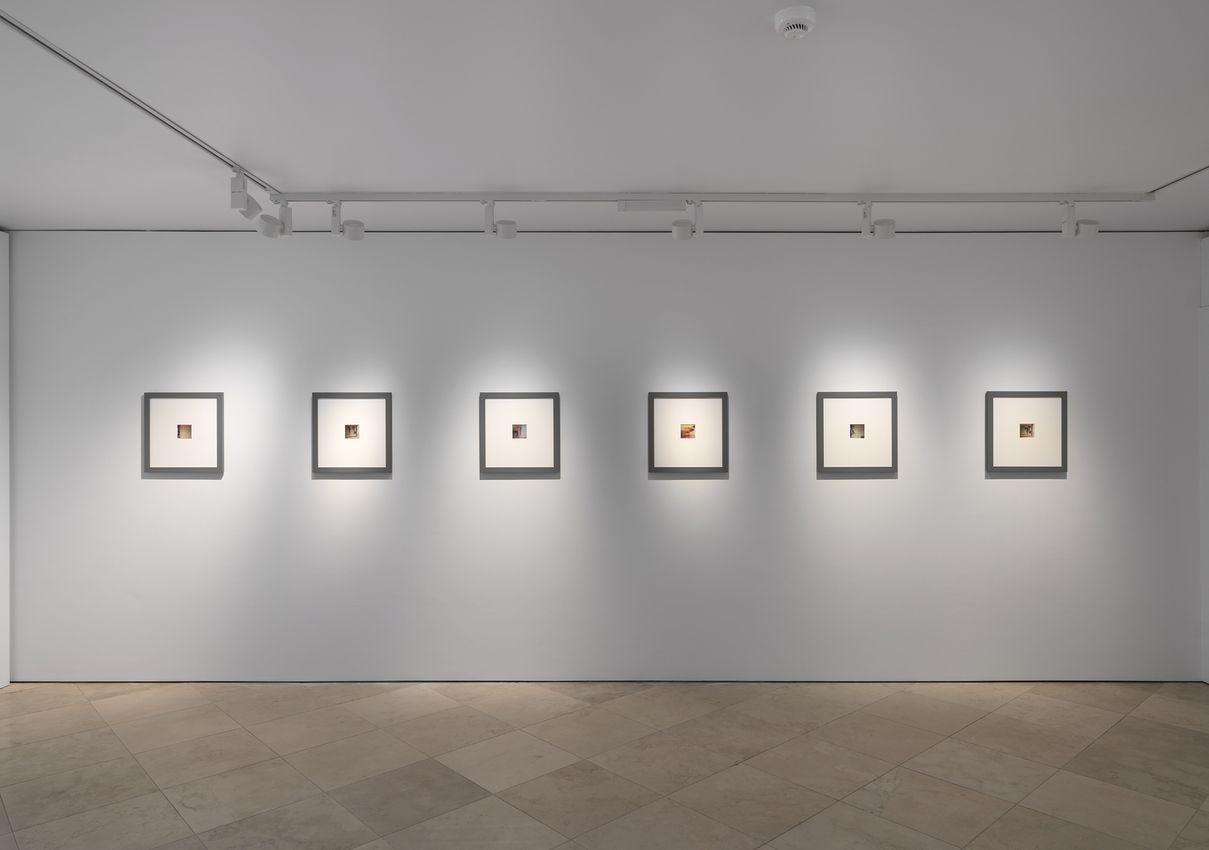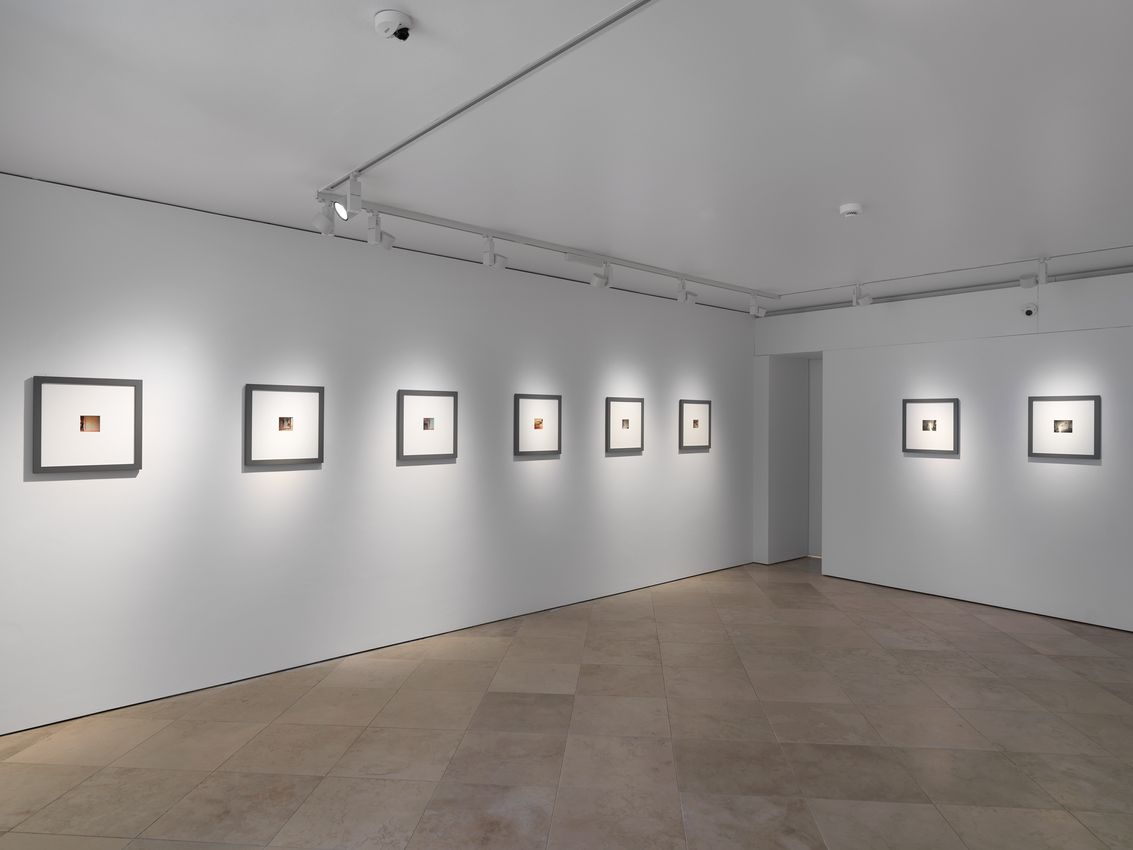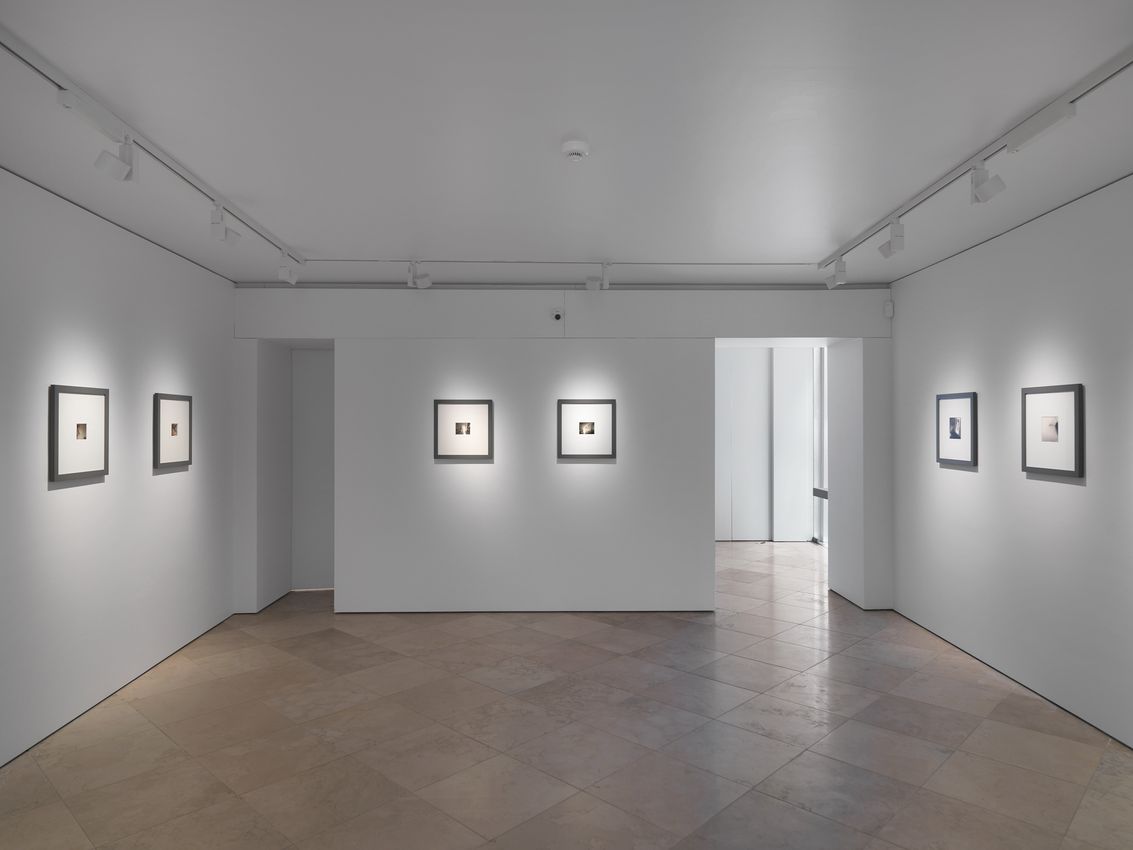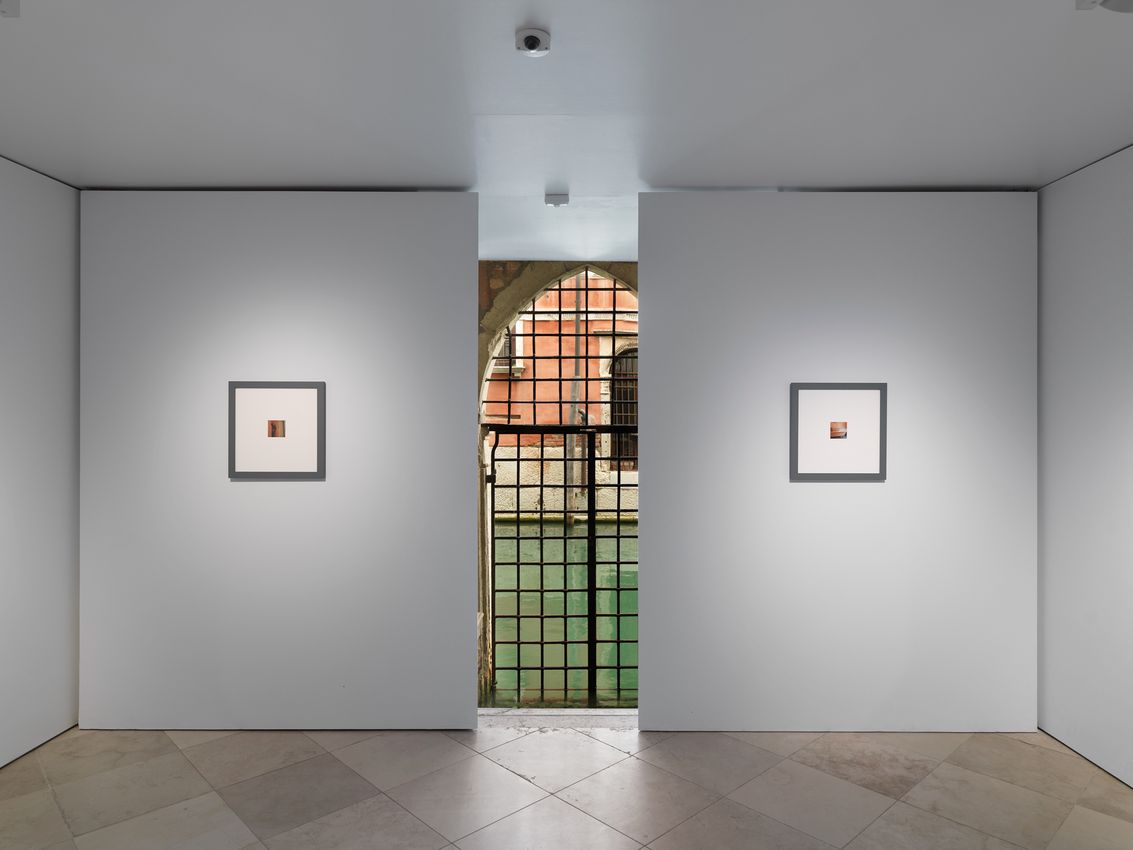
Victoria Miro is delighted to present an exhibition of works made in New York from 1979–1980, focusing on a rare series of colour photographs by Francesca Woodman staged in her New York apartment.
In her short career Francesca Woodman (1958–1981) produced an extraordinary body of work acclaimed for its singularity of style and range of innovative techniques. From the beginning, her focus was on the relationship with her body as both the object of the gaze and the active subject behind the camera.
Following the gallery’s 2018 exhibition of works made in Italy in 1977–1978, the works in this exhibition centre on a rare series of colour photographs that Woodman staged in her New York apartment in 1979. In these images, and black-and-white photographs also made in New York during the same period, Woodman contorts and inserts her body into space and architecture, at times even ‘performing’ classical sculpture in ways likely influenced by her year abroad in Rome while a student at the Rhode Island School of Design. One of the key influences of Italian art on Woodman’s work was in her precise use of composition, which became more sophisticated during her time in Rome. She explored perspective and consciously used formal strategies learnt from her study of Florentine masters, particularly Giotto and Piero della Francesca, and classical sculpture. As she wrote from New York in 1980 to Edith Schloss, Rome-based friend, painter and critic: ‘It’s funny how while I was living in Italy the culture there didn’t affect me that much and now I have all this fascination with the architecture, etc.’
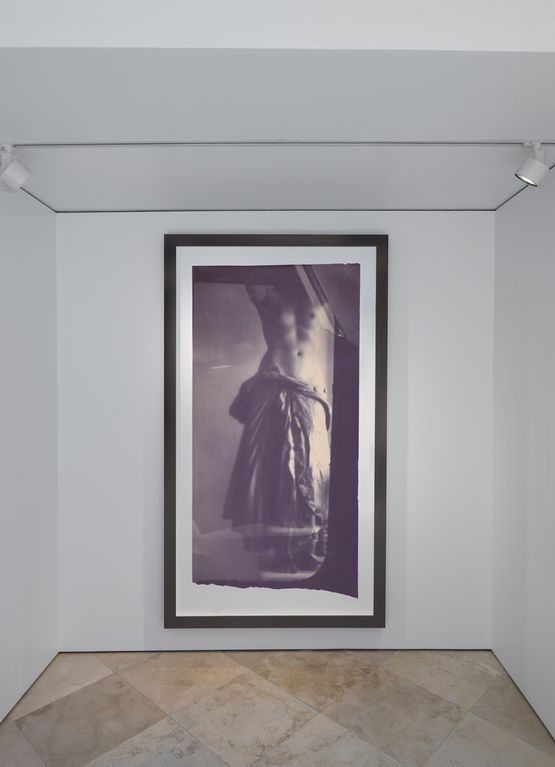
While Italian and classical influences are certainly present in Woodman’s earlier photographs, they achieve a new articulation in works made in New York, culminating in her monumental diazotype collage Blueprint for a Temple, in the collection of the Metropolitan Museum of Art in New York, and its attendant Caryatids, which are also included in this exhibition. As critic Isabella Pedicini points out: ‘Along with her ongoing work with antique statuary, the recurring framing of the acephalous torso recalls the salient characteristics of an antique sculpture. It frequently comes to us in fragments. In any case, her interest in sculpture is focused in particular on the specimen itself, the fragmentary form which survives...Temple Project (1980), in which we see models as caryatids on the side of a Greek temple, also reveals direct classical influences.’
About the artist
Born in 1958 in Denver, Colorado, Francesca Woodman lived and worked in New York and Italy until her death in 1981. Since 1986, with exhibitions presented at Wellesley College Museum, Wellesley, Massachusetts and Hunter College Art Gallery, New York City and seminal essays written by Rosalind Krauss and Abigail Solomon-Godeau, Woodman’s work has been exhibited widely and has been the subject of extensive critical study in the United States and Europe. Significant recent solo museum exhibitions include On Being An Angel, C/O Berlin Foundation, Berlin, Germany (2020) and Fundación Canal, Madrid, Spain (2019), organised by and first presented at Moderna Museet, Stockholm (2015); Francesca Woodman, San Francisco Museum of Modern Art, California (2011–2012), touring to Solomon R. Guggenheim Museum, New York (2012) and Artist Rooms, Tate Modern, London (2007), touring to Scottish National Gallery of Modern Art, Edinburgh (2009); Ferens Art Gallery, Hull, England (2011); Bodelwyddan Castle, Denbighshire, Wales (2014); and Oriel Davies Gallery, Newtown, Wales (2014). Woodman’s photographs are included in major museum collections including Metropolitan Museum of Art, New York; Whitney Museum of American Art, New York; Museum of Modern Art, New York; Solomon R. Guggenheim Museum, New York; San Francisco Museum of Modern Art; Tate, London; National Gallery of Scotland, Edinburgh; Centre Pompidou, Musée national d’art moderne, Paris; Louisiana Museum of Modern Art,Humlebaek, Denmark; and Moderna Museet, Stockholm.
Francesca Woodman: New York Works is presented in collaboration with the Woodman Family Foundation.
Francesca Woodman was an American photographer who, over the span of eight years, produced over 800 singular photographs acclaimed for their experimentation with style, composition, and technique. Often working with herself or female models as subjects, Woodman engaged with modes of self-presentation and the body in physical space.


Since Victoria Miro founded her eponymous gallery in Cork Street, Mayfair, in 1985, the gallery has grown to represent over 40 artists and estates. With a reputation for presenting ground-breaking artworks from around the world, Victoria Miro has exhibition spaces in Mayfair and Wharf Road in London, and a further gallery space in Venice.

A respected voice in contemporary art discourse.
Focusing on ambitious storytelling and insightful art-world commentary. Ocula Magazine publishes in-depth interviews, critical essays and timely analysis on the artists, exhibitions and ideas driving the global art world.
Learn more about Ocula Magazine
Showcasing the best of the art world.
Ocula partners with galleries from around the world to highlight their artists, artworks and exhibitions. Gallery membership is by application and invitation, with each member vetted by an independent panel.
Learn more about Ocula Membership

Specialises in the sale of major artworks.
Led by a team with deep ties to the world’s leading auction houses, galleries and collectors. Ocula’s advisory team offers bespoke services to high-net-worth clients from around the world who are looking to acquire the best of contemporary and modern art.
Learn more about our team and services