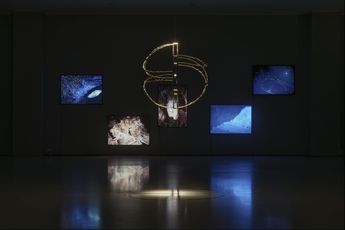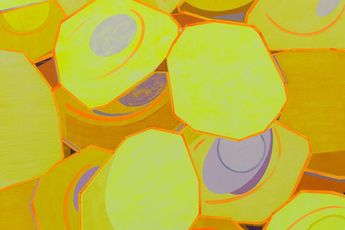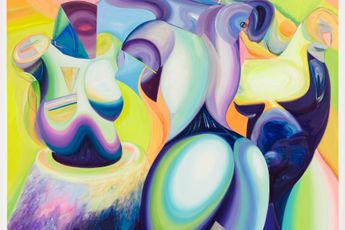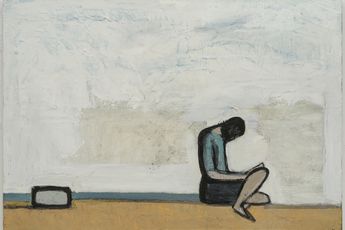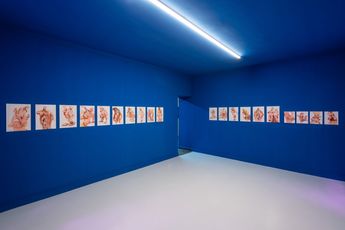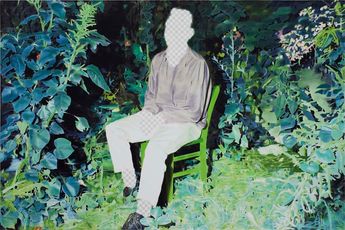




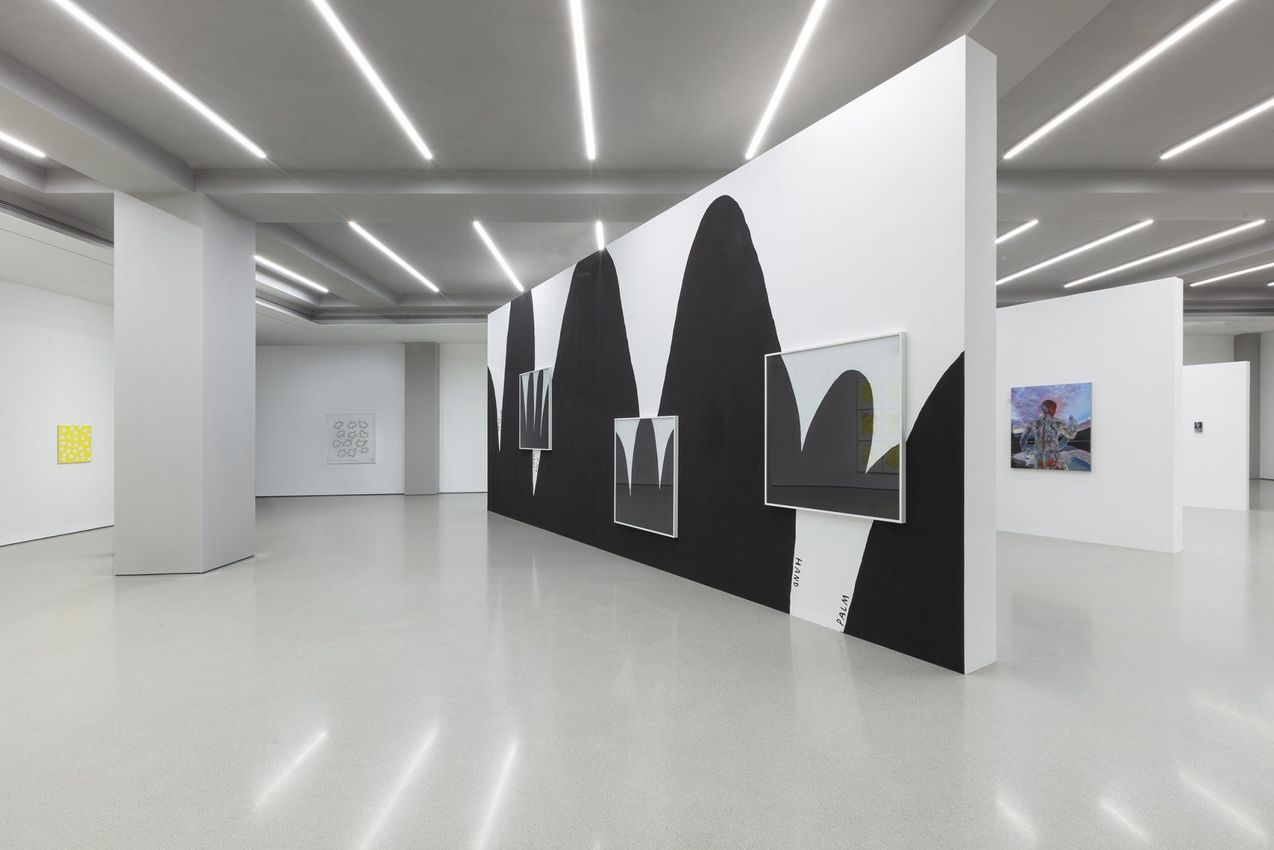
In Akira Kurosawa’s classic film Kagemusha, Takeda Shingen, the most powerful among the three military leaders in the Sengoku period, is killed before he achieves the occupation of Kyoto. To uphold the army’s morale, his brother decides to keep his death a secret and uses a thief, who bears an uncanny resemblance to Shingen, as a kagemusha (‘shadow warrior’) to impersonate the dead general.
Although the kagemusha and Shingen share similar appearances, their temperaments are inevitably different. In the continuous process of imitation, the kagemusha is influenced by Shingen’s past thoughts and experiences, and his words and behaviours become more and more like Shingen’s; he even thinks that he is the warlord himself, ‘steady as a mountain,’ as if the soul of Shingen has become a parasite in his body. Although the kagemusha can fool the enemies and the public, he cannot deceive Shingen’s close ministers; however, to maintain the order of the Takeda Empire, even if they have seen through the disguise of the kagemusha, they still kneel in front of him, obey his orders, and jointly hide the formidable secret.
In this drama, the resemblance in appearance is not enough; more important is how the substitute hypnotises and alienates himself to become the other and how the thoughts and mind of Shingen convince the public through the intermediary of the substitute. Likewise, what the close ministers abide by is the feudal ethics of a subordinate in the hierarchy, or what they submit to is the power represented by the symbol of ‘Takeda Shingen’. Even the empire and the army seem to be the parasitic machines of a giant system; without the command of a real general, they can still operate as before. Evidently, whether they are substitutes, close officials, or ordinary soldiers and civilians, their lives and actions are attachments and components of the Takeda Empire; Shingen’s will has long been ingrained in everyone’s mind like a shadow, commanding and running the empire.
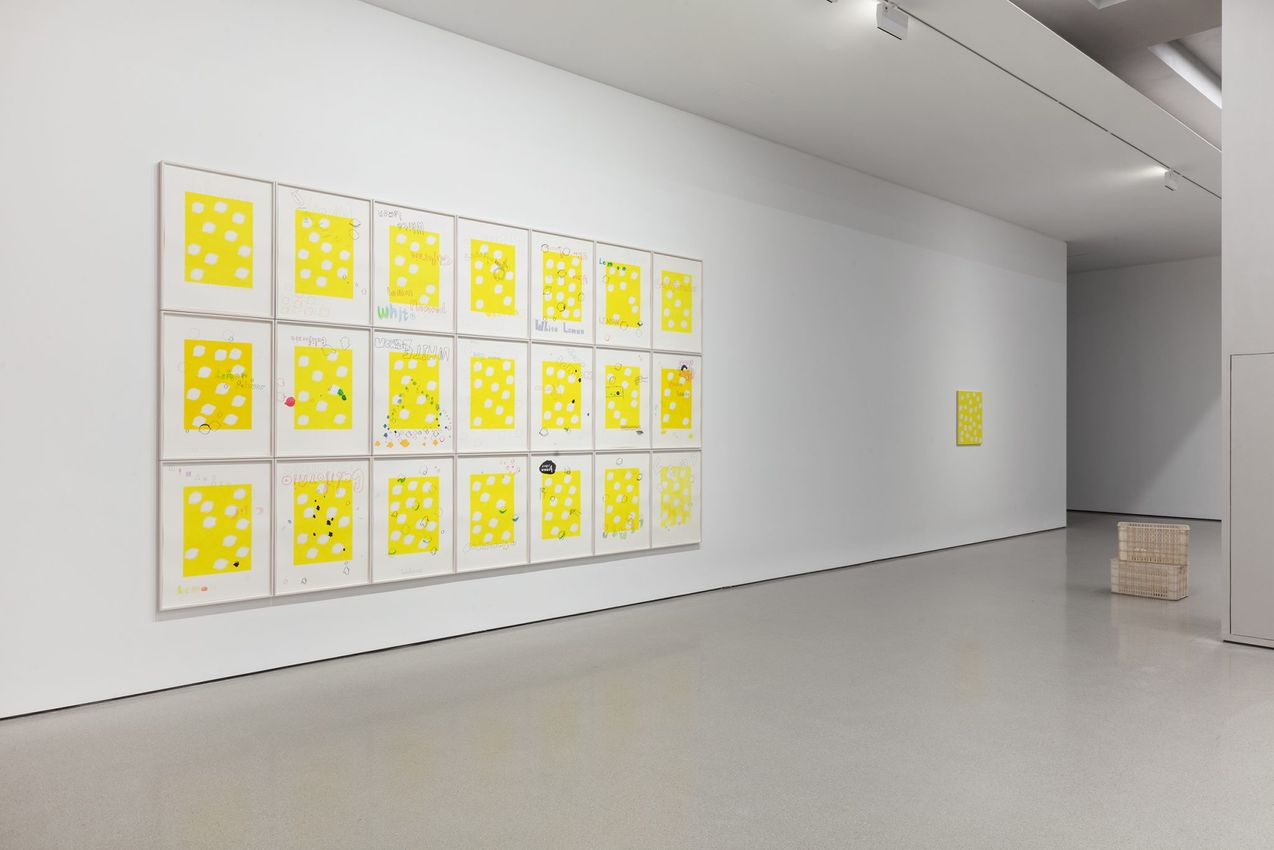
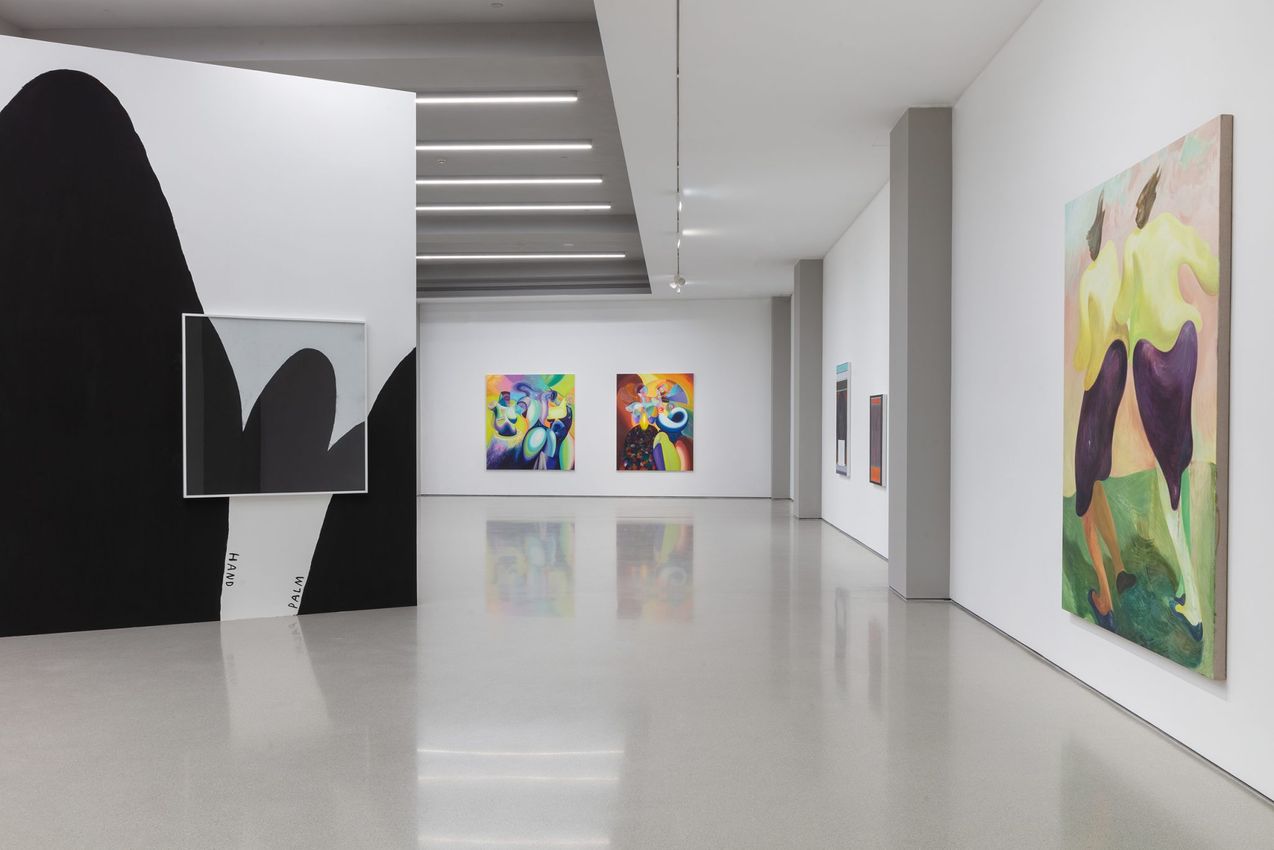
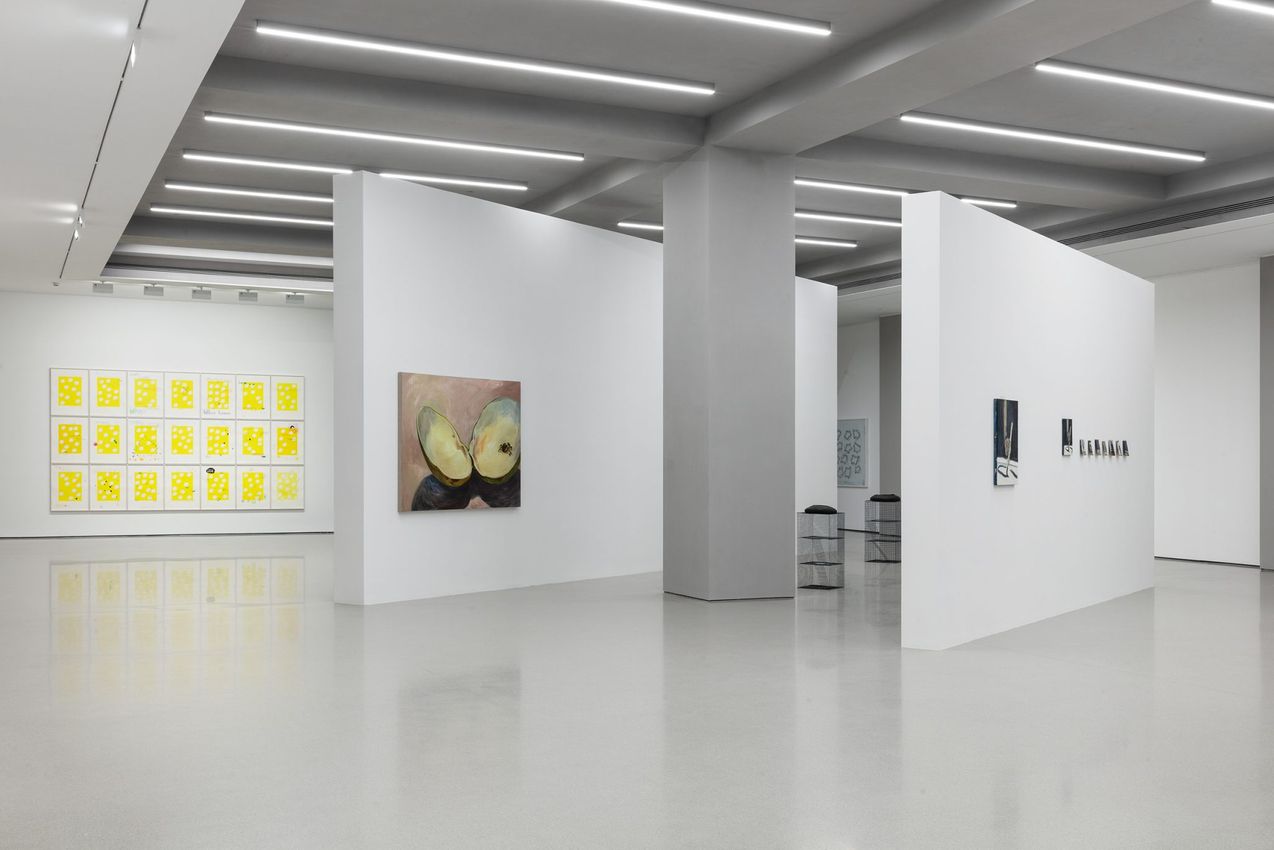
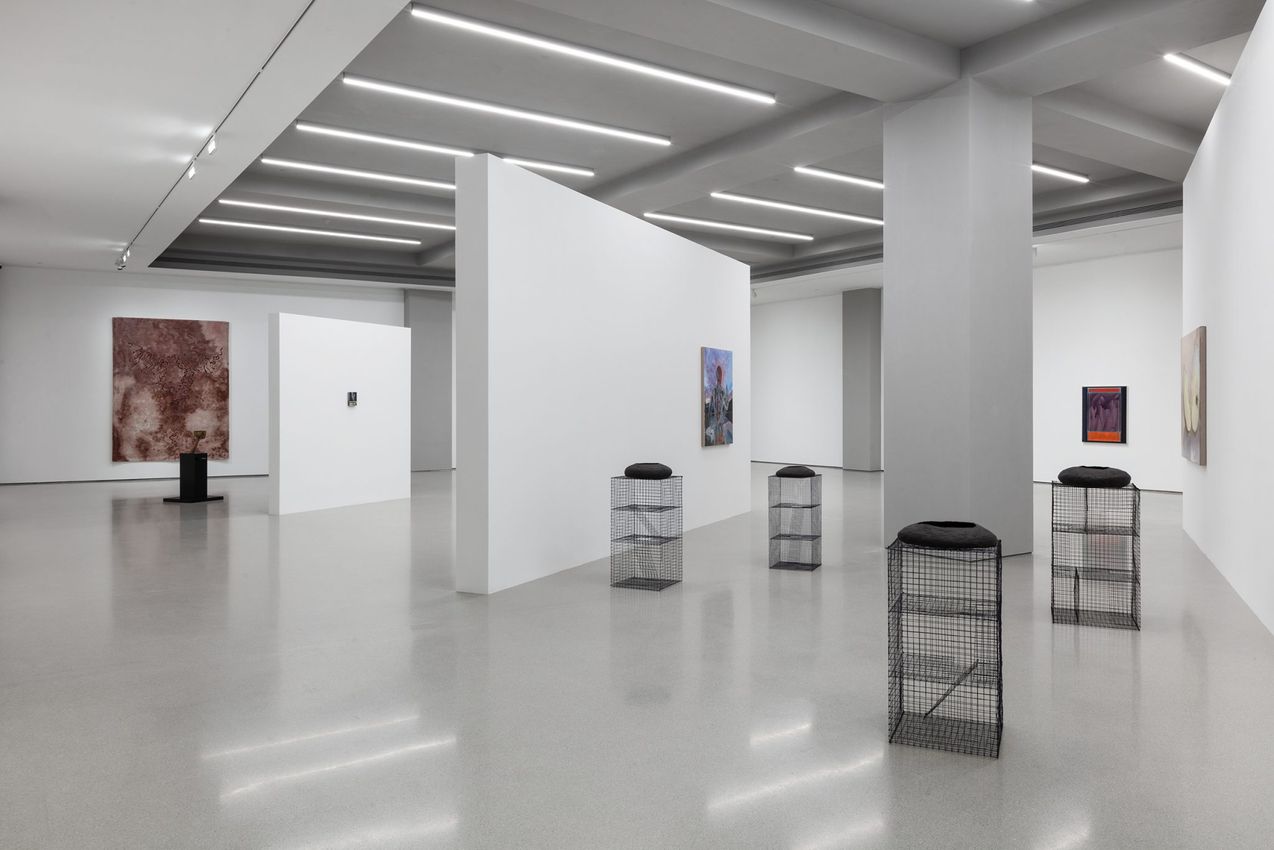
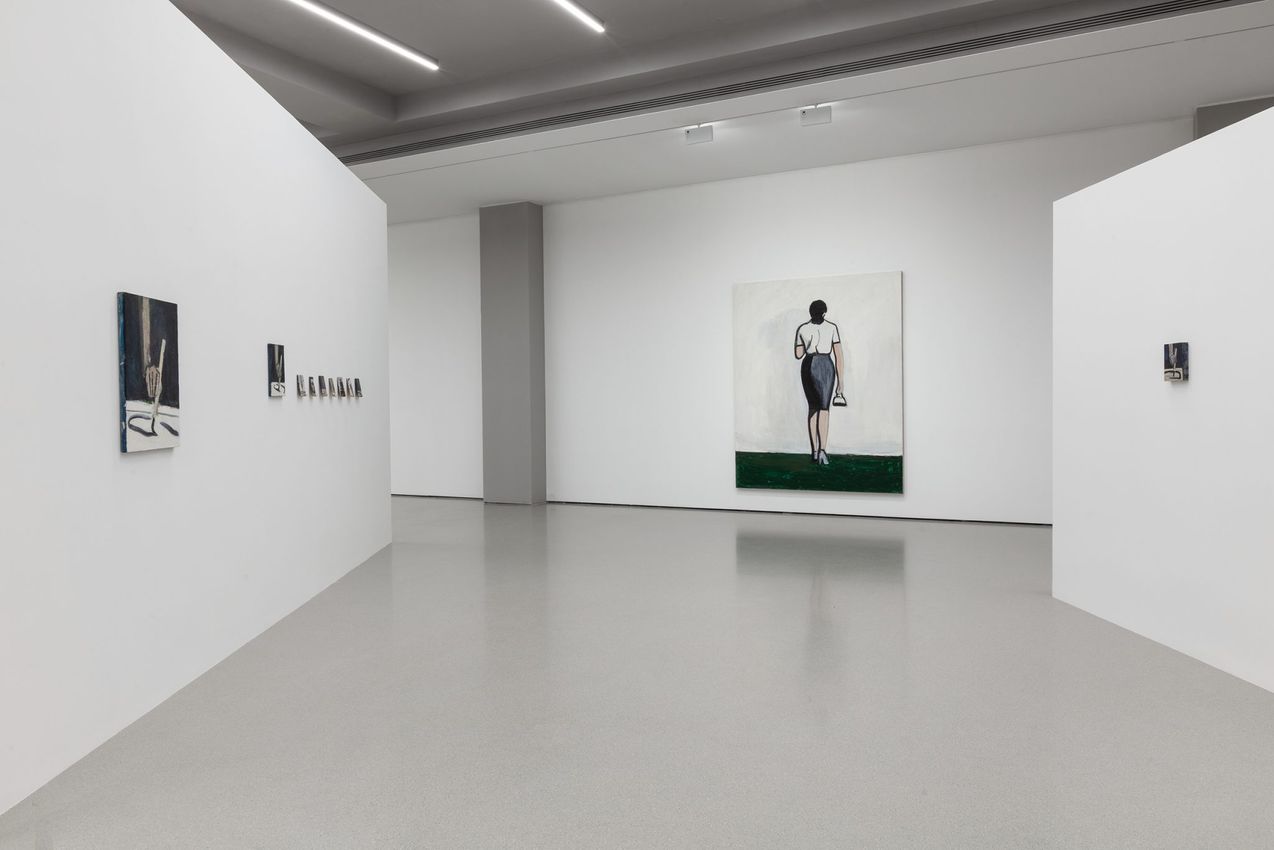
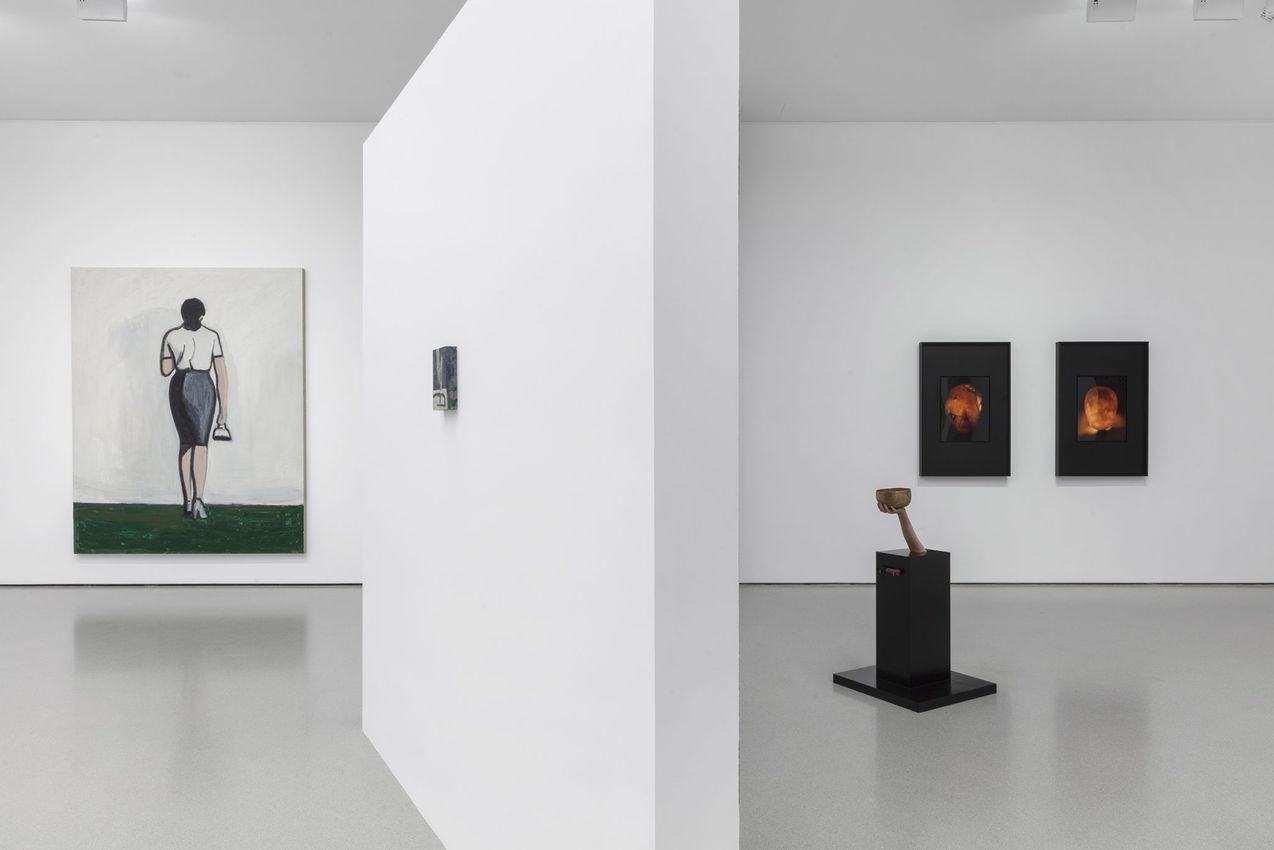
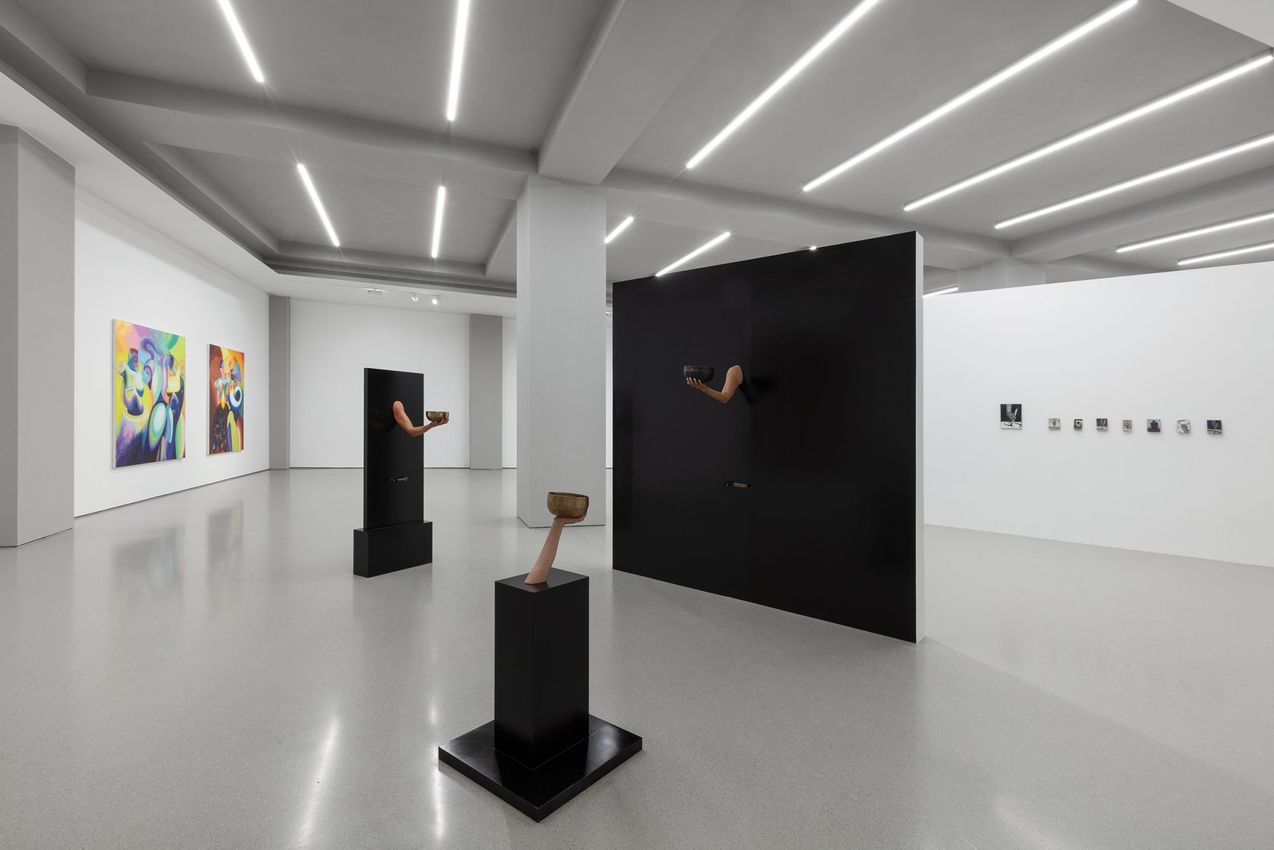
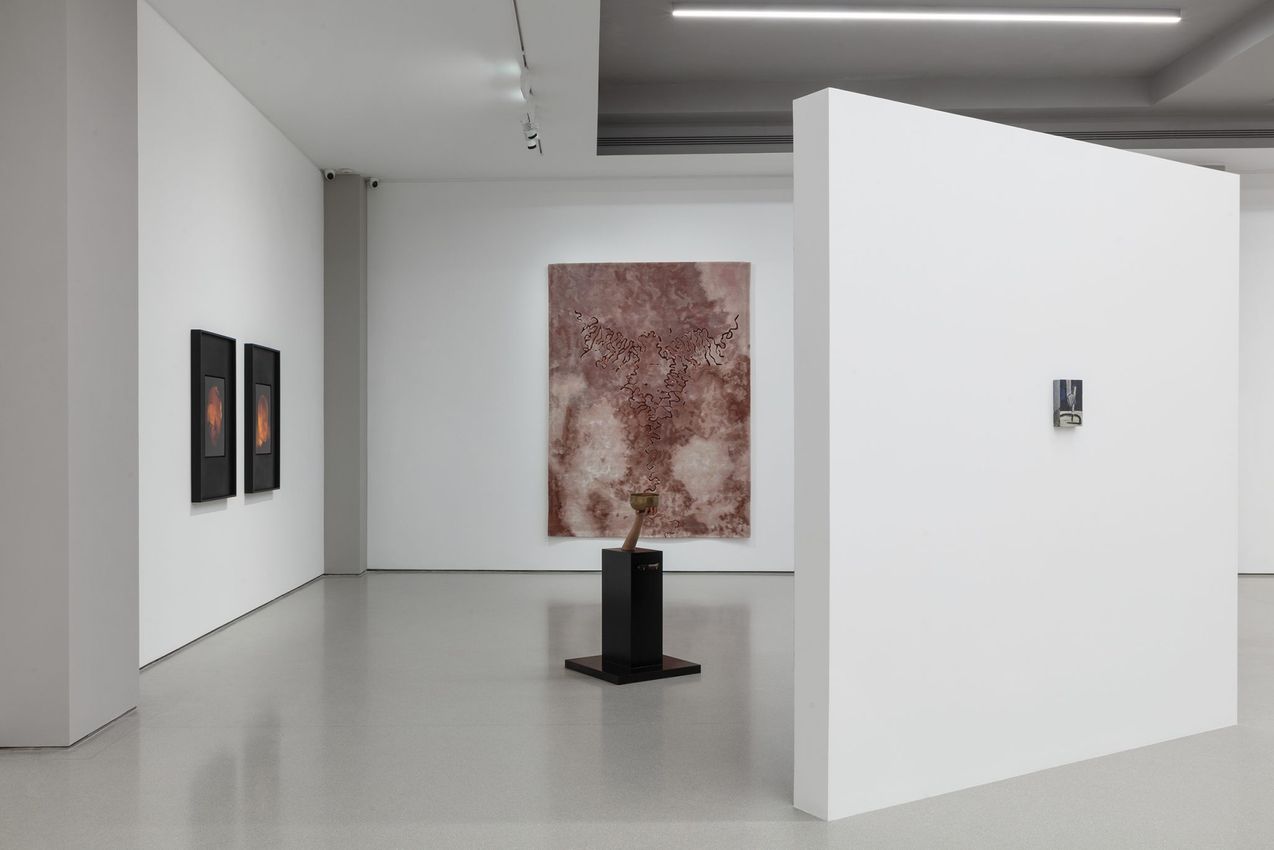
What this exhibition attempts to respond to is the paradox in the story above. Initially, the substitute is the subject trying to imitate the appearance of the object. At a certain point in the process of integration, the consciousness of the substitute becomes difficult to distinguish, so the object replaces the substitute. On a larger scale, when a certain ideology is strong enough to become the collective consciousness, it turns into the subject itself, living and transmitting among the individuals as a parasite, so that everyone becomes a substitute. Just like at that subtle moment in the film, even Shingen himself has been impersonated by the ‘Takeda Shingen’ composed of a specific set of appearances, behaviours, and thoughts.

A respected voice in contemporary art discourse.
Focusing on ambitious storytelling and insightful art-world commentary. Ocula Magazine publishes in-depth interviews, critical essays and timely analysis on the artists, exhibitions and ideas driving the global art world.
Learn more about Ocula Magazine
Showcasing the best of the art world.
Ocula partners with galleries from around the world to highlight their artists, artworks and exhibitions. Gallery membership is by application and invitation, with each member vetted by an independent panel.
Learn more about Ocula Membership

Specialises in the sale of major artworks.
Led by a team with deep ties to the world’s leading auction houses, galleries and collectors. Ocula’s advisory team offers bespoke services to high-net-worth clients from around the world who are looking to acquire the best of contemporary and modern art.
Learn more about our team and services