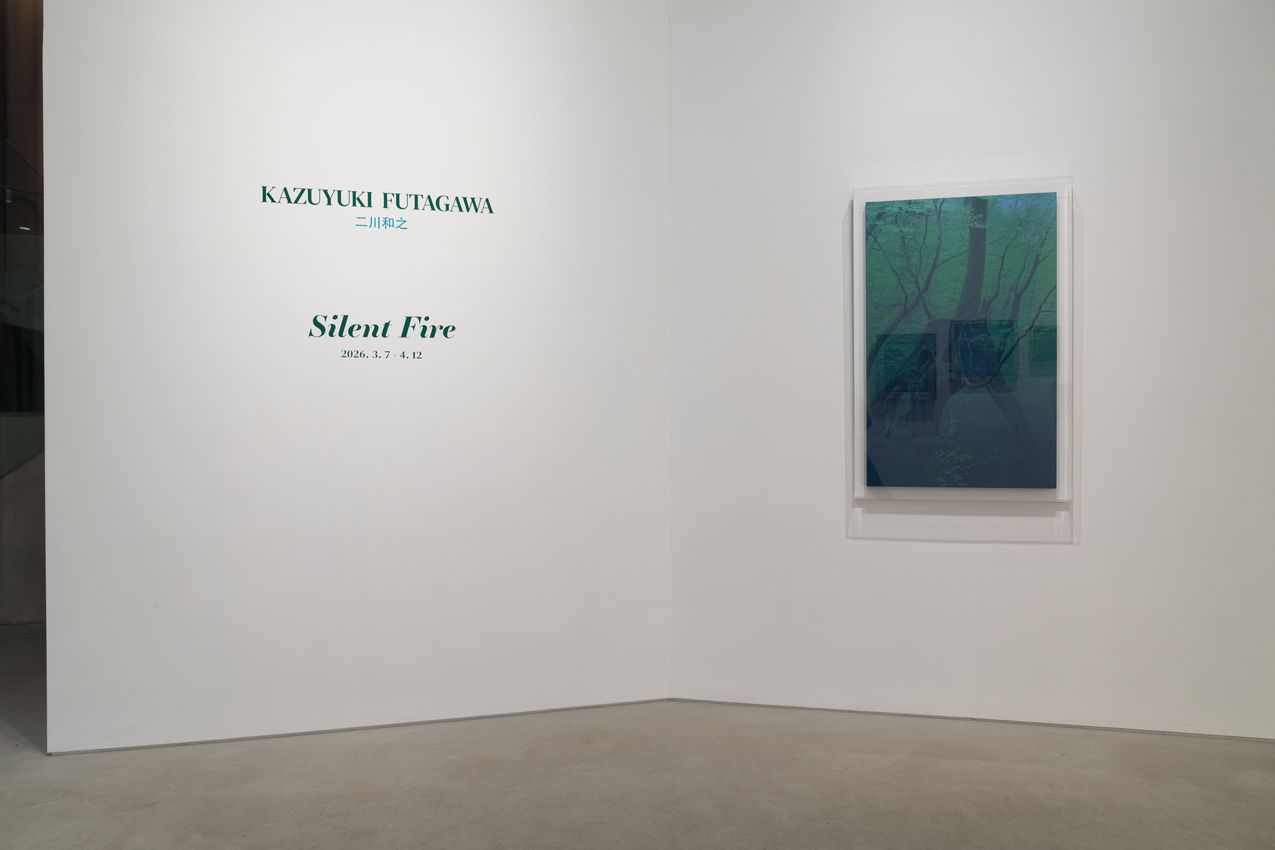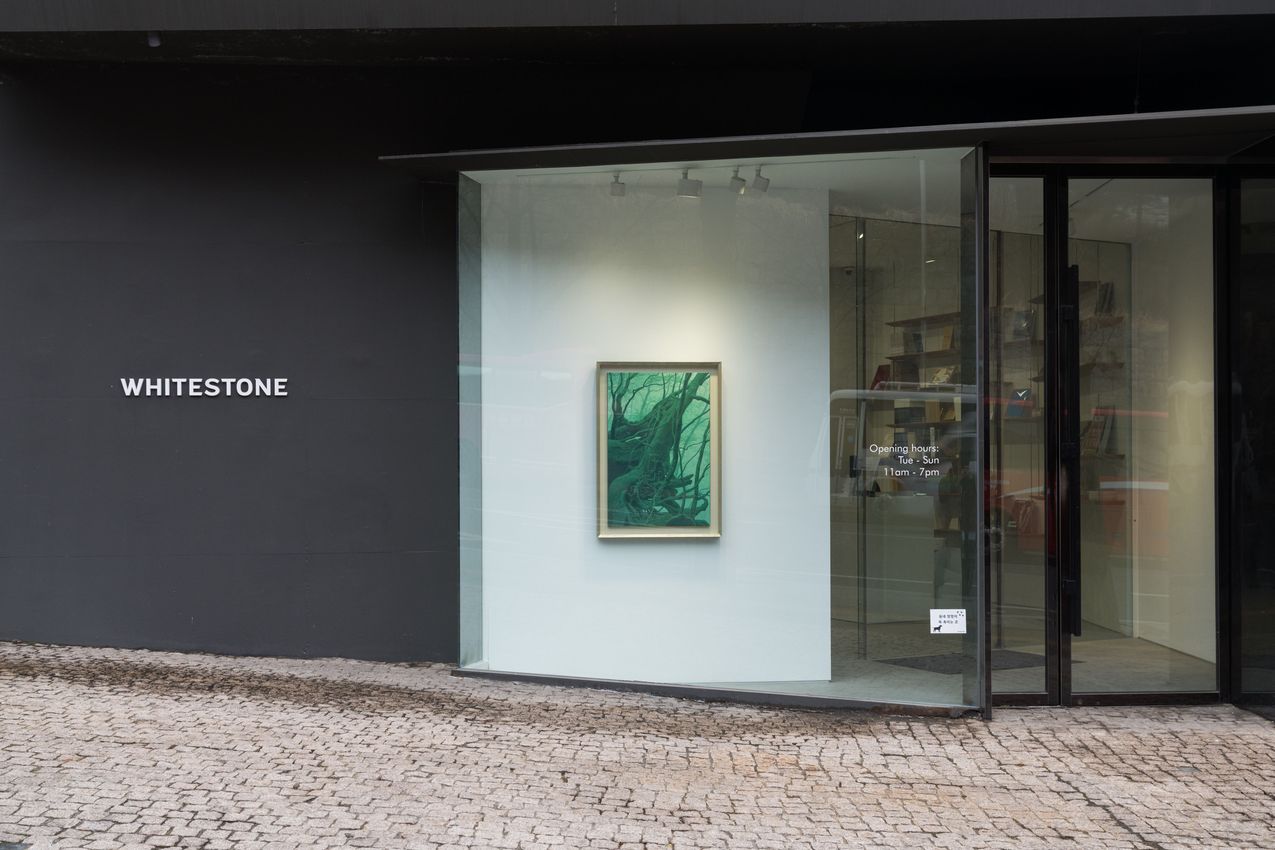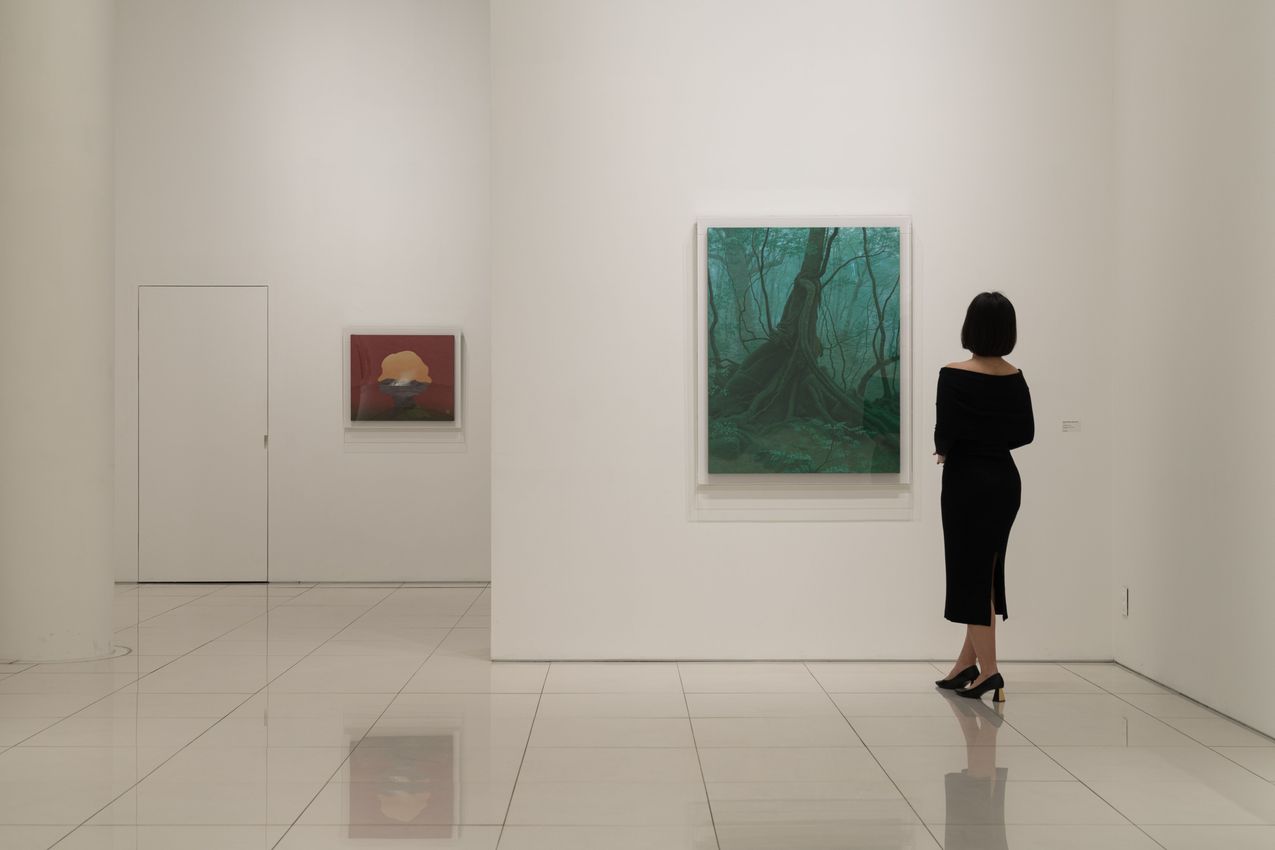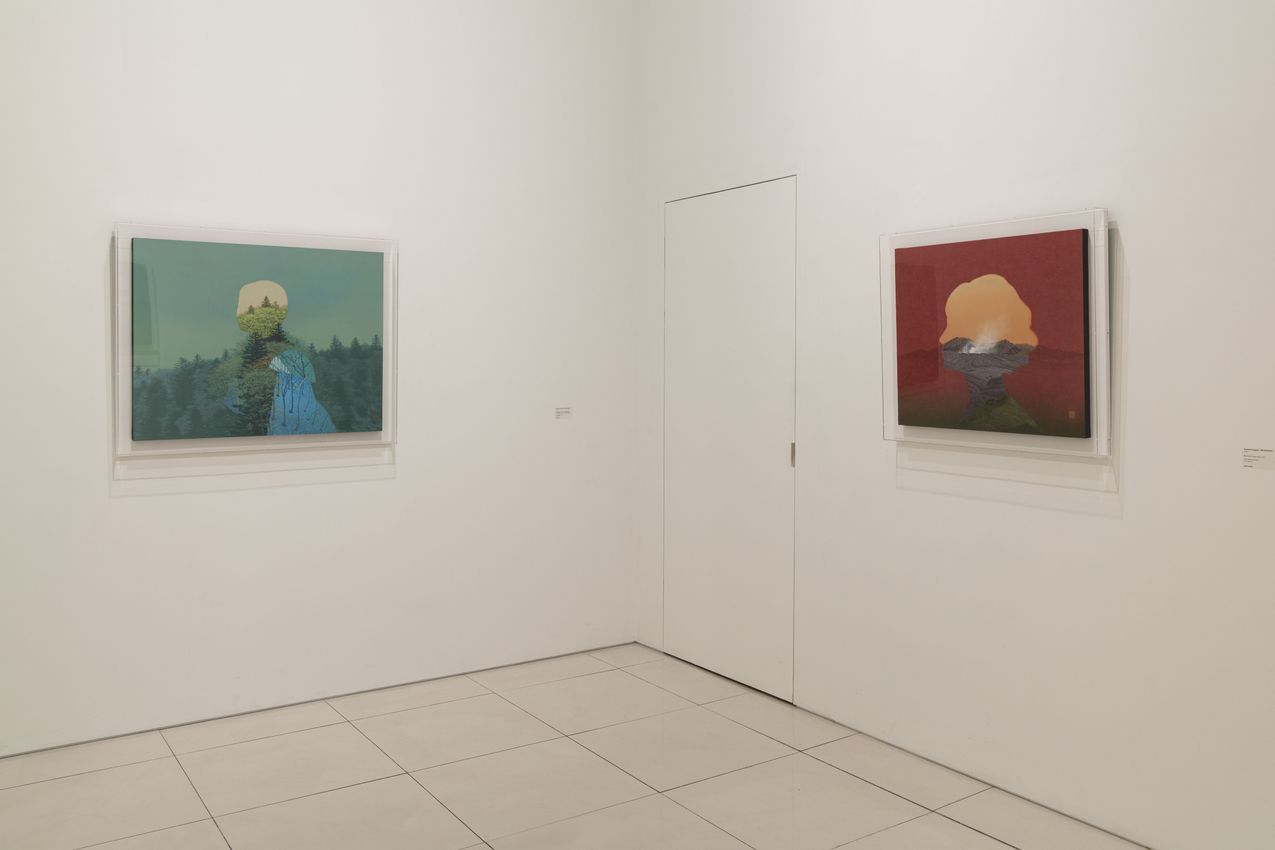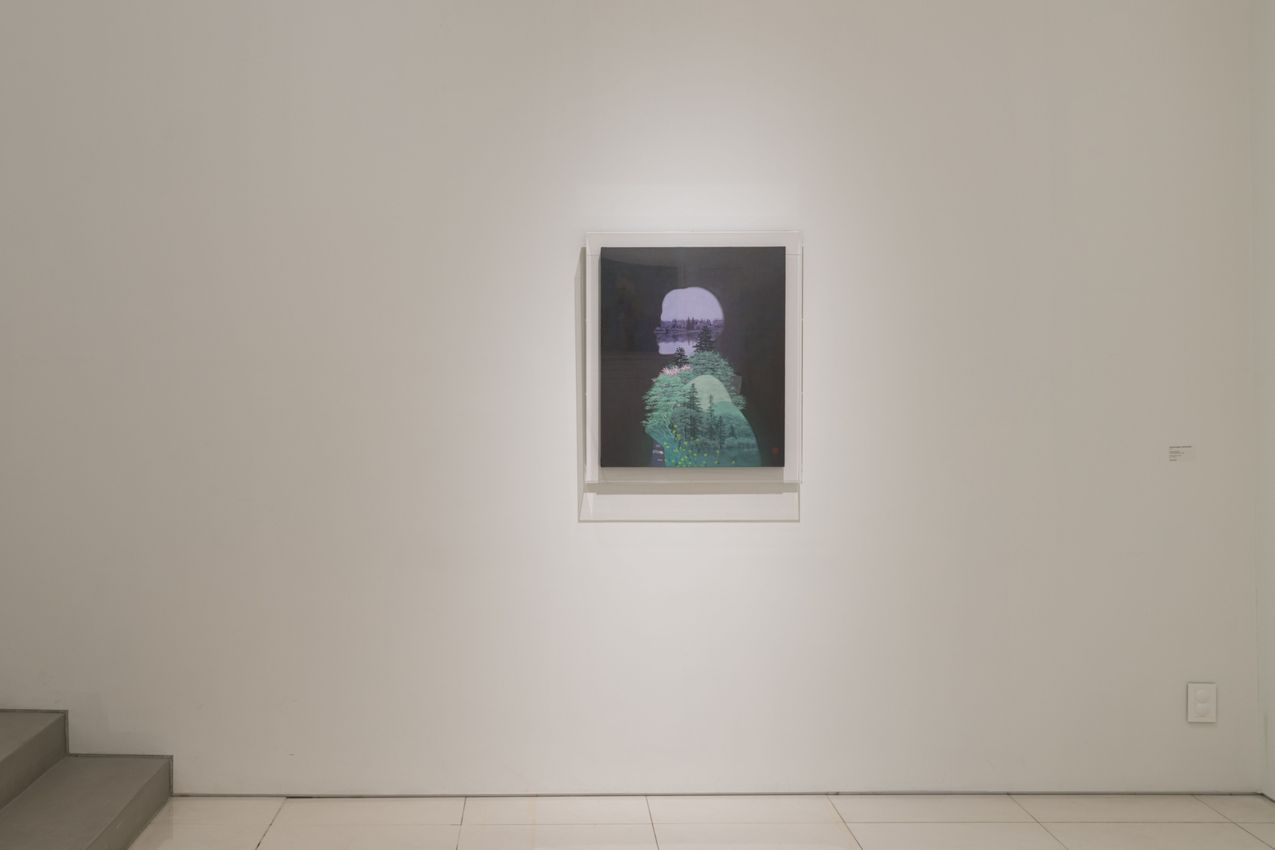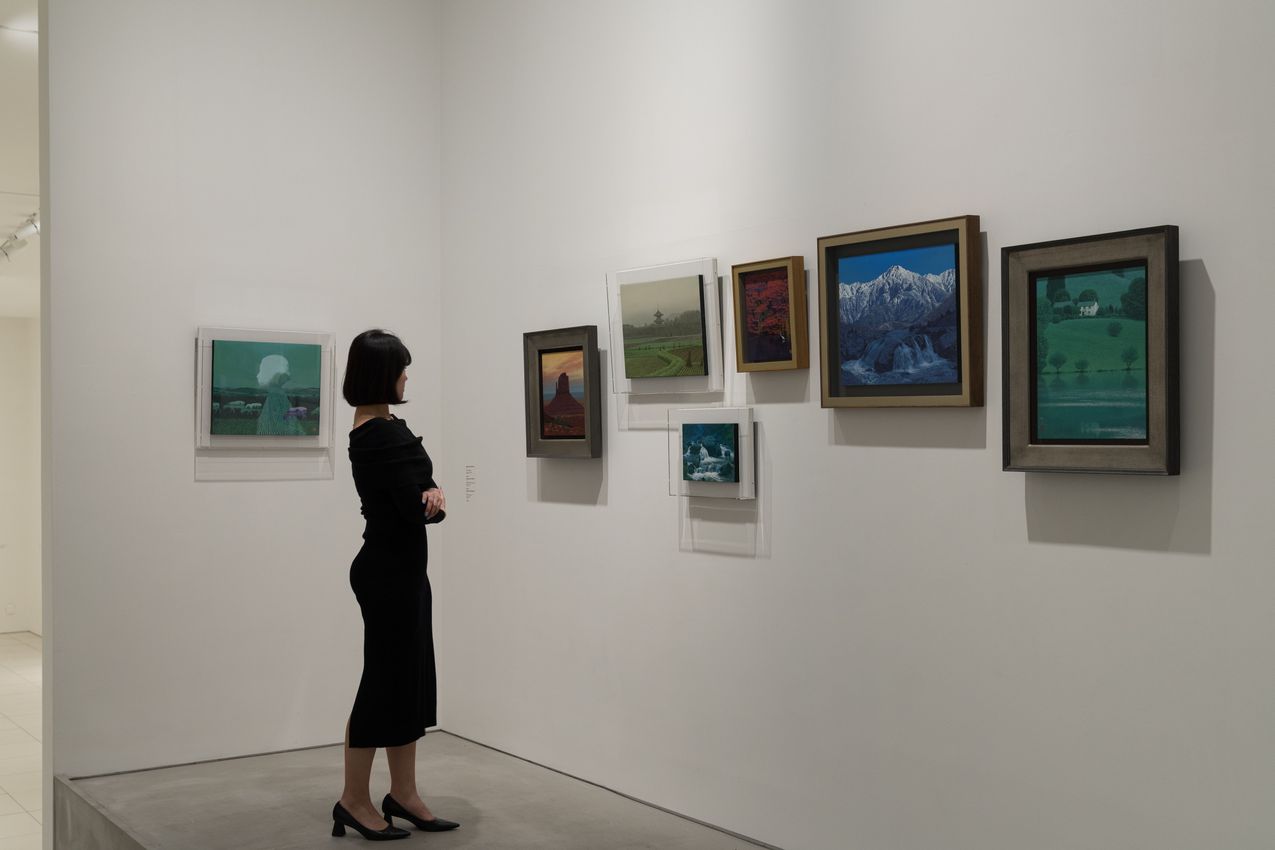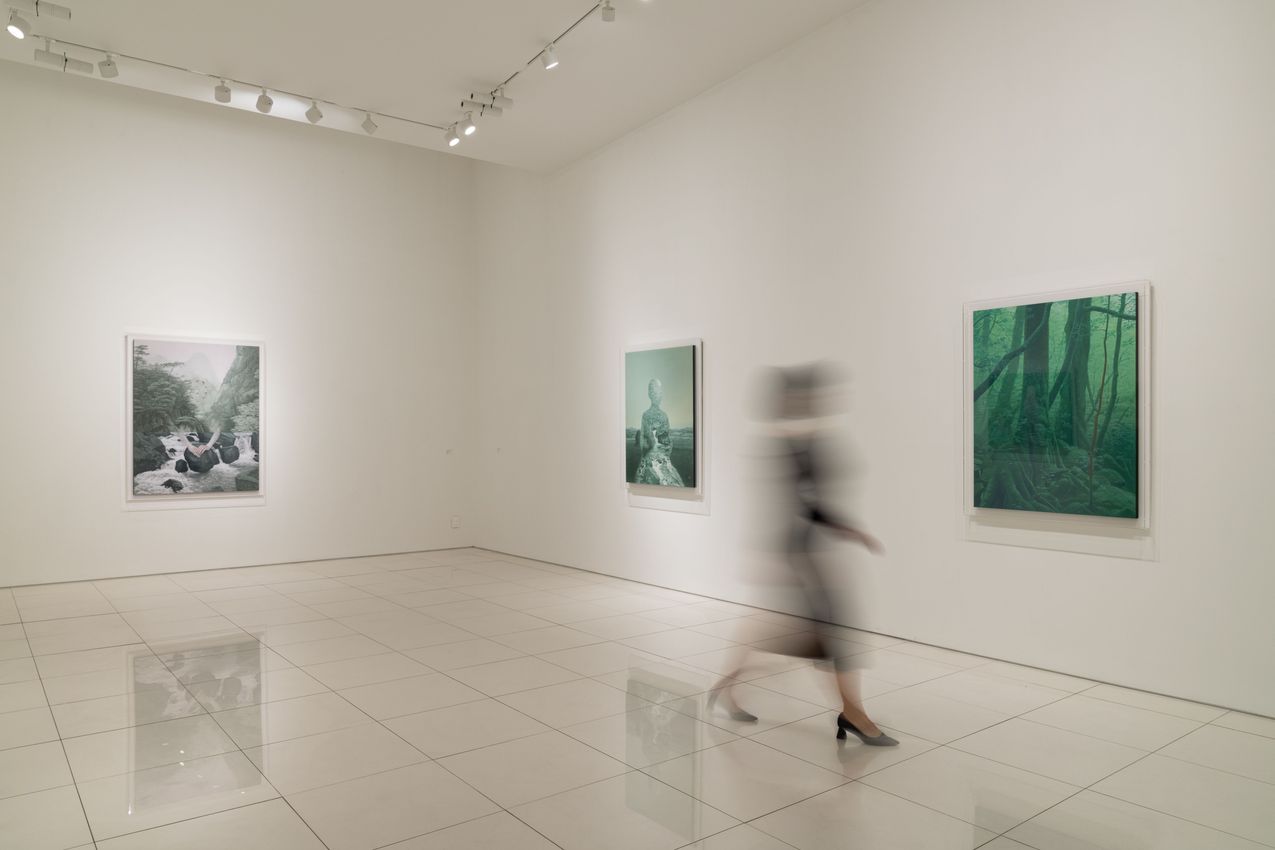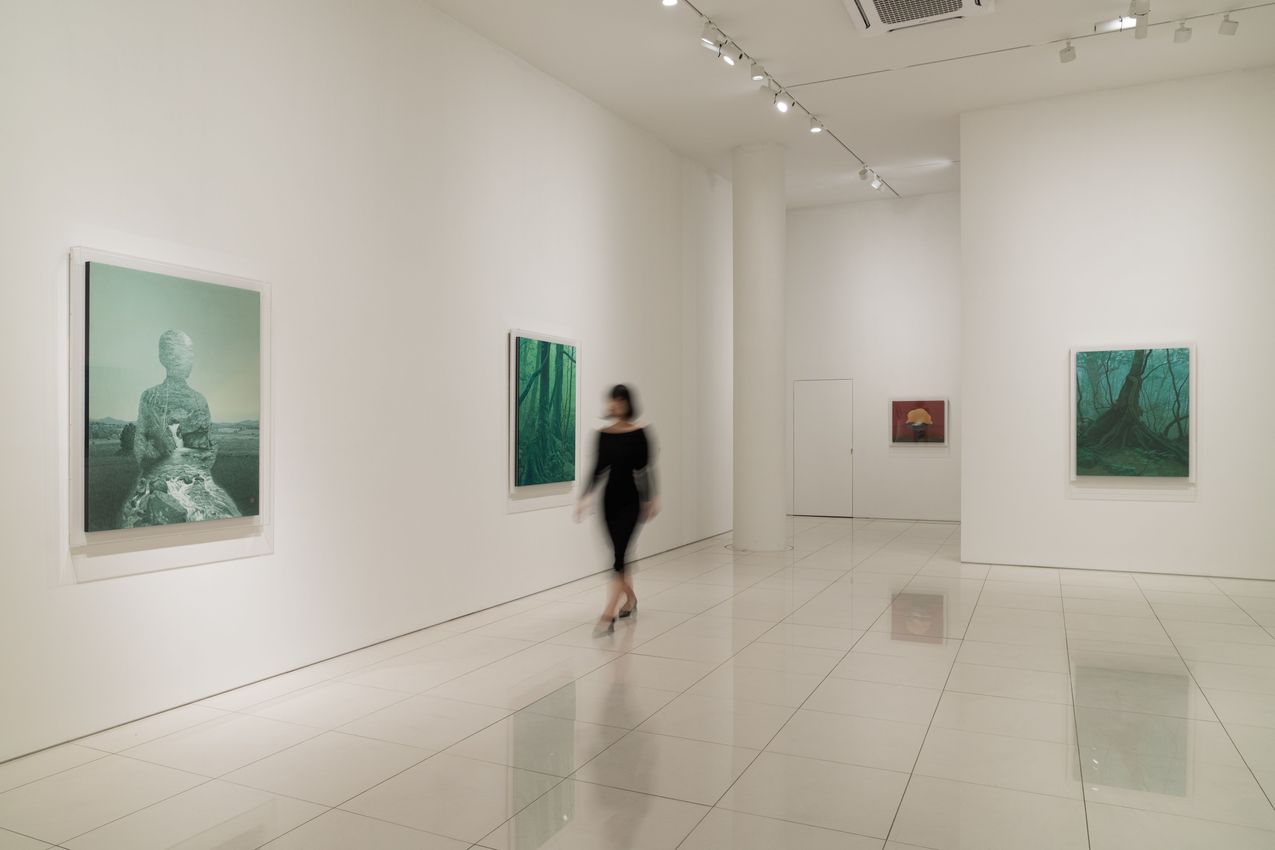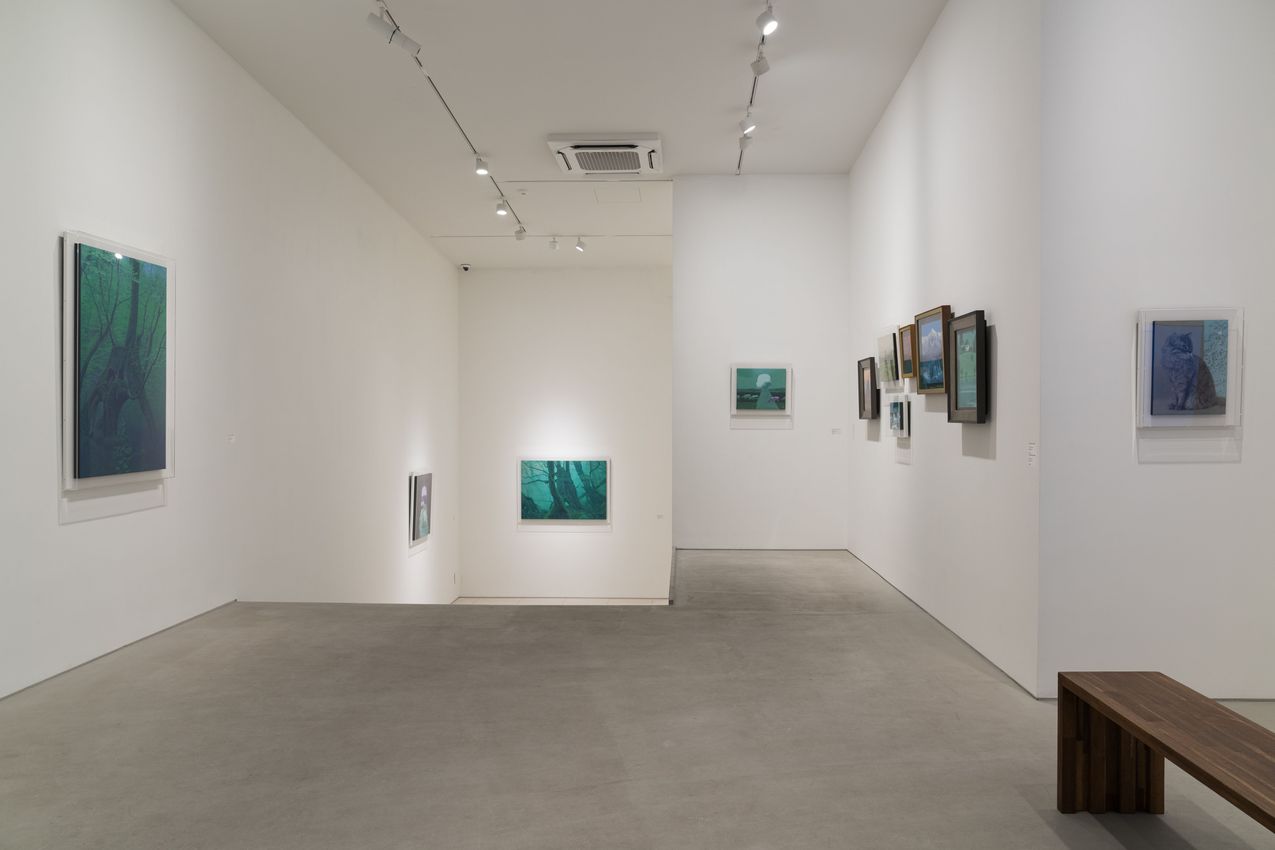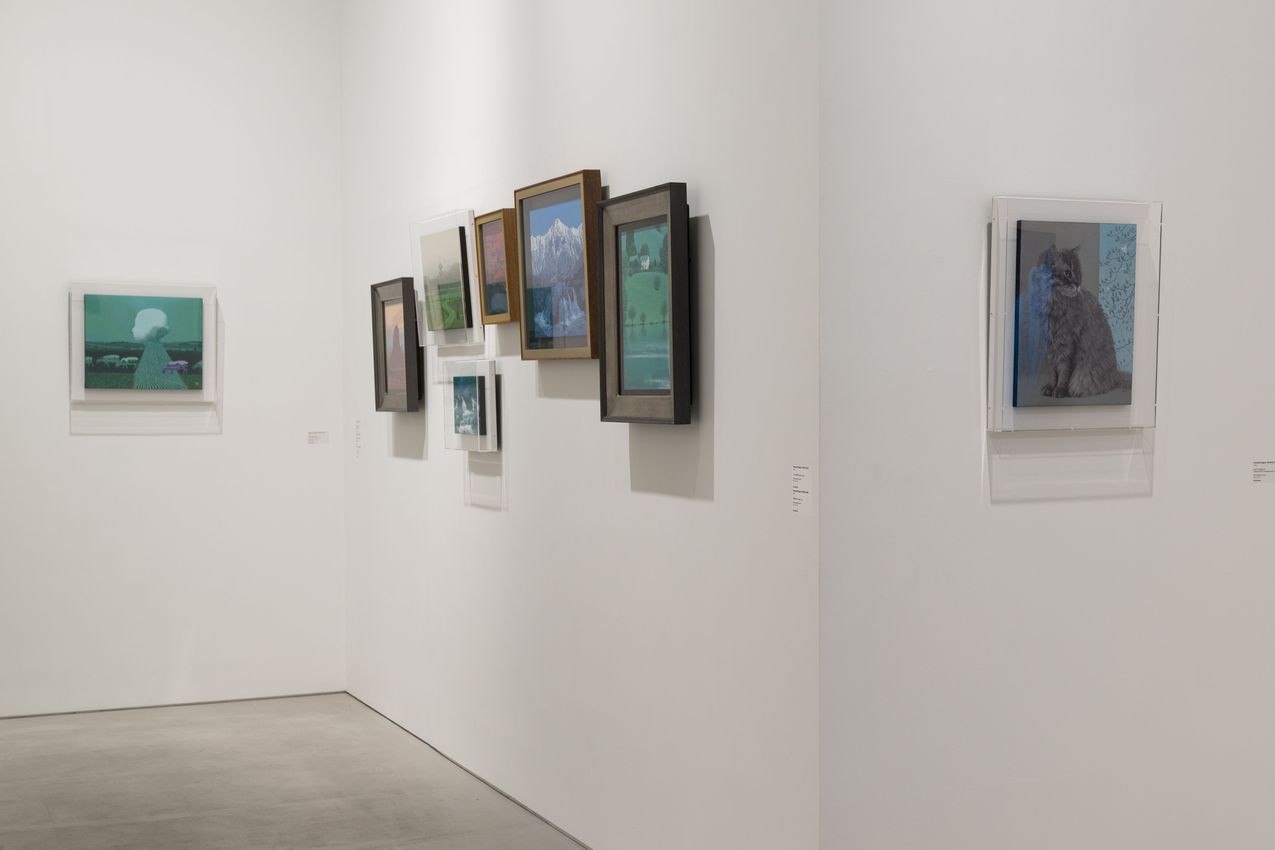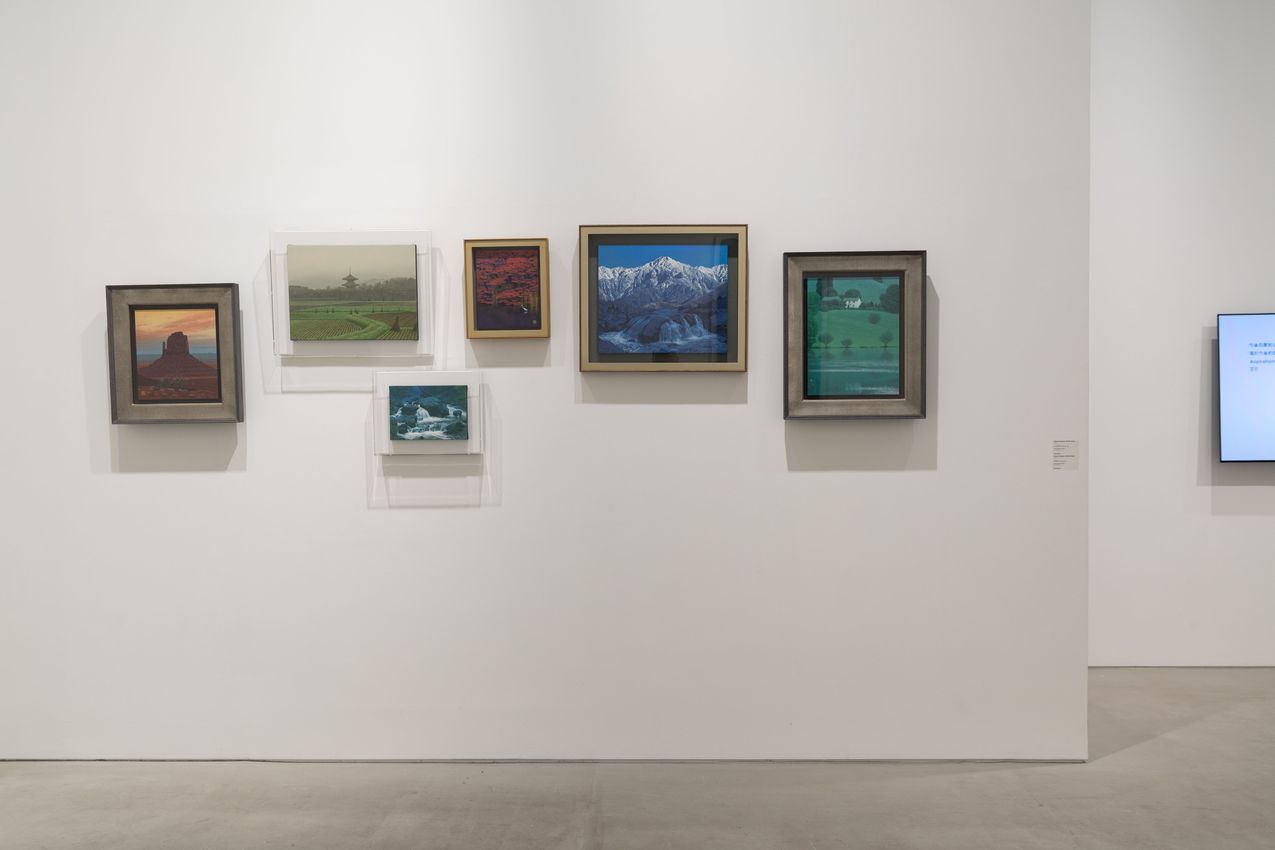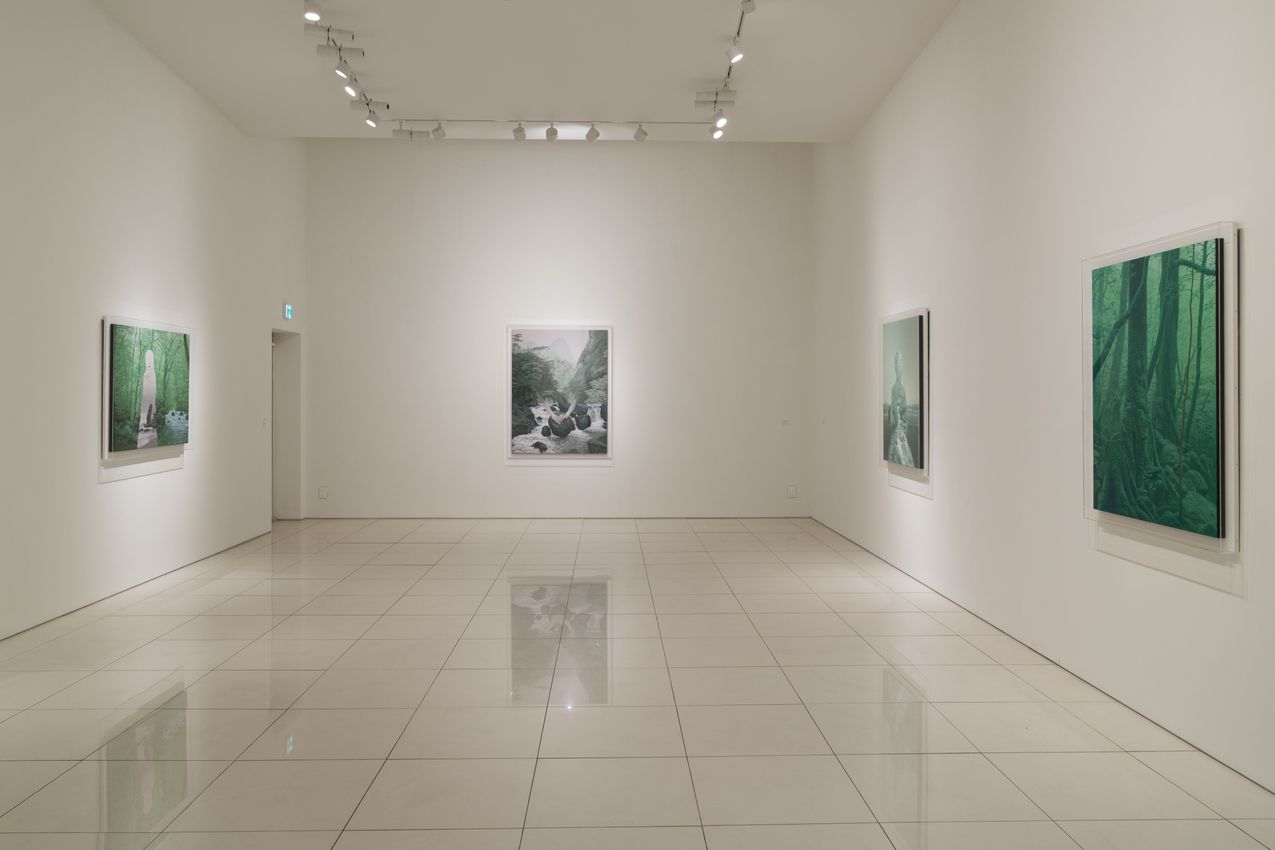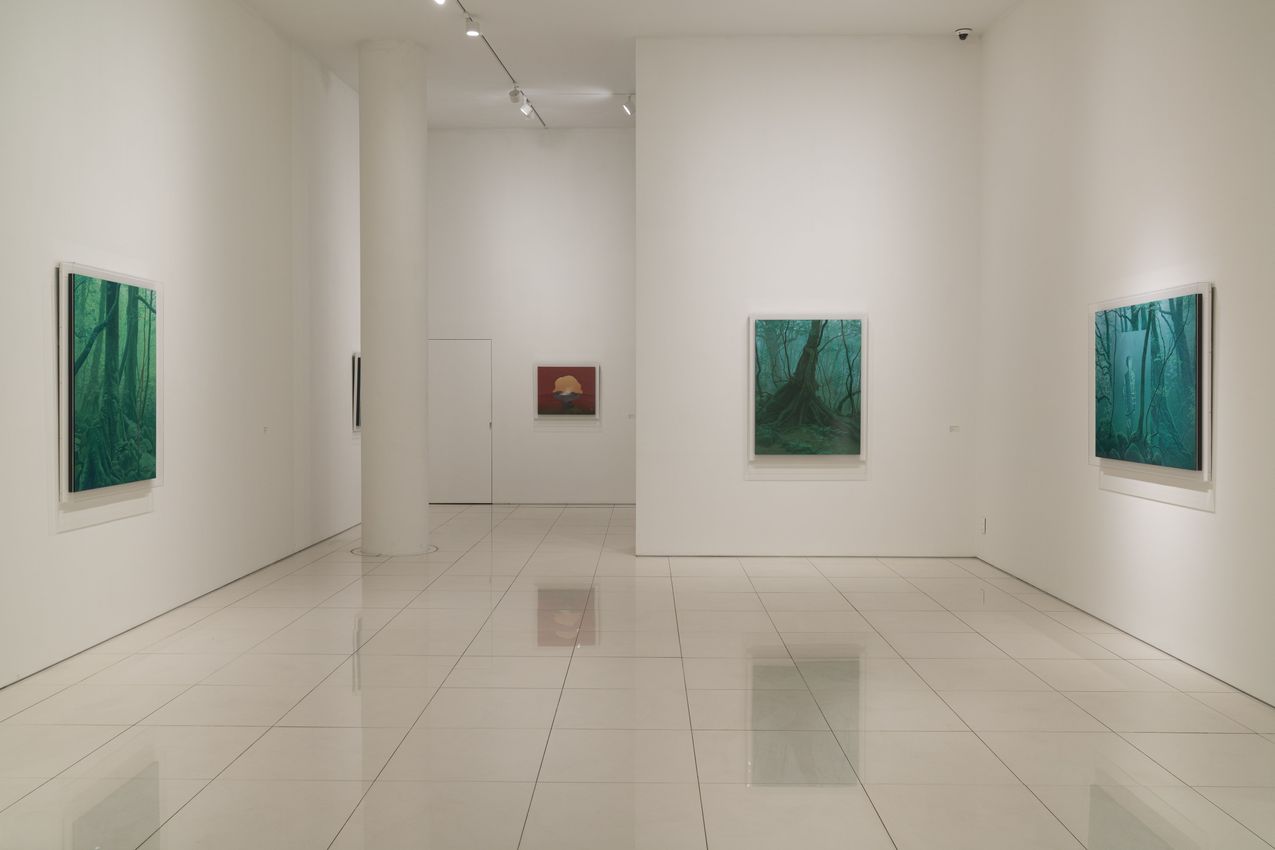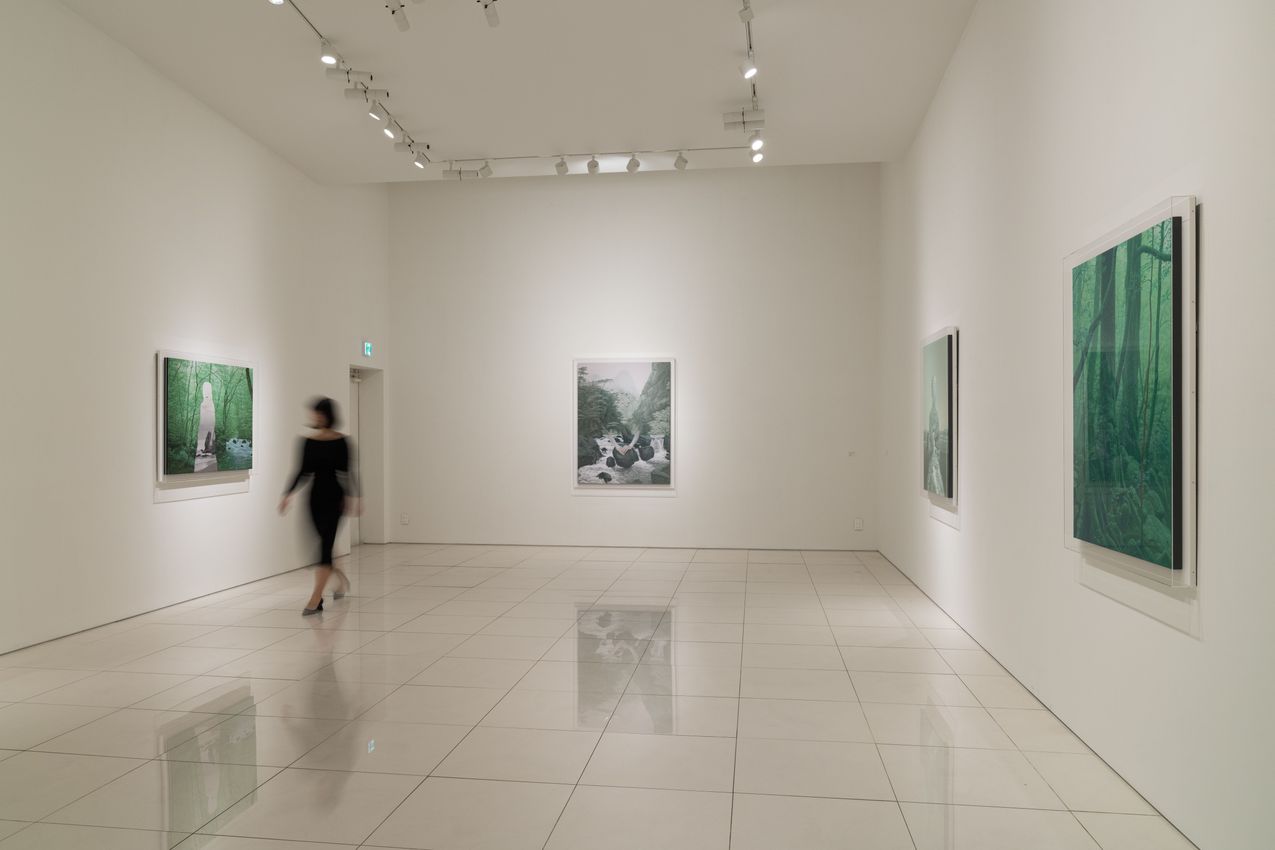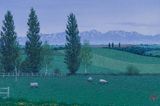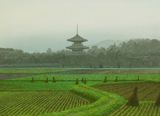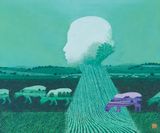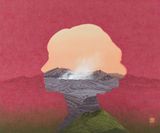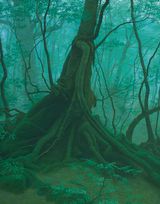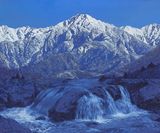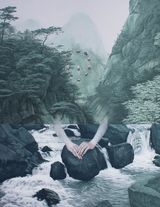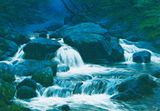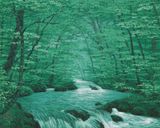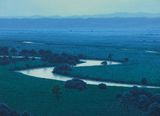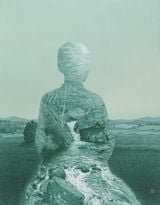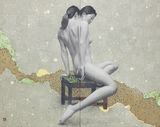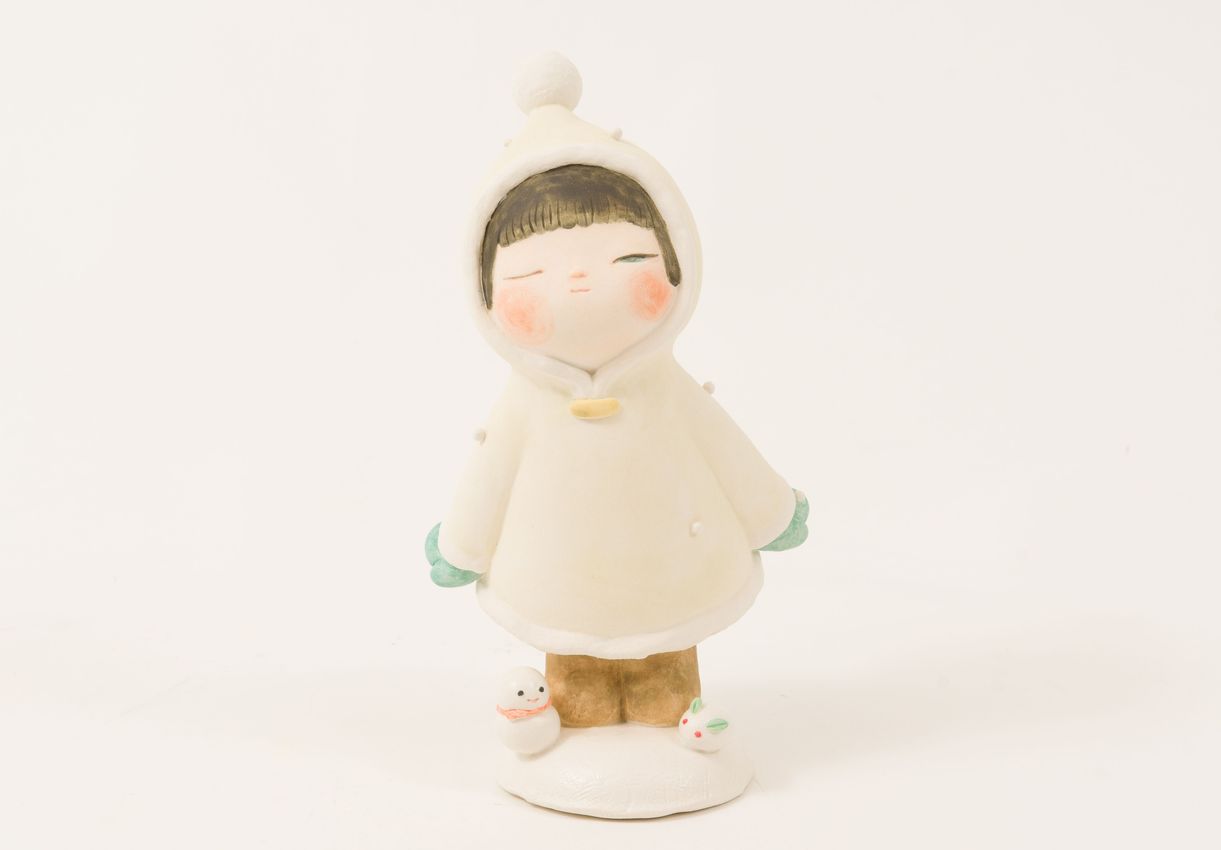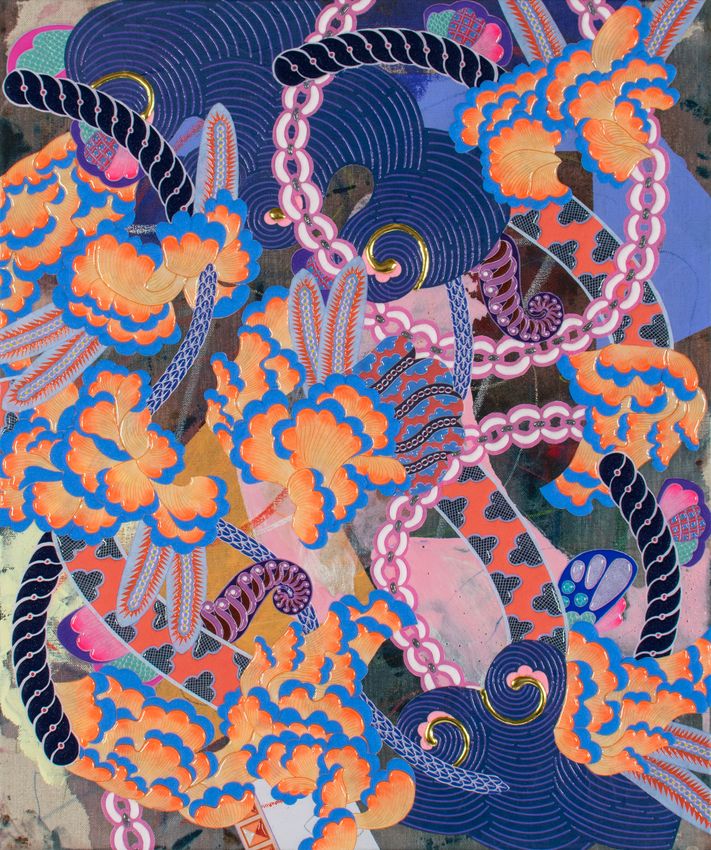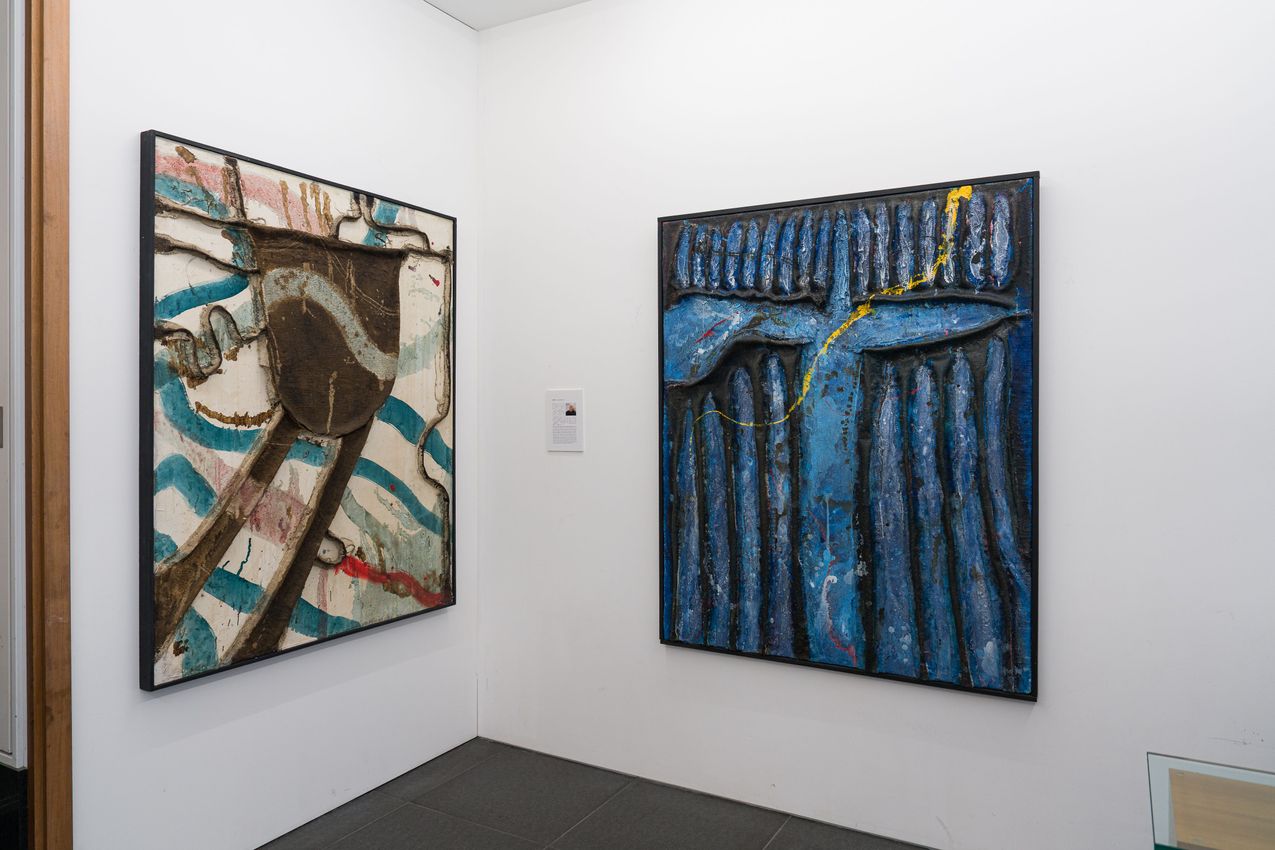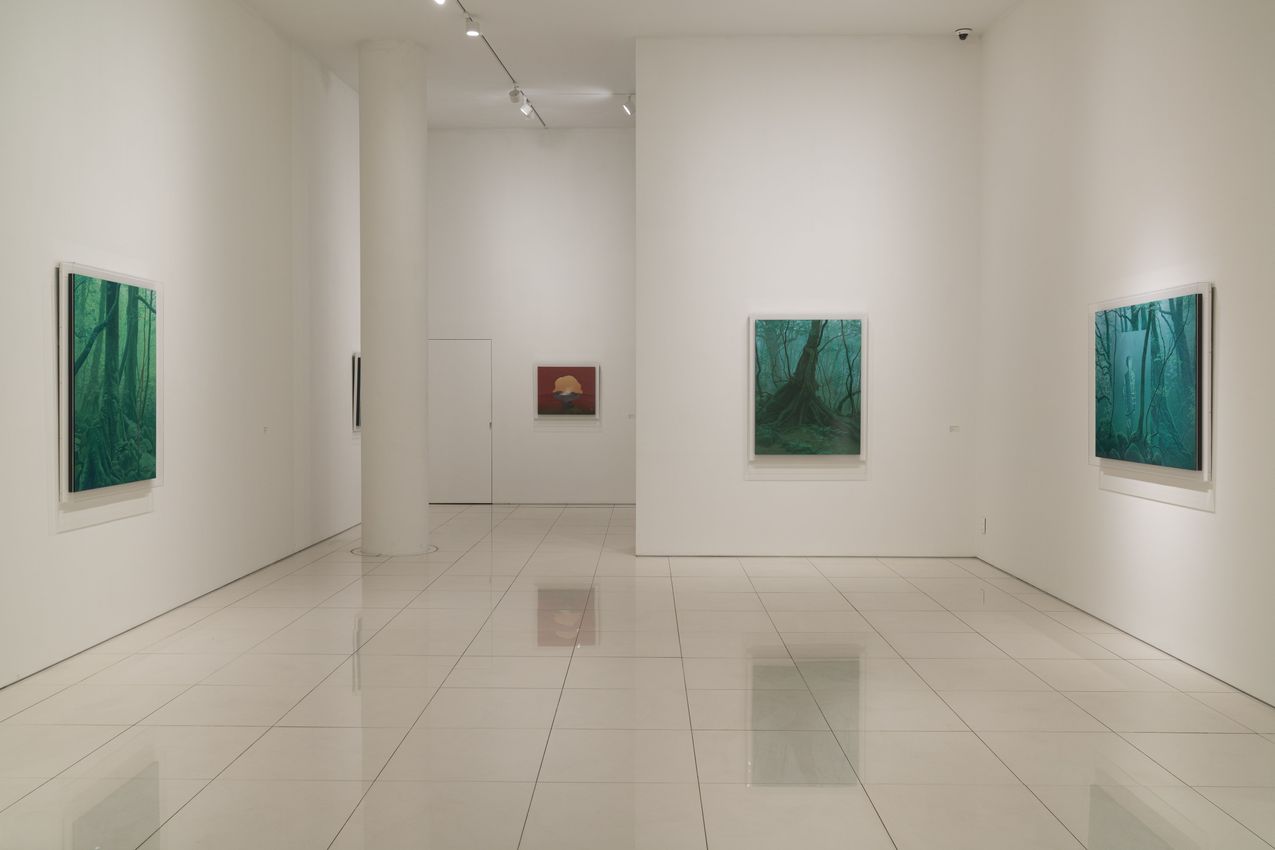
Whitestone Gallery presents Silent Fire, the first solo exhibition in Korea by Kazuyuki Futagawa, an artist rooted in the tradition of Japanese painting, on view from March 7 to April 12. This exhibition marks the first introduction in Korea of Futagawa’s artistic world, which has long explored the essence of Japanese painting, and focuses on the deep relationship between nature and humans.
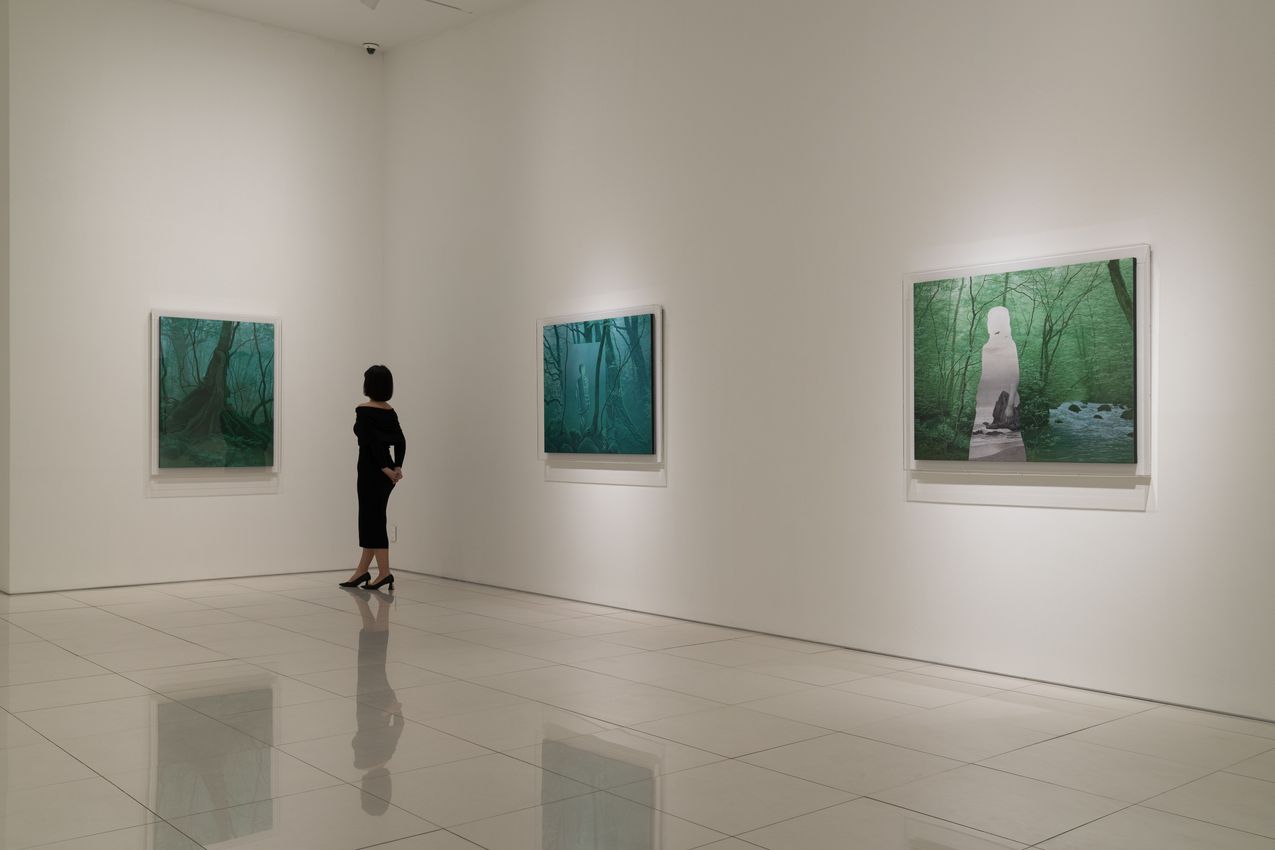
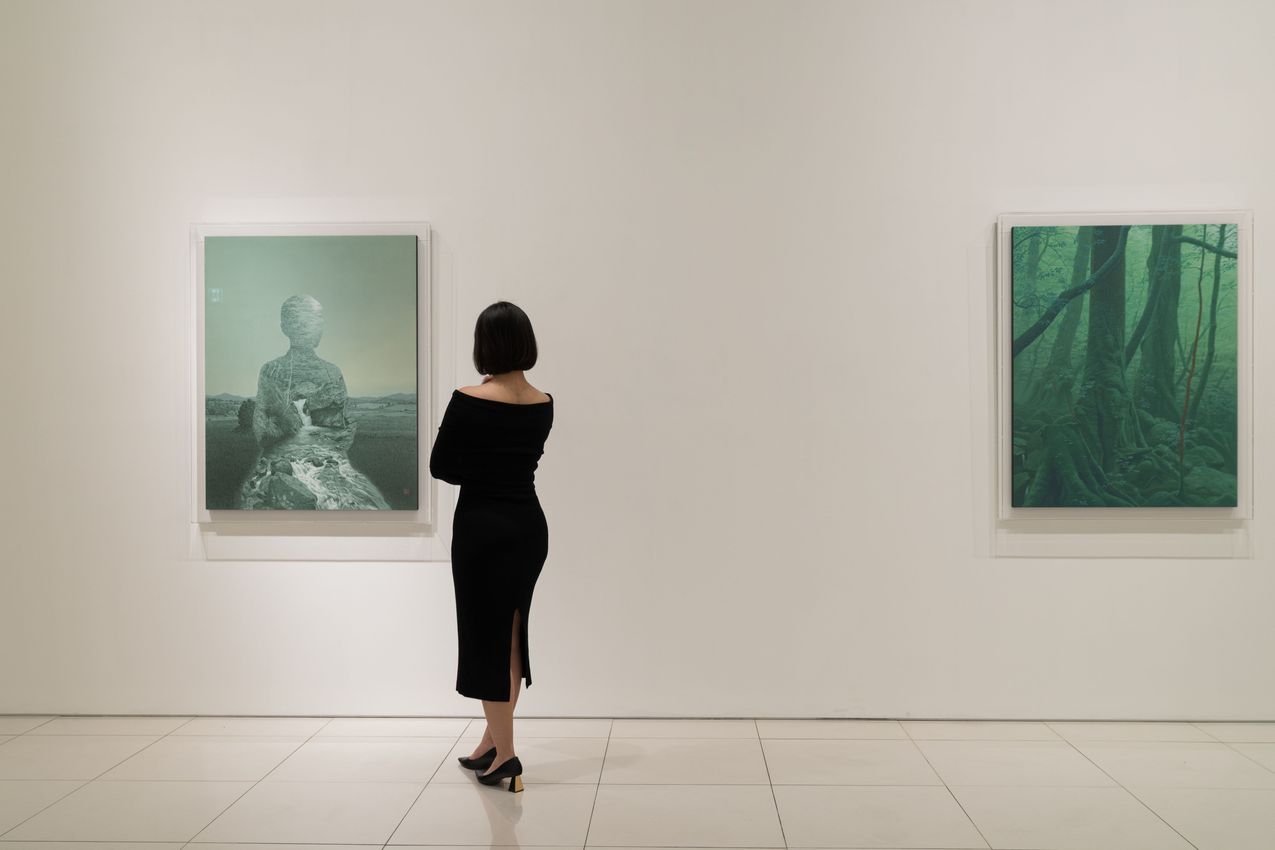
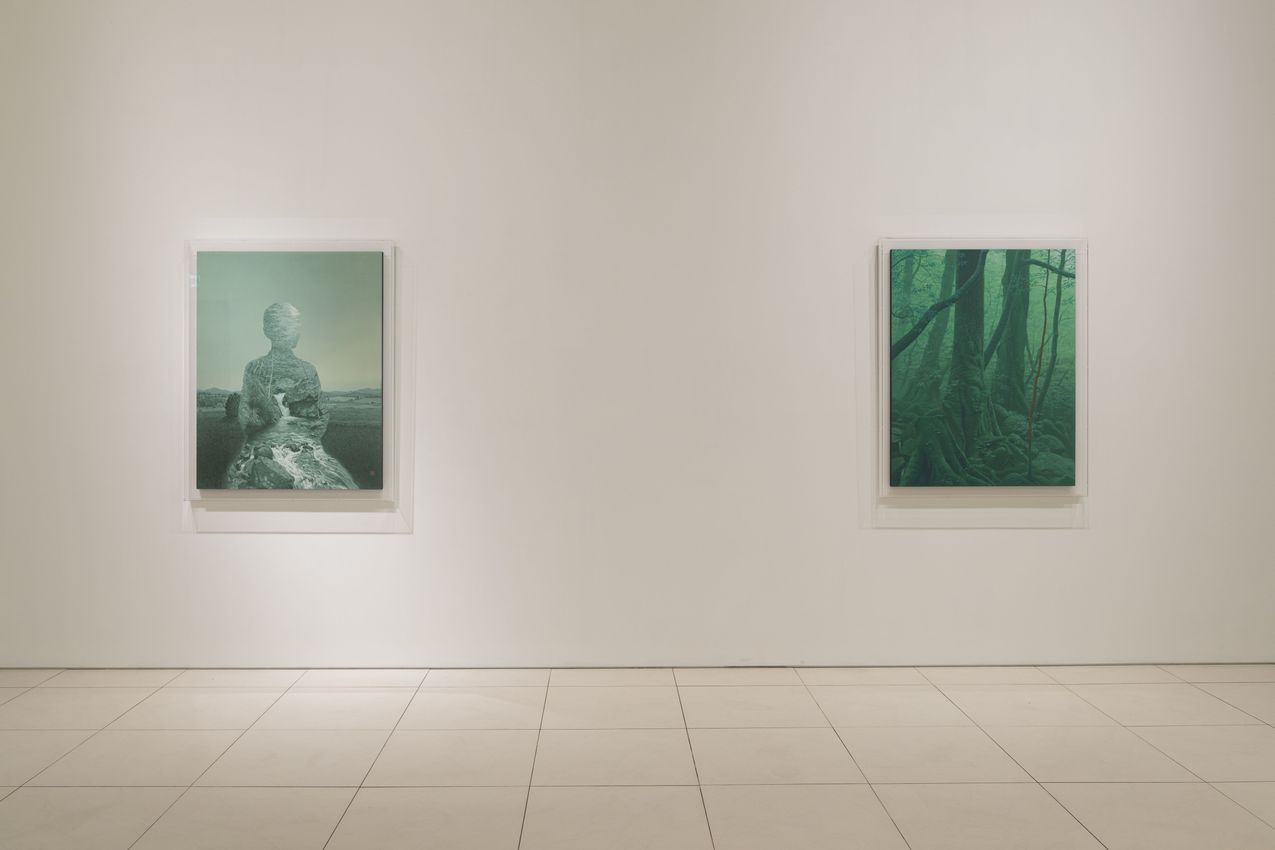
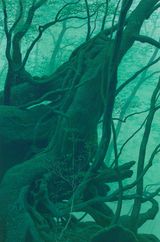
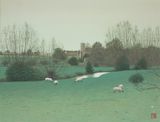
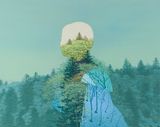
Futagawa expands Japanese painting traditions by mainly using mineral pigments. These pigments, formed deep in the Earth over millions of years, carry the memory of nature and the origin of color. For Futagawa, they also act as a way for nature and humans to connect. Through the textures of minerals, changes in light, and the subtle marks of tiny, scattered particles, he shows the “natural passage of time” in his works. As color spreads across the surface and the brush moves in subtle ways, the line between nature and humans slowly fades, inviting viewers to quietly immerse themselves in the experience. Distinguished by his meticulous depictions of nature, Futagawa’s work captures diverse landscapes, such as the moss-covered island of Yakushima and the tranquil countryside of England rendered through the visual language of Japanese painting.
Silent Fire explores the presence of a “silent fire” concealed within nature. This does not refer to a visible flame, but rather to an inner heat that endures deep beneath the surface, without sound or form. By layering mineral pigments, Futagawa creates layers of time and existence on the canvas through which invisible forces become perceptible. As the artist states, “The roots of my art lie in the coexistence of humans and nature.” By suggesting human presence through silhouettes rather than direct representation, his work reveals both the harmony between nature and humanity and the subtle tensions and sense of solidarity that emerge through human intervention. Spanning approximately fifty years of artistic practice, this exhibition invites viewers to quietly confront the enduring relationship between nature and humanity.
About the Artist
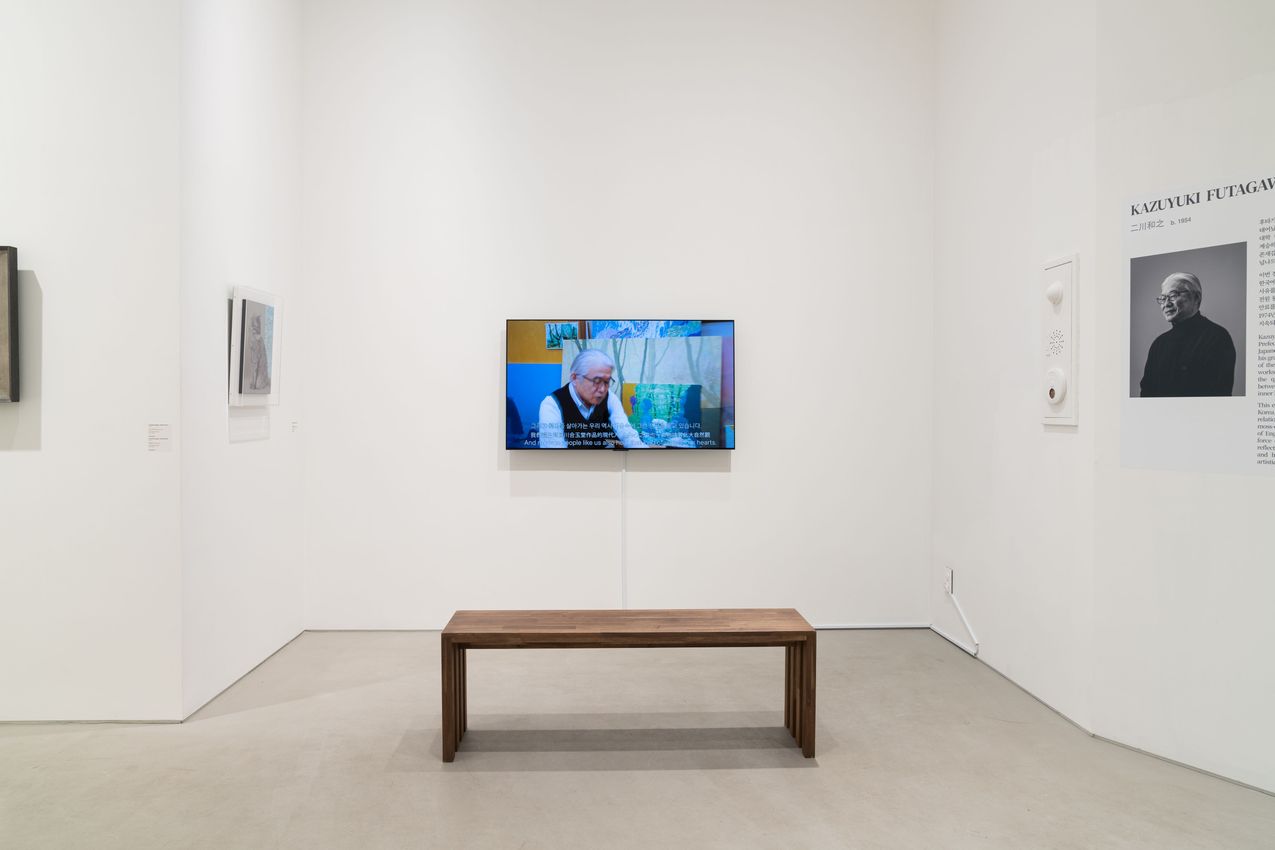
Kazuyuki Futagawa was born in 1954 in Takamatsu, Kagawa Prefecture, Japan. He earned a degree in Japanese Painting from Kanazawa College of Arts and Crafts and completed his graduate studies in Japanese Painting at Tokyo University of the Arts. While inheriting the traditions of Japanese painting, he has gained international recognition for his distinctive artistic language, developed using mineral pigments as his primary medium. His works delicately evoke the presence of natural landscapes and objects, while simultaneously revealing an inner landscape that traverses the boundary between form and formlessness. Since his first exhibition in 1974, Futagawa has received significant institutional recognition, including the Excellence Award at the SOMPO Japan FACE Exhibition in 2013. His works have been exhibited at institutions such as the Sompo Japan Nipponkoa Museum of Art and the Narukawa Art Museum, as well as at Whitestone Gallery locations in Hong Kong, Beijing, Tokyo, and Taiwan.


A respected voice in contemporary art discourse.
Focusing on ambitious storytelling and insightful art-world commentary. Ocula Magazine publishes in-depth interviews, critical essays and timely analysis on the artists, exhibitions and ideas driving the global art world.
Learn more about Ocula Magazine
Showcasing the best of the art world.
Ocula partners with galleries from around the world to highlight their artists, artworks and exhibitions. Gallery membership is by application and invitation, with each member vetted by an independent panel.
Learn more about Ocula Membership

Specialises in the sale of major artworks.
Led by a team with deep ties to the world’s leading auction houses, galleries and collectors. Ocula’s advisory team offers bespoke services to high-net-worth clients from around the world who are looking to acquire the best of contemporary and modern art.
Learn more about our team and services