Press Release

Xavier Hufkens is delighted to present an exhibition of recent work by Belgian artist Walter Swennen (b. 1946).

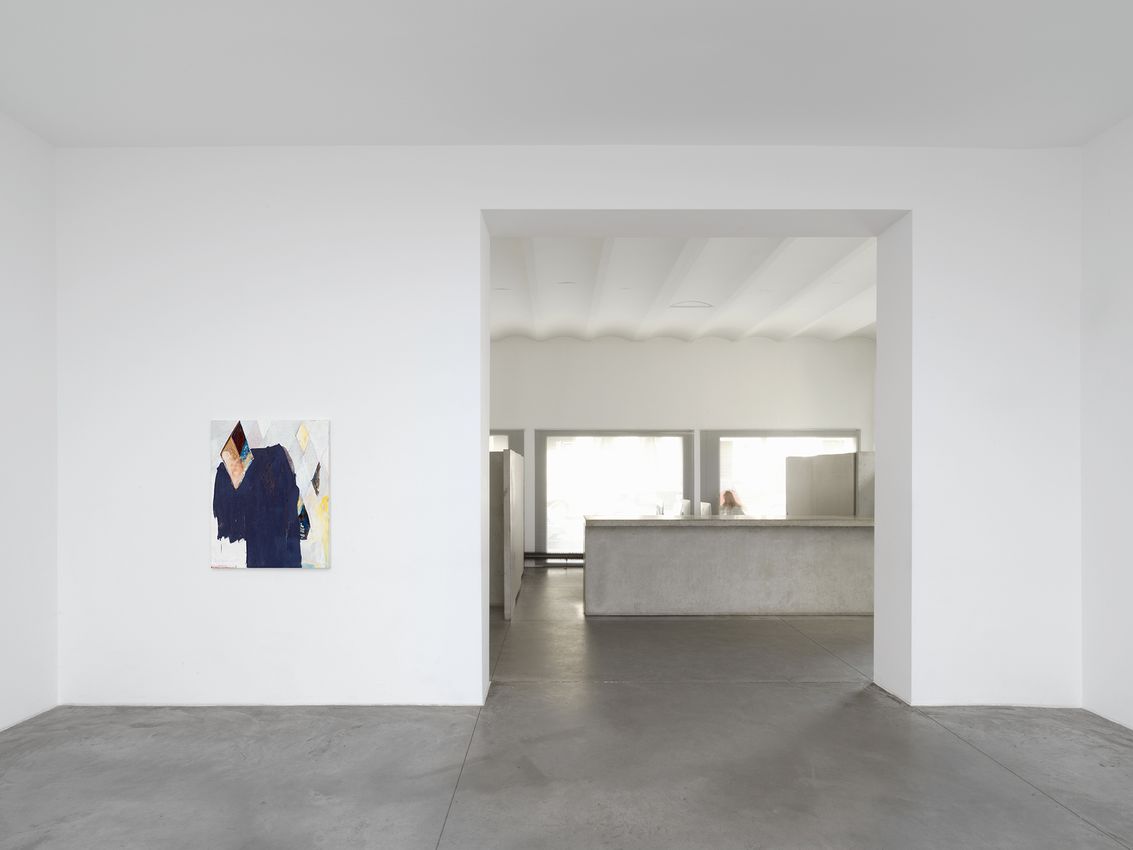
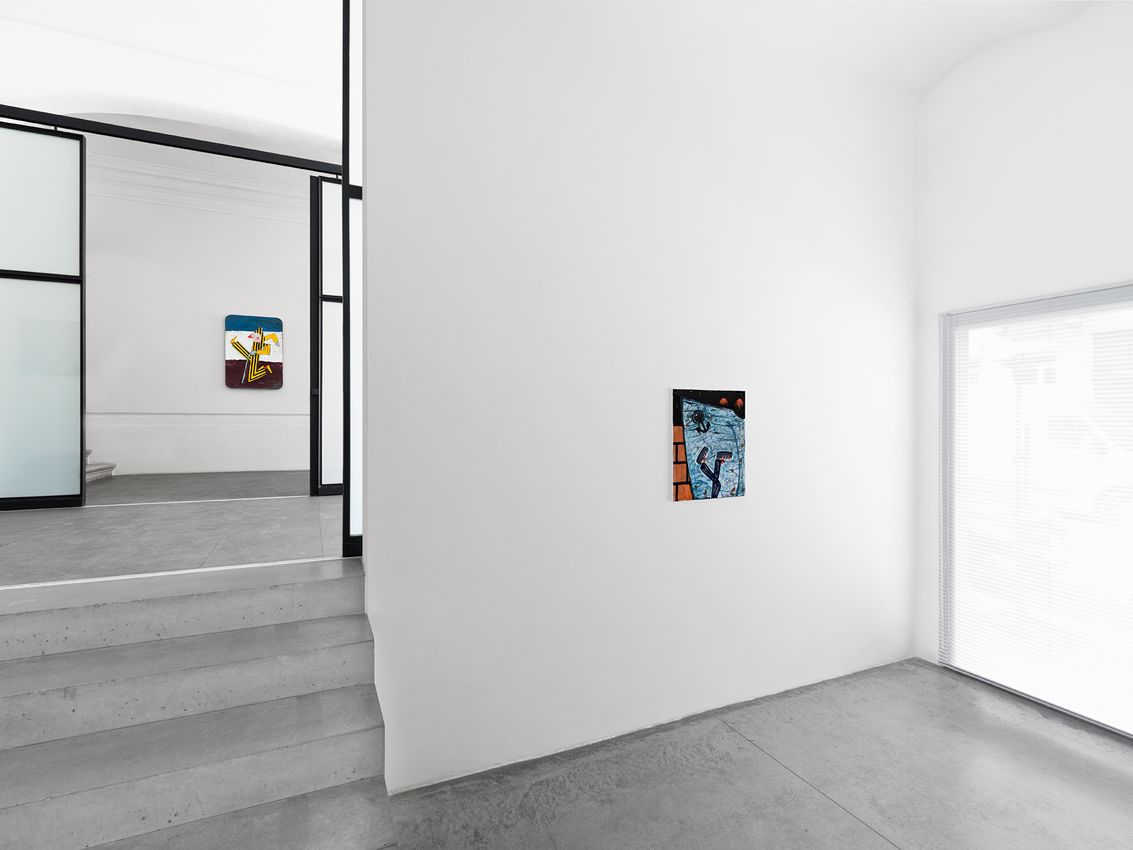
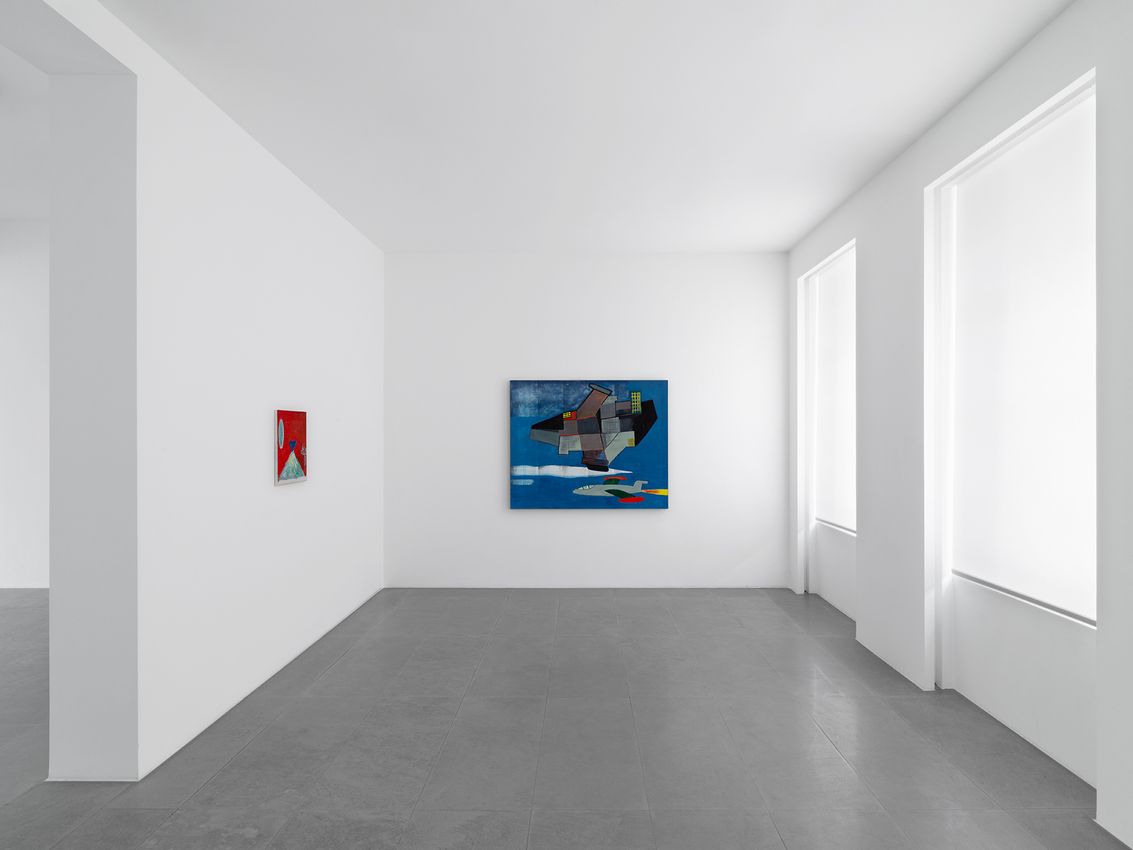
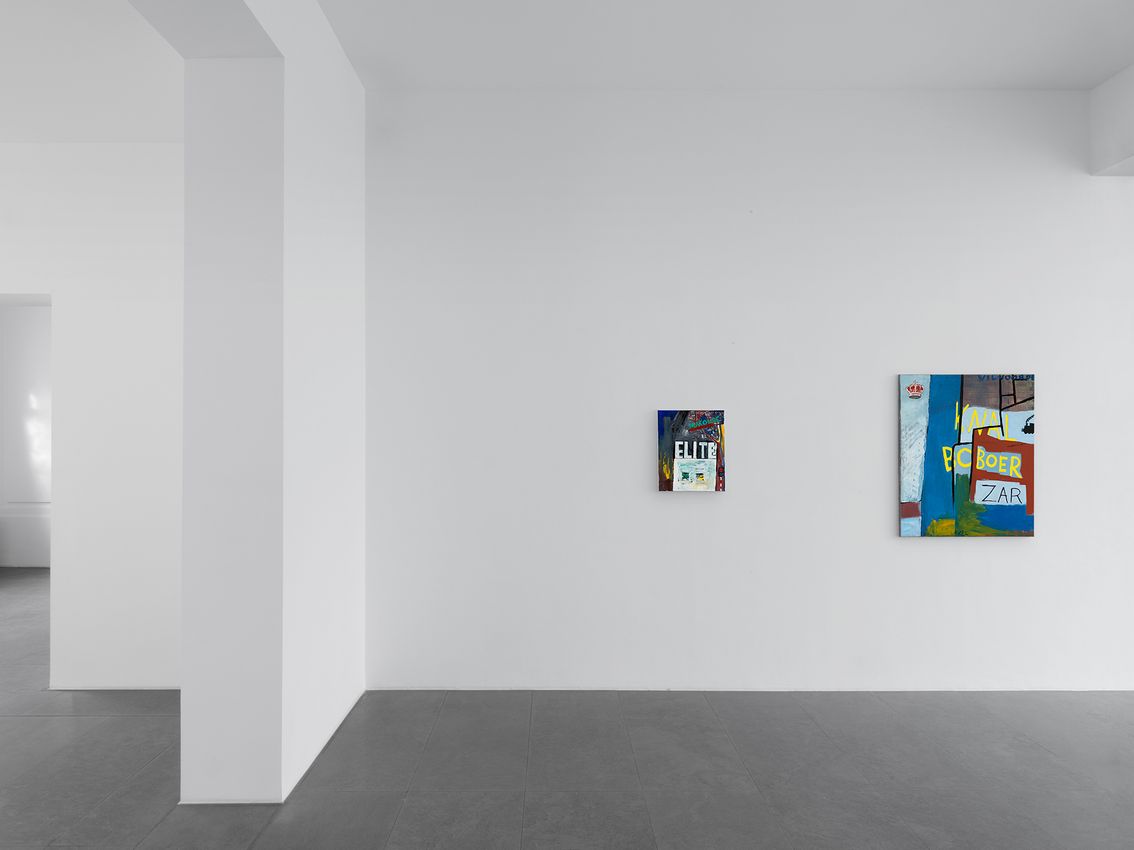
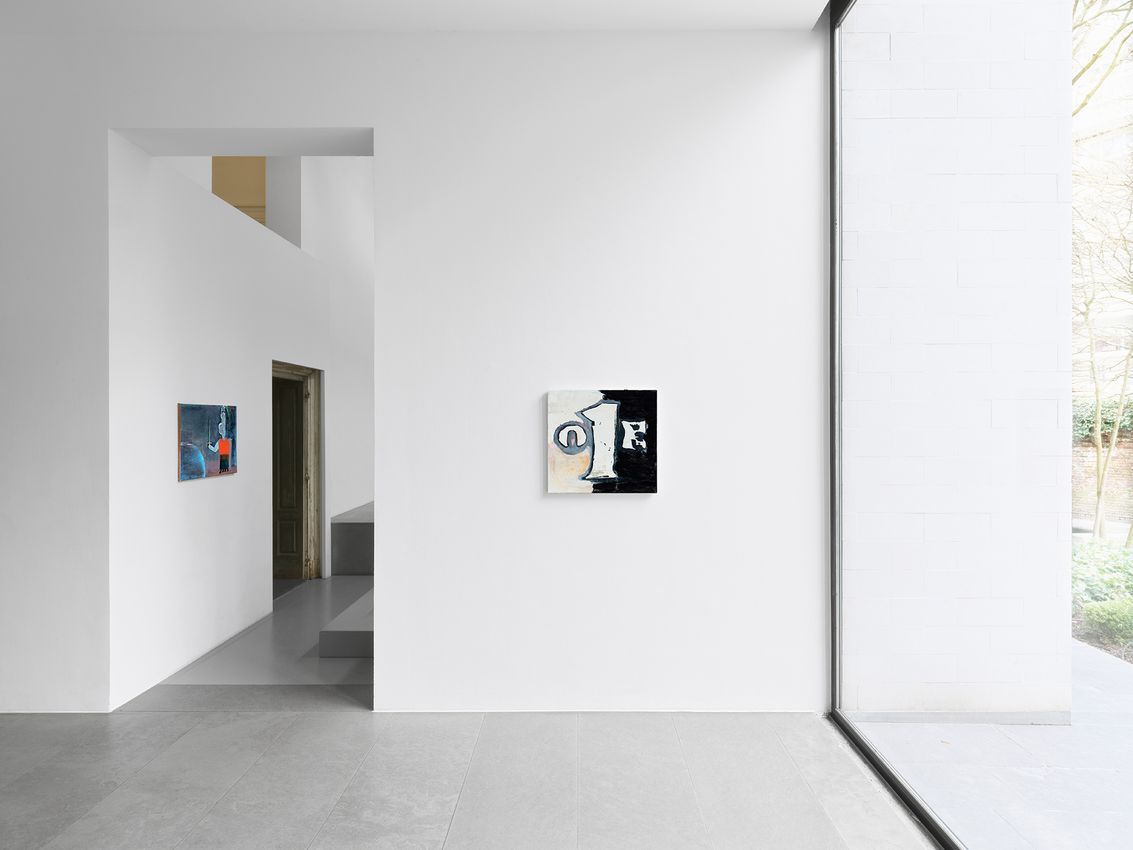
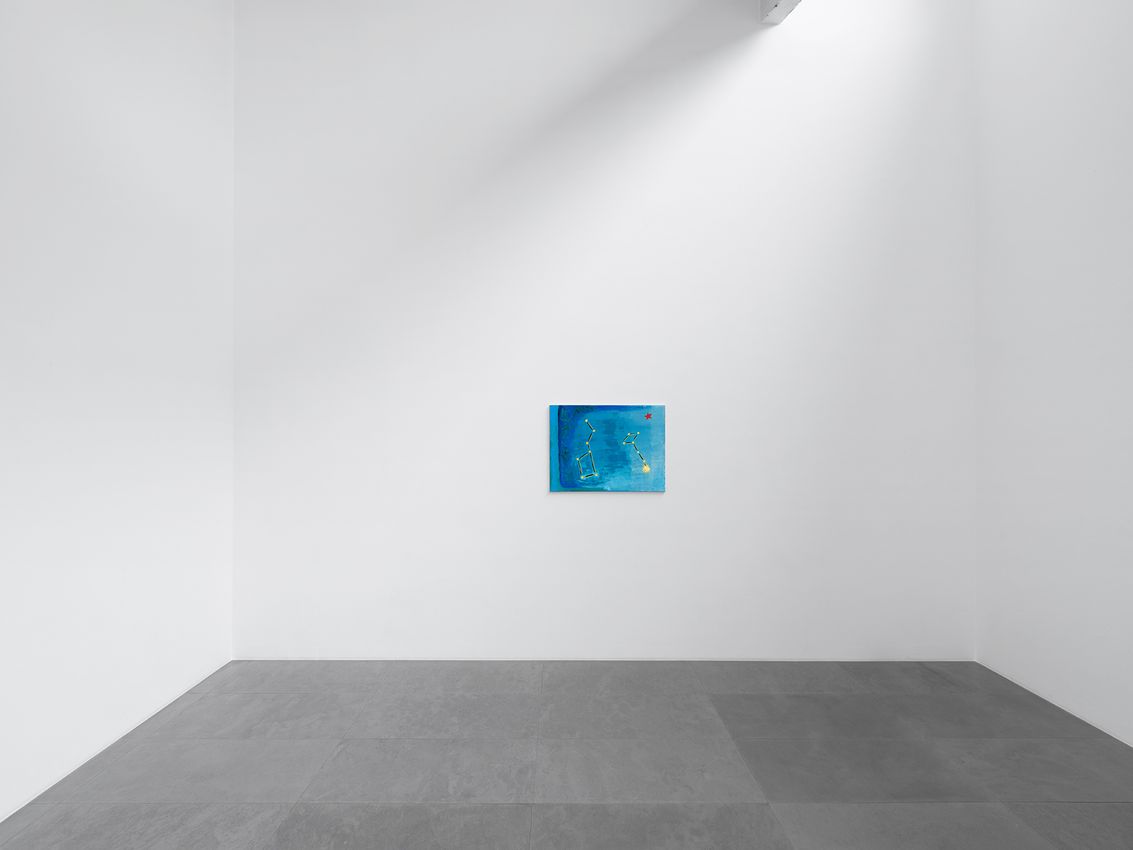
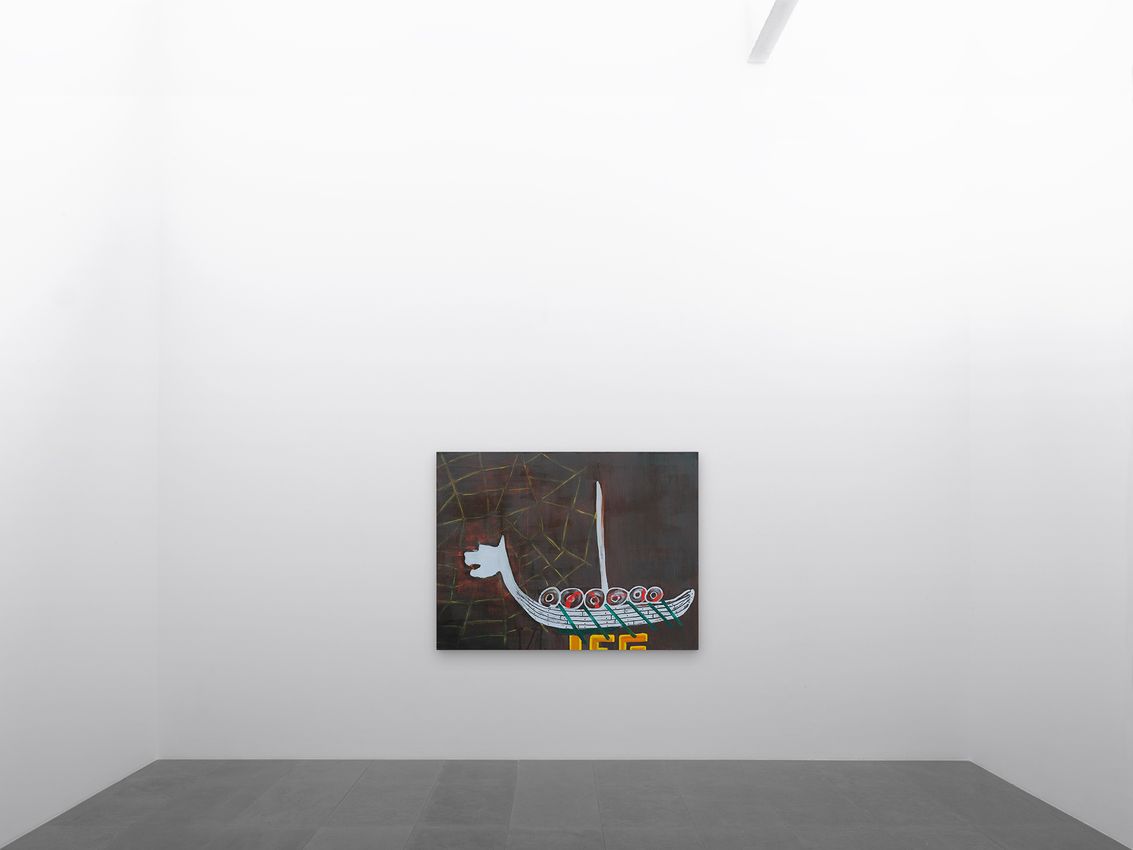
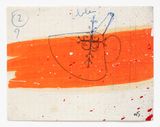
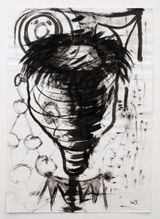
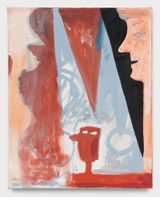
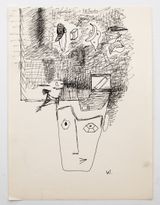
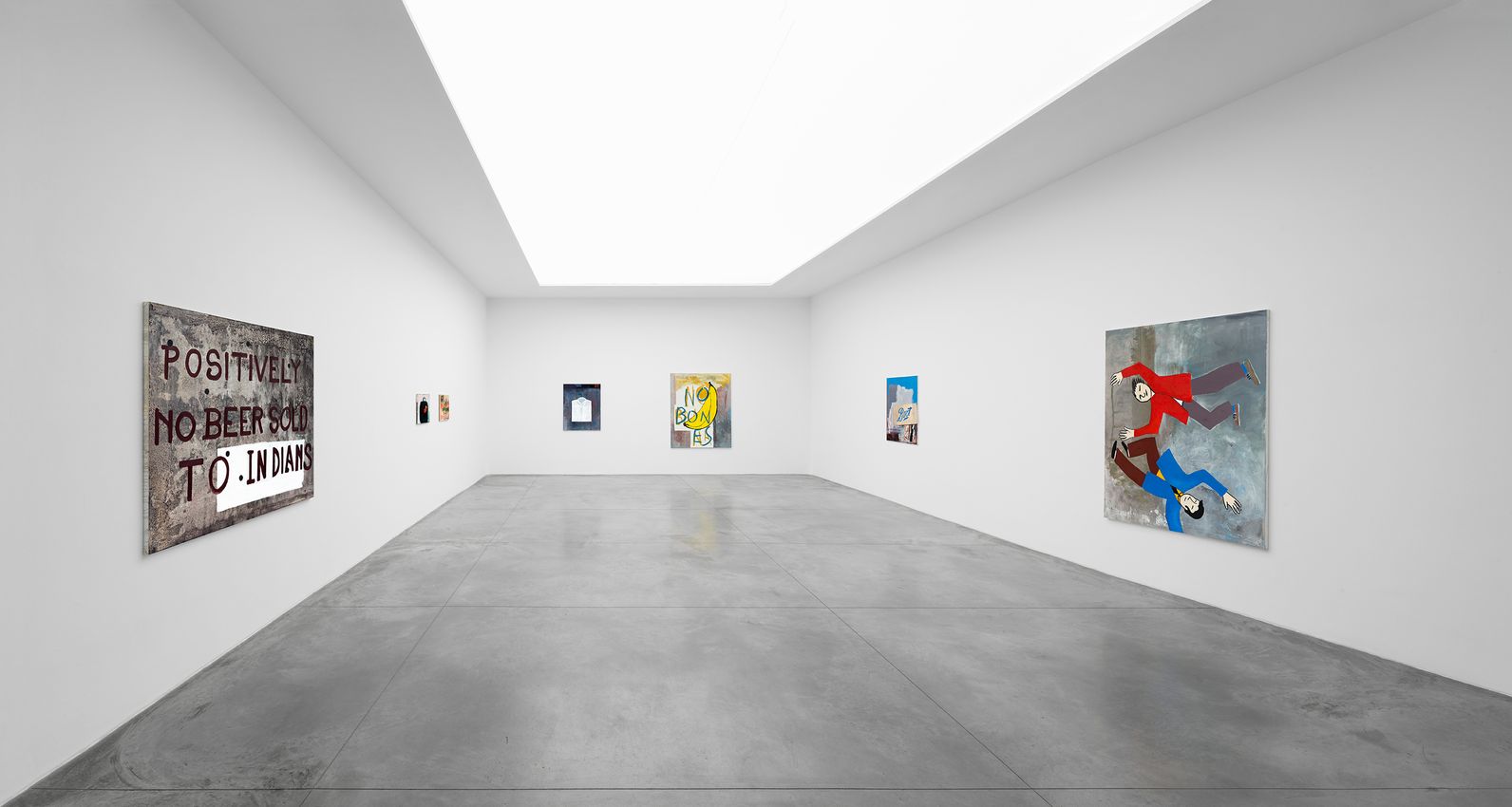
In his fourth exhibition with the gallery, Swennen continues his playful and experiential journey into the world of language and meaning, appropriation, colour, texture and form. Moving between abstraction and representation, and occasionally executed on found supports, the works explore both the poetic and material aspects of painting.

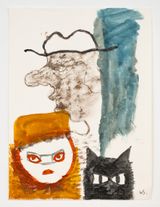
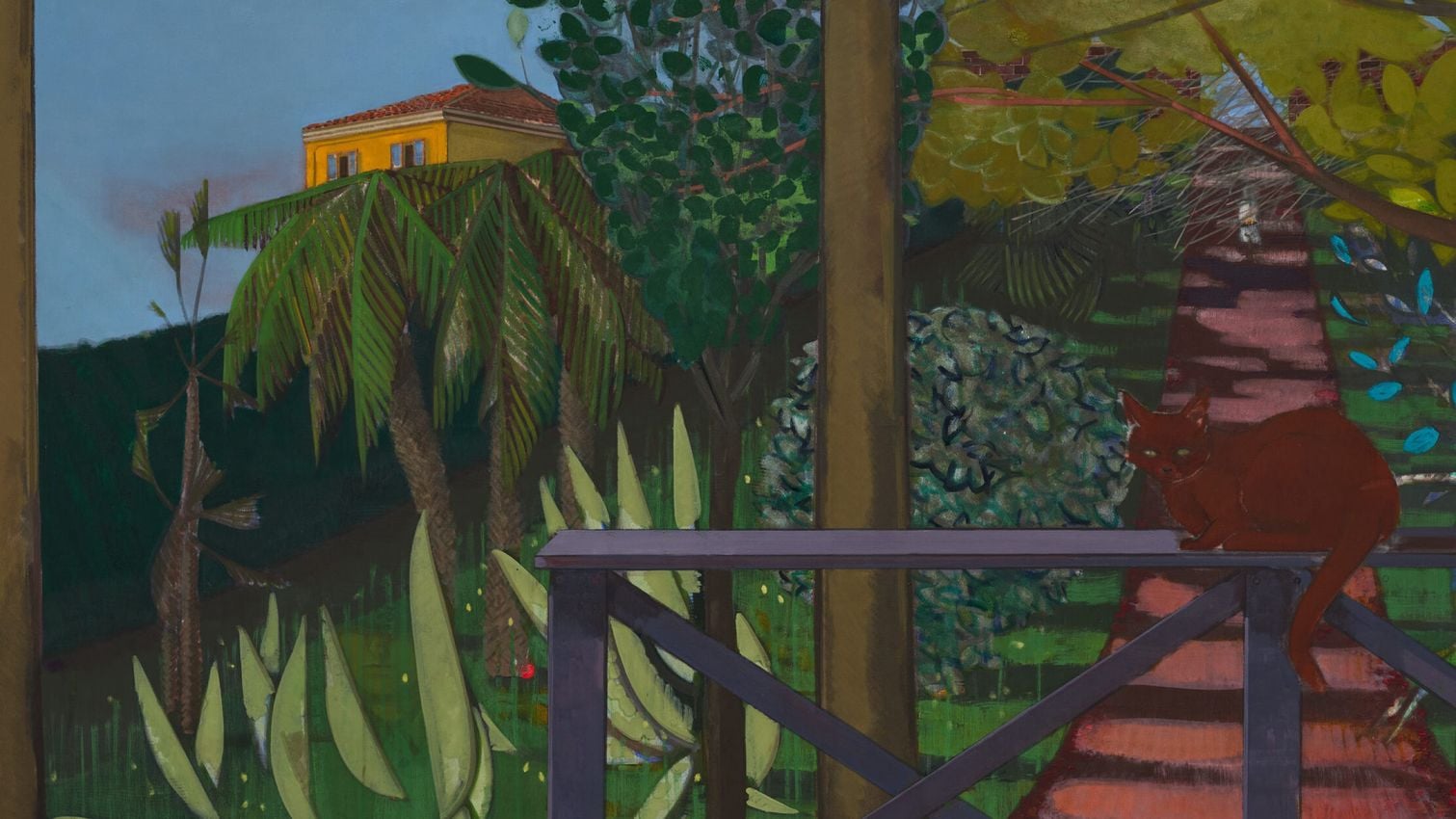
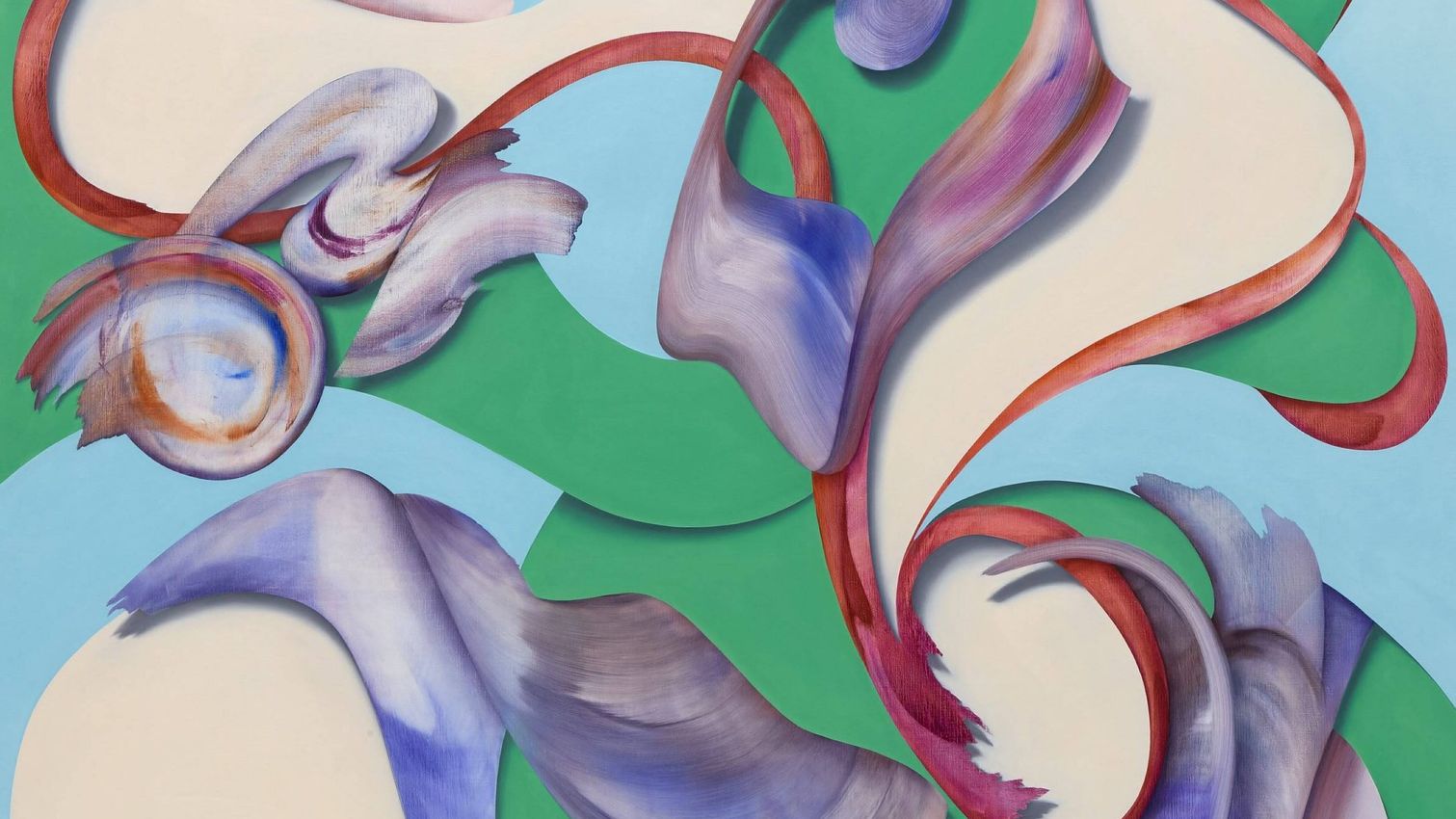
Swennen takes seemingly random elements—logos, lettering, found images, words and phrases—and transforms them into visually arresting works that tread new ground in terms of composition, colour and technique. As erudite as they are humorous, they often deserve a second look: things are never quite what they seem. Swennen’s approach to painting is intuitive, spontaneous and influenced by everyday life as well as by chance encounters and coincidences. His sharp intellect and incisive wit accounts for his light-hearted and lyrical way of looking at the world. When he paints, nothing is premeditated. Nor is he constrained by any one style, technique or approach. While the catalyst for a painting might be a word or letter, for example, it is Swennen’s engagement with his medium that ultimately determines the finished work. He literally ‘coaxes’ his paintings into being, and often over a long period of time. It is akin to a form of improvisation: an unpredictable process of push-and-pull that paradoxically implies both control and risk, not to mention a command of materials (paint in all its viscous, liquid, opaque, transparent, glossy or matte variants), techniques (adding, subtracting, superimposing, tracing and erasing) and tools (brushes, painter’s knives, rags and aerosols). The resulting works, which often combine intriguing textures and unexpected colour combinations, tend to defy easy categorisation. The terms ‘landscape’, ‘portrait’ and ‘still life’ barely apply; the works are not abstract, but nor do they depict reality.

Swennen’s works are typically devoid of a single perspectival point or compositional framework, such as foreground and background. Nor do they contain any immediately obvious narratives or contexts. Letters, fragments and statements in English, Flemish, French and other languages often infiltrate his canvases: phrases that might either lend significance, form linguistic riddles or possess a double meaning. Free from external anchoring points, the works are self-contained and enigmatic. Yet the more one looks, the more one realises that the act of painting itself—in a physical and material sense—is as important (if not more so) than the objects, images or words themselves. As a result, we invariably start to scrutinise how the works were made: a line of enquiry that speaks volumes about the boundless possibilities of painting.

Walter Swennen was born in 1946 in Brussels, where he lives and works. His work has been the subject of numerous solo exhibitions including La pittura farà da sé, La Triennale di Milano, Milan, Italy (2018); Ein perfektes Alibi, Kunstverein für die Rheinlande und Westfalen, Düsseldorf, Germany (2015); Continuer, Culturgest, Lisbon, Portugal (2013) and So Far So Good, WIELS, Brussels, Belgium (2013). Swennen has also been included in notable group exhibitions, such as: The Absent Museum, WIELS, Brussels (2017); Painting 2.0: Expression in the Information Age, Museum Brandhorst, Munich (2015—2016); Atopolis, Manège de Sury, Mons (2015); The Importance of Being..., Museo Nacional de Bellas Artes, Havana (2015); La Belgique Visionnaire/Visionair België, curated by Harald Szeemann, Palais des Beaux-Arts/Paleis voor Schone Kunsten, Brussels (2005) and Trouble Spot. Painting, MuHKA, Antwerp (1999).

Read More

Installation Views

About the Artist

Walter Swennen is known for his radical, experimental and associative approach to painting, which is perhaps best summarised as a belief in the total autonomy of the artwork. For Swennen, a painting does not need to be ‘emotive’ or ‘understood’: the primary goal of painting is, quite simply, painting. Everything – form, colour, subject – comes from the outside. A poet before he became a painter, it is perhaps no coincidence that Swennen perceives painting to be an act of translation and that language plays a vital role in his practice. In the early 1980s, Swennen stopped writing poetry and switched to painting as his primary means of expression. Although his oeuvre varies greatly in scale, style and materials, it can be construed as an on-going exploration into the nature and problems of painting (its potential and limitations), the fundamental question of what to paint (subject matter), and how (technique). Often working on supports made from found objects, such as sheets of old plastic or salvaged wood, Swennen allows his chosen imagery to float loosely atop a background made up of more allusive elements, such as blocks of colour, dripped paint or unusual textures. The images he deploys are often derived from popular culture, advertising and magazines, or take the shape of everyday objects such as wine bottles or bicycles. The way that he handles motifs – he takes them as he finds them, high or low, and manipulates them at will – is akin to a kind of visual poetry that harks back to his early career as a writer. Freely associative, and above all humorous, Swennen’s paintings explore the relationship between symbols, legibility, meaning and pictorial treatment.

View Artist Profile

Also Exhibiting at Xavier Hufkens

About the Gallery
Xavier Hufkens is one of Europe’s leading galleries for contemporary art. Located in Brussels, the gallery maintains a diverse exhibition programme with solo exhibitions of the gallery artists as well as group exhibitions and special projects. The gallery deals in a distinctive combination of painting, drawing, sculpture, photography, video and installation-based work.

The origins of the gallery date back to 1987, when Xavier Hufkens opened a gallery space in an un-refurbished warehouse in the neighbourhood of the South Station (Midi) in Brussels. During the early years, the focus of the gallery was upon mid-career and emerging artists and the gallery is known for having introduced some of the most influential contemporary artists to Brussels at a time when they were still relatively unknown. British sculptor Antony Gormley, who is still affiliated with the gallery, Felix Gonzalez-Torres and Rosemarie Trockel all showed in Belgium for the first time with Xavier Hufkens (Gormley in 1987; Gonzalez-Torres in 1991 and Trockel in 1993).

In 1992, the gallery moved to a 19th-century townhouse at 6 rue Saint-Georges, close to the Avenue Louise. Completely renovated by Belgian architects Paul Robbrecht, Hilde Daem and Marie-José Van Hee, the house quickly gained a reputation for being not just one of the most beautiful contemporary art spaces in the Belgian capital, but also one of the most interesting. The expanded exhibition programme coincided with the additional representation of a number of established artists from Belgium and abroad, including Richard Artschwager, Thierry De Cordier and Jan Vercruysse. In 1997, Hufkens expanded the gallery further by annexing the adjacent building and a number of new artists joined the gallery, including Louise Bourgeois, Roni Horn and Thomas Houseago.

A second space in the same street, at 107 rue Saint-Georges, opened in spring 2013. Located in the Galerie Rivoli, a mixed-use commercial development from the 1970s, the new gallery space was designed by Swiss architect Harry Gugger, who was previously in partnership with Herzog and De Meuron. Slegten & Toegemann, Brussels, managed the project. A third space opened in spring 2020, located at 44 Rue Van Eyck, designed by architect Bernard Dubois.

An eclectic but very clear vision underpins all of the gallery’s activities: ‘The definition of the gallery was established from the start. The common thread, then and now, is quality over and above everything else, which I find more intellectually challenging than a forced definition. From the early days I juxtaposed established artists such as Michelangelo Pistoletto with someone like Felix Gonzalez-Torres when he was totally unknown. Today I still mix my work: I have no problem showing Malcolm Morley … alongside Robert Ryman, or Willem de Kooning.’ [Xavier Hufkens in The Art Newspaper, Issue 220, January 2011, published online: 20 January 2011]

Xavier Hufkens represents some thirty artists from different generations. He was part of the six-member selection committee for Art Basel during seven years and also participates in up to five international Arts Fairs annually. The gallery has partnerships with the estates of Louise Bourgeois, Willem de Kooning, Robert Mapplethorpe and Alice Neel.
View Gallery Profile
Address
6 rue St-Georges
St-Jorisstraat
Brussels
Belgium
Opening Hours
Tuesday – Saturday
11am – 6pm
(1)
Brussels 6 rue St-Georges
Xavier Hufkens
6 rue St-Georges, St-Jorisstraat, Brussels, Belgium

Opening hours
Tuesday – Saturday
11am – 6pm
The art world in focus